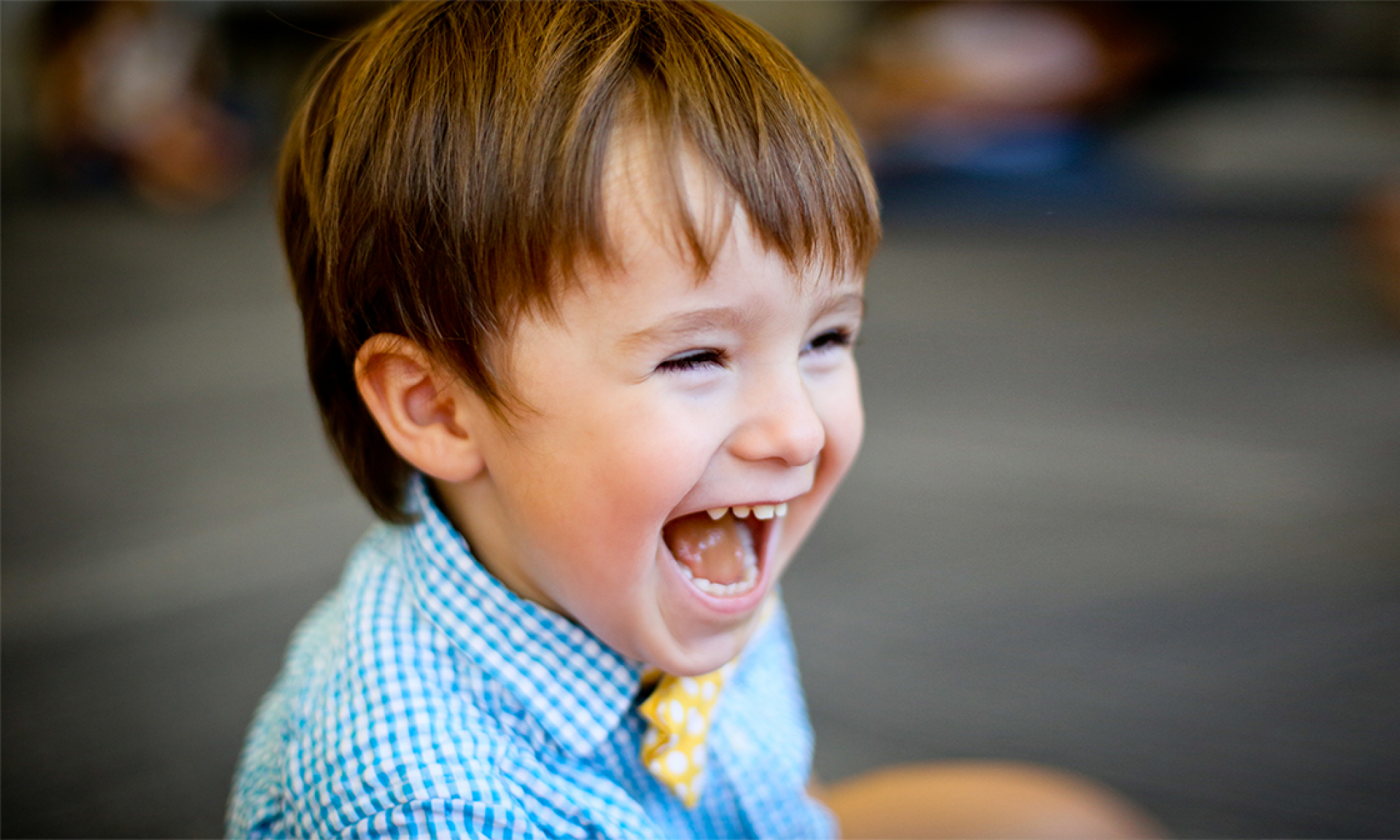


This year we celebrate a significant milestone: 30 years of Music in Our Schools month. Thirty years ago music in schools meant recorders and “Hot Cross Buns.” Now, it still means recorders and “Hot Cross Buns,” but it also means English Language Arts, Math Class, Social Studies, and more. Here’s why we should be celebrating Music in Our Schools today… and 300 years from now!

10 Ways Music Plays at School
Music & Math Class. Music teaches young children foundational math skills, including geometry, pattern recognition, and numbers. Watch these children read and repeat various music patterns.

Music & Social Studies. Music teaches children about other cultures through songs and dances. Long before people could read or write, the culture of a nation or people was passed down through song. That tradition continues in the drum circles of the Native Americans, the Shakuhachi flutes of Japan, or an Irish jig. …
Music & Creativity & STEM. Music provides children a creative way to express their thoughts, ideas, and emotions. That creativity spills over into STEM (science, technology, engineering, and mathematics) classes as well, where young children are also encouraged to explore, question, and create solutions.
Why STEM should be changed to STEAM
Music & English Language Arts. Music supports phonological awareness needed in English Language Arts. In fact, our brains process language and music in similar ways. For example, understanding the spoken language requires a child to hear (and identify!) the individual phonemes combined with the intonation communicated through pitch. With music, a child must hear the individual notes along with their rhythmic value.
Music & Group Work. Singing together lowers stress and relieves anxiety. Plus, children gain practice working together to create something beautiful. Play along with this song…and try NOT to smile.

Music & Transitions. Musical cues teach children how to easily transition from one activity to another. Young children can struggle with transitioning from one activity to another as they also experience rapid—and turbulent—emotional development. Singing a song to signal the end of one activity and the start of another helps children navigate those feelings and learn how to move on to something else.
Music & Recess. A classroom dance party gets young children up and moving around on those days when it is too cold or wet to play outside for recess. Getting out those wiggles can help children be ready for whatever is next in the lesson. A quick song of “Head, Shoulders, Knees, and Toes” or the “Hokey Pokey” can bring lots of giggles to the classroom, too!
Music & Language Development. Songs and rhymes teach children the rhythm of language, its construction, and its acquisition. Singing songs and saying rhymes give children practice with words and sounds that not only help children learn to speak clearly, but also effectively, by teaching the vital skills of communication and conversation.
Music & Memory. Children who learn through movement show a marked improvement in memory. That’s because movement wakes up the brain and gets it primed for learning. But music can also aid memorization of facts… like learning U.S. states and capitols later on in elementary school.

Music & English Language Learners. When English Language Leaners clap their hands to the beat of English nursery rhymes or songs, they practice active listening and pattern recognition. Research shows that students who are better at recognizing patterns in language learn another language more quickly than those who do not. Here’s an example of how clapping, tapping, and playing along with a music video from our Kindermusik @Home Materials gives fun practice with recognizing patterns.
 “Music in our Schools Month” is the perfect platform for the message to resonate – music matters! And here at Kindermusik, we believe that music can change our world, one child and one family at a time.
Do you want to bring more music into your school? Learn how. http://www.kindermusik.com/schools/
 It’s World Read Aloud Day.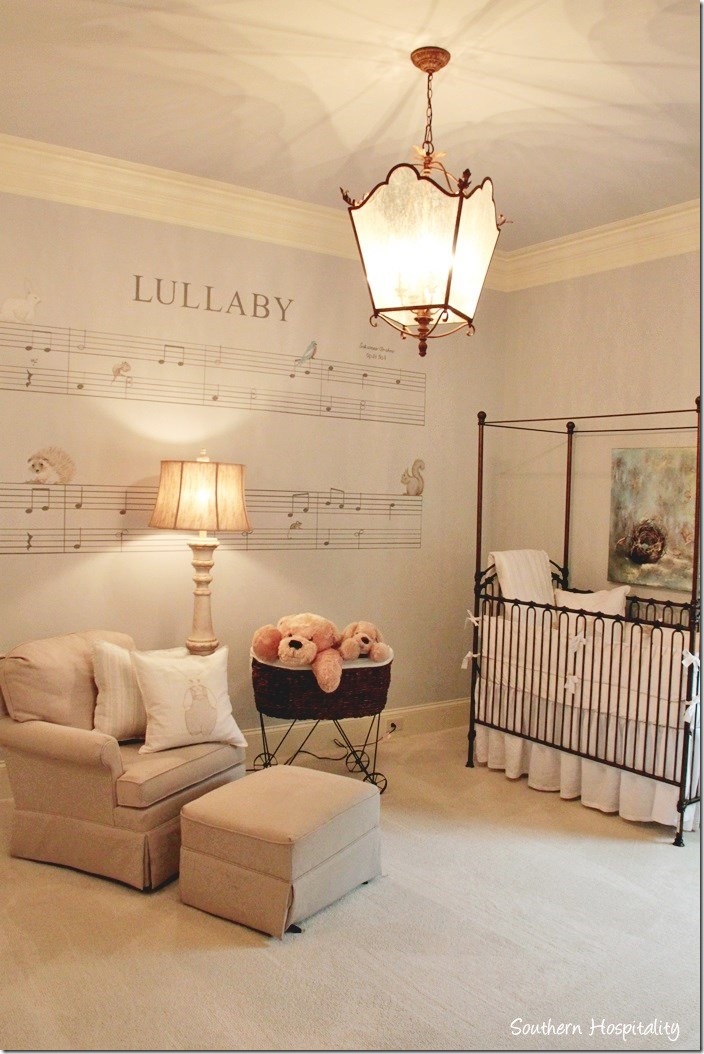
 Music marks so many important milestones in our lives, such as singing a song on your birthday or walking across the stage to receive your diploma while listening to “Pomp & Circumstance” or dancing the first dance together on your wedding day. So of course, music should be a part of this season in your life, too! Plus, music gives parents a go-to resource for playtime, bathtime, bedtime, and hanging-around-the-house-in-our-pajamas time! You don’t need to deck out your child’s nursery like this one in order to bring music into your child’s life. (Can we pause to say “Wow!”?) Here are some ideas of what to include on your baby registry.

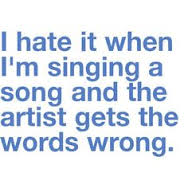
 We’ve all sung the wrong lyrics to a song. Pre-Internet days, we probably even engaged in some spirited dialogue with friends about the words to certain songs when the artist did not include the lyrics! (Hold me closer, Tony Danza, anyone?)
 Does your child sing the cutest thing, too? Upload a video of your little one’s funny moments singing the incorrect lyrics on YouTube, Facebook, or Instagram. Tag with #KidsSing
 Research continues to show that academic success relies heavily on social and emotional well-being, right from the start. Helping young children to recognize and label feelings supports healthy social-emotional growth and is a vital skill in early childhood education. Emotional awareness includes:



 Focused Listening


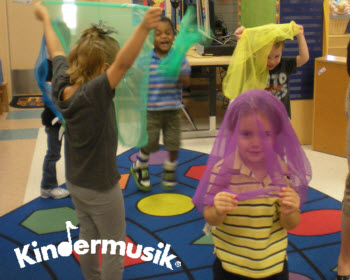

 “Good morning! I just wanted to tell you about something wonderful that happened in my last ABC Music & Me lesson. I have a student who has lower cognitive functioning and limited speech. He does not follow directions or imitate movements during music, etc. He LOVES listening to music and instruments but will either stick the instrument in his mouth or throw it to the floor. He refuses to play it, even with hand-over-hand assistance. We have been working with him since August and have seen little progress in his participation skills. Last week when we were doing our ABC lesson, he played two different instruments appropriately AND independently during the whole song segment! And he was imitating some of the movements that were going on during other segments as well! My aide and I almost cried! What a breakthrough for him!” ~

 “My 3 year old is very shy but since we have started going to Kindermusik he is starting to open up and interact with others. I believe this will help him mentally, physically, and emotionally.” ~Jodi M.
 “It’s fun and very educational for the kids! The kids love the music and all the action involved. WE LOVE KINDERMUSIK!” ~Marisa H.


 Kindermusik International is getting the love started by giving away a free download of the entire album