
[vc_row][vc_column][vc_column_text]We’re excited that we can let you in on the secret. Your secret resource is music! You could even think of music as your secret super power…
Well, maybe that wasn’t such a surprise, but here are some ideas for utilizing music as your secret super power – your way to banish boredom and inspire learning.
12 Fun Ways to Use Music to Inspire Learning in the Summer
1. Read together.
There’s a strong connection between the skills required for reading books and reading music, and you can enhance both reading literacy and music literacy by reading with your child. It’s a great way to sneak in some calming snuggle time too!
2. Take a listening walk.
Listening is a huge part of music and music appreciation. And there’s nothing like a listening walk to captivate your child’s imagination, hone their listening skills, and develop an appreciation for the world around us. (By the way, we highly recommend the book for children by Paul Showers called The Listening Walk.)
3. Turn on some gentle music and blow bubbles.
Blowing bubbles is one of the cheapest forms of childhood entertainment, and you can even sneak in some music appreciation benefit by playing some classical music during the activity. We suggest selections by J.S. Bach or Mozart. By the way, a bubble wand with more than one hole is the secret to a better bubble-blowing experience.
4. Color to music with sidewalk chalk.
Want a no-mess activity that also gets your child’s creative juices flowing? Give your child some sidewalk chalk and offer the canvas of your driveway. Add a variety of music for fresh inspiration and enjoy watching your little artist go to work.
5. Use painter’s tape to create roads and movement pathways.
Hum along as you drive small cars around tape-defined roads or dance and move around paths marked by painter’s tape. The fun will be in deciding where to put the tape down, and the learning comes as you sing and label with movement words.
6. Use a hula hoop as a prop for dancing.
Hula hoops are great for helping children develop spatial awareness and refine large motor skills. The joy comes in exploring all the different ways to dance with, around, and through the hoop!
7. Make a homemade instrument… or two!
Here are ideas for a coffee can drum, tubular bells, cardboard guitar, simple shakers, homemade maracas, and castanets.
8. Start your own marching band.
Grab your homemade instrument, turn on some marching music, and have a parade through the house… and back around again!
9. Make your own musical water classes.
What a great way to learn about what makes a high sound and what makes a low sound! A delightful experiment in sound, logic, and listening skills.
10. Play a Musical Alphabet Chairs Game.
This is a fun educational twist on a classic childhood game that combines moving, listening to music, stopping on cue, and identifying letters of the alphabet. Perfect for when it’s too hot or yucky to be outside!
11. Dance like nobody’s watching!
Put on some homemade ankle bells and dance, dance, dance! This is a great activity for indoors or outdoors. You can even help your child experiment with different kinds of music for all kinds of creative movement ideas. (Tip for the ankle bells: If you don’t crochet, simply cut of the top of an old pair of socks and sew the bells on them.)
Not only will you have the weekly class to look forward to, but you’ll have Home Materials to use and enjoy throughout the week, including lots of great music to listen, sing along, and dance around to! Find a class nearby.[/vc_column_text][/vc_column][/vc_row]
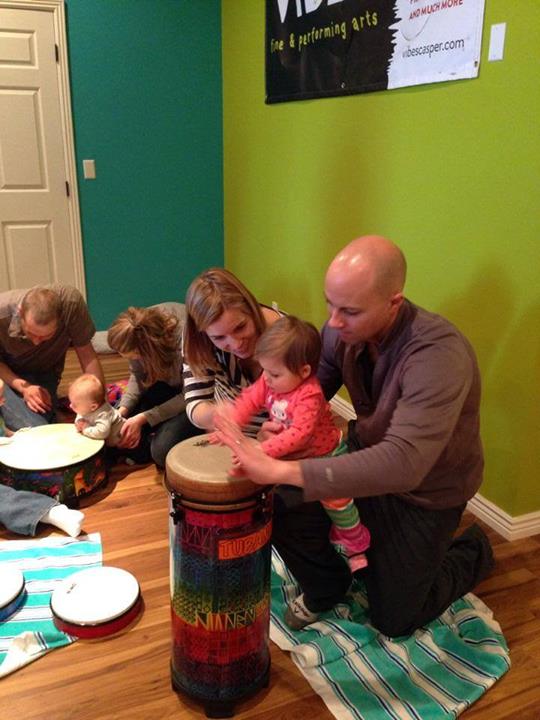
 music to make connections between people of all ages and all backgrounds.
 Of course, music makes those big life occasions all the more memorable. What is a wedding without music to walk down the aisle or a graduation without a little “Pomp and Circumstance”? But, music also celebrates those everyday (and just as important!) moments.
 Casper, Wyoming, may be known as “cowboy country” but thanks to Amy Munsell—with the support of her husband, Lukas—it’s also now Kindermusik country. We know that the sense of community she and her Kindermusik families create is making a profound difference in the lives of children in Casper.

 young children from Kindermusik@Home, using their hands as shapes, tools, and mementos.
 That’s why we found it fascinating that
 Young children love to search for hidden or missing items. Following the English language directions in the video, and then finding (and saying hello to!) the frogs, fish, and ducks, provides young ELL students much-needed feelings of mastery and success in English.
![KindermusikPresents_ABCMusicAndMe_AGlobalEarlyChildhoodCurriculum[1]](https://media2.kindermusik.com/website/sites/2/2014/05/KindermusikPresents_ABCMusicAndMe_AGlobalEarlyChildhoodCurriculum1.png)

 From “Home Sweet Home
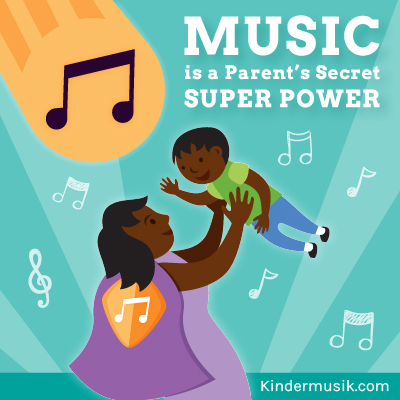
 Parents of young children need special superpowers. Forget about leaping tall buildings in a single bound or even flying, parents really need the ability to turn invisible in order to check on a sleeping baby, the power to fully function on only 3 hours of interrupted sleep, and the capacity to do the laundry faster than a speeding bullet! Who knew someone so little could go through so many clothes!?

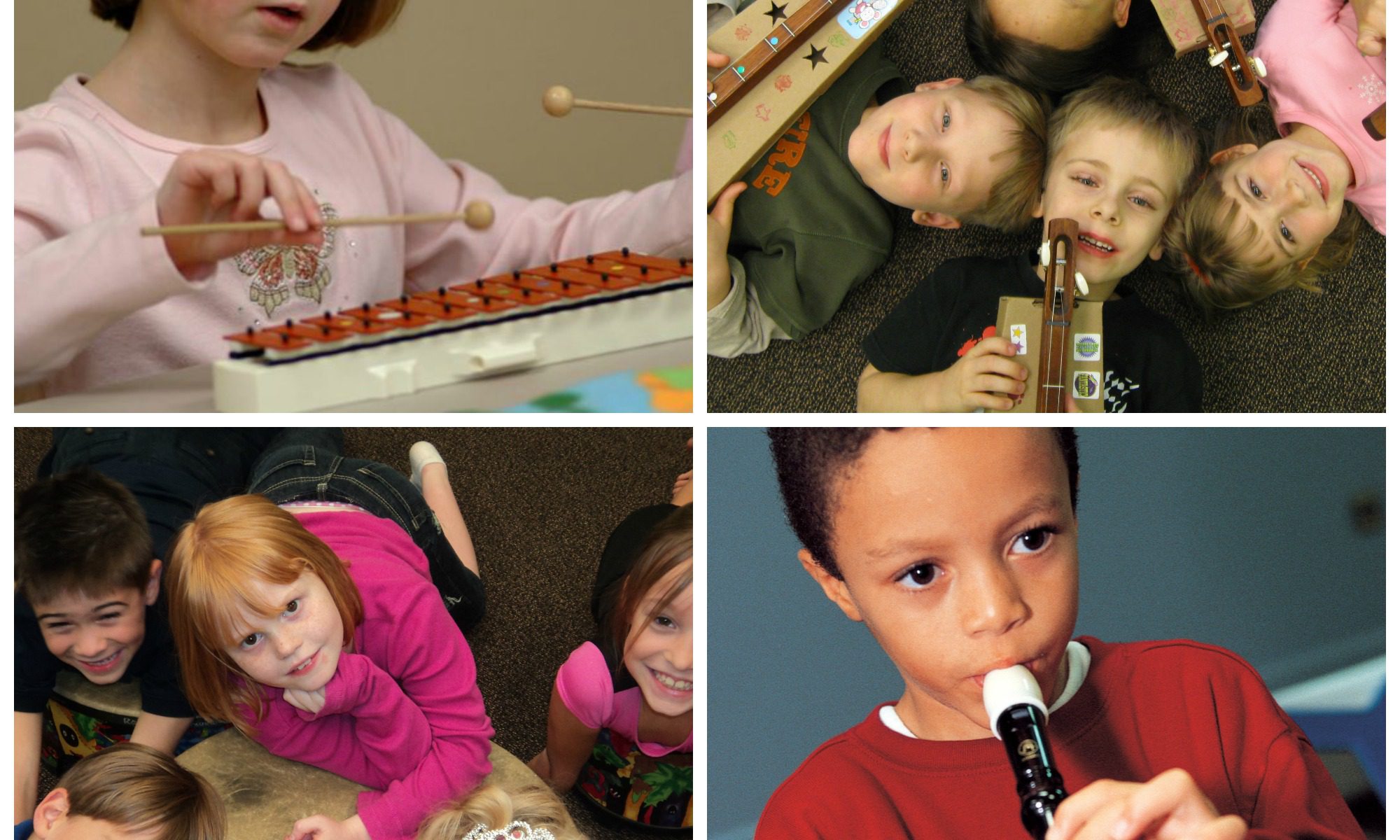
 This is the time of year when many Kindermusik educators are bidding a fond farewell to their Kindermusik graduates – a bittersweet time for sure! But they are sent way with so much pride, not just because of their accomplishments, but because of how Kindermusik has prepared them to succeed.
 Poised for success in music, in school, and in life.
 For over 30 years now, we here at Kindermusik International have been empowering music teachers all around the world with a special kind of super power – the power of music.