3 Ways to Build Grownup Social-Emotional Growth

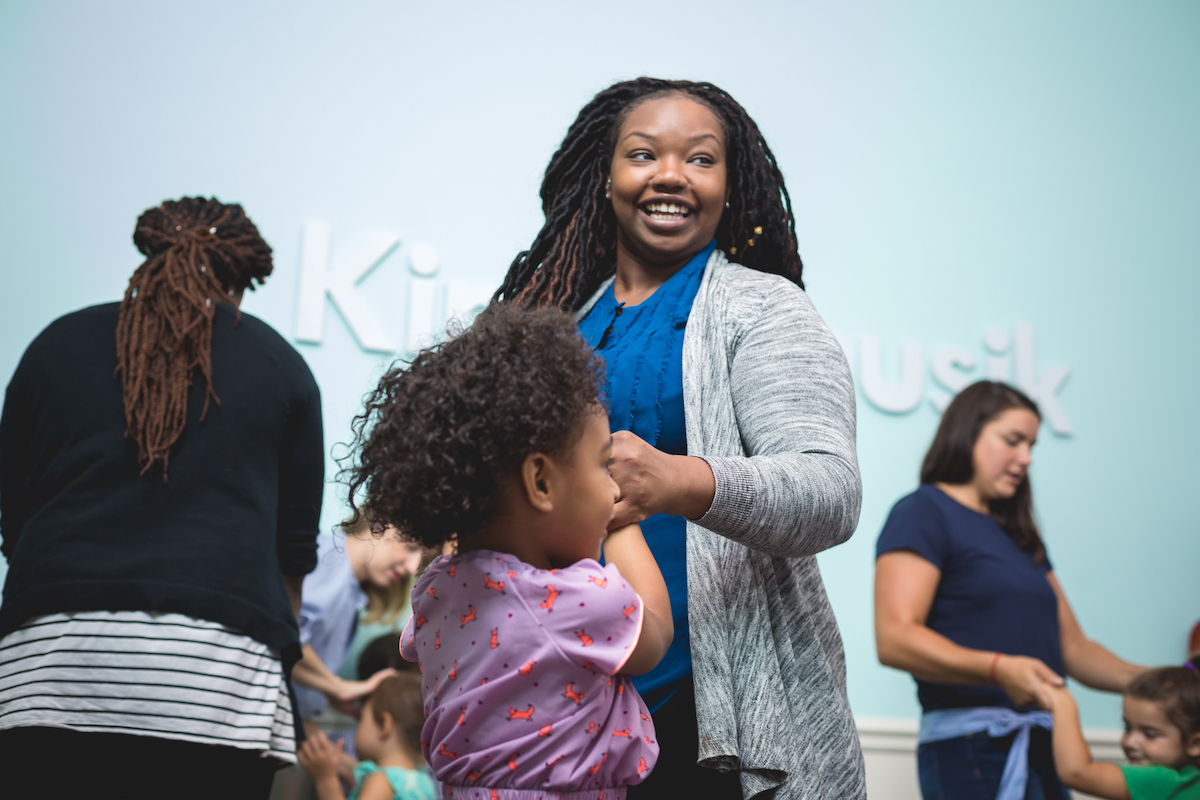
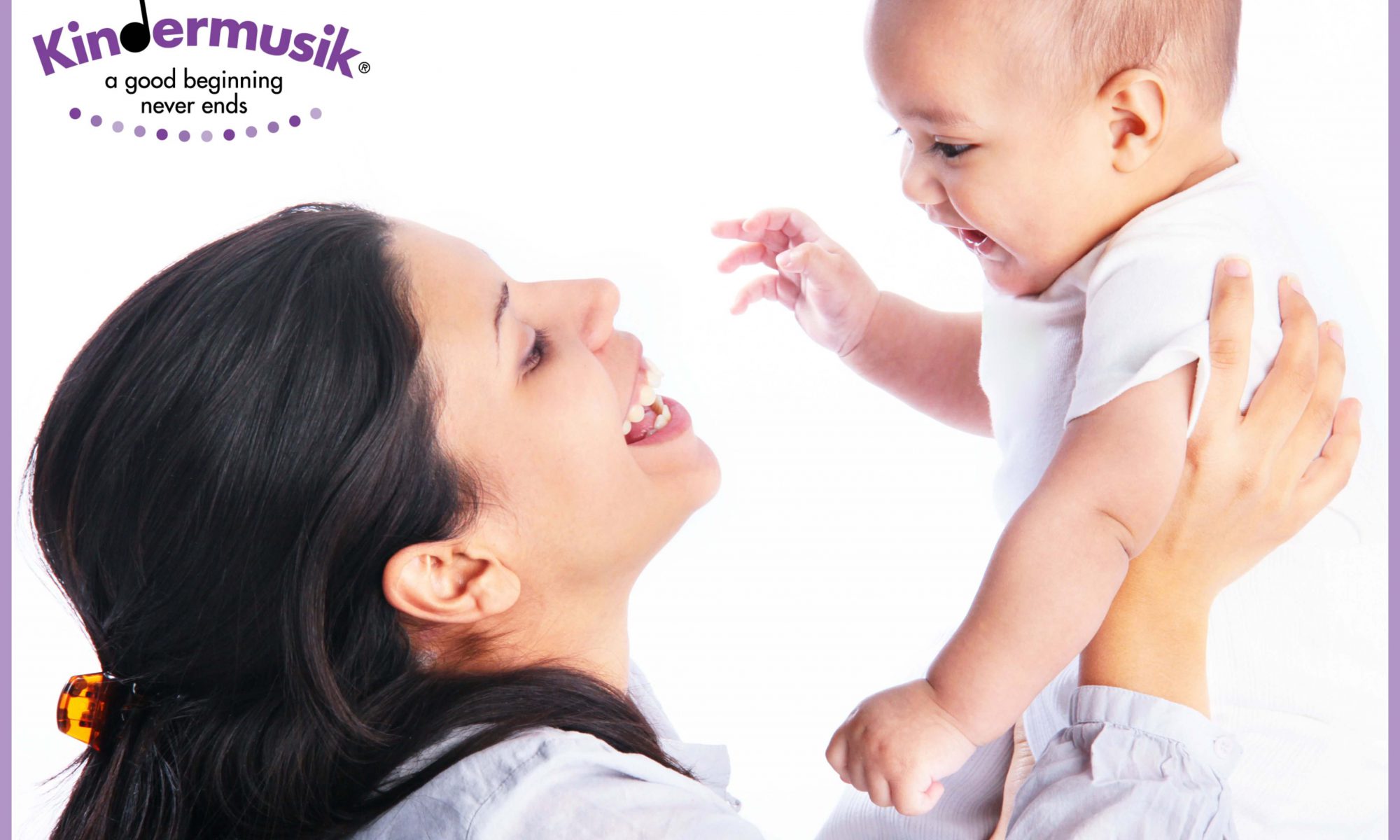
A mom dances and builds social-emotional growth with her daughter in a Kindermusik class.

Social-Emotional Learning (SEL) for children has been a huge focus in early childhood development over the past 10 years, but what about “Grownup Social-Emotional Growth?” It turns out, it’s just as critical for parents and caregivers to fill this specific brain bucket on a daily basis.

Not to be confused with a fancy face mask or a day at the beach, The Collaborative for Academic, Social, and Emotional Learning (CASEL) defines SEL as “the process through which children and adults understand and manage emotions, set and achieve positive goals, feel and show empathy for others, establish and maintain positive relationships, and make responsible decisions.”  

And while it can be hard to focus with little ones around, it’s important to recognize that parents and caregivers shouldn’t put social-emotional growth on hold for alone time.

Continue reading “3 Ways to Build Grownup Social-Emotional Growth”

Outdoor Music Classes Bridge COVID Socialization Gaps

Outdoor Music Classes Bridge COVID Socialization Gaps

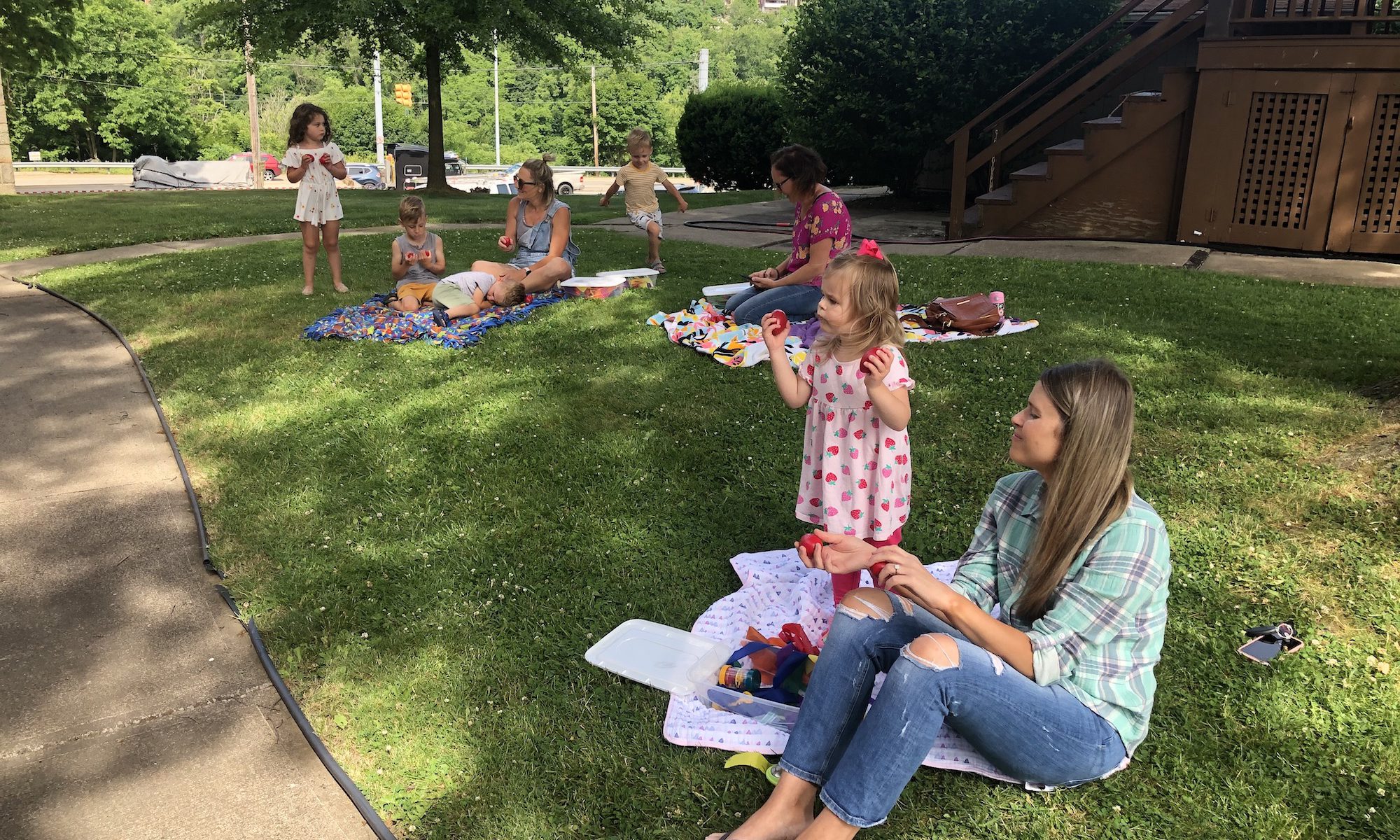
When the pandemic forced families to social distance and quarantine, the negative effects of social isolation hit young children perhaps the hardest. The need for connection is pressing and real. And that’s where Kindermusik’s outdoor music classes come in.

Many Kindermusik families love our virtual class opportunities (they’re a huge hit!) and they’re here to stay. However, some of our educators found that children responded better to a physically distanced, outdoor environment.

Continue reading “Outdoor Music Classes Bridge COVID Socialization Gaps”

How Shared Music-Making Nurtures Emotional Intelligence

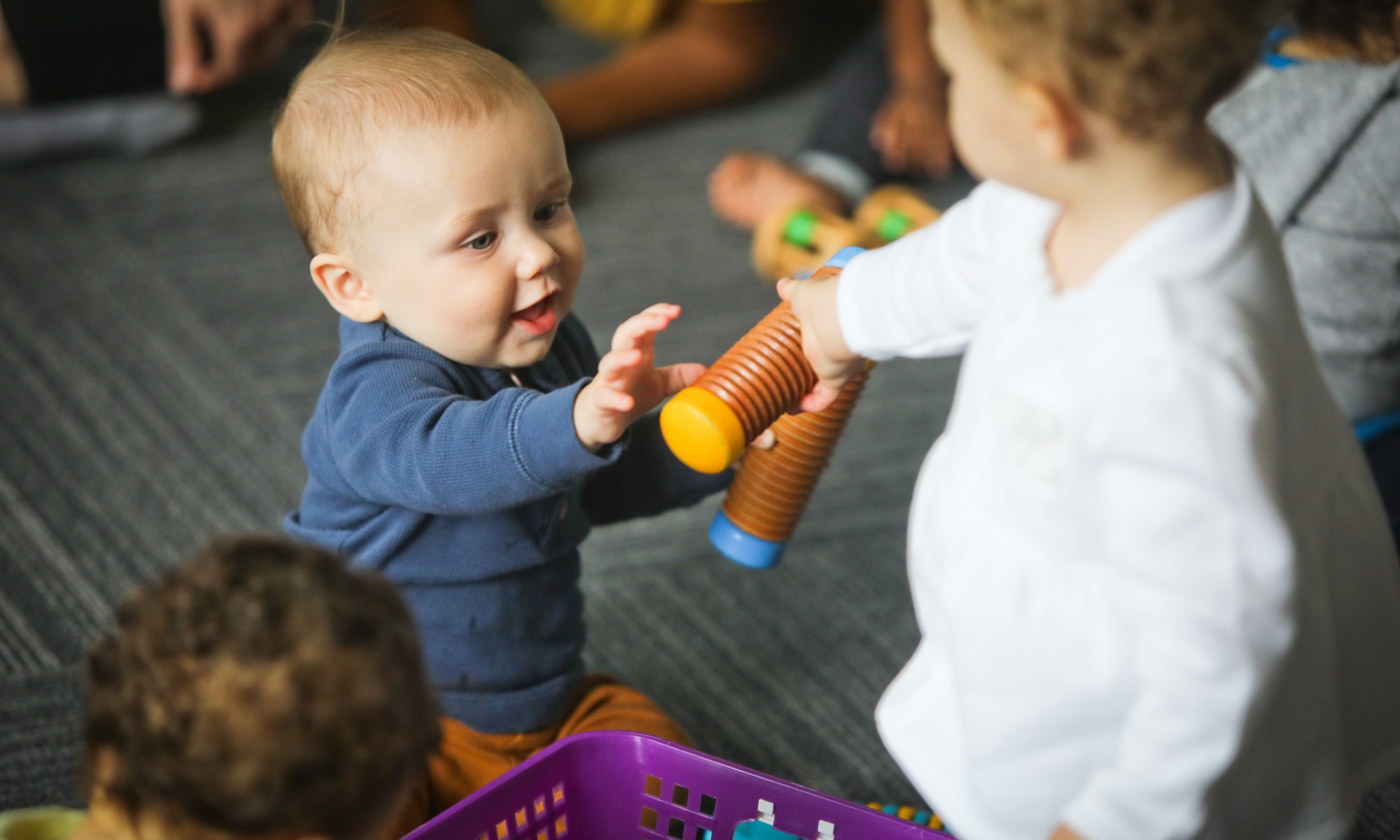
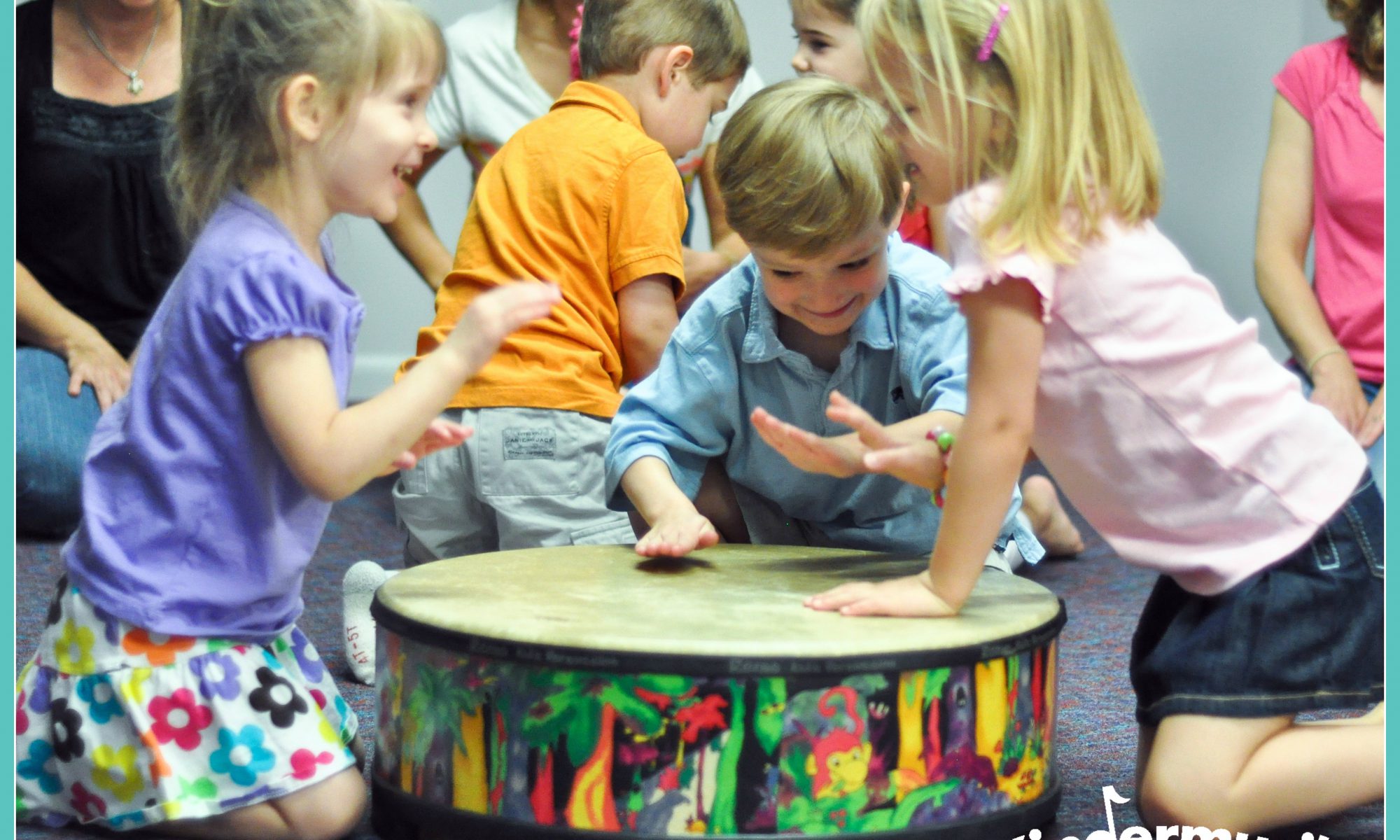
Two 1-year-old boys pass instruments to each other during a Kindermusik class; early cooperative play like this supports emotional intelligence.

What is emotional intelligence?

Since the early 90s, early educators have been keenly interested in “emotional intelligence” (the awareness of our emotions, how to manage them, and use them) and its connection to wellness and success. What we know now is that a child’s brain is primed for nurturing emotional intelligence, and there are scientifically proven reasons why shared music-making is the best nurturing tool out there.

Continue reading “How Shared Music-Making Nurtures Emotional Intelligence”

Toddlers Learn through Laughter. No Kidding.

While some say laughter is the best medicine, it turns out that it’s not so bad for learning either! A new French study found that humor helps toddlers learn. In the study, Rana Esseily and her colleagues designed an experiment to see whether using humor impacted the learning abilities of 18-month-olds. During the study, each child watched an adult using a tool to grab an out-of-reach toy. In one group, the adults played with the toy after retrieving it. In the second group, the adults immediately threw the toy on the floor after getting it. This made half of the toddlers laugh.

When the research team reviewed the data, they found that the toddlers who laughed were able to repeat the action themselves more successfully than those who didn’t laugh, as well as those who were included in the control group.

Young Children Give Us Permission to Be Silly

We laugh a lot in our classes. A lot. Children somehow remind us to laugh and smile and notice the little things in life. Take this child. He can’t stop laughing at what his dad does.

Laughing Toddler


Children develop a sense of humor over time as they learn what is and isn’t funny—and when it is appropriate (or not) to laugh. With classes in over 70 countries, we know a thing or two about families and children around the world. We know, for instance, that every child speaks music and laughter sounds the same in any language. And, to a child, funny things can be found anywhere—blowing dandelions, made-up words, knock-knock jokes, chasing the dog, and even—sometimes—mommy’s “angry face.” (You know it’s true.)

On average, children laugh about 200 times every day. Silliness is a great way to evoke laughter and foster the development of humor (and help kids learn, too!). So, we include a lot of it in class each week, including singing songs with silly words (guli, guli, guli), playing one-bell jingles with our feet or on our head, and even a surprise tickle. All that laughing encourages a child’s physical, emotional, and social health. Plus, it’s a lot of fun and can be a developmentally appropriate way to motivate, engage, and redirect children during the early years.

Try out some of our favorite musical jokes and see if you can get a chuckle out of the kids in your life!

Contributed by Lisa Camino Rowell who admits to laughing with her young kids so much that tears fall.

When It Comes to Baby Talk, Moms Matter

from Birth

Sometimes it seems that a mother knows what a child is thinking and feeling even before that little one can verbally communicate.  That’s because even brand-new moms are somehow inexplicably endowed with this special ability to be tuned in to their little one’s thoughts and feelings.  Some may call it maternal instinct.  It might be better called the “mom thermometer.”  Dr. Elizabeth Kirk, from the University of York, called it “maternal mind-mindedness” or “tuning in.”

What kind of “reading” a mom gets on her “mom thermometer” then often translates into not only she cares for her baby, but more importantly to Dr. Elizabeth Kirk and her research team, this instinctive tuning in is the basis for how a mom interacts and talks to her little one.  Dr. Kirk’s study found that a “…a mother’s ability to tune-in to her baby’s thoughts and feelings early on helps her child to learn to empathise with the mental lives of other people. This has important consequences for the child’s social development, equipping children to understand what other people might be thinking or feeling.”  Pretty amazing!

mom talking with her baby

Well since we here at Kindermusik are all about using music, movement, and the weekly Kindermusik class to help make great parenting a little easier, we have some “talking points” for all parents as you are interacting with, tuning into, and bonding with your babies and young toddlers by identifying and labeling their emotions.

Emotional Talking Points

When Mommy sings your favorite lullaby, you feel all better.

You love cuddling with Daddy, don’t you?!

I can tell when you smile that you are happy.

Are you feeling frustrated because you can’t fit that into the box?

Does it make you feel upset when your beans fall off your spoon before you get them in your mouth?

Emotional Activity Ideas

  • Listen and/or dance to “emotional” music.  (You can define what “emotional” means at any given moment.)  Talk to your child about how the music makes them feel.
  • Use simple songs or rhymes at routine points throughout the day – waking up, getting dressed, going down for nap, bath time, or bed time.  The songs or rhymes can not only help the transitions go more smoothly, but you can talk to your baby about their reaction.  Upset?  Happy?  Sad?  Frustrated?  Contented?
  • Deliberate eye contact will help you tune-in more to your baby and his/her emotions.  Look into their eyes as you talk to them and love on them.
  • Take time for some gentle baby massage.  This is a great time to “converse” with baby and make that all-important eye contact.
  • Sing or hum a lullaby as you rock your child.  You might use rocking as a nap time or bed time ritual.  But rocking is also a great time to really focus on your child, saying “I love you,” and getting a good “read” with your “mom (or dad) thermometer.”

We get that some of these examples might sound just slightly cheesy when written out, but don’t worry – they won’t come across as cheesy when it’s just you and your little sweetie one-on-one.  And later on, when your child is growing to be happy, self-confident, thoughtful, and sensitive towards others, you can give yourself a big pat on the back.  It was your intuitive connection, tuning in, verbalization, and yes at times, one-sided conversations, that made all the difference.

Want more insight into your child’s social-emotional development?  Follow us on Pinterest!

Shared by Theresa Case who has loved every minute of helping parents connect with their children through music at Piano Central Studios in Greenville, SC, for over 20 years now.


Scientists Call Music “The Social Glue that Bonds People”

Kindermusik for Schools

It seems as if we all march to the same beat even if we play different drums. According to new research, music from around the world tend to share common features, including a synchrony on the drums in Kindermusik classstrong rhythm that enable coordination in social settings and encourage group bonding.

The research team from the University of Exeter analyzed the recordings of 304 stylistically diverse musical compositions from around the world. Their research found dozens of common characteristics across various world regions, including features related to pitch and rhythm and social context and interrelationships between musical features. For example, the team found rhythms based on two or three beats present in music from all regions: North America, Central and South America, Europe, Africa, the Middle East, and South Asia, East Asia, Southeast Asia and Oceania.

Why We Make Music

Thomas Currie from the University of Exeter gave insight into the team’s research: “Our findings help explain why humans make music. The results show that the most common features seen in music around the world relate to things that allow people to coordinate their actions, and suggest that the main function of music is to bring people together and bond social groups — it can be a kind of social glue.”

Music as social glue works for parents and young children, too, as one of the researchers discovered (and as those of us involved in Kindermusik already know): “My daughter and I were singing and drumming and dancing together for months before she even said her first words. Music is not a universal language… music lets us connect without language,” explained Pat Savage, a PhD student from the Tokyo University of the Arts.

Village baby with new logoWant to connect your family with others who share a love of music? Find a local Kindermusik class.
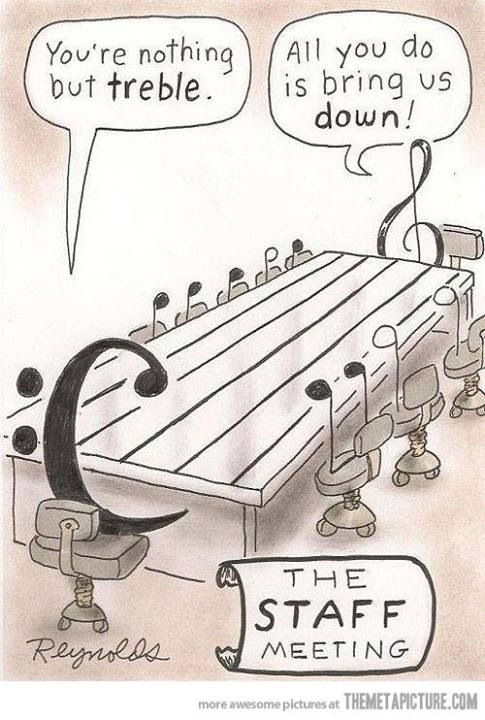
Music is a Laughing Matter

Children can easily find a reason to laugh—throwing a spoon on the floor, jumping into puddles, saying a made-up word, a dog eating popcorn. Hil-ar-ious!

[youtube]https://www.youtube.com/watch?v=BTOeuH-iEJ8[/youtube]

You couldn’t help but laugh, right? Children literally bring more laughter into our lives by laughing 10x more each day than the average grown-up. (No wonder Peter Pan never wants to grow up!) All this laughter and silliness is actually teaching children what’s funny—and what isn’t. Support an older child’s growing sense of humor with these musical jokes. You might try the popcorn trick, too!

Musical Jokes to Put Kids on the Right Laugh Track

Why was the piano invented?
So the pianist would have a place to put her coffee.

What do you call a cow that can play a musical instrument?
A moo-sician

Music Joke What type of music are balloons scared of?
Pop music!

What makes music on your head?
A headband!

What part of the chicken is musical?
The drumstick!

Knock knock!
Who’s there?
Little old lady?
Little old lady who?
Wow! I didn’t know you could yodel!

Why did the singer climb a ladder?
She wanted to reach the high notes!

Looking for more ways to evoke laughter from kids? Try these silly Kindermusik songs!