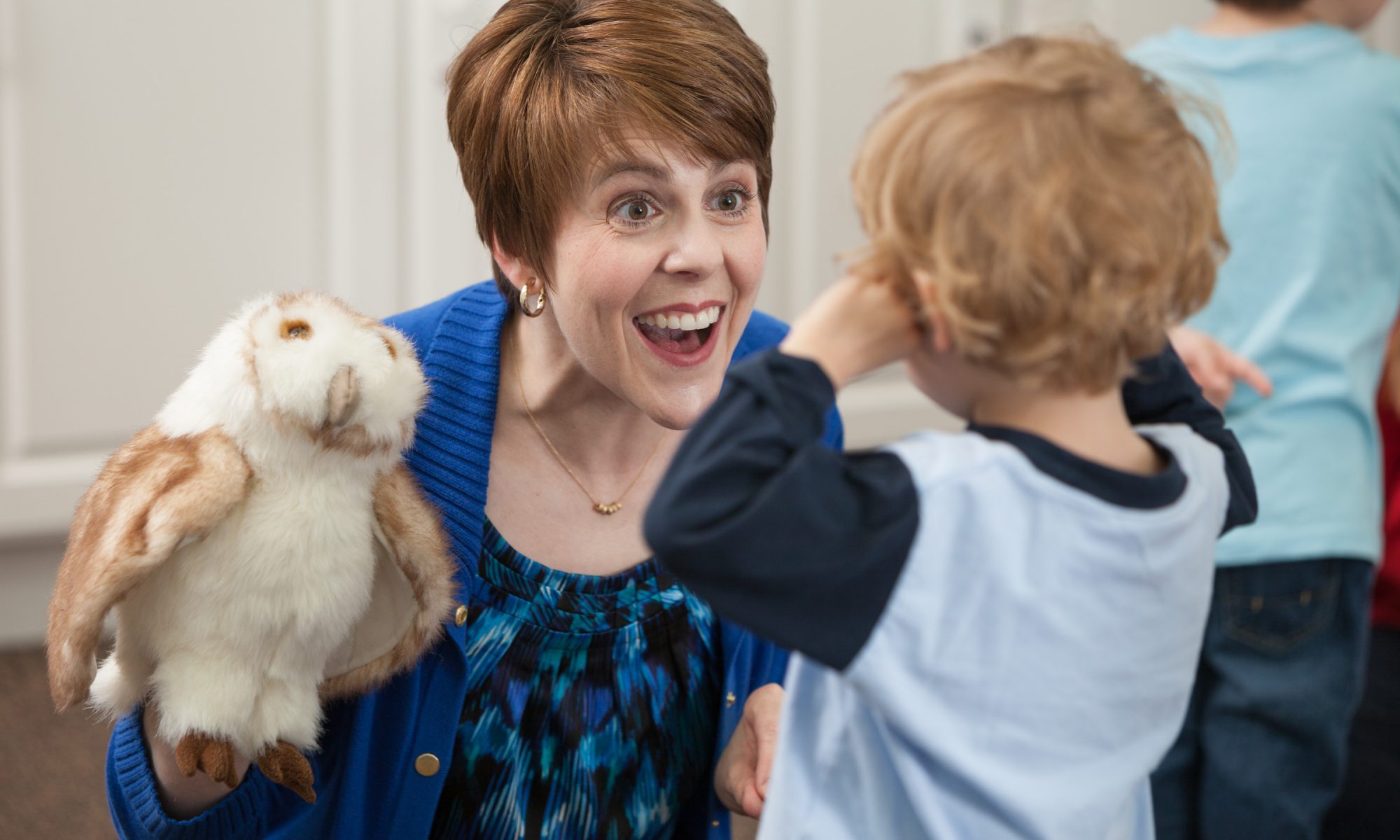
At certain times of the year, I find myself reflecting back on what it is that I love so much about teaching music, and specifically, teaching Kindermusik. Little did I know the beautiful journey that would unfold for me professionally or the countless precious memories that I would come to treasure when I taught my first class way back in 1994.

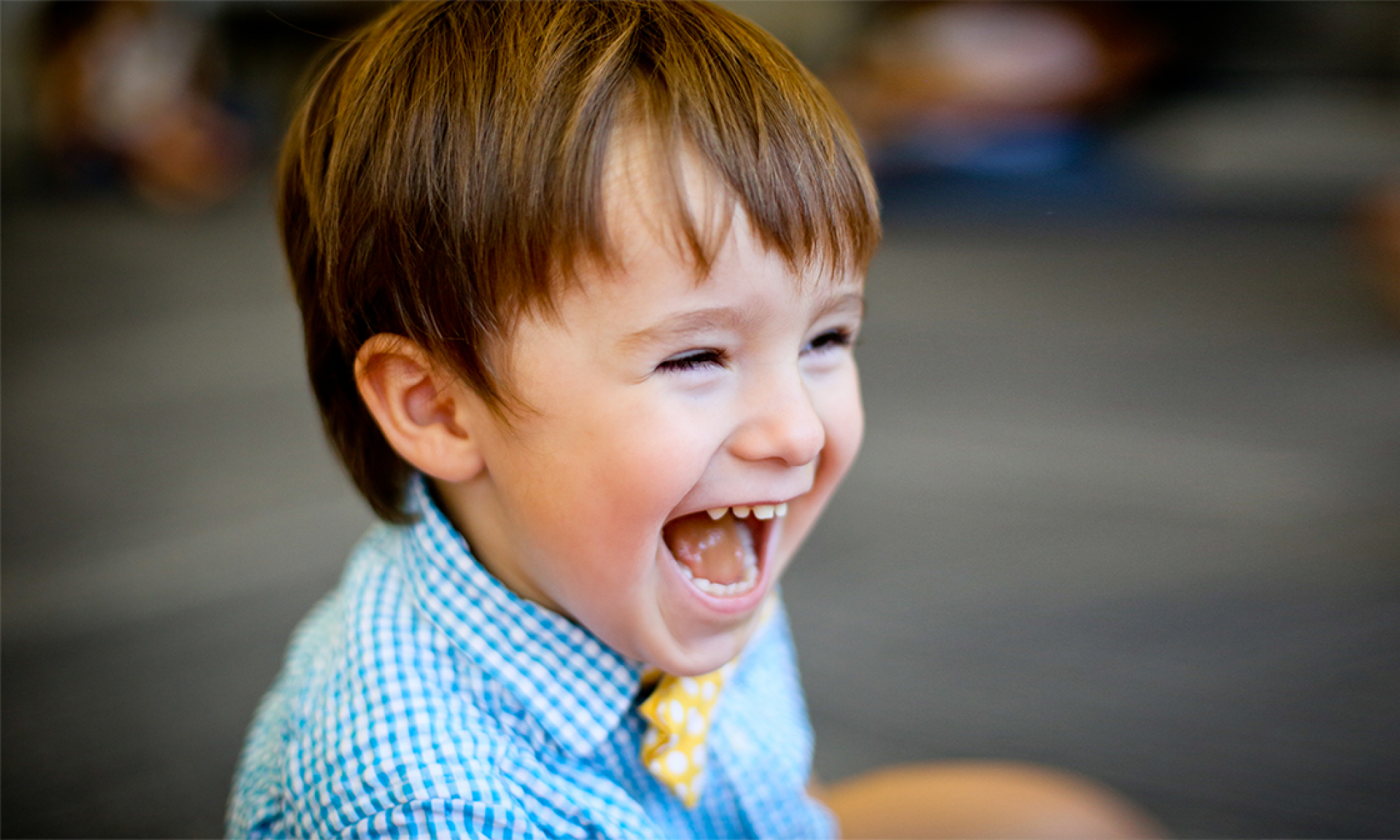
So why do I teach Kindermusik? There are literally thousands of reasons – most of whom are under 3 feet tall, have adorable smiles, and have quite stolen my heart. But if I had to pick a few highlights, these would be the some of my favorites.
I teach Kindermusik because I…
- Get to be a part of helping parents linger in the moments of experiencing a music class with their children and making musical memories that knit their hearts together.
- Get to share in the happy celebration with all the other parents when a little one takes his first wobbly steps or says his first word in class.
- Get to swallow the lump in my throat when I hear a little voice singing parts of our Hello song with me for the first time.
- Get to be a proud onlooker as a parent and child discover at least 10 different ways to play the rhythm sticks – together.
- Get to smile right back with a preschooler who is just beaming with pride over raising his hand to share his best idea for singing a song.
- Get to hold my breath in delight as a big kid confidently plays the notes of his first composition on the glockenspiel.
- Get the best hugs from little children whose love for music and their music teacher sweetly overflows after each and every class.
- Have had a front-row seat to see Kindermusik babies graduate from the Kindermusik program, continue on in music lessons, and grow up to have a life-long love and aptitude for music.
- Have the deeply fulfilling satisfaction of knowing that the world will be a better place because of the song my Kindermusik kids will have in their hearts forever.
And so, if you don’t mind, I think I’ll keep teaching Kindermusik for another 20 years or so… probably until my knees give out and I no longer have a voice.
 Why do YOU teach Kindermusik? Share your reasons on the Kindermusik International Facebook page and tag #WhyITeachKindermusik.
Contributed by Theresa Case who has loved every minute of teaching Kindermusik and running an award-winning Kindermusik program in Greenville, South Carolina for over 20 years now
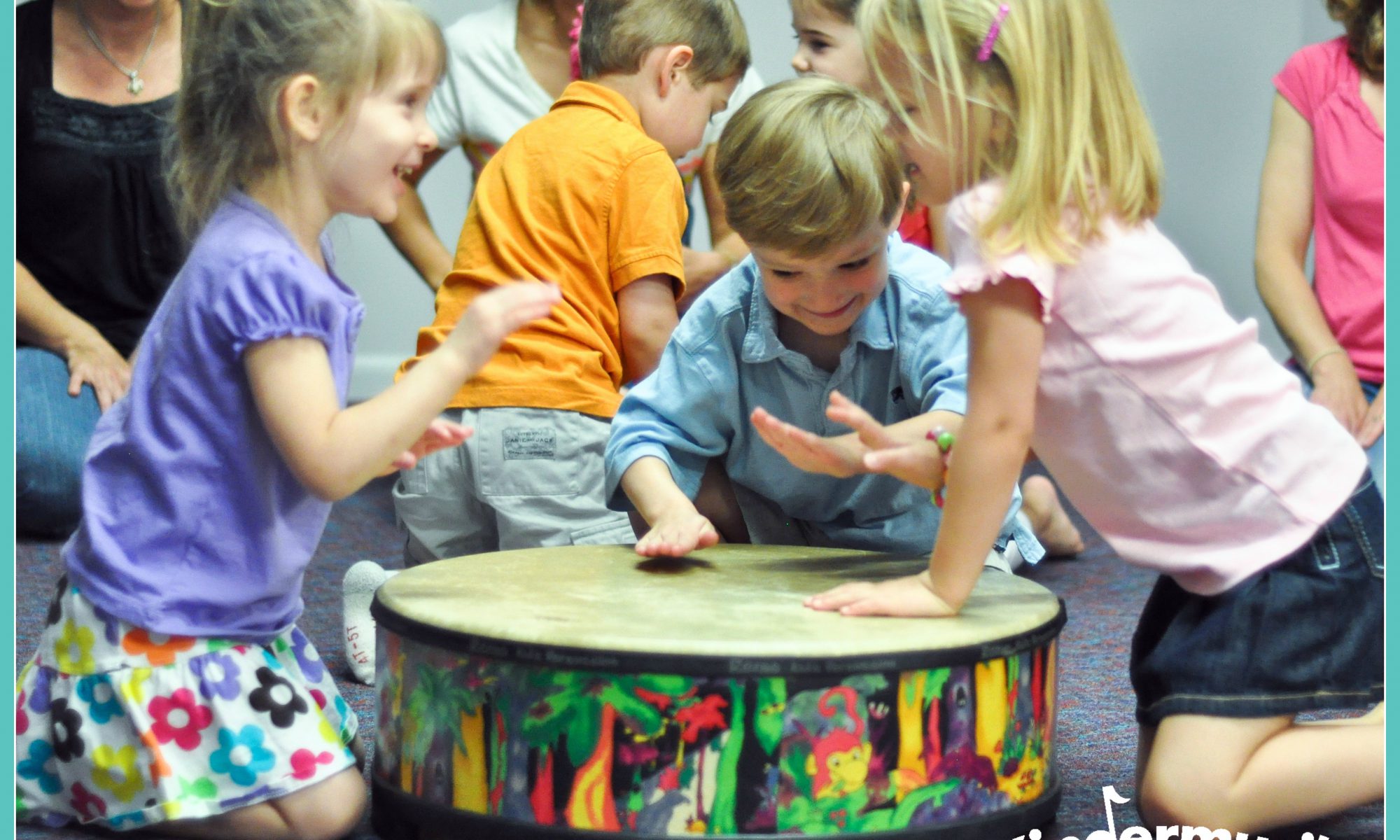
 home. We believe so strongly in the importance of creating a musical home that we provide the music, instruments, or other resources—like our
  This experiential environment where the learning process is shared by everyone in the group—including children, parents, and the teacher—is called “social constructivism.” For example, in each class a Kindermusik educator guides the class towards a learning objective, such as steady beat, timbre, or vocal play, with children as active participants in the learning process. Providing children with ample time to reflect, compare, make choices, express opinions and preferences, and engage in problem-solving activities together teaches children not only the lesson focus but it teaches them how to learn.
 Want to “play music” in a classroom with other families?
 For parents with young children, Life Balance is a mythical beast! A hammock gently swaying in a warm ocean breeze as you watch ships leave the harbor or the quiet creaking of a porch swing in the dappled afternoon sunlight can bring thoughts of a little Life Balance in an increasingly complex world. For parents of children under 2, however, the nursery glider moving back and forth at 10:16pm, 2:01am, and 5:34am might be the closest you can get to that beach or front porch. It can work in a pinch though!


 Understanding and accepting similarities and differences among people is the foundation of Social Studies skills in the early childhood years. Teaching social studies through the arts, including music education, increases children’s understanding and engagement and also gives voice to cultures that may not be reflected in the current classroom or community.


 Want a child to speak more than one language fluently? Start early! Research shows that when children learn another language at a young age the more likely they are to understand it and speak like a native speaker. It’s never too early to begin learning another language. In fact, evidence indicates that babies have the ability to learn all the languages of the world but self-select to their native language as early as 9 months.
 Freeze Game Activity for the Classroom: Have the children spread around the room. Tell them that they can run around the room freely once you clap your hands, but when you shout, “Freeze,” they must stop in their current position. To begin, let the children run around for 30 seconds and then shout “Freeze!” Make sure children hold the position for at least 10-15 seconds before you let them run around again. When focusing on language learning, use simple linguistic phrases to describe what you see: “Andrea is standing up like a tree”or “Olivia is a stone.” Repeat several times.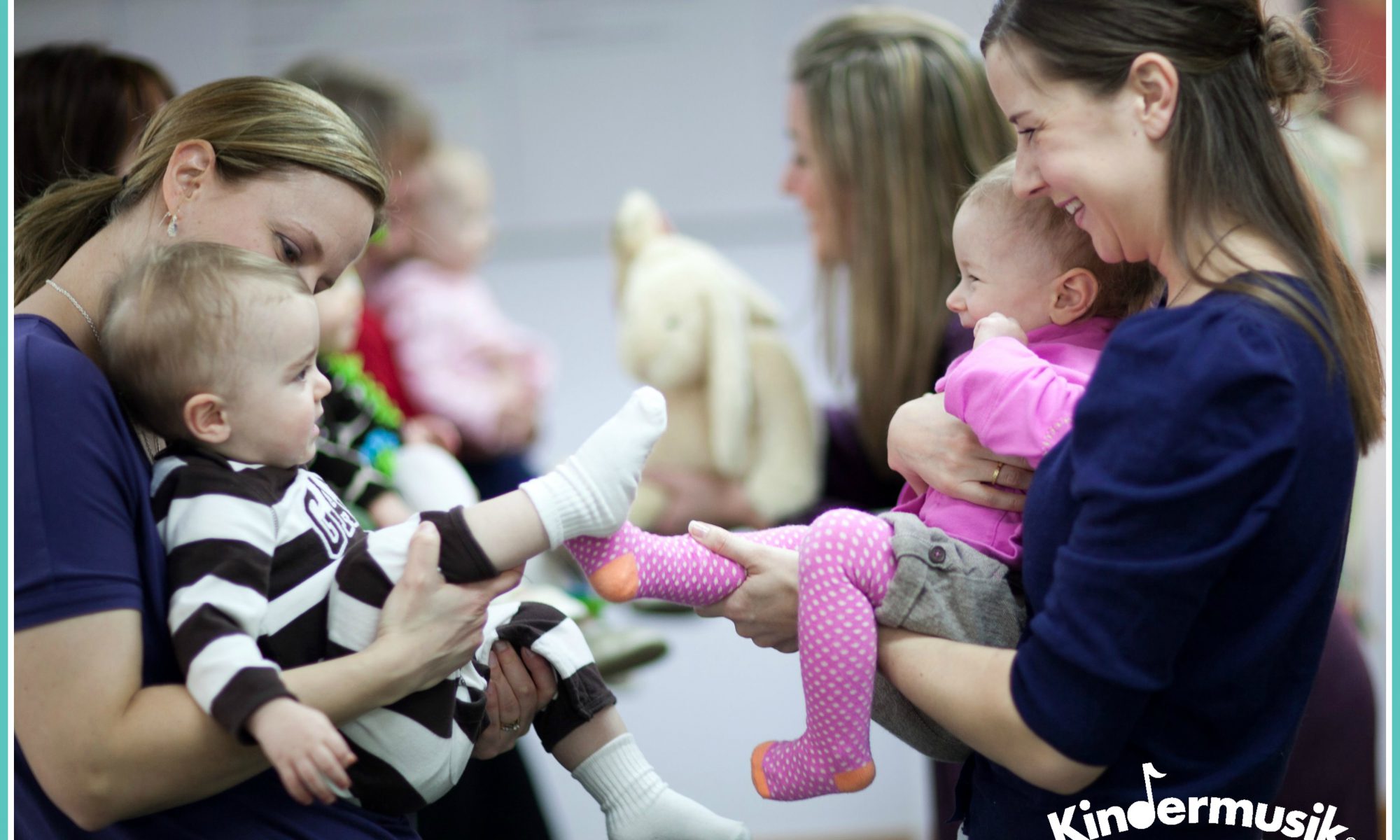

 Find a local Kindermusik class


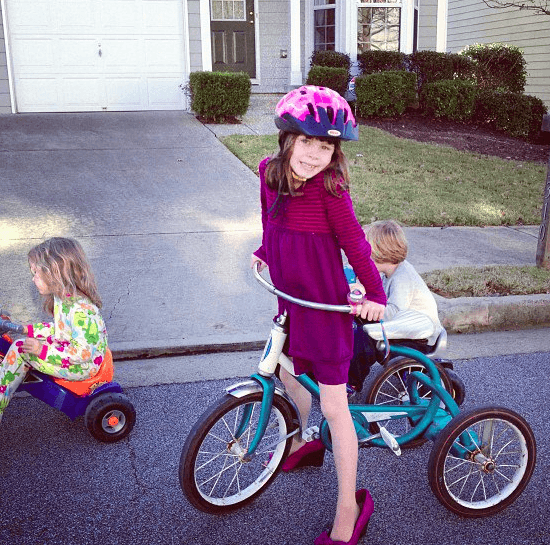
 It’s coming, one day soon (if it hasn’t already). Your child will want to learn how to ride a bike—the big kid kind. There will be spills and thrills for both of you as your helmeted child learns how to balance and maintain the right rhythm and tempo for pedaling and braking. Shouts of “Don’t let go!” “I need a push!” and “Arggg!” will be commonplace until that moment when it all comes together and your child successfully rides down the street.