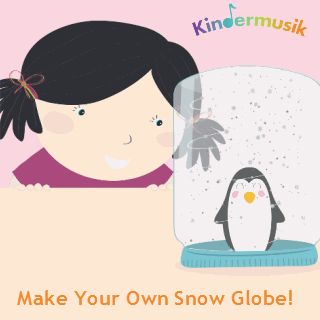
Make Your Own Snow Globe!

Kindermusik - Make Your Own Snow Globe!

Let it Snow this Holiday Season with this Fun Kindermusik Activity.
Kindermusik - Make Your Own Snow Globe!Follow these simple, kid-tested steps for making your own sparkling snow globe. You choose the decorations!
Great for the classroom – or, if you’re looking for fun things to do with your kids this holiday season, this can be a memorable family activity.
 

Where Music and Learning Play!

To make this activity even more fun, we are giving away a FREE Music Download of Winter Wonderland. Login or Register at play.kindermusik.com.
 
Enjoy the music! We know it’s a great vehicle for learning. We encourage you to listen to the album Winter Wonderland while making this craft and use the tips below for extending the learning.

5 Steps for Making Your Own Snow Globe

Kindermusik - Make Your Own Snow Globe Activity Sheet

Tips for Extending the Learning

This fun activity from Kindermusik@Home is great for developing basic science skills, including investigating materials, observing the seasons, and making scientific predictions. As you progress through the steps outlined, you can extend the learning by trying some of the following:

  • Investigate the materials needed. What does the glitter look like? How does the oil or syrup feel? Is the glass jar smooth or rough?
  • Talk about the season of winter. You can discuss cold weather, snow, ice, birds flying south, etc.
  • Predict what might happen when you turn your snow globe over. What will happen to the glitter? Will it make any sound?

Enjoy the music and this fun Kindermusik activity!

For more information on bringing Kindermusik to children around the world:

Teach Kindermusik     Try A Free Kindermusik Class     Learn About Kindermusik at School
 

FOL Fridays: Body Management

Discovering and exploring movement provides young children with profound learning experiences.  They are delighted to practice and show off their emerging skills, and they will seek out opportunities to practice these skills frequently.  It is during this time that the foundation is laid for body-management activities needed in childhood games, recreational activities, and eventually sports (Carson 2001).
Ideas for parents:  One fun way to explore movement ideas together is to play a simple “Copy Me” game.  The first person moves and the partner copies.  Take turnings being the one moving and the one copying.  This game is likely to become quite hilarious with preschoolers and big kids who will have fun coming up with the silliest ideas ever!  Add a little music, and you’ve got the inspiration for some happy, fun music and movement activities that will keep you entertained and physically active!

Kindermusik… It's all in here!

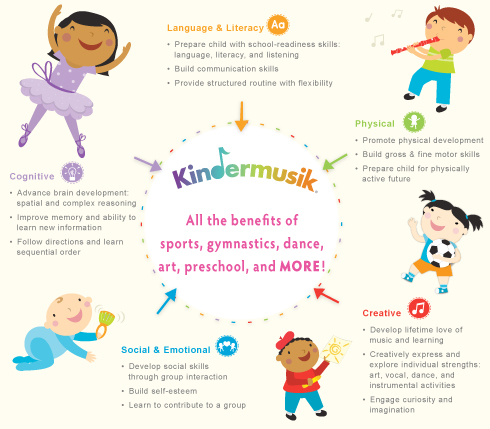
Kindermusik - all the benefits of sports, gymnastics, dance, art, preschool, and moreLooking to meet other moms and kids?
Kindermusik is like having you with your very own weekly playgroup with music and more!
Looking for ways to keep your child active?
Kindermusik develops your child’s motor skills, rhythm, and coordination.  It’s a great way to provide physical activities for kids.
Looking to enhance your child’s creativity?Kindermusik is a place where your child’s imagination, curiosity, and love for learning is encouraged and expanded.
Looking for tips on childhood development?
Kindermusik supports you, in class and at home, with expert research and helpful ideas in the middle of all the fun.
Looking for memories to last a lifetime?
Kindermusik inspires cuddles, giggles, imagination, and learning in class and at home.
Looking for great group activities for kids?
Look no further than your local Kindermusik program.  In fact, we invite you to try a class for FREE on us!

Kindermusik gives your child so much more than just music.  Backed by more than 30 years of experience, Kindermusik is a carefully planned curriculum and a delightfully enjoyable experience that also offers the benefits of sports, gymnastics, dance, art, preschool… and then some!

– Special thanks to Kindermusik educators Theresa Case and Cathy Huser for their contributions to this post.


ELL students learn through movement

Children are the real movers and shakers of this world. Watch a toddler practice walking, supervise group activities for kids, or even catch your young children in your arms as they run to welcome you home, and you will see there is a whole lot of moving happening! From birth, children learn to move and move to learn.
Head Shoulders Knees & ToesIn the world of ESL curriculum development, we understand that English language learning is best acquired when closely linked to a gross- or fine-motor skill activity. Learning through actions or through Total Physical Response (TPR) reinforces new and old language. Research shows that TPR positively impacts memory and recall in language learning. Plus, physical activities for kids makes the learning all the more fun—whether learning how to roll a ball or how to say “ball” in English while learning how to dribble it!

Music and movement and ELL students

ABC English & Me - Teaching English to Children through MusicIn our ESL curriculum, ABC English & Me, we use English songs for kids, Total Physical Response, puppets, and story time to teach ELL students. English songs for kids that include miming of the songs provide children with the opportunity to sing and do—or Total Physical Response. For example, moving and hearing the vocabulary in “Head, Shoulders, Knees, and Toes” encourages ELL students to then use the new vocabulary as they move. Familiar English nursery rhymes and finger plays, pair English Language Learning with a fine motor activity.
ABC English & Me, our ELL/ESL curriculum for ages 2 to 6, aligns with international standards, including the Common European Framework of References for Languages (CEFR). Plus, we incorporate the latest research on how music and Total Physical Response boosts language learning and increases phonological awareness.

Learn more about bringing ABC English & Me to your school!


FOL Fridays: Have a Ball!

To a child with imagination and a parent who hasn’t forgotten the simple joys

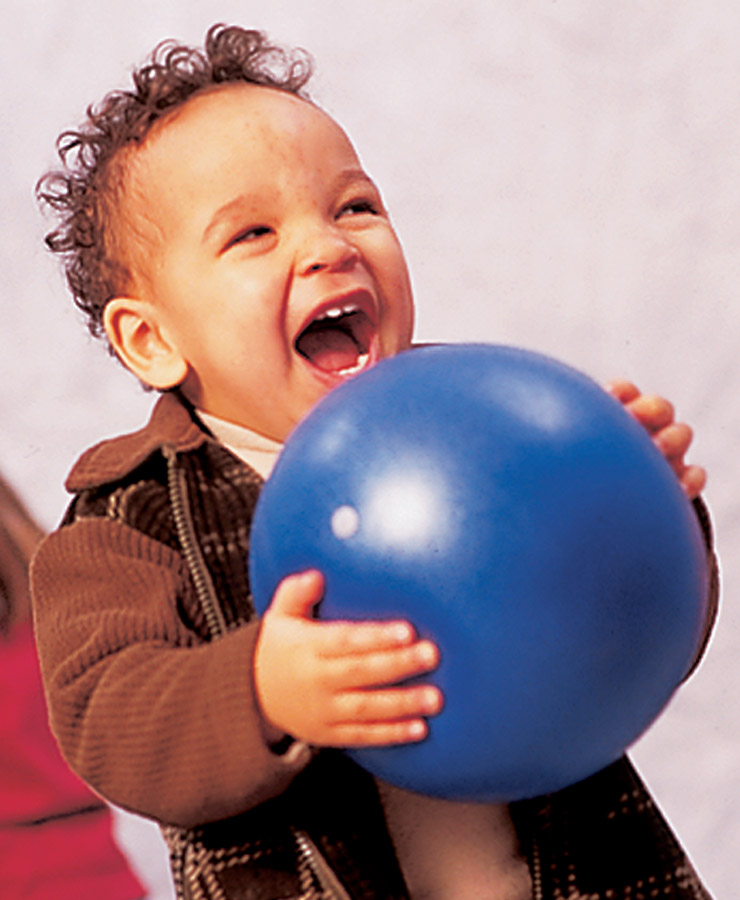
of childlike playfulness, every object has unlimited possibilities. Ball play enables children to investigate rolling, bouncing, passing, and tossing, exercising their imaginations as well as their gross-motor skills.

Tips for parents: You can enjoy ball play indoors or out with a Gertie® ball. Gerties are squishy, catchable balls perfect for the child just learning ball skills. Add a little fun ball play music – it’s easy to put together a favorite playlist from play.kindermusik.com just by searching on the word “ball.”

Contributed by Theresa Case, whose Greenville, SC program, Kindermusik at Piano Central Studios, is proudly among the top 1% of Kindermusik programs worldwide.

Why Kindermusik Parents Make Great Kindermusik Teachers

mom and child bond in KindermusikAs a Kindermusik program owner, some of the very best teachers I’ve ever hired were Kindermusik parents first. So I am a firm believer that Kindermusik parents make great Kindermusik teachers!

Kindermusik parents who become Kindermusik teachers…

  • have seen first-hand what teaching children in Kindermusik means for the educator, for the parents, and for the children.
  • have hearts big enough to love other people’s children almost as much as they love their own.
  • bring a unique perspective to their teaching because they understand how a Kindermusik parent thinks and feels.
  • relate well to other parents because they all have something in common – they have kids in Kindermusik!
  • have a leg up because they’ve had the opportunity to learn by actively observing and participating in many Kindermusik classes.
  • are familiar with how a Kindermusik program runs and have a vested interest in the program they have enrolled their child in.
  • have the passion and appreciation of both parent and educator for the value of musical learning and the power of Kindermusik.
  • understand what it means to benefit from the Kindermusik experience in class and from the Kindermusik Home Materials all week in between at home.
  • know and love Kindermusik because they’ve seen it through their own child’s eyes.

Are you a Kindermusik parent who’s Interested in becoming a Kindermusik educator? Talk to your local Kindermusik educator today and take a look at some helpful information on KI’s website. You’ll be glad you did!

Shared by Theresa Case who has an award-winning Kindermusik program at Piano Central Studios in Greenville, SC, and is always happy when one of her Kindermusik parents expresses interest in teaching Kindermusik for her!

4 musical learning tips that make parenting a little bit easier

It doesn’t take a parent long to figure it out. No baby or toddler or preschooler—or teenager for that matter!—comes with an owner’s manual. Sure, parents can Google, look to books and blogs, talk with other parents, and even ask Siri but there is no one-size-fits-all answer to parenting.
At Kindermusik, we don’t have all the parenting answers either. We do, however, have one thing that makes parenting just a little bit easier and unlocks a child’s potential: Musical learning! Here are just a few ways to use musical learning throughout the week in your everyday routines and rituals.

4 musical learning tips that make parenting a little bit easier

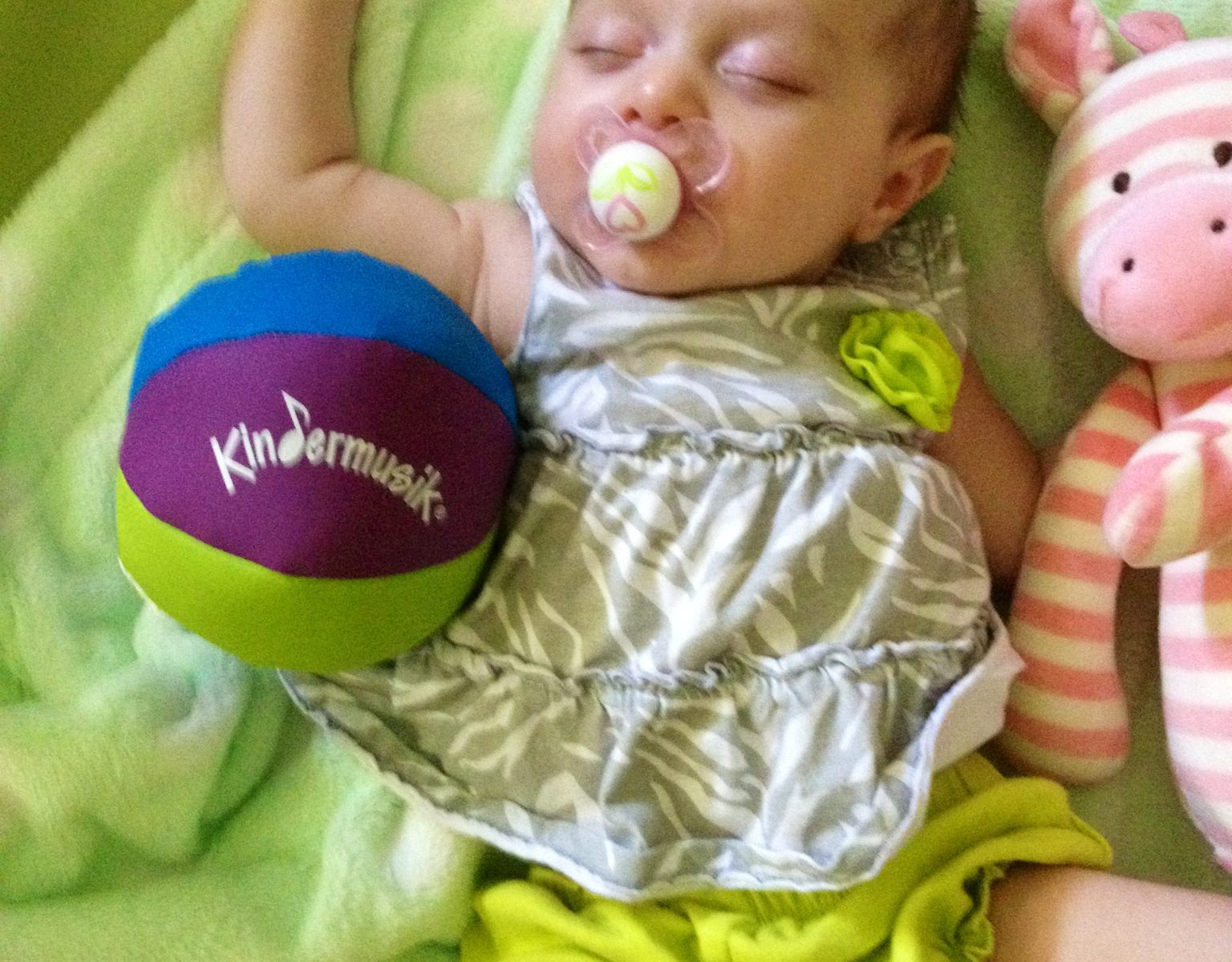
  1. Music helps children, even babies, learn how to relax. Relaxing is a learned sleeping babybehavior. A child’s world can be full of stimulating experiences, from practicing new skills like standing or walking to all the sights, sounds, and smells of a trip to the grocery store. Teaching children how to relax after a period of activity gives them time to recoup and get ready for what’s next. Listening to some quiet music, snuggling together, or gentle rocking can show children how to relax. By the way, children who know how to relax and self-soothe can be better sleepers!
  2. Singing or humming a comforting song can soothe a child or ease anxiety and fears. From 2am feedings to boo-boos to thunderstorms to visits to the doctor, singing a soothing song can calm fears and comfort little ones in many different situations. The world’s most famous and revered nanny, Mary Poppins agrees. After all, she sang, “A spoonful of sugar helps the medicine go down.”
  3. Music can signal to your child it’s time to transition to something else. In our music classes for babies, toddlers, big kids, and families, we sing “instruments away, instruments away. It’s time to put our instruments away.” That tells every child that the instrument playing time is over and we are moving on to another activity. After a few times, children begin to understand and will put the instruments away (most of the time!).  Try using that little song throughout the week to signal the end of bathtime, playtime, or even time to leave the park.
  4. Make a playlist of your child’s favorite music for your next road trip. Few children enjoy being strapped in their car seats for long periods of time. Music makes it easier. Create a playlist of your child’s favorite Kindermusik songs for the trip. Here are some of our favorites. Mix in your own favorites, too, for a family musical playlist.

New benefits of music on the cognitive development of children continue to be discovered by researchers. However, throughout the years generations upon generations of parents have used musical learning to help make parenting just a little bit easier. We invite you to come visit a Kindermusik class and discover for yourself a loving, welcoming community of families who are discovering the power of musical learning!

Find a local Kindermusik educator in your area today.

5 musical learning activities that teach school readiness skills

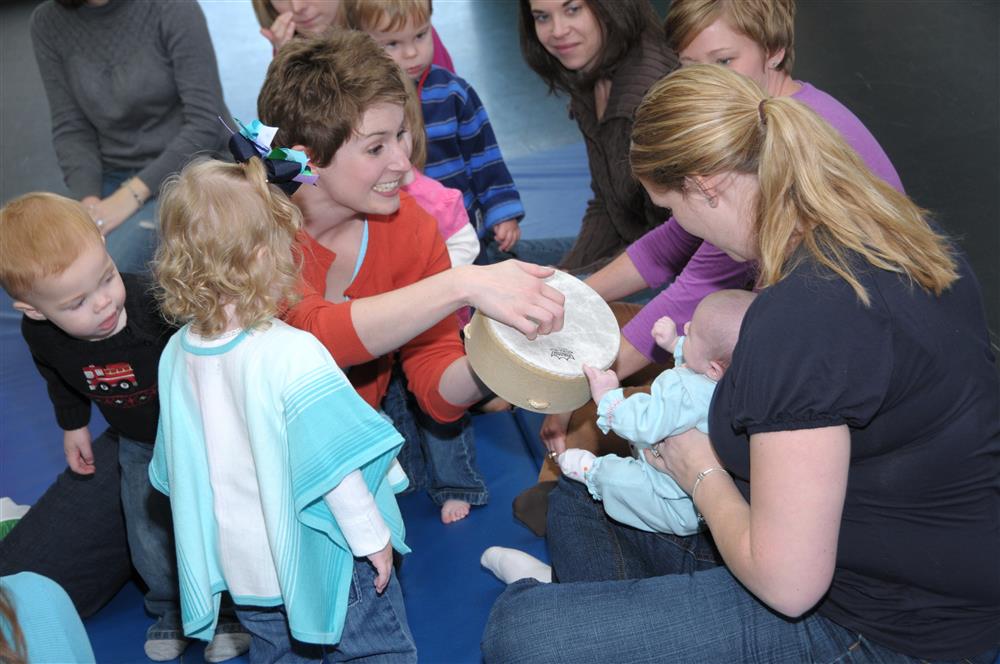
Music class drumDid you know that the benefits of music include preparing a child for school? When intentionally used as part of a pre-K curriculum or preschool curriculum, musical learning can positively impact the cognitive development in children and help children of all abilities be ready to learn at any age. Here are just five ways to use music when teaching children enrolled in a preschool or pre-K curriculum.

5 musical learning activities that support cognitive development in children

  1. Circle dances teach cooperation. Ringing around the rosey gives children more than a pocketful of posies. Choreographed movements require children to cooperate, move in synch with a group, and listen to and follow oral instructions.
  2. Identifying the specific sounds (or timbre) of different instruments teaches children auditory discrimination. The same sound discrimination used in recognizing the difference between the musical note “C” played on a clarinet verses the same note played on a piano by sound—not sight—helps children hear the minute differences between letter sounds or phonemes, which supports early literacy and language development.
  3. Moving to the tempo of the music teaches children to be active listeners. When children respond to the changing tempo of a song—from fast to slow—or when children move slowly when they hear the music change from staccato to legato, they are using their body movements to practice active listening skills.
  4. “Stop and Go” activities with music builds self-regulation skills. Children need to learn to tell their bodies what to do, when to stop, when to go, and when to move on to another activity. When playing a musical learning game of “Freeze Dance,” children learn and practice self-regulation skills by responding to the musical cues.
  5. Finger plays, such as “Itsy-Bitsy Spider,” help children learn to coordinate hand, finger, and wrist movements that support fine motor control and precision. Those fine motor skills will help children hold a pencil correctly, use scissors, and even tie their own shoes.

Pre-K curriculum uses musical learning

Early Literacy gains with ABC Music & Me
Our school partners and students benefit from ABC Music & Me – see the research-proven results!

In our preschool curriculum, ABC Music & Me, teaching children includes singing, dancing, and instrument exploration. Throughout all the musical learning, teachers are laying the groundwork for school readiness. Plus, our preschool curriculum includes proven results, in spatial-temporal reasoning, self-control, and even a 32 percent gain in early literacy.

For more information about bringing our pre-k curriculum, preschool curriculum, or Head Start curriculum to your school, email us at info@abcmusicandme.com.

Kindermusik in the News! Announcing Cuddle & Bounce and Sing & Play

MusicAndMovement_ClassesForBabies_KindermusikWithUtaThis week, Kindermusik International announced our newest curricula for babies and young toddlers through a press release, which continues to be shared through parenting and education websites, newsletters, and social media channels.

Consider sharing with your local community and press!


New Music and Movement Classes from Kindermusik Engage Babies and Toddlers

Cuddle & Bounce and Sing & Play offer opportunities for young children to bond with parents while learning musical concepts and furthering brain development

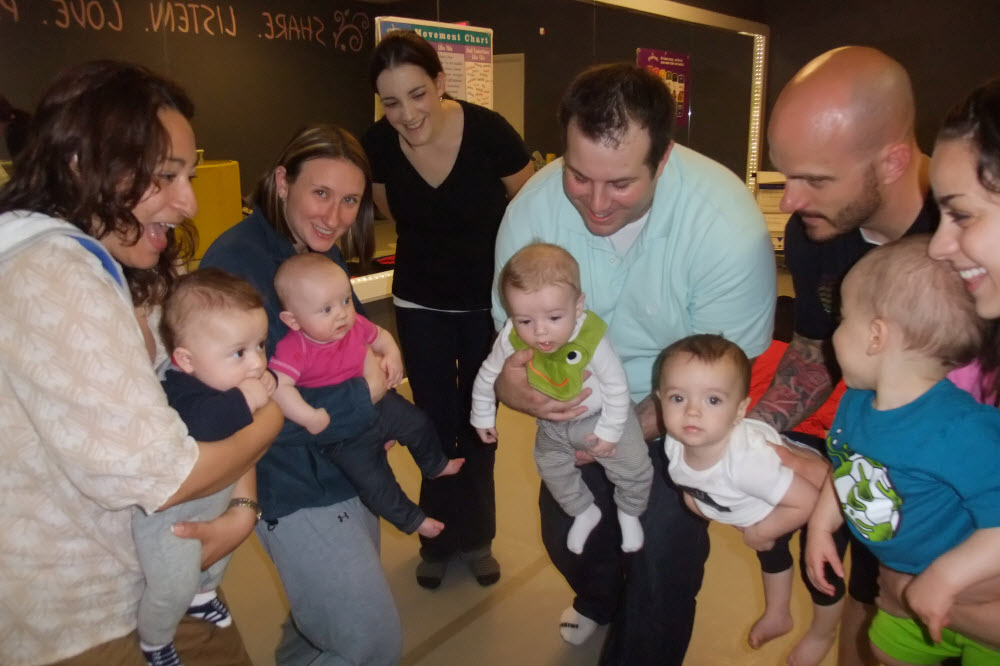
GREENSBORO, NC – December 3, 2013Music and movement classes can spark learning in young children, and when done in conjunction with a parent, can help build bonds between parent and child. Parents seeking early development opportunities for children as young as newborns should check out two new classes offered by Kindermusik International. The classes Cuddle & Bounce, for children from birth to one year of age, and Sing & Play, for children from one to two years of age, use music and movement to nurture and guide learning. Parents can sign-up to try a free class by visiting Kindermusik.com.


During weekly classes, parents and children engage in a mix of activities such as instrument exploration, dancing, singing, the learning of musical concepts like steady beat, tempo, and more. A licensed Kindermusik educator shares the developmental benefits behind the activities, and provides access to Kindermusik@Home online parenting resources including music and stories from class, tips for parents on how to communicate with their babies, and specific ideas on how to incorporate music and movement activities into the families’ daily routines and rituals. These classes for babies and toddlers are just the beginning of the Kindermusik journey, as their program extends through age seven.


Cuddle & Bounce celebrates the thrilling journey of a baby’s first year of life, focusing on:


  • Language and Vocal Development – Babies’ early language skills are nurtured as they imitate sounds, engage in lots of give-and-take conversations, and add to communicative abilities through sign language.
  • Brain Development – Through every movement, a baby’s brain synapses and the connections between neurons are created and strengthened.
  • Large and Small Motor Skills – Movement through music activities support stretching, kicking, rolling, crawling, sitting and standing independently will enhance large motor skills; playful activities such as reaching for or grasping objects will aid small motor skills.
  • Social-Emotional Development – Through lots of cuddling, playing, humming, and dancing, Kindermusik activities help build and strengthen parents’ relationship with children. Side-by-side play and group dance activities with other parents and children provide the important benefits of safe and early interactions with the wider social world.
  • Musical Development – Together, parents and babies will explore simple, baby-safe percussion instruments. Throughout hundreds of different Kindermusik music and movement activities, babies receive an early introduction to the songs, sounds, rhythms, and tempos of music from around the world.


The Sing & Play curriculum includes:


  • Movement & Physical Development Walking, jumping, marching, dancing, bouncing, and wiggling is fun, and strengthens young muscles and bones, improves balance, and helps new walkers be aware of what their bodies can do.
  • Exploration Time – A child’s natural curiosity is stimulated in an inviting environment full of specially designed instruments, textures, sounds, movements, interesting objects, and baby-safe props.
  • Language Development – By exploring new words and imitating sounds, young toddlers gain vocabulary and communication skills.
  • Instrument play and Musical concepts – Age-appropriate experiences with child-safe instruments enhance a sense of rhythm and steady beat, develop a keen awareness of the distinguishing qualities of sound, and encourage spontaneity and creativity. Even the littlest musicians and their parents benefit from early exposure to basic music fundamentals like loud and quiet, musical form, tempo, timbre, steady beat, and more.


"Cuddle & Bounce and Sing & Play classes give parents new opportunities to engage in safe, fun, and developmentally appropriate music-and-movement experiences with their very young babies and toddlers," said Debby Pool, vice president of product development for Kindermusik International. “We are excited to add these two new curricula to our offerings, and we are confident that these classes will give babies and new walkers a great early start in many critical domains of development and learning.”


To take advantage of these early childhood music programs, which later feed into Kindermusik International’s curricula for children through age seven, visit Kindermusik.com to find a class near you and try a class for free.


About Kindermusik International

Kindermusik International is the world’s leading provider of music, movement and literacy programs for young children, enjoyed by 2 million plus families in more than 70 countries. For more than 30 years, Kindermusik has helped children and their families discover how music can enrich their lives and lay the foundation for a lifetime love of learning. Kindermusik offers developmentally-specific educational programs for children ages newborn to seven. Kindermusik curriculum is taught by the best educators in the best schools and studios world-wide. Visit Kindermusik.com to find out more about Kindermusik’s music classes for kids and early childhood curriculum.


Connect with Kindermusik:

Facebook: Facebook.com/Kindermusik

Google+: Plus.Google.com/+Kindermusik

Pinterest: Pinterest.com/Kindermusik

Twitter: @Kindermusik

YouTube: Youtube.com/KindermusikRocks


Contacts:

Shellie Foriska

Kindermusik International

720-206-6293

sforiska@kindermusik.com


Lauren Burke

KEH Communications

410-975-9638

Lauren@kehcomm.com


###

12 Reasons to Give the Gift of Music

Is there a special baby, toddler, preschooler, or big kid on your Christmas list this year?  Maybe you’re a little stumped about what to give because of course, you want something meaningful, something enjoyable, and yes, even something they’ll love for a long time to come.  Something that even their adults would be thrilled about.  We’re happy to say that we have the perfect solution…

Kindermusik prepares your child for schoolGive the gift of music – Kindermusik, that is!

Here are our top 12 reasons why:

  1. You’ll save on wrapping paper and shipping costs.
  2. It’s one of the easiest gifts you can make.
  3. Kindermusik is movement, music, play, dancing, story time, and more – all rolled up in one great experience.
  4. Early childhood music classes enhance a child’s development in every area.
  5. Music makes kids smarter – the research proves it!
  6. Music classes, especially Kindermusik, inspire lots of together time and bonding.
  7. Young children need a social outlet too, just like their adults!
  8. Kindermusik is a place where children of all ages, all temperaments, and all learning styles can flourish.
  9. You’ll give that special little person in your life something to look forward to each week in class.
  10. The Kindermusik Home Materials will give parent and child something to do and enjoy at home in between classes.
  11. We promise, no re-gifting.  They’ll LOVE it!
  12. It’s a lasting, memorable gift that will put a song in their hearts and a smile on their faces.

For children ages newborn to 7 years, there’s no better musical gift you can give than Kindermusik.  Find your local Kindermusik educator today and get one more thing checked off your gift list!
P.S.  While you’re at it, check out some of our fabulous new baby music classes, including Cuddle & Bounce for newborns and 1s and Sing & Play for 1s and 2s.