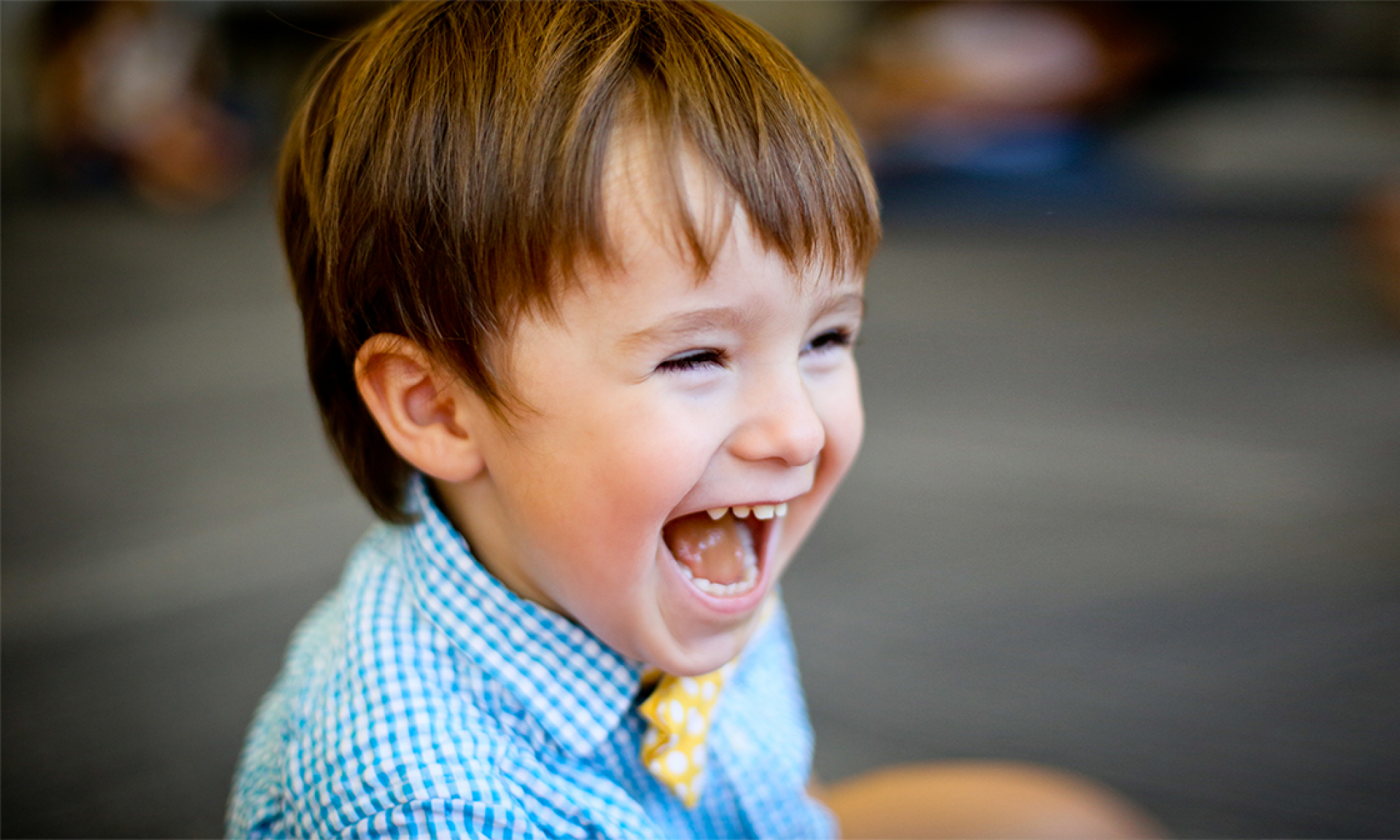

Young children (and parents of young children) instantly recognize the “Happy” song by Pharrell Williams. We feel happy and can’t help but “clap along.” We love this version:
[youtube]https://www.youtube.com/watch?v=uJ4diEohODE[/youtube]
You clapped along, too, didn’t you? It’s easy for adults to acknowledge the “feeling” of happy in the song. However, young children must learn to identify feelings such as happy, sad, angry, scared, surprised, etc. In fact, being able to recognize and label feelings contributes to social-emotional development.
Kindermusik@Home Activity to Help Young Children Identify Feelings
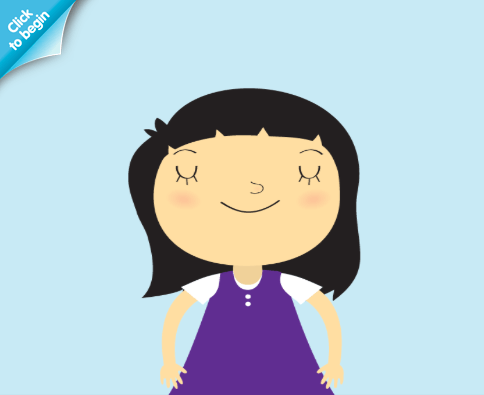
Learning to relate facial expressions with emotions is important just before and during the early school years. For example, when a friend is feeling angry, her face might scrunch up or her eyes might close. When a friend is feeling sad, he might cry or put his head down. If children are going to learn empathy for others, they need to first learn to identify how other people are feeling. Try this sample activity, “How Do You Feel?” from Kindermusik@Home:

Singing Together and Social-Emotional Development
Research shows that when children actively participate in group music and movement activities it supports development in all seven areas of social-emotional development, including communication, relatedness, and cooperativeness.
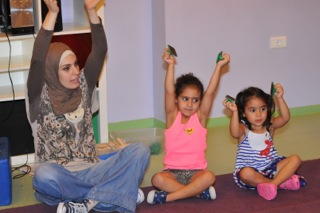
 Take the story of children attending Kindermusik at Learn & Play in Beirut, Lebanon, for example. Last year this pioneer nursery in Lebanon began offering two Kindermusik curricula:
  Learn & Play teaches children French, Arabic, and English. Since using ABC English & Me to introduce young children to English as a second language, children can now count, sing, and name different parts of the body using English. Music is a great way to help children become familiar with English and the different visuals and animated stories used in ABC English & Me make it easy for children to interact and learn English.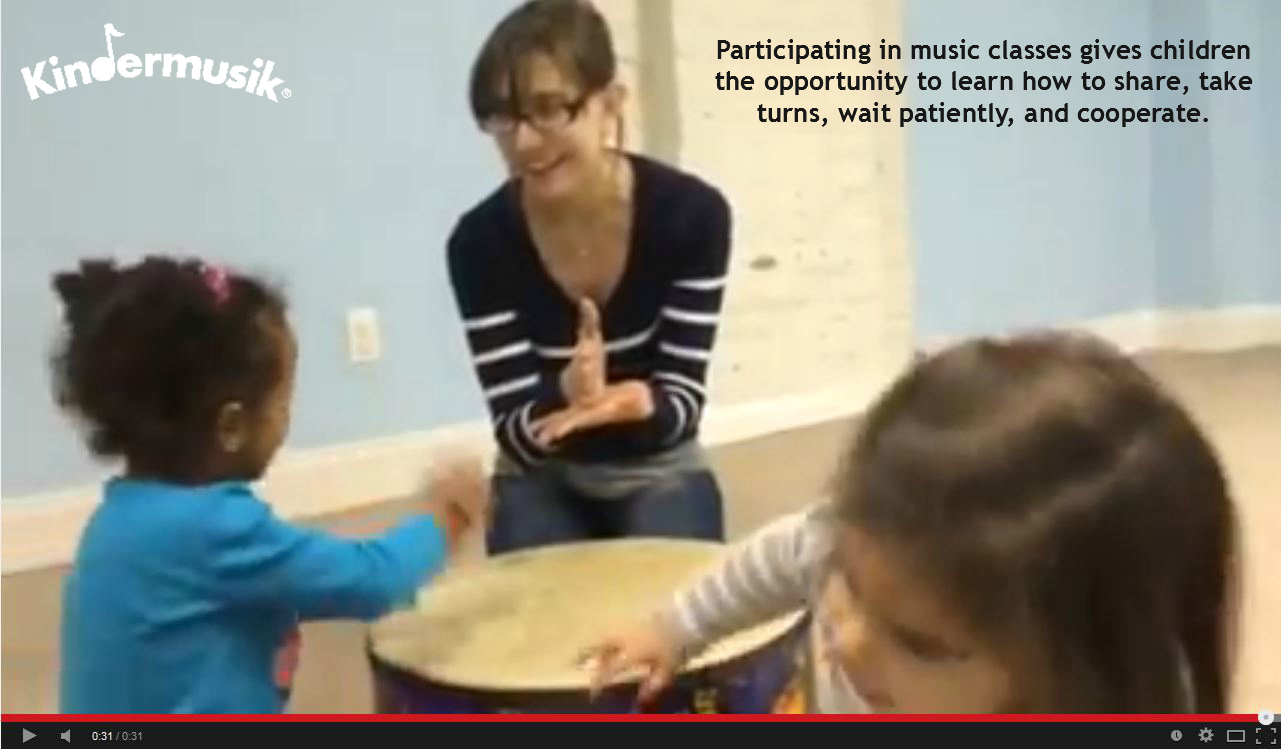


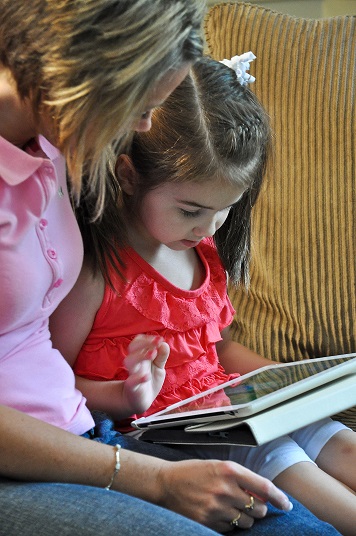
 Young children learn best through hands-on, multi-sensory experiences with a loving and trusted caregiver. However, with technology firmly imbedded into the daily lives and routines of families today, parents and early childhood educators often struggle with knowing the ideal ways to incorporate screen time that also supports what we know about how children learn.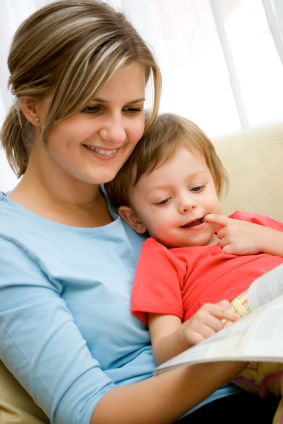
 “Again! Again!” It is not a coincidence that young children ask to read the same book 22 nights in a row. While the adults involved may secretly (and not so secretly) wish for more diversity, all that repetition strengthens the learning or growth of neural connections in children’s brains.
 It’s Halloween! In many parts of the world, this means dressing up in costumes and pretending to be a cowboy, ninja, ballet dancer, or even a cowboy ninja ballet dancer. (Hey, it could happen!) While the stores—and Pinterest—overflow with costume options for children this time of year, truth be told, children love dressing up and pretending all year long. And they should! It’s good for them.
 An
An 
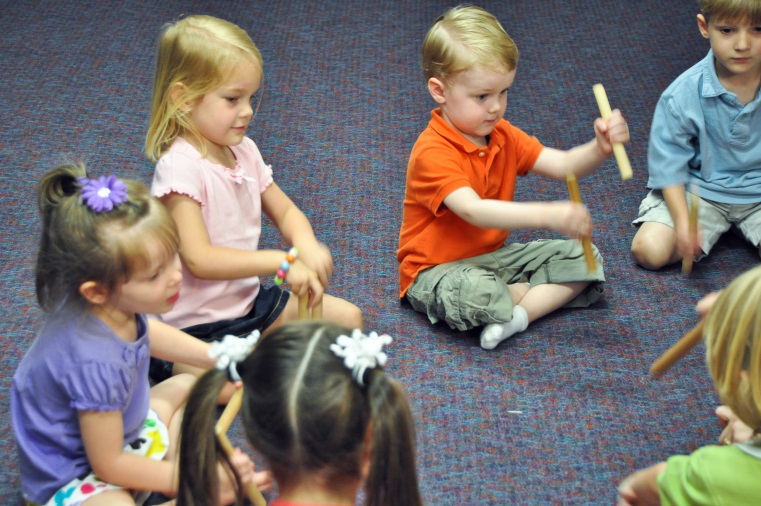
 Here are six music activities that support early language development – all six are favorites of our Kindermusik parents in class and at home:
 Learn more about how Kindermusik can give you the inspiration you need for improving your child’s language development at
 We get fired up about the importance of early childhood education. The reason is simple. In the first seven years of a child’s life, their brains are firing up with learning—literally! Every new experience lights up the synapses in the brain and repetition makes those pathways stronger.
 has a positive impact on learning a second language. For example, in class ELL students may hear and repeat the rhythmic language of a nursery rhyme or song multiple times. The repetition creates stronger connections in the brain and helps children learn to speak and later read in English as their English language phonological awareness increases.