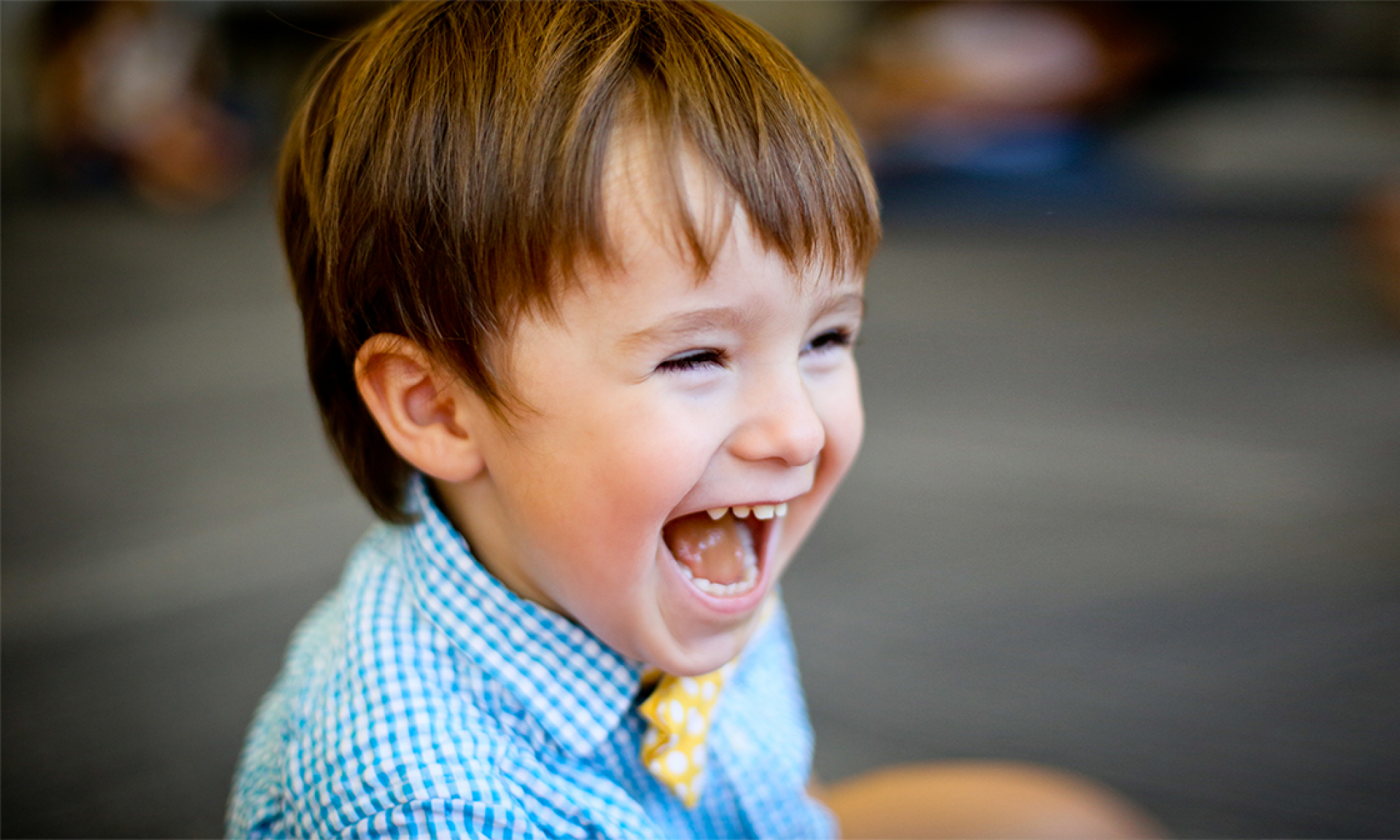

“It began as a heartbeat and sprouted a rhyme…” We are all musical beings. It’s why babies respond to music in utero, why toddlers do that adorable little bounce-dance to music, and why preschoolers and big kids love to sing and play instruments. But how exactly do you encourage that song in your child’s heart? Here are three simple suggestions.
3 Ways to Put a Song in Any Child’s Heart
1. Sing to (and with!) your child.
 You may think your voice is only good enough for the shower, but to your child, your voice is the sweetest, best sound in the whole world. Babies especially respond to the soothing sounds of the lullaby you sing, but you also model using your voice to express yourself when you sing to or with your older child. Singing is also a great “together time” activity. Before naps, in the kitchen, during bath time, in the car – all of these are perfect times to hum and sing along.
2. Keep the music playing.
 With music that streams on our phones, Internet radio stations that play our favorites at the click of a mouse, and even still some CD players in our cars, it’s easy to fill your child’s world with music. But it does take some intentionality. Not only will you be able to expose your child to a wide variety of music and begin to shape their musical preferences, but you can also use music to bring out a smile, inspire a cuddle, or chase away the grumpies with an impromptu dance around the kitchen.
3. Invest in some age-appropriate instruments.
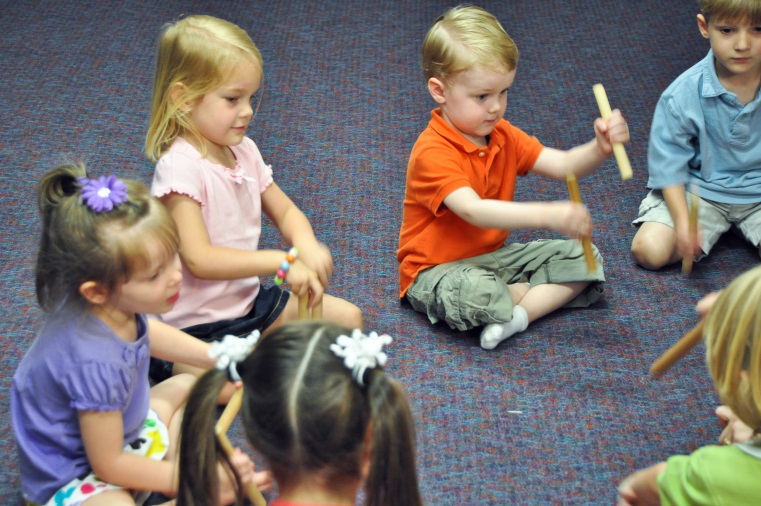
Bells, shakers, sticks, and drums… Keep some musical instruments handy, perhaps in a container near your child’s favorite basket of books. You might be surprised at how much pure joy your child will derive from being able to make music on his own. And when you need a fun little activity to do together, simply turn on your favorite Kindermusik song, grab some instruments, and enjoy your own little family jam!
 Hint: Need a source for some high-quality, safety-tested, age-appropriate instruments? Look no further than the Kindermusik store online at shop.Kindermusik.com.
And when you need a little more musical inspiration…
A weekly Kindermusik class is one of the very best ways to enhance your child’s musical development and natural love of music. You’ll be amazed at how a gently structured, delightful weekly music class will maximize the rich benefits of early music instruction and capitalize on that critical early window of opportunity. In addition to providing a social outlet for you in a small class with friends you really get to know and enjoy, a weekly music class also gives you a lot of musical inspiration and ready resources for making music a part of your daily routine at home in between the weekly class.
Learn more about music classes for children at www.Kindermusik.com.
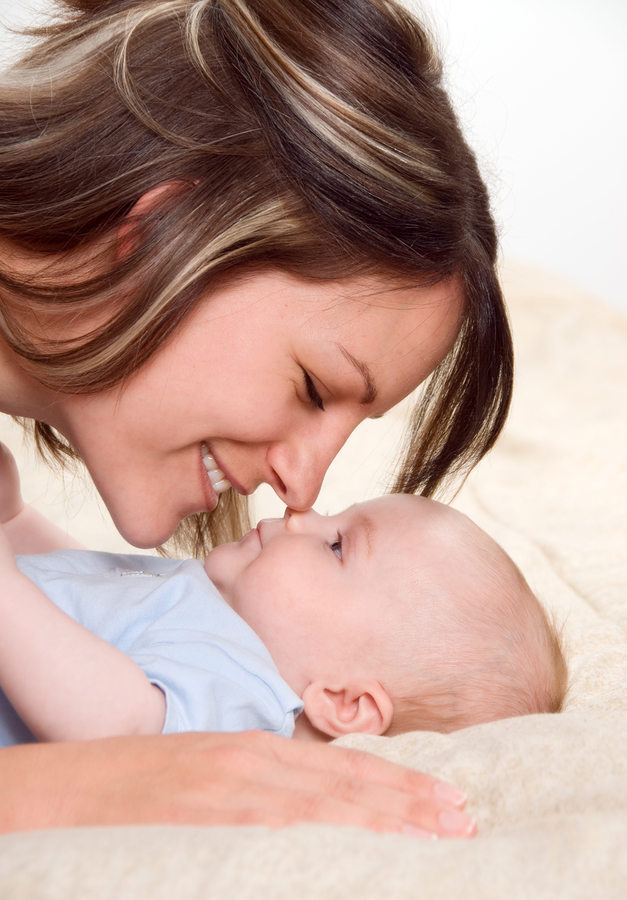
 Do you ever wonder what newborns would say if they could talk? Where am I? What just happened? Who turned on the lights? Whew, that was a lot of work! I’m exhausted. Why is everyone staring at me? Do I have something on my face? Mom! Dad! It’s me! Truth is—most newborns all say the same thing: WaaaaWaaaa!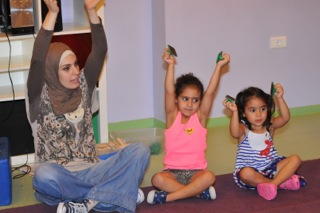
 Take the story of children attending Kindermusik at Learn & Play in Beirut, Lebanon, for example. Last year this pioneer nursery in Lebanon began offering two Kindermusik curricula:
  Learn & Play teaches children French, Arabic, and English. Since using ABC English & Me to introduce young children to English as a second language, children can now count, sing, and name different parts of the body using English. Music is a great way to help children become familiar with English and the different visuals and animated stories used in ABC English & Me make it easy for children to interact and learn English.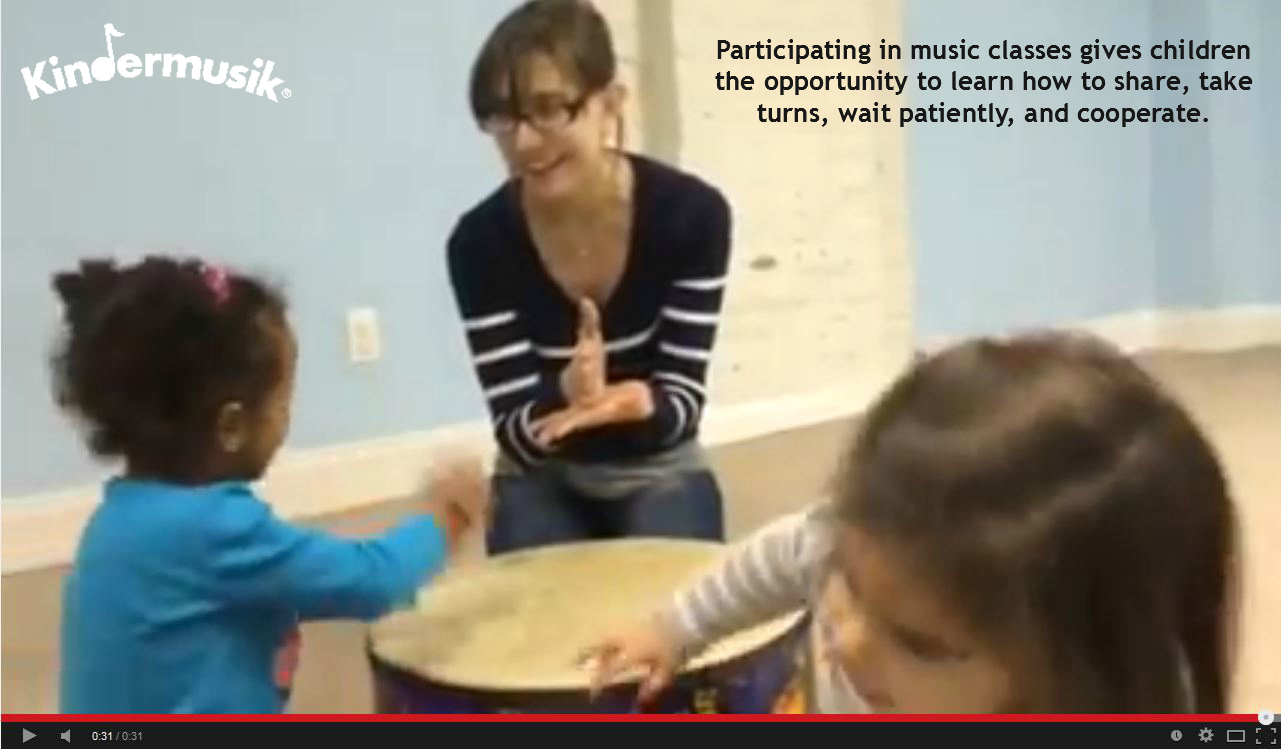


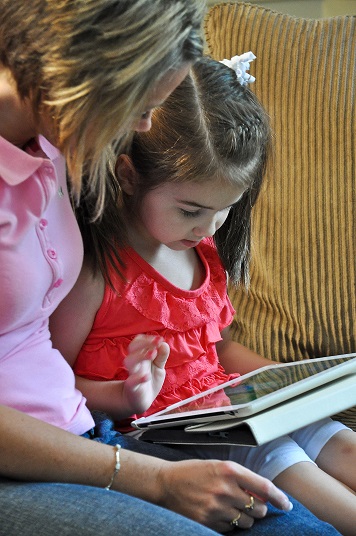
 Young children learn best through hands-on, multi-sensory experiences with a loving and trusted caregiver. However, with technology firmly imbedded into the daily lives and routines of families today, parents and early childhood educators often struggle with knowing the ideal ways to incorporate screen time that also supports what we know about how children learn.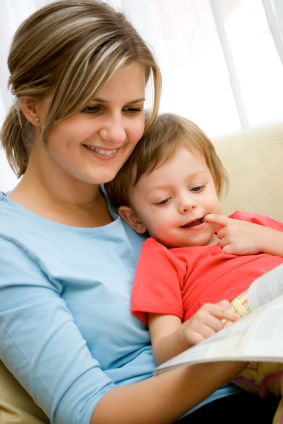
 “Again! Again!” It is not a coincidence that young children ask to read the same book 22 nights in a row. While the adults involved may secretly (and not so secretly) wish for more diversity, all that repetition strengthens the learning or growth of neural connections in children’s brains.
 It’s Halloween! In many parts of the world, this means dressing up in costumes and pretending to be a cowboy, ninja, ballet dancer, or even a cowboy ninja ballet dancer. (Hey, it could happen!) While the stores—and Pinterest—overflow with costume options for children this time of year, truth be told, children love dressing up and pretending all year long. And they should! It’s good for them.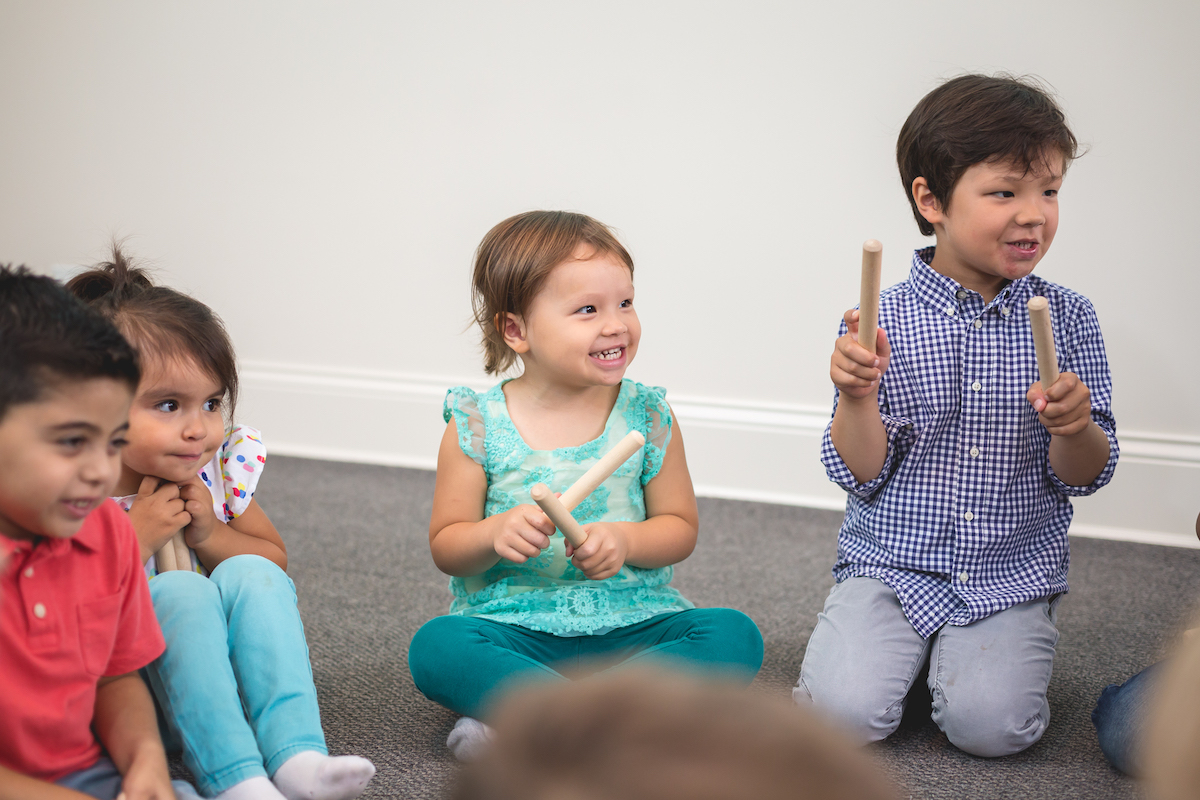
 An
An 
 We get fired up about the importance of early childhood education. The reason is simple. In the first seven years of a child’s life, their brains are firing up with learning—literally! Every new experience lights up the synapses in the brain and repetition makes those pathways stronger.
 has a positive impact on learning a second language. For example, in class ELL students may hear and repeat the rhythmic language of a nursery rhyme or song multiple times. The repetition creates stronger connections in the brain and helps children learn to speak and later read in English as their English language phonological awareness increases.