New National Core Music Standards
The arts have always served as the distinctive vehicle for discovering who we are. Providing methods of thinking as disciplined as science or math, and as disparate as philosophy or literature, the arts are used by and have shaped every culture and individual on earth. The arts continue to infuse our lives on nearly all levels—generating a significant part of the creative and intellectual capital that drives our economy. The arts also impart our lives with meaning every time we experience: the joy of a well-remembered song, the flash of inspiration that comes with immersing ourselves in an artist’s sculpture, participating in a sublime dance, learning from an exciting animation, or being moved by a captivating play. (From: National Core Arts Standards, Custom Handbook).
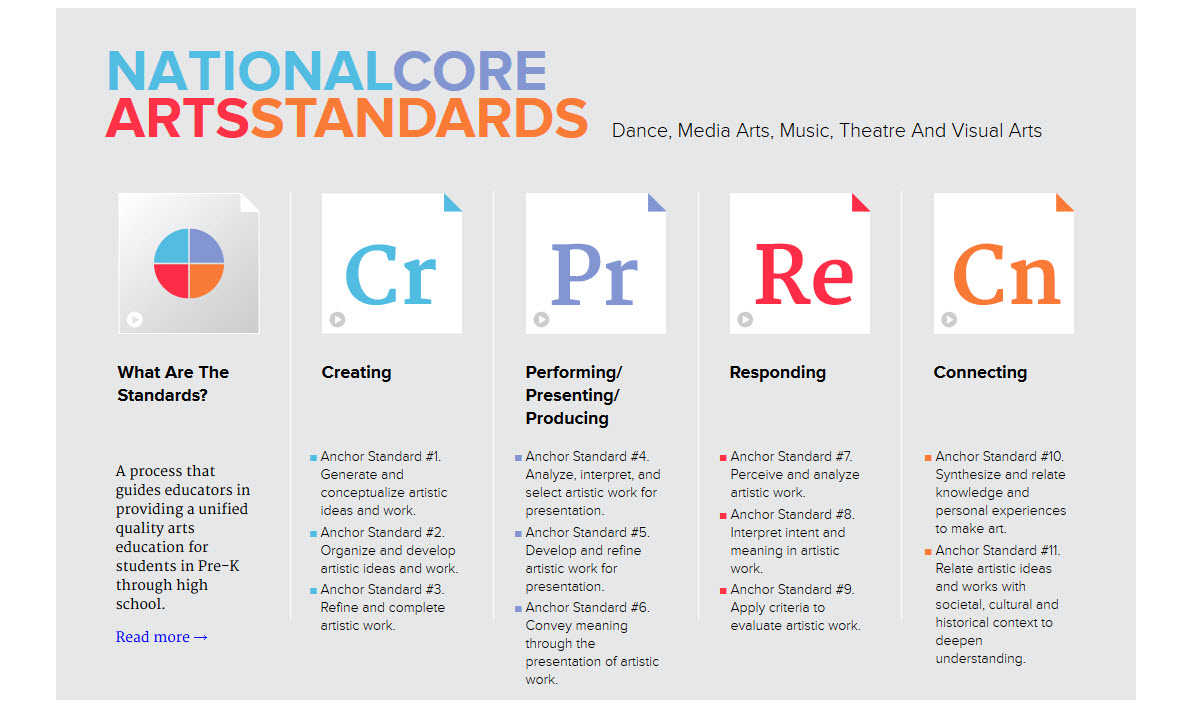
 As of June 2014, new music standards were created by the National Coalition for Core Arts Standards (NCCAS), and based on artistic processes; these include music standards prepared by the National Association for Music Education (NAfME).
Overview of Standards:
The new National Standards focus on improving each child’s music education experience, supporting educators with enhanced instructional strategies, and emphasizing the benefits of music education. You can visit their site to create your own Custom Handbook, based on discipline, process, and grade level.
Who the Standards are for:
Decision-makers from teachers, to superintendents, to parents, and policy makers, all will be able to utilize these standards as guidelines to improving music education and ultimately future success for our children.
Goals of the Standards are to enhance…
Music Literacy – meaning the ability to communicate through a medium and understand what is communicated. In our multimedia society, we need to prepare children to communicate visually, through sound, video, etc. and have literacy for each media.
Artistic Processes – there are 3-4 core areas these new music standards focus on:
- Creating (new music)
- Performing (also referred to as Presenting or Producing existing music)
- Responding (interpreting the performance/music and developing own opinions)
- Connecting (various art forms – this is embedded throughout the standards)
This 5 minute video from the NAfME Deputy Executive Director & COO provides an overview.
[youtube]https://www.youtube.com/watch?v=RlSF56tkueA[/youtube]
Kindermusik Programs Align with the New Music Standards
How Kindermusik Supports Music Literacy
 An important part of our curricula are the Family Engagement materials. Through real instruments, books, CDs, family activity guides – AND – video field trips, songs, math games, logic games, craft ideas and more within our online learning portal (Kindermusik@Home); we support hands-on learning and emerging technology. We provide families with a useful way to be involved in their children’s educations and expose them to various types of media and arts. This helps Kindermusik reach our mission of instilling a lifelong love of music and learning in children around the world.
How Kindermusik Supports Artistic Processes
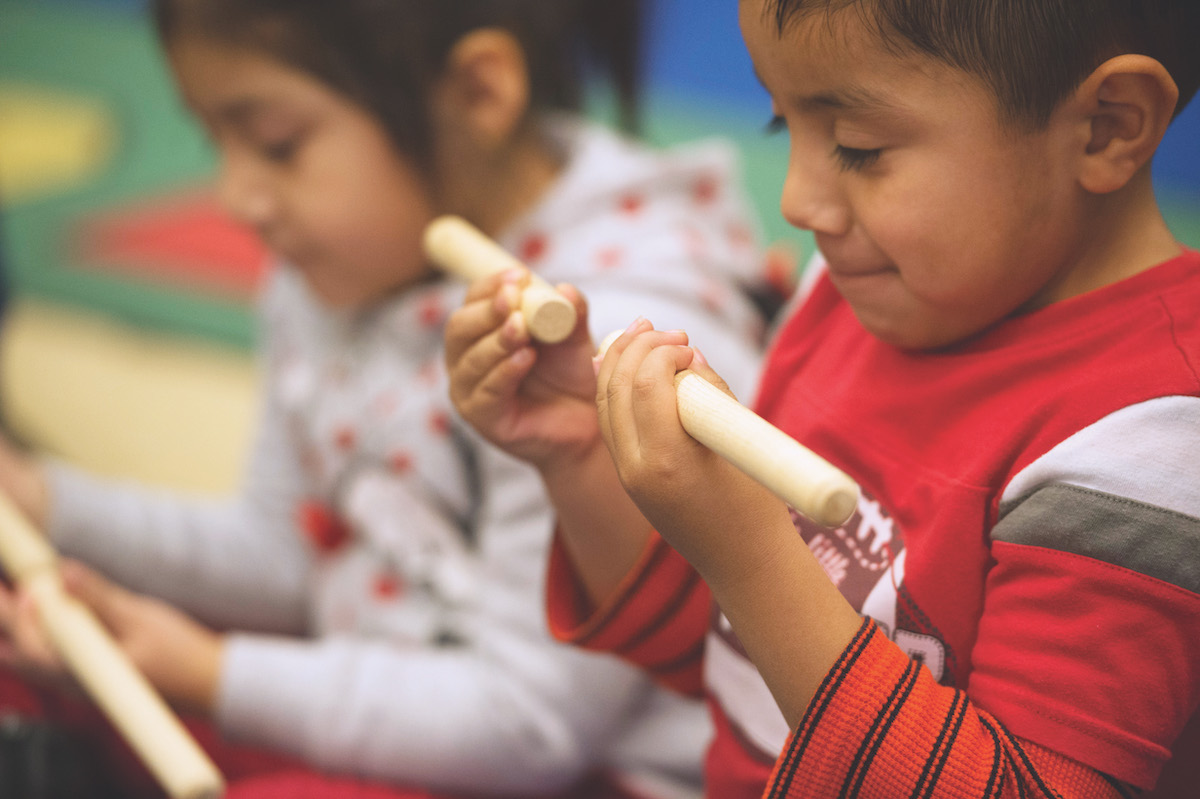
 Creating music is what we do in each class. We provide enough instruments for each child in the class to participate and make their own music. Through a variety of age-appropriate and kid-safe instruments, like egg shakers, jingle bells, chime balls, sand blocks, rhythm sticks, and many more, we allow children to be creative and come up with their own way of playing the instrument. We guide them with ideas, and allow kids to express themselves through music.
 Performing, presenting or producing music is also integrated into our classes. Although Kindermusik curriculum is based on process not performance, we do encourage children to present their ideas to class. For example, a teacher may ask, “Johnny, how do you want play your rhythm sticks; fast, slow, loud, or soft?” This allows each child to determine their own preferences and encourages them to play music to a group of their peers, boosting self-esteem and confidence.
 Responding to music is embedded into the Kindermusik curricula, and we encourage children to be effective audience members. For example, in the song “I Hear a Sound” from our Wiggle & Grow curriculum (for ages 2-3) children hear various instruments, and then have time to guess what instrument they just heard. This aligns with the new standards as we give children the opportunity to listen, analyze, and interpret what they hear. Follow-up questions from the teacher such as, “Kaylee, what instrument did you like best?” allows children to evaluate what they’ve heard and make decisions based on their preferences – expressing themselves through music.
Connecting various art forms is actually a great way to describe a Kindermusik class. We incorporate: music; movement; dance; visuals; literature including children’s books, poems, and rhymes from many cultures around the world; opportunities for ensemble experiences; and so much more.
 We too recognize the importance of technology in education and so, we developed the Kindermusik@Home portal. Parents can login and enjoy with their children; fun educational games, activities, eBooks, videos, crafts and more, along with ideas for taking the learning offline. We include parenting resources to help them understand the importance behind these educational activities.
And we keep on top of the growing body of research on the benefits of music for children. The Kindermusik curriculum is more than a music class, it’s designed to promote school-readiness and stimulate development across all learning domains, supporting the future success of each child…and in turn…our world.
Other components, like the Opportunity-to-Learn Standards, are part of these new music standards and are still being developed. One call-out the Executive Director & COO of NAfME mentioned is the standards will likely include guidance that students should receive WEEKLY INSTRUCTION. Again, another way Kindermusik aligns. Our weekly lessons are flexible and provide concepts teachers can use throughout the day.
To learn more about the new music standards, please reference:
nafme.org/standards
NationalArtsStandards.org
To learn more about Kindermusik, please visit:
www.kindermusik.com

 A recent article in the Washington Post highlighted a growing concern for parents and educators: more and more kids are having trouble sitting still in school. The root of the problem is that kids are being expected to sit still for longer periods of time. Recesses are shorter, and often kids aren’t running, jumping, and playing outside even once they get home.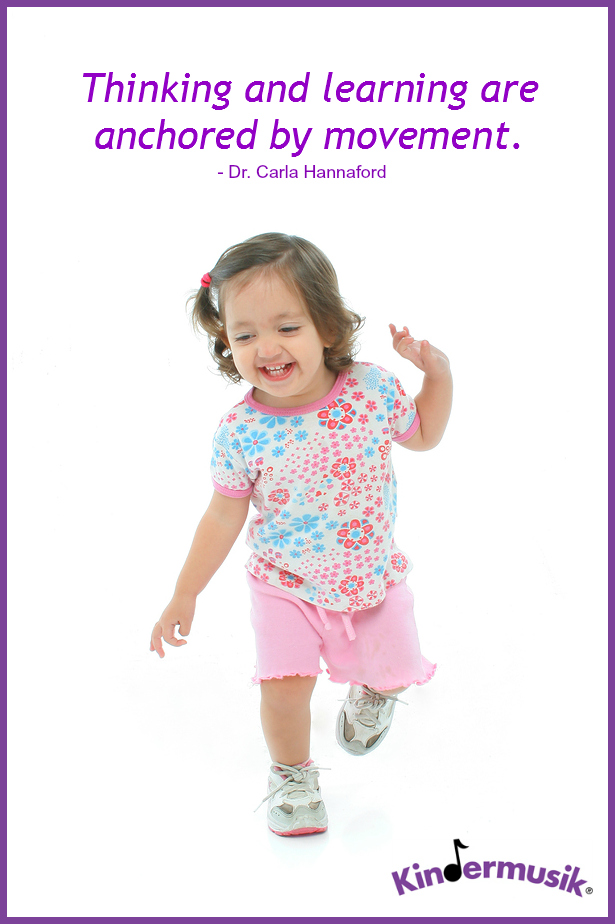
 We like to tell parents that they are their child’s first and best teacher because it’s true! Sure, parents may not always know all the answers—like that initial night home from the hospital (now what?!) or when a baby experiences a growth spurt and wakes up every two hours (why?!).
 2. Steady beat gives children the ability to walk effortlessly, speak expressively, read fluidly, and even ultimately regulate repeated motions such as riding a bicycle or brushing teeth. While young infants are learning how to control their movements, lap bounces allow them to feel a steady beat with their whole bodies. Older babies benefit from lap bounces as they work to keep their bodies upright while in motion, strengthening the core muscles.
 6. Dancing and moving to music supports cross-lateral movement, spatial awareness, eye-hand coordination, and eye tracking—foundational skills for reading.

 “Kindermusik started out as a way for our family to bond and a place for my daughters to express themselves long before they had words to communicate. Now it is a place for us to be silly, meet new families, and make lots of music together. We love Kindermusik!” ~Kindermusik Parent, Emily R
 4. Participating in musical activities supports cognitive development in children, including language and literacy, spatial-temporal reasoning, and mathematical abilities.
 8. Music is the one language in the world every single person speaks. We see this the world over. Bring in a basket of instruments to children in Ohio, South Africa, Italy, Australia, The Philippines, Mexico—and everywhere in between—and they will shake, scrape, tap, beat, and create beautiful music. No translation needed.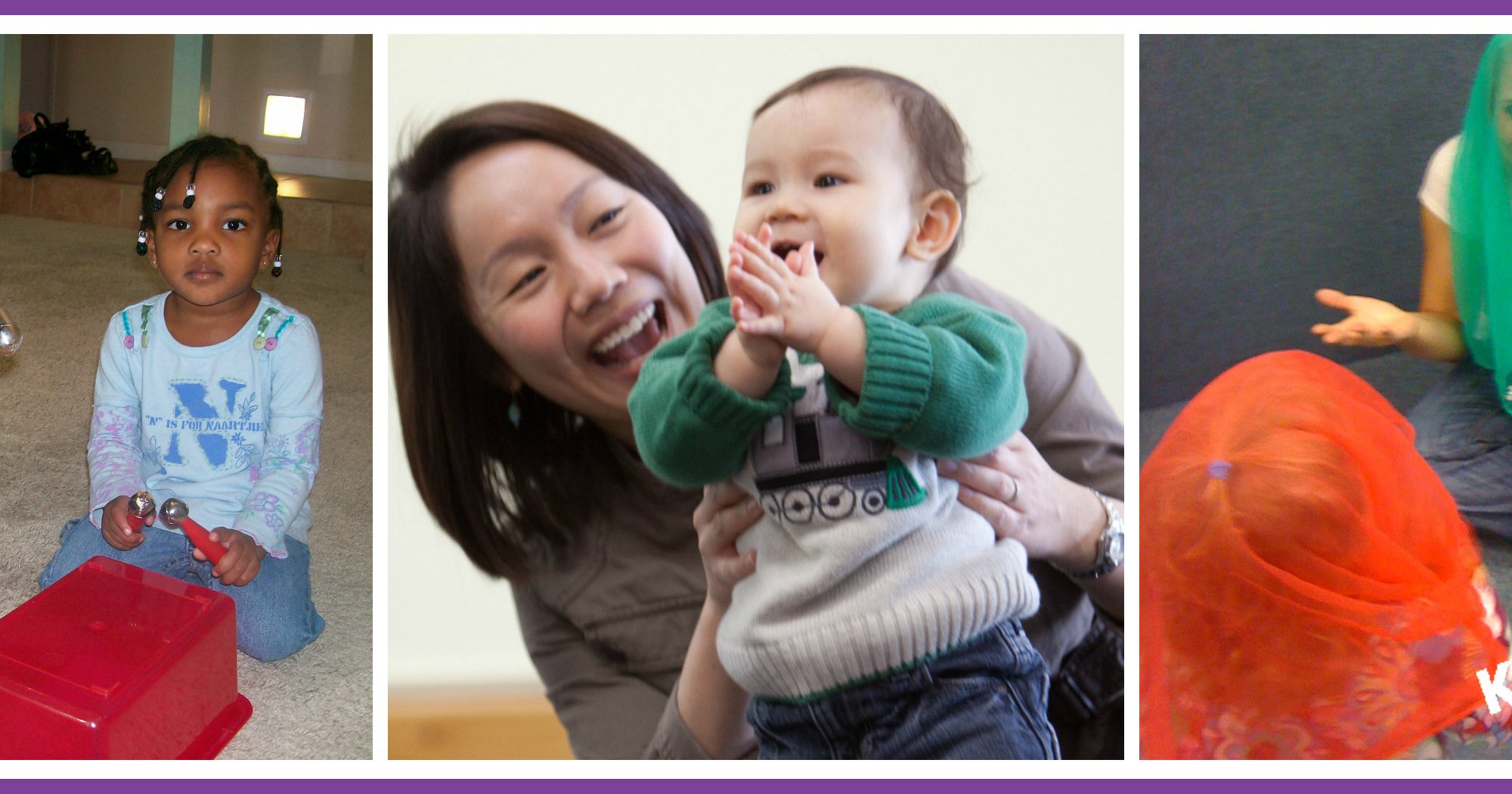


 Want to take your children around the world? It’s easy with music! No passport required. No suitcases to pack. Just three simple things you can enjoy almost any time, any where, and you’re off of a grand, musical travel adventure!


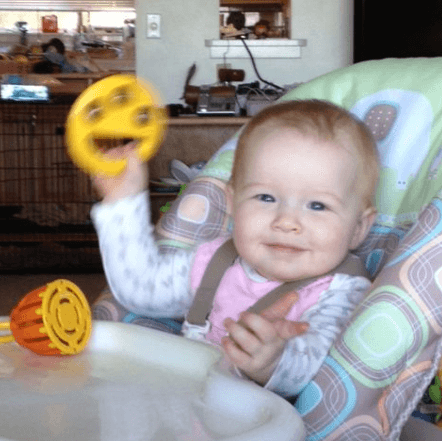
 There is nothing routine about a routine. In fact, we think routines get a bad rap. After all, people often refer to routines as being “stuck in a rut” or “same old, same old” or even boring with a capital B. However, from a child’s perspective, routines are anything but boring and can be especially beneficial during the back-to-school season.