

 This month Head Start celebrates 50 years of life change and we love being able to celebrate this milestone with them at NHSA’s Annual Head Start Conference and Expo. However, it also got us thinking about how music also supports life change in children and families. In fact, we know from experience—and by hearing from the Head Start and Early Head Start programs that use the Kindermusik curricula—that music gets kids ready for learning! So, we put together a list of 50 reasons why music gives kids a lifetime of opportunity.
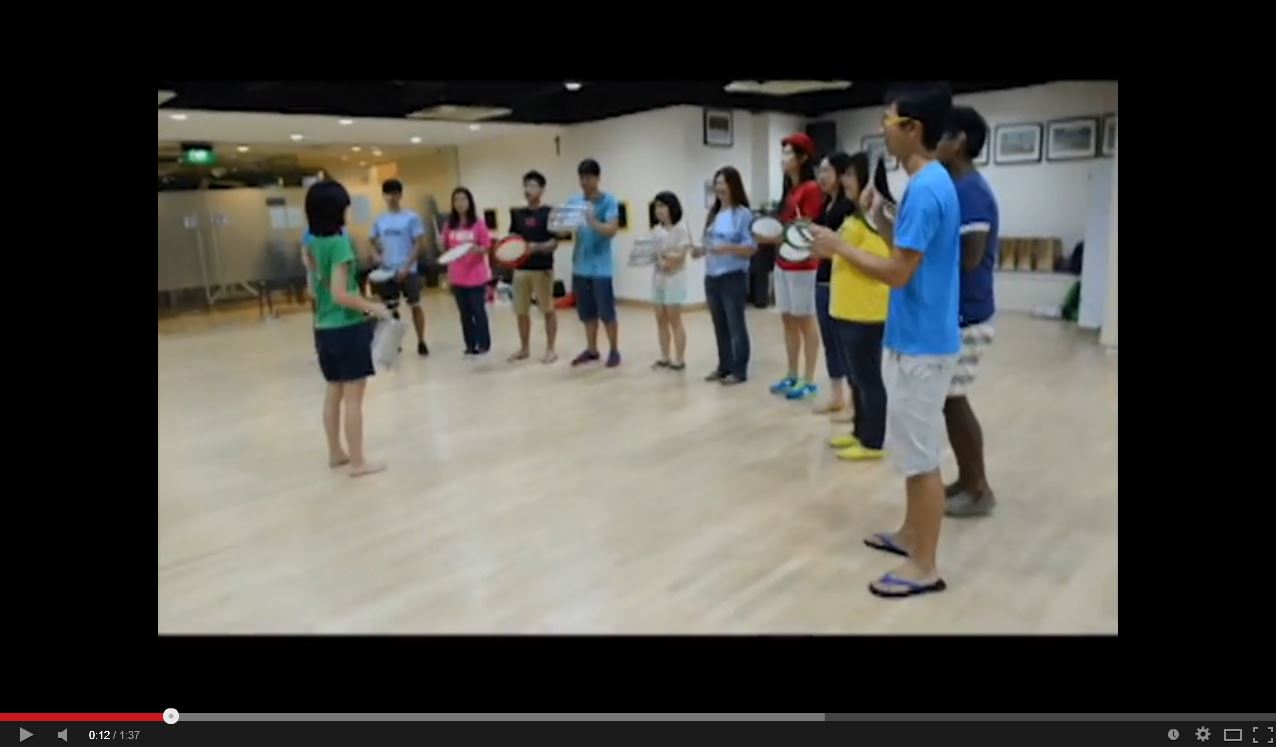
But first, see how music is changing the lives of these kids and MS421:
50 Reasons Why Music Gives Kids a Lifetime of Opportunity
- Music improves phonological awareness.
- Music can effectively teach children self-regulation, which research indicates can be a key factor in early school success.
- Moving to music helps children become aware of the space around them and strengthens spatial awareness.
- Patterns in music help children recognize patterns in math.
- Music refines auditory discrimination.
- Rhymes and fingerplays give practice with ordering, which is an early math skill.
- Musicians have better memories when compared to their peers.
- Actively participating in music classes gives young children an opportunity to learn how to share, take turns, and cooperate.
- Fingerplays and playing instruments supports fine motor skills development.
- Children love music and learning through music teaches them to love learning!
- Rhythm skills or lack thereof could predict reading disabilities leading to early intervention.
- Music increases auditory sequencing ability.
- Music heightens oral language development.
- Music enriches vocabulary development.
- Steady beat skills give children the ability to read fluidly.
- For babies, moving to music in a caregiver’s arms develops babies’ vestibular system, which is responsible for helping the brain understand gravity, gain balance, and develop spatial awareness.
- Music enhances speaking skills.
- Dancing and moving to music supports cross-lateral movement, spatial awareness, eye-hand coordination, and eye-tracking—foundational skills for reading.
- Participating in music classes supports social and emotional development.
- Listening to soothing music can help teach young children to learn how to relax.
- Pairing a word with a movement increases children’s understanding of the concept even before they can speak.
- Musical activities stimulate development in every area of the brain: vision,
 balance, speech, behavior, sensation, skill, movement, and emotion.
 - Learning to play a musical instrument or sing can help disadvantaged children strengthen their reading and language skills by improving the way their nervous systems process sounds.
- Musical ensemble experiences help children to listen closely and work together as they play-along and sing-along together as a group.
- Circle dances create a sense of community, belonging, and self-esteem.
- Early experiences with music spark the brain connections and neural networks that shape the brain and impact how it will function later in life.
- Music encourages children to move and movement stimulates the release of chemicals in a child’s brain that support memory and learning.
- Music provides an outlet for self-expression.
- Music teaches children sequencing.
- Through music, children gain practice recognizing the connections between sounds and symbols.
- Singing songs and speaking chants and nursery rhymes improves language development.
- Pairing a word with a movement helps young children better understand the concept.
- Music and movement provides many opportunities for fine- and gross-motor skills development.
- Music helps children gain active listening skills.
- Children with early musical training experience advanced executive function skills during cognitive testing.
- Research shows that the areas of the brain that process music and language are shared.
- It’s fun!
- Actively participating in a music class impacts all seven areas of social-emotional development, including confidence, curiosity, intentionality, self-control, relatedness, capacity to communicate, and cooperativeness.
- Research shows that when children engage in learning through movement that it helps them be more focused and it improves their reading, writing, and fine motor skills.
- Music makes classroom routines and transitions easier for children of all abilities.
- Researchers from Michigan State University found that 93 percent of STEM
 graduates reported musical training as a child compared to only 34 percent of the average adult.
 - Participation in the arts, including music classes, encourages “out-of-the-box” thinking.
- Music helps kids use their imagination.
- Learning to read musical notation uses a similar set of cognitive skills and pattern recognition to those found in reading.
- Music teaches children how to relax and supports a good night’s sleep.
- Music- and rhyme-based play encourages children to practice perception, production, word recognition, and memory for words, and phonemes—all key foundations for phonological awareness.
- Different genres of music teach children about the world around them.
- The benefits of musical training as children protects the brain in later years, specifically in the ability to parse, sequence, and identify sounds.
- Children with better musical skills, such as the ability to tap to a steady beat or repeat rhythm patters, also perform better on grammar tests when compared to peers.
- Learning to play a musical instrument or to sing can help disadvantaged children strengthen their reading and language skills by improving the way their nervous systems process sounds.
Want to learn more about the benefits of music and the research behind these 50 reasons? Visit www.kindermusik.com
Contributed by Lisa Camino Rowell a freelance writer in the Atlanta area. She could give 500 more reasons why music gives children a lifetime of opportunity.


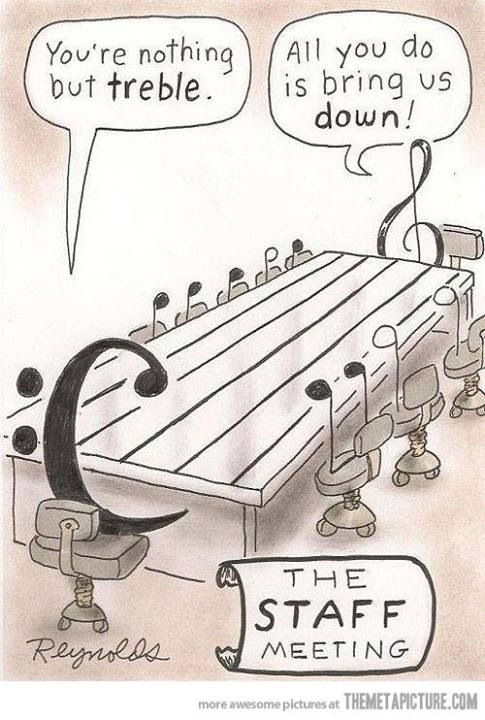
 What type of music are balloons scared of?

 All Kindermusik classes include activities and resources to extend the learning outside the classroom.
 you hum in the car or sing in the shower? Well – guess what? YOU are a musician! Just because you aren’t doing it for a living doesn’t mean you can consider yourself a musician. Think about it: Chorus America states there are about 42.6 million people singing approximately 270,000 choirs in the US. That is a lot of people. You could be one of them! If you can walk you can dance; if you can talk you can sing!
 Consider this story – a group of kindergarteners were asked, “Who here can sing?” They ALL put their hands up. “I can sing!”…”Me, too! I’m really good!” That same group, three years later – asked the same question. About 20% fewer kids said they could sing. The same group three years later? Another 20% decide they can’t sing. By the time that group is in high school? Less than 15% might say they sing well. Why? Well – most of the time, it’s lack of encouragement. Get them involved early and encourage artist exploration! Now is the time!

 “We know that music training engages some brain plasticity — it refines the sense of rhythm, benefiting the perception of speech, so that may help them understand spoken language. But also there is so much enjoyment in music — a strong beat activates the joy of body movement,” Phillips-Silver says. “What we hear is what we feel and what we feel is what we hear.”
 Every Music Educator we meet inspires us. After all, we share the mission of bringing music to children and each educator brings her or his own unique talents and gifts into the classroom! As we celebrate Music in Our Schools month, we wanted to mark the occasion by singing the praises of music educators and giving YOU the opportunity to do it, too!



 It’s World Read Aloud Day.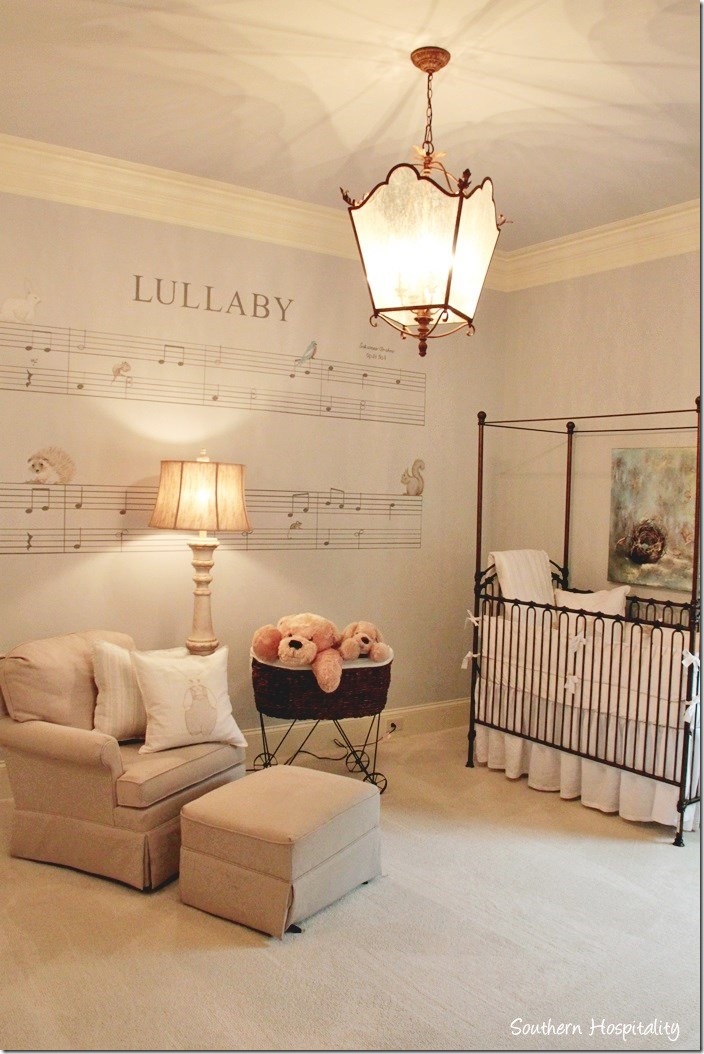
 Music marks so many important milestones in our lives, such as singing a song on your birthday or walking across the stage to receive your diploma while listening to “Pomp & Circumstance” or dancing the first dance together on your wedding day. So of course, music should be a part of this season in your life, too! Plus, music gives parents a go-to resource for playtime, bathtime, bedtime, and hanging-around-the-house-in-our-pajamas time! You don’t need to deck out your child’s nursery like this one in order to bring music into your child’s life. (Can we pause to say “Wow!”?) Here are some ideas of what to include on your baby registry.
