Looking for an idea to entertain the little ones this week? Let it snow globe! Let it snow globe! Let it snow globe! Gather up a few materials and your toddlers and preschoolers can create both memories and a keepsake with you.


Minds On Music – The Kindermusik Blog
For three generations, Kindermusik has helped millions of children around the world build a strong foundation for a lifetime of learning.
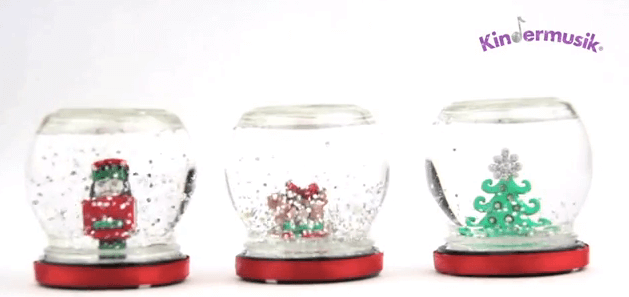
Looking for an idea to entertain the little ones this week? Let it snow globe! Let it snow globe! Let it snow globe! Gather up a few materials and your toddlers and preschoolers can create both memories and a keepsake with you.
Music changes us. Makes us better. Helps us think. Gives us a way to express ourselves. Lifts our spirits. Impacts our memory. Gets us moving. Boosts self-confidence. Raises IQ and academic potential. But music classes like Kindermusik can also instill values, perhaps one of the most important values being that of gratitude.

The root of gratitude is in our emotions, and there’s no better tool for getting us in touch with our feelings and emotions than music. So how exactly does a music class inspire gratitude?
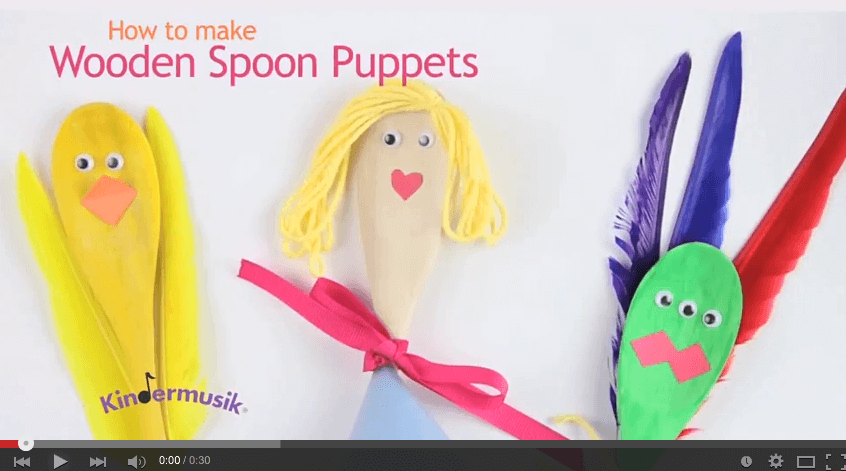
Looking for a few hands-on activities to expand your earth science or English Language Arts lessons for your early childhood classes? Here are three Kindermusik art activities teachers love to use in PreK, Kindergarten, and First Grade.
Use this as children explore the life cycles of plants and animals along with the Common Core exemplar texts as part of your state’s or schools standards. The Egg Carton Caterpillar activity supports a multi-sensory approach to learning that actively engages young students. The completed caterpillar can also be used in English Language Arts as children create a story about their creation.

Use this activity as part of an Earth Day, Ecology, or Science Lesson. As your class chooses which items to add to the bottles, discuss what each of the objects are and what they might be turned into after recycling. Ask the students to share how the objects are alike and different.

Use this activity along with ELA lesson plans to use storytelling to support reading, writing, speaking and listening, and language development. For example, as young children create a fairytale, a puppet can be used in collaboration with their story to enrich the narrative experience. Storytelling through wooden spoon puppets provides an avenue for young children to gain, evaluate, and present increasingly complex information, ideas, and evidence through listening and speaking as well as through their own creations.

Contributed by Lisa Camino Rowell, a freelance writer in the Atlanta area.

Young children love to listen to and imitate sounds! Parents should encourage this natural inclination as often as possible, because this vocal play is actually helping children develop early phonological awareness skills. Phonological awareness is the ability to hear and manipulate words, syllables, and sounds in oral language. It is one of the strongest predictors of later reading ability.
Children develop phonological awareness through deliberate and explicit instruction, with plenty of opportunity for repetition and practice. Instruction should be just like the game below from Kindermusik@Home: brief, focused, playful, and active to keep children engaged. For young children, it’s best to incorporate images to help make a connection between an object and its sound.
This adorable vocal play game wants you to come along on a chugga-chugga, vreeeooooooom, putt-a-putt-putt, beeeeeep-beeeeeep, bringg-bringg ride, and be ready to make some noises along the way. Play the “Let’s Be Vehicles” game.

For an added challenge, after playing this game with a young child a few times, try practicing the auditory discrimination game away from the computer. Ask: “What sound does a motor boat make?” Make the sound of the airplane and ask, “What makes this sound?”
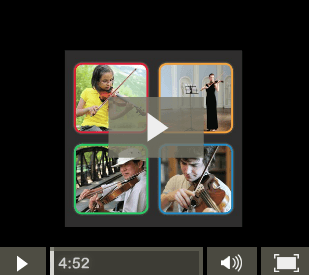
Matching sounds to a visual image is an extremely important early literacy skill. It is, in fact, the precursor skill to the alphabetic principle, or the understanding that there is a relationship between letters and sounds. Before children can explore letter-sound relationships and learn to decode words, they must first understand the connection between a sound they hear and an image they see.
This fun early literacy game from Kindermusik@Home features violins and provides kids lots of practice with associating a specific bit of audio with a specific bit of visual. While kids have no idea that this game is actually preparing them to read, YOU will know!

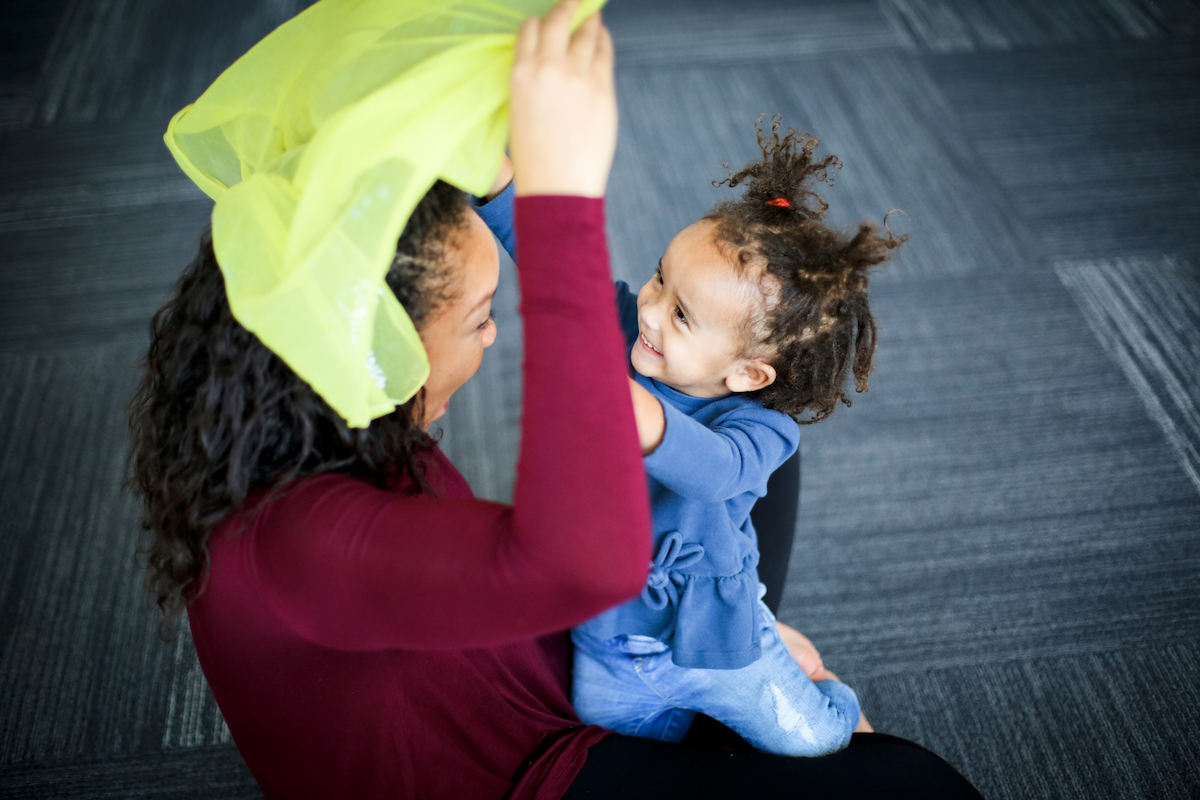
Swish. Twist. Float. Twirl. Bounce. Wave. Scrunch. Toss. Peekaboo…there are a thousand and one ways to promote early childhood development with scarf play.
That’s precisely why scarves are such a valuable prop at home, in a school setting, or in a musical play class. Surprisingly, what looks like just fun and games is actually enhancing brain, body, and social-emotional growth, especially when you combine scarf play with a song, chant, or rhyme.
So, what exactly happens when you take out those scarves?
Imagination Building. “Can you move your scarf like the wind?” That connection between our mind’s eye and an animate object is powerful, so children not only get to imagine how the wind might flow, they get to demonstrate it. That satisfaction spurs more and more curiosity.
Try this: Grab a lightweight towel, blanket, or scarf and follow the prompts with your child(ren) in “Wind and Rain” in the free Kindermusik App. Watch how they “bounce like rain drops” and put their imagination to use.
Directional Tracking. For babies in their first year, swaying a brightly colored scarf back and forth and tossing it up and down to the music is a safe and easy way to maintain their gaze and monitor progress for this important milestone.
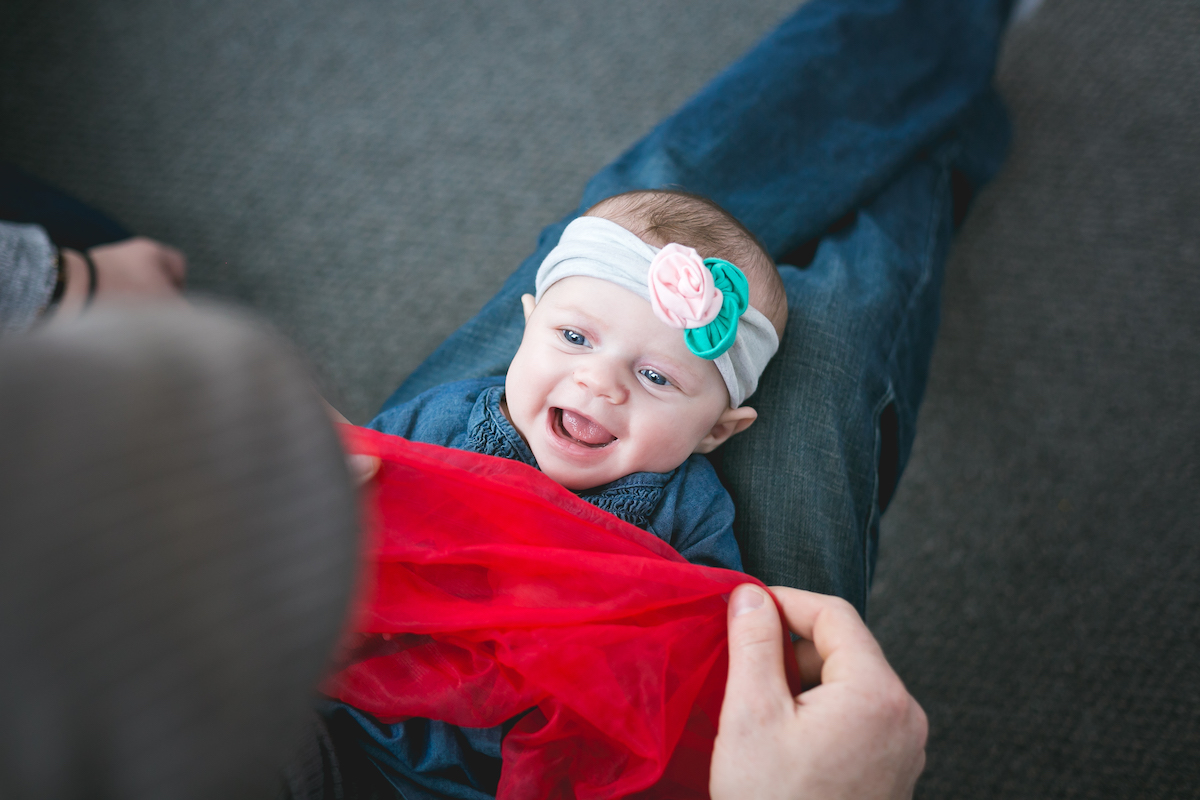
Object Permanence. Another baby-specific benefit of scarf play is the demonstration of object permanence. Scarf peekaboo with babies helps them understand that something can exist without them seeing it (like a parent!).
Eye-hand Coordination. For babies, reaching out and grasping a scarf is a big deal! They can clench it, pull it, and swish it around while building up those motor skills. For older toddlers and preschoolers, tossing and catching scarves is an ideal exercise to increase eye-hand coordination needed for everything from brushing their teeth to catching a ball.
Early Handwriting Skills. Trace it. Pinch it. Twirl it. For preschoolers, scarf play can help build the directional and fine motor skills needed to write. Kiddos can easily practice the pincer grasp with something like a lightweight scarf—it’s a great brain break from and supplement to traditional practice workbooks.
Try It: Check out these three no-cost musical scarf play activities to help prep your little ones for handwriting success.
Vocabulary Enhancement. Verbally describing actions during scarf play (like “Up!”, “Down!”, Toss!”, “Float!” ) helps build vocabulary and comprehension skills.
Aside from the developmental benefits of scarf play, one of the pluses to incorporating it into your activity rotation is that it’s transferrable from class to home and back, and it’s full of joy.
The best kind of learning happens with repetition, play, and support. Scarf play is a big part of our grownup-and-me studio classes and within our curricula kits for schools and other learning environments.
Join a Kindermusik class near you (in-person and virtual options available) or check out our teach-along solutions for your early learning space!
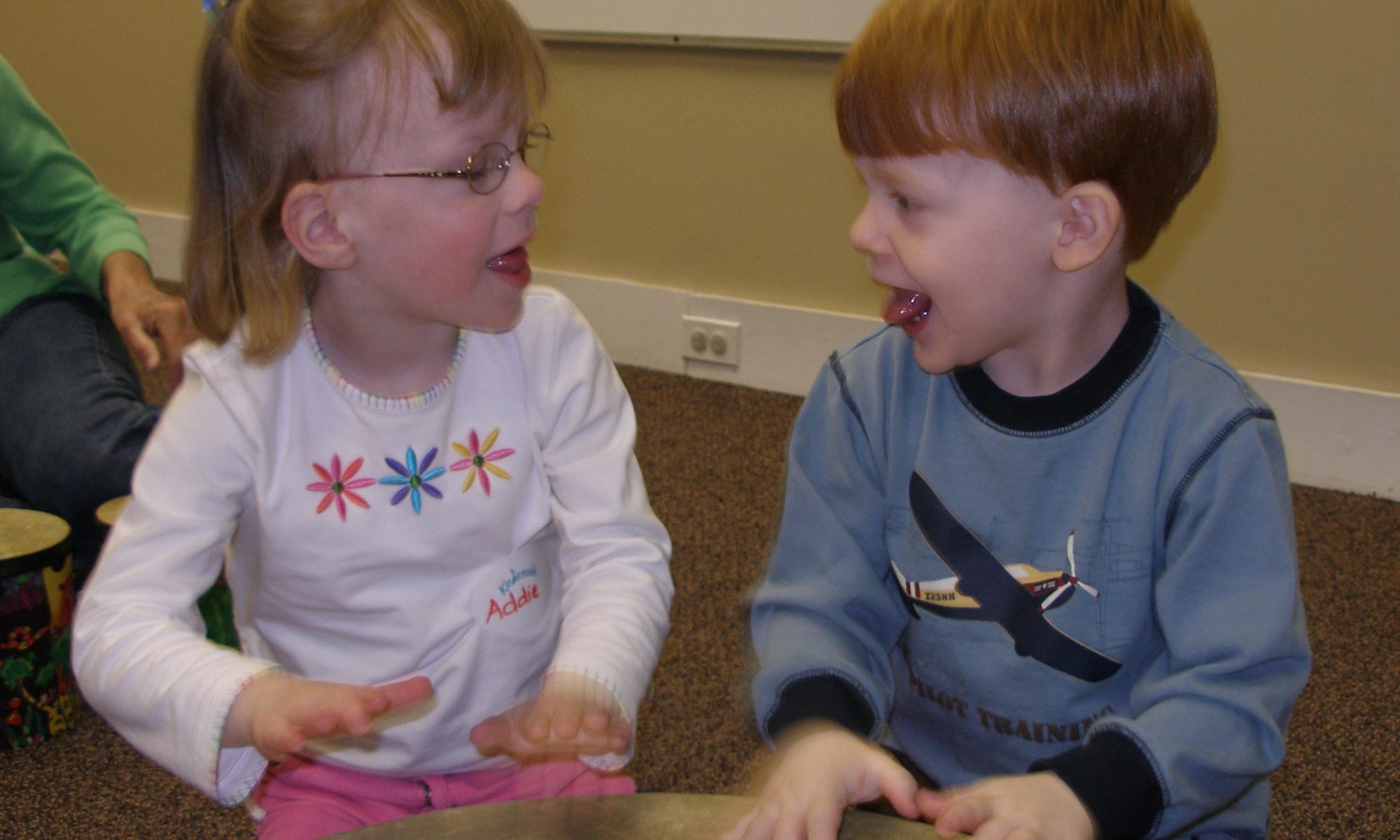
Happy Friendship Day today!! Just wishing you “Happy Friendship Day” probably made you think of certain people you’ve been blessed to know and who have made your life better just by being your friend. A good friend is someone who is caring, supportive, understanding, interested, kind, and giving. It’s a joy to not only have a friend, but also to BE a friend!

But have you ever wondered how to help your young child learn to be a friend? Music classes are a great place for children to gain the skills they need in order to be a good friend. Skills like…
Learning to share
Practicing the skill of sharing usually happens around a box of assorted instruments, books, or puppets.
Try this at home: Before your next play date, talk with your child about what it means to share their toys or favorite stuffed animal. You might even try a little role play to practice sharing.
Taking turns
During instrument demonstrations, children learn to wait for their turn. And oh the joy when the resonator bars finally get around to them!
Try this at home: The concept of taking turns seems so obvious, but it might really help the light bulb go on if you explain to your child what taking turns is – and is not. You could even do a mini demonstration of taking turns.
Speaking kindly
We parents do try to teach this at home, but there’s something about having another adult (the music teacher) model and encourage this in class too.
Try this at home: When your child’s tone starts to escalate in the wrong direction, ask them to use their low and quiet voice. This is a good example of getting the results you want by being very specific and concrete in what you ask.
Being empathetic.
Music puts kids in touch with their feelings, but the group experience of a music class helps kids learn to consider the feelings of others, especially when it comes to watching out for our friends and missing them when they miss class because of sickness.
Try this at home: Talk to your child about how they feel, and also how they think their friends might feel. With a younger child, this might take the form of telling. With older children, this will likely have the most effect if you are asking questions and taking time for the give-and-take of a healthy discussion.
Becoming a good listener
To really enjoy music, you have listen. Not just hear the sound, but listen to it – the nuances, the contrasts, the instrumentation – everything that makes music what it is. This is why focused listening activities in music class are so beneficial.
Try this at home: Encourage your child to pay attention to the sounds around them – a bird singing, a train whistling, baby brother giggling. And then help them understand what it means to be a good listener with others – giving attention, focusing, and making eye contact.
And as a word of encouragement to parents… Think of how long it has taken you as an adult to develop the skills it takes to be a good friend. Likewise, it takes years of positive reinforcement, good modeling, and patient practice for a child to gain these skills too. Starting them off young and giving them social experiences, such as those found in a music class, where they can learn and practice these skills means that they might learn these skills even sooner maybe than you did. And that’s a good thing because there’s nothing quite like the life-enriching gift of friendship.
 Looking for a close-knit group of friends for your child and YOU? Join the Kindermusik community of families! Find a class near you today.

From class to home and back again! The value and impact of a music class increases exponentially when the music, concepts, and activities enjoyed in class are also incorporated into everyday family life. It’s easier than you might think to make the connection between class and home even stronger.
#1 – Sing Hello and Goodbye (Good Night).
Sing the Hello song each morning when your child wakes up. Change the word “goodbye” to “good night” and the goodbye song becomes part of a sweet, soothing bedtime ritual.
#2 – Dance together.
After a diaper change, on a rainy day when you’re stuck inside, or while you’re waiting on supper to cook, turn on your Kindermusik songs and dance together. You can also do a slow, cuddly waltz together just before nap time or bedtime as a way to connect and relax before putting your child to sleep.
#3 – Try an indoor hammock.
Save out one big towel from the clean laundry you’re folding and before putting it away, rock your child in a towel hammock (two adults required) as you play some gentle music or sing a loving lullaby. For more about hammocking, click here.
#4 – Take your child on a hayride.
That same towel you hammocked with easily transforms into a swervy-curvy, silly-willy kind of indoor hayride. Simply have your child sit or lay on the towel, then pick up the end closest to his/her head. Then pull them down the hall and around the room. Add some music for a little extra fun and movement inspiration.
#5 – Sing in the car together.
If you want your child to love being in the car or running errands, turn car time into singing time. Your child can teach you songs he/she learned in music class, or you can both enjoy a sing-a-long with your music download or CD from class.
#6 – Do the “Johnny & Katie” fingerplay.
This one is fun! Starting with the pinky, say “Johnny, Johnny…” while tapping each finger. Say whoops as you slide down from the pointer to the thumb, tap the thumb (saying “Johnny”), then head back to the pinky saying “Johnny” every time you tap a finger. Next say “Katie” on each finger. The fingerplay can go on from there with Daddy, sister, brother, Grandma, Grandpa, aunt, cousin, and more!
#7 – Start a family band.
Pots, pans, bowls, wooden utensils, cups, and spoons can all be the instruments for an impromptu band. Accompany yourselves as you sing, or do a play-along with the recordings your favorite Kindermusik songs from class.
#8 – Read together.
The Kindermusik library stories your child hears in class during Story Time are available when you login to your @Home Materials. You’ll enjoy the common shared experience, having something new to read, and knowing that you’re doing a world of good for your child’s literacy,
#9 – Rock together.
Nothing says “I love you” quite like being cuddled and sung to, and those lullaby-laced memories will put an emotional bond around your child’s heart that they will remember forever. We highly recommend a lullaby and some rocking before bedtime every night! (And if it’s hard for your child to get going in the morning, singing and rocking together can ease that transition too.)
These are 8 simple ideas with big emotional impact – ideas that also connect class to home and make the learning that much more powerful too.
 Kindermusik teachers all around the world love helping families make the class-to-home connections every week. But did you know that Kindermusik also offers a curriculum for schools that intentionally includes parent materials to easily connect the classroom to the living room? Find out more.
– Shared by Theresa Case whose award-winning Kindermusik program is located at Piano Central Studios in Greenville, SC.
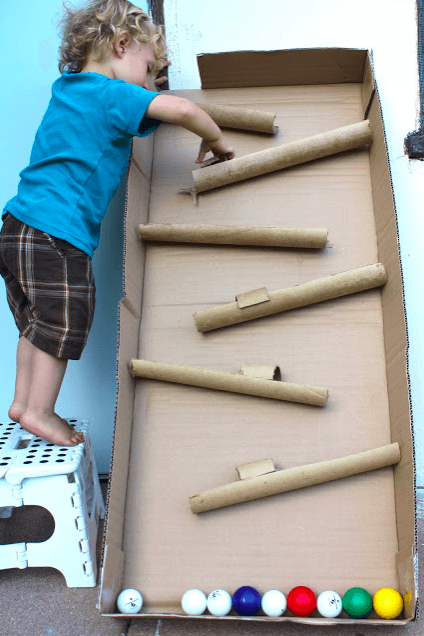
Looking for a few new ideas for summertime fun to add to your family’s list? Here are a few of the most popular Pinterest Pins from our Kindermusik boards.
1. Create a Ball Maze. A great activity for shape identification, predictions, cause and effect, and fun!

2. Hula Hoop sized bubbles. What is this beautiful concoction? Hula Hoops AND bubbles?! Yes, please!

3. Books for young children to get them moving AND reading.

4. Five favorite Kindermusik ways to get up and move.

5. Classic Hand-Clapping Games for Kids. No worries. Adults can play, too!

6. Teach Your Child the Letter P. Turn down the summer heat and learn about penguins and the letter P.


Contributed by Lisa Camino Rowell, a freelance writer (and Pinterest pinner!) from the Atlanta, Georgia, area.
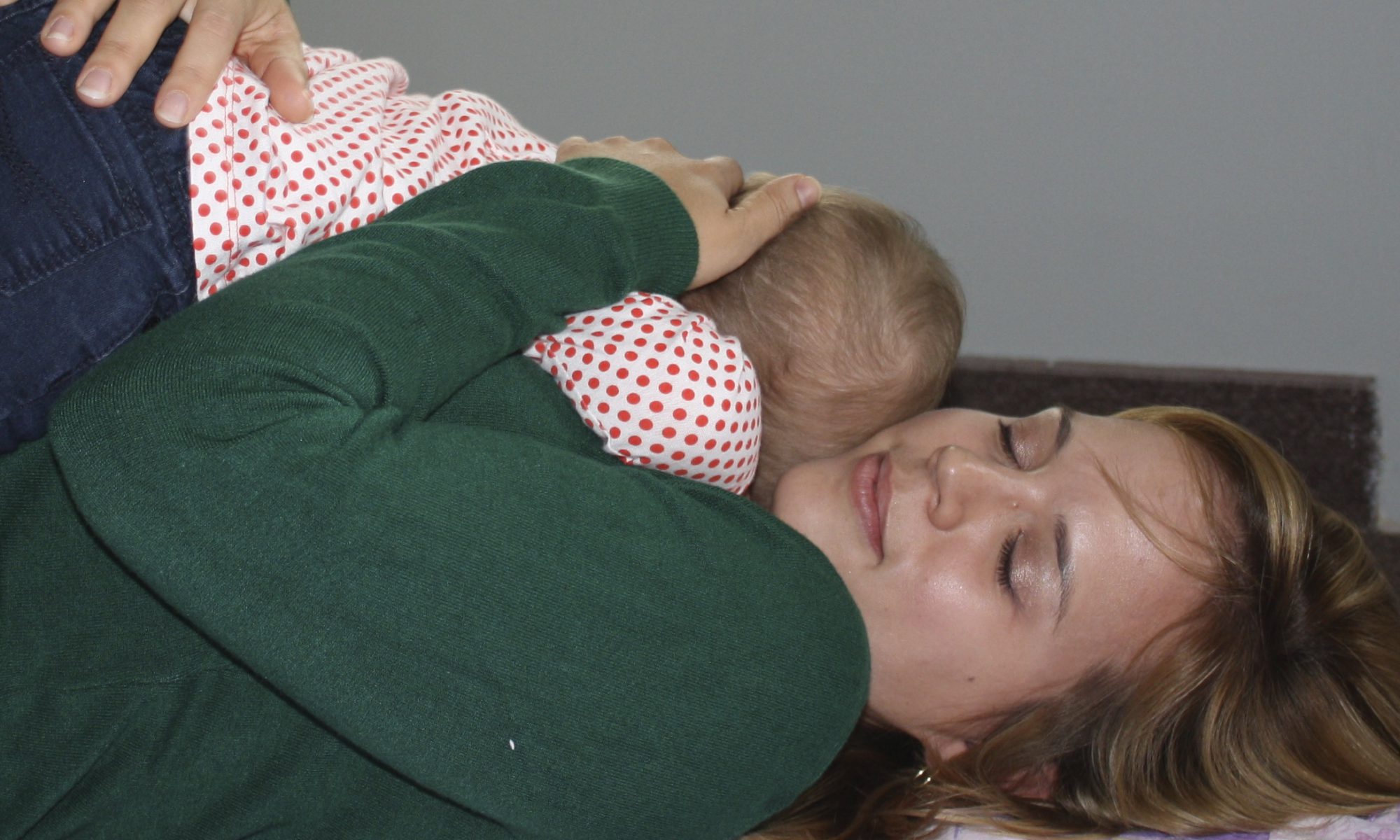
 You need a break. I don’t even know you, but if you are a parent like me, well, you need a break. Of course, no law states that parents are entitled to one 15-minute break for every four hours on duty much less an hour-long lunch break.
A break from parenting is best taken in small increments throughout the day. It’s the real reason why parents of young children claim they need to go to the bathroom so often. It’s one of the few places where we can create the illusion of solitude (if you block out the sound of the child banging on the bathroom door asking for a snack or the little fingers reaching under the door, of course).
If you find yourself needing a break—outside of the potty—try one of these musical ways to entertain your kids while sitting (or lying down):
Contributed by Lisa Camino Rowell a writer from the Atlanta area. She often used uses these musical tips with her own children!