


Athletes employ the benefits of music to boost overall performance. Science shows that specific types of music can really get the blood pumping and focus the mind on the task at hand—like 1-minute planks or running those last few miles. However, a new study also shows that music can get the blood pumping for language development, too.
Music and language development on the same path to learning
In two related studies, researchers from the University of Liverpool found that brief musical training can increase the blood flow in the left hemisphere of the brain—the same area of the brain responsible for language learning.
The initial study examined the brain activity patterns in musicians and non-musicians as they participated in musical activities and word generation tasks at the same time. The results showed that the musicians’ brains showed similar paths during the activities, but the non-musicians did not.
In the follow-up study, the researchers measured the brain activity patterns of non-musicians who participated in both a word generation task and music perception task. Then, the participants received 30 minutes of musical training and then completed the tasks again. After the musical training, significant similarities were found in the brain.
Amy Spray, who conducted the research, explained in a press release: “The areas of our brain that process music and language are thought to be shared. Previous research has suggested that musical training can lead to the increased use of the left hemisphere of the brain. This study looked into the modulatory effects that musical training could have on the use of different sides of the brain when performing music and language tasks. It was fascinating to see that the similarities in blood flow signatures can be brought about after just 30 minutes of simple musical training.”
Music and young ELL students
 While the study above focused on adult participants, the results impact English language learners in the early childhood classroom, too. ABC English & Me, our English Language Learners curriculum, uses ESL activities for kids, words with picture cards, puppets, and English songs for kids to teach young children English. From the first song at the start of each class to the last shake or tap of an instrument, children quickly become engaged in actively learning English through fun, games, and, of course, music!
Plus, we provide materials for families to use together at home. These monthly interactive materials support the classroom learning, while giving parents the tools they need to continue the English language learning at home through music.
Music and language share common brain pathways

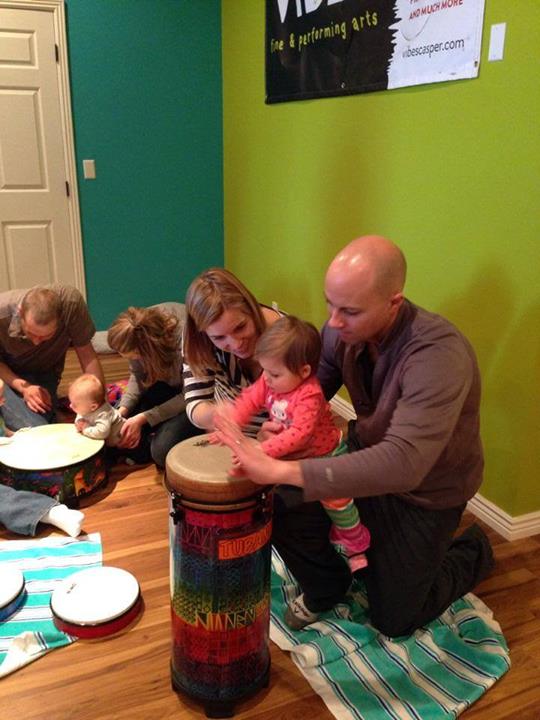
 Kindermusik isn’t just for kids – it’s for parents too!



 When young children are consistently engaged by music in an age-appropriate, socially accepting environment, they benefit at so many levels. Learning through music literally lights up every area of a child’s brain and teaches little ones to love learning. So, in our music education classes for babies, big kids, toddlers, preschoolers, and families when we recite a nursery rhyme, participate in a circle dance or movement activity, play a vocal game, and explore instruments, children develop skills in early literacy and language, spatial-temporal and reasoning skills, physical development, and creativity.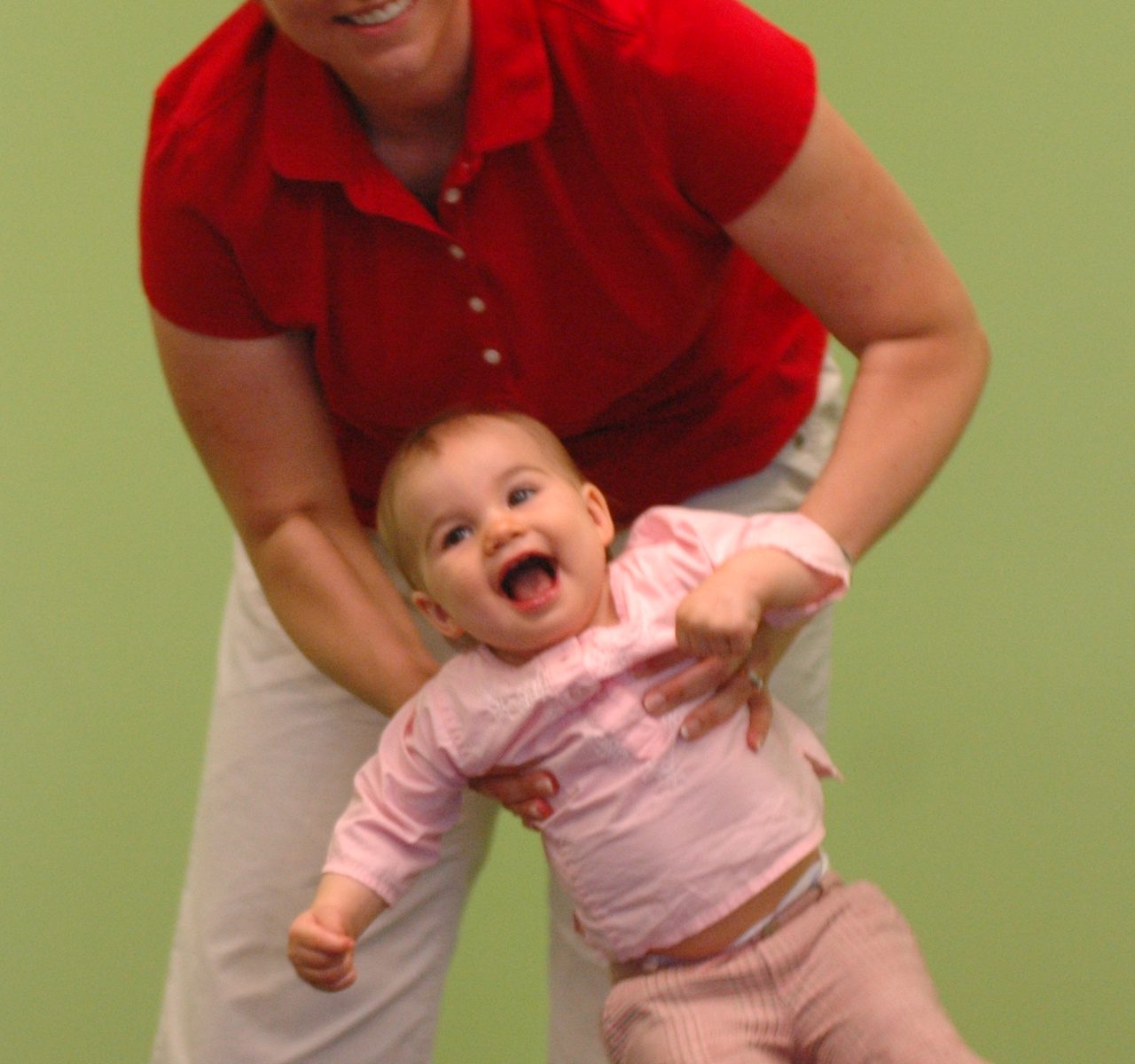

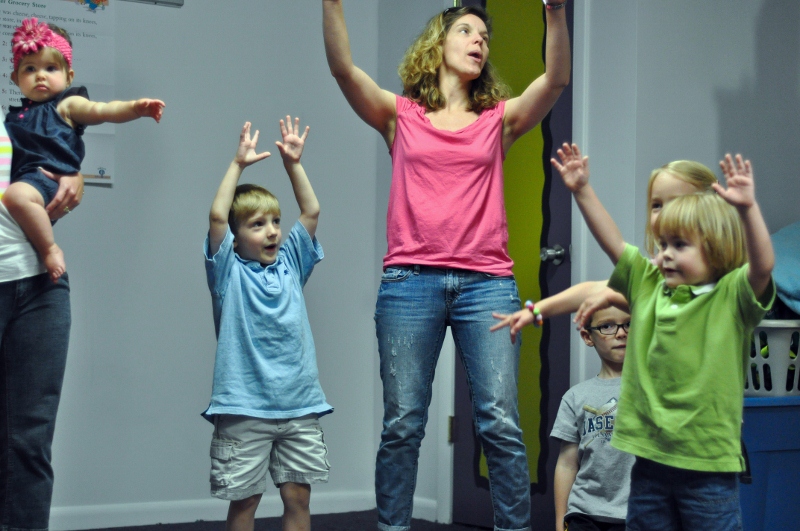
 That’s why we found it fascinating that
 Young children love to search for hidden or missing items. Following the English language directions in the video, and then finding (and saying hello to!) the frogs, fish, and ducks, provides young ELL students much-needed feelings of mastery and success in English.
![KindermusikPresents_ABCMusicAndMe_AGlobalEarlyChildhoodCurriculum[1]](https://media2.kindermusik.com/website/sites/2/2014/05/KindermusikPresents_ABCMusicAndMe_AGlobalEarlyChildhoodCurriculum1.png)

 From “Home Sweet Home
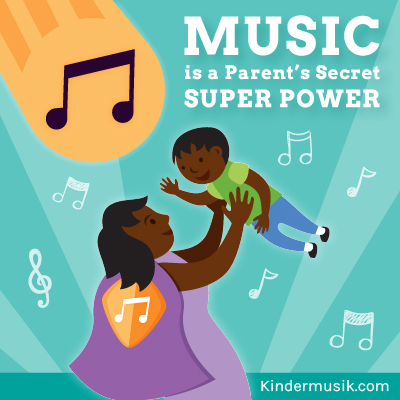
 Parents of young children need special superpowers. Forget about leaping tall buildings in a single bound or even flying, parents really need the ability to turn invisible in order to check on a sleeping baby, the power to fully function on only 3 hours of interrupted sleep, and the capacity to do the laundry faster than a speeding bullet! Who knew someone so little could go through so many clothes!?

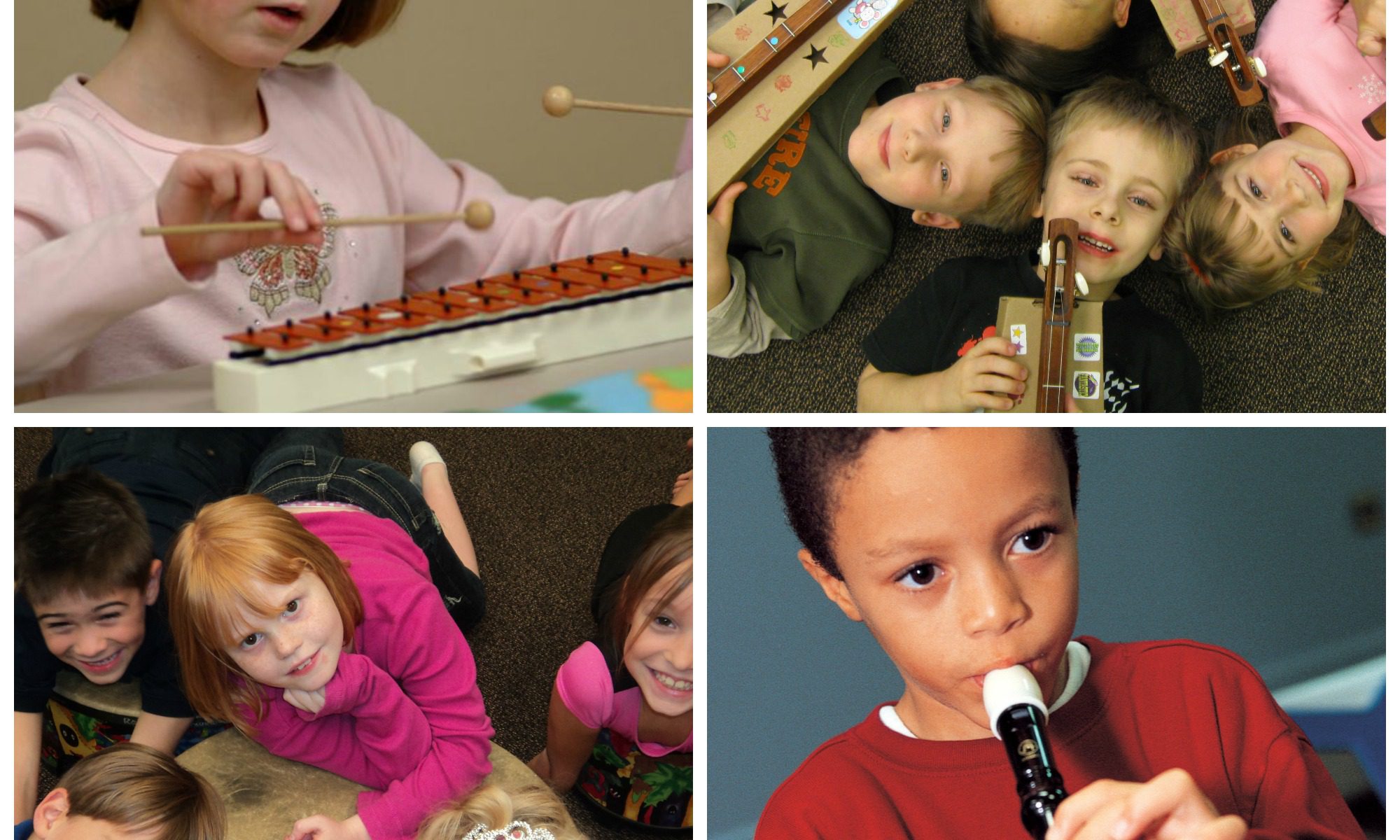
 This is the time of year when many Kindermusik educators are bidding a fond farewell to their Kindermusik graduates – a bittersweet time for sure! But they are sent way with so much pride, not just because of their accomplishments, but because of how Kindermusik has prepared them to succeed.
 Poised for success in music, in school, and in life.