
5 Ways to Get the Most from Kindermusik

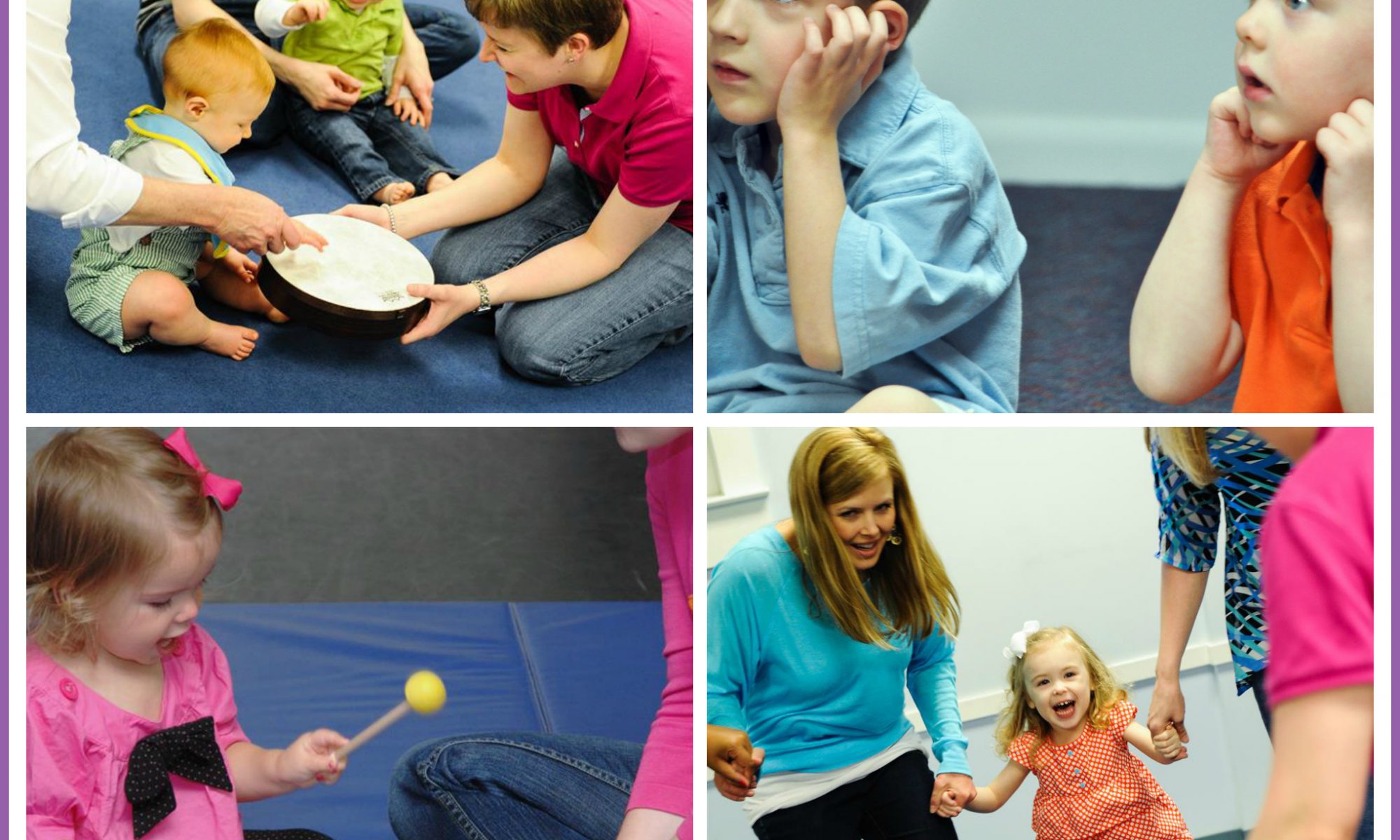
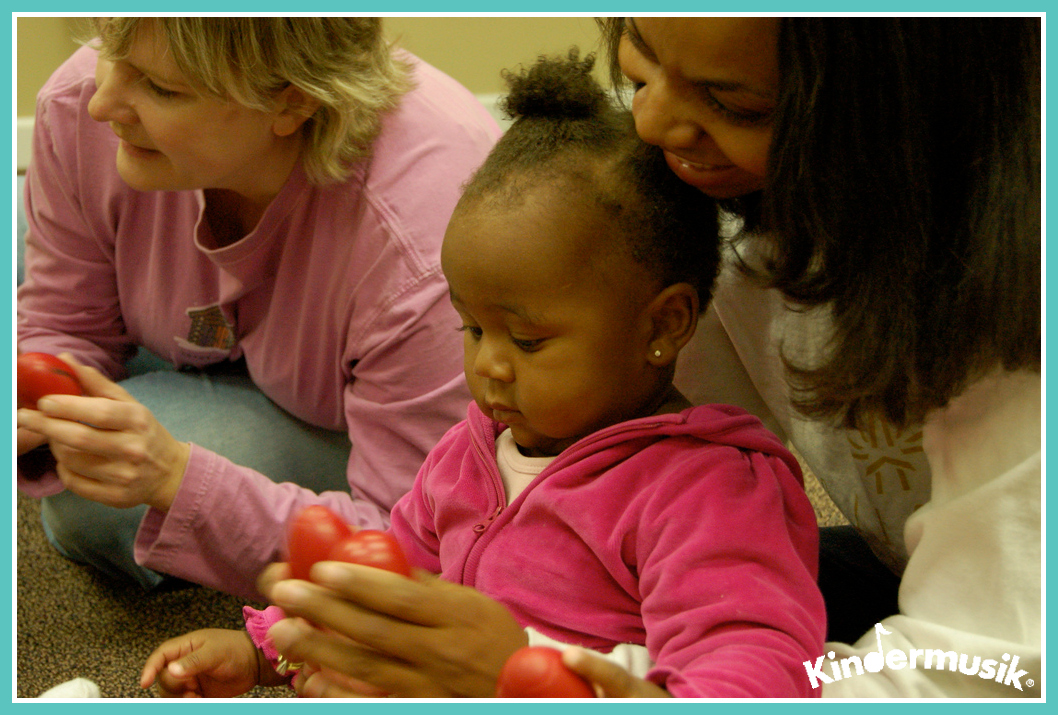
Thinking about enrolling in Kindermusik class with your child? Well, if you’ve never experienced a class before, you probably have a few questions. It’s okay. You’ve come to the right place! In class, you may already know to expect lots of music, movement, instrument play, cuddles, and giggles that all support your child’s development and your key role in the process. So, we thought we’d share some tried-and-true tips to make the most of your Kindermusik experience and this precious time with your little one.

5 Ways to Get the Most from Kindermusik

  1. Arrive 5-10 minutes early. Most children need a few minutes to transition into something new. Those extra few minutes give your child the opportunity to take off shoes, find a spot to sit, interact with the other children, or even to explore the room. Plus, it gives you the opportunity to connect with other parents in class. You will both find the Kindermusik community a loving and encouraging group!
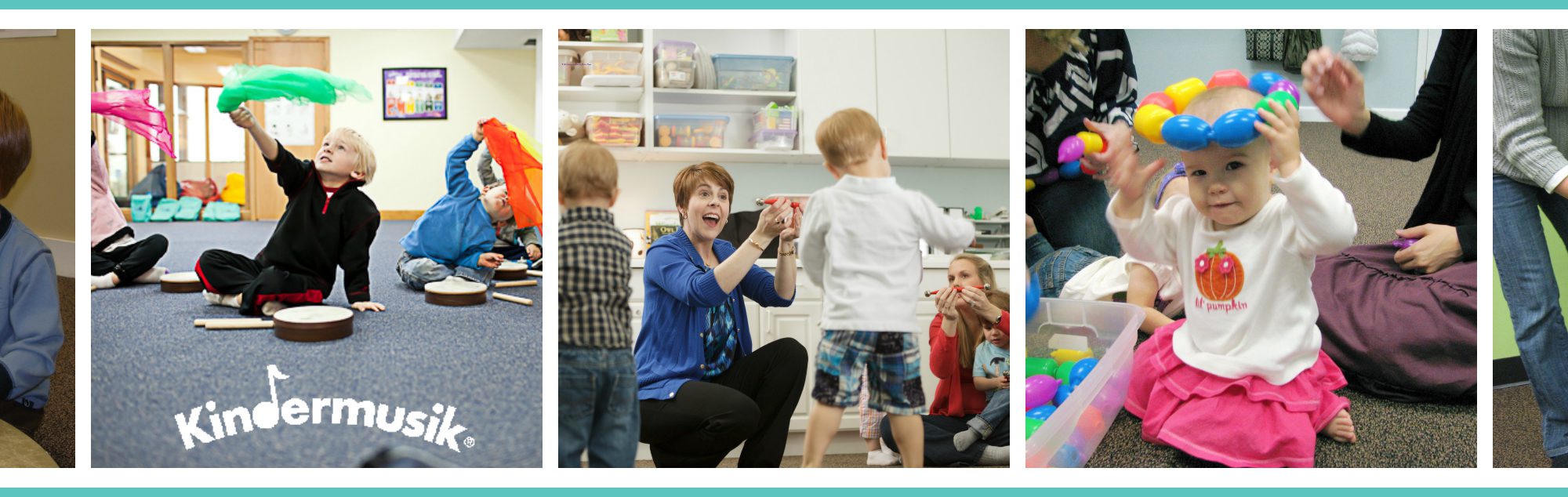
  2. Dress comfortably. We sit on the floor. We dance around the room with scarves. We lift scarf playchildren in the air, swing them in a blanket, or even roll around on the floor. Your child will love every minute of it—and so will you—but admittedly at times it might feel like a workout.
  3. Follow your child’s lead. We ask for children’s ideas throughout the class. In fact, we start each class singing or waving or running or even blinking hello. It all depends on the ideas each child shares. Go along with the ones your child provides or the way your child chooses to respond to the music or play the egg shakers, etc. Your child’s response to class can range from sitting in your lap pretending to be asleep to running around the room the whole time. We’ve seen it all—and welcome it all!
  4. Actively participate.Your child learns from your words and actions. When your little one sees you authentically engaging in class or at home, your child will, too. So go ahead, sing and dance and be silly. Rediscover the joys of childhood with your little one as a tour guide. Your voice is your child’s favorite one to hear.
  5. Play Kindermusik outside of the classroom. Kindermusik isn’t just a weekly class. We intentionally include the music from class and other materials for families to use together throughout the week. Connecting the classroom learning to those “everyday” moments supports your role as your child’s first and best teacher and makes the learning stick. Take a peek at how one mom and daughter “play” Kindermusik at home.

[youtube]https://www.youtube.com/watch?v=vsKuRTncmgQ&list=PLLSMo0LCnI5C1ORlIspEIYZ9GM7gkZ78Q[/youtube]


Kindermusik_GiveYourChildTheGiftOfMusic_EnrollTodayPut these tips into action. Find your local Educator at www.Kindermusik.com and visit a free class!

Contributed by Lisa Camino Rowell, a freelance writer living in the Atlanta area.

9 Life Lessons Young Children Learn from Music Class

If you peek in the window of a Kindermusik classroom, it might look like we are just playing with bells, having fun with friends, cuddling with mom, and dancing around the room.  But the real truth is that we are using the power of music and the joy of movement to help children learn and benefit from valuable life lessons and skills that are setting them up for success in school, at home, and later in the workplace.

9 Life Lessons from Music Class

Nine Life Lessons I Learn from Music Class

Life lesson #1: When I have to wait my turn for an instrument, I learn how to work well with others and be a good friend.

Life lesson #2: When we get to share our ideas for how to move or play an instrument, I learn not only that my own ideas are important, but also that my classmates’ ideas are valuable too.

Life lesson #3: When it’s time to quietly listen and rock to music, I learn how to be still, focus, and relax.  Life is stressful, even for kids!

Life lesson #4: When I’m in class with my special grown up, I learn the most from the very best teacher I will ever have.  (That’s you, Mom, Dad, or Grandma!)

Life lesson #5: When it’s time to get up and move, I learn that I can be so creative in how I move – it’s helping me be much more self-confident.

Life lesson #6: When I have to stop on cue or go on to a new activity, I learn how to control my actions and responses.  (My teacher calls this “inhibitory control.”  My mom calls it a really great idea.)

Life lesson #7: When I have to play an instrument in different ways or use exploration to learn more about a musical prop, I learn how to be an effective problem-solver.

Life lesson #8: When I get to do things more than once, I learn that practice doesn’t make perfect, but it does make me better.

Life lesson #9: When I sing, listen, and move to music, I learn that I have many ways to communicate my ideas and feelings.

Try A Free Kindermusik ClassWant to help your child learn these same life lessons and skills?  Come visit a class.  Find your local Kindermusik educator at www.Kindermusik.com.
Contributed by Kindermusik educator Theresa Case, whose award-winning Kindermusik program at Piano Central Studios is located in beautiful upstate South Carolina.
Favorite Minds on Music Blog Posts from 2014

0_why_music_round_greenAt the beginning of January, we often reflect on the passing of another year. For parents, that might mean celebrating all of those “firsts” that happened last year like a baby’s first steps, a little one’s first time sleeping through the night, or maybe that first tooth (or first lost tooth!). In the life of a young child, so many firsts happen in one year! For early childhood teachers, it might mean celebrating how much your students have grown in confidence and abilities.
For us at Kindermusik, we also like to look back at all of the amazing new music research published in the last 12 months that helps answer the question, “Why Music?” After all, we recognize how music really does give children a good beginning that never ends. We invite you to travel with us down Abbey Road Memory Lane as we highlight 11 of our favorite blog posts from 2014, including new research about the power of music.

11 Blog Posts from 2014 about the Benefits of Music Education

Kindermusik Classes - Enroll Now - For a Child's Brain, Body, Heart & SoulWant to see these blog posts in action? Contact your local Kindermusik educator at www.Kindermusik.com and come visit a class.

Contributed by Lisa Camino Rowell. A freelance writer living in the Atlanta area.

Quotes from 2014 that captured the magic of Kindermusik

We love music and children. It’s why we do what we do. Sometimes we come across a quote or picture or video that perfectly captures why we love it so much. Some people call it an “A-Ha Moment.” Here are a few that caught our attention—and our hearts—last year.


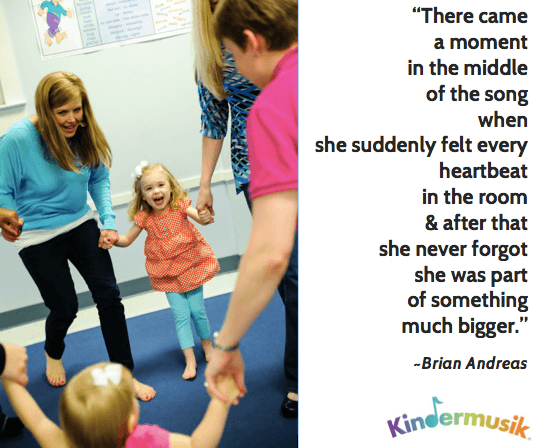
A moment in the music Quote


making memories in Kindermusik quote


Listz Music Education Quote


children are worthy of celebration


melody sounds like a memory


talk to a two year old

make your heart sing

Do you want your children to do something to make their hearts sing, too? Find a local Kindermusik educator at www.Kindermusik.com and make 2015 a year full of music, memories, and a good beginning that never ends.

New Research Alert: Playing instruments boosts kids’ brainpower!

There’s a lot of buzz about the significant findings of some exciting research from the University of Vermont College of Medicine which has identified a direct link between “…playing a musical instrument and brain development.”

How music and the brain are linked

Analyzing brain scans, identifying cortical indicators, and factoring in the entirety of a child’s familial and social environment were key to uncovering the astounding evidence of the direct effect that music and music playing had on the brain.  Playing an instrument requires control, focus, and coordination, and utilizing these skills actually alters the motor areas of the brain.  Not only that, but making music can also cause changes in the “behavior-regulating areas of the brain,” according to this study.

“Such statistics, when taken in the context of our present neuroimaging results,” the [research] authors write, “underscore the vital importance of finding new and innovative ways to make music training more widely available to youths, beginning in childhood.”

Beginning in childhood

This is precisely what excites Kindermusik educators the most – new and significant evidence that making music and playing instruments in early childhood is critical for brain development, and in particular, in developing executive function skills like focus, self-control, and emotional processing.

And why is executive function so important?

Author Amanda Morin summed it up this way, “Executive function is like the CEO of the brain.”  When you improve a child’s executive function skills, you impact a child’s potential for success – on the playground, in the classroom, and in life.

What your child needs when it matters most

Music is the one activity that has been proven over and over to have a compelling and long-lasting impact on a child’s overall development, especially brain development.  And before a child even knows what a violin is, there’s Kindermusik – a place where parents can intentionally and joyfully immerse their child in all of the rich benefits of music and music making, from newborn to age 7.Learn more about giving your young child all of the advantages of early music exposure and music making with Kindermusik at www.Kindermusik.com.


Contributed by Kindermusik educator Theresa Case, whose award-winning Kindermusik program at Piano Central Studios is located in beautiful upstate South Carolina.

New Research: Teaching Self-Control Leads to Academic Improvements

How our brains regulate and manage cognitive processes is referred to as executive function.  As with most cognitive skills, executive function is a skill that grows and develops in children as they grow and develop.

According to this recent and fascinating article in Science Daily, the executive functions that are crucial for a child to develop include the ability to:

  • avoid distractions
  • focus attention
  • hold relevant information in working memory
  • regulate impulsive behavior

But what’s really exciting news for parents and educators is this: “Recent advances in neuroscience suggest that focusing on self-regulation – which includes executive functions and regulating one’s emotions – can enhance children’s engagement in learning and put them on an upward academic trajectory.” 

So how can a parent give their child this cognitive advantage?  One place to start with very young children newborn to age 7 years is in a Kindermusik class where we joyfully introduce and reinforce important executive function skills through stop and go activities, focused listening, ensemble play, gathering time, and circle dances – just to name a few.

Teaching executive function skillsFor example…

Stop and Go Activities like “Walk and Stop” give a child practice in learning to stop and think by learning to stop his/her body in motion.

Focused Listening helps children do just that – focus on a certain sound, often when there are other distractions around them.

Ensemble Play allows children to be a part of a whole.  They each play their own instrument as part of making beautiful musical together.

Sharing instruments during Gathering Time teaches children how to self-regulate by waiting for their turn for a favorite instrument and by handling the instrument gently.

Circle Dances are a beautiful way for children to interact with peers and adults and also have to remember what comes next in the dance.

“The ability to control impulses and regulate behaviors and emotions is a critical function to build into early childhood education, ensuring children’s success in both gaining knowledge and learning life skills.”  – Dr. C. Cybele Raver of NYU Steinhardt

Experience firsthand how music can teach other important life skills, such as sharing and inhibitory control. Contact your local licensed Kindermusik educator at www.Kindermusik.com and come visit a class!


Teach Your Child a Second Language for a Full-Brain Workout

Lots of things are good for the brain, especially music.  But new research indicates that learning to speak more than one language is also exceptionally good for the brain.

exercise that's good for the brain

At first it might seem that the brain has to work harder to learn and speak two languages.  And in a way it does.  But it’s actually this hard work that exercises and strengthens the brain so that performing other cognitive tasks becomes easier and more efficient.  Think of it this way.  When you go to the gym, it’s hard work.  But along the way, your muscles get stronger and soon even everyday tasks, including lifting and moving, actually get easier.

The other very interesting thing that happens for bilingual speakers is that because the brain has to control and filter both languages, it becomes very good at two things:  inhibitory control and focus.

Lead research author and Northwestern University professor Viorica Marian puts it this way: “Using another language provides the brain built-in exercise. You don’t have to go out of your way to do a puzzle because the brain is already constantly juggling two languages.”

This kind of constant brain exercise not only has benefits for now, but it also appears to offer some “protective advantage against Alzheimer’s and dementia,” said Marian.

We all know that exercise is good for us. Now we are beginning to get a glimpse of just how beneficial exercising the brain can be too.  And the younger we teach children to exercise their brains, whether through music and movement or through learning a second language, the better!

Learn more about using music to teach young children a second language at www.Kindermusik.com/schools.


6 Ways Kindermusik Prepares Children for Formal Music Lessons

Which came first: the egg shaker or the violin? Well, if you ask us, we’d say the egg shaker of course! It’s a staple instrument in all Kindermusik classes from newborn through age 7. From that first instrument, we begin to teach children skills that can prepare them for formal music lessons when they are ready.

baby and mom with Kindermusik egg shakers

6 Ways Kindermusik Prepares a Child for Formal Music Lessons


#1 – Kindermusik develops the ability to keep a steady beat.
 
Steady beat is fundamental to music and absolutely essential for playing an instrument.

#2 – Kindermusik reinforces music patterning.  Learning to recognize patterns in music is vital to playing an instrument with musicality and with understanding.

#3 – Kindermusik teaches musical notation.  Without a foundational understanding of music symbols, there can be no music reading.

#4 – Kindermusik develops a musical vocabulary.  A rich musical vocabulary begins with an experiential knowledge of the words that help us describe music and express ourselves musically.

#5 – Kindermusik provides ensemble experience.  From playing egg shakers together in our Baby Class to playing the violin in an orchestra, making music together in a group is one of the greatest joys of music.

#6 – Kindermusik inspires a lifelong love of music.  When you plant the seeds at such a young age, a love of music will bloom and grow throughout a lifetime.  A deep love for music is one of the most important contributors to a child’s success in music lessons… and in life.

So when is a child ready for music lessons? 

Most music teachers agree that between the ages of 7 and 10 years is the best age for children to start formal music lessons.  By then, a child is usually able to read on his/her own, follow directions, sit still and focus for longer periods of time, and feel motivated to practice at home each day.

If you’re unsure about whether or not your child is ready for formal music lessons, long-time Kindermusik educator and Maestro Michelle Jacques recommends asking these questions:

  • Do you and your child understand the enormous amount of dedication needed to learn to play an instrument?
  • Are you ready to make the purchase or rental investment in an instrument to have in your home for practice?
  • Is your child ready to accept the rules, guidelines, and suggestions of the teacher?
  • Will your child be able to respond positively when the teacher asks him/her to play a certain way or hold his/her hand in a certain position?
  • Does your child have the fine motor control as well as the maturity and attention span necessary for daily home practice?
  • Can your concentrate daily for 15 to 30 minutes on a series of directed tasks?
  • Will your child thrive in a learning environment where it’s just she and the teacher, or does she learn best in a social, play-like setting?

Try A Free Kindermusik ClassWant to learn more about how Kindermusik prepares a young child for success in formal music lessons?  Come visit a Kindermusik class!  Find your local Kindermusik educator at www.Kindermusik.com and give your child the best gift ever – a love of music that starts with Kindermusik.


Kids Tap Their Way to Better Grammar

“Conjunction Junction wants your function? Hooking up words and phrases and clauses.” Do you know the rest of the lyrics to that old School House Rock favorite? Take a listen and sing along!

[youtube]https://www.youtube.com/watch?v=U6GrqMtlrf4[/youtube]

You might be surprised to learn that the song provided more than a Saturday morning distraction. It also actually taught children about grammar. In fact, a first-of-its-kind research study from Vanderbilt University shows an association between musical rhythm and grammar.

Exploring the links between grammar and musical rhythm

In the study, Reyna Gordon, Ph.D. measured the grammar skills and music skills of 25 typically developing 6 year olds. While the two tests were different, Gordon found that children who performed well on one of the tests also did well on the second test. Musical experience, socio-economic backgrounds, or IQ did not matter. Gordon suggests that the similarities between the rhythms in music and the rhythms of language explain how children who did well on one test also did well on the other.

According to the study, in grammar children’s minds sort the sounds they hear into words, phrases, and sentences. The rhythm of language helps them to properly sort those sounds.  In music, rhythmic sequences give structure to musical phrases and help listeners move to a steady beat.

“I’ve been thinking a lot about this idea… is music necessary?” confesses Gordon in a press release. “Those of us in the field of music cognition, we know—it does have a unique role in brain development.”

Yes! Yes, it does!

Don’t Do Try this at Home or in Class

Parents and early childhood educators can support young children’s grammar skills by actively engaging in musical activities together. Try putting on some music or singing a song and inviting children to tap along to the steady beat. Children can clap hands or knees, gently bang a wooden spoon on a plastic bowl, or shake a homemade instrument. This Kindermusik class in the Ukraine tapped to the beat using rhythm sticks:

[youtube]https://www.youtube.com/watch?v=PGrkriXGhBw[/youtube]

Find out more about Kindermusik at www.Kindermusik.com.

Contributed by Lisa Camino Rowell, a freelance writer living in the Atlanta area.

Give the Gift of Musical Memories

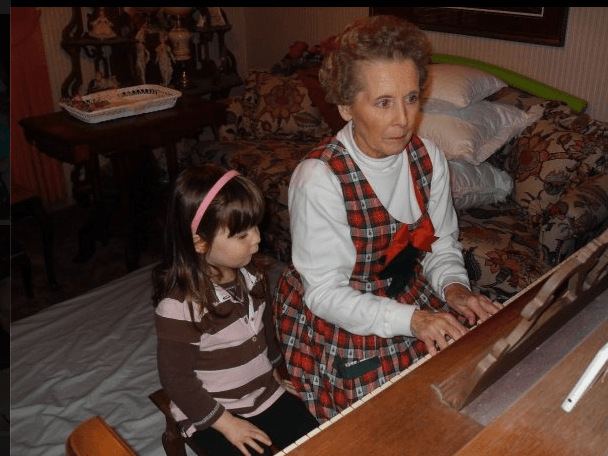
Grandmother playing pianoWhen thinking back to our own childhoods, holiday memories rarely bring to mind a specific gift we received. (Unless, you happen to be Ralphie and you can narrate a whole movie about that Christmas you received a Red Ryder!) For the rest of us, however, we tend to recall the time spent with loved ones.

Do you remember piling into the car to drink hot chocolate and look at the neighborhood Christmas lights? Or did you learn how to make latkes by watching your now-deceased Bubbe make them? And how many rounds of “Over the River and Through the Woods to Grandmother’s House We Go” did your family sing on the way to a holiday gathering?

Making Music, Making Memories

In addition to “Over the River,” you probably associate this time of year with other songs, too, like “I’ll Be Home for Christmas,” “Frosty the Snowman,” or “Jingle Bells.” Those songs can evoke memories of the distant—and not so distant—past because they are linked to the people we love and the memories we created together.
Of course, the way to give your child memories is by creating memorable moments. Music can help you. Here are just a few ways making music as a family creates lasting memories:

  • Lullabies passed on from generation to generation
  • Receiving that first unofficial piano lesson by mimicking a grandmother
  • Singing songs together on road trips or while you roast marshmallows
  • Dancing around the house to that one song that gives everyone in your family the giggles
  • Making up nonsense rhymes during bath time
  • Introducing your own favorite musicians to your children—The Beatles, Van Morrison, U2…maybe even music from a CD or vinyl! (That can be a history lesson, too!)

Give the Gift of Kindermusik

As parents, we often look for that perfect gift for our little ones. However, one of the best gifts we can give our children is time spent together. In fact, in the Huffington Post article, “18 excellent gifts for kids that aren’t even toys,” most of the suggestions involve activities. Of course, we love #1:

“Classes. Music, dance, riding, drawing—classes are a great way to encourage children in their interests and let them know that you pay attention to them and what they enjoy.”

MakingMemories_KindermusikYou know the best thing about memories? Making them. It’s true about Kindermusik classes. Of course, Kindermusik classes support a young child’s development in so many areas, including social and emotional, cognitive, physical, language and literacy. However, families also create lasting memories through singing, dancing, and simply taking time away from everything else on their To Do lists. Those songs remain imbedded in the hearts and minds of children and parents for the rest of their lives.

Contact your local Kindermusik educator at www.Kindermusik.com and ask about Gift Certificates. Family members can purchase gift certificates to use towards Kindermusik classes.

Contributed by Lisa Camino Rowell, a freelance writer living in the Atlanta area, who can’t wait to pile her family into the car to drink hot chocolate and look at all the lights!