
It seems as if we all march to the same beat even if we play different drums. According to new research, music from around the world tend to share common features, including a  strong rhythm that enable coordination in social settings and encourage group bonding.
The research team from the University of Exeter analyzed the recordings of 304 stylistically diverse musical compositions from around the world. Their research found dozens of common characteristics across various world regions, including features related to pitch and rhythm and social context and interrelationships between musical features. For example, the team found rhythms based on two or three beats present in music from all regions: North America, Central and South America, Europe, Africa, the Middle East, and South Asia, East Asia, Southeast Asia and Oceania.
Why We Make Music
Thomas Currie from the University of Exeter gave insight into the team’s research: “Our findings help explain why humans make music. The results show that the most common features seen in music around the world relate to things that allow people to coordinate their actions, and suggest that the main function of music is to bring people together and bond social groups — it can be a kind of social glue.”
Music as social glue works for parents and young children, too, as one of the researchers discovered (and as those of us involved in Kindermusik already know): “My daughter and I were singing and drumming and dancing together for months before she even said her first words. Music is not a universal language… music lets us connect without language,” explained Pat Savage, a PhD student from the Tokyo University of the Arts.
 Want to connect your family with others who share a love of music?
 new friends. Okay…I wouldn’t always ask. Sometimes, I would stealthily investigate their musical offerings. The insights gained by glimpsing the soundtracks to their daily lives and memories offered a pathway to understanding them akin to reading their diaries. Of course, it would be socially awkward to ask to read a copy of a person’s diary, unless “of a Wimpy Kid” followed “Diary.” Right?
 This month Head Start celebrates 50 years of life change and we love being able to celebrate this milestone with them at NHSA’s Annual Head Start Conference and Expo. However, it also got us thinking about how music also supports life change in children and families. In fact, we know from experience—and by hearing from the Head Start and Early Head Start programs that use the Kindermusik curricula—that music gets kids ready for learning! So, we put together a list of 50 reasons why music gives kids a lifetime of opportunity.
 balance, speech, behavior, sensation, skill, movement, and emotion.
 graduates reported musical training as a child compared to only 34 percent of the average adult.
 At the beginning of January, we often reflect on the passing of another year. For parents, that might mean celebrating all of those “firsts” that happened last year like a baby’s first steps, a little one’s first time sleeping through the night, or maybe that first tooth (or first lost tooth!). In the life of a young child, so many firsts happen in one year! For early childhood teachers, it might mean celebrating how much your students have grown in confidence and abilities.
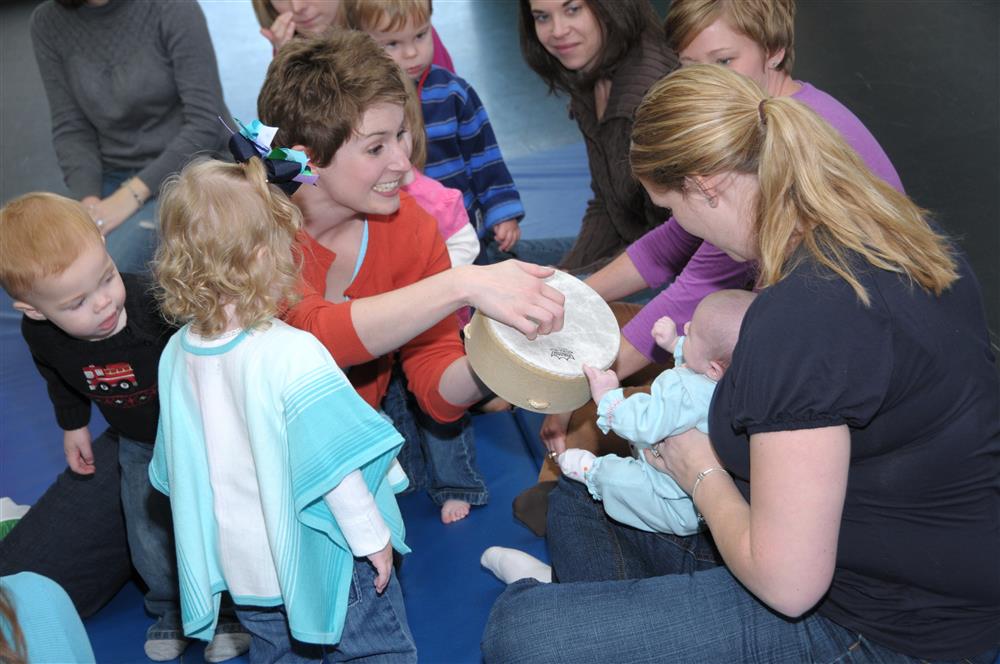
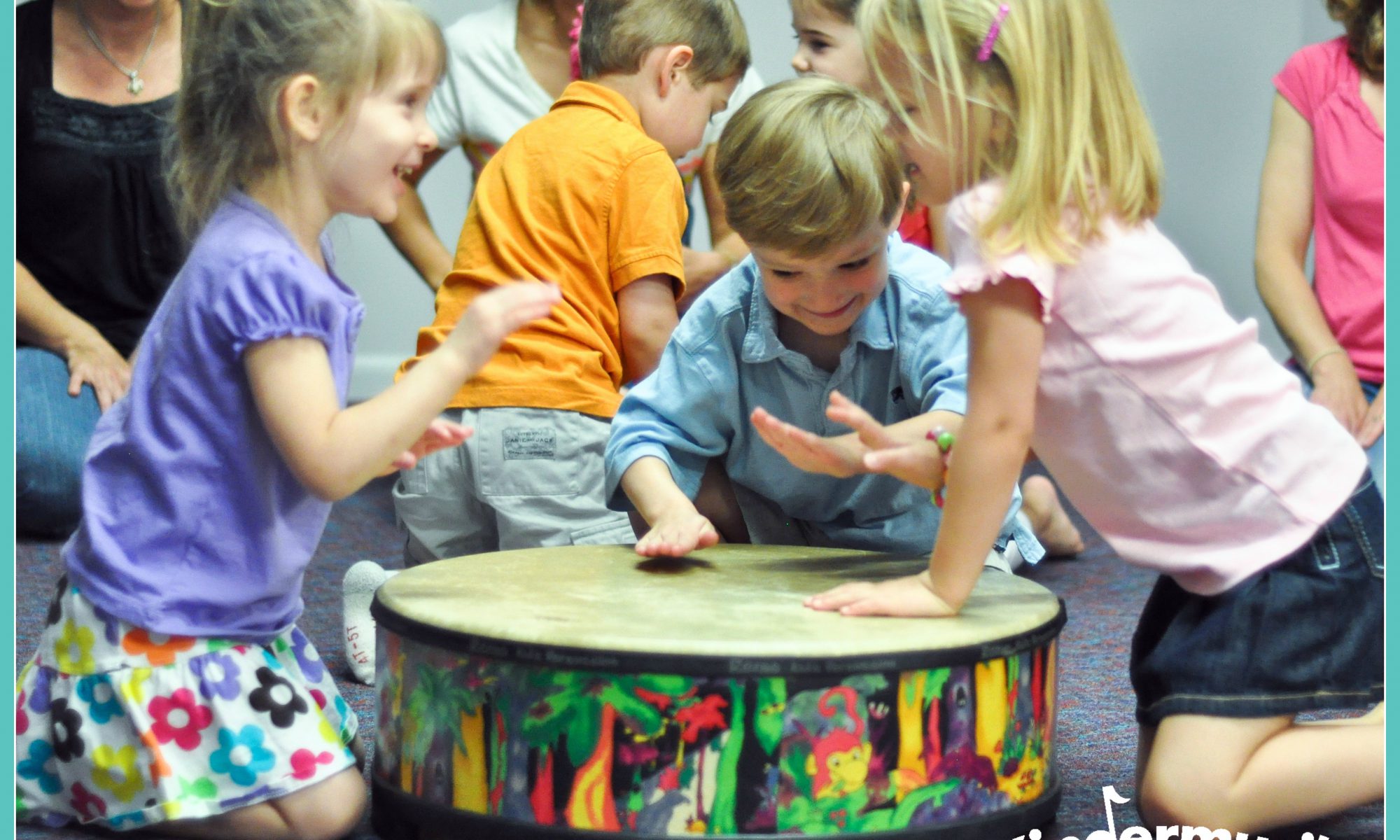
 Take a peek inside any Kindermusik classroom around the world and you will see much of the same thing. We sing. We dance. We play instruments. We listen to music. We move our bodies in response to music. We create music.