

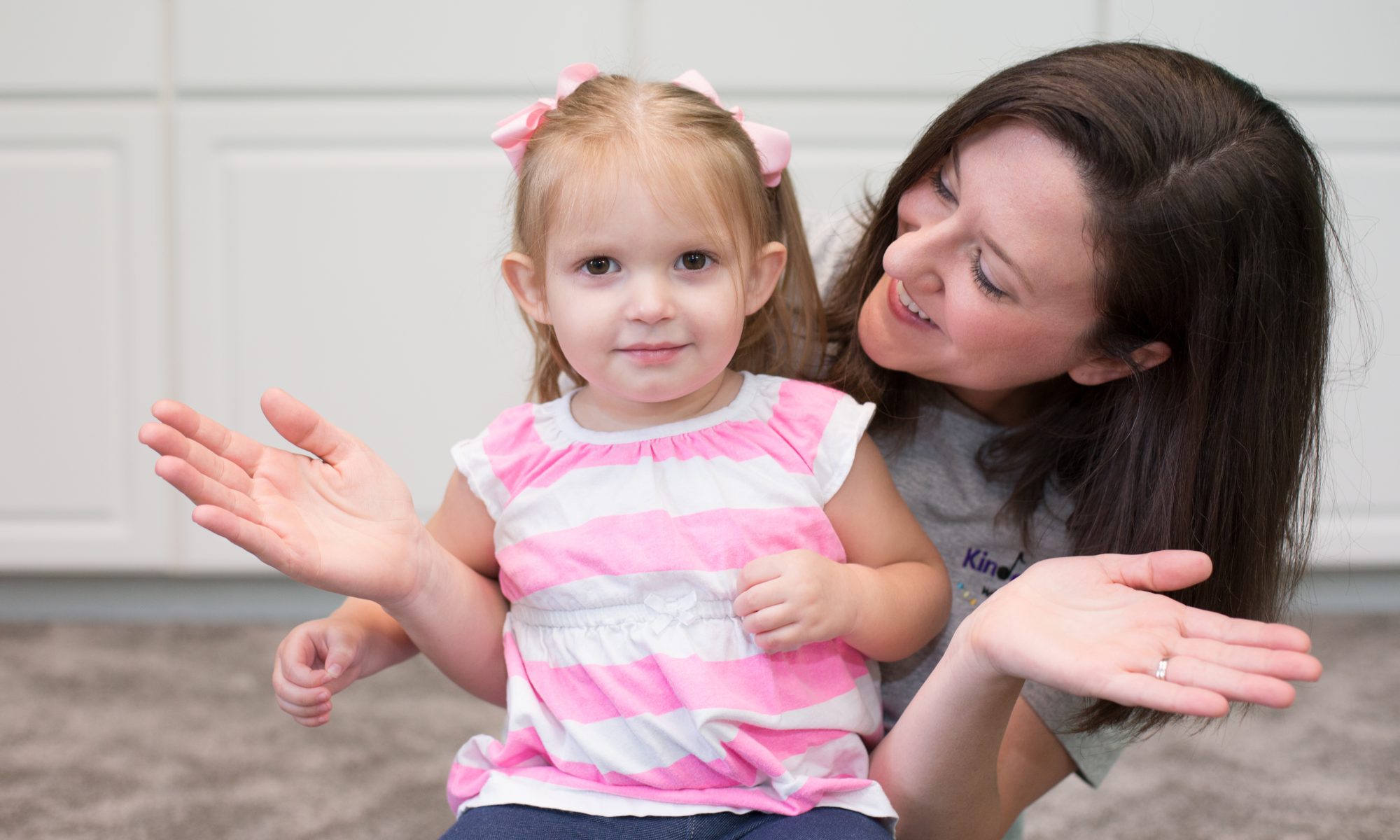
Play it again! Read it again! Again!
Repeating the same songs in the car or reading the same stories at night can be cumbersome for adults, but humans are rooted in repetitive structure. And it’s that structure that catapults brain growth in the first few years of life.
3 Ways Musical Repetition Boosts Brain Growth
Harvard neuroscientist Dr. Charles Nelson explains it best, “From the late prenatal weeks through the first few years of a child’s life, the brain overproduces synapses – the connections between neurons.”
Those connections are vital. Research tells us that infants begin to absorb repeated songs in the womb, and our brains are predisposed to detect patterns.
One of the most natural (and enjoyable) forms of repetition happens within music. For example, choruses repeat, notes form musical patterns, and so on.
You are probably familiar with Beethoven’s 5th Symphony and it’s famous four-note motive (a fancy term for a tiny theme or part of a theme). Here is what that motive looks like on the page:

Even if you don’t read music, you can see the repetition—three “beamed” black notes followed by a white note. He repeats the motive immediately at a lower pitch level.
The fascinating thing about repeated elements like this one is how they affect our social-emotional growth, exploration skills, and overall cognitive development.
Lyrical repetition supports language acquisition.
Studies show infants whose grownups repeat words to them early show stronger vocabulary skills later. We also know from various research that children—even infants—are sustained longer by and respond better to singing than speech.
So, the amount of vocabulary retention and comprehension that can happen when you repeat that favorite song is significant!
New learning moments happen with every replay.
Did you know that with each listen of a familiar song, we learn something new? Research shows that our brains, specifically with music, are able to focus on a different sound aspect with every replay.
Activity idea (ages 2-3+): Play “Row, Row, Row Your Boat” in the free Kindermusik app. With each listen, ask your child(ren) what instrument they hear. Then, model for them what it looks like when you play the instrument to make it a multisensory experience.
Music rituals reduce anxiety.
All routines and rituals help children know what to expect, generate safety, and grant them some control. But musical routines also enhance auditory cues and self-regulation.
When children hear that familiar tune, they feel comfort. Then, when they sway or tap along to the beat, they’re regulating their nervous systems. And then they’re able to move into the task (like cleaning up) or state (like napping) that’s at hand.
Activity idea (all ages): Play “Twinkle, Twinkle Little Star” below or in the free Kindermusik app when it’s time to rest. Try singing to this instrumental version—studies show that live singing is more effective at calming than just pressing play. Plus, the melody itself can be used to gently signal wind-down time when little ones want to do anything but wind down.
The beauty of musical repetition for children (and all of us) is that it’s flexible. Take it with you on the go, build on it to increase learning, use it mitigate tricky or unsettled moments—the possibilities are there, and it’s something that’s easy to repeat.
To find more tips and benefits around musical repetition, find a class near you or explore our teaching solutions.