FOL Fridays – Stop… and GO!

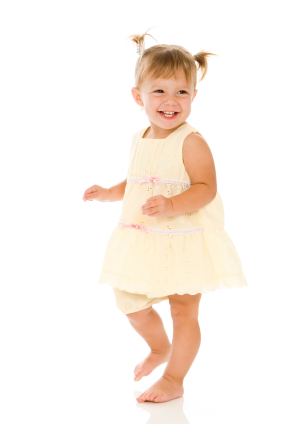
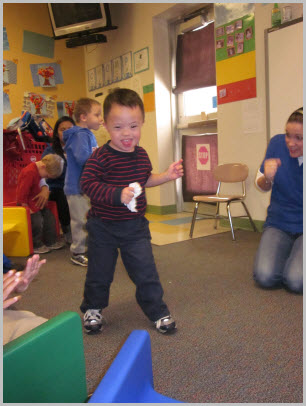
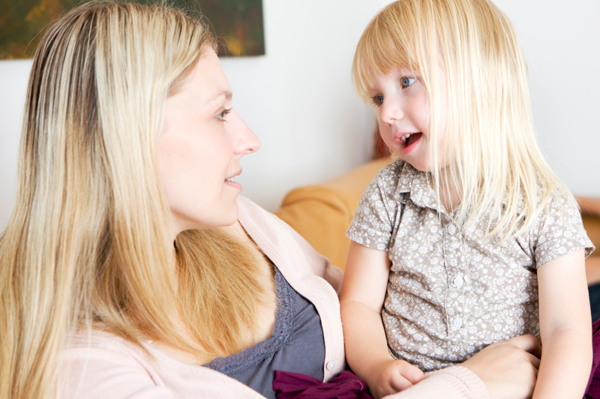
Smiling Dancing Toddler GirlOne aspect of self-control is inhibitory control, or the ability to stop oneself and wait. Toddlers love stop-and-go games because they allow them to practice control over their physical bodies and to revel in their mastery of this control. Inhibitory control is important in social interactions where taking turns is involved, and as such is an important skill for success in school.
In fact, studies suggest that “children who learn that they have the capacity and opportunity to exert control over their actions early in life may be more likely to learn to accept responsibility for their actions as they mature.”
(Fostering Children’s Social Competence: The Teacher’s Role by Lilian G. Katz and Diane E. McClellan)
Tips for parents: Teach your child the ASL for “stop” as seen HERE. Giving your child something to do (i.e., making the sign for “stop”) helps them be able to stop more immediately, plus it’s a fun thing for kids to learn. It is also a good non-verbal communication tool for you to have handy when there’s a need for your child to stop. You can also play a simple stop-and-go game by singing and moving, stopping at the end of the song with the ASL “stop” sign, and going again with as many more verses as you can stand!

Shared by Theresa Case, whose Kindermusik program at Piano Central Studios in Greenville, SC, is proudly among the top 1% of Kindermusik programs worldwide.

5 fun things for kids to do that teach sustainability

(Source: makingmulticulturalmusic.wordpress.com/)

This time of year we all seem to be on the lookout for family activities and fun things for kids to do. After all, with the holiday season upon us who doesn’t need ideas for activities for 2 year olds, 3 year olds, or the whole family? Let’s be honest, though. It probably never hurts to have a few extra ideas for fun things for kids to do—at any time of the year.
So, we pulled together a few ideas from Pinterest that we thought the rest of the Kindermusik community would enjoy. These family activities are not only fun but they also include the added benefit of teaching sustainability for kids. Go ahead and pin this post and consider it like that extra change of clothes for your children you always keep in the car—you might need them today or next week—but you know you will need them!

5 family activities that support the environment for kids

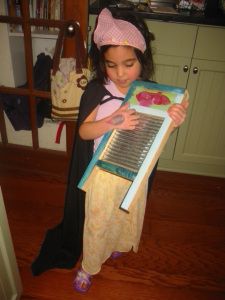
  1. 14 world instruments that can be made from recycled materials.  Looking for something to do with that roasting pan? Try transforming it into a gong.  Instead of taking that old cardboard box or milk container to the recycle bin, let your child use it for a drum or a shaker.
  2. Go on a nature scavenger hunt. Playing outside and noticing the world around us teaches young children about the importance of caring for our planet. Try this nature scavenger hunt with the whole family. The pictures make it easy even for non-readers to join in on the fun.
  3. Make a Ball Maze from recycled materials  Paper towel and toiler paper tubs can work for this fun activity for kids. To extend the activity, you can even encourage your children to decorate the tubes with paint or crayons.
  4. Turn artwork into, well, artwork. Put on music from Kindermusik class, give your children white paper and crayons, and encourage them to draw what they hear. Then, use this blogger’s idea to turn their artwork into something new.
  5. Read about the earth. Sometimes a trip to the library can be just the adventure a baby, toddler, or preschooler needs. While there, grab a few of these books about the earth and snuggle up to read together.

Did you like these ideas for fun things for kids to do? Then try: 5 ideas to involve the whole family in being green. It feels good to be prepared with creative family activities and take care of the environment for kids at the same time!


How Kindermusik Passes the Parent Test

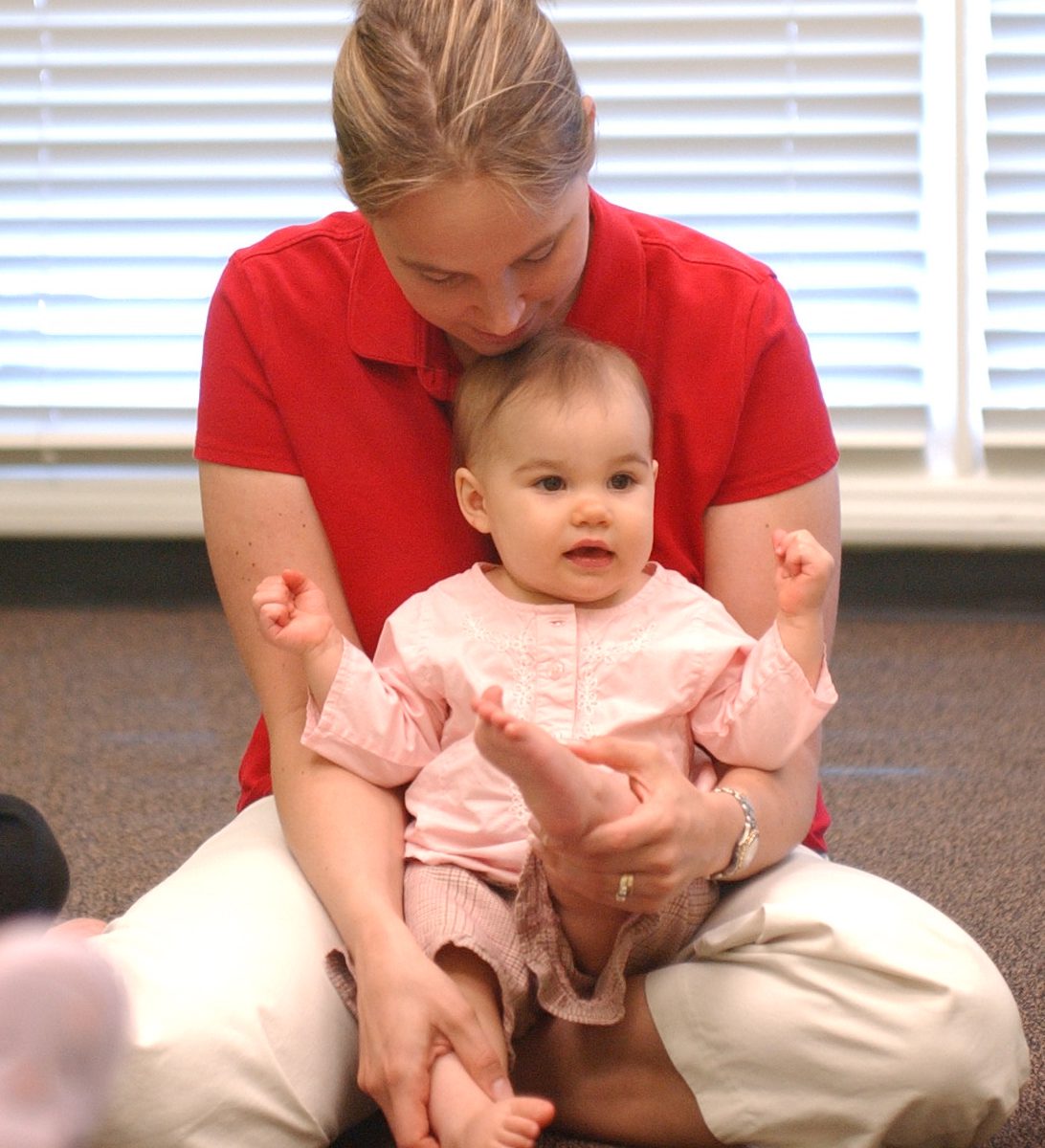
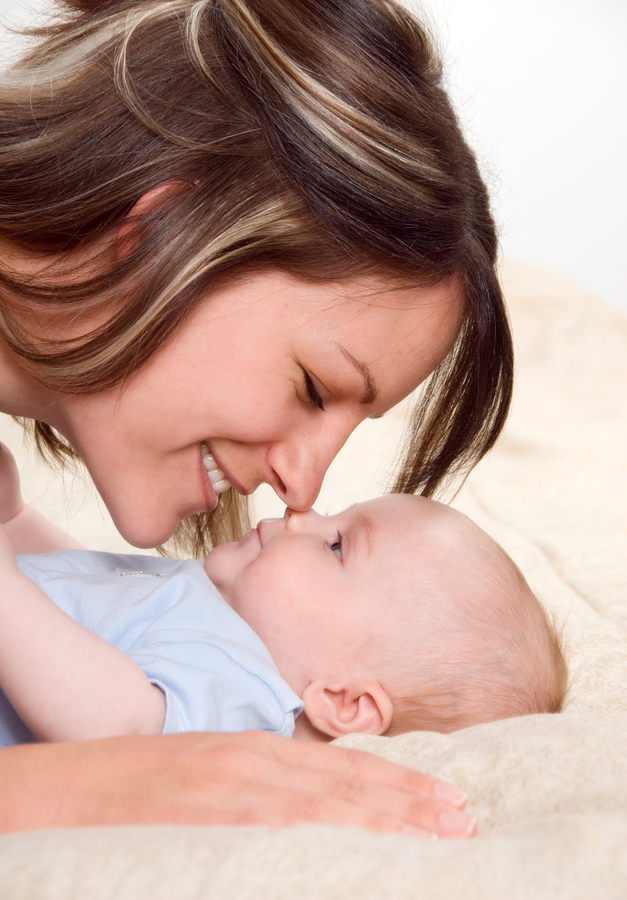
mom and baby enjoying KindermusikIn a recent post, we highlighted some of the components of “The Parent Test,” that mostly unwritten list of criteria against which parents evaluate the worth and value of many of the activities, toys, and experiences we choose for our children.  We made a pretty bold claim that Kindermusik is one of the best and most reliable answers to ALL of the questions that we identified on The Parent Test.  Here’s why we so enthusiastically and confidently make that claim…
Kindermusik has a proven track record.
We are the original music and movement program.  Over the last 30+ years, Kindermusik International has been relentless in its pursuit to be on the cutting edge of early childhood education through the vehicle of music and movement, continually incorporating the latest and best research, training licensed educators, and publishing exceptional Home Materials, now available digitally.
Kindermusik parents say so.
“I’ve learned how to be a better parent and teacher to my children.  With Kindermusik, there’s a reason for everything we do in class – everything is a building block.  The best part is we are told how it all fits together.” – Jill C., Kindermusik mom.
In fact, when surveyed, 99% of parents who responded said that they would recommend the Kindermusik program to other parents.
Kindermusik activities benefit your child in every way.
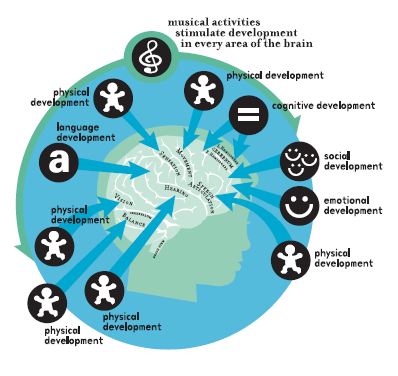
Your child’s development is completely integrated.  However, the areas of growth or development of your child can be divided into these major categories:  Language, Cognitive, Emotional, Physical, Social, and Musical.  Here are just some of the ways that the Kindermusik experience enhances each of these areas:
Language: Through songs, chants, and stories, Kindermusik encourages early communication, speech, labeling, rhyming, and emergent literacy – all of which contribute to your child’s language development.
 
Cognitive: Kindermusik inspires your child’s learning, problem-solving, memory, ability to follow directions, think creatively, and sequence.
 
Emotional: Kindermusik gives your child a safe place to express feelings, build relationships with you and with others, learn appropriate behaviors, be secure, and form healthy emotional attachments.
 
Physical: From birth on, your growing child needs to be enabled to move and to develop skills like body awareness, balance, coordination, and spatial awareness.  The combination of music and movement in our Kindermusik classes are perfect for your child’s physical development.
 
Social: Because Kindermusik is a group class experience, your child will learn the value of play and friendship as he or she practices the life skills of turn-taking, sharing, and interacting with others.  You’ll make some great friends along the way yourself too!
 
Musical: Music and movement are the core of the Kindermusik experience.  Your child’s love and understanding of music is developed right from the very start through singing, playing instruments, and listening as we introduce the fundamental musical concepts of patterns, rhythm, and melody.
 

FamilyMusicClassesForKids_KindermusikInternational_BannerCome experience Kindermusik for yourself and see first-hand how Kindermusik passes the Parent Test at a FREE preview class.


FOL Fridays: Listening

Ear-worm

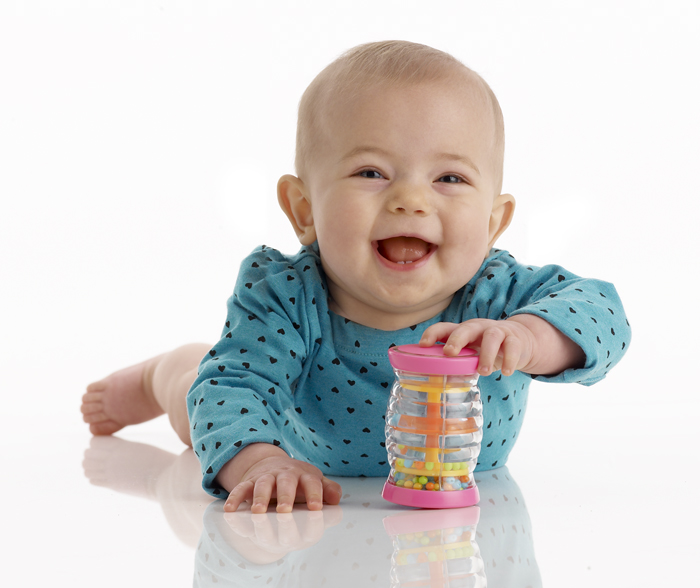
toddler smilingFocused listening activities are part of every Kindermusik class. Why is the skill of listening so important? Being able to focus on, listen carefully to, and distinguish sounds is an important skill in school, work, team play, and even friendship-building. Becoming a focused and

discriminating listener will help your child become a better, happier, more well-rounded learner.

IDEA: Plan a toy hunt! Hide a couple of toys, then instead of saying “You’re getting warmer” or “You’re getting cooler,” use your voice or an instrument. High sounds can mean the seeker is getting closer, while low sounds can indicate the seeker is getting farther away. Then it’s your turn—let your child hide the toys and guide you, the seeker, with high and low sounds.

Compiled by Theresa Case, M.Ed., who has an award-winning Kindermusik program at Piano Central Studios in beautiful Upstate South Carolina.

15 Ways Kindermusik Prepares Your Child for School

Development of the BrainOne of the reasons we’re fond of saying that Kindermusik is so much more than just music is because Kindermusik benefits your child in so many more ways other than just musically.  In fact, keeping your child enrolled in Kindermusik classes is one of the very best things you can do to help your child be prepared for – and succeed in! – school.

Here are 15 ways that Kindermusik’s early childhood music and movement curriculum prepares your child to be successful in school:

1. Kindermusik develops the whole child by supporting all areas of development – musical, language, emotional, physical, social, and cognitive development.
2.  Kindermusik teaches your child to be a problem-solver.
3.  Kindermusik encourages your child to think creatively.
4.  Kindermusik gives your child practice in working cooperatively with his/her peers.
5.  Kindermusik builds the spatial-temporal and reasoning skills required for math, science, and engineering.
6.  Kindermusik develops the social and emotional skills that are essential factors in school readiness.
7.  Kindermusik helps children gain the phonological processing, spoken language, and comprehension skills that are foundational to literacy.
8.  Kindermusik teaches children the rhymes that help them become better readers.  (according to reading expert Mem Fox)
9.  Kindermusik activities help brain cells make the connections needed for nearly every kind of intelligence.
10.  Kindermusik teaches children music through the best music curriculum on the planet, and science and research continue to support the huge and lasting benefits of early childhood music study.
11.  Kindermusik gives children a pressure-free environment in which to practice and enhance their budding musical skills.  (A new study shows that music practice can actually sharpen the brain.)
12.  Kindermusik gives children the opportunity to form early and positive student-teacher relationships where they learn to listen and respect an adult other than their special adults at home.
13.  Kindermusik is focused on process, not performance, thereby nurturing a child’s self-confidence and desire to try new things.
14.  Kindermusik gradually increases your child’s independence as he/she gets older so that he can more successfully transition into the school environment.
15.  Kindermusik classes inspire a lifelong love of not just music, but also a lifelong love of learning.  Any child who loves to learn is sure to be successful in school!

Kindermusik Classes - Enroll Now - For a Child's Brain, Body, Heart & Soul

We invite you to see for yourself how Kindermusik will prepare your child for school, starting with a FREE Preview class on us!


You might have a Kindermusik kid if…

5 ways to support ELL studentsTeachers are always observing their students.  Here at Kindermusik International, we have a sneaking suspicion that you might have noticed something a little different, a little special, about some of the students in your class…
We think we might know the secret – those stand-out students probably have something in common… they’ve all been in Kindermusik! 
So how can you know for sure?  Here are six clues that usually give it away.

You might have a Kindermusik kid in your classroom if you notice a student who…

… socializes well with his/her classmates
… demonstrates good coordination and balance while moving
… is confident, happy, and emotionally secure
… expresses him/herself well verbally
… excels academically, thinks creatively, and has a great imagination
… loves anything and everything musical!
Kindermusik Baby Music Class - Self Expression Through MusicIf you’ve ever wondered how you could help better prepare a child for school by combining your love of teaching, love of children, and love of music, consider becoming a Kindermusik educator! As the world’s best early childhood music and movement curriculum, Kindermusik is your chance to provide a child with a solid educational basis for future learning and a lifelong love of music.

To learn more about how you can turn music into smiles and give kids a head start in school and in life through early childhood music education, visit the Kindermusik website and click on the “Teach Kindermusik” tab.

4 reasons why music matters in early childhood education

ABC Music & Me Special Education Curriculum - Sycamore Creek Elementary

Music belongs in our schools. Of course, we know we are preaching to the choir (figuratively and literally!). In the movie, Mr. Holland’s Opus, music teacher Glenn Holland said: “You can cut the arts as much as you want…sooner or later, these kids aren’t going to have anything to read or write about.”

ABC Music & Me Special Education Curriculum - Sycamore Creek ElementaryIt’s true. Music and the arts speak to us and for us in profound and immeasurable ways. When used as part of an elementary school curriculum, early childhood music can also impact the measurable side of education, including early literacy and language acquisition. In our early childhood curriculum, ABC Music & Me, children experienced a 32 percent literacy gain after participating in our music education classes.

4 more reasons why music matters in early childhood education and belongs in our schools

1. Early childhood music classes teach children to identify and discriminate between sounds—and focus on sounds that matter most. During the school years, children will spend an estimated 50 to 75 percent of classroom time listening to the teacher, other students, or to media. That doesn’t mean the rest of the classroom noises automatically cease. Little fingers will still tap on the desk, children’s laughter from recess outside will still be heard, students will still whisper to each other, and shuffling feet will still walk through the hall. Developing strong active listening skills, prepares young children to focus on the lesson at hand rather than the other distracting noises. Our early childhood curriculum, ABC Music & Me, gives young children many opportunities to develop those strong active listening skills. In one 30-minute class, children may listen intently for the sounds of a specific instrument in a classical piece, use instruments to practice the difference between Staccato (short) and Legato (long) sounds, or even move their bodies fast or slow in response to what they hear in the music.

2. Our brains process music similarly to how we process language. To become successful readers, young children need to understand that words—like music—are made up of discrete sounds. Later they use that knowledge of sounds to read and build words. Research shows that children with these skills are more successful learning to read than others. Kindermusik’s early childhood music classes provide many opportunities for children to discriminate similarities and differences in sound. So, while children gain musical skills in class, they also make gain in phonological awareness and reading development.

3. Music teaches young children self-regulation skills. Self-regulation is the ability to control our thoughts, feelings, and actions. When used as part of an early childhood curriculum, music (and movement) can help children learn to tell their bodies what to do, when to stop, when to go, and when to move to another activity. So, when children participate in a circle dance, transition from one activity to another, and even share instruments, children are learning and practicing self-regulation skills. Those same skills will help children pay attention in school, act and behave appropriately, and transition from one activity to another.

4. Participating in early childhood music classes teaches young children how to learn. In our childcare curriculum, ABC Music & Me, an educator guides the class towards a learning objective with the children as active participants in the learning process. Providing children with ample time to reflect, compare, make choices, express opinions and preferences, and engage in problem-solving activities together teaches children not only the lesson focus but it teaches them how to learn.

Early childhood curriculum uses the power of music

Early Literacy Curriculum with Research-Proven Results

Yes, music belongs in our children’s lives. And, yes, music belongs in our schools. Our early childhood curriculum, ABC Music & Me, uses the latest research on how children learn as well as the proven cognitive benefits of music to support the growth of phonological awareness, focused listening skills, self-control, early language and literacy skills, and more. Plus, our childcare curriculum intentionally creates lessons that give teachers the opportunity to notice, observe, and include children of all abilities in a group learning environment.

To learn more about bringing ABC Music & Me (and the power of music!) to your preschool, elementary school, or daycare, email us at info@abcmusicandme.com.

Or, if you are at the NAEYC’s 2013 Annual Conference and Expo this week, stop by our Booth (#2712)!

US Congress recognizes importance of early child development

Baby-Safe Instruments - Tips from Kindermusik

Baby-Safe Instruments - Tips from KindermusikAround here, we have a saying: A Good Beginning Never Ends. The early years of a child’s life make a difference on child brain development. That’s just not us saying it, the research proves it again and again. For example, birth to three years old is the peak age for child brain development with 700 new neural connections forming every second!
Now, with the introduction of the Strong Start for America’s Children Act of 2013, the United States Congress recognizes the importance of early child development. Senator Harkin, Representative Miller, and Representative Hanna introduced the Bill, which offers more babies and toddlers the chance to participate in high-quality programs and services, including Early Head Start, that support early child development and the pivotal role of parents.

How does the bill focus on early child development?

  1. Gives Early Head Start programs the ability to reach more eligible children through innovative partnerships with high-quality childcare programs.
  2. Allows states to use up to 15 percent of their Pre-K funding to provide child care settings for infants and toddlers to help prevent the learning gap and ensure they are on-track when they get to Pre-K.
  3. Endorses the expansion of evidence-based home visiting programs that have been shown to have a range of positive impacts on parenting and early child development.

We know firsthand a good beginning never ends. We experience it every day in the classroom—from our Early Head Start and Head Start curriculum to studio classes for babies, toddlers, big kids, and families to our English Language Learners curriculum.

Learn more about the Strong Start for America’s Children Act of 2013 and the importance of early child development.


The Power of the Lullaby

bigstockphoto_Happy_Mom_1646790Once again, research proves what we parents have known instinctively for a long time… that playing music and singing lullabies has the power to soothe, lower stress, strengthen bonds, and improve sleeping patterns.
Kindermusik has long recognized the power of music especially when it comes to child brain development, but we specifically use lullabies because of the emotional and health benefits.  In fact, we include a lullaby or rocking song in every one of our baby music classes and toddlers classes.  And just in case you’re wondering, some of our favorite Kindermusik lullabies include:

  • You Are My Sunshine
  • Golden Slumbers
  • May There Always Be Sunshine
  • Hush, Little Baby
  • Tell Me Why
  • That’s An Irish Lullaby

By the way, what researchers found most impacting was for these little ones to hear the voices of their loved ones singing – a special reminder that the most important people in a child’s life are his/her parents and close family members and that nothing is sweeter than the sound of your voice in your child’s ears.

Read more about this fascinating study conducted with preemies in the neonatal intensive care unit at Beth Israel Medical Center in New York City.

Find more Kindermusik lullabies and download them from play.kindermusik.com.  Simply search on “lullaby.”

Learn more Kindermusik lullabies and songs when you enroll in a Kindermusik class.  Try a FREE class on us today!

Shared by Theresa Case, who has an award-winning Kindermusik program at Piano Central Studios in beautiful Upstate South Carolina

Emotional connections matter in English language learning

(Source: Sheknows.com)

We get happy tears quite often in the classroom. It’s true. Witnessing firsthand how music can foster emotional connections between a loving caregiver and a child gets us going. Every. Single. Time.

Whether leading a Kindermusik class in activities for toddlers, supporting preschoolers’ early literacy development, or teaching English as a second language, emotional connections matter—and make a difference in early child development.

Toddler’s thrive on “real” conversations

New research shows that responsive interactions and emotional connections are imperative to a toddler’s ability to learn language, including English as a second language. In the study published in the journal of Child Development, 36 two-year-olds learned new words in one of three ways:

  1. Face-to-face conversations with a real person
  2. Video chat, such as FaceTime or Skype, with a real person
  3. Watching a pre-recorded video of an adult teaching another child

With more than 35 years’ in early child development, we were not surprised to see that the pre-recorded video was not the most effective language learning activity for toddlers. Toddlers learned best with live social interactions, whether face-to-face or via video chat. Emotional connections matter!

“The study highlights the importance of responsive interactions for language learning,” explained co-author Kathy Hirsh-Pasek in a press release. “Interactions allow adults and toddlers to respond to each other in a back-and-forth fashion—such as live instruction and the video chats. These types of interactions seem to be central for learning words.”

“The research has important implications for language learning,” Hirsh-Pasek continued. “Children are less likely to learn from videos than from live, back-and-forth responsive interactions with caring adults.”

English language learning that supports emotional connections

ABC English & Me - Teaching English to Children through MusicIn the early childhood development classroom, educators can create connections between teacher and students, parent and child, child and child, and the entire group as a whole. ABC English & Me, our English Language Learners curriculum, uses music to create those emotional connections and foster a healthy learning environment. From the

first song at the start of each class, children quickly become engaged in actively learning English.

Plus, we provide materials for families to use together at home. These monthly interactive materials support the classroom learning, while giving parents the tools they need to continue the English language learning at home, through face-to-face interactions together.

Learn more about bringing ABC English & Me and the power of music to your school!