
 Toddlers are well, busy. They love to go, move, do, and say “No!” They also desperately crave predictability and routine. Parents are challenged by near polar opposite behavior – one minute all is well; the next, there’s a meltdown. A toddler will cling to mom as if he’ll never let go, and the next moment adamantly assert the independence of a teenager. At the same time, toddlers are becoming very social, interested in other people and moving from parallel play where they play alongside other children to cooperative play where they start to play with the other children.
If all of these changes weren’t enough, brain development is literally exploding. In fact, the only two times in a child’s life when there is such significant brain activity is when he/she is a toddler and a teenager. Vocabulary and communication skills are blossoming, as the toddler goes from about 10 words in his vocabulary to upwards of 300 or so words by age 3. Motor skills are also developing at a rapid rate – suddenly the child who was barely toddling along is now running, jumping, and galloping everywhere. Whew! No wonder moms and dads of toddlers are extra busy – and exhausted! – during this particular season of childhood.
With so much happening inside your toddler’s busy little mind and body, Kindermusik is one activity that beautifully supports and enhances this crucial season in your child’s life.
Though we could probably name a hundred, here are four benefits of music for toddlers:
 1. A music class like Kindermusik provides an environment that is both stimulating and nurturing for toddlers.
With so much growth and development happening, toddlers need both the challenge of new things to learn and do as well as the comfort of loving adults and activities that nurture the soul.
2. Early experiences with music and movement give your toddler an early learning advantage.
The connection between music and academic achievement is undeniable, as highlighted in this recent article. There’s no better time to be enrolled in music classes than the toddler years when brain growth and development is at its peak, especially with the powerful combination that music and movement gives.
3. Music, specifically singing songs and speaking rhymes and chants, improves language development.
At a time when language development is most crucial, there’s nothing more beneficial to speech, syntax, and pre-literacy than singing simple songs and reciting chants. It will start with a few words here and there and then eventually grow into a small repertoire of favorite songs and rhymes that your toddler can sing or say all the way through.
4. Early childhood music classes put a song in a child’s heart to stay.
Toddlers love music, and giving them an early start with music plants the seeds that bloom into a lifelong love for and appreciation of music. Music is one gift you can give your toddler that will have a lifetime of meaning, memories, impact, and joy. No other activity has the potential to influence your child like music does.
For parents…
 The entire Kindermusik experience, from class to home (and back again!), provides a vital support network for parents of busy toddlers. Not only does Kindermusik foster and strengthen the parent-child relationship, but Kindermusik classes are also a social outlet for parents as well, a place to share both the joys and challenges of parenting a toddler.
And since Kindermusik is all about helping make great parenting a little easier and even more musical, parents benefit tremendously from all of the helpful tips, ideas, and resources (including your Kindermusik Home Materials) that will help you navigate and enjoy the toddler years to their fullest.
Best of all, parents enjoy a unique kind of bonding and together time with your toddler that only music can give. With Kindermusik, you’ll be able to savor and linger in those precious, fleeting moments of toddlerhood with more cuddles, hugs, dances, lullabies, giggles, and sweet memories.

![KindermusikPresents_ABCMusicAndMe_AGlobalEarlyChildhoodCurriculum[1]](https://media2.kindermusik.com/website/sites/2/2014/05/KindermusikPresents_ABCMusicAndMe_AGlobalEarlyChildhoodCurriculum1-300x167.png)

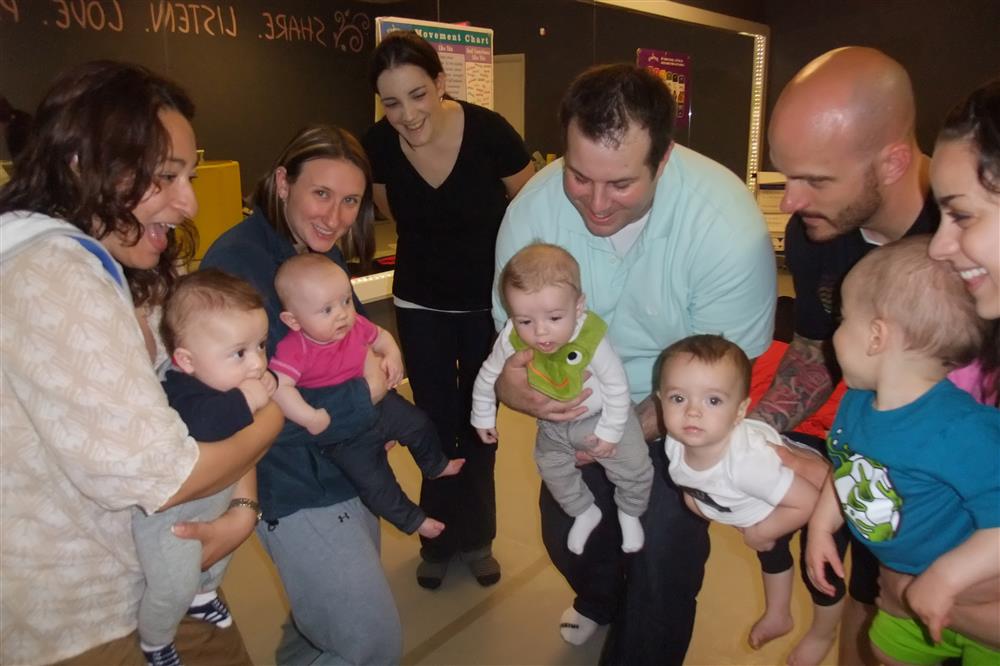
 Before social media, making friends and maintaining relationships involved more than clicking yes to a “Friend Request” or commenting on a status update. (Well, technically it still does.) To be a good friend, regardless of age, we need to share, use our “kind and polite words,” take turns, show empathy, listen, practice conflict resolution—essentially put into practice all those skills that make a good friend.
 Find a local Kindermusik educator and experience for yourself how our music classes for babies, toddlers, preschools, big kids, and families teaches vital life skills, including learning how to be a friend.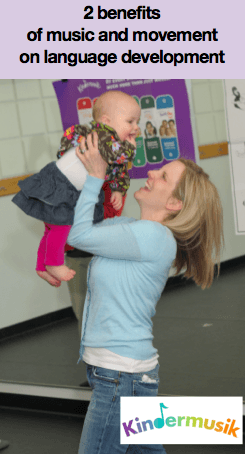
 almost exclusively on what they hear in order to acquire language. Children’s brains make a connection based on what they experience (being lifted high or twirling around) and hear (“up” or “twirl”). So, when a parent of caregiver lifts a child high “up, up in the sky” or “twirls around like a leaf” while singing the songs in Kindermusik class, young children learn the word and understand the concept. Later, children will discover those words correspond to marks on a page which eventually leads to letter recognition and reading.
 Come experience for yourself the benefits of music!

 for babies
 Becoming a parent turns a person’s world (and social calendar) upside down and inside out. A person moves from lengthy conversations over dinner to brief chats scheduled around naptimes.
 With a large number of dual-income families, the school day often extends to after school programs. However, for children with special needs, such as Autism Spectrum Disorder, the options for a quality after school program curriculum are limited. As published in the
 ![KindermusikPresents_ABCMusicAndMe_AGlobalEarlyChildhoodCurriculum[1]](https://media2.kindermusik.com/website/sites/2/2014/05/KindermusikPresents_ABCMusicAndMe_AGlobalEarlyChildhoodCurriculum1.png)
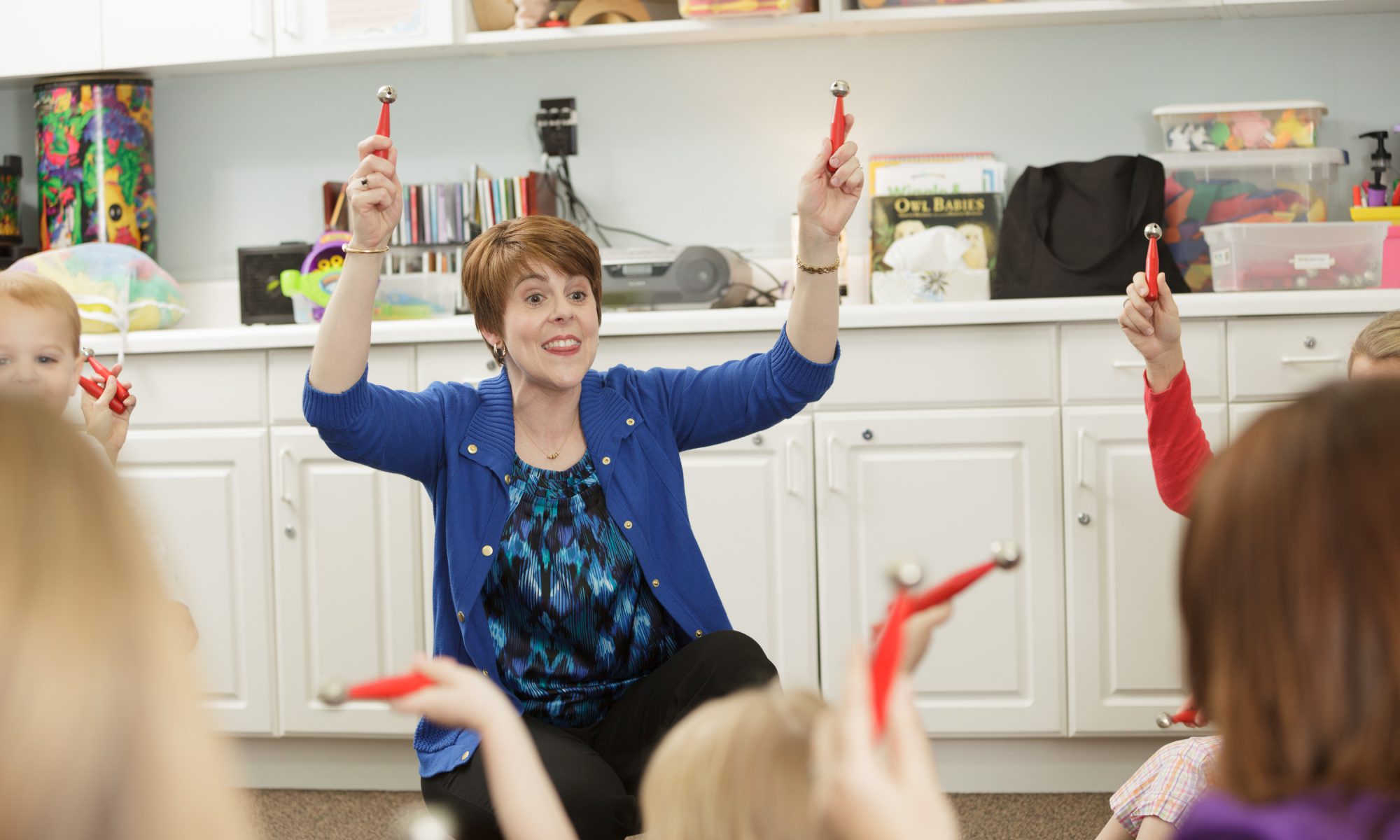
 One of the things that sets Kindermusik educators apart is the requirement to not only be trained to teach our world-class curricula, but also the requirement to maintain and improve through professional development. No matter what “season” you are in with your current or potential Kindermusik career, Kindermusik International offers professional development that’s just what you need when you need it.
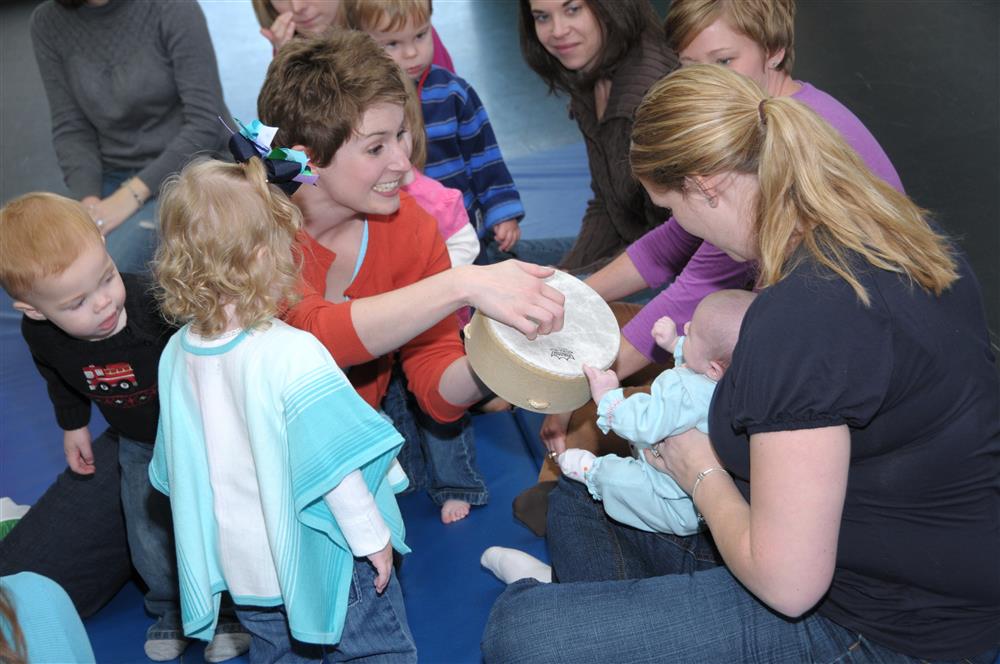
 Take a peek inside any Kindermusik classroom around the world and you will see much of the same thing. We sing. We dance. We play instruments. We listen to music. We move our bodies in response to music. We create music.
 Incorporating music and movement into a child’s learning routine stimulates all areas of the brain and that is why music is the best vehicle of learning for early childhood education. Independent