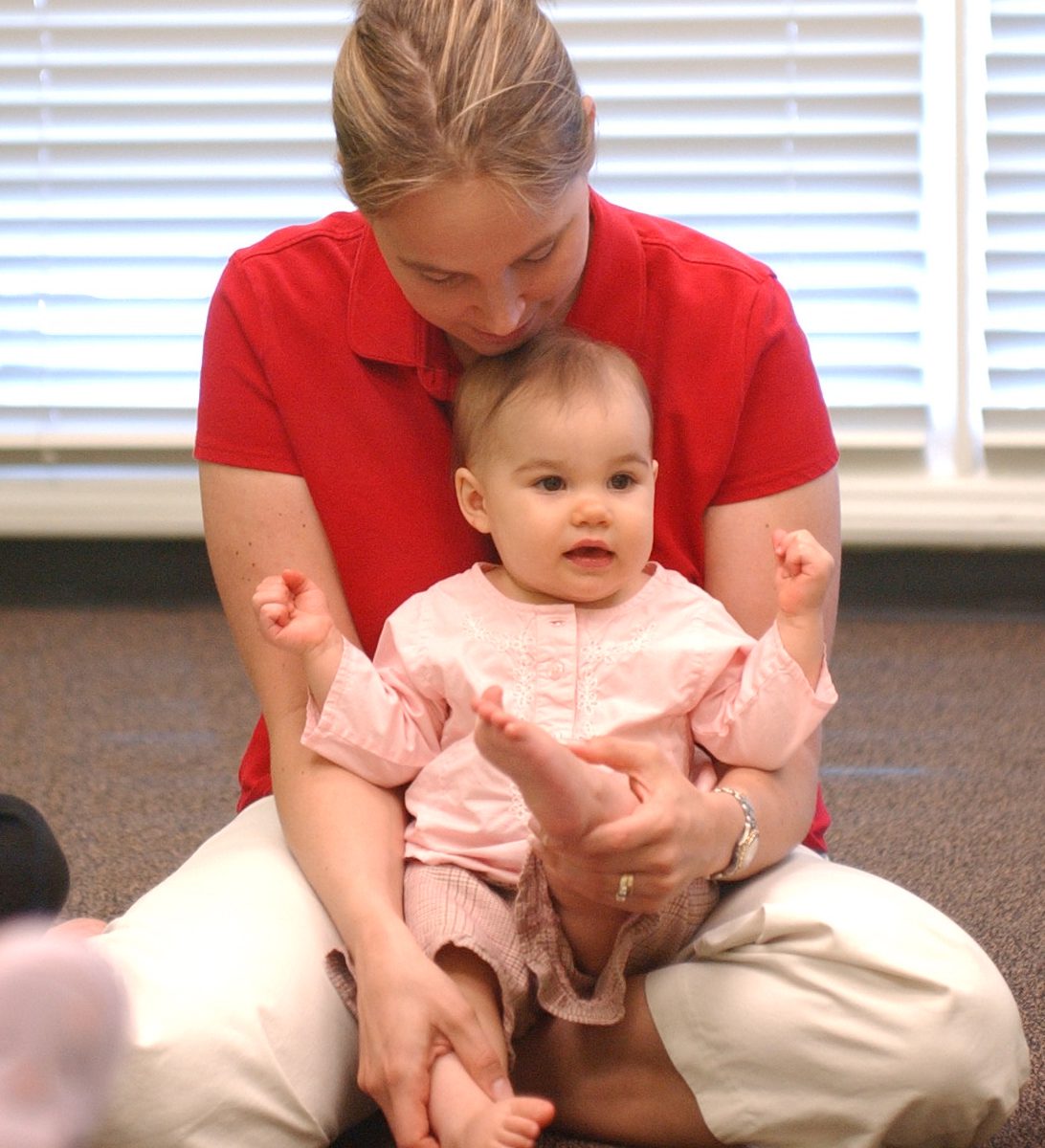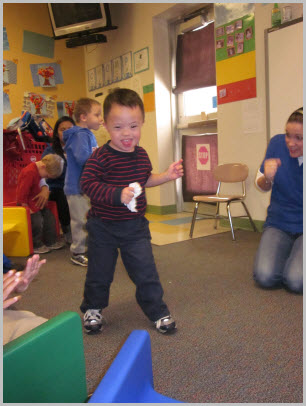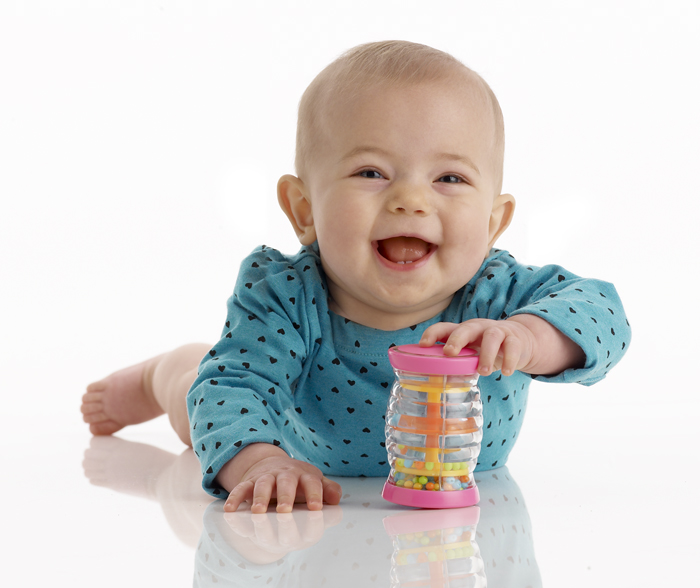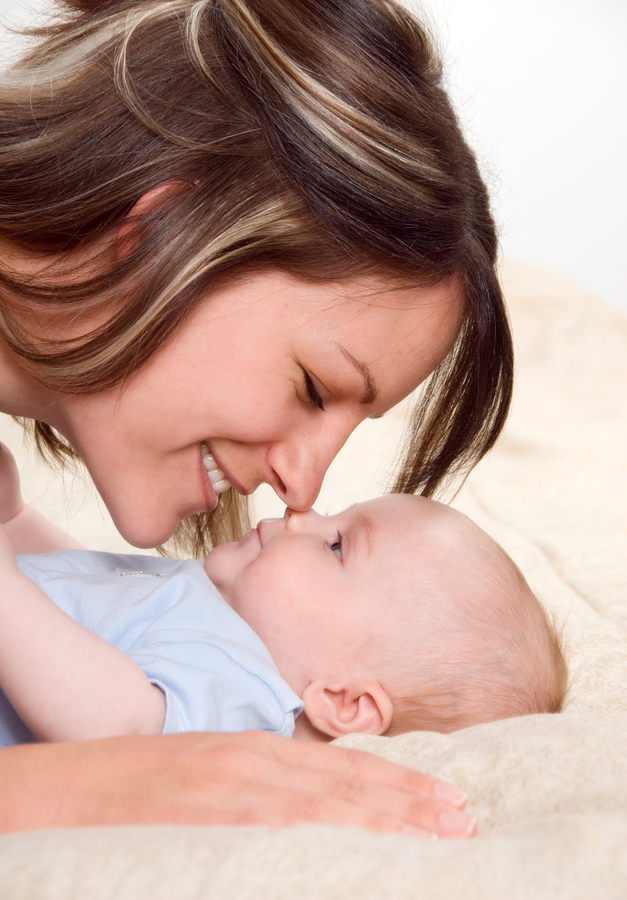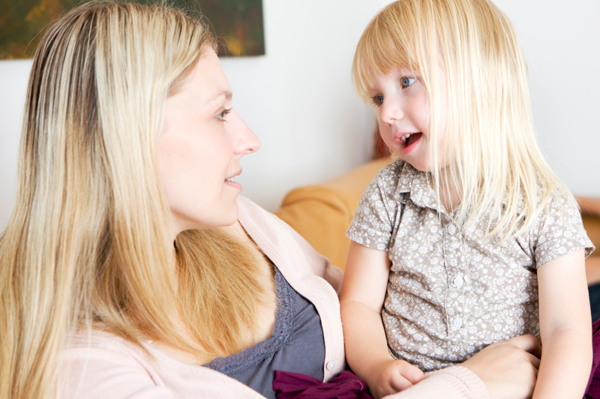

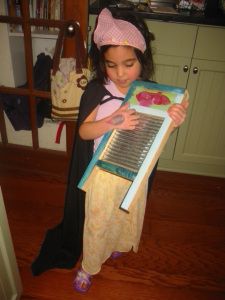
You might have a Kindermusik kid if…

5 ways to support ELL studentsTeachers are always observing their students.  Here at Kindermusik International, we have a sneaking suspicion that you might have noticed something a little different, a little special, about some of the students in your class…
We think we might know the secret – those stand-out students probably have something in common… they’ve all been in Kindermusik! 
So how can you know for sure?  Here are six clues that usually give it away.

You might have a Kindermusik kid in your classroom if you notice a student who…

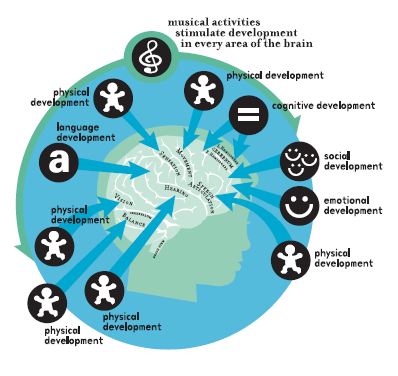
… socializes well with his/her classmates
… demonstrates good coordination and balance while moving
… is confident, happy, and emotionally secure
… expresses him/herself well verbally
… excels academically, thinks creatively, and has a great imagination
… loves anything and everything musical!
Kindermusik Baby Music Class - Self Expression Through MusicIf you’ve ever wondered how you could help better prepare a child for school by combining your love of teaching, love of children, and love of music, consider becoming a Kindermusik educator! As the world’s best early childhood music and movement curriculum, Kindermusik is your chance to provide a child with a solid educational basis for future learning and a lifelong love of music.

To learn more about how you can turn music into smiles and give kids a head start in school and in life through early childhood music education, visit the Kindermusik website and click on the “Teach Kindermusik” tab.

4 reasons why music matters in early childhood education

ABC Music & Me Special Education Curriculum - Sycamore Creek Elementary

Music belongs in our schools. Of course, we know we are preaching to the choir (figuratively and literally!). In the movie, Mr. Holland’s Opus, music teacher Glenn Holland said: “You can cut the arts as much as you want…sooner or later, these kids aren’t going to have anything to read or write about.”

ABC Music & Me Special Education Curriculum - Sycamore Creek ElementaryIt’s true. Music and the arts speak to us and for us in profound and immeasurable ways. When used as part of an elementary school curriculum, early childhood music can also impact the measurable side of education, including early literacy and language acquisition. In our early childhood curriculum, ABC Music & Me, children experienced a 32 percent literacy gain after participating in our music education classes.

4 more reasons why music matters in early childhood education and belongs in our schools

1. Early childhood music classes teach children to identify and discriminate between sounds—and focus on sounds that matter most. During the school years, children will spend an estimated 50 to 75 percent of classroom time listening to the teacher, other students, or to media. That doesn’t mean the rest of the classroom noises automatically cease. Little fingers will still tap on the desk, children’s laughter from recess outside will still be heard, students will still whisper to each other, and shuffling feet will still walk through the hall. Developing strong active listening skills, prepares young children to focus on the lesson at hand rather than the other distracting noises. Our early childhood curriculum, ABC Music & Me, gives young children many opportunities to develop those strong active listening skills. In one 30-minute class, children may listen intently for the sounds of a specific instrument in a classical piece, use instruments to practice the difference between Staccato (short) and Legato (long) sounds, or even move their bodies fast or slow in response to what they hear in the music.

2. Our brains process music similarly to how we process language. To become successful readers, young children need to understand that words—like music—are made up of discrete sounds. Later they use that knowledge of sounds to read and build words. Research shows that children with these skills are more successful learning to read than others. Kindermusik’s early childhood music classes provide many opportunities for children to discriminate similarities and differences in sound. So, while children gain musical skills in class, they also make gain in phonological awareness and reading development.

3. Music teaches young children self-regulation skills. Self-regulation is the ability to control our thoughts, feelings, and actions. When used as part of an early childhood curriculum, music (and movement) can help children learn to tell their bodies what to do, when to stop, when to go, and when to move to another activity. So, when children participate in a circle dance, transition from one activity to another, and even share instruments, children are learning and practicing self-regulation skills. Those same skills will help children pay attention in school, act and behave appropriately, and transition from one activity to another.

4. Participating in early childhood music classes teaches young children how to learn. In our childcare curriculum, ABC Music & Me, an educator guides the class towards a learning objective with the children as active participants in the learning process. Providing children with ample time to reflect, compare, make choices, express opinions and preferences, and engage in problem-solving activities together teaches children not only the lesson focus but it teaches them how to learn.

Early childhood curriculum uses the power of music

Early Literacy Curriculum with Research-Proven Results

Yes, music belongs in our children’s lives. And, yes, music belongs in our schools. Our early childhood curriculum, ABC Music & Me, uses the latest research on how children learn as well as the proven cognitive benefits of music to support the growth of phonological awareness, focused listening skills, self-control, early language and literacy skills, and more. Plus, our childcare curriculum intentionally creates lessons that give teachers the opportunity to notice, observe, and include children of all abilities in a group learning environment.

To learn more about bringing ABC Music & Me (and the power of music!) to your preschool, elementary school, or daycare, email us at info@abcmusicandme.com.

Or, if you are at the NAEYC’s 2013 Annual Conference and Expo this week, stop by our Booth (#2712)!

US Congress recognizes importance of early child development

Baby-Safe Instruments - Tips from Kindermusik

Baby-Safe Instruments - Tips from KindermusikAround here, we have a saying: A Good Beginning Never Ends. The early years of a child’s life make a difference on child brain development. That’s just not us saying it, the research proves it again and again. For example, birth to three years old is the peak age for child brain development with 700 new neural connections forming every second!
Now, with the introduction of the Strong Start for America’s Children Act of 2013, the United States Congress recognizes the importance of early child development. Senator Harkin, Representative Miller, and Representative Hanna introduced the Bill, which offers more babies and toddlers the chance to participate in high-quality programs and services, including Early Head Start, that support early child development and the pivotal role of parents.

How does the bill focus on early child development?

  1. Gives Early Head Start programs the ability to reach more eligible children through innovative partnerships with high-quality childcare programs.
  2. Allows states to use up to 15 percent of their Pre-K funding to provide child care settings for infants and toddlers to help prevent the learning gap and ensure they are on-track when they get to Pre-K.
  3. Endorses the expansion of evidence-based home visiting programs that have been shown to have a range of positive impacts on parenting and early child development.

We know firsthand a good beginning never ends. We experience it every day in the classroom—from our Early Head Start and Head Start curriculum to studio classes for babies, toddlers, big kids, and families to our English Language Learners curriculum.

Learn more about the Strong Start for America’s Children Act of 2013 and the importance of early child development.


The Power of the Lullaby

bigstockphoto_Happy_Mom_1646790Once again, research proves what we parents have known instinctively for a long time… that playing music and singing lullabies has the power to soothe, lower stress, strengthen bonds, and improve sleeping patterns.
Kindermusik has long recognized the power of music especially when it comes to child brain development, but we specifically use lullabies because of the emotional and health benefits.  In fact, we include a lullaby or rocking song in every one of our baby music classes and toddlers classes.  And just in case you’re wondering, some of our favorite Kindermusik lullabies include:

  • You Are My Sunshine
  • Golden Slumbers
  • May There Always Be Sunshine
  • Hush, Little Baby
  • Tell Me Why
  • That’s An Irish Lullaby

By the way, what researchers found most impacting was for these little ones to hear the voices of their loved ones singing – a special reminder that the most important people in a child’s life are his/her parents and close family members and that nothing is sweeter than the sound of your voice in your child’s ears.

Read more about this fascinating study conducted with preemies in the neonatal intensive care unit at Beth Israel Medical Center in New York City.

Find more Kindermusik lullabies and download them from play.kindermusik.com.  Simply search on “lullaby.”

Learn more Kindermusik lullabies and songs when you enroll in a Kindermusik class.  Try a FREE class on us today!

Shared by Theresa Case, who has an award-winning Kindermusik program at Piano Central Studios in beautiful Upstate South Carolina

Emotional connections matter in English language learning

(Source: Sheknows.com)

We get happy tears quite often in the classroom. It’s true. Witnessing firsthand how music can foster emotional connections between a loving caregiver and a child gets us going. Every. Single. Time.

Whether leading a Kindermusik class in activities for toddlers, supporting preschoolers’ early literacy development, or teaching English as a second language, emotional connections matter—and make a difference in early child development.

Toddler’s thrive on “real” conversations

New research shows that responsive interactions and emotional connections are imperative to a toddler’s ability to learn language, including English as a second language. In the study published in the journal of Child Development, 36 two-year-olds learned new words in one of three ways:

  1. Face-to-face conversations with a real person
  2. Video chat, such as FaceTime or Skype, with a real person
  3. Watching a pre-recorded video of an adult teaching another child

With more than 35 years’ in early child development, we were not surprised to see that the pre-recorded video was not the most effective language learning activity for toddlers. Toddlers learned best with live social interactions, whether face-to-face or via video chat. Emotional connections matter!

“The study highlights the importance of responsive interactions for language learning,” explained co-author Kathy Hirsh-Pasek in a press release. “Interactions allow adults and toddlers to respond to each other in a back-and-forth fashion—such as live instruction and the video chats. These types of interactions seem to be central for learning words.”

“The research has important implications for language learning,” Hirsh-Pasek continued. “Children are less likely to learn from videos than from live, back-and-forth responsive interactions with caring adults.”

English language learning that supports emotional connections

ABC English & Me - Teaching English to Children through MusicIn the early childhood development classroom, educators can create connections between teacher and students, parent and child, child and child, and the entire group as a whole. ABC English & Me, our English Language Learners curriculum, uses music to create those emotional connections and foster a healthy learning environment. From the

first song at the start of each class, children quickly become engaged in actively learning English.

Plus, we provide materials for families to use together at home. These monthly interactive materials support the classroom learning, while giving parents the tools they need to continue the English language learning at home, through face-to-face interactions together.

Learn more about bringing ABC English & Me and the power of music to your school!


Seeing the patterns of musical learning and English language learning

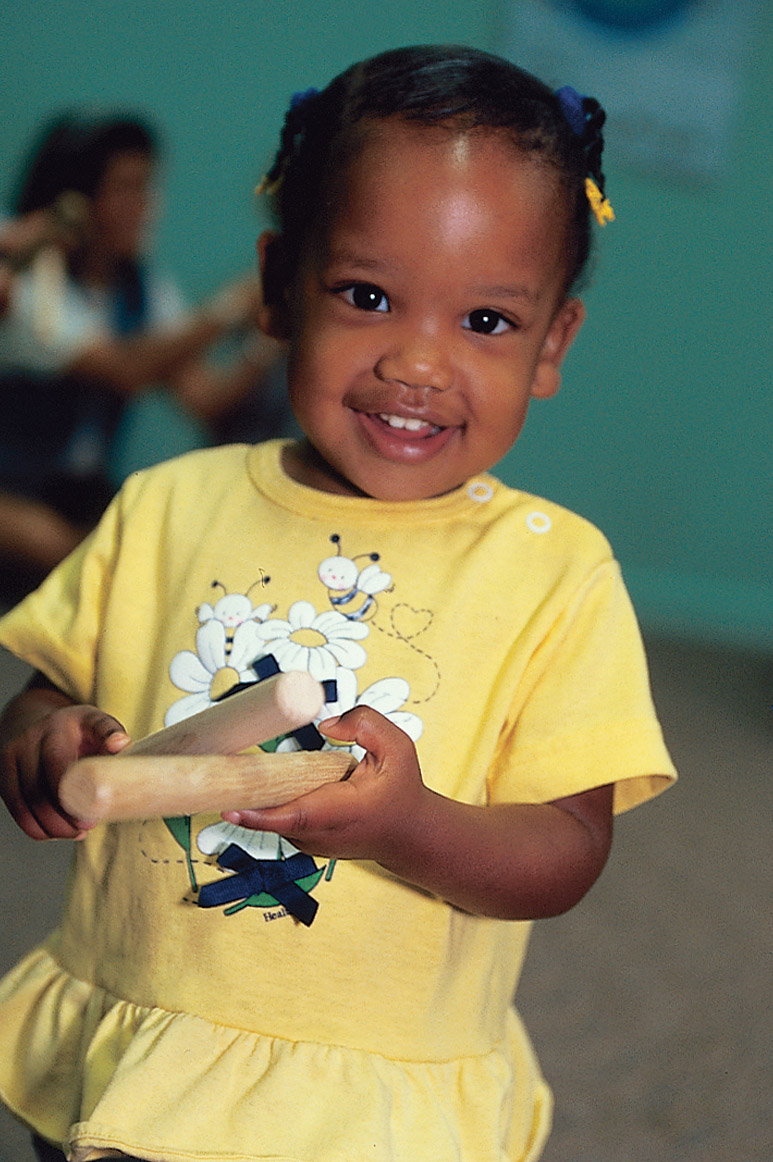
toddler girl playing the sticksWhat do music, patterns, and language learning have in common? Well, more than you might think. When English language learners play along to the rhythms in English songs for kids or clap their hands to the beat of nursery rhymes, they are practicing active listening and pattern recognition.

Now, new research published in the Psychological Science journal suggests that learning a second language can be predicted by the ability to recognize patterns.

Second language learning and pattern recognition

In the study, the researchers recruited American students to learn Hebrew. During the two semesters, they tested the students’ Hebrew understanding and measured their ability to recognize visual patterns. The data showed a strong link between pattern recognition and language learning. Students who did better recognizing patterns

also spoke more Hebrew at the end of the two semesters.

“It’s surprising that a short 15-minute test involving the perception of visual shapes could predict to such a large extent which of the students who came to study Hebrew would finish the year with a better grasp of the language,” explained lead researcher Ram Frost in a press release.

Using the patterns of musical learning to teach ELL students

ABC English & Me - Teaching English to Children through MusicIn our ESL curriculum, ABC English & Me, we lead young children to experience patterns through movement, listening to English songs for kids, and playing instruments. When we jump, jump, jump, stop during a song or ta, ta, ta, rest with instruments, ESL students learn rhythm patterns (quarter note, quarter note, quarter note, rest), a basic musical concept. Rhythm patterns are combinations of long and short sounds and silences. In musical learning, a child’s whole body involvement with patterning lays a foundation for English language learning.

Learn more about using the patterns found in musical learning to teach young English Language Learners with ABC English & Me!


Support early language development with a healthy screen time “diet”

(Source: Grow & Sing Studios)

Although we just celebrated a holiday devoted to giving candy to children, we all understand that fruits and vegetables are essential to a healthy diet. A child filled with strawberries, carrots, and yogurt behaves radically different than a child filled with candy corn, chocolate, and a juice box. You don’t need to be a teacher of an early childhood curriculum to understand that!
In addition to a healthy nutritional diet, children also need a healthy “screen time diet.” Today’s children are considered digital natives, but too much of a good thing can be, well, too much. And, of course, not all television shows, movies, and mobile apps for kids are created equal—some are more candy than carrots for the brain. However, in a world filled with smart phones and tablets, and with televisions found everywhere from the home to the car to the local family-friendly restaurant, it can be challenging.

A healthy “media diet” matters

A group of pediatricians recently published the results of their study, Modifying Media Content for Preschool Children,” that showed that increasing a child’s exposure to screen time that teaches positive social behavior can strengthen a child’s social skills. In the study, the pediatricians recruited 565 parents of preschool-aged children ages 3 to 5 years. Without decreasing or increasing the amount of screen time, the participants simply changed what their children watched. After six months and again after 12 months, the parents reported increased social competence and behavior in their children. In addition, the preschoolers showed significantly less aggression and better social skills when compared to the control group.

Try “feeding” your children these mobile apps for kids

Finding the best mobile apps for kids can be tough. Unlike the grocery store where healthy foods come with labels like “organic,” “100% whole grains,” or “120% of vitamin C,” apps that support a healthy “media diet” such as early language development, phonemic awareness, or even musical learning aren’t as clearly identified. As creators of early childhood curriculum and with thousands of educators around the world, the Kindermusik community can help.
RreadingRainbowKindermusik_MusicIslandPromo_Exp111513An earlier blog post identified 6 websites and mobile apps for kids that support early literacy development, including the Reading Rainbow app. This trusted app for kids includes eBooks for families to read together and video field trips to expand a child’s world from the comfort of a parent’s lap! Plus, Kindermusik will be partnering with Reading Rainbow to bring a “Musical Island” to the app and we’d love your help naming the island! The new Kindermusik Island will contain a limited selection of eBooks from the Kindermusik library and some additional videos that Reading Rainbow and Kindermusik will produce together around musical topics.
Help us name the new Kindermusik/Reading Rainbow Music Island!
Enter your suggestion by clicking this link. If your name is chosen you will win a $100 Amazon Gift Card, a free 6-month subscription to the Reading Rainbow app AND a Kindermusik prize package! Enter to Win now – Friday, November 15, 2013.
Kindermusik@Home - Online Learning Games for KidsOf course, we want to mention Kindermusik@Home as part of a healthy media diet. Available through enrollment in Kindermusik, Kindermusik@Home provides parenting resources, musical learning games for kids, eBooks, and developmental insights behind the activities. Kindermusik@Home helps children learn both online and encourages families to take the learning offline through engaging activities. Try one of these Kindermusik@Home activities today!

To learn more about enrolling in a Kindermusik class and receiving access to Kindermusik@Home, contact a local educator via our Class Locator.


Early language development: It’s all in the rhythm and beat!

baby playing drum

baby playing drumMusical learning and early language development go together like a newborn and a swaddle or a toddler and the words, “I do.” Young children rely almost exclusively on what they hear in order to acquire language. Scientists now know that our brain processes music similarly to how we process language.
In early language and literacy development, young children need to understand that words—like music—are made up of discrete sounds. In early language development, this is called phonemic awareness. Later children use that knowledge of sounds to build words and read. Research shows that children with strong phonemic awareness are more successful learning to read than others.

Ability to move to a steady beat linked to language skills

Under the leadership of Dr. Nina Kraus, a new research study published in The Journal of Neuroscience found that teenagers with more musical training experienced enhanced neural responses to speech sounds when compared to others.
“We know that moving to a steady beat is a fundamental skill not only for music performance but one that has been linked to language skills,” said Nina Kraus, of the Auditory Neuroscience Laboratory at Northwestern University in Illinois in an article for the BBC, “Moving to the rhythm can help language skills.”
In the study, participants were asked to tap their fingers along to a beat while their accuracy was measured. Their brainwaves were also measured to observe how the brain responded to the sound.
“It turns out that kids who are poor readers have a lot of difficulty doing this motor task and following the beat. In both speech and music, rhythm provides a temporal map with signposts to the most likely locations of meaningful input,” Dr. Kraus told BBC News.

Musical learning and language development in Kindermusik

Kindermusik provides many opportunities for children to discriminate similarities and differences in sound. So, while children gain musical skills participating in our early childhood curriculum, they also make gains in phonological awareness and early language and literacy development. For example, when parents lift their children high “up, up in the sky” or “twirl around like a leaf” while singing the songs in class, children learn the word and understand the concept. Or when we recite nursery rhymes together or tap out the beat to a song, children hear the music of language. Children’s brains make a connection based on what they experience (being lifted high or twirling around) and hear (“up” or “twirl”). Later, children will discover those words correspond to marks on a page which eventually leads to letter recognition and reading.

Kindermusik is the world’s leader in early childhood curriculum development and musical learning. Find a class near you and experience the many benefits of music on a young child’s development.


November Song Sweepstakes

Share your child’s favorite Kindermusik song this November for your chance to win a $50 Kindermusik Prize Package!

Kindermusik November Song Sweepstakes

Tell us your child’s favorite song from their Kindermusik album this November for your chance to win!


To Enter Contest:

Simply fill out the form on our November

Song Sweepstakes page.


All entries will be entered into our Grand Prize Drawing at the end of the year to win an iPad.

Good luck to all!


Move for fun, move to learn!

It’s always great to have some physical activities for kids that you can pull out of your pocket, so to speak, and enjoy together.  And in our opinion, one of the best activities is combining music and movement!
Experts tell us that movement is key to learning.  That’s why movement is so foundational to our Kindermusik classes.  But movement, especially with music, can also be the key to your sanity, especially on a cold, rainy, stuck-in-the-house day.  To help you out with a little fresh inspiration, here are a few of our favorite Kindermusik movement activities for kids:
little girl dancingFinger plays and toe wiggles – These are the smallest of all movements, but they can be lots of fun!  Think “Eency Weency Spider” or “This Little Piggy.”
Free dance – Just turn on some music and dance to your heart’s content.  Hint: Have a playlist of several songs to prolong the enjoyment.
Moving with a prop – Grab a scarf and bounce, twirl, or swish to the music.  You can also try it with a stuffed animal too.
Rocking – Rocking can be more calming or more active, depending your mood and the kind of music you choose.
Choreographed movement – Preschoolers and big kids can really get their creative juices flowing if they get to decide what steps go with what parts of the song.  Forward-and-back, side-to-side, ’round and around, zig-zagging, and more!

Try A Free Kindermusik ClassKindermusik is the world’s leader in music and movement classes for young children.  Come sing, sway, dance, and play with us at a free preview class today!

Written by Theresa Case, whose Kindermusik program at Piano Central Studios in beautiful Upstate South Carolina is proudly among the top 1% in the world.