
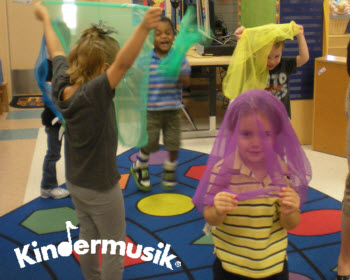
Preschool teachers notice the signs long before the children do. Boxes of sharpened and unused crayons. Full canisters of tempura paints. New bags of sand for the sensory table. The smell of the freshly laminated name tags. Yes, all signs point to a new school year starting soon!
At the beginning of each school year, preschool teachers gather more than new supplies for the classroom. They also gather key information about the children by identifying and describing each child’s development in various domains. This benchmarking helps educators support the growth of each child to his or her fullest potential throughout the year.
 Our early childhood curriculum uses music and movement to support the development and learning across and within domains. We use music to reach children of all abilities and in a classroom of children exhibiting a range of skills and competences.
Whether used in a preschool, Head Start or Early Head Start program, public school, or other early learning setting, Kindermusik’s early childhood curriculum delivers proven results. In fact, children participating for just 30 minutes a week experience a 32 percent more literacy gain than other children. Here are just some of the ways we use music, movement, and stories to help children reach standard benchmarks.
5 ways our early childhood curriculum helps children reach benchmarks
- Our Storytime gives preschool teachers ways to ask and answer questions about key details such as the plot or the characters. We know that children benefit from hearing the story multiple times, so it’s repeated weekly in each unit for preschoolers to become familiar with plot, characters, settings, and main events.
- Our Hosted Teaching CDs provide brief introductions with key information about a story’s topic and setting. In the second half of each unit, lessons pose a range of recall, inferential, compare/contrast, and beyond-the-text questions. At the end of storytime, the lessons give preschoolers opportunities to ask or answer questions about the story that can help deepen their understanding of the story or subject.
![KindermusikPresents_ABCMusicAndMe_AGlobalEarlyChildhoodCurriculum[1]](https://media2.kindermusik.com/website/sites/2/2014/05/KindermusikPresents_ABCMusicAndMe_AGlobalEarlyChildhoodCurriculum1-300x167.png) Our songs and poems use rhyme to improve phonological awareness. Research shows that lyrics can help young children improve their comprehension and build their vocabulary and listening skills. Plus, the engaging nature of music helps motivate young children to learn. And, of course, building vocabulary, comprehension, and listening skills are all part of the preschool standards.
Our songs and poems use rhyme to improve phonological awareness. Research shows that lyrics can help young children improve their comprehension and build their vocabulary and listening skills. Plus, the engaging nature of music helps motivate young children to learn. And, of course, building vocabulary, comprehension, and listening skills are all part of the preschool standards.- Our songs, poems, rhymes, and rituals inspire children to acquire vocabulary incidentally by reading and listening to stories. The texts’ illustrations and activities give children tools to learn new vocabulary through both seeing and doing. To ensure comprehension, teachers often pause the Hosted Teaching CD and ask questions to assess learning as well as answer student questions.
- Each unit also includes explicit vocabulary instruction. Words essential to songs and poems appear on picture cards and are introduced through direct instruction or by modeling during group discussions. Research supports the use of direct vocabulary instruction, including the effectiveness of having young children learn robust, academic words.
 To learn more about using our early childhood curriculum, ABC Music & Me, email us at abcinfo@kindermusik.com.
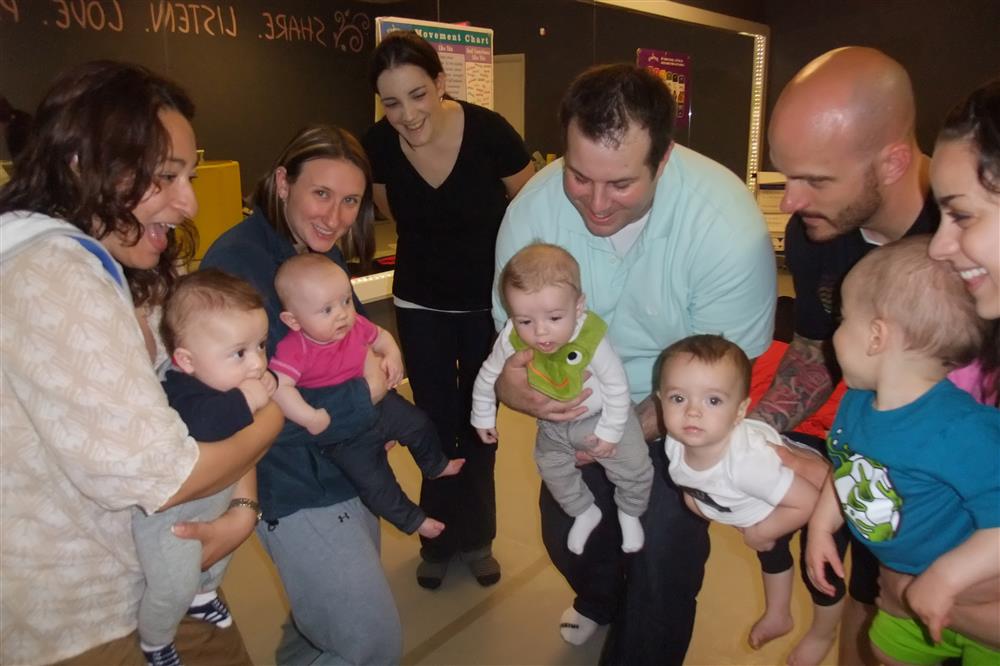
 Before social media, making friends and maintaining relationships involved more than clicking yes to a “Friend Request” or commenting on a status update. (Well, technically it still does.) To be a good friend, regardless of age, we need to share, use our “kind and polite words,” take turns, show empathy, listen, practice conflict resolution—essentially put into practice all those skills that make a good friend.
 Find a local Kindermusik educator and experience for yourself how our music classes for babies, toddlers, preschools, big kids, and families teaches vital life skills, including learning how to be a friend.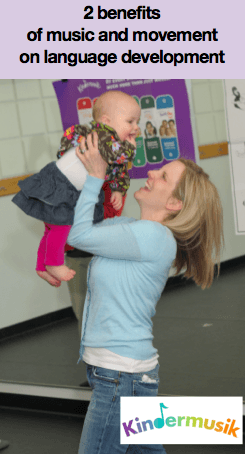
 almost exclusively on what they hear in order to acquire language. Children’s brains make a connection based on what they experience (being lifted high or twirling around) and hear (“up” or “twirl”). So, when a parent of caregiver lifts a child high “up, up in the sky” or “twirls around like a leaf” while singing the songs in Kindermusik class, young children learn the word and understand the concept. Later, children will discover those words correspond to marks on a page which eventually leads to letter recognition and reading.
 Come experience for yourself the benefits of music!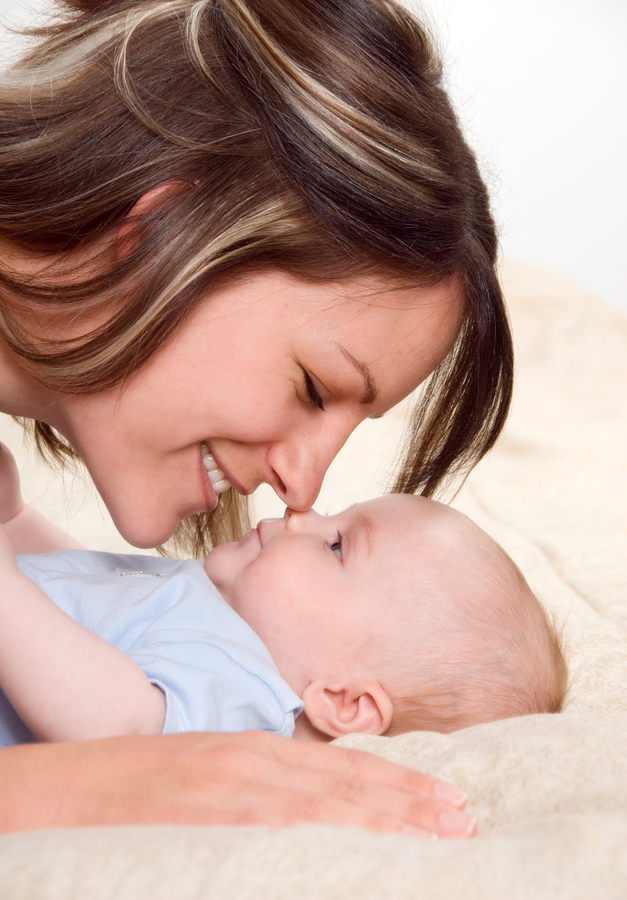

 for babies
 Becoming a parent turns a person’s world (and social calendar) upside down and inside out. A person moves from lengthy conversations over dinner to brief chats scheduled around naptimes.
 With a large number of dual-income families, the school day often extends to after school programs. However, for children with special needs, such as Autism Spectrum Disorder, the options for a quality after school program curriculum are limited. As published in the
 ![KindermusikPresents_ABCMusicAndMe_AGlobalEarlyChildhoodCurriculum[1]](https://media2.kindermusik.com/website/sites/2/2014/05/KindermusikPresents_ABCMusicAndMe_AGlobalEarlyChildhoodCurriculum1.png)
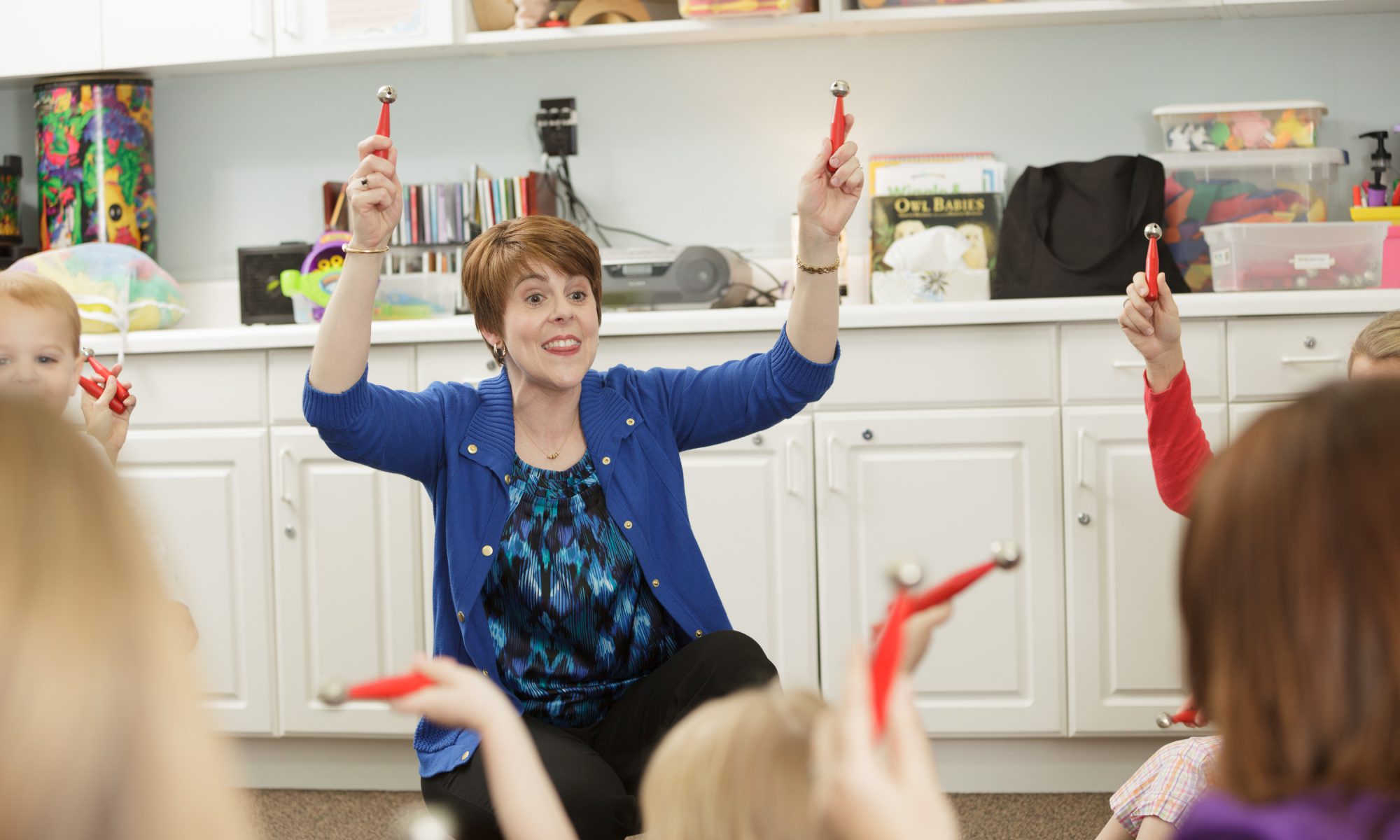
 One of the things that sets Kindermusik educators apart is the requirement to not only be trained to teach our world-class curricula, but also the requirement to maintain and improve through professional development. No matter what “season” you are in with your current or potential Kindermusik career, Kindermusik International offers professional development that’s just what you need when you need it.
 Best of all, Kindermusik training is not just for the Kindermusik business owner – it’s for those teachers who are the backbone of that Kindermusik business owner’s program. For Kindermusik educators who teach for someone else, there are training topics about classroom management, pedagogy techniques, child development, relationship-building, and more.
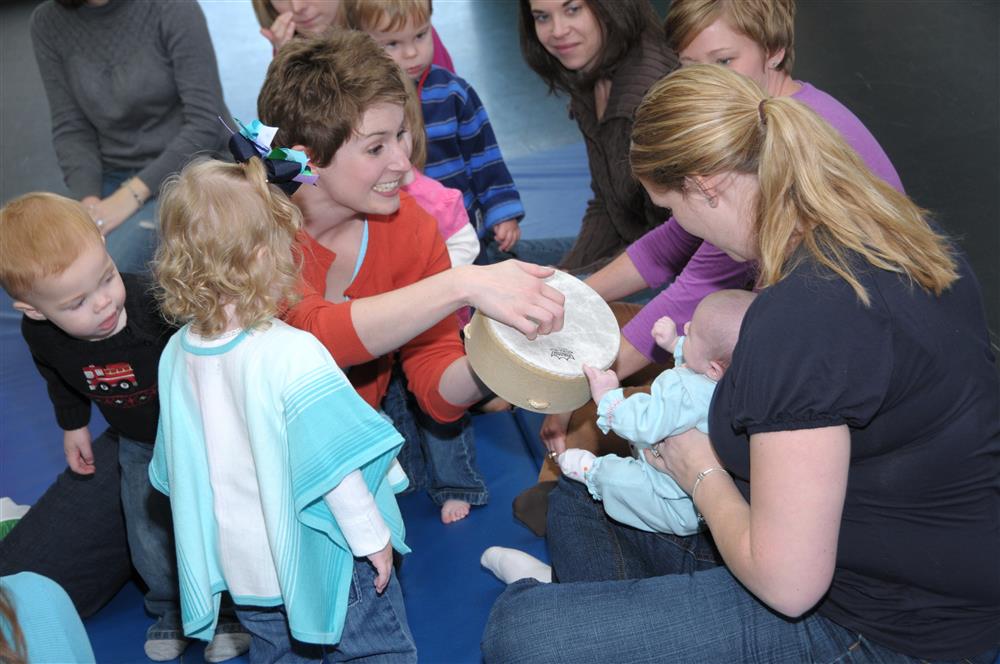
 Take a peek inside any Kindermusik classroom around the world and you will see much of the same thing. We sing. We dance. We play instruments. We listen to music. We move our bodies in response to music. We create music.
 Incorporating music and movement into a child’s learning routine stimulates all areas of the brain and that is why music is the best vehicle of learning for early childhood education. Independent