
 When thinking back to our own childhoods, holiday memories rarely bring to mind a specific gift we received. (Unless, you happen to be Ralphie and you can narrate a whole movie about that Christmas you received a Red Ryder!) For the rest of us, however, we tend to recall the time spent with loved ones.
Do you remember piling into the car to drink hot chocolate and look at the neighborhood Christmas lights? Or did you learn how to make latkes by watching your now-deceased Bubbe make them? And how many rounds of “Over the River and Through the Woods to Grandmother’s House We Go” did your family sing on the way to a holiday gathering?
Making Music, Making Memories
In addition to “Over the River,” you probably associate this time of year with other songs, too, like “I’ll Be Home for Christmas,” “Frosty the Snowman,” or “Jingle Bells.” Those songs can evoke memories of the distant—and not so distant—past because they are linked to the people we love and the memories we created together.
Of course, the way to give your child memories is by creating memorable moments. Music can help you. Here are just a few ways making music as a family creates lasting memories:
- Lullabies passed on from generation to generation
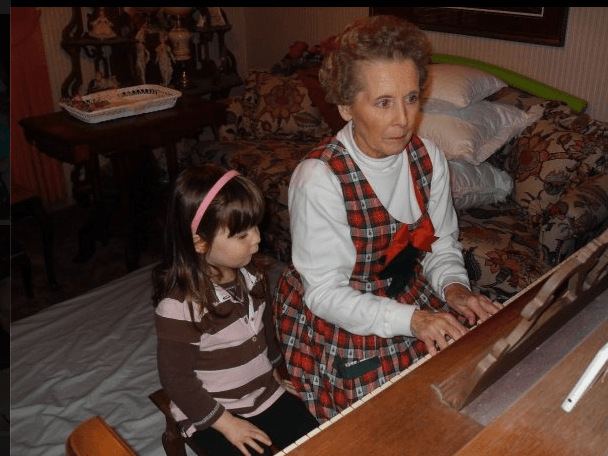
- Receiving that first unofficial piano lesson by mimicking a grandmother
- Singing songs together on road trips or while you roast marshmallows
- Dancing around the house to that one song that gives everyone in your family the giggles
- Making up nonsense rhymes during bath time
- Introducing your own favorite musicians to your children—The Beatles, Van Morrison, U2…maybe even music from a CD or vinyl! (That can be a history lesson, too!)
Give the Gift of Kindermusik
As parents, we often look for that perfect gift for our little ones. However, one of the best gifts we can give our children is time spent together. In fact, in the Huffington Post article, “18 excellent gifts for kids that aren’t even toys,” most of the suggestions involve activities. Of course, we love #1:
“Classes. Music, dance, riding, drawing—classes are a great way to encourage children in their interests and let them know that you pay attention to them and what they enjoy.”
 You know the best thing about memories? Making them. It’s true about Kindermusik classes. Of course, Kindermusik classes support a young child’s development in so many areas, including social and emotional, cognitive, physical, language and literacy. However, families also create lasting memories through singing, dancing, and simply taking time away from everything else on their To Do lists. Those songs remain imbedded in the hearts and minds of children and parents for the rest of their lives.
Contact your local Kindermusik educator at www.Kindermusik.com and ask about Gift Certificates. Family members can purchase gift certificates to use towards Kindermusik classes.
Contributed by Lisa Camino Rowell, a freelance writer living in the Atlanta area, who can’t wait to pile her family into the car to drink hot chocolate and look at all the lights!
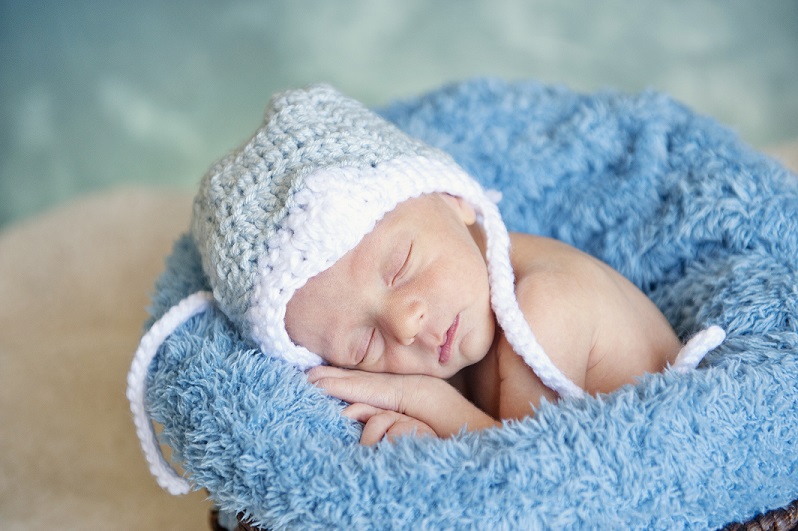
 Deanna Hanson-Abromeit, assistant professor of music education and music therapy at the University of Kansas, is doing some significant work in learning how music helps premature infants not just survive, but thrive, according to
 This perfectly summarizes what happens in a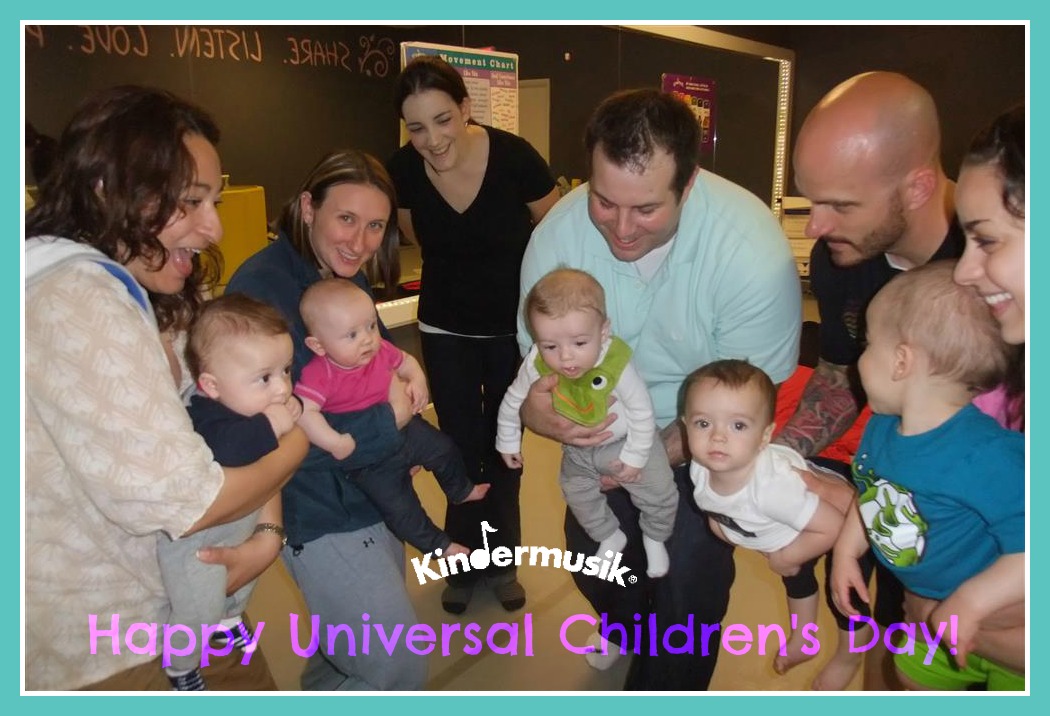


 Ever wonder what happens when a group of teachers gather together for Kindermusik training? Well, we sing, laugh, play instruments, dance with scarves on our heads, and learn through (and about!) music. In fact, it looks a lot like a Kindermusik class without little kids.
 “We would love to give more of these conferences to more schools around the country,” confesses Paula Bassi, International Director Latin America, Central America and Caribbean. “It is wonderful to create a community of Kindermusik schools in Costa Rica and around the world.”

 With music that streams on our phones, Internet radio stations that play our favorites at the click of a mouse, and even still some CD players in our cars, it’s easy to fill your child’s world with music. But it does take some intentionality. Not only will you be able to expose your child to a wide variety of music and begin to shape their musical preferences, but you can also use music to bring out a smile, inspire a cuddle, or chase away the grumpies with an impromptu dance around the kitchen.
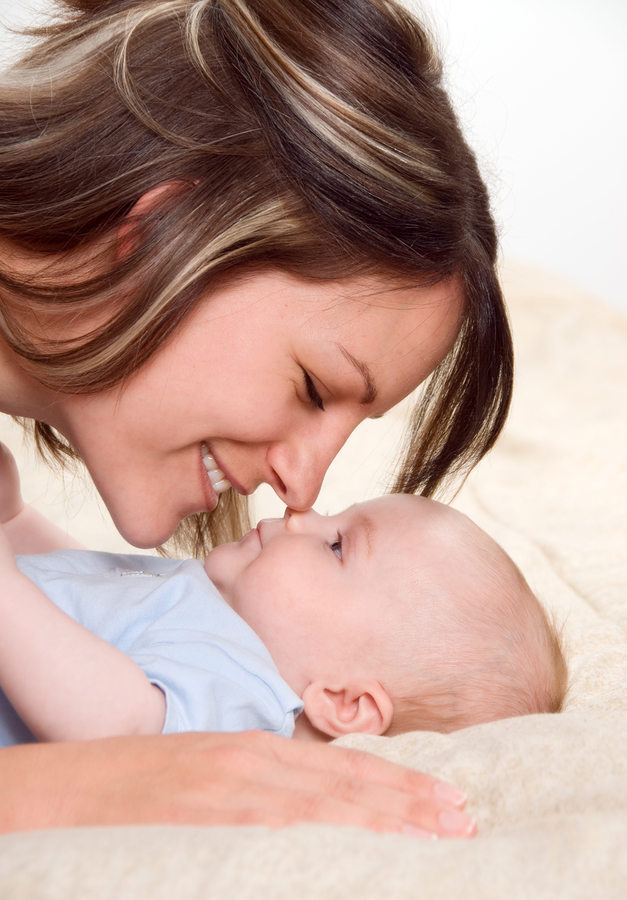
 Do you ever wonder what newborns would say if they could talk? Where am I? What just happened? Who turned on the lights? Whew, that was a lot of work! I’m exhausted. Why is everyone staring at me? Do I have something on my face? Mom! Dad! It’s me! Truth is—most newborns all say the same thing: WaaaaWaaaa!

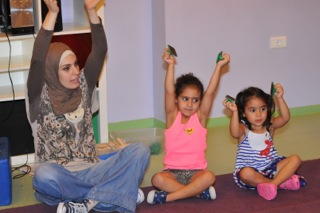
 Take the story of children attending Kindermusik at Learn & Play in Beirut, Lebanon, for example. Last year this pioneer nursery in Lebanon began offering two Kindermusik curricula:
  Learn & Play teaches children French, Arabic, and English. Since using ABC English & Me to introduce young children to English as a second language, children can now count, sing, and name different parts of the body using English. Music is a great way to help children become familiar with English and the different visuals and animated stories used in ABC English & Me make it easy for children to interact and learn English.