4 Ways Music Helps Your Brain

It’s not a coincidence that some of the most brilliant minds in history were (and are!) also musicians. That list includes famous names like Leonardo da Vinci, Sir Isaac Newton, Benjamin Franklin, Thomas Edison, Bill Gates, Albert Einstein, Galileo, and Steven Spielberg. Research study after research study continues to show that music education or to be more precise – actively engaging in musical activities on a consistent basis – significantly affects the cognitive development and abilities of participants.

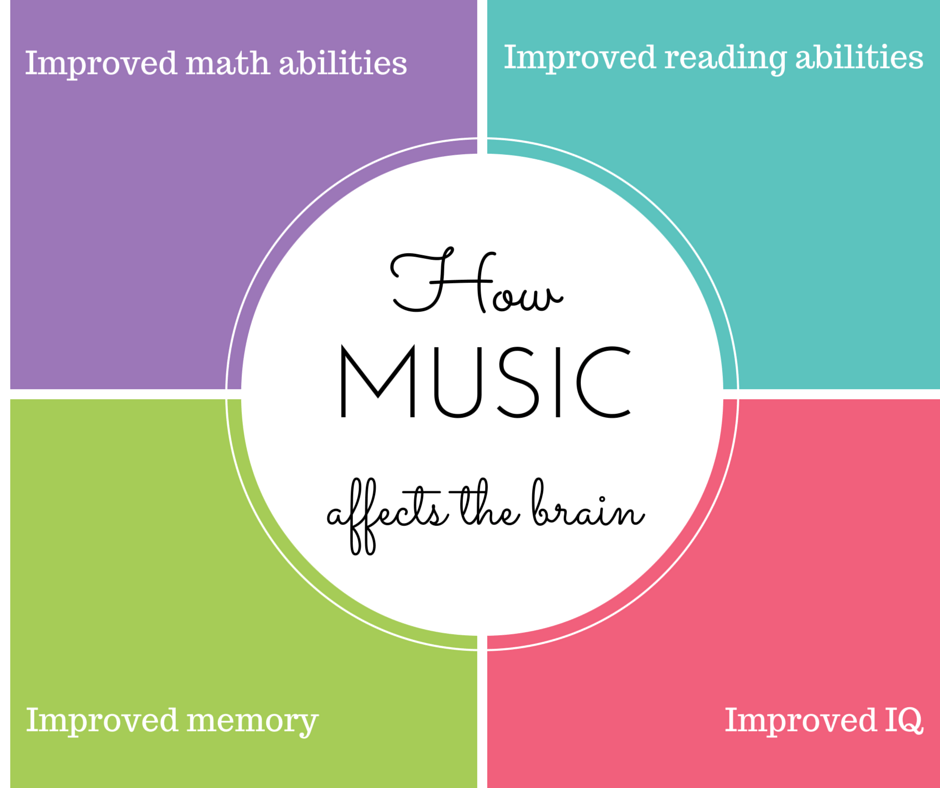
Consider these four big ways music affects the brain.

How Music Affects the Brain

Improved Math Abilities

Long before research studies showed how music-making positively impacts a child’s math abilities and understanding, the great mathematician Pythagorus said, “Music is math made audible.” Now we know that children engaged in math show increased abilities in spatial awareness, pattern recognition, and numbers and measurement. As children grow and continue to participate through high school, music students even score 23 points above average on SAT tests.

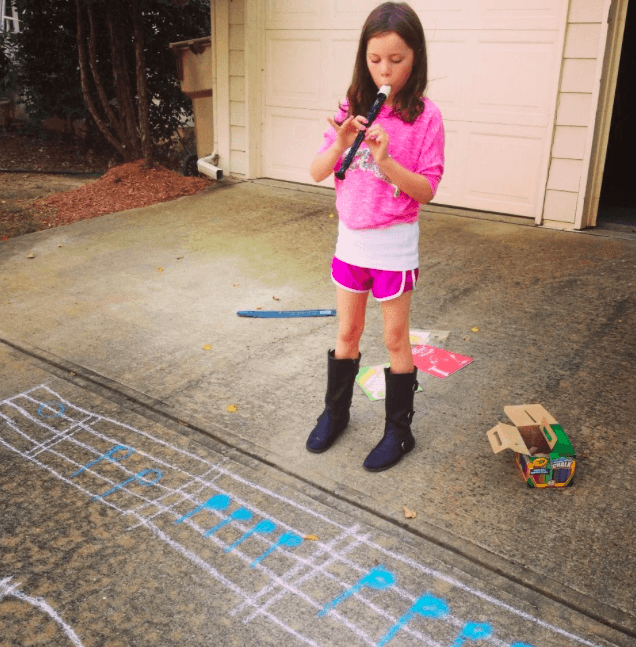
Can you identify the pattern in this classic Kindermusik circle dance?


Improved Reading Abilities

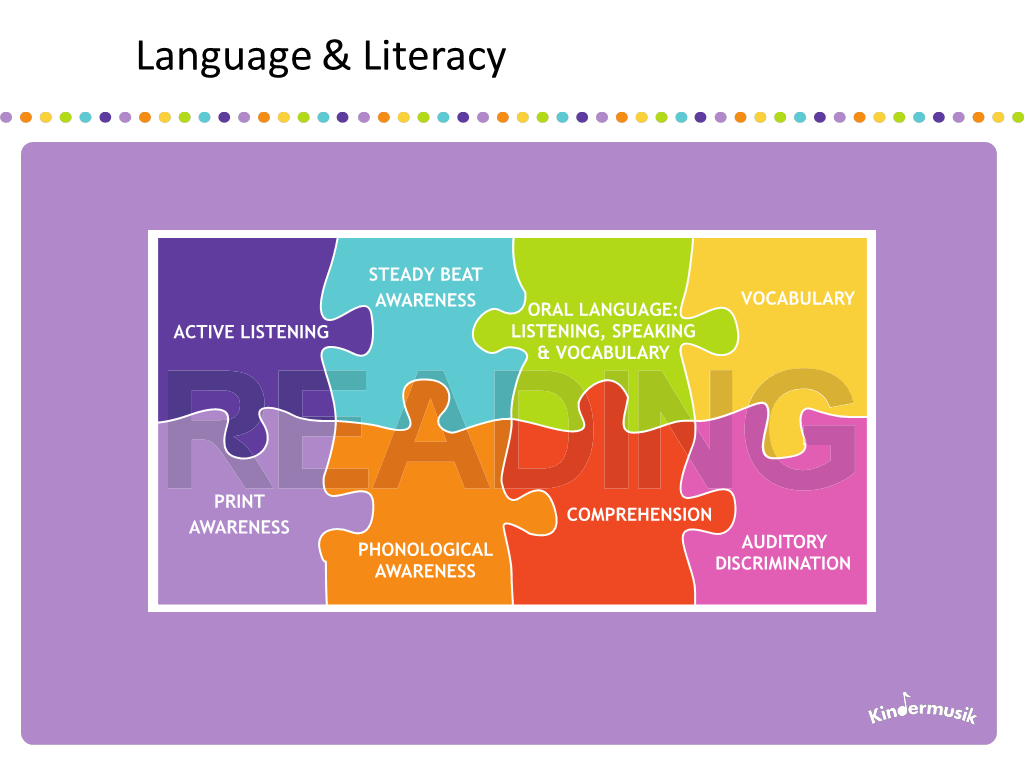
We could write a whole book on the connections between music and reading. In fact, we have! (You can download our free ebooks from this page). Children who participate in music classes experience boosts in phonological awareness, auditory discrimination, auditory sequencing, and vocabulary. Plus, reading music even models for children how to read left to right and top to bottom.

Improved Memory

When compared to their peers, musicians have better memories. In addition, musicians show improvements in auditory verbal memory and auditory memory. Dr. Nina Kraus, a prominent brain researcher at Northwestern University, has likened the effects of music on the brain to the effects of exercise on the body. Increasing the working memory capacity of the brain improves thinking ability.

For fun, see how well you do in this Kindermusik Memory Game from our Kindermusik @Home Materials.

Kindermusik memory gameImproved IQ

Children who participate in music classes over time experience a boost in their IQ. In fact, the longer a child participates in a consistent weekly music class, the greater the effect.  But you don’t have to just take our word on it, here’s an interesting article recently put out by the American Psychology Association about this very correlation between music classes and IQ.

light bulb
Want to give your child access to the brain-changing power of music? Find a local Kindermusik Educator and visit a class today.

I Can’t Believe I Did THIS in Music Class

Young children tend to view the world with an abundance of imagination. They can easily envision living life as an astronaut, walking on lava, riding on a unicorn, or sailing on a pirate ship to the land of dinosaurs (Pirates of the Caribbean meets Jurassic Park). Of course, they have never actually done those things in real life, but it doesn’t stop them from imagining or pretending that they have. Take these kids. They imagined what it would be like to be in a band:

[youtube]https://www.youtube.com/watch?v=6kSzf0Ojus4[/youtube]

Yes, they were a little bit right and a little bit not right, but they certainly had fun imagining what it would be like!

What about you? Have you ever imagined what happens in a music class? Well, if you think that there would be some singing, listening to music, playing instruments, and dancing, you would be partly right. (Okay, mostly right!) However, in music class, we do things that may surprise you—or to be more accurate, you may be surprised to find yourself doing them. Take a look at just a few things people have said that they are surprised to find themselves doing in a Kindermusik class.

6 Things I Can’t Believe I Did in Music Class

  1. I sang out loud where other people could hear me and I didn’t care. Yes, we sing in the shower, in our cars, or maybe at a place of worship or at a concert with thousands of other people; however, I never expected to sing out loud in a small group setting with a smile! My children loved hearing my voice and seeing me participate in class. In fact, it helped them love it even more!
  2. I pretended to be a peep squirrel (whatever that is!), a slithering snake, a hopping rabbit, and all sorts of other animals. Again, all of this happened in front of other people and I did not care. For one, they were pretending to be those animals, too. More importantly, my children reminded me just how fun it can be to give in to my imagination.
  3. I purposefully wore my super fuzzy cozy socks with multicolored toes to show the other parents. Then told the other parents where to buy them. In music class, we take off our shoes so it’s all about the socks…or the pedicure during those warmer months. So not only, did the other parents and I exchange parenting tips specific to the age of our children we also shared where to find the cutest socks—or where to get the best pedicure in town.
  4. I broke out in a sweat hoisting my child up in the air, swinging her in a blanket hammock, and bouncing my little one up and down in an imaginary little red wagon. It was a workout for me. The best part: Those “sweaty moments” tended to be full of giggles from my child.
  5. I learned new languages…sort of. Technically, I learned to sing different songs in other languages: Spanish, French, English, and more!
  6. I finally found a place to put to good use all those dance moves I collected in my younger years including the Sprinkler, the Cabbage Patch, the Electric Slide, and even the Macarena. And, while I never had moves like Jagger, my children loved dancing with me and trying out those moves, too.

YC boy with new logoShare your own “unbelievable” story on our Kindermusik Facebook Page by completing this phrase: I can’t believe I Did [BLANK] in Kindermusik class.

Contributed by Lisa Camino Rowell, a freelance writer in the Atlanta area. Her children, now 9 and 7, still request a ride on the little red wagon—and it is STILL a workout.

Science Says: Music Makes You a Better Reader

We love it when science backs up again and again what music teachers and parents have known for a long time – music and music classes have significant and far-reaching benefits that extend beyond singing, moving, and playing instruments and into areas of brain development, academic advantage, language development, literacy, and more.  In particular, new research is highlighting the powerful connection between music and reading.LanguageAndLiteracy_Puzzle

One long-time researcher and advocate for the benefits of music is Dr. Nina Kraus, Professor of Neurobiology & Physiology, Otolaryngology, and the Hugh Knowles Chair in Audiology at Northwestern University.  For your reading pleasure, here are some of the highlights of her studies, both past and current, with links to past Minds on Music posts.

What Science Says about the Music-Literacy Connection

Music is a powerful tool for strengthening and improving reading ability.

Many of the same aspects of sound processing that are deficient in children with language and learning impairments have been found to be strengthened in those who receive music training, and music-based interventions have demonstrated some success in the remediation of reading problems, too.  – Dr. Nina Kraus in this Neuroscience article

Children between the ages of 6 and 9 years old who took music lessons could better differentiate speech sounds, which directly relates to language and literacy skills.

Learning to play a musical instrument or to sing can help disadvantaged children strengthen their reading and language skills by improving the way their nervous systems process sounds in a busy environment.

A preschooler’s ability to follow a rhythm and keep a steady beat can accurately predict early language skills and reading skills.

Benefits of music on reading only seen when participants consistently and actively engage in the music making over an extended period of time.

Experience the benefits of music firsthand! Contact your local Kindermusik educator today at www.Kindermusik.com.


How to Raise a Child Who Cares for the Environment

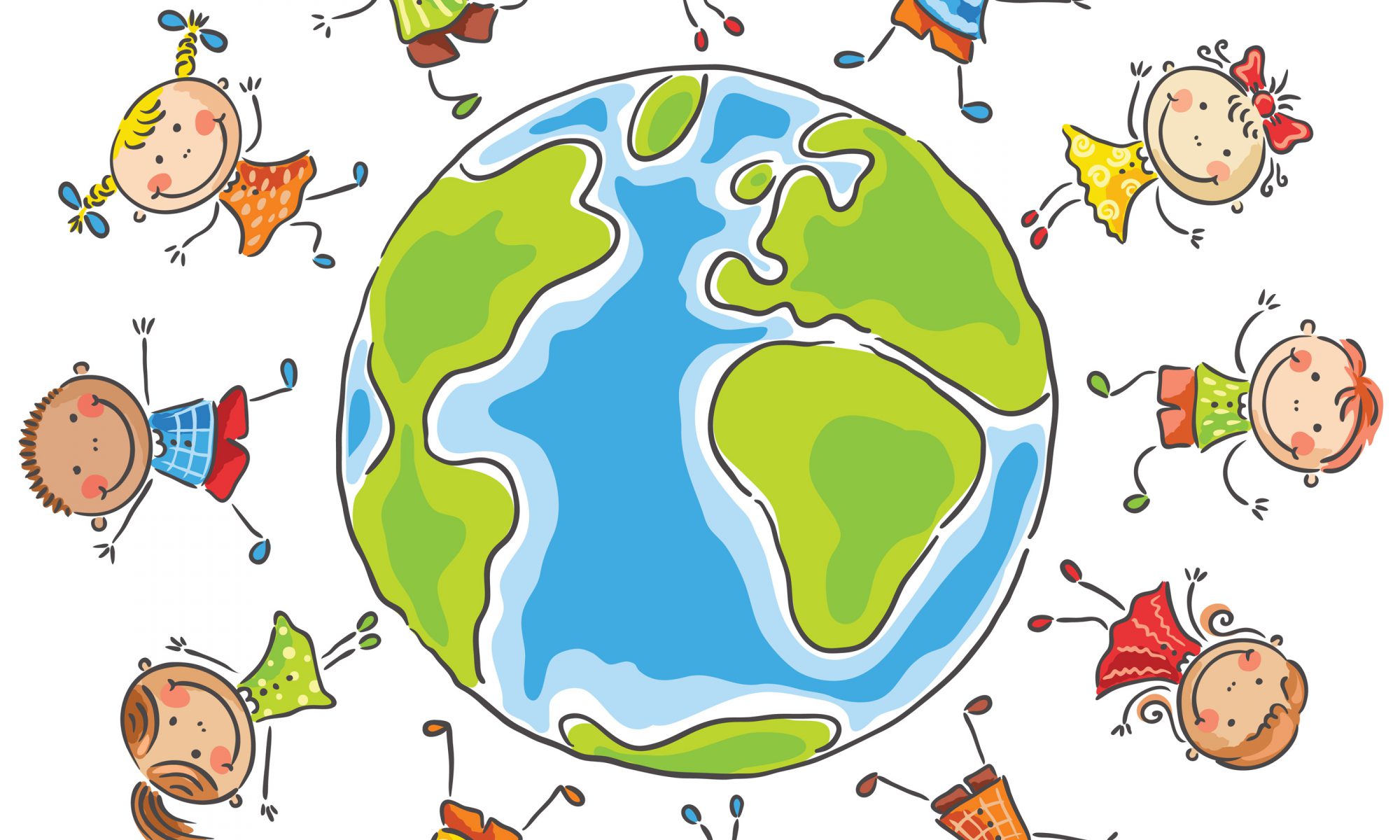
children around the worldToday officially marks Earth Day! However, for young children, every day is Earth Day. After all, they discover something new and wonderful about the outside world each time they encounter it. It’s one of the reasons a walk with a toddler takes 30 minutes just to make it from the front door to the sidewalk. Flowers, leaves, rocks, grass, worms, butterflies, birds, clouds….there are so many beautiful parts of the environment that cause children to pause and investigate further!

While on this Earth Day it may be too early to introduce concepts of pollution, habitat, or species protection, it’s NOT too early to talk to children about the amazing things that the Earth can do. Children must first learn to understand and to love nature and the environment before they can be weighted with the challenge of trying to “save” it. At this age, just concentrate on establishing an emotional connection, awe, understanding, and respect for what nature is and how it works when its systems are working properly. Young children will naturally respond to nature this way!

Earth Day Activity: Composting with Kids

Composting is an ideal and child-friendly place to start teaching children about the environment! It involves dirt, digging, and water–three things children already love! And the idea that, left to their own devices, recyclable food and plant materials can turn back into dirt, and then grow more food and plant materials, is an ideal first lesson about why the Earth is incredible. Try this step-by-step composting guide specifically created with young children in mind:

Composting with Kids

Looking for more ideas on living green with kids? Check out our Pinterest Board.

Contributed by Lisa Camino Rowell, a freelance writer living green with kids (or trying her best!) in the Atlanta, Georgia, area.

Scooby-Dooby-Doo-Wap Your Way Through Jazz Appreciation Month

Throughout the Kindermusik experience, we deliberately introduce children to a wide variety of musical genres to give them a greater understanding of what is possible through music. This month we celebrate Jazz Appreciation Month! We wanted to make it easy for you to celebrate it, too, so the children in your life can experience the value of improvisation and emotional expression and gain an appreciation of this musical genre that traces its roots to the Southern (United States) African-American music of the early 20th century. Try this Kindermusik@Home activity to give children a taste of jazz and to support early language development.

Scat Cat Is Where It’s At

Listening to and mimicking (or echoing) language is the earliest phonological awareness skill. (Being able to hear, identify, discriminate, and mimic sounds is a precursor to matching initial and final sounds and to blending phonemes, all things that stack up to eventually enable reading.) Scat is a kind of singing found in jazz that uses nonsense syllables instead of words. Try this together:

Scat Cat Kindermusik@Home activity


4 Ways to Extend this Jazz Activity for Kids

  • Explore the senses by talking with children about their sense of hearing. Explain that we use our ears to hear, listen, and to learn about the world. By listening closely, we know how to imitate the sounds we hear.
  • Use this game as a model for teaching children how to imitate sounds and language. Find something in your home or classroom that makes an interesting sound. Have children listen to the sound. Then model for children how to mimic that sound. Practice, practice, practice!
  • Play a call-and-response game at home, in the classroom, in the car, or outside: say a phrase, sentence, or simple pattern of sounds and children to repeat it back to you. For an added challenge, see if children can repeat it back with the same pace/speed, rhythm, and with the same expression as you. For instance, can they raise their voice at the end of a sentence to denote a question?
  • Do you speak more than one language? Say some words, phrases, or sentences in another language (even if you only studied it in high school!) and have children repeat them back to you as accurately as possible.

Learn more about Kindermusik@Home activities.

Contributed by Lisa Camino Rowell a freelance writing in the Atlanta area.

The One Thing that Can Prepare a Child for Success (It’s not what you think!)

Pew Research Center recently asked a national sample of adults which skills were most important for children to have in order to get ahead in today’s world. Out of the 10 skills from which they could choose, more respondents said communication skills were most important for success, followed by reading, math, and teamwork.

Much of the groundwork and preparation for successful development of these academic and life skills can be laid at a young age.  So where can parents and teachers find that one early childhood experience that delivers on developing all of these vital skills from a very early age?

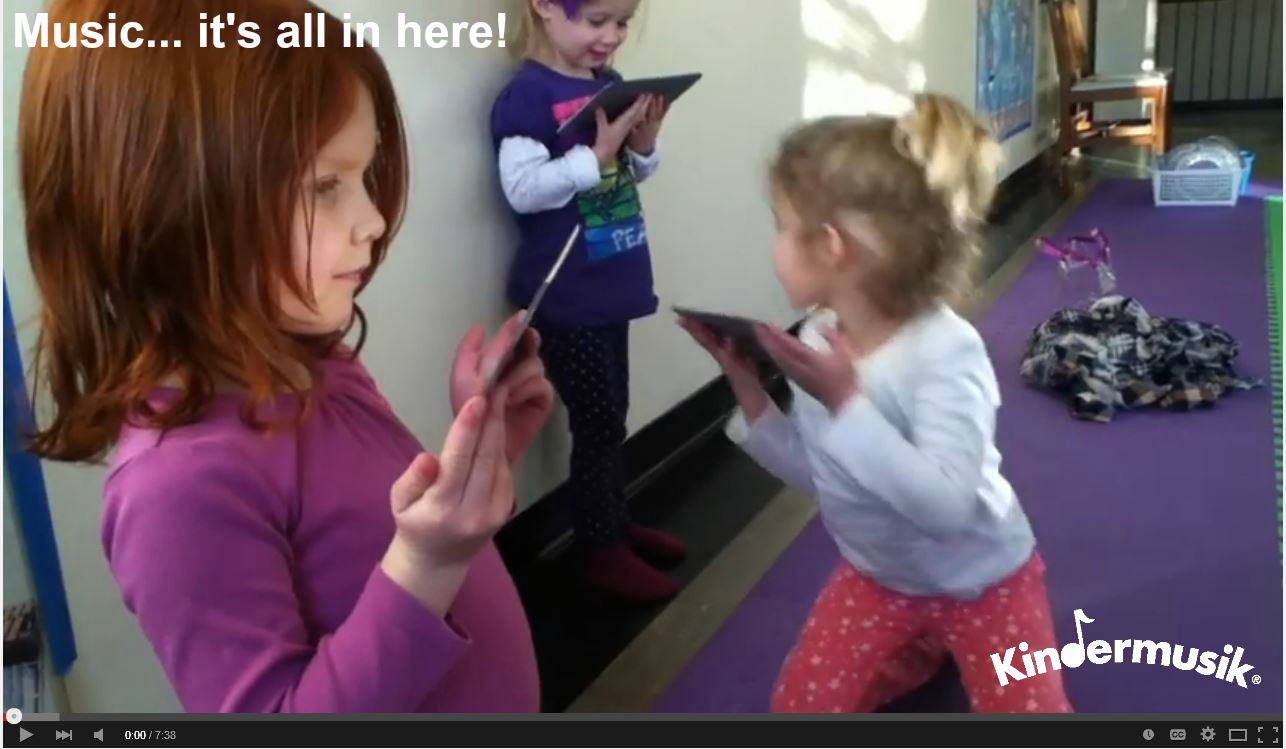
Music… It’s all in here!

Music teaches communication skills. 
Learning to listen, singing back and forth, sharing non-verbal responses, creative movement responses to music, being part of an ensemble… all of these elements of communication are an integral part of music and music making.  And all are heightened by the experience to be had only in a group music class.

Music enhances literacy skills. 
Just as in reading, music symbols have meaning.  You read music from left to right just as you read words from left to right. Music involves rhythm, syntax, vocabulary, and expression just as reading does. Music is a form of communication just like the written word. Music improves phonological and phonemic awareness.  The list could go on.

Music promotes math skills. 
Numbers, patterns, proportions, ratios, spatial reasoning… sounds like a highly sophisticated list of skills. But all are skills that are mastered by musicians and mathematicians alike. And all of these are introduced to one degree or another even in an early childhood music program like Kindermusik (studio program) or ABC Music & Me (school program).

Music facilitates teamwork.
This is especially evident in a music class, where children share, listen, take turns, and make music together. There’s something about music and a music class that encourages children to work together, cooperate, and problem-solve. Perhaps it’s because in music class, differences are leveled out and there’s one common experience – the joy of making music together.

Watch carefully and you’ll see a delightful example of the ways that even in one activity, music (specifically, Kindermusik!) can teach aspects communication, vocabulary (reading), math (spatial development), and teamwork.

music teaches communication reading math and teamwork
Discover more about the rich benefits of music education with these free e-books.


10 Secret Musical Tricks Every Parent Needs to Know

In Kindermusik classrooms all around the world, Kindermusik educators are as much about providing a rich, lasting musical learning experience for the child as they are about giving parents lots of tips and resources that help make great parenting just a little bit easier. In fact, we have quite a few musical tricks up our sleeve, and we’ve put together our top 10 just for you.

10 Secret Musical Tricks Every Parent Needs to Know

Thomas S and mom#1 – Sometimes you just need to dance.
When your child is cranky or stir-crazy, or for that matter, when you are feeling a little cranky or stir-crazy, dancing to your favorite song can change the mood in an instant. A slow dance is great for reconnecting and calming, while a happy, lively dance gives an outlet for pent-up energy.

#2 – Pots, pans, bowls, and plastic utensils make for an instant kitchen band (and buy you a little time to fix dinner!).
While you’re fixing lunch or dinner, settle your child in a safe place near you in the kitchen surrounded by his/her own musical exploration station. Nothing fancy needed here, but metal bowls and plastic utensils can keep a child happily occupied while you get the meal prepared.

jumping on the bed#3 – A lullaby routine can help your child settle down for bed easier and faster.
Even if you don’t remember all of the words, establishing a routine of cuddling, singing, and rocking together before naps and bedtime can be a wonderful way not only to connect with your child, but also to help them be more ready to settle down for a good nap. And you’ll love the memories you’ll have too!

#4 – Running errands is lots better with music in the car.
Sing, wiggle, and tap together as you drive around time. It will make the time pass quicker, and your child will probably stay a lot happier. Singing and listening to music in the car is also a great time to interact with your child, while giving them some quality exposure to music.

For some more free ideas and 5 free songs from Kindermusik International, click here.

Brady asleep with glock#5 – A CD or playlist of quiet, relaxing music is great for some musical “white noise” during sleep times.
You know that lawn crew or barking dog that always seems to pick your child’s nap time to make the most noise? Chances are that sudden outside noises won’t even cause a stir if your child is listening to music during nap time. We love Kindermusik’s “You Are My Sunshine” album or “A Child’s Gift of Lullabies” by Greenville’s own Emile Pandolfi.

#6 – A large towel or laundry basket makes for a fun and imaginative hayride wagon! Even little ones love going along for a ride, especially when you add some lively music to ride along to! This makes for a nice break in between piles of laundry, and it always makes for a good workout for mom too. Try it – it’s more of a cardio workout than you might think!

240174881004_277897718004_1000_0015#7 – A couple of old scarves are perfect for swishing, twirling, tossing, bouncing… and playing peek-a-boo!
Add some music and maybe even some bubbles, and you’ve got the formula for a little magic and a whole lot of giggles. You’ll probably even want to join in on the fun! Make a playlist of some fun, lively music intermixed with slower, lyrical selections, and you’ve just created a fun, indoor activity that can keep your child occupied for a good long while.

#8 – Keep an instrument basket handy.
Collect some age-appropriate instruments that your child can explore. Keep these in a basket or container in the playroom or in the family room that you can easily pull out when you or your child want a little play time. Your child can explore on his/her own, but better yet, sit down with your child and enjoy a family jam play-along with some of your favorite music, or initiate a musical learning experience by exploring and labeling concepts (high/low, in/out, up/down, loud/soft) and timbres (the unique qualities of sound).

Kindermusik_25#9 – Say “I love you” in so many different ways with music.
On the changing table, during bath time, after a meltdown, or even just first-thing in the morning, there’s nothing better than a song or a dance with mom (or dad!). No excuses… your child thinks your voice is the most beautiful thing in the world, and if you’re really that self-conscious, sing along with some music on your phone. Or just cuddle your child up in your lap and savor the moment. You can also use singing or rocking to distract your child from a meltdown or to reconnect after a particularly emotional moment. In fact, here are 5 free Kindermusik love songs to get you started.

#10 – You don’t have to be a musician to teach your child to love music.
All you have to do is make music a priority in your home and in your daily routines. If you model a love for and interest in music, chances are your child will develop that same love. Creating a musical environment in your home and investing in music classes from an early age is a precious gift you can give your child. There are few better gifts you can give your child than putting a song in their heart – for now and for life!

Visit a Kindermusik class today and learn even MORE secret musical tricks!

Written by Theresa Case, who has loved sharing music tips for over 20 years now in her award-winning Kindermusik program at Piano Central Studios in beautiful upstate South Carolina.  This article was originally shared with the loyal followers of Kidding Around Greenville.
A Life-Changing Summer Camp

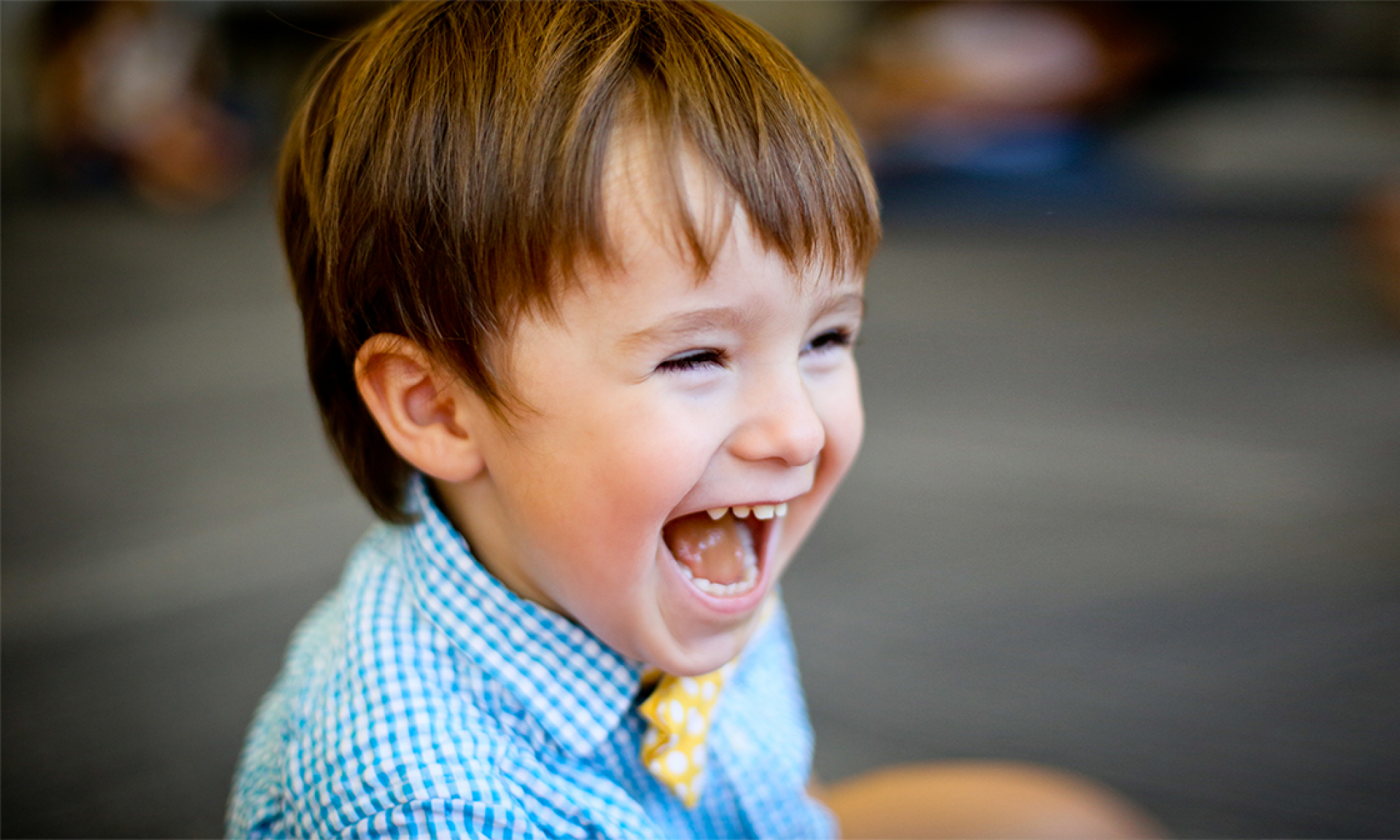
What’s so special about Kindermusik and summer?  Well…. everything!  Kindermusik and summer are like peanut butter and jelly. Toast and eggs. Milk and cookies. They just go together.  But why make room in your summer for Kindermusik?  Here are five reasons that you might not have thought about before now.

5 reasons to attend Kindermusik this summer

Little minds don’t take a summer break, and a summer Kindermusik class is the perfect way to keep the curiosity and learning stimulated. The combination of music and movement get those brain cells firing on all cylinders.

Little bodies stay busy year-round, and Kindermusik is a fun, let’s-be-busy-together activity for both of you. Best of all, the engagement doesn’t end when you walk out of class, your @Home Materials help you keep your child active and engaged throughout the week at home.

Little hearts crave the security of routine and predictability. Summertime is notorious for being unscheduled and non-routine, so putting a Kindermusik class in the mix can provide some much-needed structure.

Little faces need connection time – with Mom, Dad, and friends – in the rich bonding and socially nurturing environment that is Kindermusik. You’ll love the support and interaction with parents and your child will benefit from time with peers.

Little hands love the opportunity to clap, tap, explore, and play. In their Kindermusik class, they’ll have all kinds of ways to be creative with instruments and express themselves through the joy of music and music-making.

Contact your local Kindermusik educator to book your family’s musical “stay”cation at Kindermusik today!

Written by Theresa Case who has loved every minute of making a difference in the lives of children and families at Piano Central Studios for over 20 years now.

Happy International Children’s Book Day

International Children's Book Day LogoWARNING! Kindermusik Educators may burst into song at any time and in any place. They also sometimes carry egg shakers in their pockets for a little accompaniment. After all, pianos are not exactly portable. An equally true fact is that their bookshelves, iPads, and, in some cases, car trunks overflow with kids books. After all, music and reading go together like, well, music and egg shakers. So, we thought the best way to celebrate International Children’s Book Day today was to share some of Kindermusik Educators favorite children’s books. And the best way for YOU to celebrate is to read one of these—or your own favorite—with the children in your life!

Children’s Books Kindermusik Educators Love to Read

You Will Be My Friend and Children Make Terrible Pets by Peter Brown

I Was So Mad by Mercer Mayer

~Alicia Bourdier


I’m a Little Teapot by Iza Trapani

~ Melinda Lise Pokorzynski


The Little Mouse, the Red Ripe Strawberry, and the Big Hungry Bear by Don and Audrey Wood

~ Jamie Henry Espen


How to Speak Moo! By Deborah FajermanBooks for Kids We Love Pinterest Board

~ Cathy Huser


I Love You Stinky Face by Lisa McCourt

~ Molly McAllister Ziegler


The Feelings Book and It’s Okay to be Different by Todd Park

Look Who’s Talking on the Farm and Look Who’s Talking at the Zoo by Danny Tepper

~ Lindsay Levin


To Market to Market by Anne Miranda

Guess How Much I Love You by Sam McBratney

~ Yvette Odell


The Doorbell Rang by Pat Hutchins

Owl Babies by Martin Waddell

Seals on the Bus by Lenny Hort

~Jane Hendrix


Clip-Clop by Nicola Smee

Who Hoots? By Katie Davis

~ Jan Janz


mom reading to her babyPete the Cat by James Dean

Snowy Day by Ezra Jack Keats

From Head to Toe by Eric Carle

Little Blue Truck by Alice Schertle

Mr. Cookie Baker by Monica Wellington

~Kathy Morrison


Bumpa Rumpus and the Rainy Day by Joanne Reay

~ Julie Stewart


Tanka Tanka Skunk by Steve Webb

Twinkle Twinkle Little Star by Iza Trepani

Down by the Station by Will Hillenbrand

Little White Duck by Bernard Zaritzky

~ Bernadette Baird


Brown Bear, Brown Bear What Do You See? by Bill Martin Jr.

Baby Beluga by Raffi

~ Whitney Shelton


Mrs. Wishy Washy’s Farm by Joy Cowley

Dear Mr. Blueberry by Simon James

Do You Want to Be My Friend by Eric Carle

Quick as a Cricket by Audrey Wood

~Helen Peterson


Chicka Chicka Boom Boom by Bill Martin Jr.

We All Go Traveling By by Sheena Roberts

Over in the Ocean: On a Coral Reef by Marianne Berkes

~Danielle Smith

Shiny Dinah is one of our favorites from Kindermusik class! Take a listen and you’ll soon hear why parents, educators, kids love this book!

[youtube]https://www.youtube.com/watch?v=nkwLXk9HScE[/youtube]

Looking for more great books to read with young kids? Try our “Books for Kids We Love” Pinterest Board.

Contributed by Lisa Camino Rowell a freelance writer in the Atlanta area. Her go-to children’s books include the Piggie & Gerald books by Mo Willems.


50 Reasons Why Music Gives Kids a Lifetime of Opportunity

50 years of Head Start LogoThis month Head Start celebrates 50 years of life change and we love being able to celebrate this milestone with them at NHSA’s Annual Head Start Conference and Expo. However, it also got us thinking about how music also supports life change in children and families. In fact, we know from experience—and by hearing from the Head Start and Early Head Start programs that use the Kindermusik curricula—that music gets kids ready for learning! So, we put together a list of 50 reasons why music gives kids a lifetime of opportunity.

But first, see how music is changing the lives of these kids and MS421:

50 Reasons Why Music Gives Kids a Lifetime of Opportunity

  1. Music improves phonological awareness.
  2. Music can effectively teach children self-regulation, which research indicates can be a key factor in early school success.
  3. Moving to music helps children become aware of the space around them and strengthens spatial awareness.
  4. Patterns in music help children recognize patterns in math.
  5. Music refines auditory discrimination.
  6. Rhymes and fingerplays give practice with ordering, which is an early math skill.
  7. Musicians have better memories when compared to their peers.
  8. Actively participating in music classes gives young children an opportunity to learn how to share, take turns, and cooperate.
  9. Fingerplays and playing instruments supports fine motor skills development.
  10. Children love music and learning through music teaches them to love learning!
  11. Rhythm skills or lack thereof could predict reading disabilities leading to early intervention.
  12. Music increases auditory sequencing ability.
  13. Music heightens oral language development.
  14. Music enriches vocabulary development.
  15. Steady beat skills give children the ability to read fluidly.
  16. For babies, moving to music in a caregiver’s arms develops babies’ vestibular system, which is responsible for helping the brain understand gravity, gain balance, and develop spatial awareness.
  17. Music enhances speaking skills.
  18. Dancing and moving to music supports cross-lateral movement, spatial awareness, eye-hand coordination, and eye-tracking—foundational skills for reading.
  19. Participating in music classes supports social and emotional development.
  20. Listening to soothing music can help teach young children to learn how to relax.
  21. Pairing a word with a movement increases children’s understanding of the concept even before they can speak.
  22. Musical activities stimulate development in every area of the brain: vision, Brain on musicbalance, speech, behavior, sensation, skill, movement, and emotion.
  23. Learning to play a musical instrument or sing can help disadvantaged children strengthen their reading and language skills by improving the way their nervous systems process sounds.
  24. Musical ensemble experiences help children to listen closely and work together as they play-along and sing-along together as a group.
  25. Circle dances create a sense of community, belonging, and self-esteem.
  26. Early experiences with music spark the brain connections and neural networks that shape the brain and impact how it will function later in life.
  27. Music encourages children to move and movement stimulates the release of chemicals in a child’s brain that support memory and learning.
  28. Music provides an outlet for self-expression.
  29. Music teaches children sequencing.
  30. Through music, children gain practice recognizing the connections between sounds and symbols.
  31. Singing songs and speaking chants and nursery rhymes improves language development.
  32. Pairing a word with a movement helps young children better understand the concept.
  33. Music and movement provides many opportunities for fine- and gross-motor skills development.
  34. Music helps children gain active listening skills.
  35. Children with early musical training experience advanced executive function skills during cognitive testing.
  36. Research shows that the areas of the brain that process music and language are shared.
  37. It’s fun!
  38. Actively participating in a music class impacts all seven areas of social-emotional development, including confidence, curiosity, intentionality, self-control, relatedness, capacity to communicate, and cooperativeness.
  39. Research shows that when children engage in learning through movement that it helps them be more focused and it improves their reading, writing, and fine motor skills.
  40. Music makes classroom routines and transitions easier for children of all abilities.
  41. Researchers from Michigan State University found that 93 percent of STEM KindermusikClass_RhythmSticks_TeachChildrenImportantSkillsgraduates reported musical training as a child compared to only 34 percent of the average adult.
  42. Participation in the arts, including music classes, encourages “out-of-the-box” thinking.
  43. Music helps kids use their imagination.
  44. Learning to read musical notation uses a similar set of cognitive skills and pattern recognition to those found in reading.
  45. Music teaches children how to relax and supports a good night’s sleep.
  46. Music- and rhyme-based play encourages children to practice perception, production, word recognition, and memory for words, and phonemes—all key foundations for phonological awareness.
  47. Different genres of music teach children about the world around them.
  48. The benefits of musical training as children protects the brain in later years, specifically in the ability to parse, sequence, and identify sounds.
  49. Children with better musical skills, such as the ability to tap to a steady beat or repeat rhythm patters, also perform better on grammar tests when compared to peers.
  50. Learning to play a musical instrument or to sing can help disadvantaged children strengthen their reading and language skills by improving the way their nervous systems process sounds.

Want to learn more about the benefits of music and the research behind these 50 reasons? Visit www.kindermusik.com

Contributed by Lisa Camino Rowell a freelance writer in the Atlanta area. She could give 500 more reasons why music gives children a lifetime of opportunity.