

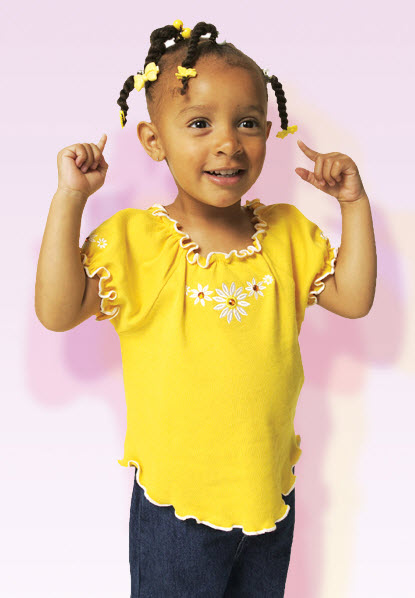
 Listening to and identifying sounds is the earliest phonological awareness skill and one of the most important pre-literacy competencies. Without this skill, there will be no progress toward phonics, spelling, or text comprehension.
How Children Become Phonologically Aware
Children become phonologically aware in a specific developmental sequence, beginning with the larger sound units (e.g., tapping each word in a sentence), then focusing on parts of individual words (e.g., blending two words to make a compound word, such as cup-cake), and finally focusing on smaller sound units (/b/-/ig/) within words.
This developmental sequence is universal…meaning that children who are English language learners are able to transfer phonological awareness skills from their first language, even when the two languages are very different! And children who speak other alphabetic languages also progress through the same sound-awareness sequence, from larger to smaller units.
Kindermusik@Home Activity that Supports Phonological Awareness
There is such a thing as training an ear. Parents can extend the application of a listening activity like this one from Kindermusik@Home to pre-literacy by gathering a variety of sound-making materials and playing with different pitches, paces, and lengths of sound. The more experience children gain in learning to identify the subtle nuances between musical timbres and pitches, the more prepared they will be to recognize and identify the distinct sounds within words.
Kindermusik@Home activity: “Which Woodwind?” Give young children’s listening skills a workout with this fun, musical game. Kids will learn to identify a piccolo, flute, oboe, bassoon, and bagpipe.




 According to a


 Whatever happened to spur-of-the-moment weekend getaways where you grabbed your overnight bag, a couple of outfits, and a great beach read before hitting the highway? Well, kids happened that’s what. Now, spur-of-the-moment getaways are more like “plan-months-ahead-to-locate-clean-diaper-changing-rest-stops-and-book-a-UHaul-to-lug-around-all-that-baby-stuff getaways.” Anyone else feel exhausted just thinking about it? And, let’s not even talk about planning a trip to Disney World with kids. Parents write entire dissertations about that family vacation—and then Pin it on Pinterest for us all to identify where we fail as parents.
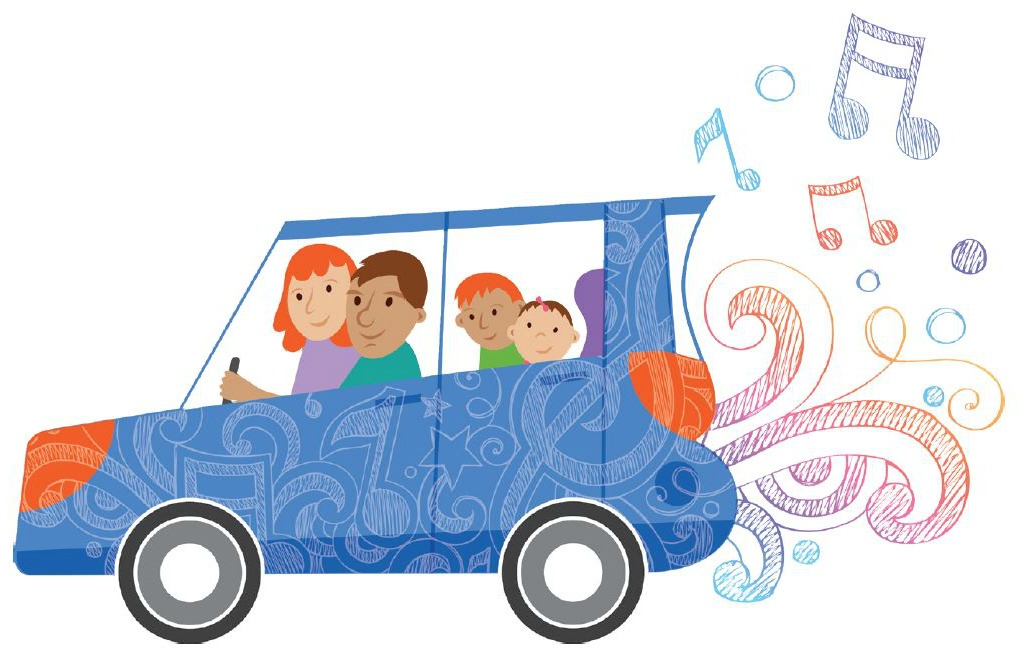
 4. Create a “Quiet Time” playlist. For longer road trips, we select this music to encourage our reluctant car sleepers to rest. Occasionally, the music will lull one or both of our children to sleep, however it nearly always relaxes them enough to stop fidgeting. We most often play this list after lunch when many children naturally benefit from a little quiet time. Tip: Make sure you fill your car with gas BEFORE you tap into the power of music. After all, you DO NOT want to stop when your little one finally falls under the spell of music and falls asleep like this sweet little nugget!
 Making music, enjoying music, and learning through music all have a profound impact on a child, even before he or she is born. Mothers have known this instinctively. Teachers have always drawn on the benefits of music. Research and new technology continues to confirm it over and over again.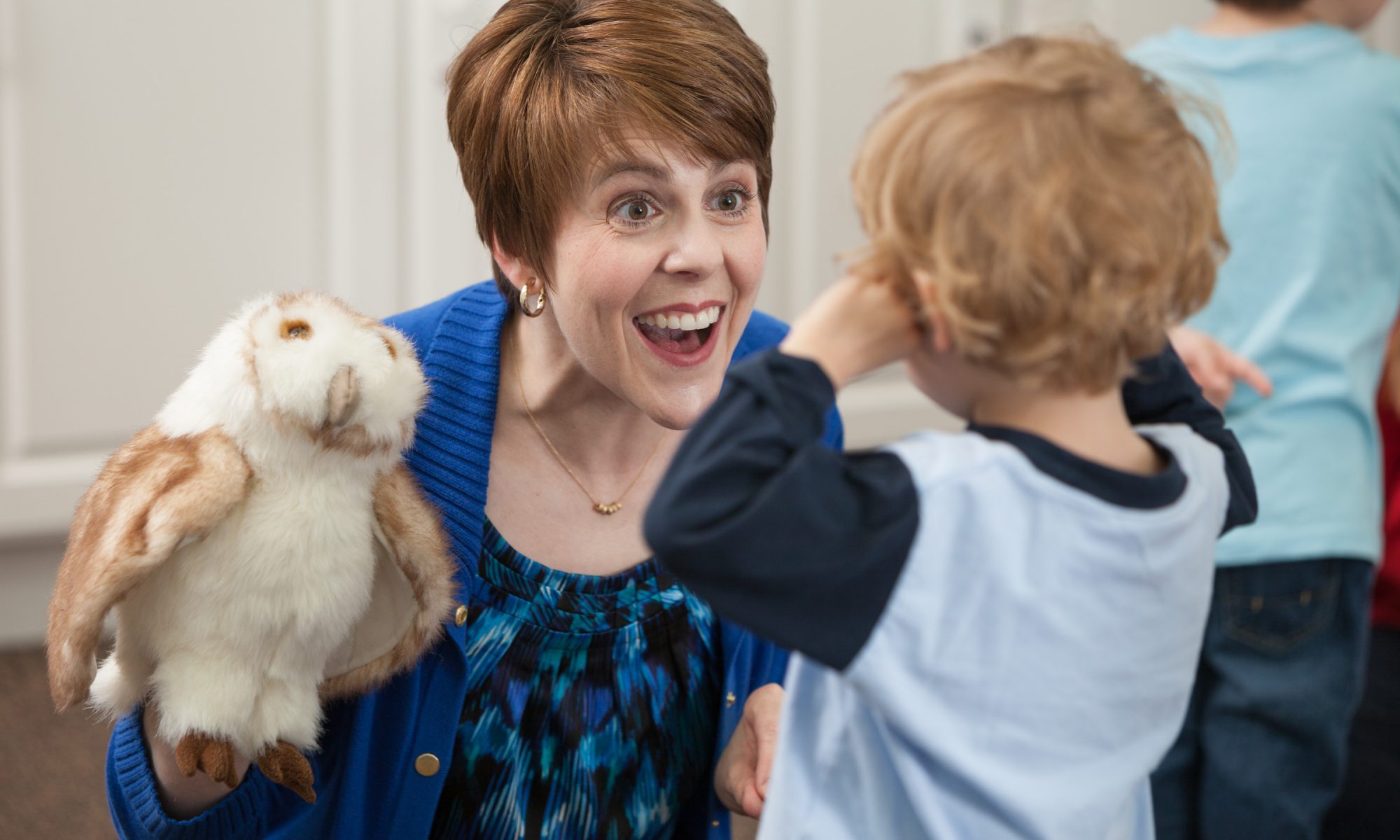

 Why do YOU teach Kindermusik? Share your reasons on the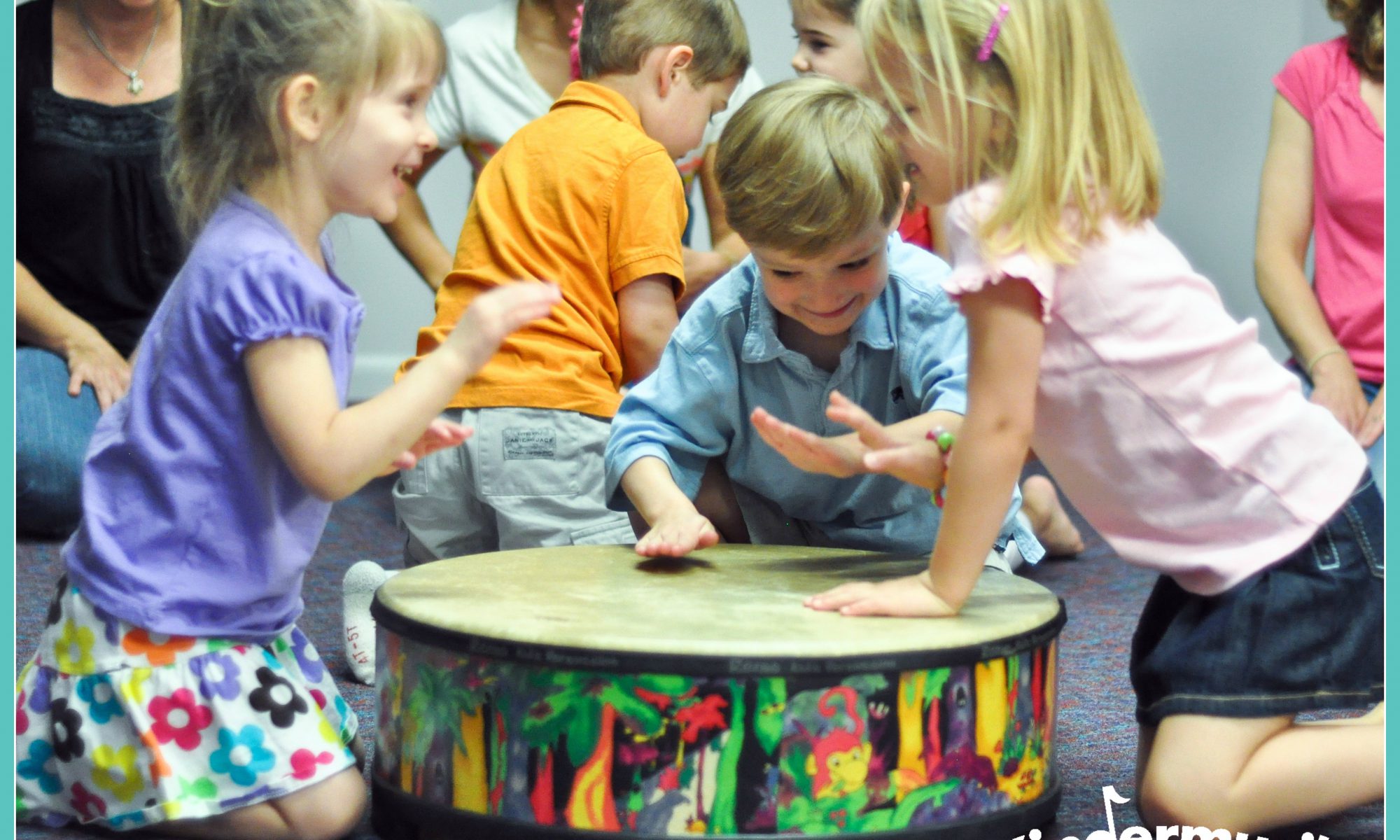
 home. We believe so strongly in the importance of creating a musical home that we provide the music, instruments, or other resources—like our
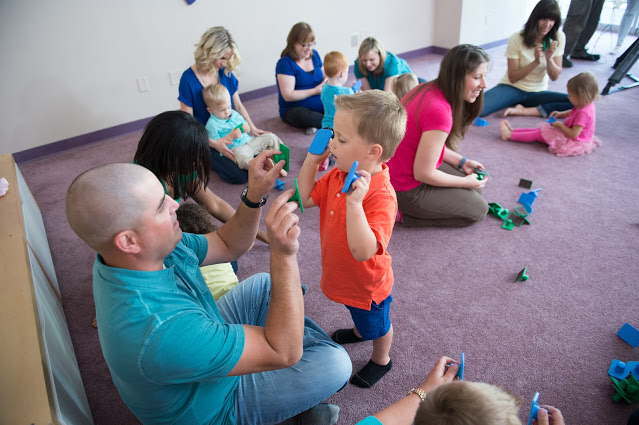
  This experiential environment where the learning process is shared by everyone in the group—including children, parents, and the teacher—is called “social constructivism.” For example, in each class a Kindermusik educator guides the class towards a learning objective, such as steady beat, timbre, or vocal play, with children as active participants in the learning process. Providing children with ample time to reflect, compare, make choices, express opinions and preferences, and engage in problem-solving activities together teaches children not only the lesson focus but it teaches them how to learn.
 Want to “play music” in a classroom with other families?
 For parents with young children, Life Balance is a mythical beast! A hammock gently swaying in a warm ocean breeze as you watch ships leave the harbor or the quiet creaking of a porch swing in the dappled afternoon sunlight can bring thoughts of a little Life Balance in an increasingly complex world. For parents of children under 2, however, the nursery glider moving back and forth at 10:16pm, 2:01am, and 5:34am might be the closest you can get to that beach or front porch. It can work in a pinch though!

