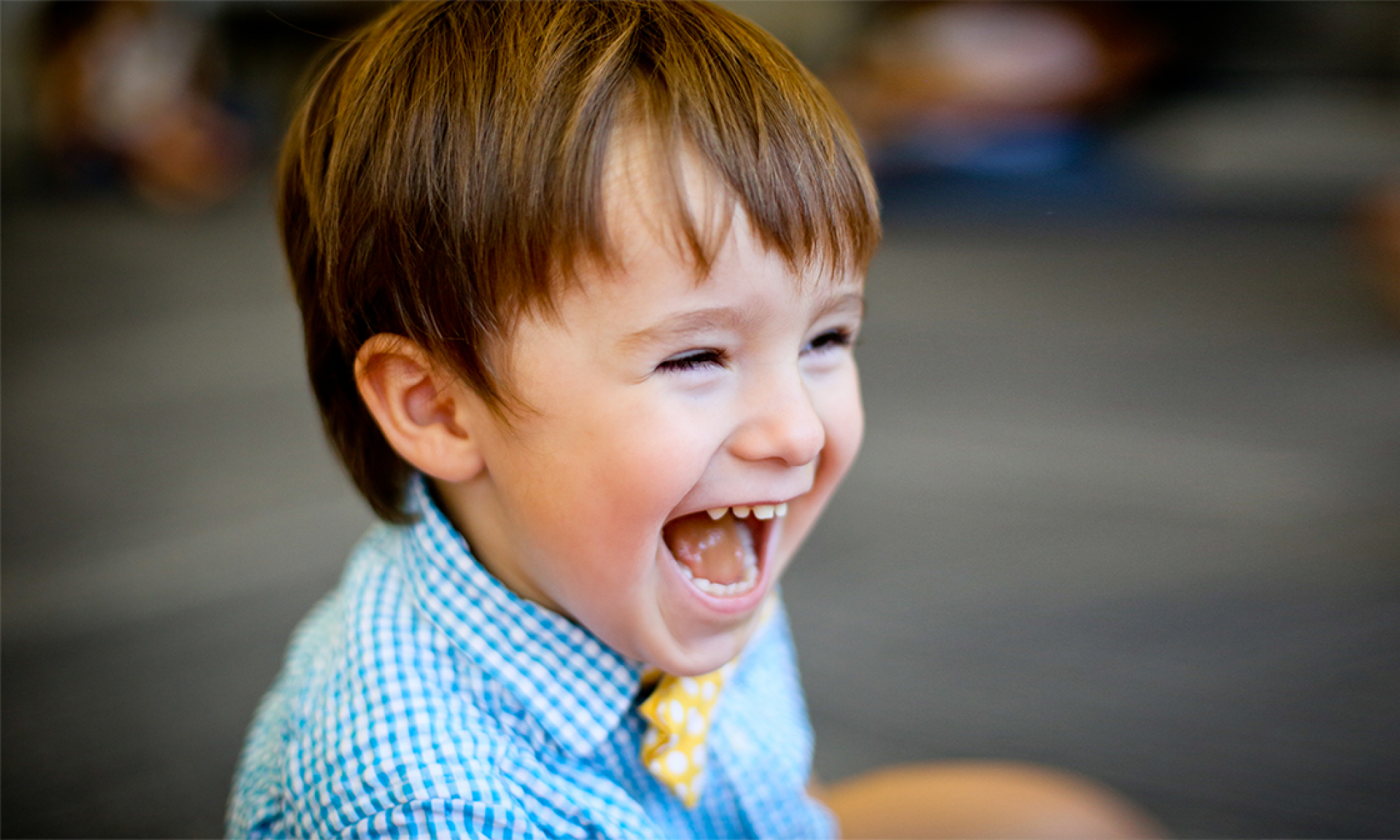

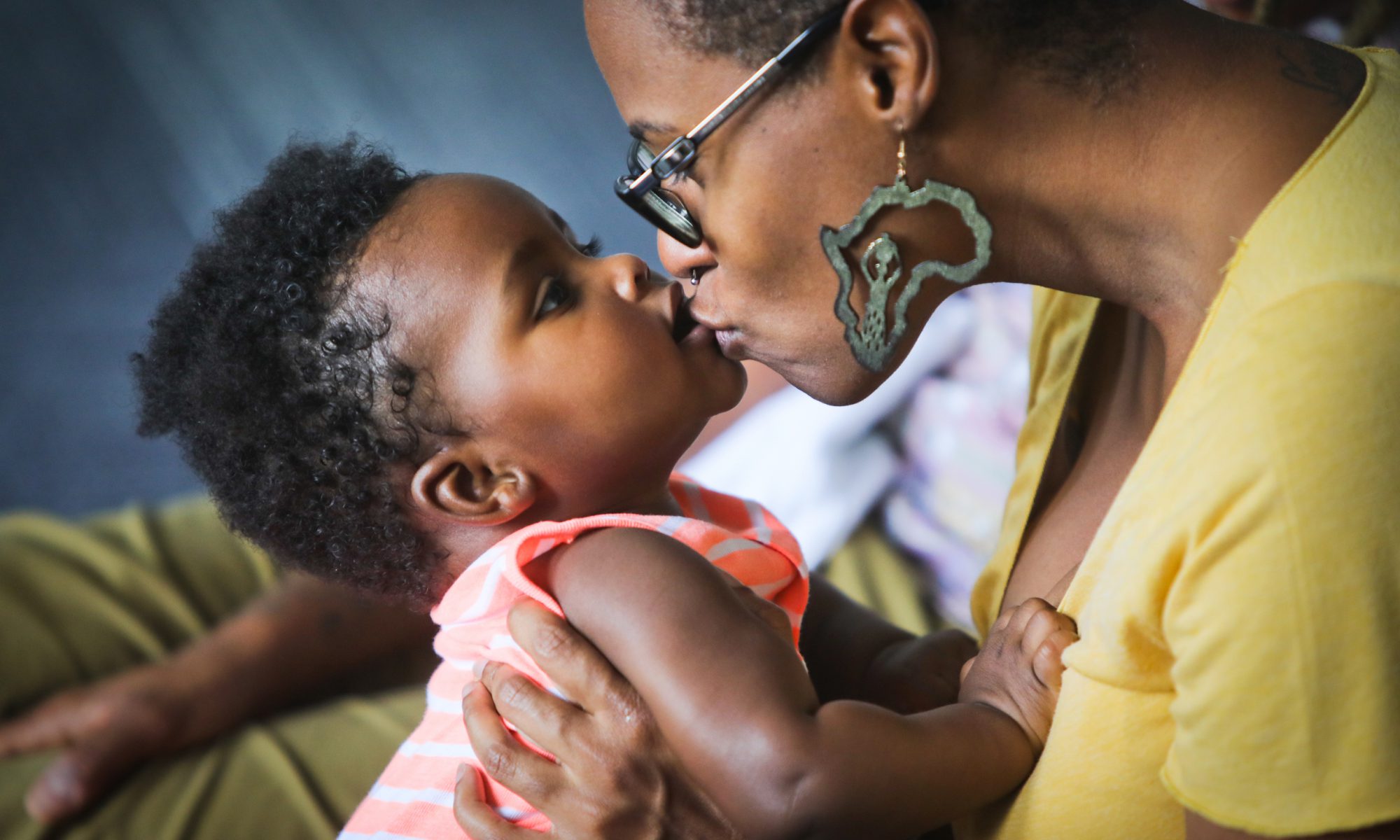
He’s so whiny. She’s a hitter. He cries non-stop. She can’t stop talking…if this sounds like your child(ren) or students, they’re not wild—they need help learning how to self-regulate.
When grownups are overstimulated or don’t get their way, we (usually) use tools like taking a deep breath or a walk to make sure we don’t lose it. When we self-regulate, we balance our nervous systems. That helps us access our prefrontal cortex, where logic lives.
When it comes to self-regulation in children, they’ve got two things working against them:
1) They’re born with biological tools to regulate their nervous systems, but they need practice and guidance to learn how to use them properly.
2) Their prefrontal cortex isn’t fully formed, so they need extra help to reach and dissect that logic.
Enter music!
Music is one of the BEST tools to help instill calm and promote self-regulation while combatting dysregulation.
What science says about music and self-regulation
We know that singing alone triggers a dopamine release and reduces cortisol, creating an ideal chemical balance for humans to reach a logical state.
Specifically for children, a West Chester University study examined behavior across 191 3-5-year olds, and found that those who received music intervention (in a shared music-making approach) showed greater inhibitory control.
So, in combination with what happens to us biologically, music is joyful, rewarding, and even more effective when shared. When we feel joy, especially when we feel it with someone, we want to experience it again.
Here are three 1:1 or group musical activities to help kids self-regulate.
Pat or tap to the beat.
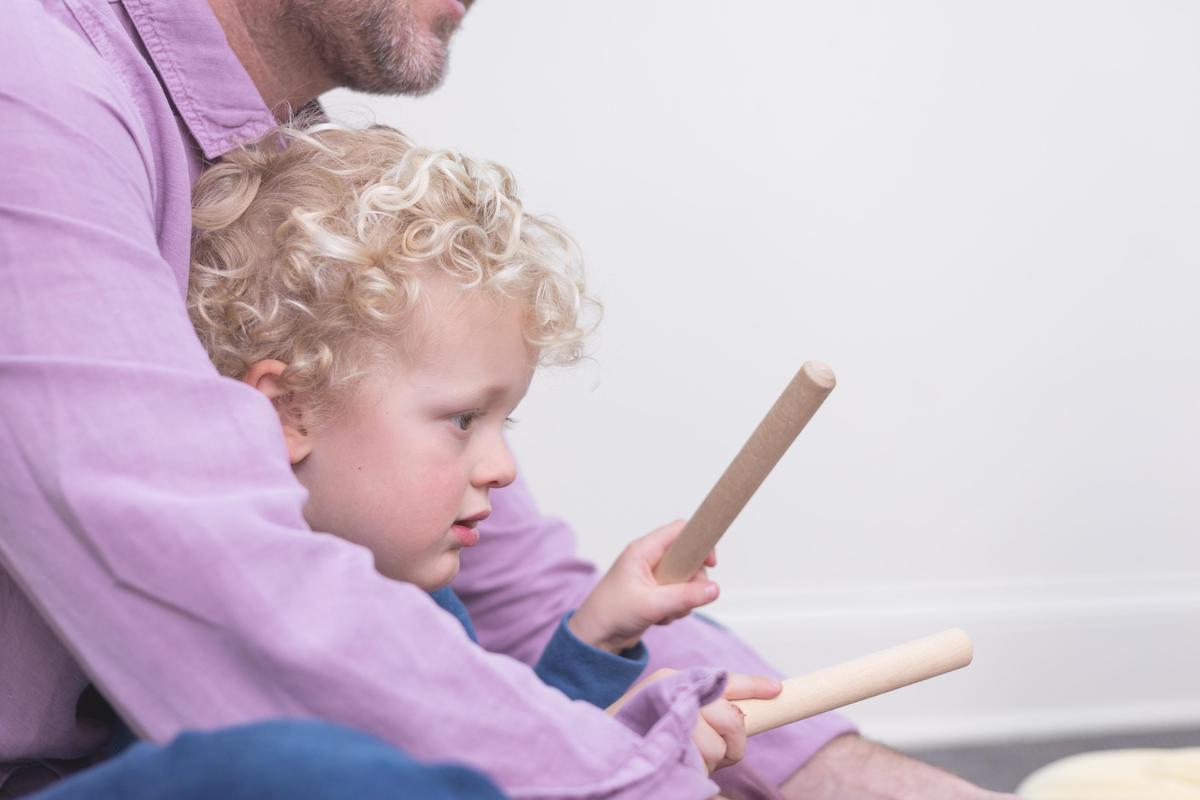
We’re all born with internal rhythm and subconsciously seek it. So, when we pat or tap to the beat, our body’s internal rhythms slow down or speed up to match it.
Rhythm patterns create predictability. Predictability creates safety. And safety creates balance.
Try “Hickory Dickory Dock” on the free Kindermusik App or play it below.
If you’ve got a tiny tot, bounce or pat them on their body to really help them feel the beat. Older toddlers and preschoolers might like a wooden spoon and a pot to play to the beat themselves!
Find a calm song, sing, and sway.
Research tells us singing calms babies twice as long as talking. So, singing to babies is a no-brainer, but it really captures the attention of all children faster.
And moving to the music simultaneously slows the heart rate and works hard to balance our nervous systems.
Try “All through the Night” on the free Kindermusik App or play it below.
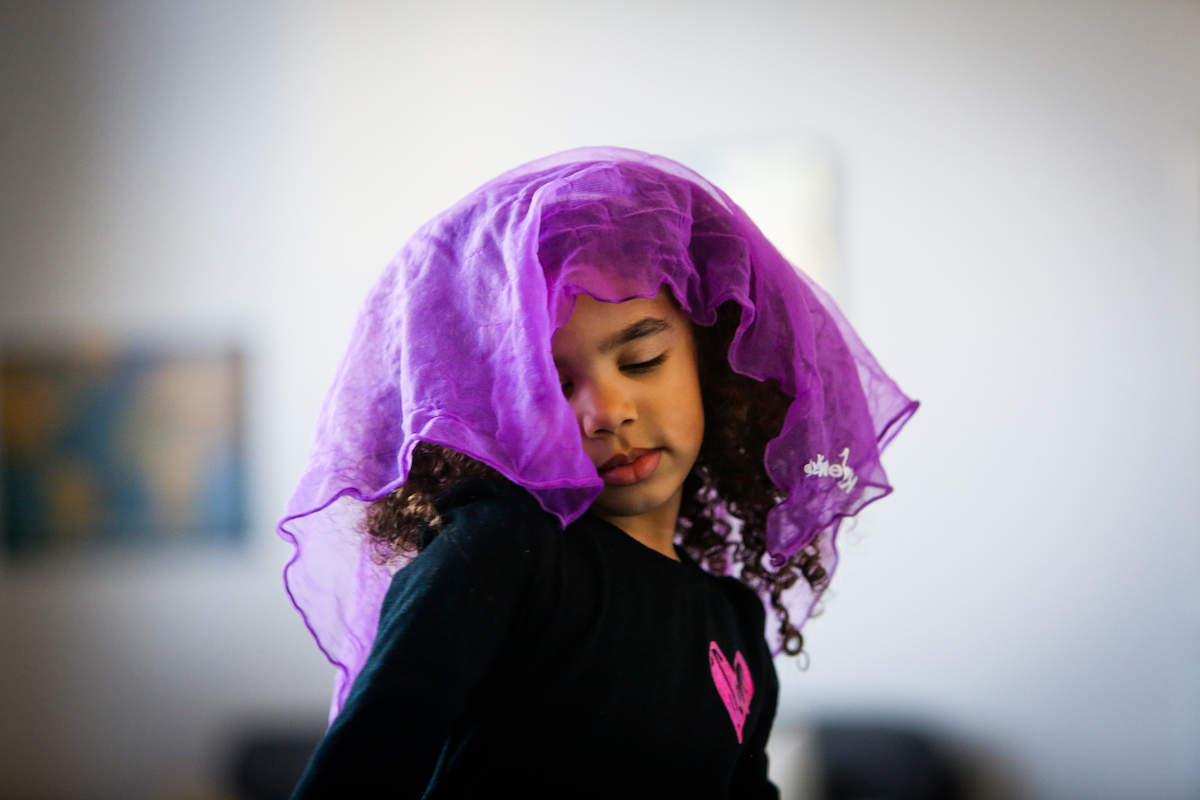
For babies and young toddlers, hold them and rock or sway gently as the song plays. For older toddlers and kiddos who might not want to be coddled, give them a prop to spark imagination. Lightweight scarves, dish towels, or a pillow case are perfect options!
Dance in sync.
When we’re in unity—like following dance steps together—our boundaries soften, our sense of belonging increases, and our communication is stronger. It’s the same for children!
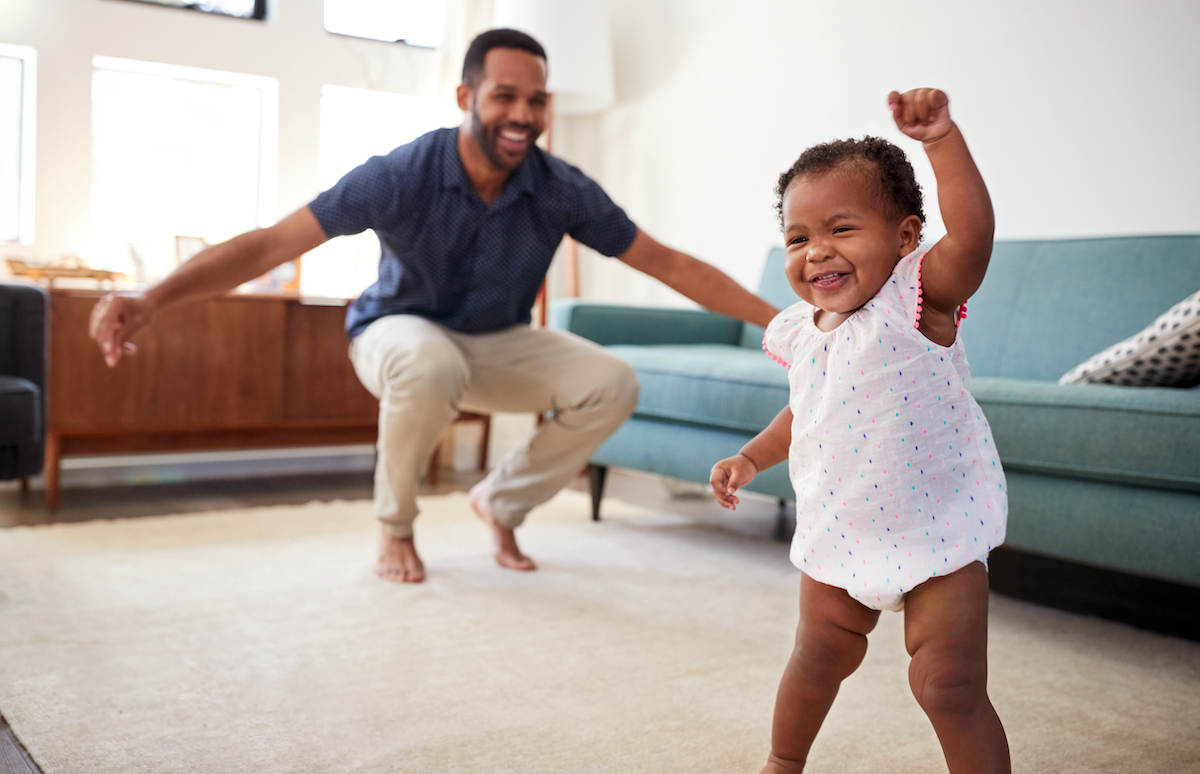
Remember the song “Teddy Bear”?
Teddy Bear, Teddy Bear turn around
Teddy Bear, Teddy Bear touch the ground…
Stream it on Kindermusik’s app or play below, and watch focus, active listening, and giggles change the mood. For babies and pre-walkers, simply hold them while you do the steps. They’ll still feel the power and safety of moving with you.
Children learn to self-regulate gradually.
Self-regulation develops over time, so it is definitely a process. Our job as grownups is to help find the tools that connect with their brains and bodies, and because music touches everything from our internal rhythms to our emotions, it’s a great place to start.
Want more musical self-regulation tools? Find a Kindermusik class near you or check out our classroom kits for teachers.