What Makes Kindermusik So Compelling to Children

Children

It’s More Than Just Instruments!

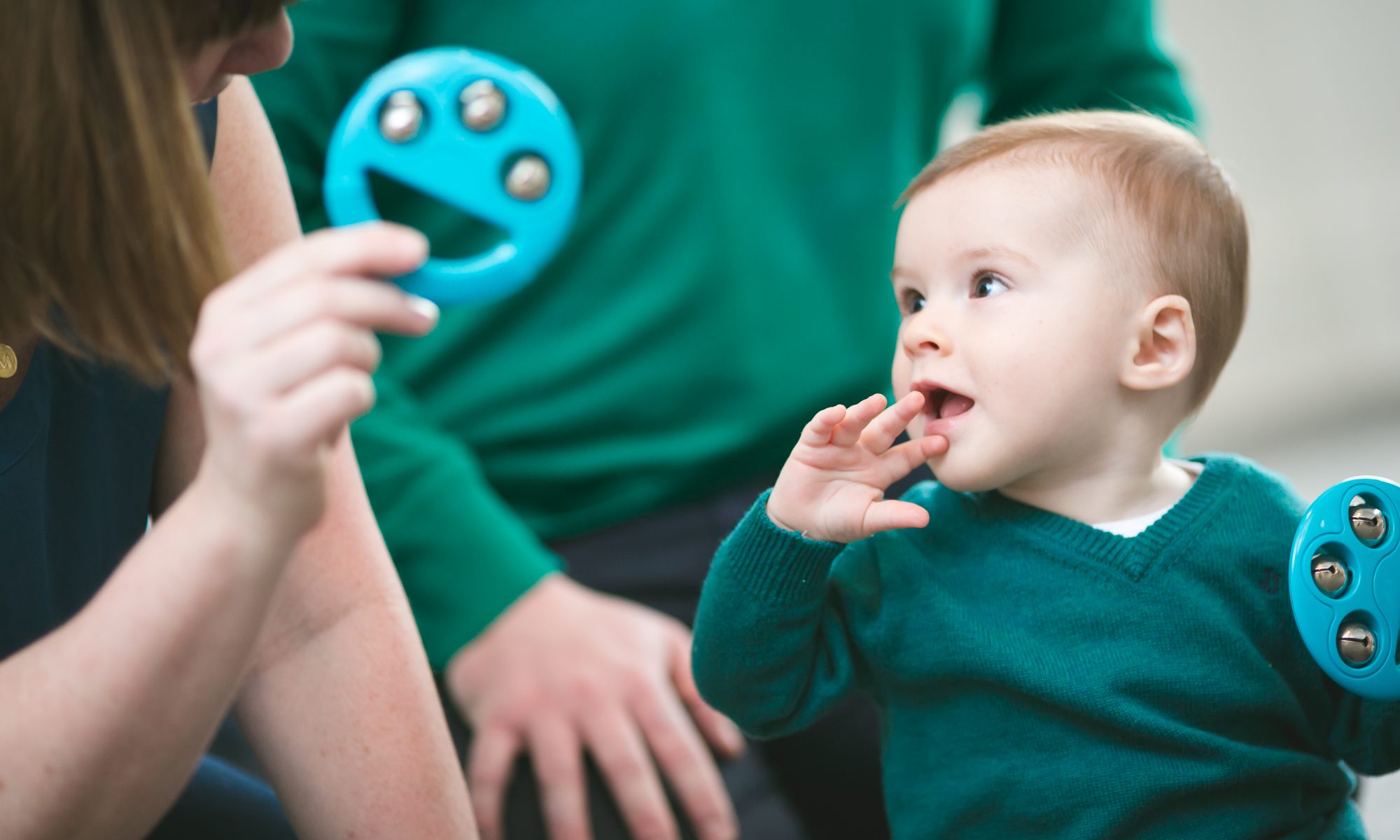
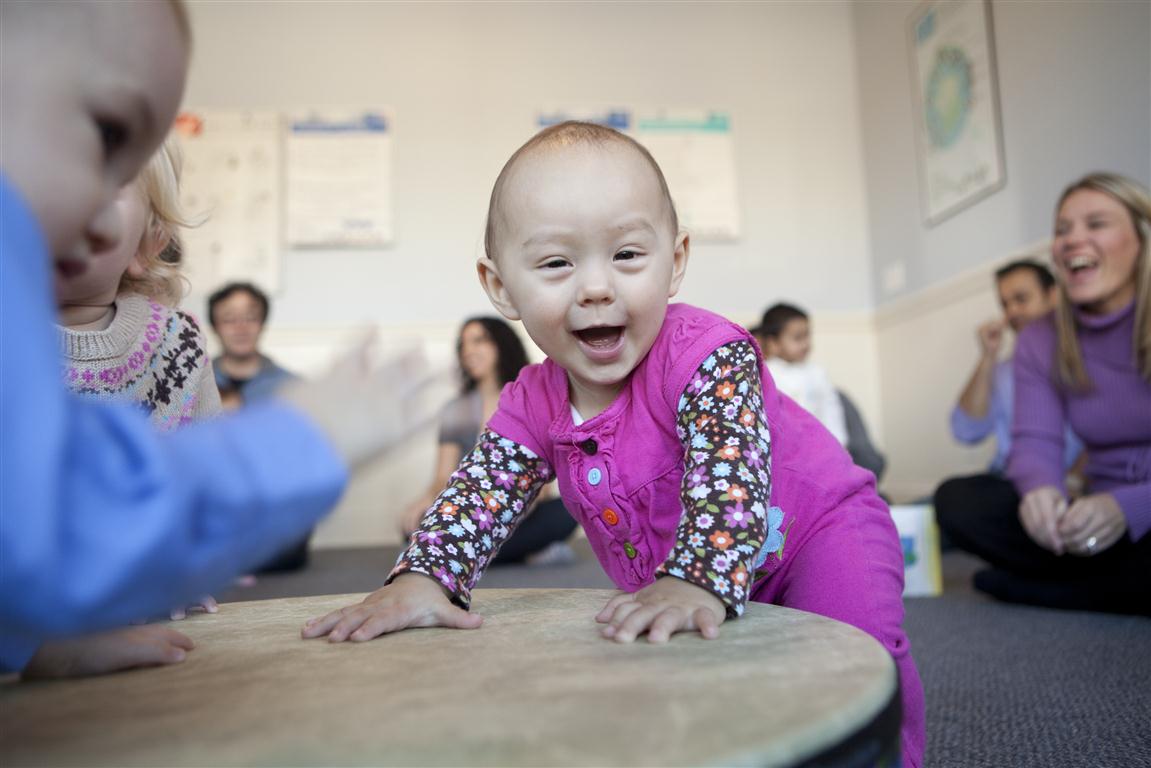
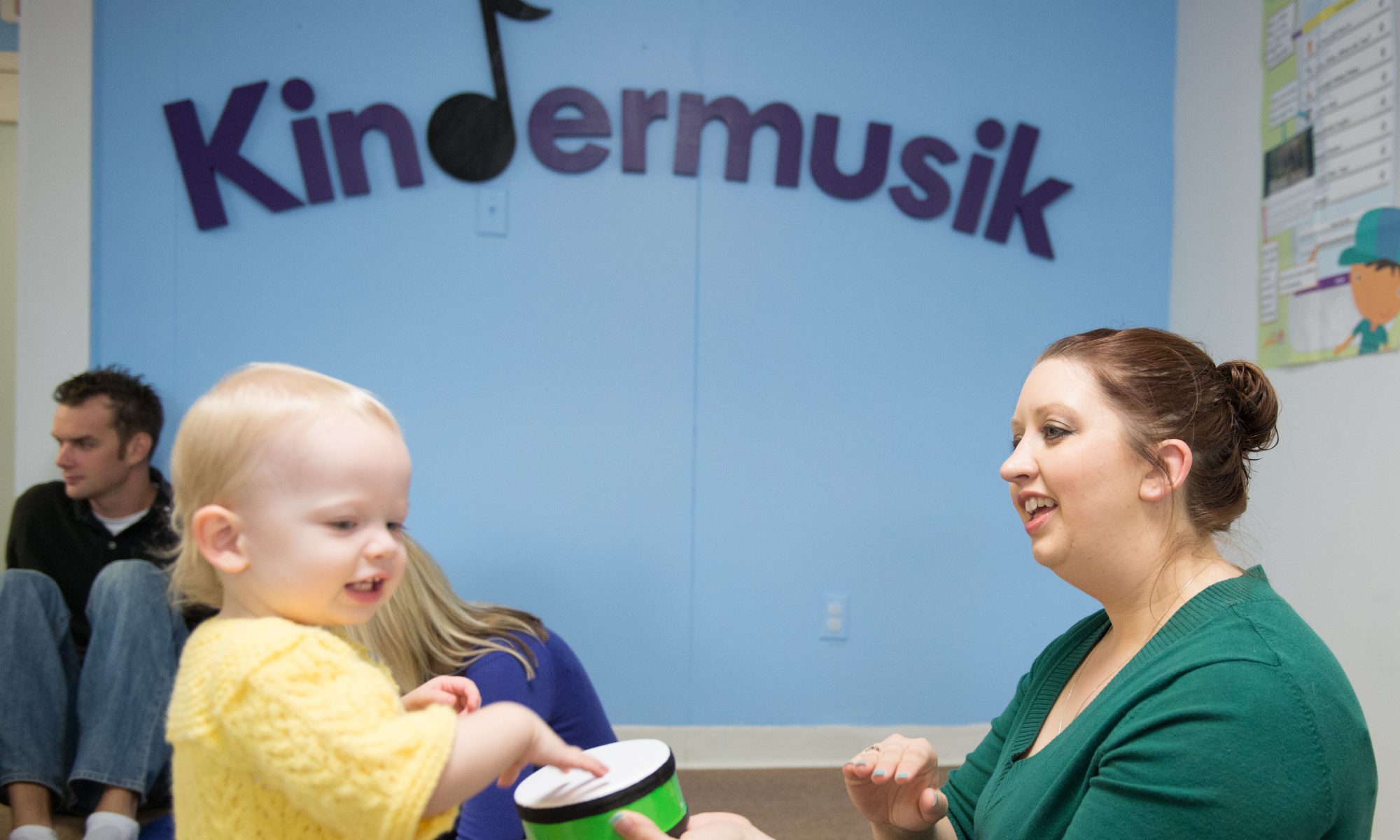
It’s the cutest thing to watch even a very young baby’s first responses to music and being in a Kindermusik class.  As Kindermusik educators, we have the incredible privilege of observing these young children very closely so that we can most effectively adapt and personalize the activities we teach in our Kindermusik classes.  What we have come to know about how and why Kindermusik resonates with children so strongly might surprise you.  It really is about more than just the instruments… though they do take great delight in the bells, drums, and egg shakers!

children
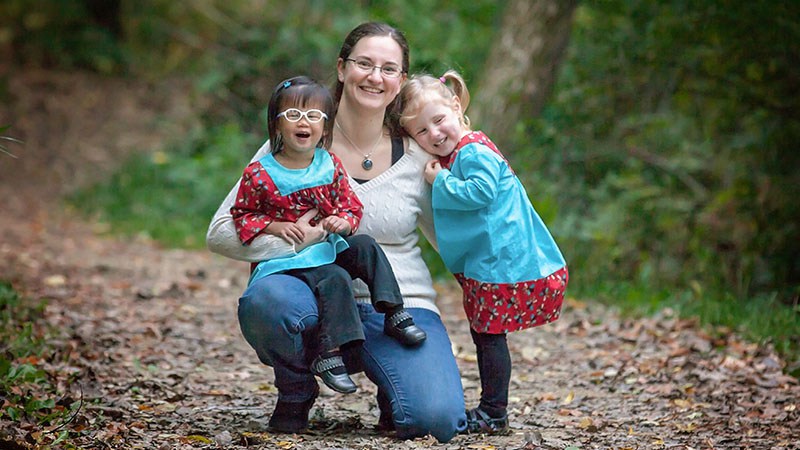
Photographed by Thomas | © 2016 TK Photography | www.tkphotographychicago.com

Children Love the Predictable Routines in Kindermusik

Kindermusik classes are purposely designed to have a predictably comfortable flow of activities in every lesson, although there are always happy surprises and new challenges along with the repeated activities.  The routines help children feel secure, because they know what to expect, and the new things not only help keep their brains firing and making new learning connections, but also add to the excitement and joy that fills every class.

Children
Photographed by Thomas | © 2016 TK Photography | www.tkphotographychicago.com

Children Thrive on the Musical Bonding with Their Grown-ups

Ask any empty nester, and they’ll tell you wistfully that those early years go by oh-too-quickly.  So while the children absolutely adore the together time and common experience of Kindermusik with their favorite grown-up, Kindermusik gives the adults in class a chance to linger in the precious moments of early childhood just a little bit longer.  The shared memories of class time become an integral part of the happy memories of childhood.

Children Blossom as They Gain Confidence in a Group Class Setting

The beautiful thing about a Kindermusik class is the mix – the mix of personalities, learning styles, and ages in any given level.  Quieter children learn from the more outgoing children.  Visual learners become more willing to explore alongside their physically interactive peers.  Older children unconsciously take on the role as leader when the younger children move up to their same level.

Children Benefit from the Social Elements of Kindermusik class.

Even if children cannot put it into words, making friends and gaining life skills through the social interactions in every Kindermusik class are a big part of why they look forward to each weekly class.  It’s truly a beautiful thing to see many children start in Kindermusik as babies and then go on to graduate from Kindermusik together.

Every child who participates in Kindermusik classes on a consistent basis will unquestionably be a more musical, well-rounded, confident child.  But it’s really what happens in their hearts and minds as a result of being in Kindermusik that creates such a compelling, lasting, memorable, and delightful experience for them…and for their grown-ups.


Shared by Theresa Case who has loved bringing children and families together for over 20 years now in her award-winning Kindermusik program at Piano Central Studios in beautiful upstate South Carolina.

Book Review: Giraffes Can’t Dance

Book Review

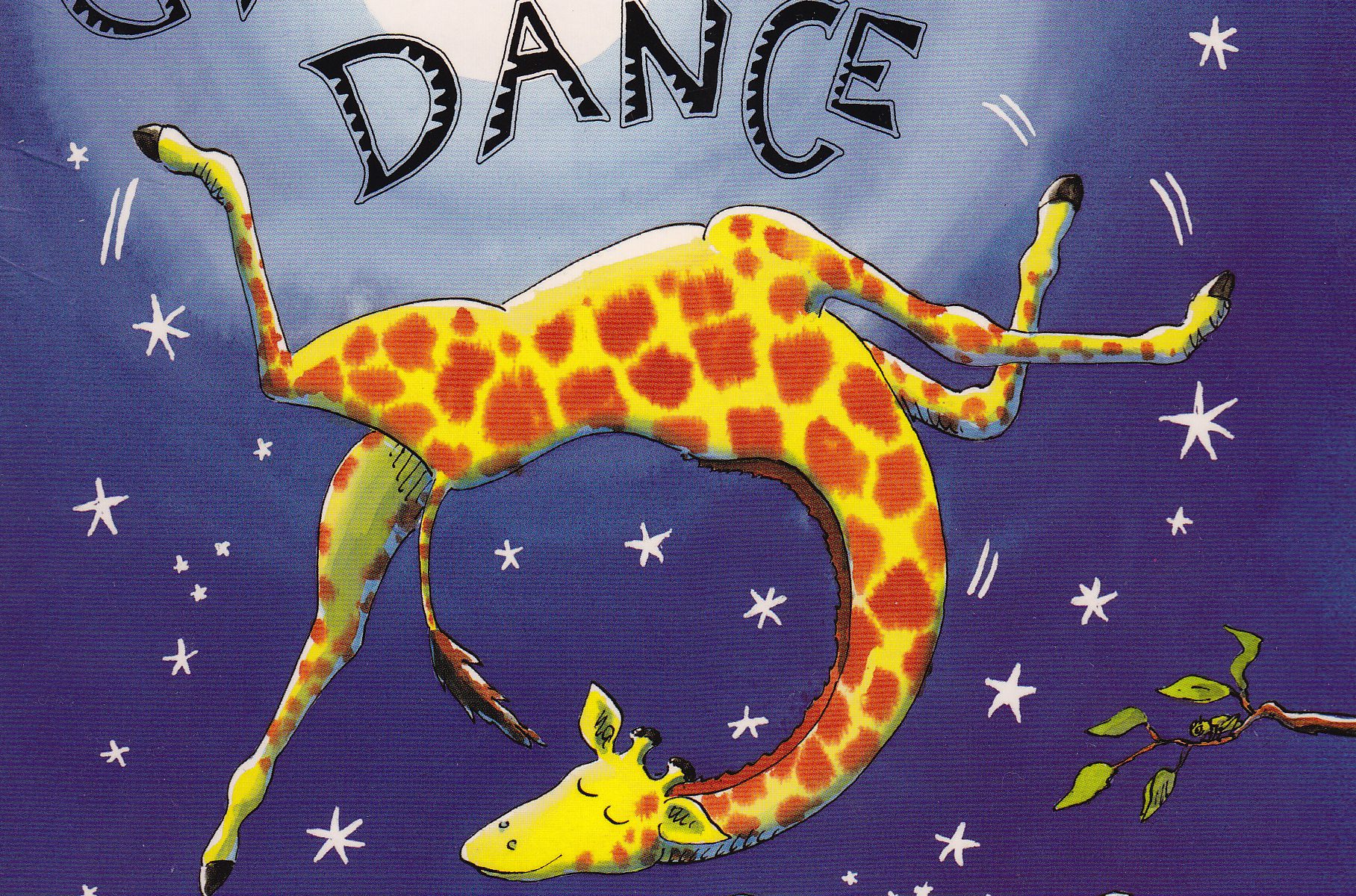
In this touching and triumphant rhyme of a story, we meet Gerald, a giraffe who sadly believes what the other animals have always told him – that giraffes can’t dance.  His legs are too long, his neck is too skinny, and his knees are too crooked.

“Hey, look at clumsy Gerald,”
the animals all sneered.
“Giraffes can’t dance, you silly fool!
Oh, Gerald, you’re so weird.”

He leaves the Jungle Dance in utter defeat until his path crosses with an insightful little violin-playing cricket who offers a different perspective… and a solution.

“Excuse me!” coughed a cricket
who’d seen Gerald earlier on.
“But sometimes when you’re different
you just need a different song.”

The compassionate cricket begins playing his violin and suddenly, Gerald realizes… he is DANCING!  Soon the other animals gather round and witness the incredible transformation.  Animals who before scoffed and taunted are now applauding Gerald as the “best dancer that we’ve ever, ever seen!”  As Gerald finishes his dance with a flourish, he says, “We can all dance… when we find music that we love.”

In other words, we are all unique and have something special we can do – which sometimes is something that others don’t expect or think we can do.  But all we need is a little confidence and encouragement.

book reviewWith vibrant illustrations by Guy Parker-Rees and an engagingly lilting rhyme written by author Giles Andreae, Giraffes Can’t Dance engages the reader from the very first page and then tugs at the heartstrings because of the teasing and bullying that Gerald endures.  It’s available in hardcover, paperback, and audiobook formats. This is a lovely story not only to teach children the power of words, but also other important life lessons like helping others, kindness, resilience, acceptance, empathy, and compassion.


This review was contributed by Theresa Case whose award-winning Kindermusik program has been making a difference in the lives of upstate South Carolina children and families for nearly 25 years now.

The Justa Syndrome

Justa Syndrome

[vc_row][vc_column][vc_column_text]Pep talk time. In the past two days, I have had two separate interactions with people in my life that reminded me of something many of us will face at some point or another. I call it the “Justa Syndrome.” Our kids will probably face it, too. And if we don’t know how to deal with it, it’s going to be hard to help them work through it.

“So…what is it, Dr. Boyle?” I hear you asking through the fiber-optics and wireless signals of the internet.

I’ll tell you…[/vc_column_text][/vc_column][/vc_row][vc_row][vc_column][vc_column_text]

I’m Just a Music Teacher

Interaction #1 is what reminded me of the Justa Syndrome. It sneaks up on you in quiet moments, often when you are doing busy work. Or perhaps you’re riding an elevator, surrounded by other humans, but remaining in relative silence. It’s that sudden (or maybe even constant) thought that what you do (or even who you are) is somehow not enough. This happens often in our field – when asked, a music teacher might say “I’m just a music teacher,” especially if they might not be performing as part of their career.

A friend and colleague emailed me about one of our alums who is out doing her thing. She had just gotten a new post as an organist and had let several of us know. My friend is one of the biggest cheerleaders our students have. He reminded me that he gets “annoyed at those who would say, ‘I’m JUST an elementary/junior high/private music teacher.'”

JUST? He answers that question with, “What do you mean, you’re JUST…Do you realize the impact you have on those students? You may be giving them the only lasting relationship that they have with music!”

He’s right, of course. But it goes beyond our field. Everyone can take pride in the work they do. We all contribute to the whole.

And if you are reading this blog, I assume you probably have a child, maybe more than one. Maybe you are a grandparent or an aunt. Maybe you are a caregiver. When the Justa Syndrome sneaks up on you, remember this friends…you are EVERYTHING to that child. When you love a child unconditionally, when you tuck them in at night with a kiss, when you wake them up in the morning with a smile, when you hug them when they are hurting and laugh with them when they are silly, you are their sun and moon. They trust you in all things. You are never “just” an anything. You are their light in the dark.[/vc_column_text][/vc_column][/vc_row][vc_row][vc_column][vc_column_text]

Just a Kid

Guess who is even more susceptible to the Justa Syndrome? KIDS! How often have you heard, “I can’t do that. I’m just a kid.” Now…what doesn’t help this is that there certainly are things that kids can’t and shouldn’t do. I don’t want my five-year-old nephew flying my plane…but we could PRETEND to fly or make some paper airplanes! I don’t want my neighbor’s three-year-old daughter operating a jack hammer…but we could get some blocks and build something, then knock it down with glee! We can be portals of possibility for our kids. We can show them the world and all its wonder. We can remind them that they are wondrously made, with a built-in compass that points to the possible. We just have to guide them to age-appropriate possibilities.[/vc_column_text][/vc_column][/vc_row][vc_row][vc_column][blockquote cite=”Dr. Boyle”]”We can be portals of possibility for our kids.”[/blockquote][/vc_column][/vc_row][vc_row][vc_column][vc_column_text]

The Enemy of “Justa” is “Trust”

When I work with private voice students and I notice that they are carrying unnecessary tension in the body or the voice, I have them move. I tell them, “The enemy of tension is movement!” As they move about the studio, the tension dissipates and the voice becomes free and easy.

When a child looks inward and says “I’m just a kid. I can’t do that”, to be that portal of possibility, to point the way to something they can do, there must be a beautiful sense of trust between you and that child. That flows from the unconditional love we all have for the kids in our lives. If the child knows you love them, they will trust you. And when you say, “well, it might be hard to do that now, but I bet we could try this!”…they will be more likely to believe you and believe in their own possibilities.[/vc_column_text][/vc_column][/vc_row][vc_row][vc_column][vc_column_text]

Just Not Ready

Interaction #2 was with one of my private voice students here at my university. She’s a senior and one of the hardest working people I know. She’s organized, respected by her peers and the faculty, and is a joy to teach. This past lesson, I started the way I always do – I asked how she was doing. She started with “It’s okay. I mean, everything is happening so quickly…” and she broke down in tears. This happens more than you’d think, and I keep a stock of tissues for this reason. The relationship between private voice teacher and student is a special one. Our students tend to be more open with us.

I asked her to sit down and handed her the box of tissues. She expressed that she “just didn’t feel ready” for what was coming – the real world.

Normal. I wake up somedays and have that feeling. We are human.

This is a variation of the Justa Syndrome – that feeling of inadequacy.

I needed to remind her of a few things.

“Do you remember coming here as a freshman from high school?

“Yes,” she said.

“And did it feel similar to this, heading into the unknown?”

“Yes!”

Normal.

“Now,” I said, “when you came here, you knew nothing about your chosen field. You were facing several years of new information. It’s completely normal to feel this way right now, but I want to give you some perspective. You are leaving here with four years of accumulated knowledge that you have successfully applied in class, on tests and quizzes, in-field experiences, and now, as an upper-class student who all the other students look up to. Your professors are proud of the work you have done. Your family is proud of you, too. I’ve seen the look in their eyes. We are all in your corner rooting for you. And while it feels overwhelming…I know you are ready. You are more than good enough. You’re you.”

She smiled. “I hadn’t thought about it like that.”

No matter who we are, no matter how old we are or what we do, we will have Justa Syndrome moments. Each of us has opportunities to positively impact others, through our work, through our daily lives, through our relationships. If you made someone smile today, if you held a door open for someone or picked up a piece of trash on the sidewalk, or if you made the life of a child brighter and fuller with love, then you are not “justa” anything. You are you.

And that’s everything.[/vc_column_text][/vc_column][/vc_row]
Building Community Through Music

Building community

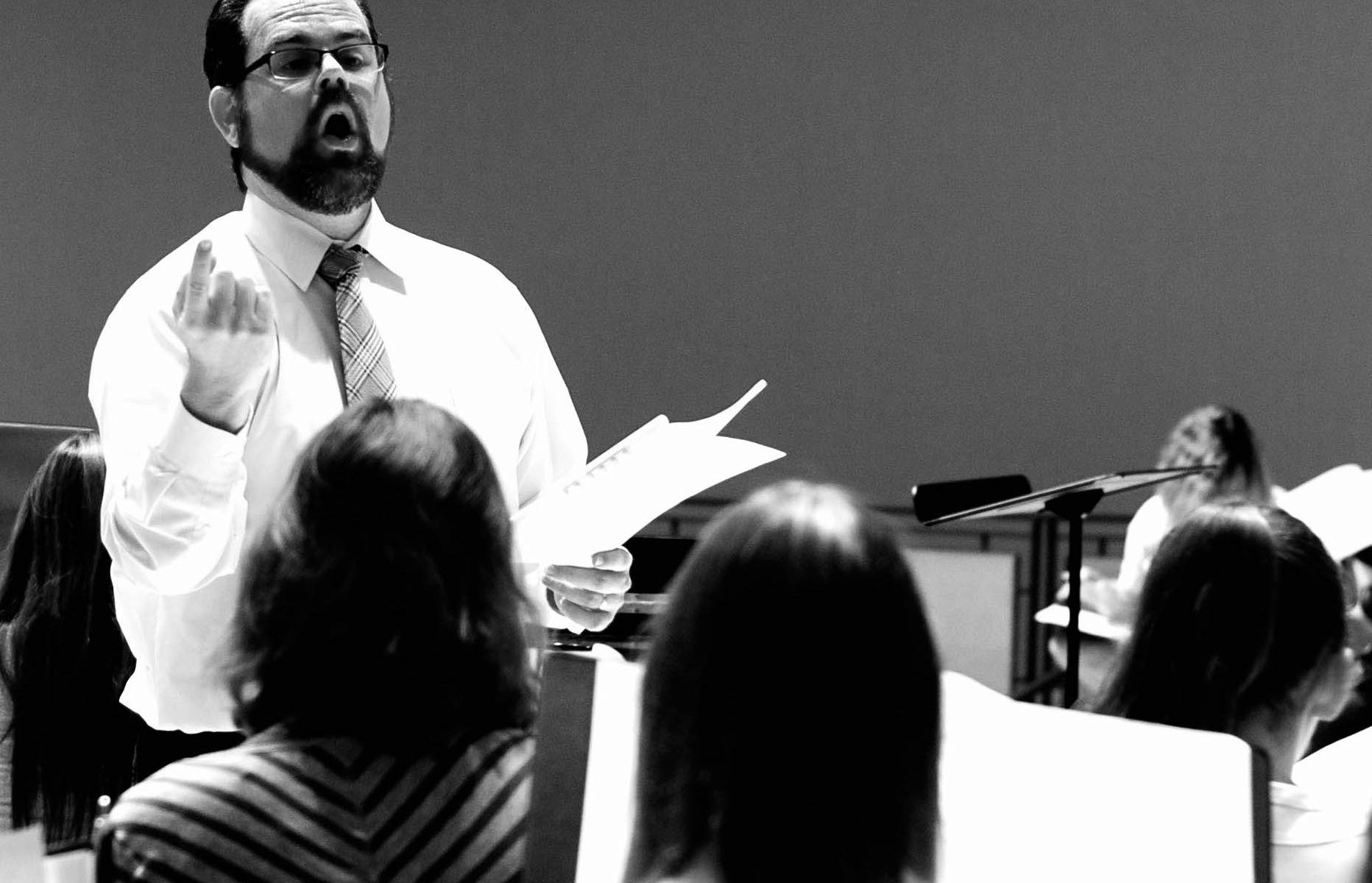
I travel quite a lot as a conductor. I guest conduct choral festivals in various locations as a part of my musical life. Last month, I found myself working with the New Jersey Treble All-State Choir, an ensemble made up of high school sopranos and altos. These types of festivals are always exciting for me. There’s something special about conducting a group that will only exist for a very short period of time. After the performance is over, that ensemble will never exist again. For this choir, people come from high schools all over New Jersey to make music with strangers. One of the things I always focus on is building a community in the ensemble, even for the brief time they are together – because an ensemble that has a sense of community about it will always make more meaningful music. This is directly related to the emotional and social benefits found in a Kindermusik class

Connections

To be bold, building that sense of community is actually more important to me than the music; particularly at first. The ensemble won’t trust me just because I was selected by a committee and have fancy letters after my name. I work hard to prove to them that I am there for them as people first, musicians second. I do my best to connect to each person – all 150 or them – in some meaningful way, even if it’s only for a second. This often takes the form of standing at the door and greeting each person with a handshake and asking their name. I might walk through the rows of singers and do the same.

As we move from piece to piece, I often ask the musicians to turn to their neighbor behind or in front of them (this will prevent students from the same school as the default interaction as they often sit next to each other) and share something about themselves that makes them proud or that makes them smile. This breaks down walls and starts to build simple, but powerful connections between the singers.

Purpose

I admit, I talk a lot in rehearsal. I certainly talk less now than I did when I was younger, but I do still talk quite a bit. We talk about the text of the music and what it means for us and our audience. We talk about composer’s intent. We talk about what our job as musicians is…what our purpose is. Put plainly, I tell the students that it’s our job to change lives for the better. It’s our job to make people feel something. To give the audience a shared experience. That is difficult to do without a unified sense of the music we make. I ask questions. I encourage mistakes…bold mistakes…mistakes to be celebrated. I tell them that the person who makes no mistakes makes nothing. I do my level-headed best to create an environment of possibility in which we can learn from a mistake and not be embarrassed by it.

When the rehearsal starts, the very first thing we do is sing. That’s our practical task at hand. Our purpose is to enrich each other’s lives with the shared experience of music, thereby enriching the lives of our audience. “The person who makes no mistakes makes nothing.”

Community
Choral singers holding hands…building on that sense of family and community.

Music’s Magic

I talk about this a great deal on this blog. There certainly is a ton of science that tells us, as best it can, why music affects us the way it does. We talk about that, too; it’s important to know that information. But, as silly as it might be, I fully embrace Albus Dumbledore’s take on music, so beautifully stated in Harry Potter and the Sorcerer’s Stone:

“Ah, music,” he said, wiping his eyes. “A magic beyond all we do here!”

It is magic. A roomful of singers who have never made music together smile at the wonder of it all. They feel the connection, almost instantly. Kindred spirits from different communities, ethnic backgrounds, faith experiences, and socio-economic groups coming together to sing, one of the purest forms of musical expression. Each singer finds their place rather quickly as we understand our common goal…to change lives.

We work hard for three and a half hours. I sweat like crazy (I’m quite active in rehearsal). We practice extravagant gratitude. I ask them to thank each other and thank our collaborative pianist. I ask them to thank their choral directors at their high school. I ask them to thank their parents and guardians. I ask them to feel proud of their work.

End Game

When we are done after this initial meeting, this first rehearsal, a new family has been created. A new community full of connections and shared purpose and magic has been born. Hopefully, they are looking forward to the next rehearsal, this opportunity to be together as that community to change lives, even each other’s lives.

One of the most important aspects of the Kindermusik experience is making music with other kiddos. The social/emotional benefits of this activity can’t be overstated. As kids see others engaged in an activity that brings themselves joy, the spark of connection lights a fire within. Emotional sensitivity for others is increased. The very idea of cooperative society blossoms in a Kindermusik class.

Our educators approach what they do in the same way I approach all my rehearsals…with love. It’s an honor to change a life with music. And every day we wake up knowing that’s what we get to do, we friends, that is a good day.

Halloween Book Review: Bats in the Band

Halloween Book Review

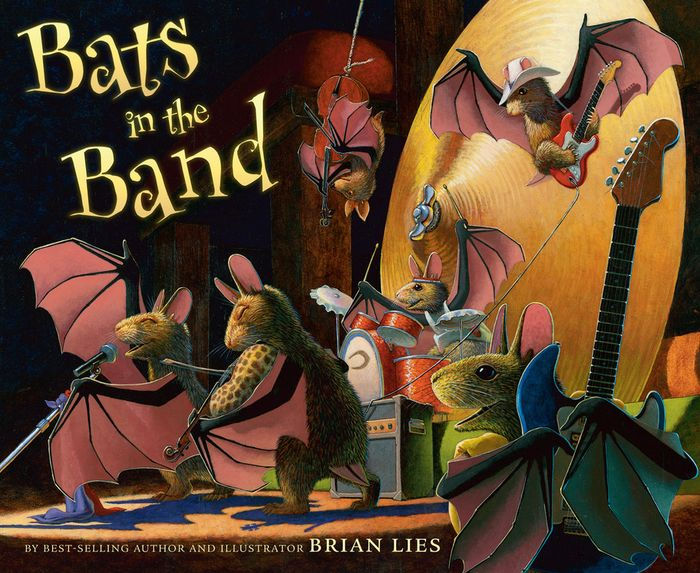
[vc_row][vc_column][vc_column_text]Bats in the Band, written and illustrated by Brian Lies, is published by Houghton Mifflin Harcourt and is available in digital (free for kindleunlimited members), hardcover, and audio formats.


[/vc_column_text][/vc_column][/vc_row][vc_row][vc_column][vc_column_text]

Bats and Music – What’s not to Love?

This. Book. Is. Everything. Educational? Check. Fun to read? Check. Beautiful illustrations? Check. A fun story? Check. But it’s so much more. As Mr. Lies says, “Come on – look alive!”

This isn’t just a rhyming children’s book about bats. It’s a book about musical bats! Musical bats of all types…choir bats, a bat string quartet, country singing bats…blues, rock and roll, you name it. There’s even a bat paying bagpipes and a “one-bat” band.[/vc_column_text][vc_column_text]I[/vc_column_text][vc_column_text]

Here's our one-bat band. Lies does make him look pretty tired while playing all those instruments!
Here’s our one-bat band. Lies does make him look pretty tired while playing all those instruments!

[/vc_column_text][/vc_column][/vc_row][vc_row][vc_column][vc_column_text]

Coming Together to Make Music

The Bats come from all over to make music in an old barn-like theatre. Vacated by humans, the bats take over late at night. I think my most favorite moment is when the bats are getting their instruments ready for the evening’s festivities.

Not every bat comes prepared, so Lies lovingly illustrates bats making due with various items – a spoon string bass, a comb harp, hairpin drumsticks, and even a straw for who knows what? Only the bat knows. This teaches kids that resourcefulness is a valuable skill to possess, and not just for bats! We in the Kindermusik world know you can make music with ANYTHING![/vc_column_text][vc_column_text]

Halloween Book Review
Music with spoons and straws, right along guitars and violins!

[/vc_column_text][/vc_column][/vc_row][vc_row][vc_column][vc_column_text]

Fun to Read, Fun to Listen, Fun to Look!

Lies provides a lyrical, rhyming text accompanied by fun illustrations that make the bats just a little less scary, even if it is Halloween. These flying creatures are often misunderstood, and Lies does much to normalize them! Bats in the Band is part of a series of Bat Books, including Bats at the Ballgame, Bats in the Library, and Bats at the Beach. As you might have guessed, we at Kindermusik are partial to the music-making bats![/vc_column_text][/vc_column][/vc_row]

Interview: Paige Hays and Brain Architecture

Paige Hays

[vc_row][vc_column][vc_column_text]

Stay tuned for an interview with Paige Hays, Occupational Therapist!


Paige HaysI am a licensed and registered occupational therapist with extensive experience and expertise in working with children with developmental needs. I have always been drawn to helping children. I starting building my knowledge and skills while an undergraduate student by studying behavioral therapy techniques and working with children on the autism spectrum using ABA therapy. I paired my undergraduate degree in psychology with a master’s of science in occupational therapy from Washington University in St. Louis. The combination of psychology (I love studying the brain and how it works) and occupational therapy (which focuses on functioning in daily life) has given me the basis to best help children and families.  My clinical experience ranges from infants through young adults. I’ve worked in school, in-patient, and out-patient settings. I’ve worked with children with most major developmental disabilities, as well as specializing in children with rare disorders or complex medical needs. I provide care that integrates several therapeutic approaches: behavioral, developmental, sensory, cognitive, and neuro-developmental, with a focus on providing evidence-based interventions for families and children. My areas of expertise include executive functioning in children, behavior management, and neuro-developmental treatment (I completed the Pediatric Neurodevelopment Treatment training program in 2012). My wide range of clinical experience allows me to assist children with a variety of needs and children with multiple areas of needs.[/vc_column_text][/vc_column][/vc_row]
6 Reasons Music Supports Child Mental Health

music as medicine

Until recently, “mental health” strides were mostly focused on adults and sometimes older teens, but children were largely excluded from calls to action. The truth is, the need to support positive child mental health begins at birth—a strong social-emotional balance affects everything from language development to motor skills, and music is one of the most cost-effective and easily accessible mental health boosters out there.  Let’s explore a few of the many reasons why music is so good for our minds, bodies, and hearts.

Music Increases Dopamine Levels

Dopamine is a chemical in the brain that affects our emotions, behavior, attention, learning, feelings of pleasure and pain, and even our movements.  Research studies have demonstrated that listening to music can increase dopamine levels significantly, providing a documented link between the enjoyment of music and our overall well-being.

Music Provides an Outlet for Self-expression

The famous quote by Hans Christian Andersen says it best, “Where words fail, music speaks.” Music helps even the youngest children process new emotions and gives them a way to express those feelings safely.  And when it comes to grownups, we often need to re-set how we regulate our own emotions when caring for children—music helps!

Music makes us smile!

Music Can Help us Relax

In our fast-paced, busy lives, we all need to deliberately make time to just relax and do nothing.  This is especially true for young children and precisely why our Kindermusik curriculum includes listening and quiet time activities.

Check out Kindermusik’s Relaxation playlist on the free app for some ideal quiet time music! 

Music Can Enhance our Ability to Focus

Sometimes tired or distracted minds just need a little boost, and the right kind of music can do just that.  Classical music and music with no lyrics playing softly in the background does wonders for increasing attention span and improving the brain’s processing efficiency.

Music Connects us with Others

Shared musical experiences, from playing pots and pans in the kitchen to a Kindermusik class, brings people together and creates opportunities for meaningful social interaction.  For example, we use “Meet-and-Greet” circle dances and songs to build a strong sense of friendship and belonging.

Music Motivates Us

Have a child(ren) that’s often too tired for morning or bedtime routines? Aside from starting a little earlier, turn on some appropriate music for that little boost of energy they need (check out our free Rituals Album in the Kindermusik app!) and to make those unwanted tasks a little less daunting. 

The bottom line?  Music is a natural enhancement to positive child mental health! 

It has the power to soothe, inspire, energize, and so much more. 

For more musical mental health tips, join a class near you or check out our audio-led kits for early childhood professionals. 

This post was originally authored by Theresa Case, Accredited Kindermusik Educator and owner of Piano Central Studios in Greenville, SC. 

How Music Affects your Mood and your Mind

Music and mood

With over 30 years of observing children and adults in the Kindermusik classroom, we know from experience that music has a huge effect on the emotions. Science and research continue to affirm what we also suspect, and that is that music can significantly impact cognition as well – in the early years and later in life as we age.

And so we find articles like Music & the Brain: The Fascinating Ways Music Affects Your Mood and Mind to be very intriguing and incredibly confirming of the wonderful benefits of being enrolled in a music program like Kindermusik.  The author of the article, Barry Goldstein, points out four ways that consistent participation in a “…musical program can target and enhance certain brain functions.”  Here’s a quick summary of those four benefits that Goldstein identifies.

Emotion

Music actually affects the brain emotionally because of the way specific brain circuits are wired to respond to music. The closeness and bonding times that come through singing and dancing together actually release the feel-good hormone, oxytocin, also known as the “cuddle hormone.” And when listening to music touches us emotionally, it’s because there’s a neurotransmitter produced in the brain, called dopamine, that helps feel the pleasure and connection of music.

music and mood
This little guy has found joy in music making.


Memory

Even when the mind is debilitated by the effects of Alzheimer’s, it can still be awakened when the patient hears music from his younger years to which he had an emotional connection. One of the most beautiful illustrations of this is an elderly man named Henry who was featured in the movie Alive Inside. Watch this and see if it doesn’t move you to tears! The music we love creates memories that stay with us for all of our lives.

Check out this charming older couple making music together.

Learning and Neuroplasticity

Did you know that the brain can literally reorganize itself by forming new neural connections?  And that the formation of new neural connections can be significantly affected by music?  We see this documented in extreme cases of brain damage when music is one of the stimuli used to cause the brain to rewire itself.  For example, music therapy and singing were instrumental in helping former congresswoman Gabrielle Giffords learn how to speak again.  If music has this kind of powerful effect on a brain that’s suffered trauma, just think of what effects music can have on a healthy brain!

Gabrielle Giffords used music therapy as part of her recovery process.


Attention

Unlike any other medium, music has the unique capability o capture our full attention, and as a result, can “activate, sustain, and improve our attention.”  In a culture that’s full of distractions, the ability to focus our busy minds and allow our brains and our hearts to connect, we can find true balance and deep-seated joy.  This wonderful phenomenon can occur for both adults and children alike.

All of this research and brain “stuff” can be a little dry; we admit it. But it also underscores the amazing and powerful effects of music, no matter what age or what stage of development the mind and emotions are in. Understanding a little of the science behind the powerful effects of music on our minds and emotions makes it all the more meaningful when experience music together in our Kindermusik classes. It reinforces again the immeasurable and lifelong value of early childhood music classes – something the children adore and memories that we as adults can hold in our hearts long after those precious years of childhood are left behind.


Shared by Theresa Case whose Kindermusik program at Piano Central Studios in Greenville, SC, has given her a heart full of songs and musical memories that she knows she’ll enjoy for the rest of her life.

Children’s Book Review: Music Is…

Children's Book Review

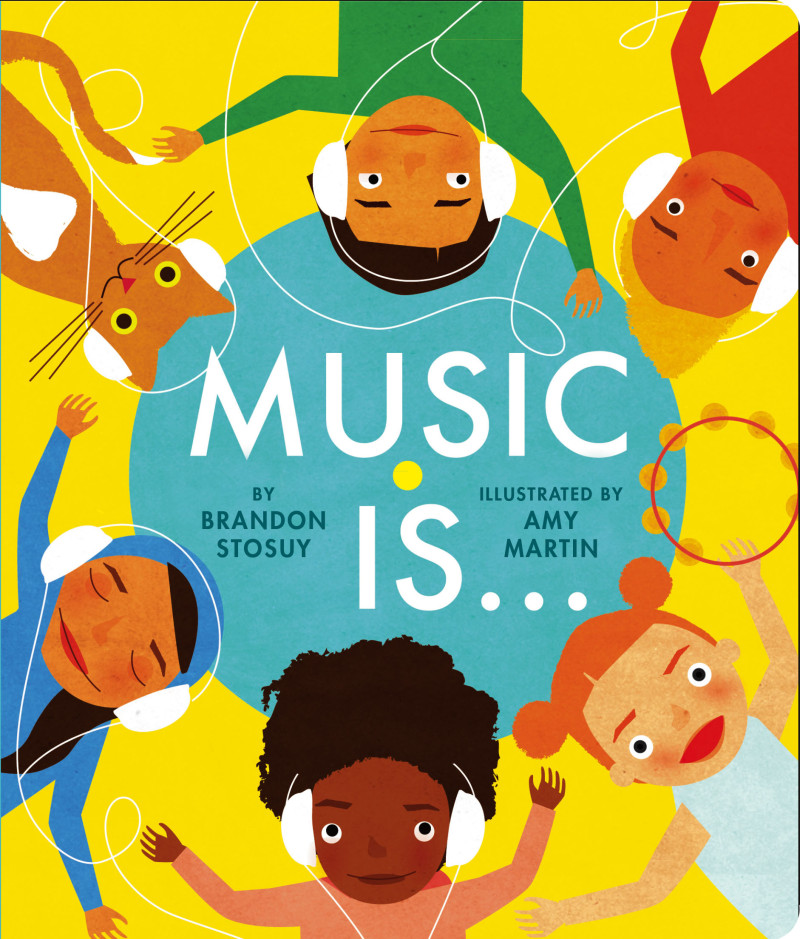
[vc_row][vc_column][vc_column_text]With its bright, colorful cover, Music Is…, wonderful board book, grabs your attention even before you even open it and read it. In many ways, it is a simple book with very few words on each page, but it is a wonderful teaching book – the perfect at-home library complement to the concepts children are learning and the musical styles they are being exposed to in Kindermusik class.

Each two-page spread is a contrast, which is perfect because young children learn best in contrasts. So just like Kindermusik introduces contrasting musical concepts and styles in class, Music Is… introduces contrasting concepts, moods, and styles, one concept per page, making it easy for young children to begin to grasp and for older children and adults to enjoy.[/vc_column_text][/vc_column][/vc_row][vc_row][vc_column][vc_column_text]Music is lo-fi and high-fi[/vc_column_text][/vc_column][/vc_row][vc_row][vc_column][vc_column_text]It teaches concepts such as…

music is quiet
music is LOUD

music is sad
music is happy

music is lo-fi
music is hi-fi
a capella
instrumental
acoustic
electric

[/vc_column_text][/vc_column][/vc_row][vc_row][vc_column][vc_column_text]The really lovely thing is that as the book is teaching music concepts, it is also developing a basic music vocabulary for parents and children alike.  As the story unfolds, it is delightful to see children of all ethnic backgrounds making music and also playing with music.  There are instruments and music makers on every page.

It’s an entertaining read-aloud for younger children and an engaging conversation starter for older children.  For the sake of the non-musical adult, there’s even a basic glossary of musical terms on the very last page.[/vc_column_text][/vc_column][/vc_row][vc_row][vc_column][vc_column_text]Music is one music is many[/vc_column_text][/vc_column][/vc_row][vc_row][vc_column][vc_column_text]The simple story line is enhanced by whimsical and interesting illustrations that explain what music is and explore how music makes us feel. It’s the kind of fun, feel-good story book you don’t mind reading over and over again…which is a good thing since it’s sure to become a family favorite![/vc_column_text][/vc_column][/vc_row][vc_row][vc_column][vc_column_text]At the end, the author brings it all together in this profoundly beautiful conclusion:

music is old
music is new
music is for everyone
music is for you

[/vc_column_text][/vc_column][/vc_row][vc_row][vc_column][vc_column_text]Music Is… by author Brandon Stosuy and illustrator Amy Martin can be found at your favorite local book seller or online in both physical and digital formats.[/vc_column_text][vc_separator][vc_column_text]Shared by Theresa Case whose award-winning Kindermusik program at Piano Central Studios in Greenville, SC, has been a happy advocate for the benefits of music for over 20 years now.[/vc_column_text][/vc_column][/vc_row]

Reunited: A Short Film About Music and the Human Spirit

spirit

[vc_row][vc_column][vc_column_text]Friends, I’ve said it many times before, and I’ll continue to say it: music is magic. Below, you’ll find a short, five-minute film about Edward Hardy, a retiree in Somerset, England, and Sam Kinsella, a young man looking for a few extra bucks. Sam’s search lead him to Mellifont Abbey, a residential care facility in Somerset and the position of activities coordinator. What happened next was nothing short of amazing, a word that gets tossed around a bit too casually for my taste. But for Sam and Mr. Hardy, no other word will do. Together, they discovered how music can heal the spirit.

Mr. Hardy had been suffering from dementia for some time. He would pound on the floor and call for help for no reason. His interaction with others was limited and strained. He was depressed and detached.

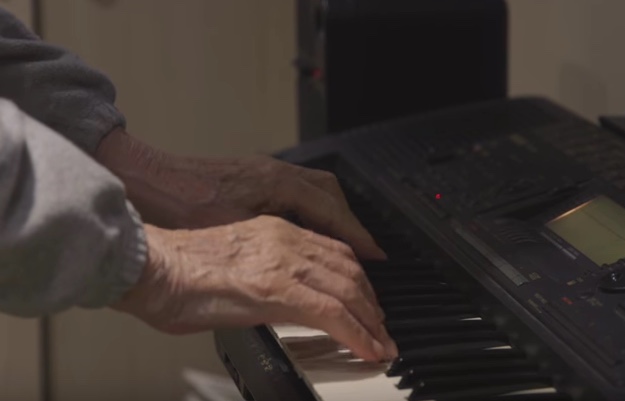
Sam eventually disclosed to Mr. Hardy that he was part of a band in Somerset. This bit of information seemed to pique Mr. Hardy’s interest. He told Sam that he played piano for years.

This gave Sam an idea. He had a keyboard brought in for Mr. Hardy. This was the beginning of a new light in the 93 year-old’s life. To everyone’s surprise, Mr. Hardy came out of his shell and played for everyone.

But Sam wasn’t done.[/vc_column_text][/vc_column][/vc_row][vc_row][vc_column][vc_column_text]

Spirit
Mr. Hardy plays with former bandmates.

[/vc_column_text][vc_column_text]

We’re Getting the Band Back Together!

Sam decided to seek out some local musicians so Mr. Hardy could make music with a group again. People came out of the woodwork to make music with Mr. Hardy. To Sam’s surprise, among them were some of the original members of Mr. Hardy’s band. They gladly came out to Mellifont Abbey for a jam session. You’ll see Mr. Hardy make music with them in the film, and the obvious joy on his face when he does.

This lead to the idea of having the newly reformed group give a concert at Mellifont. This not only brought joy to Mr. Hardy, but to the other residents as well.

Mr. Hardy’s story was featured on the BBC and other news sites across the UK. Music, that magical art form, is now a more regular part of life at Mellifont Abbey. And Mr. Hardy, he found a little bit of himself that was lost.[/vc_column_text][/vc_column][/vc_row][vc_row][vc_column][vc_video link=”https://youtu.be/Tp6c_oG1SBk”][/vc_column][/vc_row][vc_row][vc_column][class_finder_form css=”.vc_custom_1500644816485{padding-top: 20px !important;padding-right: 20px !important;padding-bottom: 20px !important;padding-left: 20px !important;}”][/vc_column][/vc_row]