Don’t just sit there – MOVE!

movement

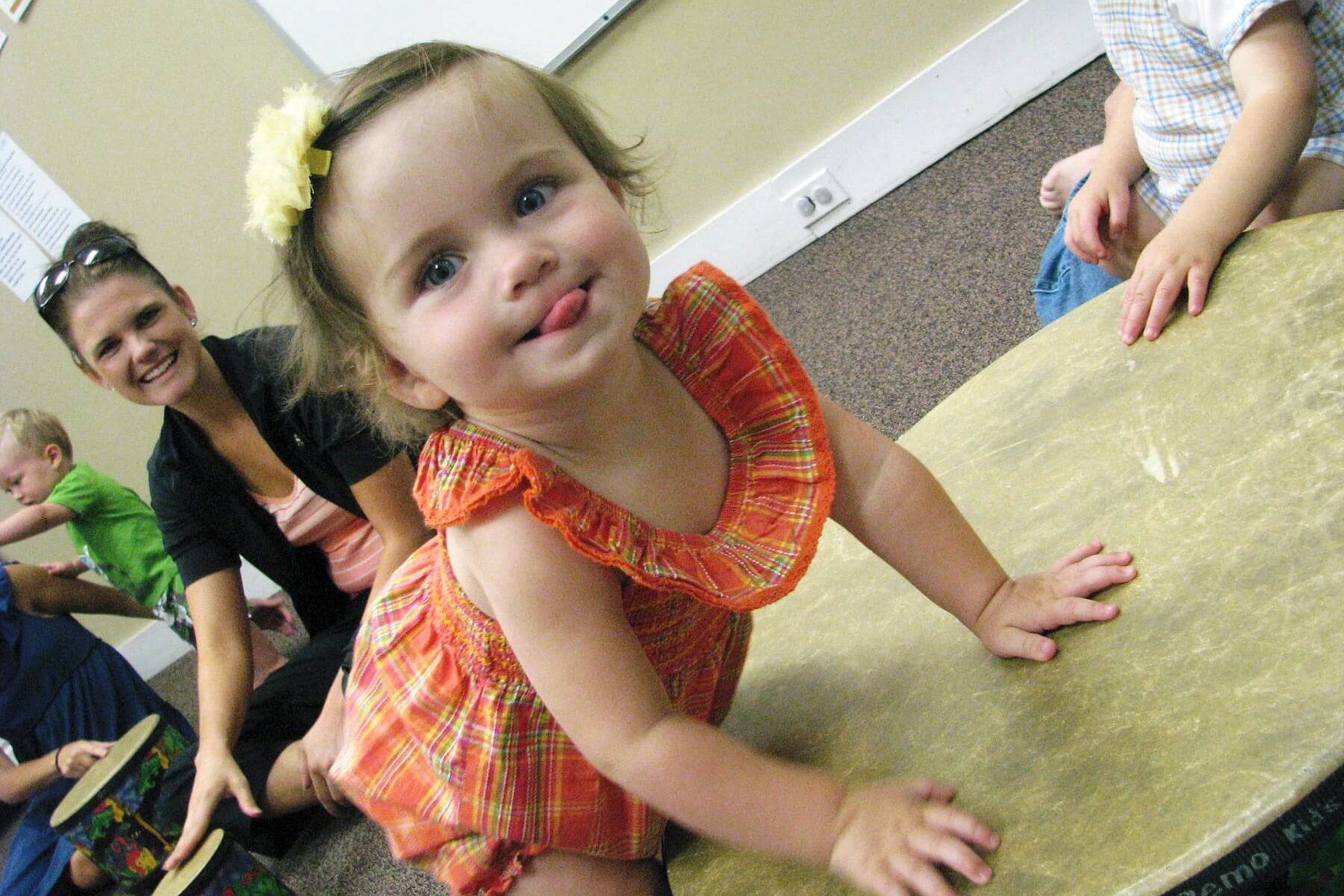
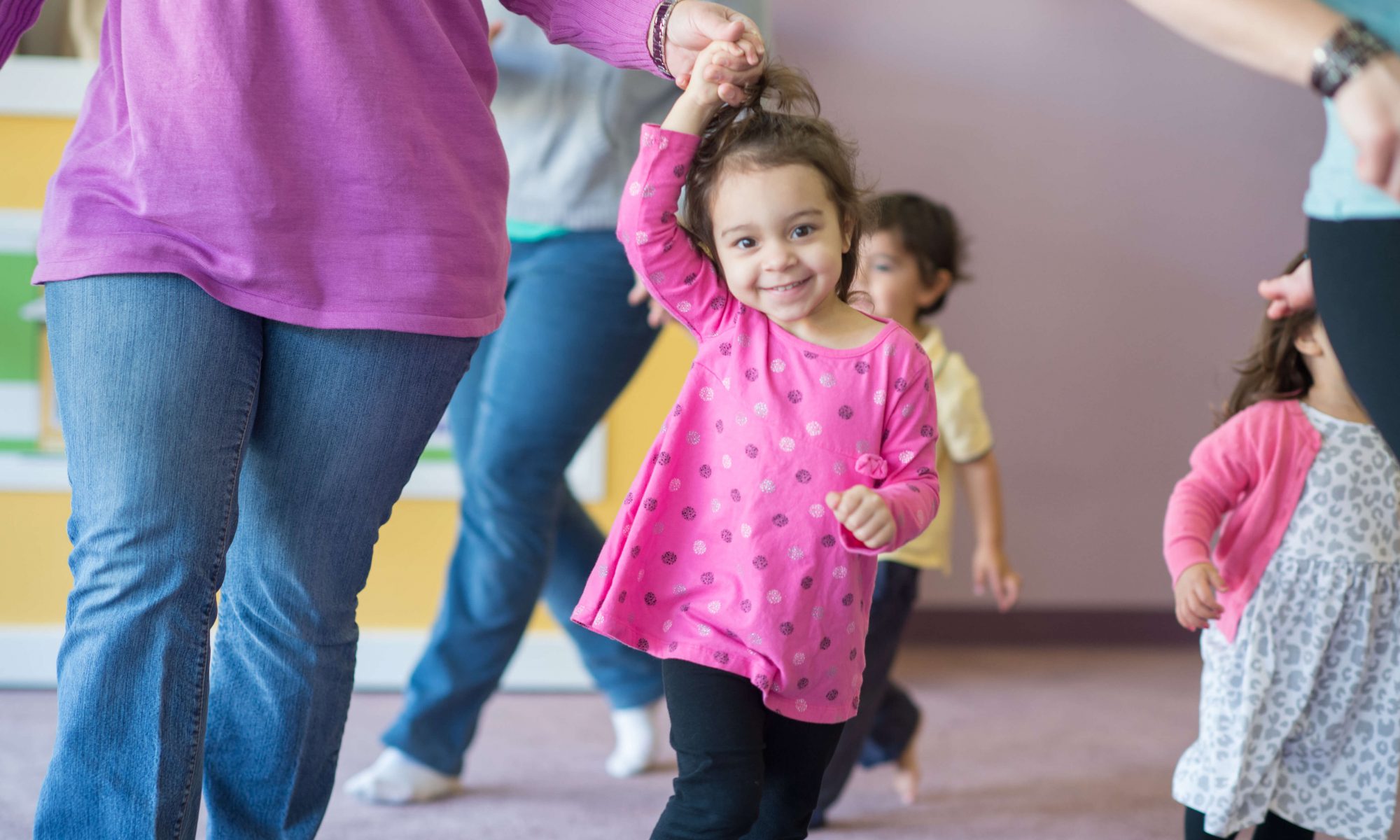
[vc_row][vc_column][vc_column_text]At a time when it seems there is so much pressure on kids to perform academically, more and more research about the social, emotional, cognitive, and health benefits of movement and play is coming to the forefront. The recent consensus of a group of researchers who studied the evidential links between moving, playing, and learning was overwhelmingly definitive – taking time to move and play actually improves academic performance. So…don’t just sit there…MOVE![/vc_column_text][/vc_column][/vc_row][vc_row][vc_column][vc_column_text]And why is this? Simply put, movement wakes up our brains and primes the brain for learning. As one writer stated, “movement isn’t a break from learning; movement is learning.” Professor Emily Cross sums it up this way:

“New neuroscience research…shows that active learning—‘where the learner is doing, moving, acting, and interacting’—can change the way the brain works and can accelerate kids’ learning process.”

That’s pretty compelling evidence, if you ask me, and we’ve only scratched the surface of the myriad of sources, studies, research, and analysis that could have been cited.[/vc_column_text][/vc_column][/vc_row][vc_row][vc_column][vc_column_text]It should come as no surprise then, that as the world’s leader in music and movement education, Kindermusik International has long been an advocate for the power of movement and play, especially with music in the mix. For over 30 years, the Kindermusik curricula have been based on the premise that movement is key to learning.  That is both the success and the joy of the Kindermusik classroom experience.[/vc_column_text][vc_column_text]movement[/vc_column_text][/vc_column][/vc_row][vc_row][vc_column][vc_column_text]

So how can you ensure that your child is getting enough time for moving and playing?

1. Make sure that your child has time every day to just play.
2. Play music regularly. Most children respond very naturally to music with movement.
3. Inspire imagination, play, and movement by encouraging your child to be outdoors.
4. Take time for physical activity yourself. Your example is a powerful model for your child.
5. Enroll in a Kindermusik class. (Okay, we couldn’t resist!)

You’ll not only enjoy lots of movement and play in class, but your Home Materials will also inspire you with more musical play and movement at home all week long.

[/vc_column_text][vc_separator][/vc_column][/vc_row][vc_row][vc_column][vc_column_text]Contributed by Theresa Case whose award-winning Kindermusik program at Piano Central Studios in upstate South Carolina has been inspiring children and families to move, play, and make music together for over 20 years now.[/vc_column_text][/vc_column][/vc_row]

Four on the Fourth: Four Reasons to Sing the Day Away

Singing

[vc_row][vc_column][vc_column_text]How often have you caught yourself singing and you didn’t even realize you were doing it? Humming? Tapping your toe or drumming along on the steering wheel in the car? Music, particularly singing, is hardwired into our lives. Can you imagine going to a movie or watching a television show devoid of music? Every major news outlet has a composer on staff to write music for big stories. Monday Night Football? The Olympics? You can’t separate music from these things. How will we celebrate the Olympic champions this month? By the singing of their national anthems! So…why not mark the moments of your life with song? Here are four reasons why you should.[/vc_column_text][/vc_column][/vc_row][vc_row][vc_column][vc_column_text]

Singing Makes Us Happy

And guess what? It really has nothing to do with how well you sing. It’s the act itself that releases endorphins that just make us feel better. In Ronald Blythe’s book, Akenfield: Portrait of an English Village, the author relates the story of Fred Mitchell, an 85 year-old farm hand who lived through the industrial revolution in England. Mr. Mitchell tells the tale of growing up with few joys – up before the sun, and back home after dark, hands rough and bloodied from the day’s work. He recalls never having any pleasure…but then he remembers…

There was nothing in my childhood, only work. I never had pleasure…but I have forgotten one thing – the singing, There was such a lot of singing in the villages then, and this was my pleasure, too. Boys sang in the fields, and at night we all met at the Forge and sang. The chapels were full of singing. When the first war came, it was singing, singing all the time. So I lie; I have had pleasure. I have had singing.  

Akenfield: Portrait of an English Village/Ronald Blythe

Powerful words, aren’t they? [/vc_column_text][/vc_column][/vc_row][vc_row][vc_column][vc_column_text]

You May Live Longer

I am constantly amazed by the power. Our long term health is a real concern. We try and eat right. We join gyms and buy exercise equipment. But believe it or not, recent research conducted at two institutions you may have heard of – Harvard and Yale – indicates that singing may increase life longevity. So sing a song! It’ll help regulate your breathing, your heart rate, and stimulate your thyroid, which benefits your metabolism. Plus, it’s just plain fun.[/vc_column_text][vc_video link=”https://www.youtube.com/watch?v=7hU2H1csh1w”][/vc_column][/vc_row][vc_row][vc_column][vc_column_text]

Singing Makes your Brain Better

It’s a rather complex act, you know. Singing lights up parts of the brain that are seemingly built for the activity. Tufts University neuroscientist Dr. Aniruddh D. Patel contemplates the ramifications.

“Song combines music and words, and word production is a left hemisphere-biased activity. Perhaps doing lots of singing strengthens the brain networks involved in word production and articulation, in addition to the right hemisphere circuits involved in fine control of pitch and melody.”

Dr. Aniruddh D. Patel

Singing certainly increases overall brain health, and we seem to discover additional mental health on a regular basis. Don’t worry – if you miss it, we’ll keep you updated here![/vc_column_text][/vc_column][/vc_row][vc_row][vc_column][vc_column_text]

Singing – It’s a Free Face Lift!

Did you know that singing utilizes just about every muscle in the face? It’s true! Singing uses the 43 facial muscles in a more sustained, involved way than talking. Think of it like the difference between walking and dancing – which reminds me of that well known proverb from Zimbabwe…

“If you can walk you can dance, and if you can talk you can sing.”

The act of singing gives a workout not only to the facial muscles, but also the muscles of the neck, torso, and abdomen. I’m not telling you to stop going on those daily walks and replace them with opera arias…just maybe sing while you’re out there.[/vc_column_text][/vc_column][/vc_row][vc_row][vc_column][vc_column_text]So sing! When you wake up, when you shower, while you’re cooking breakfast, while you’re commuting to work…sing all the time. You’ll be happier and you’ll live longer. You’ll be more aware of your surroundings and you’ll look younger! And get this…singing might help chronic snorers!

And parents who sing have kids who sing. What could be better than that? [/vc_column_text][vc_separator][/vc_column][/vc_row][vc_row][vc_column][class_finder_form css=”.vc_custom_1470314384552{padding-top: 20px !important;padding-right: 20px !important;padding-bottom: 20px !important;padding-left: 20px !important;}”][/vc_column][/vc_row]


Melody Magic: Music Strengthens Social Bonds

social bonds

[vc_row][vc_column][vc_column_text]What can’t music do? It makes us laugh…makes us cry. It can make us get up and dance…it can make us sit perfectly still. But did you know that it can strengthen social bonds in some very specific ways? Dr. Boyle brings us the details.[/vc_column_text][vc_separator][/vc_column][/vc_row][vc_row][vc_column][vc_column_text]I watch people for a living. Okay – that’s a bit simplistic, but true. I have to gauge when to shift from one section of a piece to the next, or to start working a different piece all together. I have to estimate when an ensemble has had enough of working one specific measure for 10 minutes. A conductor needs to know when to let a group have a moment of levity, sometimes sacrificing momentum. But through all this observation, I see magic. I see strangers become lifelong friends. I see people find their soulmates. I get to go to a lot of weddings of former choir members who met during a rehearsal. Recently, I received an email from my first “choir couple” letting me know they are expecting. “Is this your first choir couple baby?” they asked gleefully. It was.

Seeing these connections grow right in front of my eyes is one of my favorite things about what I do. And it happens at festivals during which singers are only together for a few days. It makes my heart smile and it happens so quickly, these strong, seemingly timeless connections. I’ve long suspected that the magic ingredient was music. Well, it seems that the research backs up my gut feeling.[/vc_column_text][/vc_column][/vc_row][vc_row][vc_column][vc_column_text]University of California, Berkley is home to one of the best music schools in the country. Recently, in an article found over at the institution’s online journal, Greater Good in Action: Science-based Practices for a Meaningful Life, author and psychologist, Jill Suttie told the story of a magic flute.

I kid, I kid. I couldn’t let the Mozart opera joke just pass by, could I? The flute in question, made from animal bone. was found by archeologists and dated back 35,000 years ago. Even then, when we were picking berries off bushes and hunting mastodon, music was there, an important part of society. That bone could have been carved into a tool for cooking or some other purpose – but no – it was carved into a musical instrument. And friends, music just doesn’t exist in a vacuum. I promise you, the music that came from that flute was heard and enjoyed by people other than the player.

But what about now? What does music do to us that strengthens our social bonds?Dr. Suttie gives us four pieces of the magic to consider:

1. Music brings about cooperation

This happens in many ways. Informally, we might start tapping our toes. Then we tap in synch with the person next to us. Then we smile. Then we dance together!

Or consider this – that flute player from 35,000 years ago? Imagine she was playing – and then another member of the tribe picks up a rock and starts banging a hollowed log. Viola! The first “rock” band. You knew I’d go there, right?

Simply put – cooperation, coordination, and contact. These all arise naturally from music. And everyone leaves humming the same tune.

2. Music boosts the production of oxytocin

What’s that? It’s a naturally occurring hormone that impacts trust levels. So…as you make music with others, you naturally  begin to trust them more and more. Pretty nifty, huh?

3. Music increases empathy

That’s right. Music positively affects the areas of the brain that allow us to understand how others feel. Dr. Suttie points to a study conducted at the University of Cambridge. Young students spent an entire academic year taking part in music game activities. Two control groups had no exposure to interactive musical games. Guess what? The group that took part in musical games – those children saw an increase in their empathy levels.[/vc_column_text][/vc_column][/vc_row][vc_row][vc_column][vc_column_text]

4. Music is cultural glue

This magic doesn’t just work horizontally, it works vertically as well. When a child learns a song that her parent sang and falls in love with it, too, the connection is strengthened. It goes beyond this. Dr. Suttie writes:

Music also influences how we think others will get along. In one recent study, participants listened to music or to silence while they watched videotapes in which three people were seen walking either in step or out of step with one another. When asked to rate levels of rapport and sense of unity among the three walkers in both conditions, the participants who listened to music perceived a greater rapport and unity among the walkers than those participants who didn’t listen to music. This suggests that music somehow strengthens our perception of social cohesion among people, perhaps through mistaking our own feelings for those of the people we observe.

– Four Ways Music Strengthens Social Bonds/Jill Suttie

[/vc_column_text][/vc_column][/vc_row][vc_row][vc_column][vc_column_text]So…the magic is real. There’s research and science behind this intrinsically beautiful art form. Music helps us work together…it builds trust…it unlocks empathy for others…and it glues us together as a society. What are you waiting for? Give your child this magical, scientific, life-changing gift. Get them involved. We’re right around the corner singing your song![/vc_column_text][/vc_column][/vc_row][vc_row][vc_column][class_finder_form css=”.vc_custom_1470018674168{padding-top: 20px !important;padding-right: 20px !important;padding-bottom: 20px !important;padding-left: 20px !important;}”][/vc_column][/vc_row]
Sound First – Symbol Second

Music and reading

[vc_row][vc_column][vc_column_text]It’s how we acquire any language – sound first – symbol second. We learn to speak before we learn to read. Music is the same way – we mimic what we hear before we can read it on the page. We learn by rote before we learn through understanding. Our last post talked about music’s positive impact on language learning. Well…music also has a positive impact on reading skill. Dr. Boyle explores the latest research on music and reading.[/vc_column_text][vc_separator][/vc_column][/vc_row][vc_row][vc_column][vc_column_text]Think about your musical experiences as a child. Whether you realized it or not, you learned new words through music. In my main profession as a choral conductor, I learn new words through music regularly; poetry drives what I do. I keep a dictionary right by my piano so I am able to look up words I don’t know as I come across them. I am grateful for this extra gift music gives me.

We have shared research many times that point toward music’s role in increasing cognitive skills in children. Cognition, the ability to form and process memory, learn new information, also includes understanding written information. Music is about patterns, particularly music to which young children are often exposed. Lots of repetition is found in this type of music, and regularly singing this music helps kids recognize patterns elsewhere.[/vc_column_text][/vc_column][/vc_row][vc_row][vc_column][vc_column_text]

Research on Music and Reading

Studies conducted at the University of Toronto and Johns Hopkins have supported the concept that participation in musical activities increases cognitive skill. Drs. Nina Kraus and Samira Anderson of Northwestern University produced a study that indicated the ability to keep a steady beat related to reading readiness. In the study, subjects were separated through assessment into two groups: those who could keep a study beat (synchronizers) and those who found it challenging (non-synchronizers).

“The synchronizers also had higher pre-reading skills (phonological
processing, auditory short-term memory, and rapid
naming) compared with non-synchronizers. Overall, the results
supported the idea that accurate temporal processing is
important for developing the foundational skills needed in order
to learn how to read.”

– Beat-Keeping Ability Relates to Reading Readiness/Kraus and Anderson

[/vc_column_text][/vc_column][/vc_row][vc_row][vc_column][vc_column_text]

What does this mean?

Developing musical skills early has a positive impact on reading ability. The reality is this: those non-synchronizers? It is completely possible to improve their rhythmic ability through regular musical activity. This then has a clear effect on cognitive skill and all that that encompasses.[/vc_column_text][/vc_column][/vc_row][vc_row][vc_column][vc_column_text]

When is the right time to start?

Now! Start now! Get those kids involved in musical activities – and Kindermusik is a perfect place to start. In a recent articleDr. Robert A. Cutietta, Dean of the USC Thorton School of Music, lays it out plainly:

“There is a growing (and convincing) body of research that indicates a “window of opportunity” from birth to age nine for developing a musical sensibility within children. During this time, the mental structures and mechanisms associated with processing and understanding music are in the prime stages of development, making it of utmost importance to expose children in this age range to music.”

PBS Parents/Robert A. Cutietta

[/vc_column_text][/vc_column][/vc_row][vc_row][vc_column][vc_column_text]From birth to age nine! Don’t wait. Get them involved as soon as you feel comfortable doing so and your son or daughter will reap a host of benefits from their involvement, setting the stage for a lifetime of musical appreciation. Not everyone will go on to be the principal violinist of the New York Phil, or sing at Lollapalooza, but the stronger the musical foundation a child has, the more enjoyment will be found in the vast world of music.[/vc_column_text][/vc_column][/vc_row][vc_row][vc_column][class_finder_form css=”.vc_custom_1469711353415{padding-top: 20px !important;padding-right: 20px !important;padding-bottom: 20px !important;padding-left: 20px !important;}”][/vc_column][/vc_row]

Science Center Stage: Music May Boost Language Learning in Babies

Language Learning

[vc_row][vc_column][vc_column_text]In our regular science feature, Science Center Stage, Dr. Boyle explores music’s role in boosting language acquisition in infants. [/vc_column_text][/vc_column][/vc_row][vc_row][vc_column][vc_column_text]That first word! Parents wait for it and when it comes the world knows. We rush to Facebook and every other social media platform to share the news. I remember really reaching with our first. I stretched every sound out of that kid’s mouth into crazy multisyllabic words.

“I think he just said onomatopoeia!”

My wife was always the voice of reason.

“That was a burp, dear.”[/vc_column_text][/vc_column][/vc_row][vc_row][vc_column][vc_column_text]Now, here’s the reality: our kids aren’t going to spout of titles of Dickens’s novels at nine months, but regular exposure to music early in life may have a positive impact on language acquisition. A recent study conducted at the University of Washington found that routine play sessions involving music had a positive impact on both music processing and recognizing new speech sounds.


“Our study is the first in young babies to suggest that experiencing a rhythmic pattern in music can also improve the ability to detect and make predictions about rhythmic patterns in speech,” said lead author Christina Zhao, a postdoctoral researcher at I-LABS.

“This means that early, engaging musical experiences can have a more global effect on cognitive skills,” Zhao said.

UW Today/Molly McAElroy

[/vc_column_text][vc_video link=”https://www.youtube.com/watch?v=whzxMNvHBD4&feature=youtu.be”][/vc_column][/vc_row][vc_row][vc_column][vc_column_text]Other academics have chimed in on the study. Dr. Deanna Hanson-Abromeit, Assistant Professor of Music Education and Music Therapy at the University of Kansas School of Music feels music classes are key to development.


“Music classes can be beneficial for parents and infants…These classes can build community and provide resources to parents to teach songs and music-based experiences to build comfort in using music within the home and everyday life.”

HealthDay/Randy Dotinga

[/vc_column_text][/vc_column][/vc_row][vc_row][vc_column][vc_column_text]It doesn’t stop in infancy. A five year study at the Brain and Creativity Institute of the University of Southern California produced results that mirrored the UW study.

“The researchers began following 45 children, all from economically disadvantaged, bilingual households (most are Latino, one is Korean) in Southern California, starting when the children were 6 and 7. The initial group was split into three: One set of 13 students is receiving music instruction through the Youth Orchestra of Los Angeles, one group is playing soccer, and another is involved in no particular after-school activity…

Two years in, the students in the music group were more able to identify differences in musical pitch on a piano than other students. The brain scans also showed that these students had more-developed auditory pathways than their peers.

The authors write that this development in auditory processing also affects students’ ability to process speech and language—which means it could have an impact on students’ academic progress as well as their musical abilities.”

Education Week/Jackie Zubrzycki

[/vc_column_text][/vc_column][/vc_row][vc_row][vc_column][vc_column_text]It’s very difficult to ignore this science, friends. Two separate studies indicate that exposing children of all ages to music has a positive impact on language acquisition and development. The key in both of these studies is regular participation in structured musical activities. So get them out there! And get them out there early. Remember, we have classes for kids starting from birth! When you’re ready, we’re here for you. [/vc_column_text][class_finder_form css=”.vc_custom_1469449348470{padding-top: 20px !important;padding-right: 20px !important;padding-bottom: 20px !important;padding-left: 20px !important;}”][/vc_column][/vc_row]

Meet Julie Zimmer – Kindermusik Mom

Julie's eldest, Elena

[vc_row][vc_column][vc_column_text]Julie is a busy mom of three adorable kids – Elena, age 6; Luc, age 3, and Gia, age 1. They call Greenville, South Carolina home. Let’s learn a little bit about this Kindermusik Mom…[/vc_column_text][/vc_column][/vc_row][vc_row][vc_column][vc_column_text]TC: Tell me a little about your own musical background.
JZ: I took piano lessons at the age of 5 and grew up having the privilege of many musical opportunities. I graduated with 2 degrees: in piano pedagogy and piano performance. I taught piano for 10 years.

TC: Why did you want to enroll your children in Kindermusik?
JZ: Because I understand the value of music mentally, socially and emotionally on a life. I started my oldest daughter, Elena, in Kindermusik classes as a baby, and she is now a proud 2016 Young Child graduate.

TC: How has being in Kindermusik impacted Elena?
JZ: It has really helped her develop a musical ear. She is not my naturally musically gifted one, and when she was little, she struggled with matching pitches or even coming close. As she grew up in Kindermusik, her musical ear grew stronger, too. It also taught her the disciplines of setting aside time to practice her instruments she learned in Young Child. Socially, it helped her work with her peers during ensemble play and in the younger classes, the concept of sharing and listening to others came much easier.[/vc_column_text][/vc_column][/vc_row][vc_row][vc_column][vc_column_text]TC: You also have Luc and Gia in the program. What do you love most about getting to do Kindermusik the second and third time over?
JZ: I enjoy the one on one time with them more and just carving out that time in the day to be very present with my child: to watch her, to listen, to play and explore together, a wonderful bonding environment. I also have learned the value of playing the music at home more. I have found it really helps them “play better” and get along better.

TC: What are some ways that Kindermusik has helped you be a better parent?
JZ: Reminding me that there’s not just ONE way to do things. I love the encouragement to explore together. Kindermusik has also taught me the value of SEEING the value in the “small” things we do each day with our children. “Just” holding them or rocking them is huge for the child and parent! Not just emotionally but physically.

TC: How has Kindermusik affected your relationship with each of your children?
JZ: Kindermusik has helped remind me that each child is different and that’s a good thing! One child may not be “actively-to-the-human-eye” participating due to anxieties or whatever reason, but Kindermusik reminds us of many different learning styles and some children absorb and process information much more internally than externally. And that’s ok! So learning to appreciate each child’s way of learning.[/vc_column_text][/vc_column][/vc_row][vc_row][vc_column][vc_column_text]TC: Do you feel your children are more musically inclined as a result of being in Kindermusik?
JZ: Yes, definitely.

TC: What is one way that Kindermusik has helped one of your children developmentally?
JZ: My 3 year old struggles with anxiety so Kindermusik is so good for him to in learning to deal with “new” situations, “new” friends, and “new” sounds.

TC: How does Kindermusik class “follow you at home” throughout the week?
JZ: We play music much more often now during playtime, while mommy is cooking, etc.
TC: How has being in Kindermusik benefited you personally?
JZ: I have found without even thinking I sing-talk through many of our activities. For instance, we have a song now for getting ready for church. A little tune that came to me that I just put words to that had to do with what we’re doing: getting ready for church. And there’s just something about singing your instructions to the kids that makes everyone enjoy the process more and look forward to the “activity” more.[/vc_column_text][/vc_column][/vc_row][vc_row][vc_column][vc_column_text]TC: What would you say is the greatest benefit your children have gained from being consistently enrolled in Kindermusik?
JZ: Their LOVE and appreciation of music

TC: What are some of your children’s most favorite Kindermusik songs?
JZ: “Toast, Toast” is a favorite when we’re making breakfast. Elena loves Bell Horses. I used “Ruru” as my second child’s special lullaby. All three kids LOVE “Catch Me.” Mommy’s favorite is “Toys away Toys away” – ha! 🙂

TC: Where do you see your children musically 5 or 10 years from now?
JZ: Taking piano lessons or violin lessons using their gifts to serve others.

TC: Why do you recommend Kindermusik to your friends? And why would you encourage a friend to sacrifice as you have to have all three children enrolled?
JZ: Because the benefits don’t stop when you leave the classroom. They continue for years to come. I have visual proof of that having taught piano students for years who grew up in the KM program. It won’t just benefit their music lessons but their school work as well.[/vc_column_text][vc_separator][/vc_column][/vc_row][vc_row][vc_column][vc_column_text]Shared by Theresa Case, who has had the immeasurable privilege of teaching all three of Julie’s beautiful children in her Kindermusik classes at Piano Central Studios in Greenville, SC.[/vc_column_text][/vc_column][/vc_row]

Square Peg in a Square Hole: Music in the Preschool Experience – A Natural Fit

Preschool music

[vc_row][vc_column][vc_column_text]It fits; it really fits. In fact, there’s no better fit in the preschool years or for a preschool curriculum than music and music classes. Here are a few reasons why.[/vc_column_text][vc_column_text]

  • Introducing children to abstract musical concepts will also develop their abstract thinking skills, expressive speaking, and creative expression.
  • Learning musical terminology significantly expands a child’s vocabulary, language awareness, and literacy development.
  • A child’s physical, emotional, social, cognitive, and language development is not just nurtured, it can actually be accelerated with the music class experience.
  • Music classes encourage every child to be a contributor to the learning process, providing a secure learning environment where children explore, grow, contribute, and flourish.
  • A regular weekly music class is a unique setting that continually invites new ideas, curiosity, investigation, listening, engagement, and discovery – all of which promote confidence and self-esteem.
  • With a music curriculum that is enriched with a carefully integrated selection and development of musical concepts and activities, each child experiences physical, emotional, social, cognitive, language and musical development – development that is not just supported, but also enhanced.
  • Outside of the music class time, songs and rhymes can easily be carried over throughout the day, easing transitions, enriching learning, encouraging cooperation, and improving classroom management.

[/vc_column_text][/vc_column][/vc_row][vc_row][vc_column][vc_column_text]If you’re looking for that square peg for your square hole, look no further than Kindermusik @School.  Kindermusik offers easy-to-implement curriculum solutions that are already at work in all types of early childhood learning environments – all around the world. Here’s how to find the best fit for your program.[/vc_column_text][vc_separator][vc_column_text]Contributed by Theresa Case whose award-winning Kindermusik program at Piano Central Studios in upstate South Carolina has been inspiring children and families for over 20 years now.[/vc_column_text][/vc_column][/vc_row]

Four on the 4th: Four Ways Early Music Classes Prepare Your Child for School… and for Life

Why Early Childhood Music

[vc_row][vc_column][vc_column_text]We’re pretty sure we could have listed forty-four ways early childhood music classes prepare your child for school and for life, but we don’t want to make your eyes glaze over. After all, this is a blog post, not a doctoral thesis. Plus, “Four on the 4th” just sounded catchier…so we’ll just point out four of the many ways music makes a difference in the mind and heart of a young child.[/vc_column_text][vc_column_text]

Learning Music Makes Kids Better Learners

Maybe it’s because we as humans come hard-wired to respond to music.  Or maybe it’s the way music wakes up the brain, causing learning to happen with greater ease and impact.  Thanks to technological advances, we know that musicians’ brains actually work differently than non-musicians’ brains.  The really exciting thing is that educators and researchers continue to find undeniable links between early childhood music experiences and enhancement in every of a child’s development.[/vc_column_text][/vc_column][/vc_row][vc_row][vc_column][vc_column_text]
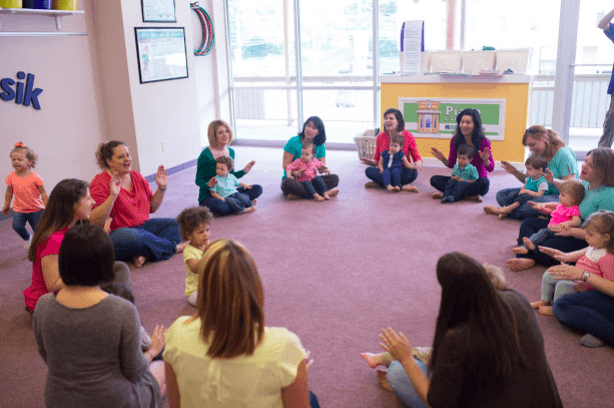
Early Childhood Music Classes Promote Creative Thinking

In Kindermusik, there’s a reason why our emphasis is on process and not performance, on exploring rather than precisely imitating. We want the children in our classes to explore without defined parameters, to move and play instruments in all different kinds of ways because we understand that creative thinkers become expert problem-solvers and solution-finders. These creative thinking skills lead to success in the classroom, in the workplace, and in life.[/vc_column_text][/vc_column][/vc_row][vc_row][vc_column][vc_column_text]
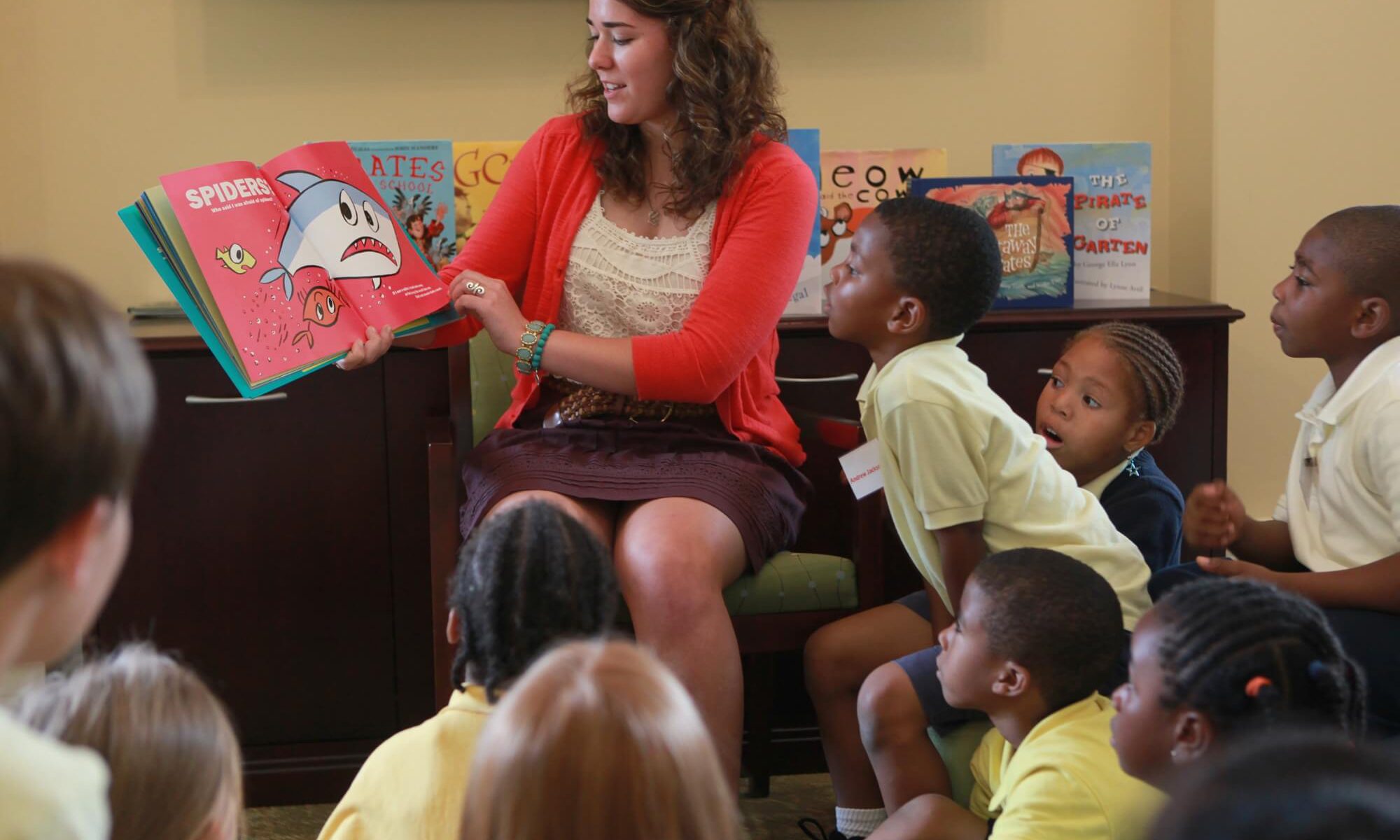
Being Part of a Musical Group Encourages Cooperation and Teamwork

Whether it’s exploring instruments with mom or dad or being part of an ensemble play-along later on, working together in a group music class requires an attitude of cooperation and a spirit of teamwork. Developing cooperation and teamwork is often happening without conscious effort because both really are a natural outcome of the way the music class and the activities themselves are presented. These are two essential skills, success predictors even, that a person will benefit from for the rest of their lives.[/vc_column_text][/vc_column][/vc_row][vc_row][vc_column][vc_column_text]
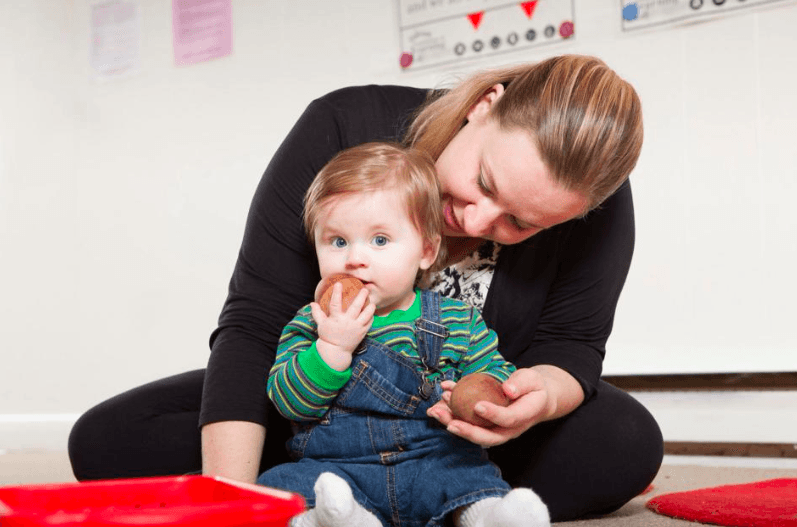
Music Classes Strengthen Emotional Bonds and Social Abilities

At first, parents might enroll in a weekly music class in order to bond with their child. Music elicits all kinds of emotional responses, creates unique memories, and helps parents and children connect in a deeper way. But what also becomes apparent is that music classes are a beautiful place to foster friendships and give kids practice interacting socially. There’s just something uniquely special about making music together.[/vc_column_text][/vc_column][/vc_row][vc_row][vc_column][vc_column_text]Music has the potential to do so much good – in our hearts, in our minds, in our communities, and throughout our entire lives. And the greatest potential for impact on a child starts in the very early years when the critical windows of learning are open the widest, when the brain is primed for learning, and when the memories of those consistent early music experiences will be most deeply embedded. There is no other single activity that is better for a young child – indeed for all of us – than the rich experience of enjoying music, learning from music, and making music.

For those celebrating – Happy Independence Day! Be safe![/vc_column_text][vc_separator][vc_column_text]Contributed by Theresa Case, whose award-winning Kindermusik program at Piano Central Studios in upstate South Carolina has been inspiring children and families for over 20 years now.[/vc_column_text][/vc_column][/vc_row]

Impact: Music and the Differently Abled

Brain

[vc_row][vc_column][vc_column_text]Over the past month we have touched on music’s role in enhancing the learning experience, its power to transform lives, and how it benefits social and cognitive development. Today, Dr. Boyle touches on music’s impact on children who are differently abled. [/vc_column_text][vc_separator][vc_column_text]I’m not above getting personal. I have mild dyslexia, which made reading difficult as I grew up. Actually, it still does. But the most difficult challenge to my learning was ADD. Despite dealing with it in one way or another while growing up, I wasn’t officially diagnosed until working on my doctorate. The coping mechanisms I had developed when I was young just weren’t cutting it with the higher level of work. Admitting to myself that there was a challenge was…well…a challenge! Once I asked for help, the support system at Rutgers University was tremendous. I can tell you this: music – just listening to music while studying – helped me tremendously. You’d think I would have realized that as it’s my field! But music’s impact on learning challenges goes beyond the benefits gleaned by simply listening.[/vc_column_text][vc_column_text]

Learning Challenges
Dr. Oliver Sacks

[/vc_column_text][vc_column_text]Dr. Oliver Sacks, the late author and neurologist, once said, “Nothing activates the brain so extensively as music.” In his book, Musicophillia, he relates the power of music in reducing tics in patients with Tourette Syndrome and reaching those with autism. Last year, we featured this video – the powerful story of music’s impact on students in need of specialized instruction in Bowling Green, Kentucky.
[/vc_column_text][vc_video link=”https://www.youtube.com/watch?v=5QSK8guVJuU”][vc_column_text]My wife, Jane (an elementary music specialist), sees the impact regularly. Jane had a nonverbal student on the Autism Spectrum in her class. After repeated exposure to the class’s “Hello” song (those ever popular transition rituals), she began to take part, singing along with the tune. In the moment, Jane locked eyes with the student’s learning support aid and mouthed the question, “Is she singing along?!”

Stunned, the aide mouthed back, “Yes!”

It was an emotional moment. I recall Jane coming home that day and sharing the story with me. I wept. So did Jane. Seeing that child make a connection, coming out of her shell, was a career highlight she carries with her still.

This child was seven. Research indicates that early contact with regular music making can tremendously impact the learning and social processes of children with developmental challenges.

Impact. I keep using that word. I’ve resisted reaching for my thesaurus – the word is simply too perfect. Music is a force, and that force is unstoppable in its power to change, improve, connect, and enhance the lives of all it touches. That, friends, is a true impact.[/vc_column_text][/vc_column][/vc_row]

Music Makes It

Music Makes It

[vc_row][vc_column][vc_column_text]What drives us? What is important in our lives? Connections…family…friends…and all things beautiful in this world; art, poetry, dancing, and music. Can you imagine your life without music? Movies without a sound track? Cars without a radio? The truth is this: music does more than entertain. It lights up parts of the brain seemingly put there to react to it. Dr. Boyle explores research that indicates integrating music into other subjects makes them come alive…and how music transformed the lives of some special young people. [/vc_column_text][vc_column_text][/vc_column_text][vc_column_text]We learn the alphabet through song, there are songs about math facts, songs that teach the names of the states, and more. There’s even a rap that teaches the presidents of the United States. And who can forget School House Rock? Admit it, you still can sing Conjunction Junction and I’m Just a Bill.

Way back in the 1960s, two Bulgarian researchers discovered what moms and dads the world round already knew: music increases the quality of memories formed, leading to easier recall of facts and experiences. Drs. Georgi Lozanov and Evelyna Gateva developed methodologies which involved incorporating music into language learning. The results were rather amazing, specifically the retention length. This was greatly improved when music was incorporated, even in a passive way.

Author and educator Chris Boyd Brewer provides us with a wonderful list of benefits when music is integrated into early childhood learning experiences:

  • establish a positive learning state
  • create a desired atmosphere
  • build a sense of anticipation
  • energize learning activities
  • change brain wave states
  • focus concentration
  • increase attention
  • improve memory
  • facilitate a multisensory learning experience
  • release tension
  • enhance imagination
  • align groups
  • develop rapport
  • provide inspiration and motivation
  • add an element of fun
  • accentuate theme-oriented units

[/vc_column_text][/vc_column][/vc_row][vc_row][vc_column][vc_column_text]Last week, I attended a summer composers festival at Lehigh University in Bethlehem, Pennsylvania. One of the mentor composers was Dr. Steven Sametz, Professor of Music at Lehigh. He recently received the Raymond and Beverly Sacker 2013 Music Prize from the University of Connecticut, an award that commissions new music. In Dr. Sametz’s case, being a son of Connecticut, he opted to write a large scale choral/orchestral work that would honor the victims of the Sandy Hook tragedy. As most of the victims were young children, he decided that the voices of children, expressing how they deal with grief, needed to be part of the work.

Dr. Sametz traveled to an inner-city school in Philadelphia to meet with a group of students, each of whom had experienced violent loss in their young lives. At first, these kids were silent; it was difficult to get them to talk about their experiences. As the process went on, they opened up and began to share. When their words were integrated into the work, titled A Child’s Requiem, these young people were transformed. Their stories were being told. People cared about what they had to say. They suddenly had a voice – magnified by music.

These Philly kids attended the New York and Stamford, Connecticut premieres and were recognized on stage for their contributions to the work. These kids, who could barely see past tomorrow, began talking about what they wanted to be when they grew up…

“I want to be a poet.”

“I want to be a film maker.”

…all because of music.

I asked Katie Young, the dedicated music teacher of these amazing kids, what the most important effect of the whole process was for them. She said, “They couldn’t talk about the loss in their lives before. Now they can. I can see a much brighter future for them.”

…all because of music.


While reading an article on the state of music instruction in preschool programs, wading through academic jargon and buzzwords, I came across a quote from one of the teachers who participated in a research survey. It grabbed my attention in its honest simplicity:

“Our teachers sing all the time – the children sing and clap and dance around. Music makes our days happy.”

– Journal of Research in Music Education

For parents and teachers, that’s the brass ring. Happy children…happy teachers…this makes for a more productive and effective learning environment. Music, while bringing, joy to young children, unlocks their potential in other areas. They start to see what the first though was impossible…as perfectly possible. Frankly, that’s what we all want.[/vc_column_text][/vc_column][/vc_row]