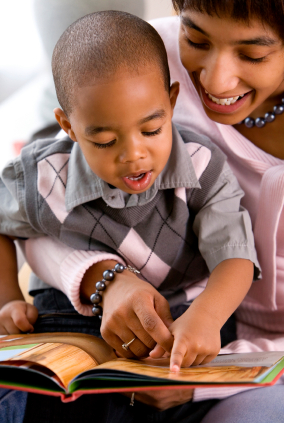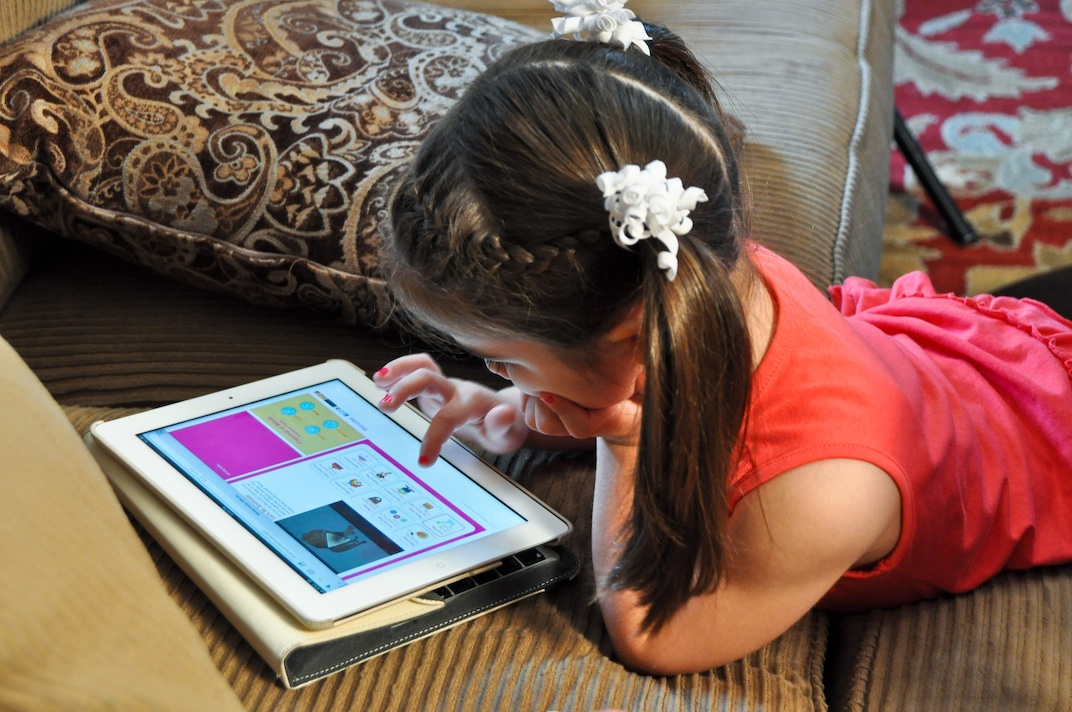

New research once again shows that an intentional partnership between parents and teachers positively supports children’s educational outcomes. Without a doubt, parents are a child’s first and best teacher. We know that intuitively and we hear that from early childhood experts and teachers. But, let’s face it. Parents need help. They need partners in their children’s education to best equip them in their role as teachers. They need information and they need practical ideas and tools that they can easily use in their everyday routines with their children.
Involving Parents Helps Young Children Maintain Literacy Skills
Recently, a research team recruited 200 children and parents from families enrolled in 24 Head Start programs in rural and urban Pennsylvania. The families were split into two groups. The control group received math games to play on their own. The other group received materials, such as books and learning games, and visits from “educational counselors” who provided coaching on how to use the games with their children. Those materials specifically supported the lessons from the Head Start classroom.
The children who participated in the second group showed significantly higher retention of literacy skills (vocabulary and fluency) and social skills (self-directed learning and social competence) acquired in the classroom when compared to the control group.
A Listening Game to Support Early Literacy Skills
While not a part of the Head Start study above, Kindermusik programs provide materials (games, music, books) and child development information and resources parents can use OUTSIDE the classroom to support what happens INSIDE the classroom. For example, this fun game—“Reading” the Violin”—supports children’s early literacy skills.

Matching sounds to a visual image is an extremely important early literacy skill. It is, in fact, the precursor skill to the alphabetic principle, or the understanding that there is a relationship between letters and sounds. Before children can explore letter-sound relationships and learn to decode words, they must first understand the connection between a sound they hear and an image they see.
This game provides kids lots of practice with associating a specific bit of audio with a specific bit of visual, and they’ll have no idea that this game is actually preparing them to read. It also supports other important early childhood cognitive competences, including:
- Selective Attention: the ability to selectively concentrate on one aspect of the environment while ignoring distractions.
- Auditory Working Memory: the ability to retain information that has been presented orally (e.g., listening to a target sound and then matching the sound to its image)
- Auditory Discrimination: the ability to discriminate between similar sounds.
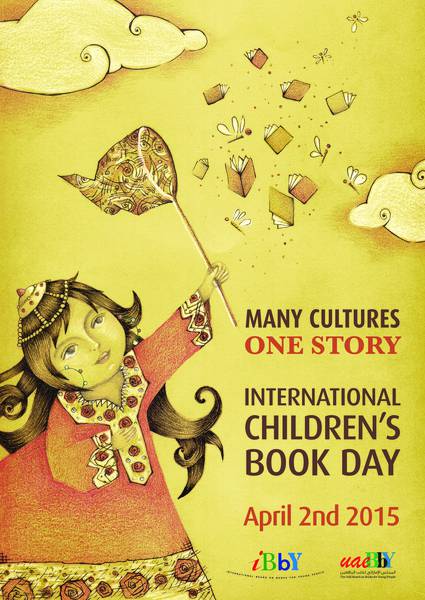
 WARNING! Kindermusik Educators may burst into song at any time and in any place. They also sometimes carry egg shakers in their pockets for a little accompaniment. After all, pianos are not exactly portable. An equally true fact is that their bookshelves, iPads, and, in some cases, car trunks overflow with kids books. After all, music and reading go together like, well, music and egg shakers. So, we thought the best way to celebrate International Children’s Book Day today was to share some of Kindermusik Educators favorite children’s books. And the best way for YOU to celebrate is to read one of these—or your own favorite—with the children in your life!
 Pete the Cat by James Dean
 Yes, we know that today is February 28. But that means that tomorrow is March 1, and March is
  Musical Instruments from A to Z



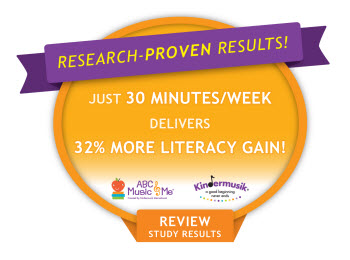

 Results from teacher surveys indicate that preschool teachers found the ABC Music & Me curriculum to be effective in teaching a variety of skills, and would strongly recommend it to other preschool teachers, and that parents would recommend the program to other parents.

 6. Add eBooks to your reading list. eBooks can be especially engaging for reluctant readers.