
It’s not a coincidence that some of the most brilliant minds in history were (and are!) also musicians. That list includes famous names like Leonardo da Vinci, Sir Isaac Newton, Benjamin Franklin, Thomas Edison, Bill Gates, Albert Einstein, Galileo, and Steven Spielberg. Research study after research study continues to show that music education or to be more precise – actively engaging in musical activities on a consistent basis – significantly affects the cognitive development and abilities of participants.
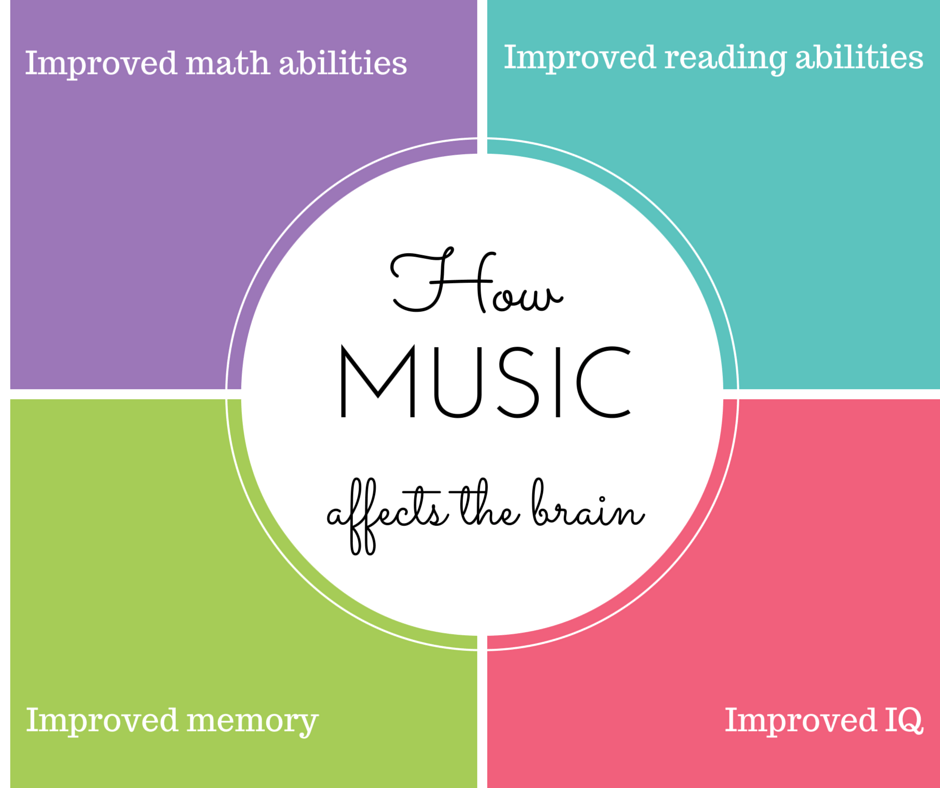
Consider these four big ways music affects the brain.

Improved Math Abilities
Long before research studies showed how music-making positively impacts a child’s math abilities and understanding, the great mathematician Pythagorus said, “Music is math made audible.” Now we know that children engaged in math show increased abilities in spatial awareness, pattern recognition, and numbers and measurement. As children grow and continue to participate through high school, music students even score 23 points above average on SAT tests.
Can you identify the pattern in this classic Kindermusik circle dance?
Improved Reading Abilities
We could write a whole book on the connections between music and reading. In fact, we have! (You can download our free ebooks from this page). Children who participate in music classes experience boosts in phonological awareness, auditory discrimination, auditory sequencing, and vocabulary. Plus, reading music even models for children how to read left to right and top to bottom.
Improved Memory
When compared to their peers, musicians have better memories. In addition, musicians show improvements in auditory verbal memory and auditory memory. Dr. Nina Kraus, a prominent brain researcher at Northwestern University, has likened the effects of music on the brain to the effects of exercise on the body. Increasing the working memory capacity of the brain improves thinking ability.
For fun, see how well you do in this Kindermusik Memory Game from our Kindermusik @Home Materials.
 Improved IQ
Children who participate in music classes over time experience a boost in their IQ. In fact, the longer a child participates in a consistent weekly music class, the greater the effect. But you don’t have to just take our word on it, here’s an interesting article recently put out by the American Psychology Association about this very correlation between music classes and IQ.

Want to give your child access to the brain-changing power of music? Find a local Kindermusik Educator and visit a class today.
 This month Head Start celebrates 50 years of life change and we love being able to celebrate this milestone with them at NHSA’s Annual Head Start Conference and Expo. However, it also got us thinking about how music also supports life change in children and families. In fact, we know from experience—and by hearing from the Head Start and Early Head Start programs that use the Kindermusik curricula—that music gets kids ready for learning! So, we put together a list of 50 reasons why music gives kids a lifetime of opportunity.
 balance, speech, behavior, sensation, skill, movement, and emotion.
 graduates reported musical training as a child compared to only 34 percent of the average adult.
 At the beginning of January, we often reflect on the passing of another year. For parents, that might mean celebrating all of those “firsts” that happened last year like a baby’s first steps, a little one’s first time sleeping through the night, or maybe that first tooth (or first lost tooth!). In the life of a young child, so many firsts happen in one year! For early childhood teachers, it might mean celebrating how much your students have grown in confidence and abilities.
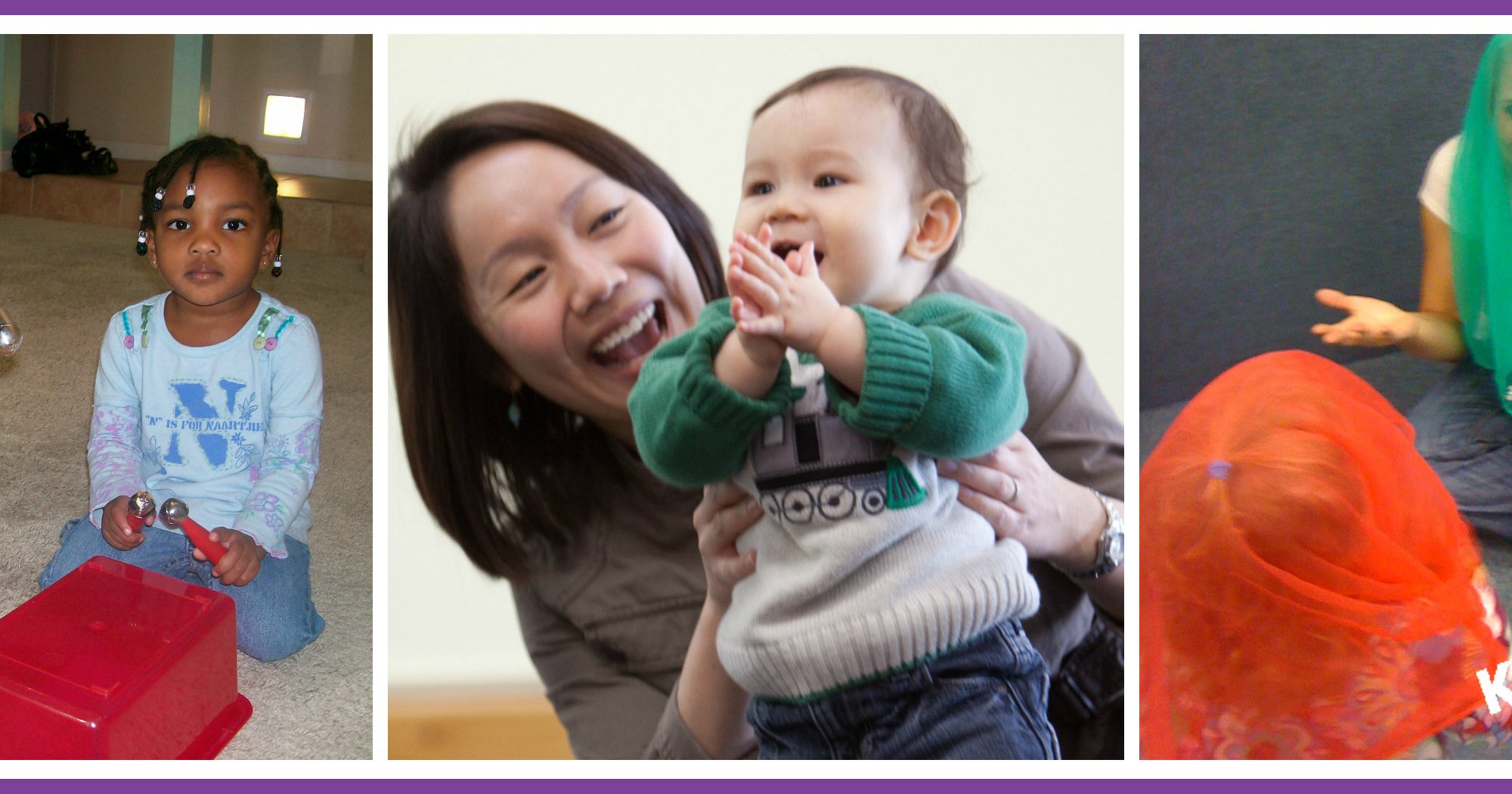


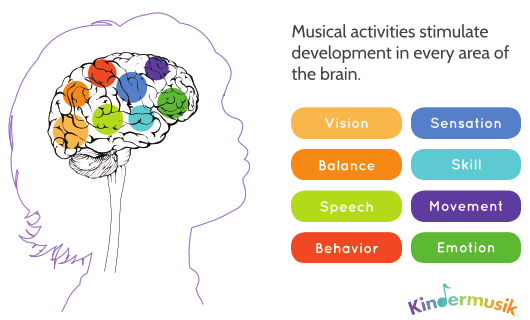
 Music changes us. Of course, we know that music can move us to tears, conjure up (and make) memories, or even quiet a child’s cries. However, music also literally changes our brains!
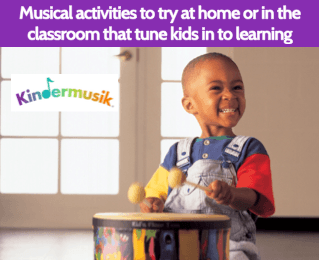
 For Toddlers: Toddlers who march, stomp, jump, and tiptoe to a steady beat tapped on rhythm sticks are discovering new ways to move their bodies—and gaining confidence and an understanding of spatial awareness, too. Instructing children to stop when the beat stops (and moving when the beat starts again) includes inhibitory control development as toddlers learn to control their bodies.
 Find out more about Kindermusik at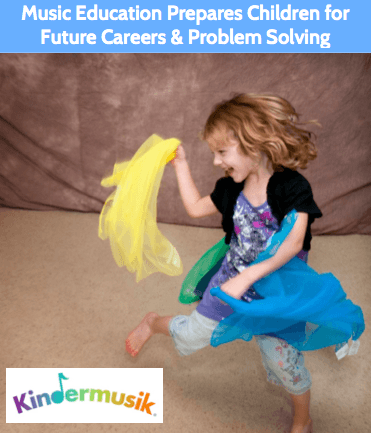
 Apparently, most Americans love music, too, at least when it comes to music preparing them for successful careers. According to a new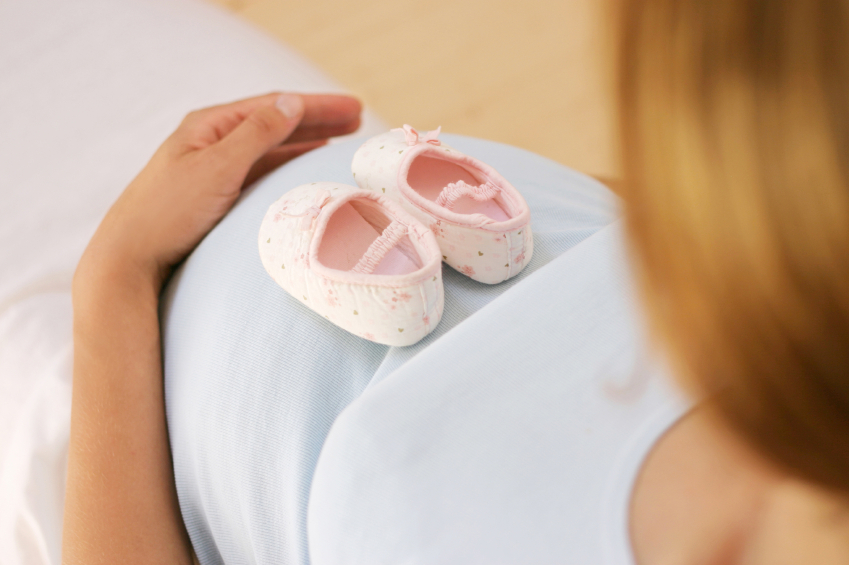
 Expectant parents plan for – and worry about! – a lot of things. Your unborn baby’s musical development may not be on the check list just yet, but don’t worry – you and your baby are more prepared than you might think.
 And so, when things settle down a bit, we’ll look forward to having you and your newborn in Kindermusik. The brain grows and develops at an astounding rate in the early years, and there’s no better window of opportunity for exposing your baby to the rich developmental benefits of music. Plus you’ll love the opportunity to gain precious insights into this new little miracle as you spend special time together in class, make new friends, find a support network, and savor these precious, fleeting moments of babyhood. Parents agree… there’s no better bonding experience than Kindermusik. We’ll look forward to seeing you in class soon!
 Growing up, but not all grown up yet – thankfully! The early years of childhood pass so quickly, and before you know it, your child has officially earned “big kid” status. The turbulence of the toddler years and the exuberance of the preschool years are past, and your big kid can mostly be described as composed, calm, cheerful, and capable. Big kids are eager, curious learners, and they love to share their ideas.
 For parents…