
Why Your Child Needs Routines and Rituals

Routine.  Ritual.  Often the words are used interchangeably, but they have slightly different nuances.  Routines are every day.  More commonplace.  Things we do at the same time in the same way.  Rituals are special and meaningful, memory builders, if you will.  They have purpose and are carried out with intentionality.  Your child needs and thrives on both.  Here’s why.

RepetitionRoutines give your child predictability, and with predictability comes a great sense of security for your child.  Routines are the defining structure of a day or a week and provide a certain organization that prevents chaos.  They are comforting and reassuring, helping your child know what to expect.

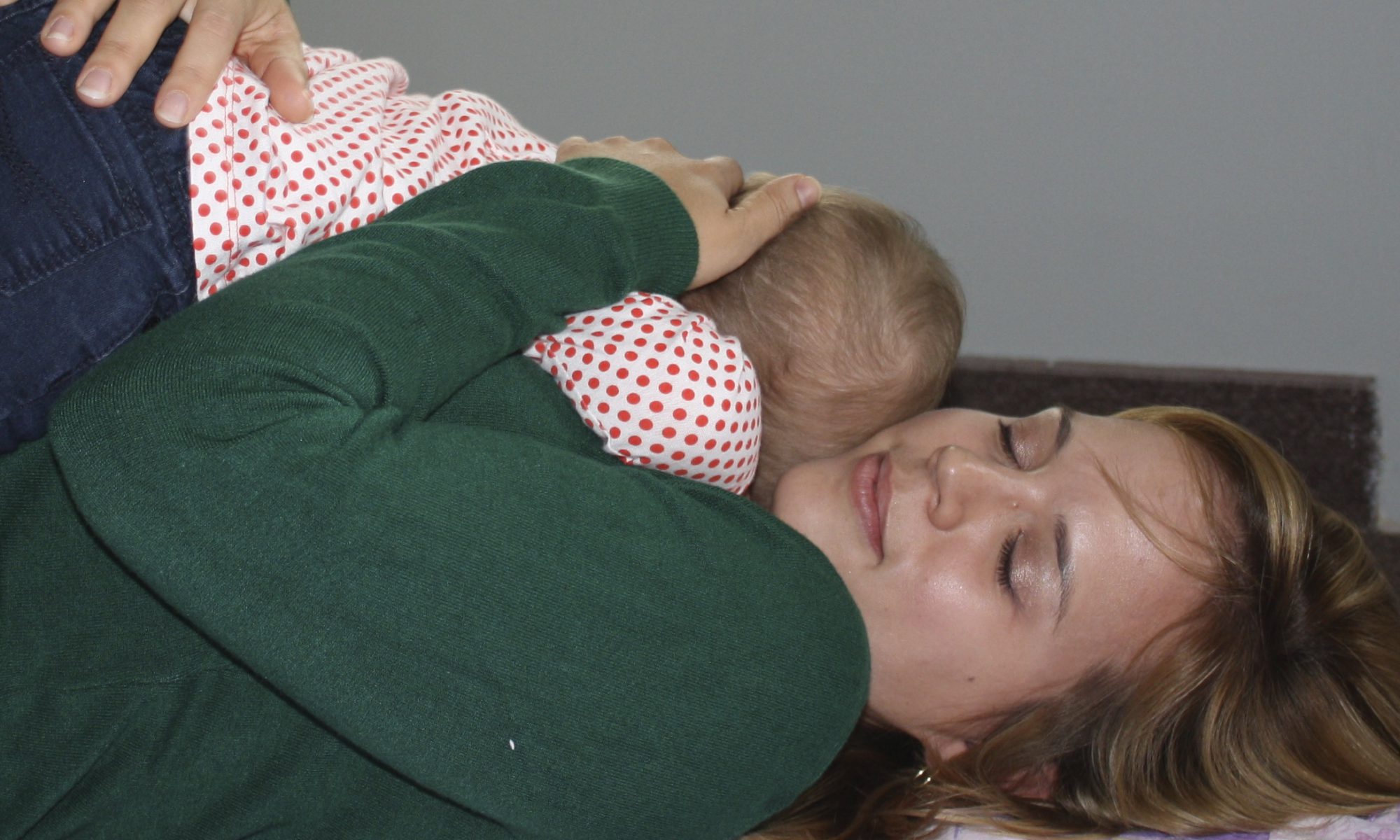
Rituals define us.  They help us bond and connect.  Rituals are enjoyable and repeated shared experiences – a certain way you celebrate life’s happy occasions or that special way you put your child to bed each night.  They contribute indelibly and inextricably to a happy childhood, making for a lifetime of the best of memories.

Here’s a good example of the difference between routines and rituals.  Attending a weekly Kindermusik class becomes a favorite routine, something you and your child both look forward to.  You have a familiar and predictable structure to each week’s class (with a little new coming in with new themes, songs, and activities), and the same wonderful Kindermusik educator year after year.

What you learn in class and the Home Materials you receive then become the inspiration for memorable, heart-warming, bonding rituals at home.  Like the toe-tickle you do each morning to chase away the morning grumpies.  The way you cuddle up and read your Kindermusik story before naptime.  The happy dance you do around the kitchen together when daddy walks in the door.  Or the sweet lullaby that calms and quiets your child before bedtime… the very same one he’ll sing to his own little one someday.

Routines.  Rituals.  They are beautiful things, especially when they are set to music.

Make Kindermusik a part of your weekly – and daily! – routine.  Find a class near you today.

Shared by Theresa Case whose award-winning Kindermusik program at Piano Central Studios in Greenville, SC, has been helping families enjoy delightful routines and special rituals for over 20 years now.
5 Easy Ways to Boost Early Reading Skills

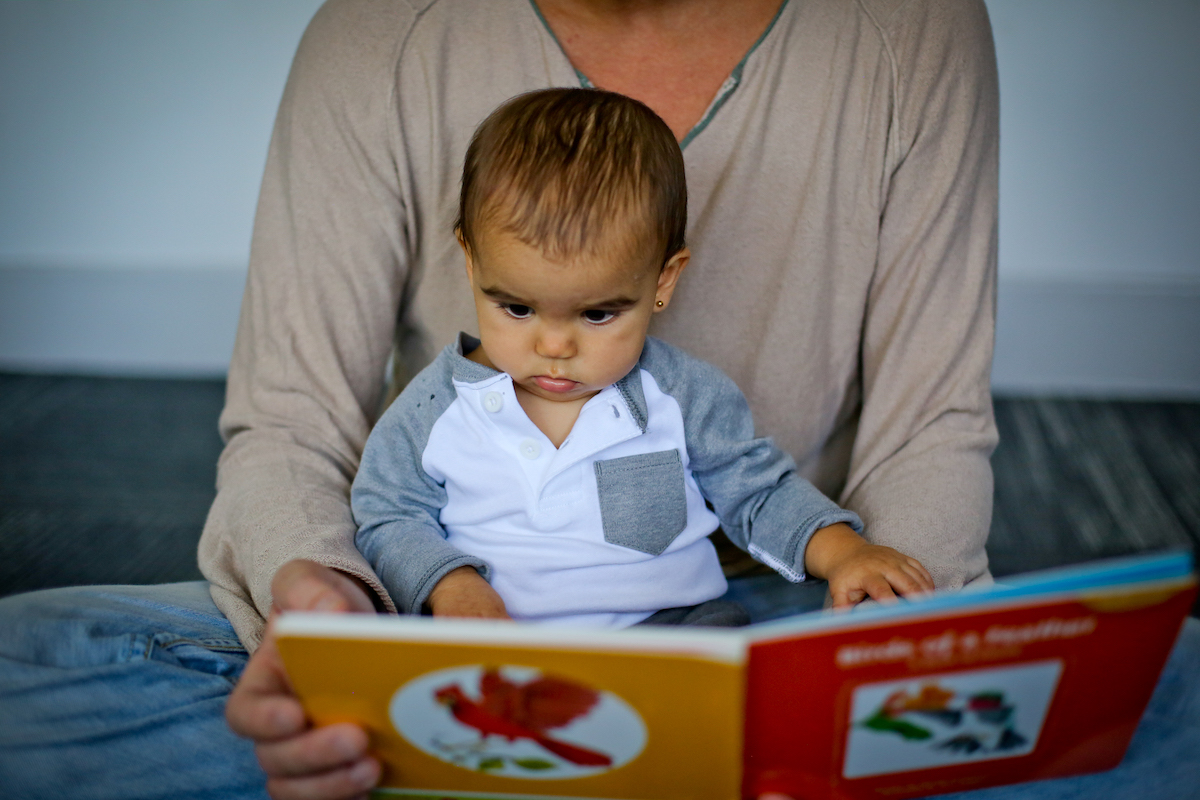
Dad boosts early reading skills by reading a board book to his baby.

My nine-year-old daughter CAN NOT put down Harry Potter and the Sorcerer’s Stone. Her eyes gulp down the words while her imagination dives into the depths of the wizard world. It’s the 11th time she’s made the same journey, not counting the first time we read the book out loud together. So when did her reading skills take flight?

She wasn’t a born reader—no one is—but a love of reading can develop early (and the earlier the better). My daughter’s love of reading began practically at birth, certainly long before she heard the name Harry Potter, and it 100% had to do with integrating these easy reading development tips…

Continue reading “5 Easy Ways to Boost Early Reading Skills”

To the Mom Who Showed Up Late to Music Class

early childhood music

I saw you today.

Yes. You!

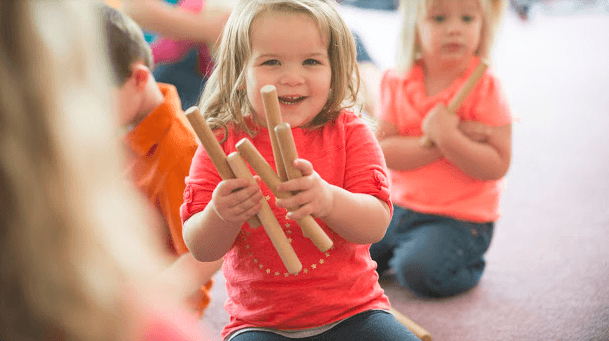
Did you really think that you could slip in unnoticed after class already started? We had finished all the rounds of the “Hello” song and just transitioned into rhythm sticks when you and your child walked into the classroom. You held your head down trying to avoid eye contact, but your little one didn’t even think about feeling embarrassed for arriving late. Instead, she burst through the door ready to make music with her friends.Rhythm sticks

But I saw you.

Did you see me?

I smiled. Big Time. Could you guess that behind my smile I said a cheer for you: “You made it! Woo-Hoo! Good for you!”

It doesn’t matter what time the clock reads. It matters that you came. After all, time takes on a different meaning when a child enters your life. Every parent learns that lesson sooner or later. We’ve all experienced one or two (or all of these!) reasons for being late somewhere:

A Few Reasons Kids Make Us Late

  • As soon as you dress your infant and strap her in the carrier she experiences her first diaper explosion—the kind your BFF warned you about—and the one you didn’t believe because she tends to exaggerate. After the shock wears off, you spend the next 30 minutes cleaning up your baby, your car, and yourself.
  • Your child refuses to get dressed in anything other than his Buzz Lightyear pajamas, except said PJs are stained with who knows what and two sizes too small. After 20 minutes of intense negotiations, you arrive at a compromise of last year’s Scooby Doo Halloween costume, which is only a slightly better option.
  • It takes your toddler 13 minutes to walk 10 steps to the car. She keeps stopping to investigate something spectacular—a rock, an old piece of chalk left in the rain, an ant. When you attempt to spur her on down the path, it sparks an epic meltdown on full display of the elderly couple next door. After 8 minutes, your child forgets the root of her despair and happily gets in the car.
  • Ten minutes before you need to leave for class your child FINALLY decides to take a nap. You debate letting him sleep to help ward off the evening drama guaranteed to happen on “no nap” days. You opt to shorten the nap by letting him sleep 20 minutes instead of his usual 30 minutes…which means you are 10 minutes later for class. You hope a short nap is better than no nap, but only time will tell.
  • YOU take a nap. Hey! Parenting is EXHAUSTING…as in “will-I-ever-sleep-again exhausting.” You needed that nap because you know you will be up three times between your child’s bedtime and 630am.

So, while your reason for arriving late may not be listed above, it’s okay. You are welcomed whether you show up early, on time, late, or not at all on some days. We understand. It’s why I wasn’t the only one who noticed you arriving late. The other parents did, too. We all widened the circle to include you. After all, we are a family and that’s what family does.

Kindermusik Class Toddler

Do you want to join a community of other families who understand what it’s like to be a parent today? Find a class near you!

Contributed by Lisa Camino Rowell, a freelance writer in the Atlanta area. Through the years, she arrived late countless times to Kindermusik class (for all of the reasons listed above).

The 8 Best Kindermusik Activities to Do at Home

Music activities at home with young children

From class to home and back again!  The value and impact of a music class increases exponentially when the music, concepts, and activities enjoyed in class are also incorporated into everyday family life.  It’s easier than you might think to make the connection between class and home even stronger.

The 8 Best Kindermusik Activities to Do at Home

#1 – Sing Hello and Goodbye (Good Night).
Sing the Hello song each morning when your child wakes up.  Change the word “goodbye” to “good night” and the goodbye song becomes part of a sweet, soothing bedtime ritual.

#2 – Dance together.
After a diaper change, on a rainy day when you’re stuck inside, or while you’re waiting on supper to cook, turn on your Kindermusik songs and dance together.  You can also do a slow, cuddly waltz together just before nap time or bedtime as a way to connect and relax before putting your child to sleep.

#3 – Try an indoor hammock.
Save out one big towel from the clean laundry you’re folding and before putting it away, rock your child in a towel hammock (two adults required) as you play some gentle music or sing a loving lullaby.  For more about hammocking, click here.

#4 – Take your child on a hayride.
That same towel you hammocked with easily transforms into a swervy-curvy, silly-willy kind of indoor hayride.  Simply have your child sit or lay on the towel, then pick up the end closest to his/her head.  Then pull them down the hall and around the room.  Add some music for a little extra fun and movement inspiration.

#5 – Sing in the car together.
If you want your child to love being in the car or running errands, turn car time into singing time.  Your child can teach you songs he/she learned in music class, or you can both enjoy a sing-a-long with your music download or CD from class.

#6 – Do the “Johnny & Katie” fingerplay.
This one is fun!  Starting with the pinky, say “Johnny, Johnny…” while tapping each finger.  Say whoops as you slide down from the pointer to the thumb, tap the thumb (saying “Johnny”), then head back to the pinky saying “Johnny” every time you tap a finger.  Next say “Katie” on each finger.  The fingerplay can go on from there with Daddy, sister, brother, Grandma, Grandpa, aunt, cousin, and more!

#7 – Start a family band.
Pots, pans, bowls, wooden utensils, cups, and spoons can all be the instruments for an impromptu band.  Accompany yourselves as you sing, or do a play-along with the recordings your favorite Kindermusik songs from class.

#8 – Read together.
The Kindermusik library stories your child hears in class during Story Time are available when you login to your @Home Materials.  You’ll enjoy the common shared experience, having something new to read, and knowing that you’re doing a world of good for your child’s literacy,

#9 – Rock together.
Nothing says “I love you” quite like being cuddled and sung to, and those lullaby-laced memories will put an emotional bond around your child’s heart that they will remember forever.  We highly recommend a lullaby and some rocking before bedtime every night!  (And if it’s hard for your child to get going in the morning, singing and rocking together can ease that transition too.)

These are 8 simple ideas with big emotional impact – ideas that also connect class to home and make the learning that much more powerful too.

friends around the world - cartoon illustrationKindermusik teachers all around the world love helping families make the class-to-home connections every week.  But did you know that Kindermusik also offers a curriculum for schools that intentionally includes parent materials to easily connect the classroom to the living room? Find out more.

– Shared by Theresa Case whose award-winning Kindermusik program is located at Piano Central Studios in Greenville, SC.

4 Lesser Known Young Toddler Milestones Worth Celebrating

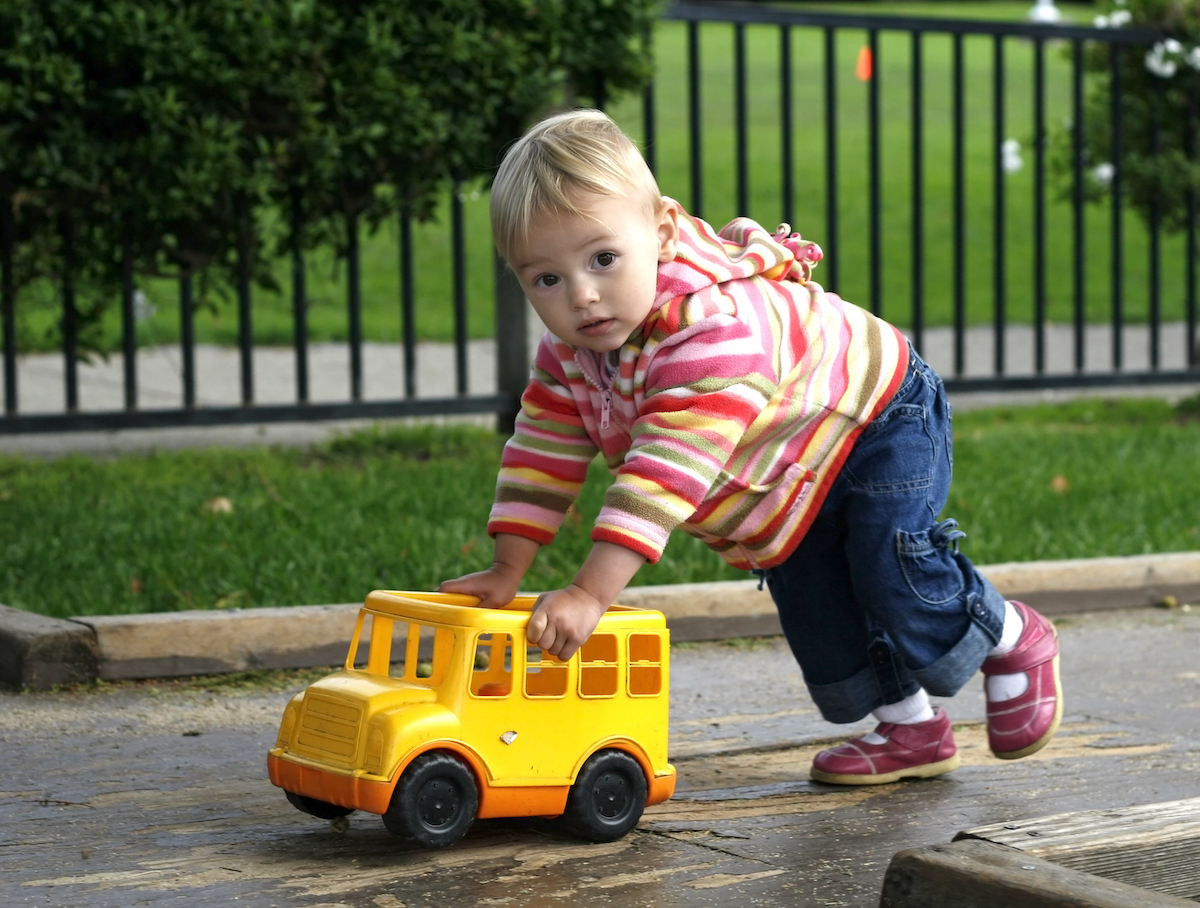
Young toddler pushes toy school bus outside.

Developmental milestones exist for good reason and help with everything from growth tracking to early prevention, but constant focus on checking off every item on the pediatric checklist only causes stress for everyone. When it comes to young toddlers (or really any age), there are some key positive behaviors that you might not realize are already happening.

4 “Minor” Young Toddler Behaviors that = Major Growth

Your child…

Pretends to have a snack with their teddy bear.

What it means: Exhibiting pretend behaviors may seem like no big deal, but they’re actually early signs that your child has acquired symbolic reasoning (e.g., putting an empty spoon to your mouth is not eating, but represents eating.)

Deliberately turns a bowl of cereal upside down.

What it means: Your child is developing wrist control, which is necessary for just about everything we do with our hands.

Is obsessed with pop-up toys.

What it means: Your child has figured out, When I push that button, something will pop up! In other words, cause-and-effect, or I can make something happen.

Follows commands (like “Don’t touch!” And they actually don’t touch.)

What it means: Your child is learning self-control! At long last, they understand that they are in charge of their own wants and actions, and can exercise (some) control over their impulses.

Is obsessed with pushing, pulling, and throwing.

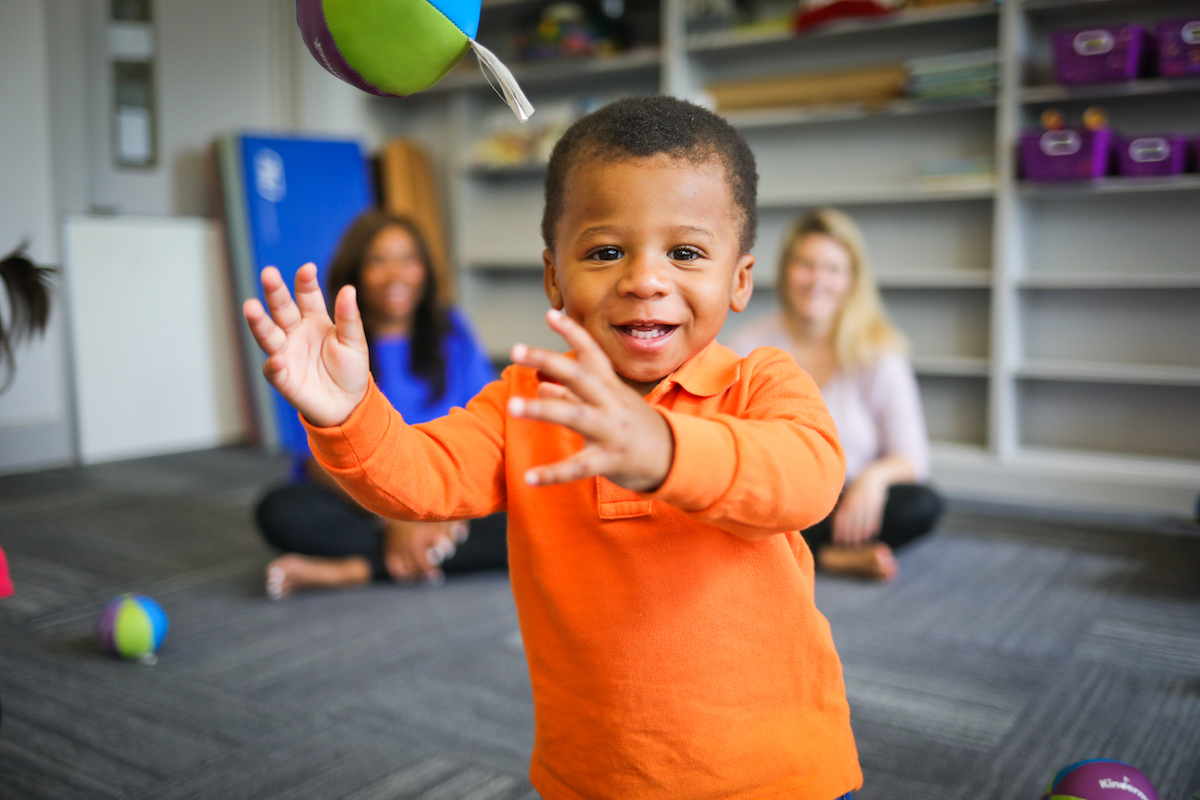
Young toddler throws a Kindermusik chime ball in class.

What it means: Your child is discovering the properties of weight, size, force, and mass. They are investigating questions of science, including which things do what and how.

Search for a Kindermusik class near you or check out our early learning kits to learn more about how to spot, celebrate, and encourage these important young toddler behaviors!

Happy Hammock Day!

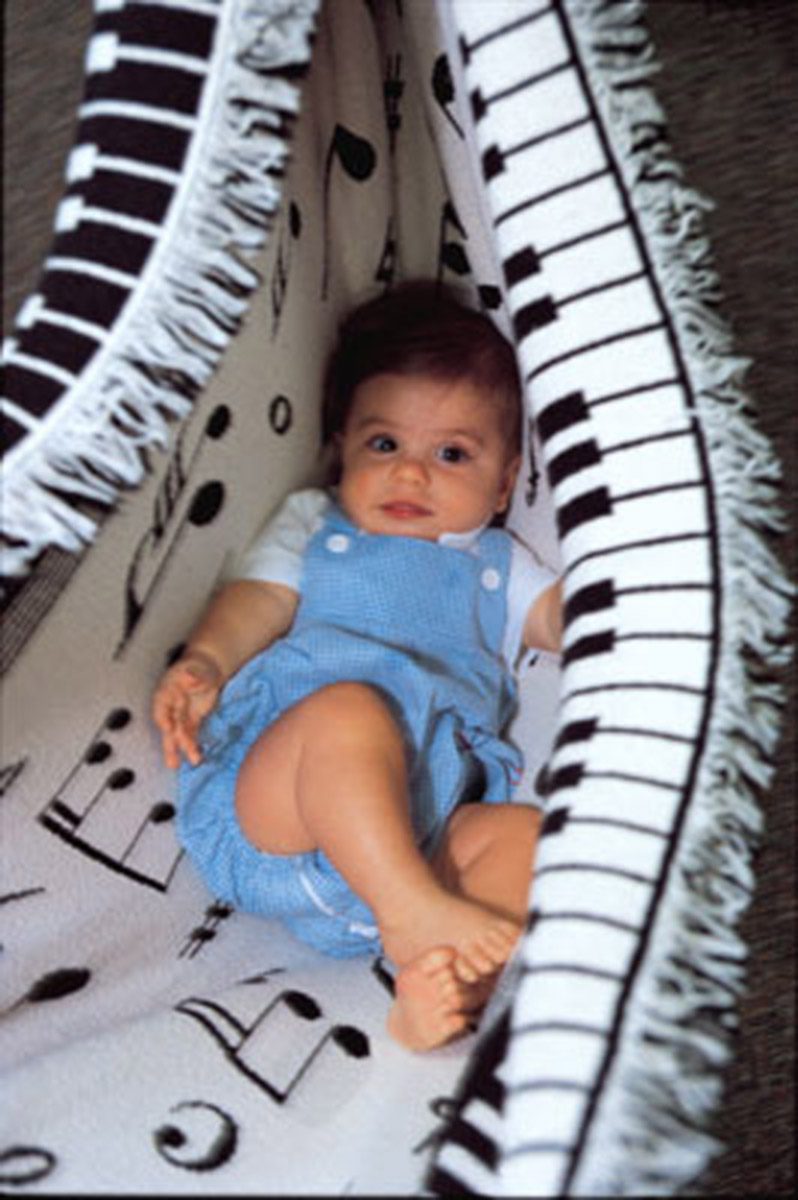
baby boy in hammock blanketToday is a special day… it’s Happy Hammock Day!  A time to celebrate the feel-good joy of hammocking. No hammock, you say? We have a simple solution. A solution if you’re under the age of 5, that is. Two adults holding a beach towel or thick blanket makes for the perfect kid-sized hammock.
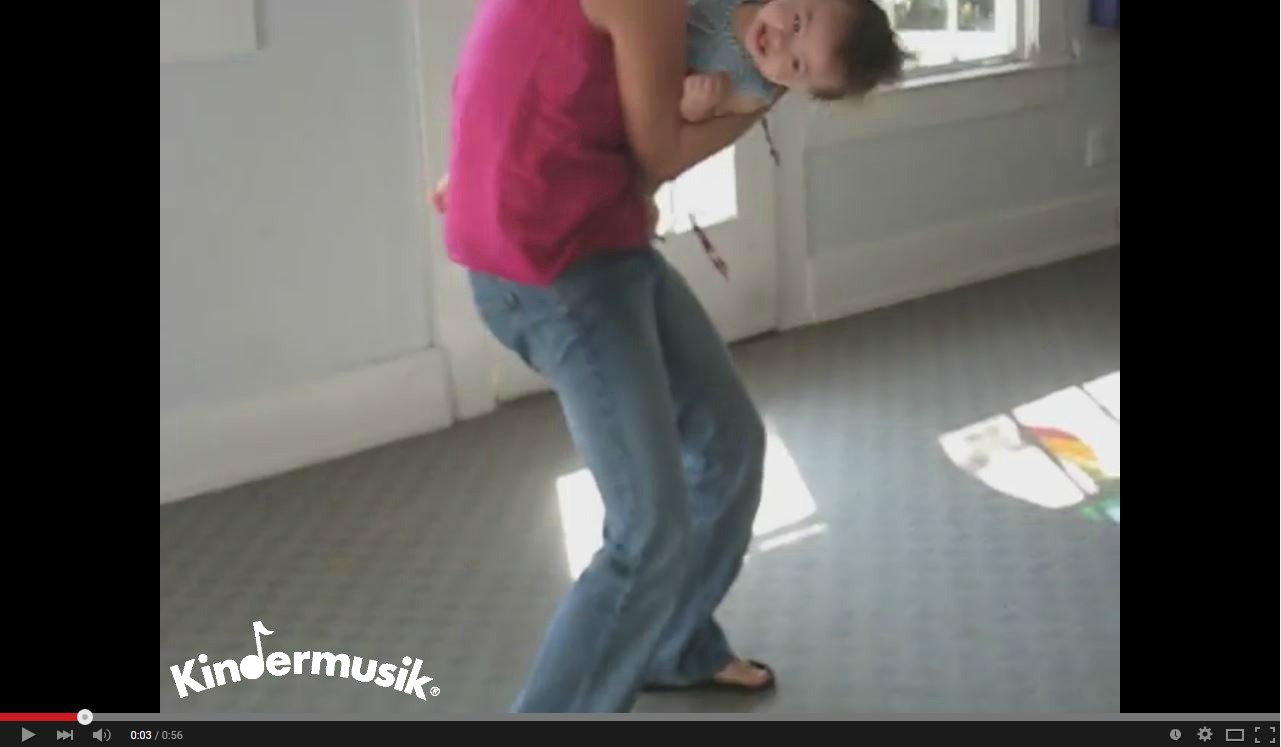
But why exactly would you choose to celebrate Happy Hammock Day today or any day? That’s because there are all kinds of benefits to hammocking, which is actually just a type of rocking.

There are many reasons why it’s good to rock, and by rocking, to stimulate the vestibular system. We talk a lot about the vestibular system’s function in controlling balance and coordination. But the vestibular system also coordinates information in the ear, eyes, muscles, hands, feet, and skin. It also helps adjust heart rate, blood pressure, and immune responses… just to name a few! And when the vestibular system is activated, it helps the brain make new learning connections.  Who knew rocking – and the vestibular system – could accomplish all that??!!

Happy Hammock Day to all, and to all some good rocking!

We’d love to see how your family celebrates Hammock Day! Post a photo on social media with the tag: #KindermusikHammockDay

baby boy in a hammock

Two Simple Ideas for Supporting Children’s Vocabulary Development

Up, down, in, out, under… Those relational prepositions mean something very specific to us as adults.  But when toddlers hear a phrase like, “Put the block under the cup,” they’ll probably put the block in the cup, because it’s the obvious thing to do. Toddlers understand that they are supposed to do something with the block and the cup, but just what all those relationships are, and what they’re called, can take years to master. Typically, toddlers tune in to the words they know, like “block” and “cup”—and then make a good guess about what you’ve got in mind with the rest.

Language development, like all other developmental domains, is a process which can be nurtured in surprisingly simple, everyday interactions and activities.  Here are two ideas that will help support children’s vocabulary development:

#1 – Label and move.

There is a powerful connection between movement and learning that has an impact on language development too.  That’s because a child’s developing brain makes a connection based on what they experience.  The more you label the movements, the more your child will understand and be able to make the connection between the word and the movement or object.  Here’s a great example of moving and labeling:

Kindermusik bird song - using movment and labeling to improve vocabulary development
#2 – Practice and play.

Learning should be fun!  And here at Kindermusik, we like to make it hands-on, interactive, and engaging, particularly with our @Home Materials.  Here’s a playful way to help your child with their vocabulary development:

Way Up High - Toddler TalkLooking for more parenting ideas on how to support your child’s development? Visit a Kindermusik class.  Your first one is on us.

Why We Love Carl Orff

We love Carl Orff around here and we think you might too.  Even if you don’t know him by name, you and your child benefit from his legacy in every Kindermusik class. Today we wanted to pause and celebrate him. Carl Orff would have turned 120 this month, and his incredible impact on music and music education remains alive and well.

In the 1900s, Carl Orff helped to create an approach to teaching early childhood music that emphasizes the inclusion of singing, movement, instrument playing, and improvisation with a goal of developing lifelong musicianship. The Orff approach is “child-centered” with the fundamental philosophy that just as children can learn language without formal instruction so can they learn music by experiencing and participating in various musical lessons and activities. This was revolutionary!

Here at Kindermusik, we believe as Orff did that prior to understanding music, children must initially “feel” it through music and movement, improvisation, instrument play, and basic rhythmic speech or chant.

Carl Orff explained it this way: “Music begins inside human beings and so must any instruction, not at the instrument, not with the first finger, nor with the first position, not with this or that chord. The starting point is one’s own stillness. Listening to oneself. The ‘being ready for music.’ Listening to one’s own heartbeat and breathing.”


So, happy birthday, Mr. Orff! Thank you for being an important part of what Kindermusik is today and what Kindermusik means to hundreds of thousands of children around the world. As we honor your life and your legacy, we think you would have been especially proud of how these Kindermusik kids engage in instrument exploration as the music inside them bursts forth!


Find a local Kindermusik class and experience how we integrate Orff’s philosophy into our classes.

Popular Pinterest Pins for Summertime Fun

Looking for a few new ideas for summertime fun to add to your family’s list? Here are a few of the most popular Pinterest Pins from our Kindermusik boards.

Favorite Kindermusik Pinterest Pins for Summertime Fun

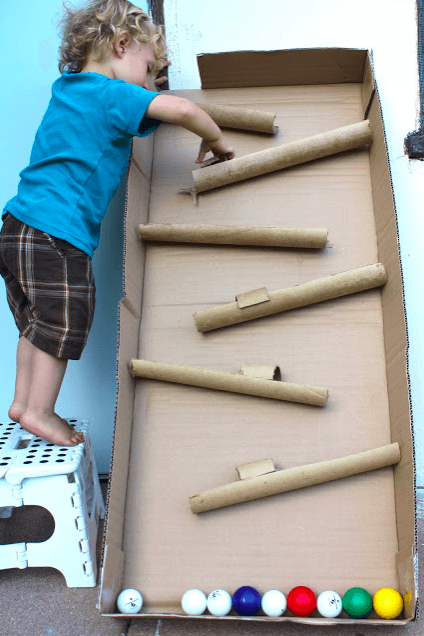
1. Create a Ball Maze. A great activity for shape identification, predictions, cause and effect, and fun!

Ball Maze

2. Hula Hoop sized bubbles. What is this beautiful concoction? Hula Hoops AND bubbles?! Yes, please!

Hula Hoop Bubbles

3. Books for young children to get them moving AND reading.

Books to Get Kids Moving

4. Five favorite Kindermusik ways to get up and move.

little girl dancing

5. Classic Hand-Clapping Games for Kids. No worries. Adults can play, too!

Hand Clapping Games

6. Teach Your Child the Letter P. Turn down the summer heat and learn about penguins and the letter P.

P is for Penguin

No matter how your family chooses to celebrate summer, fall, winter, or spring, we know that you will be creating memories together!

Kindermusik memory quote

Looking for more ideas for your family’s summer (or winter, fall, and spring) list? Be sure to follow us on Pinterest! 

Contributed by Lisa Camino Rowell, a freelance writer (and Pinterest pinner!) from the Atlanta, Georgia, area.

4 Musical Ways to Entertain Young Children While Lying Down

Kindermusik_25You need a break. I don’t even know you, but if you are a parent like me, well, you need a break. Of course, no law states that parents are entitled to one 15-minute break for every four hours on duty much less an hour-long lunch break.

A break from parenting is best taken in small increments throughout the day. It’s the real reason why parents of young children claim they need to go to the bathroom so often. It’s one of the few places where we can create the illusion of solitude (if you block out the sound of the child banging on the bathroom door asking for a snack or the little fingers reaching under the door, of course).

If you find yourself needing a break—outside of the potty—try one of these musical ways to entertain your kids while sitting (or lying down):

4 Musical Ways to Entertain Young Children While Lying Down

  1. Put on some music and invite your child(ren) to create a musical variety show. While they dance, play instruments, or participate in a parade, you head to the couch for the best seat in the house! Your kids will burn off some energy without YOU chasing them all around the house (or playground, cul-de-sac, or grocery store)! For older children, you can buy some extra “down time,” by suggesting they rehearse beforehand so you will be surprised! Here’s a Kindermusik child playing her dulcimer for her mom!
    [youtube]https://www.youtube.com/watch?v=M25eG7ZXqxs[/youtube]
  2. Engage in a Call-and-Response singing game. You hum a tune or clap a rhythm. Your child repeats it back. Increase the complexity of the patterns. Take turns being the leader. You can even invite your child to lightly tap out the beat on your back.
  3. Play freeze dance. Put on some music. While the music plays, your child dances. When the music stops, your child stops dancing. Young children love creating silly poses when the music stops. Plus, you can control the music from any relaxing position! As an extra bonus, children gain practice with inhibitory control or the ability to stop oneself and wait.
  4. Guess the song. Take turns humming a familiar tune while the other person tries to guess the song.

Looking for more ideas on how to use music to make parenting easier? Be sure to follow us on Pinterest!

Contributed by Lisa Camino Rowell a writer from the Atlanta area. She often used uses these musical tips with her own children!