
Celebrating Independence in Young Children

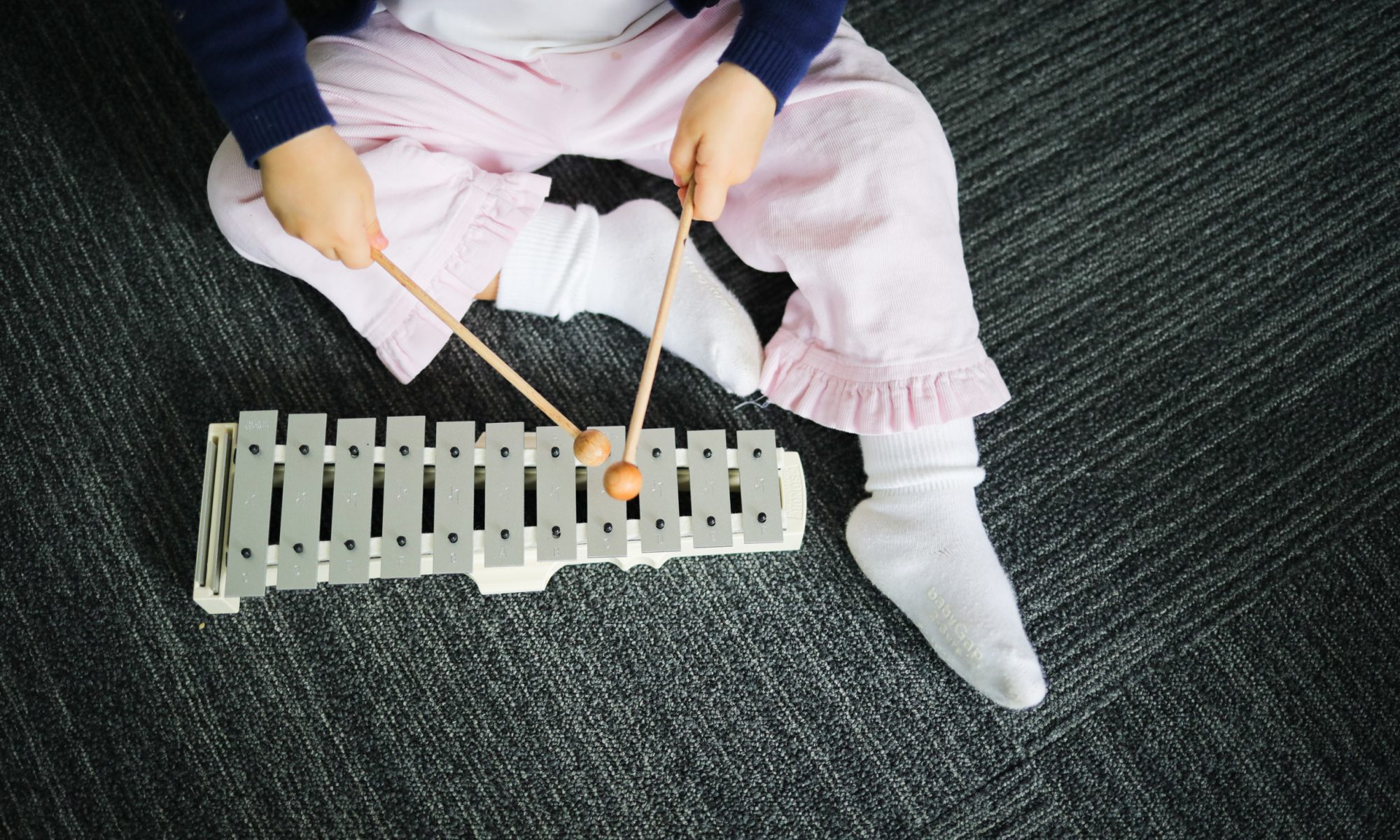
Kindermusik Class - Child with Glockenspiel

As July 4th approaches, and Americans prepare to celebrate the red, white, and blue, those of us at Kindermusik are pondering independence—our country’s, certainly, but also our children’s independence. (We can’t really help it; we’re all about die kinder.) Most parents would agree that independence is vitally important to cultivate in children. After all, isn’t the goal of parenting to produce a fully realized human—someone who can function and thrive independently in the world?

Continue reading “Celebrating Independence in Young Children”

How Shared Music-Making Nurtures Emotional Intelligence

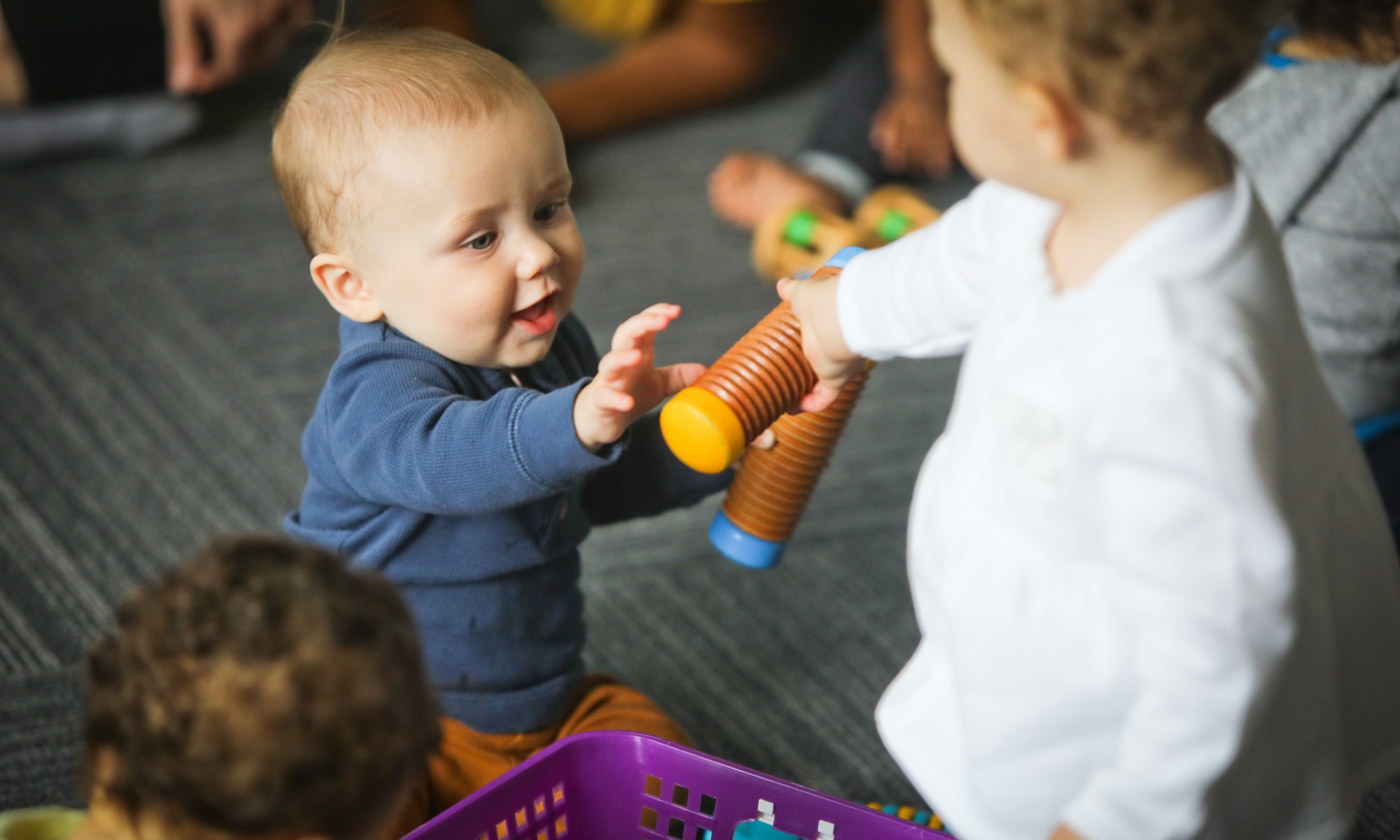
Two 1-year-old boys pass instruments to each other during a Kindermusik class; early cooperative play like this supports emotional intelligence.

What is emotional intelligence?

Since the early 90s, early educators have been keenly interested in “emotional intelligence” (the awareness of our emotions, how to manage them, and use them) and its connection to wellness and success. What we know now is that a child’s brain is primed for nurturing emotional intelligence, and there are scientifically proven reasons why shared music-making is the best nurturing tool out there.

Continue reading “How Shared Music-Making Nurtures Emotional Intelligence”

More Recess, Even More Focus

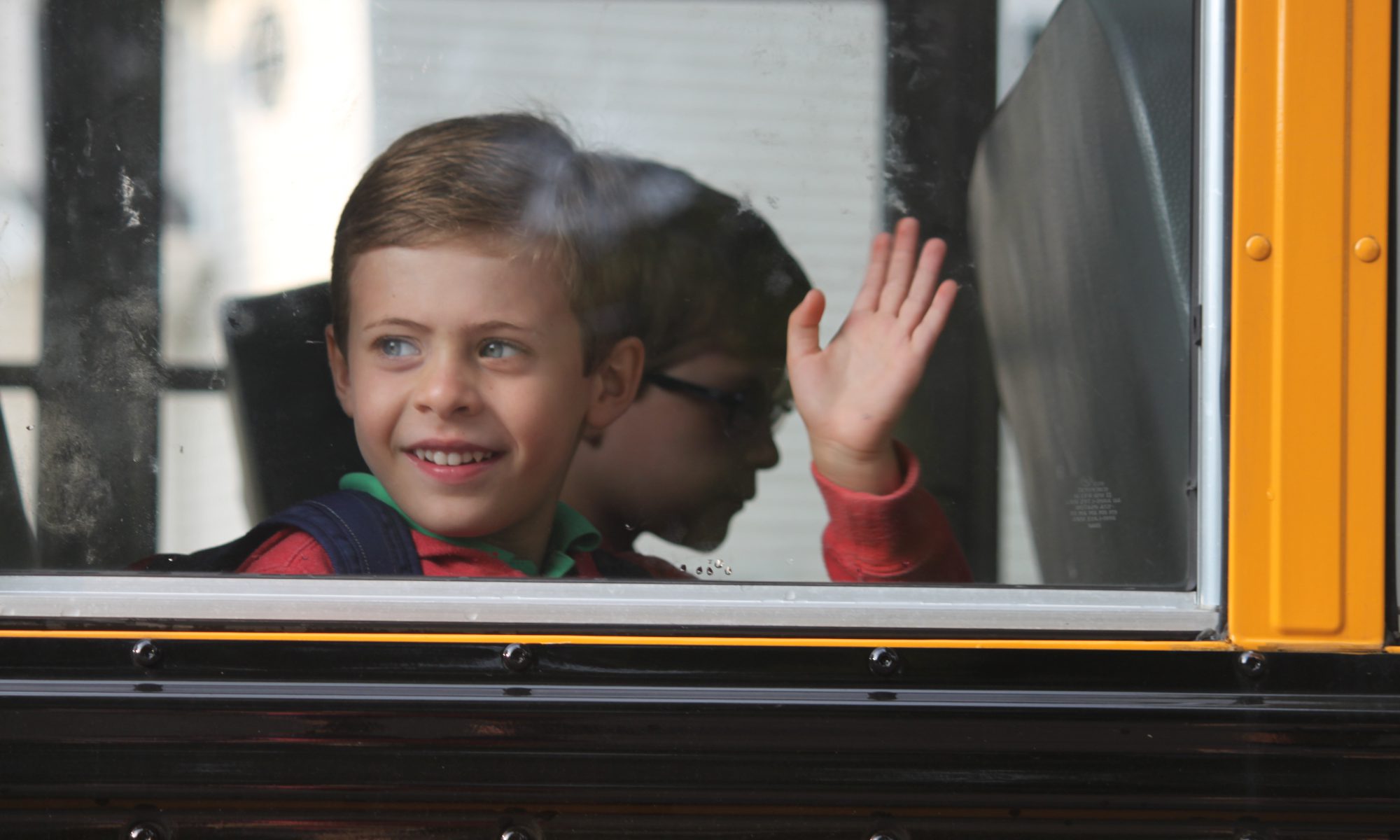
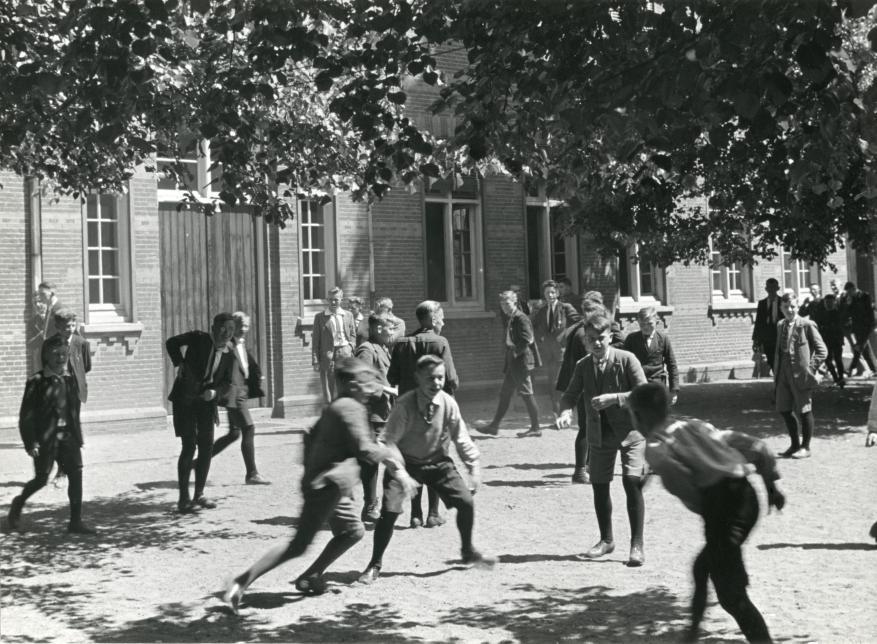
recess play

Things are happening at Eagle Mountain Elementary School in Forthworth, Texas. They are happening on the playground and in the classrooms, and believe it or not, they are connected. Recently, the school tripled the amount of recess time the students received and the results have been amazing. We have talked about the importance of play on this blog in the past. It looks like Eagle Mountain has discovered play’s importance in practice.

Continue reading “More Recess, Even More Focus”

5 Big Benefits: The Social Learning Domain and Kindermusik

Quality Time

The textbook definition of social-emotional development “…includes the child’s experience, expression, and management of emotions and the ability to establish positive and rewarding relationships with others (Cohen and others 2005).  At its heart, social development for children is about connections and understanding and expressing emotions.

Continue reading “5 Big Benefits: The Social Learning Domain and Kindermusik”

Book Review – Fidget Wisely

Fidget Wisely

[vc_row][vc_column][vc_column_text]Fidget Wisely: 10 Ways to Teach Mindfulness Skills to Kids Who Can’t Sit Still by Kirsten May Keach MA, MFT is available at your favorite local bookstore or online in both digital and paperback editions.


[/vc_column_text][/vc_column][/vc_row][vc_row][vc_column][vc_column_text]

A Wonderful Resource…

Does your child fidget? Perhaps he has a hard time sitting in one place. Let’s face it…we’ve all been there to one degree or another. Kirsten May Keach, a licensed family therapist has written the perfect book to help us help our kids develop mindfulness skills into their day to day lives. In the book’s introduction, Keach tells us the genesis of Fidget Wisely:

I had the privilege of working as a therapist in an elementary school. I very quickly had a full caseload of kids. Children were coming to my office frustrated and anxious… The conversations with teachers and administrators went something like this: “He/she is a smart kid with lots of potential but…he just doesn’t listen” or “She won’t sit still”… The conversations with parents began in a similar way… I call this the “He/she is a great kid, but…story.”

The story began to permeate my days. I was my job to identify and dissolve the “but” standing in the way of these kids and their success. What I found was that for the most part, these kids had poor emotional regulation skills. This means that they had difficulty managing their feelings and emotions.

I began to teach kids emotional regulation skills through mindfulness and yoga activities. I integrated the skills I learned living in a Thai Buddhist Monastery into my work as a therapist. I made all these skills kid-friendly.

The kids loved learning mindfulness skills. To my surprise, they caught on like wildfire.

– Kirsten May Keach, Fidget Wisely

[/vc_column_text][/vc_column][/vc_row][vc_row][vc_column][vc_column_text]

Unsure What Mindfulness Is? Keach Has you Covered

Before diving into the meat of the book, Keach provides the reader with a very clear definition of what mindfulness is. How can we help our kids attain this skill and state of being if we don’t know what it is? Put simply, mindfulness is “the awareness that emerges through paying attention on purpose, in the present moment, and non-judgmentally to the unfolding experience.”

She elaborates in plain terms, of course. You’ll have to buy the book to learn more![/vc_column_text][/vc_column][/vc_row][vc_row][vc_column][vc_column_text]

Simple Flow, Easily Digested

Keach has organized her book into very easily followed instructions so that even the mindfulness newbie can take valuable information. She provides several craft activities, with detailed instructions, followed by information on how that craft can be used to help a child center themselves and find that elusive mindfulness. The first craft is a glitter jar, Keach’s version of a snow globe. Here, we create an object with the sole purpose to be touched, shaken, fidgeted with – but with the end game of providing a point of focus for the child.

Each section is formatted in a way that makes executing the craft or activity simple. For crafts, she provides a supply list and clear steps. There is also always a set of rules, that are both practical and humorous.[/vc_column_text][vc_column_text]

Book review
Keach’s instructions for a rice box. Remember, don’t eat the rice!

[/vc_column_text][/vc_column][/vc_row][vc_row][vc_column][vc_column_text]

Physical Activities

Keach provides many wonderful activities throughout the book, from breathing exercises to basic yoga poses for kids. Tips for teachers, information on set-up, and specific instructions are provided. This compact, affordable book provides several poses that are useful for children.[/vc_column_text][/vc_column][/vc_row][vc_row][vc_column][vc_column_text]

Book Review
Kirsten May Keach, MA MFT

[/vc_column_text][/vc_column][/vc_row][vc_row][vc_column][vc_column_text]

Fast Read, Helpful Content

We’re all busy people. This resource – a pragmatic and activity driven approach to helping kids develop mindfulness skills is quickly read and packs a great deal in a small package. Take a look, you won’t be disappointed. Oh! And if you are a kindleunlimited™ member, it’s free![/vc_column_text][/vc_column][/vc_row]

Music Listening With Your Kids: Find the Center

Music Listening

[vc_row][vc_column][vc_column_text]One afternoon, I walked into the living room and my very active 3-year-old daughter was just laying on the couch with a blanket. “What are you doing? Are you OK?” I asked her. “Yes mama, I’m just listening to the music,” she replied. And she stayed there for a good 20 minutes. Mind you, this is the child who barely sat down for more than 30 seconds at a time.[/vc_column_text][/vc_column][/vc_row][vc_row][vc_column][vc_column_text]Listening to music is something of a lost art. Taking the time to just LISTEN with your child can help you to reconnect after a long day and teaches them that listening to music can be the main activity and not just background noise. Babies and young children especially benefit from mindfully listening to music. We forget that they are also exposed to stressors during their day and that relaxation is a LEARNED skill that we need to teach. It doesn’t have to be very long, try listening to 1 or 2 songs, especially if your child is very young and on the move! The idea isn’t to get them to “sit down and listen,” but to create an environment where they are able to enjoy the music.[/vc_column_text][/vc_column][/vc_row][vc_row][vc_column][vc_column_text]Music Listening[/vc_column_text][/vc_column][/vc_row][vc_row][vc_column][vc_column_text]

A Few Tips for Mindful Music Listening

  • Start the music and then put your phone and all other technology away and out of sight.
  • Make eye contact with your child and smile.
  • If your child needs movement, try rocking with them on your legs.
  • Add some intentional touch such as rubbing their back or ears, or massaging their feet.

[/vc_column_text][/vc_column][/vc_row][vc_row][vc_column][vc_column_text]Quietly talk about the music. What instruments are being used? Is it a man or a woman singing? Is the music fast or slow? Does it sound happy or sad? If there are words, what language are they speaking? Even babies and toddlers benefit from you labeling these sounds for them, and children in preschool and beyond will enjoy having a conversation about the music they are hearing.[/vc_column_text][/vc_column][/vc_row][vc_row][vc_column][vc_column_text]Make music listening a special part of your daily rituals, whether it’s when you come home from work, or before bedtime. Your entire family will benefit from a few minutes of mindful music listening![/vc_column_text][vc_separator][/vc_column][/vc_row][vc_row][vc_column][vc_column_text]

Jessica Solares | Bucktown Music
The Solares family at their Chicago studio, Bucktown Music

[/vc_column_text][vc_column_text]Jessica Solares and her husband Luis own Bucktown Music in Chicago, IL, which is recognized by Kindermusik International as one of the top studios in the world. Jessica holds a Bachelor of Music degree from Elmhurst College and has been a licensed Kindermusik educator since 2008. She joined the Kindermusik University teacher training team in 2016 and is proudly sharing her expertise with the newest generation of Kindermusik educators![/vc_column_text][/vc_column][/vc_row]

7 Things: Harvard Psychologists Identify Positive Parenting Points

Positive Parenting

Recently, psychologists from Harvard’s Making Caring Common Project (MCC) produced a list of seven concepts successful parents tend to consider when raising caring, compassionate, ethical children. The MCC exists to:

..help educators, parents, and communities raise children who are caring, responsible to their communities, and committed to justice.

It’s a pretty wonderful group of folks who truly want to see our kids be the best versions of themselves they can be. Both scientists and parents partner together to foster kindness and a commitment to the greater good. Let’s take a look at their seven research supported “guideposts” for positive parenting.


1. Work to develop caring, loving relationships with your kids

Sounds obvious, but it’s important. If we want to pass on important concepts to our kids, they need to trust us. The more you express love and demonstrate that you care tremendously about them, they will feel closer to us. In turn, they will be more receptive to learning what we have to teach them.

How can we do this? The folks at MCC suggest planned, regular time together that includes meaningful conversation. Ask questions! The can be basic and simple, but in the end, these questions signal to our kids that we are interested in them and care about them. Try these on for size:

  • What was your favorite part of the day?
  • What was the hardest part? Why?
  • What did you learn today?
  • What is something nice someone did for you today?

Modeling love and care is so important.

2. Be a strong moral role model and mentor

We will be our kid’s first super hero. Before they learn about Wonder Woman and Superman, we will fill those roles. They will look to us, especially as we live into the first guidepost, to discern what is right and wrong, what is moral and amoral. We will be their moral hero. They will copy what we say and what we do. We’ll see them try out the faces we make, our body language, and our manner of speaking. Their eyes will always be on us. We must try to give them something positive to emulate.

How can we do this? Reflect on how we speak, how we treat others, and the model we are building for our kids. MCC advocates the following:

Pay close attention to whether you are practicing honesty, fairness, and caring yourself and modeling skills like solving conflicts peacefully and managing anger and other difficult emotions effectively.

Obviously we aren’t angels 24 hours a day. We make mistakes, but these can occasionally be used as teaching moments, too (depending on the subject at hand). Here are some suggestions from MCC:

  • Engage in community service and include your little ones when appropriate.
  • Be honest – Talk with your child when you make a mistake that affects them
    about why you think you made it, apologize for the mistake, and explain how you plan to
    avoid making the mistake next time.
  • Talk things through with friends – do you have someone with whom you can talk with when things may prove challenging? It’s great to be able to have a dialogue with a fellow parent who might be able to provide a different perspective.

3. Make caring for others a priority and set high ethical expectations

We live in communities. Life on our planet is really about interacting with others. We are, by and large, social creatures. Learning at an early age how to practice empathy and compassion is very important when trying to raise kids that will care about others. With our first two guideposts in place, we are in a good place to help these little ones develop and understanding of these concepts and and put them into practice in their world.

How can we do this? Help our children live into the commitments they make – even the most simple commitments. Making their bed…practicing kindness with a sibling…sharing toys with others…these are all basic commitments we can help them realize.

We can help them stand up for important principles like fairness and justice, and always encourage them to be respectful. Here’s MCC’s list to help with this guidepost:

  • Consider the daily messages you send to children about the importance of caring. For example, instead of saying to children “The most important
    thing is that you’re happy,” you might say “The most important thing is that you’re kind and that you’re happy.”
  • Prioritize caring when you talk with other key adults in your children’s lives. For example, ask teachers and coaches whether your children are good community members in addition to asking about their academic skills, grades, or performance.
  • Encourage kids to “work it out.” Before letting your child quit a sports team, band, or a friendship, ask them to consider their obligations to the group or the friend, and encourage them to work out problems.

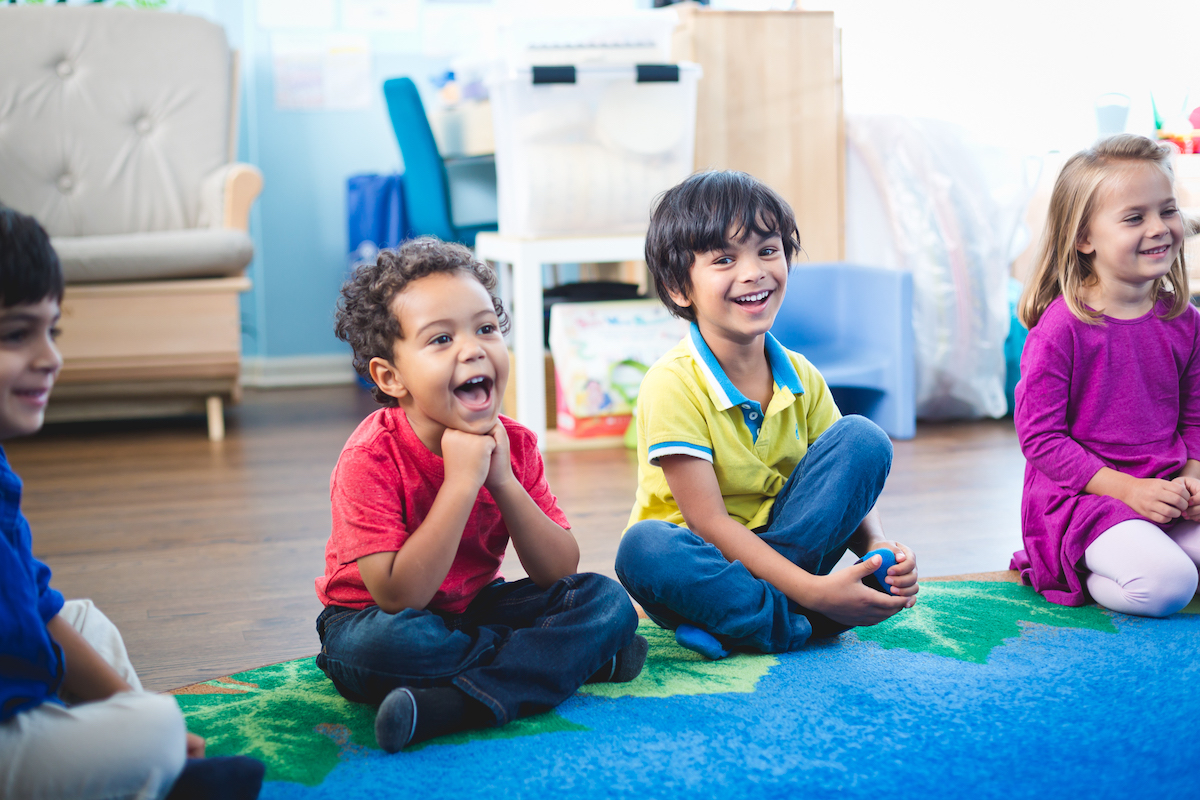
Opportunities to interact with others and practice kindness are great - like a Kindermusik class!
Opportunities to interact with others and practice kindness are great – like a Kindermusik class!

4. Provide opportunities for children to practice caring and gratitude

Have you ever gotten proficient at a skill without opportunity to practice? Most likely…no. And friends, putting these concepts into practice is a skill. Ensuring that our kids have ample opportunity to exercise these skills in the real world and not just as ideas in their head is key. When you are at the store, have your child thank the cashier and the bagger. At a restaurant? Let your little one order, complete with please and thank you. Take every chance to express gratitude, to demonstrate compassion. MCC’s list of suggestions includes:

  • Help with chores around the house. This should become routine. Praise uncommon acts of kindness. Expect routine – these actions will more likely become ingrained.
  • Make caring and justice a focus. Start conversations with children about the caring and uncaring acts they see in their daily lives or on television and about acts of justice and injustice they might witness or hear about in the news, such as a person who stood up for an important cause or an instance of sexism or racism. Ask children how they see these actions and explain why you think these actions are caring or uncaring, just or unjust.
  • Expressing thanks. Consider making expressing gratitude a daily ritual at dinnertime, bedtime, in the car, or on the subway. Encourage children to express appreciation for family members, teachers, or others who contribute to their lives.

5. Expand your child’s circle of concern

It’s a simple concept, really. If we’ve been successful with guideposts one through four, our children will already have a great foundation in compassion, caring, and empathy. Normally though, this readily extends to the close circle of trusted adults – immediate family and close friends. The idea here is to help our kids care about those outside the circle, thereby expanding it. We want our kids to be compassionate and empathetic with the new kid in class or someone that might look different than they do, whether that be, for example, race or ability.

How can we do this? MCC states:

It is important that children learn to zoom in, listening closely and attending to those in their immediate circle, and to zoom out, taking in the big picture and considering the range of people they interact with every day. Children also need to consider how their decisions impact a community. Breaking a school rule, for example, can make it easier for others to break rules. Especially in our more global world, it’s important, too, for children to develop concern for people who live in other cultures and communities.

Here are some specifics from MCC:

  • Encourage children to consider the perspectives and feelings of those who may be vulnerable, such as a new child at school or a child experiencing some family trouble. Give children some simple ideas for taking action, like comforting a classmate who was teased or reaching out to a new student.
  • Use newspaper or TV stories to start conversations with children about other people’s hardships and challenges, or simply the different experiences of children in another country or community.
  • Emphasize with your child the importance of really listening to others, especially those people who may seem unfamiliar and who may be harder to immediately understand.

6. Promote children’s ability to be ethical thinkers and positive change-makers in their
communities

Kids care about ethics. They might not know the term, but ethics enters into their lives pretty early one. How often have you heard a young child talk about what is fair and not fair? Have you had a discussion with your own child about how they might have been mistreated by another child? What about telling the truth, even when it’s hard? They know. They want to learn. They have a desire to understand how human interactions work. They quickly understand that their choices have an impact on others. So how can we promote ethical thought in young kids?

We can help them work through the ethical puzzles that occur in their lives. MCC uses this example – talking through a situation in which a child is deciding whether or not to invite a new friend to a party when their best friend might not like the new friend. We can help our kids understand how to handle bullying when it rears its ugly head.

The key here is to use the open channels of communication and moral center we have created by employing the previous guideposts.

7. Help children develop self-control and manage feelings effectively

We’ve talked about this one here at Minds on Music before. Helping our kids develop self-regulation and self-control are key to navigating the journey from toddlerhood all the way to puberty and beyond. If our own challenges can’t be managed successfully, it will be next to impossible to view the world through compassionate eyes. We’ll be overcome by our own ego. If we help our children develop a skill set to manage their own emotions and moderate their interactions with the world, they will more readily understand their place in it. We can aid them as the move through Piaget’s Preoperational Stage, characterized by the struggle to see things from perspectives other than their own.

How can we help them? By teaching our kids to label their feelings, to talk about them. It’s so important that kids learn that feelings, even feelings like anger and sadness are okay. The challenge is in how we express those feelings, how we process them. Some ways are much better than others. From the MCC:

A simple way to help children to manage their feelings is to practice three easy steps together: stop, take a deep breath through the nose and exhale through the mouth, and count to five. Try it when your child is calm. Then, when you see her getting upset, remind her about the steps and do them together.

Practice with your child how to resolve conflicts. Consider a conflict you or your child witnessed or experienced that turned out badly, and role play different ways of responding. Try to achieve mutual understanding—listening to and paraphrasing each other’s feelings until both people feel understood. If your child observes you experiencing a difficult feeling and is concerned, talk to your child about how you are handling it.

Positive Parenting at its Best

This is proactive, positive parenting. It takes time to employ, but the benefits are long-lasting. I have often told our kids that my main goal is to make sure they make it to adulthood alive. My 14 year-old likes to jokingly quip back when i ask him to do simple things (like turning out a light), “Don’t tell me how to live my life!” I return with, “That’s literally have my job.”

“What’s the other half?” he’ll ask.

“Telling your brother how to live his.”

We laugh. We’re lucky to have a positive relationship. But really, whether our sons realize it or not (and I’m pretty sure they do), what we do as parents goes far beyond making sure they make it to adulthood alive or simply telling them how to live. We try our best to be positive models. We have tried to help them develop a sense of right and wrong, of compassion and empathy. We have had and continue to have discussions over dinner about ethical issues and how to treat others. Hypothetical situations are great conversation starters. Sure, the content of the discussions has increased in complexity as they have gotten older, but we did our best to have age appropriate talks at every point in their lives. When we take the time to practice these guideposts, our kids have the potential to develop as caring, compassionate individuals. And that’s the MCC’s goal, to make caring common. It’s a pretty good goal for all of us.

For more from the MCC, click here.