
Kindermusik and Your Child: Scaffolding

Kindermusik Music Classes for Kids

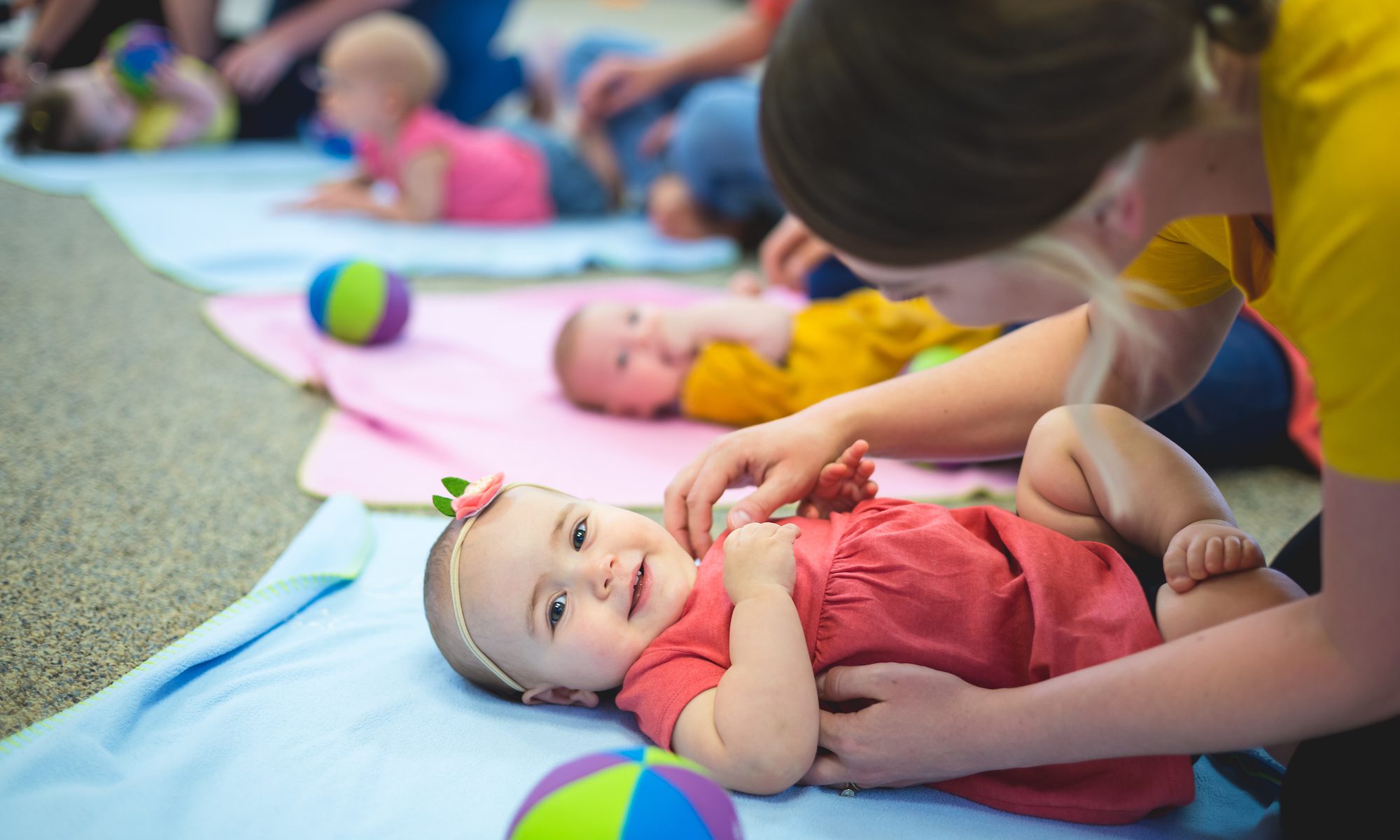
Kindermusik Music Classes for KidsScaffolding is an interactive means of learning that occurs between adult and child. In this process the adult gently guides and supports the child’s learning, responding to the child’s level of participation by asking questions, making observations, and issuing new challenges according to the child’s responses. Together, one layer at a time, the adult and child discover new ideas, experience new emotions, learn new language, and strengthen their trusting bond.

Steps to Scaffolding…
As a parent, you have probably used the process of scaffolding without even realizing it while helping your child do something that he couldn’t have done on his own. You have used scaffolding when you have helped your child put a puzzle together by asking questions, making suggestions, and giving hints. You may have noticed that the next time your child put that puzzle together, he needed less help. Through scaffolding, skills are mastered.

Examples of scaffolding strategies include: Continue reading “Kindermusik and Your Child: Scaffolding”

FOL Fridays: Sequence Development

Music and Learning

Music and LearningSequencing is the ability to remember an order of events or instructions. If you’re wondering how long of a list your child should be able to remember or follow, a good rule of thumb is that young children are able to remember a sequence with approximately as many steps as their age. For example, a two-year-old can likely complete a two-step direction, three-year-olds can often sequence three steps, and so on.

Tips for parents: Like most skills, learning to sequence is a skill that can be practiced. Look for ways throughout your day to help your child practice following steps or remembering a sequence. This “practice” can come in the form of giving instruction (i.e., Pick up your socks and then take them to Daddy.), giving a sequence of events (First, we’ll eat breakfast, then we’ll get dressed, and then we’ll go to Kindermusik!), or discovering the sequence in a story book.

– Contributed by Theresa Case, whose Greenville, SC program, Kindermusik at Piano Central Studios, is proudly among the top 1% of Kindermusik programs worldwide.
We Love You… and Kids Everywhere

Kindermusik Music Classes for Kids

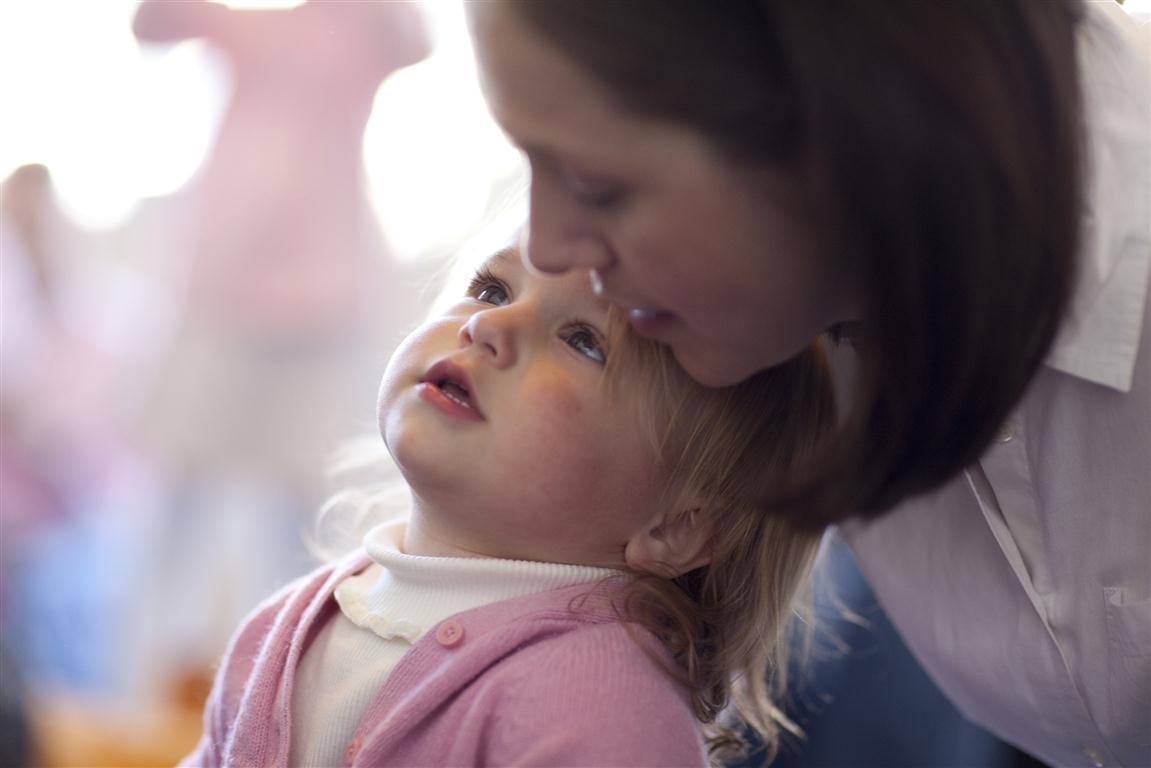
Help us support the Save the Children HEART (Healing and Education through the Arts) Foundation.Kindermusik Music Classes for Kids

For every new Facebook follower the Kindermusik International page receives between the dates of 2/14/2012 (12:01 AM US EST) and 2/17/2012 (11:59 PM US EST), we will donate $1 to the Save the Children HEART (Healing and Education through the Arts) Foundation.

Join our Facebook community to support this effort by clicking this link.

Mozambique: Save the Children’s HEART program
A Mozambican preschool boy learns painting, drawing and other art activities through a Save the Children-supported program that helps children affected by HIV/AIDS cope. Photo credit: Dominique Bovens (via SavetheChildren.org)

Here is information on the HEART Foundation from their Web site, which has a mission to reach and heal children living in countries and communities affected by conflict, violence, HIV/AIDS and extreme poverty using the arts, which is obviously something near and dear to our hearts.

Save the Children’s HEART program uses the arts to promote children’s development and well-being by providing them with a creative means of expression.

The program is targeted to children living in countries and communities affected by conflict, violence, HIV/AIDS and extreme poverty. Children, some so young they don’t yet have the language skills, learn how to use the arts to give voice to their emotions about difficult events in their everyday lives. This is critical to helping children cope, and putting them on a path to reach their full potential in life.

By working with local partners, Save the Children seeks to integrate HEART into its emergency response work, as well as its education and early childhood development programs so that the programs can continue for years to come.

Kindermusik and Your Child: Fast or Slow?

Have you ever asked your child to move faster, slow down, walk, run, or hurry up? By doing so, you are giving your child experience with tempo. Just as music has tempo (or speed), we experience tempo in just about everything we do. We play a lot with tempo in our Kindermusik classroom, not only because tiptoeing, running, walking, crawling, and creeping are fun, but also because it helps young children feel varying tempi through movement, long before they can express an understanding of tempo verbally.

Music has a variety of terms to describe tempo, or the speed of the music…accelerando (going faster), presto (very fast), adagio (quite slow), moderato (moderate). Your Our Time toddler music class student won’t be learning these terms per se; however he will be experiencing them in every class! Because our little ones are instinctively interested in fast and slow (mostly fast!), Kindermusik capitalizes on that interest and provides a multi-sensory experience that looks something like this: The child moves himself both

fast and slow to the music, sees others moving fast and slow, hears music that is both fast and slow, and has opportunity to experience playing an instrument both fast and slow. In other words, he is fully engaged.

Your child will do many activities in the years to come that involve tempo. Did you know there is a tempo to running, swinging a golf club, a tennis racket, a baseball bat? There is a tempo in moving up and down the basketball court, the soccer field, the football field. There is tempo to speech, and of course, music. Your child’s Kindermusik classroom experiences with tempo translate later into valuable skills that cross into every area of your child’s life – music, sports, dance, gymnastics, art, drama, and more!

Compiled by Theresa Case, whose Kindermusik program at Piano Central Studios in Greenville, SC, is proudly among the top 1% of Kindermusik programs worldwide.

Activities for Babies 6 – 12 Months :: Elevator Ride

Elevator Ride with your Baby

Lie on your back, bring your knees toward your chest, and place your baby tummy-down on your lower legs. Raise your lower legs up and down, letting your baby take an “elevator ride.” Be careful not to arch your back while doing this movement. During the ride, let your voice rise as you chant “up,

up, up” and let your voice go lower as you chant “down, down, down.” Your baby will begin to learn the concepts of up and down through this multi-sensory activity.

FOL Fridays: Pretend Play

Pretend play is the ability to transform objects and actions symbolically. If you closely watch a young child’s pretend play, you will see that he is learning about the real world around him by exploring imaginary situations. Children use pretend play to “practice” and explore what is and isn’t possible. Pretend play also gives children the opportunity to try out their ideas and solve problems as they create the characters and “rules” in their world

Tips for parents: Encourage your child’s pretend play in two easy ways. First, set aside some time each day dedicated to just playing. This should be time that is free from distractions, like TV. Secondly, create a Pretend Play Box or cabinet that contains items that will inspire your child’s imagination. Items like dress-up clothes, props, empty boxes, cardboard tubes, and blankets can open up a whole world of fun, imaginary, pretend play – just the kind of play that will help your child learn to entertain themselves and to be creative thinkers and problem-solvers.

– Contributed by Theresa Case, whose Greenville, SC program, Kindermusik at Piano Central Studios, is proudly among the top 1% of Kindermusik programs worldwide.
Brain Rules for Baby: Safety = Learning

Babies need a safe environment to learn.

Kindermusik-Baby

Sometimes we get so focused on baby brain development that we forget about baby survival.

Yep, the brain’s first instinct is to survive (think feeding, seeking warmth, etc.). Once that critical element is in place, the brain is free to learn. And that’s when the magic happens.

In Brain Rules for Baby: How to Raise a Smart and Happy Child from Zero to Five, Dr. John Medina reviews these little overlooked steps in early childhood development that help parents foster big assets like creativity.

Medina’s proposition, that the fundamental job of the baby’s brain is not to learn, but to survive, is exactly why our lower level Kindermusik classes are designed for both little ones and parents and caregivers. Not only is bonding extremely important in the early years, it’s a key part of how your little one learns and creates.

Our fundamental job as parents and teachers is not so much to provide a steady stream of baby educational videos, flashcards, or early childhood music lessons. It is to provide an environment of safety where learning can happen. When the brain feels safe, neurons are free to complete thousands of critical connections….but not until!

Things that Affect Children’s Safety Levels

Attachment

From the birth canal, babies are looking for attachments, their brains acutely attentive to the care being received. If essential needs are being met and healthy bonding (lots of touch and “face” time!) is occurring, there is a positive outcome.

Stress levels

A stressful environment (angry or emotionally violent) signals to baby a lack of safety. Dr. Medina does a fantastic job of pinpointing and addressing prenatal stress and conflict. He provides solid insights to bring about change to both areas.

How Classes Can Create A Safe Place to Learn

In our Kindermusik classes, our first and primary goal is to signal “this is a safe environment” to all children. From the welcome song where children are recognized as valued individuals, to the snuggle time where we turn back to receive the gentle care of a loved one, we sing and dance and snuggle our way to a place where learning can thrive, and happy neurons connect at an alarming rate!

Interested in fostering a safe learning and bonding environment for your little one? Join us for a Kindermusik class! Find a virtual or in-person session near you.

Spotlight on Learning: Village Cock-a-Doodle-Moo!

cock-a-doodle-moo, baby music class

cock-a-doodle-moo, baby music classDo you remember the first time you said hello to your baby? Perhaps you saw a shadowy profile on a sonogram or maybe someone put a swaddled bundle in your arms when you first whispered, “Hello, little one.” Somehow saying hello for the first time made your baby more than just a plus sign on a test. In that moment, your emotional connection became even stronger.

At Kindermusik, we believe in the power of hello. So, each week, we begin our baby music classes by singing: “Hello, hello let’s sing together!” Using your child’s name helps him make an emotional connection with the song and activity right from the start. It also encourages social interaction by inviting him to respond with his own greeting, such as a smile, wave, laugh, or even a little peek-a-boo. As an added bonus, it helps you learn the names of the other grown-ups in class, too!

Everyday connection: Say hello to your little friends. Try singing hello to the people, animals, and objects you see around your house. Sing to Nanna…clap to doggie…wave to the bathtub, wave hello. Your child will love it and you will be encouraging social interaction, emotional connections, and even vocabulary development!!

This blog post is celebrating the start of our spring semester of Kindermusik music classes. Our Village Cock-a-Doodle-Moo class for babies ages newborn to 18 months helps to build your baby’s brain, body, heart & soul, while celebrating the farm, folk songs, & nursery rhymes! You’re welcome to try a free class and spend an hour moving, grooving, swooping, singing, dancing, marching, rocking, massaging, & loving your baby!

A Minds on Music Quote

Music isn’t just learning notes and playing them. Youlearn notes to play to the music of your soul.
~ Katie Greenwood

FOL Fridays: Vocal Play

Playing with vocal inflection – the intonations of melody of language – is a critical part of early childhood vocal development, which may begin as early as 5-7 months of age, and provides older children the opportunity to explore the complexity of communication. Vocal play allows children to practice the precise coordination of lips, tongue, and breathing necessary to speak words.*

Ideas for parents: Vocal Play can happen any time, but can be especially fun in the car or during bath

time. An easy way to facilitate vocal play is to sing a snippet of a song or chant a short rhythm pattern or poem and invite your child to echo you back. Or you can sing part of a song or say part of a poem and have them respond with the next line. It’s a simple little game that’s both engaging and beneficial for your child’s vocal development.

– Contributed by Theresa Case, whose Greenville, SC program, Kindermusik at Piano Central Studios, is proudly among the top 1% of Kindermusik programs worldwide.

*adapted from Furuno et al, 1997