

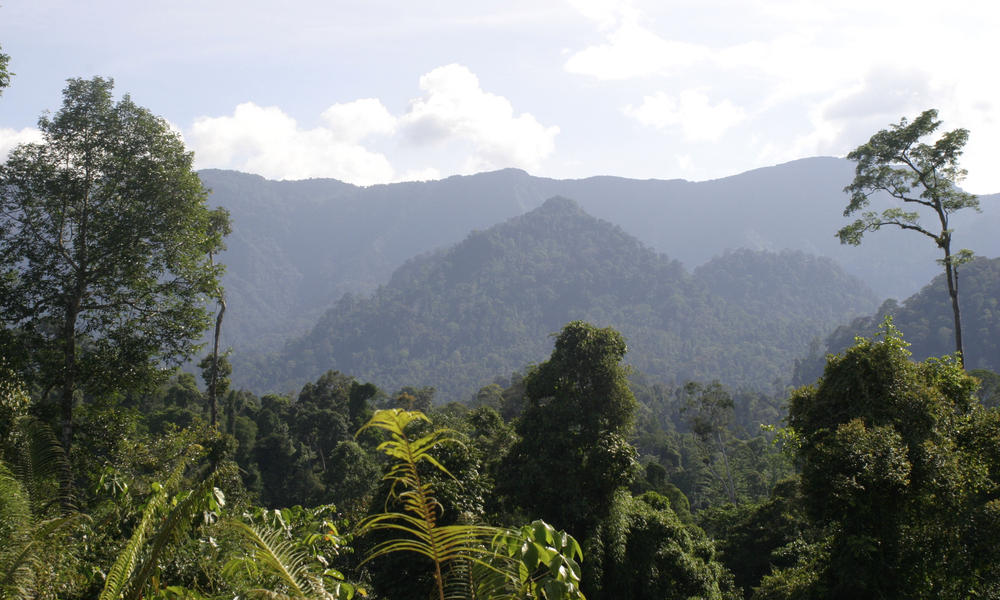

Tomorrow, May 22, is the International Day for Biological Diversity. You may be thinking – okay, now there’s officially a holiday for everything! True – this holiday is little known. But with such an overarching, unanimously critical concept like biodiversity, it’s important we give it mention. And celebrate!
In 1992, in Nairobi, Kenya, the United Nations adopted the text for the international Convention on Biological Diversity. Since then, non-governmental organizations, national goverments, and the U.N. Environmental Program have dedicated themselves to communicating the important of bio diversity to the global community by translating and distributing educational texts into local languages, offering public seminars, rallying around endangered species or habitats, planting trees and other plants that help prevent erosion, and more.
So – what is biodiversity? Biodiversity is the variety of life. It can be studied on small and large scales; it can be the study of species across the earth or an analysis of the microbial life in your cup of tea. Today, scientists have identified 1.7 million species, but researchers have estimated that there are between 3 – 30 million species on Earth, with a few studies predicting that there may be over 100 million species.
Why is biodiversity important? Complexity serves us well in many ways. It provides ecological services that make earth livable (the minerals in our soil that produce healthy food, water, our oxygen supply), it allows us to recover quicker from natural disturbances like fires, floods, and hurricanes, and it prevents disease and allows for greater medical discoveries.
How can we protect biodiversity? To answer this question, we’ll heed the advice of Edward O. Wilson, renowned biologist, theorist, and author. When asked that question in an interview with Discover magazine in 2001, Wilson replied:
More and larger reserves are the answer, carefully selected by location and biological content and maintained thereafter in such a way as to attract subsidies and other non-invasive sources of income. These include eco-tourism, non-invasive harvesting of medicinals and other wild products, and carefully selective and minimally invasive logging. Above all, we need to ensure that the local governments and people affected would benefit more by conservation than by destructive exploitation.
Celebrate this International Day for Biological Diversity by taking action on a local level. Attend a seminar, visit a national park, write a conservation petition to your local government or read a relevant book (we recommend Wilson’s book, “The Creation: An Appeal to Save Life on Earth”). Tell us how you’re taking action below!









 Focusing on one sense at a time helps children strengthen their perception. Focusing on sound, for example, sharpens listening skills. Experts say that about two-thirds of everything learned is learned through listening. When children are given an opportunity to practice their listening skills, they also enhance their abilities to focus and pay attention, allowing them to understand and interpret more of what they hear.



 Bill McKibben’s new climate change movie, “Do the Math,” airs April 21st across the United States.