The (Other) Most Wonderful Time of The Year
O the month of May, the merry month of May,
So frolic, so gay, and so green, so green, so green!
O, and then did I unto my true love say,
Sweet Peg, thou shalt be my Summer’s Queen.
–Thomas Dekker


Minds On Music – The Kindermusik Blog
For three generations, Kindermusik has helped millions of children around the world build a strong foundation for a lifetime of learning.
O the month of May, the merry month of May,
So frolic, so gay, and so green, so green, so green!
O, and then did I unto my true love say,
Sweet Peg, thou shalt be my Summer’s Queen.
–Thomas Dekker
We all know people who face challenges and have special needs. At some point, most of us face our own hurdles physically, mentally, spiritually, emotionally, relationally. Babies and toddlers, young children and teenagers, adults and retirees… Struggles are a part of the human condition and occur across all ages. Sometimes the struggles are temporary; other times they are a permanent part of life.
Music has been part of the human experience for millenia. This is not speculation, but fact supported by archaeological evidence. Artifacts such as a flute carved some 35,000 years ago, and ancient art, like Cyclades’ depictions of flute and harp players (2,700 BCE), suggest that that music has been around for as long as we have.
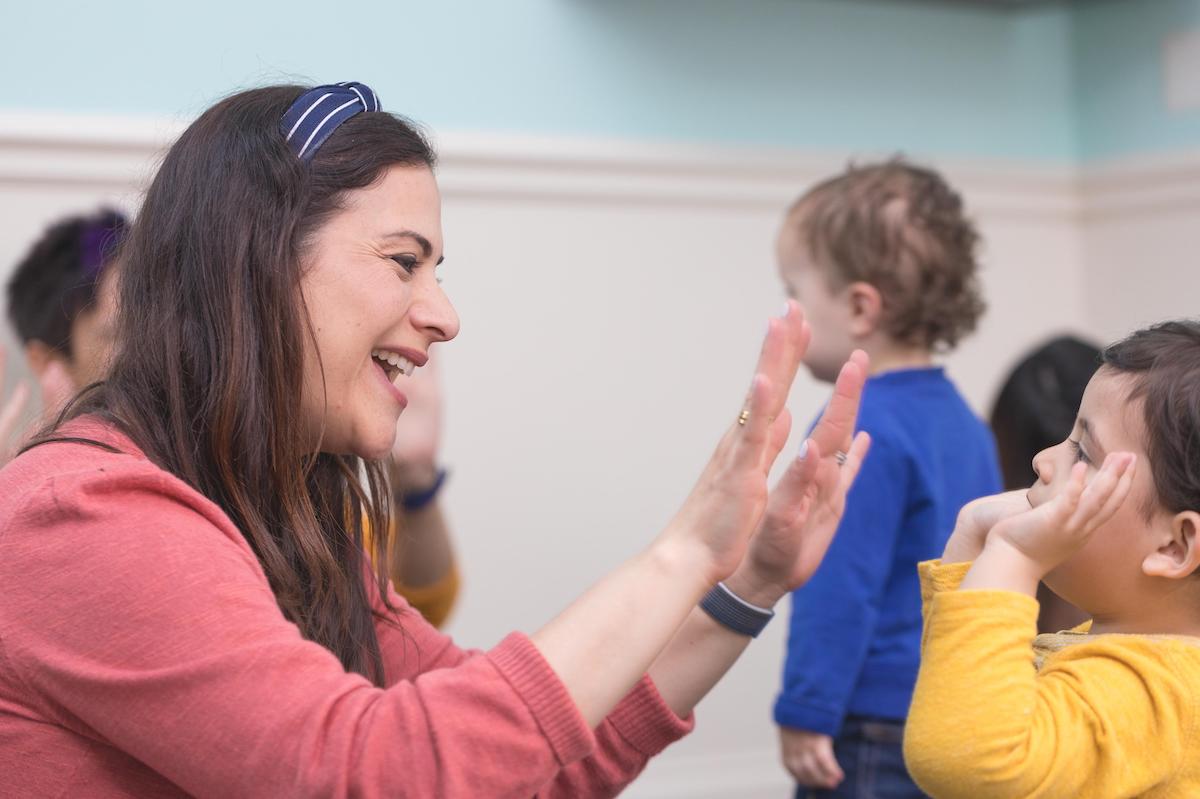
Music—whether you’re listening to it or playing it—has loads of benefits, but shared musical play (the act of making and reacting to music with another person) takes those benefits to the next level. Shared musical play is the ultimate multi-sensory experience that boosts cognitive, whole body, and social-emotional development, and supports critical grownup/child connection…all through PLAY!
There’s research to prove why practicing shared musical play at home is absolutely essential to positive growth and family engagement during the early years.
So, what exactly does it say and how can you replicate it?
Continue reading “Why Shared Musical Play with Your Child Is So Important (And Ideas to Implement!)”
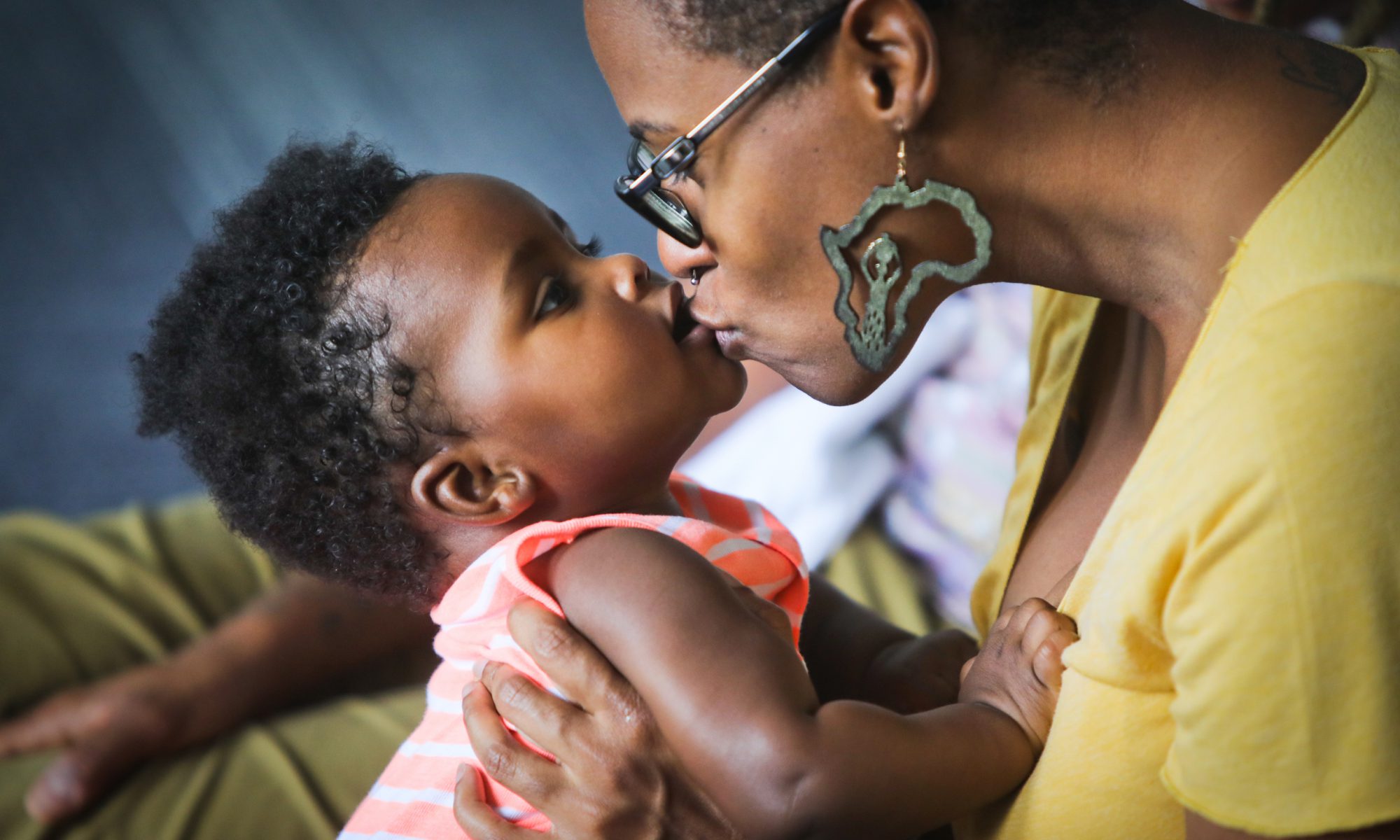
He’s so whiny. She’s a hitter. He cries non-stop. She can’t stop talking…if this sounds like your child(ren), they’re not wild—they need help learning how to self-regulate.
When grownups are overstimulated or don’t get their way, we (usually) use tools like taking a deep breath or a walk to make sure we don’t lose it. When we self-regulate, we balance our nervous systems. That helps us access our prefrontal cortex, where logic lives.
When it comes to self-regulation in children, they’ve got two things working against them:
1) They aren’t born with the tools to regulate their nervous systems, and
2) Their prefrontal cortex isn’t fully formed, so they need extra help to reach and dissect that logic.
Enter music!
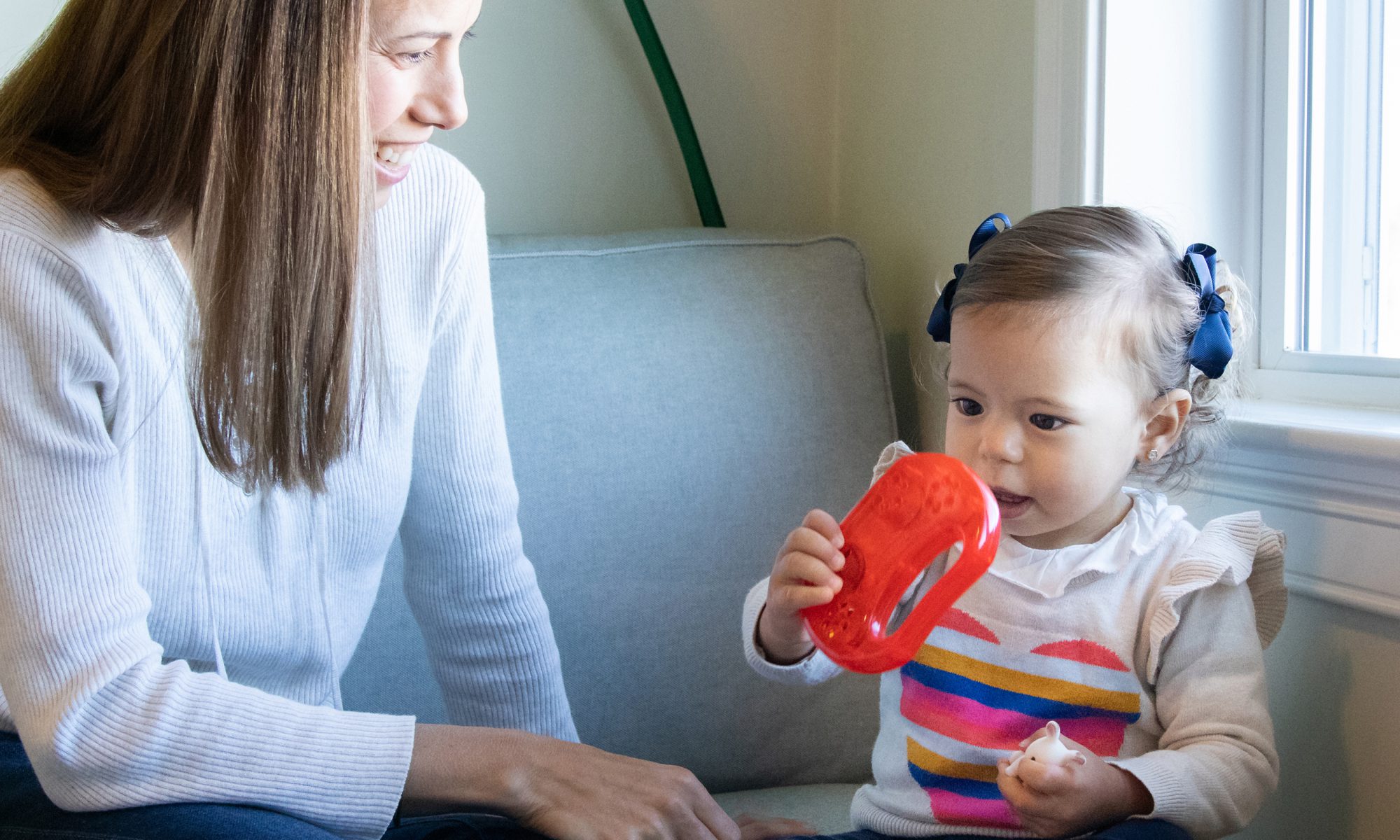
Believe it or not, Thanksgiving has already come and gone. (Wait, did you blink and miss Halloween? Us too.) And with barely time to breathe—much less digest all of that food!—Americans have shifted focus from stuffing their turkeys to stuffing their Christmas stockings.
Continue reading “It’s the Most Wonderful Time of the Year…”

As the first big snowstorm of the season rolled into Washington, D.C., so did well over 10,000 people, who came to learn, collaborate, and network at the largest early childhood education conference in the world. Educators, advocates, and other members of the early childhood service community filled the Walter E. Washington Convention Center from November 13-17, 2018, for NAEYC’s 2018 Annual Conference.
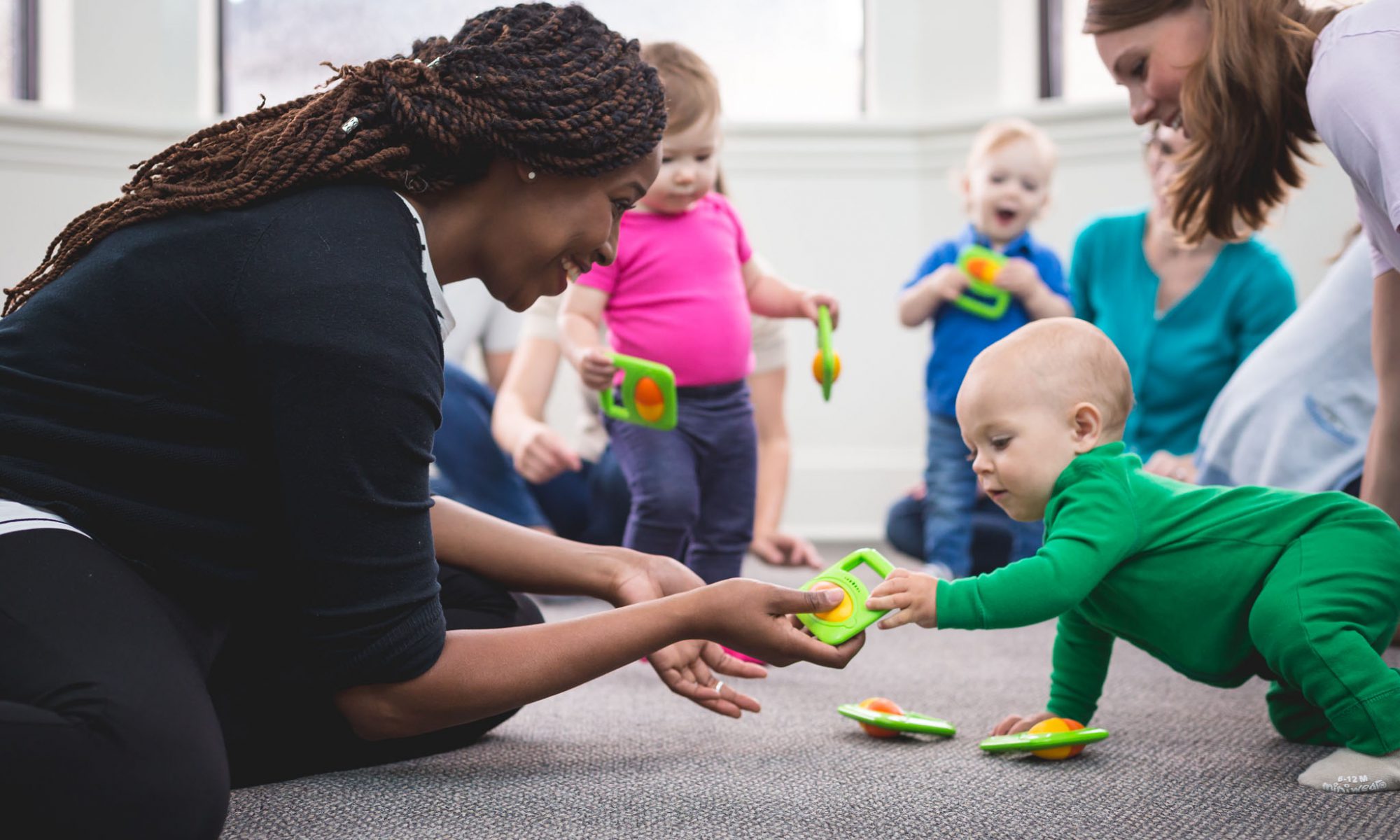
Babies are exposed to sounds during pregnancy. At birth, their sense of hearing is completely developed and their brains are programmed to find patterns, making their first year the best time to start exposing babies to music. Kindermusik’s curricula makes it fun and easy to teach music to babies and young children, and has the best educational activities for babies.
Steady beat is the foundation of all music (and language)! Babies first experience steady beat in the womb–listening to their mother’s heartbeat and feeling the rhythm of her steps. Kindermusik activities are carefully designed for a child to experience steady beat using multiple senses:
Continue reading “Baby’s Got the Beat! How to Add Rhythm to Your Daily Routine”
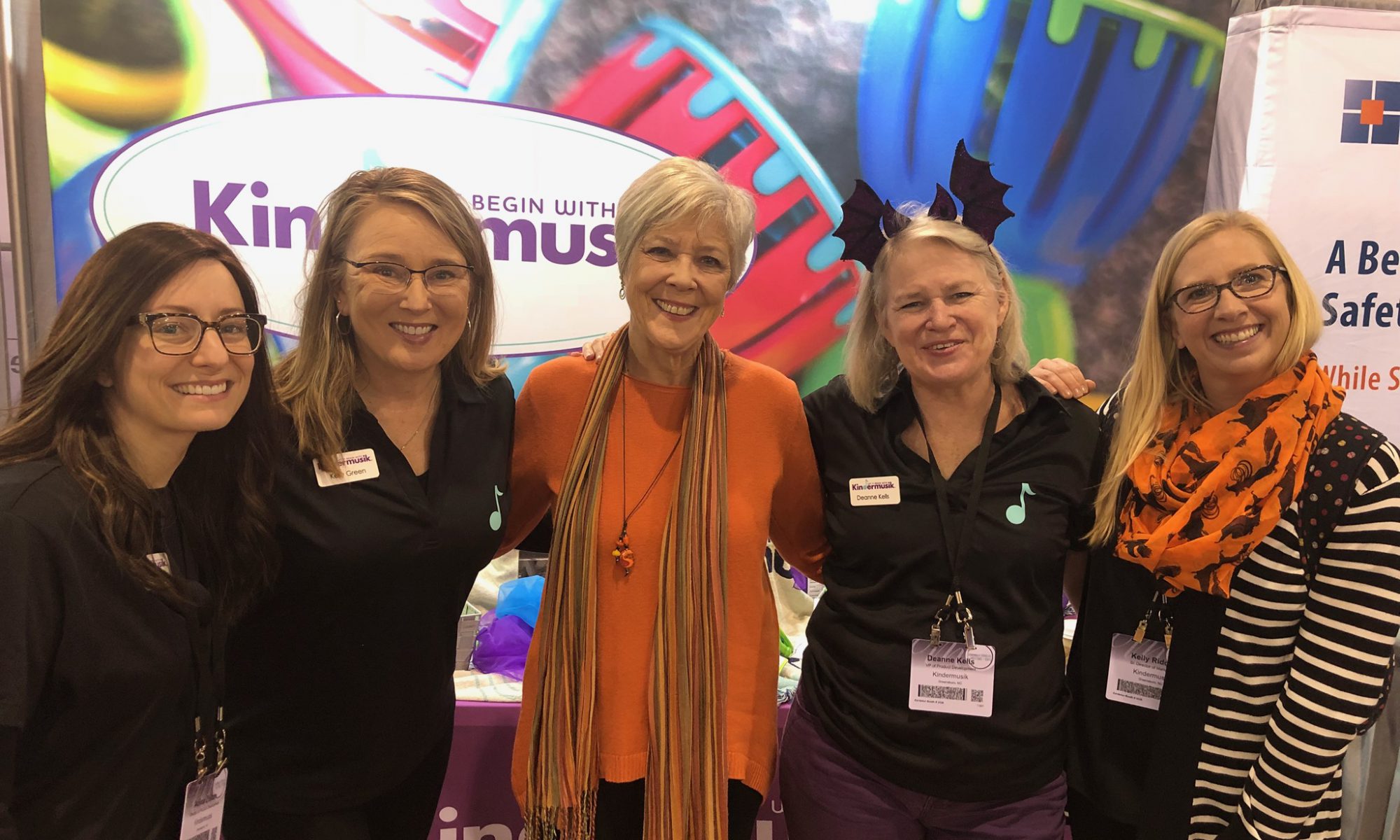
Needing something to make you feel good about the state of our society? Look no further than LeadingAge and its more than 6,000 members. This national organization is the largest association of nonprofit aging services organizations in the country. Its mission is to be “the trusted voice for aging” and its vision is “an America freed from ageism.” These values were on full display at the organization’s recent annual conference in Philadelphia, which took place at the Pennsylvania Convention Center from October 28-31, 2018.
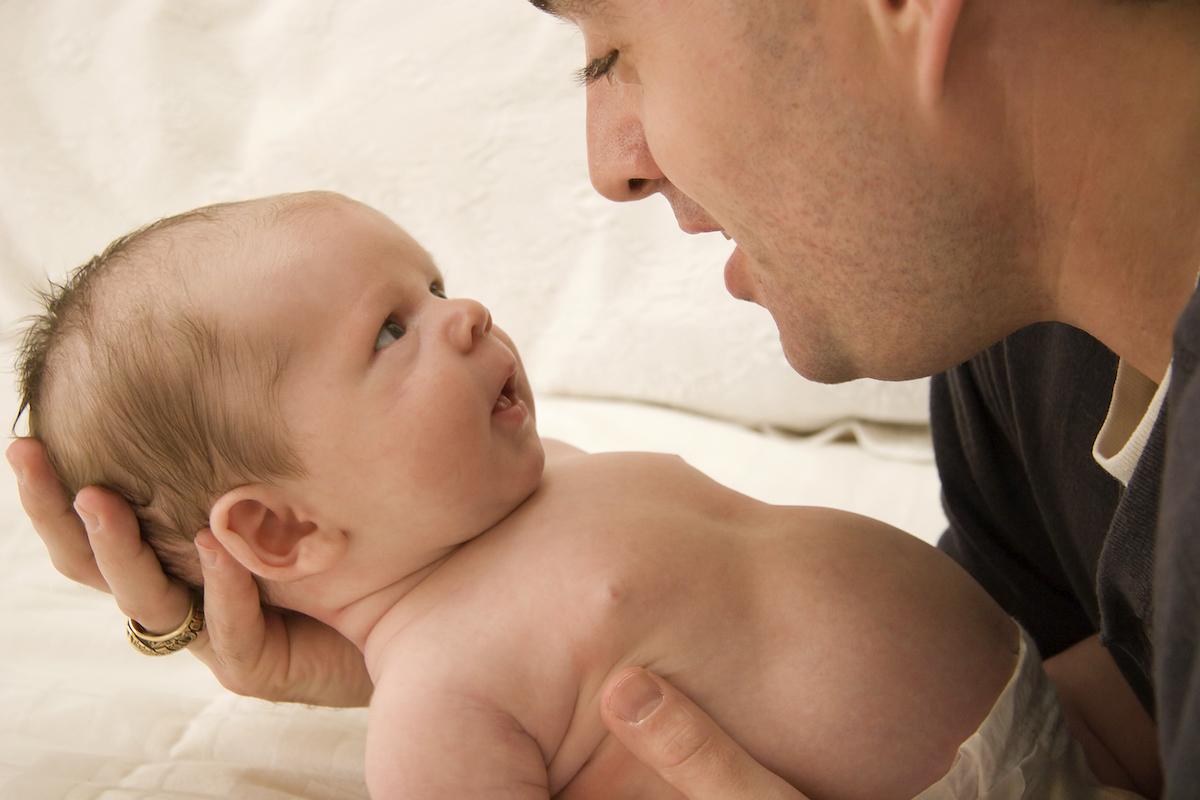
Watching and listening to a baby babble is a pretty solid form of entertainment, but did you know that babbling is the first step to forming words, and babbling back what you hear is packed with developmental benefits? Here are 5 tips to encourage babbling and maximize communication with babies.
Continue reading “Baby babble is more than cute. It’s brainpower.”