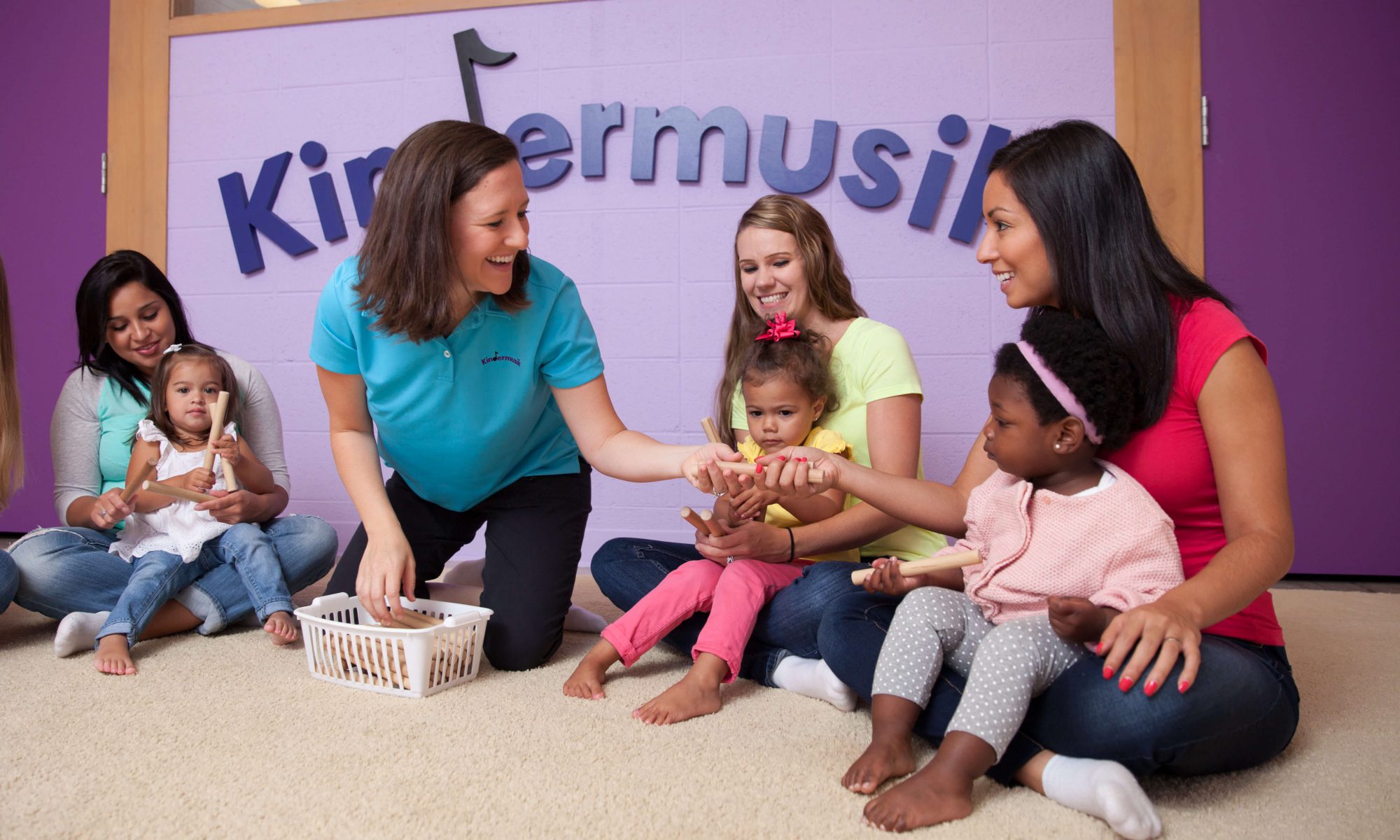
Kindermusik by the Numbers

[vc_row][vc_column][vc_column_text]Theresa Case provides research based reasons why early childhood, group musical activity is beneficial for each age – from birth to age 7. Get out there and get those little ones making music and moving![/vc_column_text][vc_video link=”https://vimeo.com/181921295″][/vc_column][/vc_row][vc_row el_class=”search-inline”][vc_column][vc_custom_heading text=”Find a Class Near You!” font_container=”tag:h3|text_align:left”][vc_column_text]Select your country and enter your address or postal code to find a Kindermusik class.[/vc_column_text][/vc_column][/vc_row][vc_row bgcolor=”ki_secondary_orange” el_class=”search-inline form-inline”][vc_column][class_finder_form layout=”inline” button_label=”Search” hide_radius=”true” css=”” country_label=”Country” radius_label=”Search Radius”][/vc_column][/vc_row]

Music in our Lives: Imagine a World without It

Music in our lives

[vc_row][vc_column][vc_column_text]Have you ever stopped to think about what our everyday lives would be like without music? Try it: no music at all. I’m going to walk you through a world devoid of music. In the end, I’m going to ask you a few questions that will hopefully get you thinking. Grab a cup of coffee. Things are going to get dry really fast. [/vc_column_text][/vc_column][/vc_row][vc_row][vc_column][vc_column_text]You wake up in the morning to your usual beep-beep-beeping alarm. As you stretch, you turn the dial (or ask Siri…Alexa…or Cortana) to play some music. The response is “I’m sorry, I’m not sure what ‘music’ means.”

So you listen to talk radio. All morning. Now, this in and of itself isn’t bad. It’s great to stay informed, right? But…there is no theme music, no transitional music, and no closing music. It’s just a voice, droning on about stock prices and politics. Have you run screaming to the hills yet?

You turn on the TV to check the weather. Before the report, a giant green man is trying to sell you peas, but there’s no fun little jingle to tie everything together. Peyton Manning is selling insurance, but not with a catchy tune to which he keeps changing the words. Nationwide is on your side, but not with any music. Red Robin…Yum! is just spoken by a man in a three piece suit holding a hamburger. Nothing gets stuck in your head, making you smile when you share it with your neighbor.[/vc_column_text][vc_column_text]Boring. Uninteresting. Dull.[/vc_column_text][/vc_column][/vc_row][vc_row][vc_column][vc_column_text]As you drive to work, it’s nothing but people talking at you…no breaks to hear any people singing or playing instruments. There is no Prince to mourn. There’s no Adele as you know her – there was no music for them to create. All you hear are people chatting – and it all sounds the same.

As you enter the elevator, there is no music to calm your nerves or remind you that things will look up as the day begins. It’s not just another manic Monday. Ruby Tuesday never made an appearance. Billy Joel can’t sing about crashing your party on Friday.

At lunch, you decide to watch a quick episode of Seinfeld on Hulu – but there’s no jerky bass line to transition from scene to scene, almost commenting on the hilarity of the nothingness. And what’s more…when you were watching that movie the night before, there are no cellos and string basses to announce the approach of a great white shark. There are no trumpets, trombones, and French horns to underscore the arrival of Darth Vader. He just walks into the room and says, “Hey guys…I know you can’t tell with all the breathing noises, but I’m pretty evil. Don’t get on my bad said, ‘kay?” There’s no dark musical theme from the orchestra…because in a world without music, there’s no composer and no orchestra to play that theme.

There’s no Take Me out to the Ball Game at the seventh inning. There’s no “fail music” from the tuba, softening the blow when contestants lose on The Price is Right. Jeopardy contestants actually have to look at the clock to see if they are running out of time. At the Olympics, people just stand on the podium in silence as flags are silently raised into the air. People stare at each other uncomfortably.[/vc_column_text][/vc_column][/vc_row][vc_row][vc_column][vc_column_text]There’s no Soft Kitty or little girl nailing a dramatic performance of the Alphabet Song.

There’s no protest music…no Woody Guthrie, no Public Enemy, no Bob Dylan. Pete Seeger never asked where all the flowers have gone…because music doesn’t exist.

There’s no Carpool Karaoke clips the morning after and no fanfare when a certain Italian plumber saves a princess from a weird, evil turtle. That turtle probably had a bad day because of…oh, I know…no music.

Music touches every single part of our lives. It’s around us all the time, and even when it’s not, it’s in our head. We hum and tap our feet. We drum out a rhythm on the steering wheel. [/vc_column_text][/vc_column][/vc_row][vc_row][vc_column][vc_column_text]Okay…here are our questions – we’re back to a world with music:


Where do you think all that music comes from?

Right – from people who trained to be musicians. Most of them started young. They spent countless hours practicing and studying to become the best musical versions of themselves.


If music obviously makes everything it touches better, why is it almost always the first thing to go?

You know what we know: research tells us that kids involved in music are smarter, possess a greater level of social and emotional development, and are, on average, happier. These kids test better in math and science. They are advanced readers and have larger vocabularies.

All these things are great, but remember: music for music’s sake is just as viable of an advocacy statement. There are things music does in ways that are completely unique and have unending value.

What can I do?

Get them involved early – as early as you are comfortable doing so. Really – getting that newborn exposed to music and movement right away is a gift. And once your kids are in school, be a booster! Be a vocal supporter for music in the schools. Yes, we need insurance agents and nurses and construction workers and lawyers and engineers (and music can help your daughters and sons get there!)…but we also need poets and artists and dancers and actors…and musicians.

Friends, a life without music is grey and silent. Kindermusik wants the world full of musical color. We’re waiting for you and your little ones. Like the poet Arthur O’Shaughnessy wrote:

We are the music-makers,
And we are the dreamers of dreams

Join us. Dream with us. Make music with us. The world will be a better place because you and your child both had a song in your heart.[/vc_column_text][/vc_column][/vc_row][vc_row][vc_column][class_finder_form css=”.vc_custom_1473077312836{padding-top: 20px !important;padding-right: 20px !important;padding-bottom: 20px !important;padding-left: 20px !important;}”][/vc_column][/vc_row]

What Does It Take? Becoming a Kindermusik Educator

Theresa Case

It’s been over 20 years since I started my Kindermusik journey with my first Kindermusik training.  But I still remind myself often of what it takes to become – and to be! – a Kindermusik educator.  Here are a few of my favorite characteristics of a Kindermusik teacher:

A song in your heart. You can’t inspire others to love music unless a love of music is bubbling out of you!

A love of kids… and parents! Kindermusik is as much for the parents as it is for the kids, and Kindermusik educators get to love and nurture them both.

A beautiful smile. The most beautiful smiles come straight from a loving heart that sees the good and loves the child – and parent! – just as they are.

A child-like sense of wonder. The best teachers see the world through the child’s eyes and hear the music through their ears.

A sense of humor. You have to have a gift to laugh at yourself and delight in others – especially the kids who will never cease to surprise you.

A streak of creativity. The lesson plans can only come to life in the hands of a vibrant, creative teacher.

A commitment to excellence. It may look like fun and games, but it takes dedication and work to be the kind of Kindermusik teacher who makes the biggest difference in the lives of her Kindermusik families.

Becoming a Kindermusik Educator
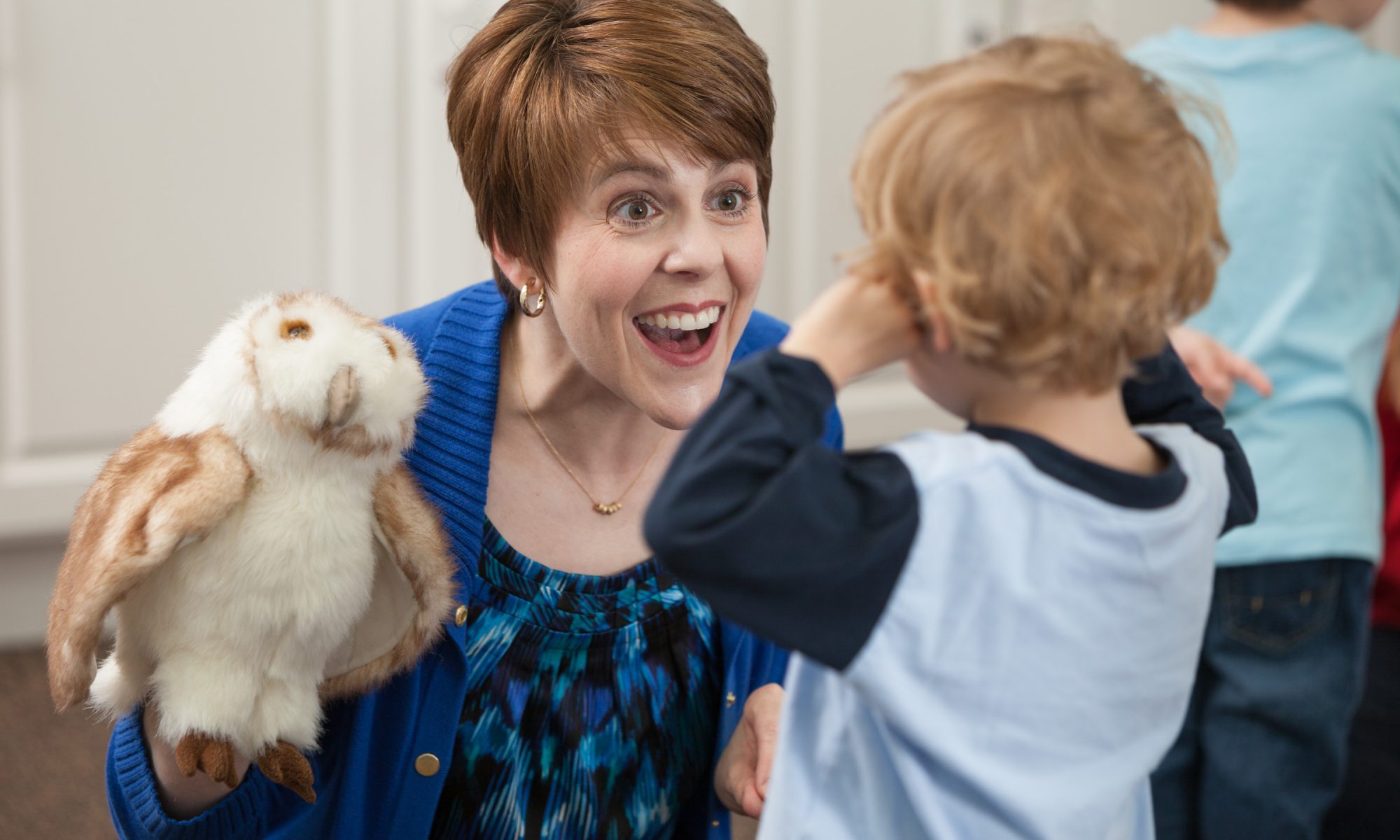
Theresa Case teaches her Kindermusik classes with love and a boundless energy

A big imagination. The kids will have one – you have to have a big imagination to in order to enter their world and connect with them at their level.

A boundless joy. Kindermusik does something special for each one – the child, the parent, and the teacher.  And each new class only increases the joy of teaching and making music.

And that’s what it takes to be a Kindermusik teacher – heart, love, smiles, wonder, humor, creativity, excellence, imagination, and joy. It’s also what Kindermusik teachers get back every time a child’s eyes light up in class.

So, I guess I have to say that teaching Kindermusik isn’t really about what it takes, but what it gives.

Shared by Theresa Case whose award-winning Kindermusik program at Piano Central Studios in upstate South Carolina has been inspiring children and families to learn and make music together for over 20 years now.

No Surprise: With Music Involvement, You Do Better at Learning

We know this, but it’s always nice when we find folks who spread the word: kids involved with music are better learners.  Geoff Johnson’s fascinating article also cites Dr. Gottfried Schlaug, a renowned expert on music, neuroimaging and brain plasticity at Harvard Medical School.  “Listening to and making music,” he says, “is not only an auditory experience, but it is a multisensory and motor experience. Making music over a long period of time can change brain function and brain structure.”

Music and Learning
Dr. Gottfried Schlaug, MD, PhD

Because of the way music and music-making engage different parts of the brain, music activities actually help children learn how to learn, in addition to stimulating all kinds of brain function and development. Johnson also highlights a study done by Finnish researchers in 2011.  The findings are impressive.  “…Finnish scientists discovered that listening to music activates a wider series of networks in the brain, and their method of brain mapping revealed complex dynamics of large-scale neural networks.”

Our brains – and our hearts – are hard-wired to respond to music.  Technology allows scientists to see inside our brains, but all the confirmation a parent needs of the power of music even for a very youngest child is to watch her child’s eyes light up in a Kindermusik class at the sound of a favorite dance or lullaby, to feel her child instantly calm at the first sounds of a lullaby, or to see her child kick his legs or start bouncing when the music comes on.  And now we know with every certainty that the more intentional and sustained exposure to music, moving to music, and music-making, the more powerful and long-lasting its effects.

The scientific evidence continues to pile up – it truly is long-term exposure to music that has the greatest effect on learning.  So start early… and keep it up!


Contributed by Theresa Case whose award-winning Kindermusik program at Piano Central Studios in upstate South Carolina has been inspiring children and families to learn and make music together for over 20 years now.

Who Knew? Kindermusik Changes Lives in Jordan

Kindermusik in Jordan

[vc_row][vc_column][vc_column_text]Recently, Kindermusik Educators Christa Beck, Jessica Hanson, Leslie Edwards, and Rosalind Cross traveled to Jordan to share their music with 40 kids and their parents. Christa shares the experience with us here at Minds on Music. Who knew they’d change lives? Well…we did![/vc_column_text][vc_separator][/vc_column][/vc_row][vc_row][vc_column][vc_column_text]Who knew…four Kindermusik educators from three states, Jessica Hanson and Leslie Edwards from Wisconsin, Rosalind Cross from South Carolina, and Christa Beck from Pennsylvania, would venture on an outreach trip to share the benefits of music to children across the world? . Along for the ride, was one fabulous brother, Ben, our fearless driver, encourager and ready-to-fill-in-wherever-needed guy from Indiana. On August 22, each of us set out on a 6000 plus mile journey and met in Amman, Jordan to begin a whirlwind week of connecting, teaching, singing, sharing, loving, and learning.  [/vc_column_text][vc_column_text]

Christa Beck teaching at the music camp at Alliance Academy of Jordan

[/vc_column_text][/vc_column][/vc_row][vc_row][vc_column][vc_column_text]Who knew…that we would teach over forty students, ages 0-12 during a week-long music camp filled with singing, instrument play, moving, crafts and games? We connected quickly with the staff and students who attended Alliance Academy of Jordan during our week of camp. We looked forward to arriving at the school each day to see the joy-filled faces of the helpers (kids included) waiting for us to arrive. The “language barrier” never was a barrier; we found ways to communicate through the beauty of music and movement, and especially through the blessing of students who knew English so well. The children were eager and excited to learn. In four days, we were amazed at the ability of the children to grow in inhibitory control, playfulness, and musicianship.[/vc_column_text][vc_column_text]

Kindermusik in Jordan
Jessica Hanson teaching at the music camp at Alliance Academy of Jordan

[/vc_column_text][/vc_column][/vc_row][vc_row][vc_column][vc_column_text]Who knew…that over 25 teachers would come to our teacher training workshop? We spent one evening with a roomful of educators soaking up the principles of Conscious Discipline, Brain Gym, Kindermusik and child development and how music is so important in the midst of it all.  How fun to see the teacher’s excitement as these new ideas began to take hold!

Who knew…that one child named Adam would make particularly remarkable strides in his learning during the week? It was such a delight to see Adam’s mom experience positive changes in him as he explored and learned throughout the week. In her eyes, we could see hope.

Who knew…that we would experience mutual encouragement, love and support from the local Kindermusik educators in the Middle East? These connections continue to grow through social media. Our Kindermusik family is never far away, even if they are living on the other side of the world.[/vc_column_text][blockquote cite=”Christa Beck”]The world is smaller when you spread kindness and love and music.[/blockquote][/vc_column][/vc_row][vc_row][vc_column][vc_column_text]Who knew…that we would experience so much GOOD that is happening in the Middle East? The amazing work of the AAJ school, sincere and open conversations between Christians and Muslims, a sing-a-long in the Dead Sea with Muslim women, and the fascinating history and beautiful country that is Jordan touched each of us!

Who knew…that we would see one of the seven new wonders of the world, Petra, sleep in the Arabian desert, climb rocks, hike river canyons, slide down waterfalls, float in the Dead Sea, and ride camels? We had no idea the incredible beauty or adventure in that country.

Who knew…the sweet connection that would develop between the four of us? The way we worked together, our flexibility, enthusiasm, and willingness to jump in where needed was an essential component to this trip. We used wonderful social constructivism to create lesson plans, solve problems (our crazy craft suitcase arrived three days late), and build one another up. It is a connection that will last a lifetime.[/vc_column_text][/vc_column][/vc_row][vc_row][vc_column][vc_column_text]Who knew…that humans are humans are humans are humans are humans? We knew, and we believe it even more strongly now than ever before. The world is smaller when you spread kindness and love and music. It’s that simple. Peace.[/vc_column_text][vc_separator][vc_column_text]Christa Beck is a Kindermusik Maestro Educator in Western Pennsylvania. Leslie Edwards and Jessica Hanson share their musical gifts with families at Take Note, a Kindermusik studio in Manitowoc, Wisconsin. Rosalind Cross brings music to her community at Kindermusik of Greenville in South Carolina. 

All images courtesy of Christa Beck.[/vc_column_text][/vc_column][/vc_row]

Educator Spotlight: Carol Stringham

Educator Spotlight

[vc_row][vc_column][vc_column_text]Joy. Connection. Family. Growth. Heart. These are the values embodied by Carol Stringham and her lovely team at Song of the Heart Studios in Salt Lake City, Utah. Song of the Heart Studios was established in 1998 by Carol Stringham. Since then, her studio has grown to include over 350 students with a team of five talented Kindermusik educators, each dedicated to providing a spectacular experience in learning for the families at Song of the Heart. It comes as no surprise that Song of the Heart Studios is an award winning Conductor’s Circle Maestro program ranked among the top ten studios nationwide and the top 1% worldwide. Carol describes the last 18 years teaching Kindermusik as nothing short of amazing.[/vc_column_text][vc_separator][/vc_column][/vc_row][vc_row][vc_column][vc_column_text]TC: How did Song of the Heart Studios get its start?

CS: I opened in 1998 in the family room of my home where I taught for 3 years. When the parking got a little crazy I moved into a ballet studio where I rented space and hired 3 teachers. We were there for 10 years. For the last 5 years we have enjoyed our own space with 3 studios and a team of 6. We are so grateful for our own space because we love to constantly add new instruments, props, and puppets. We’re always discovering something new to add to our collections that we know our families will enjoy. We also have a small satellite studio about 30 minutes away from our main location.

TC: What makes Song of the Heart Studios such a special place?

CS: I would definitely say our team! We have a talented family of educators but more importantly we have a dedicated, loyal, loving, encouraging group of women who strive to do good in the world. And they do. Every time they sit on the floor with Kindermusik families, they do good.  I am so grateful to learn from and to work side by side with each of them.

TC: What do your Kindermusik kids call you?

CS: They call me Ms. Carol

TC: What’s your favorite Kindermusik song to sing?

CS: I love ALL of the hello songs because when I open my mouth to sing it means class is starting![/vc_column_text][vc_video link=”https://youtu.be/AEirM6FYGI0″][/vc_column][/vc_row][vc_row][vc_column][vc_column_text]TC: What’s your favorite Kindermusik dance to lead?

CS: I adore all of the Young Child dances but I think my favorite is Heel and Toe Polka. It’s such an accessible dance for this age group and there’s nothing like having the kids teach their grown-ups the dance. Circle dances are such a beautiful way to create community and bond with friends and family.

TC: What’s your favorite part of teaching Kindermusik?

CS: There are so many favorites in teaching Kindermusik. But, if I could only choose one, it would be witnessing the power of Kindermusik to build family bonds. At our studio we say that Kindermusik is joy, connection, growth, and family time all wrapped up in a musical package. There’s nothing we love more than seeing the JOY as families grow closer, or witnessing the CONNECTION as parents really come to understand and support their children, or watching the GROWTH that both children and parents exhibit. And it is such a privilege to design and provide the unparalleled FAMILY TIME where all are together in a spirit of love and encouragement. We have a favorite quote at our studio that we give to all of our parents. It says “There are no days of our childhood that we live so fully as those we spend with our mothers and fathers in play.” To be able to facilitate that experience for our families is our joy and our best work. I feel immeasurable gratitude for the opportunity.

TC: What’s the most touching thing that’s ever happened to you as a Kindermusik teacher?

CS: Oh my gosh, there are so many! One touching time was when we had a Kindermusik toddler pass away in a tragic accident. The moms in the class came together to comfort and support the grieving mother with thoughtful gifts, cards, and attendance at his funeral.[/vc_column_text][vc_media_grid element_width=”6″ grid_id=”vc_gid:1471552518163-6d90f666-7fcd-0″ include=”9229,9227″][/vc_column][/vc_row][vc_row][vc_column][blockquote cite=”Carol Stringham”]People first. Always.[/blockquote][vc_column_text]

TC: What are some of the funnier moments you’ve had as a Kindermusik teacher?

CS: Some of the funny moments – the time a Kindermusik daddy lifted his little guy up over his head and the baby promptly sent a waterfall of spit up all over Dad’s head and into his mouth. There was also the time when one of our toddlers lost her drawers as we were doing a circle dance. She just didn’t want to let go of the hands that were holding hers!  Like many Kindermusik teachers who have been doing this a long time, we have a joke in my family that we can’t go ANYWHERE without running into a Kindermusik family, even Disneyland but mostly Costco!

TC: Describe a favorite Kindermusik family that has impacted you as a teacher.

CS: I have a family whose 4 children have gone through our program from beginning to end. They have been a part of our studio for 14 years, with their youngest beginning Young Child in a few weeks. They credit Kindermusik with so much of the good in their lives and constantly express gratitude for the difference it has made. They credit Kindermusik with teaching mom and dad how to be better parents, with their children’s work ethic, with their school success, their musical success, and most importantly with their family bond. Amy, the mama, tells me that some of the happiest moments she has ever had with her children have been in my Kindermusik class. That has to have been one of the loveliest things anyone has ever said to me.

TC: What are some of the goals you have for your business?

CS: For a good long while, I thought I wanted to continue grow bigger. Now, I realize that I want to sustain and maintain while providing our families with such a stellar experience that they will feel the impact in their lives for years to come.

TC: If you could share one tip with a new Kindermusik educator, what would it be?

CS: Jump in! Try and put any fears you may have aside and have the courage to move forward onto this meaningful, life-changing path.  You will make a difference.

TC: Do you have a favorite inspirational quote?

CS: I have so many! The one that immediately comes to mind is “Children are the only future the human race has. Teach them well.” Another favorite is “All I really need is love in my family and a song in my heart.” Raffi  This quote was part of the inspiration for the name of our studio.

TC: If you had to name just one secret to success in the Kindermusik classroom, what would it be?

CS: People first. Always. [/vc_column_text][/vc_column][/vc_row]

Dear Students, with love…

Jane Boyle

[vc_row][vc_column][vc_column_text]As the summer of 2016 winds down and thoughts turn to the start of school, music educator, Jane Boyle, finds herself reminiscing over the past 19 years of teaching. This year, she will start her 20th year as a music educator. When you are a music specialist, you have the honor of teaching EVERY student in the school. Because her career has taken her to many different states, school districts, and schools, the number of students she has had the privilege to teach is very large. They have all had a tremendous impact on her. Her hope is that she has had an impact on them as well. [/vc_column_text][vc_separator][/vc_column][/vc_row][vc_row][vc_column][vc_column_text]

Dear Students…

It’s my favorite time of year! After the long summer, school is about to start. We are all refreshed, excited, full of energy and ideas, and ready to start a new year! Okay, maybe you’re not quite there yet, but come the first day of school, we will be ready to rock!

I have been thinking about all of you a lot this summer…and not just my current students I’ll see in a few weeks, but all of you. After 20 year of teaching in six different states, I have taught thousands of you. It makes me wonder…what lessons have stuck with you over the years? Musical concepts, composers, games, songs…or life lessons of cooperation, hard work, commitment, self-worth, and pride. To each of you I share these thoughts.[/vc_column_text][/vc_column][/vc_row][vc_row][vc_column][vc_column_text]

To my past students…

It’s hard to believe that some of you are married and probably with children of your own. While I may have only been with you a year or two, I hope the lessons we shared together made an impact on your life. I remember we made great music! I remember my first concert as an elementary chorus director. I remember a fun hula celebration. I remember the whole school singing What a Wonderful World outside by the flag just days after 9/11. I remember six middle school musical productions. I remember the all-kindergarten musical production. I remember the all-district elementary chorus festival. These are just some of the moments I remember. Sometimes a memory will make me smile, others make my eyes a bit watery remembering the intensity of those special moments. We shared laughter and tears and it makes my heart so full to remember each one. What about you? Are you still singing? Do you still play your instrument? It’s not too late to make music a part of your everyday life. When you were with me, some of you would ask the question, “Why do we learn music? I’m not going to be a music teacher.” My answer was always the same: You learn music because to listen to it, to understand it, to appreciate it…it will enrich your life. As parents, I hope you are fostering that love of music in your children right from birth. Sing to them and dance with them. Find opportunities for group instruction right away – like Kindermusik! I cherish those moments with my children when they were babies. Keep music in your lives![/vc_column_text][vc_column_text]

janeboyle
Jane Boyle (middle), with colleagues Chessa Crum (left) and Kelly Wilson (right) after this past year’s All-District Elementary Choir Festival in the Plum School District in Western Pennsylvania.

[/vc_column_text][/vc_column][/vc_row][vc_row][vc_column][vc_column_text]

To my current students…

I will see you in a few weeks! I have so many exciting opportunities planned for us this year. You are all so bright, energetic, and eager to learn. I can’t wait to see how much you’ve grown and to hear about your summer adventures. I promise to take time to listen to each of you. Together, we will learn and grow. We have built a great foundation as a team over the past three years. We will experience life and continue making music together. I hope it will enrich your life as much as it does mine.[/vc_column_text][/vc_column][/vc_row][vc_row][vc_column][vc_column_text]

To my future students…

I can’t wait to meet you! Incoming Kindergarteners – we will have so much fun together! We will sing, dance, and play instruments every week. I promise help you become the person you are meant to be – music is magical like that. You will inspire me everyday. I hope to inspire your love of music too![/vc_column_text][vc_column_text]Musically with love,

Jane Sig[/vc_column_text][vc_separator][vc_column_text]Jane Boyle is a 20 year veteran music educator. She has taught in New York, Illinois, Hawai’i, California, Indiana, New Jersey, and Pennsylvania. During her career she has done just about everything from preschool, elementary, and middle school music education to church and community choirs. She has dedicated her life to the musical education of young people. And yes, when her kids were young, they attended Kindermusik! [/vc_column_text][/vc_column][/vc_row]

Don’t just sit there – MOVE!

movement

[vc_row][vc_column][vc_column_text]At a time when it seems there is so much pressure on kids to perform academically, more and more research about the social, emotional, cognitive, and health benefits of movement and play is coming to the forefront. The recent consensus of a group of researchers who studied the evidential links between moving, playing, and learning was overwhelmingly definitive – taking time to move and play actually improves academic performance. So…don’t just sit there…MOVE![/vc_column_text][/vc_column][/vc_row][vc_row][vc_column][vc_column_text]And why is this? Simply put, movement wakes up our brains and primes the brain for learning. As one writer stated, “movement isn’t a break from learning; movement is learning.” Professor Emily Cross sums it up this way:

“New neuroscience research…shows that active learning—‘where the learner is doing, moving, acting, and interacting’—can change the way the brain works and can accelerate kids’ learning process.”

That’s pretty compelling evidence, if you ask me, and we’ve only scratched the surface of the myriad of sources, studies, research, and analysis that could have been cited.[/vc_column_text][/vc_column][/vc_row][vc_row][vc_column][vc_column_text]It should come as no surprise then, that as the world’s leader in music and movement education, Kindermusik International has long been an advocate for the power of movement and play, especially with music in the mix. For over 30 years, the Kindermusik curricula have been based on the premise that movement is key to learning.  That is both the success and the joy of the Kindermusik classroom experience.[/vc_column_text][vc_column_text]movement[/vc_column_text][/vc_column][/vc_row][vc_row][vc_column][vc_column_text]

So how can you ensure that your child is getting enough time for moving and playing?

1. Make sure that your child has time every day to just play.
2. Play music regularly. Most children respond very naturally to music with movement.
3. Inspire imagination, play, and movement by encouraging your child to be outdoors.
4. Take time for physical activity yourself. Your example is a powerful model for your child.
5. Enroll in a Kindermusik class. (Okay, we couldn’t resist!)

You’ll not only enjoy lots of movement and play in class, but your Home Materials will also inspire you with more musical play and movement at home all week long.

[/vc_column_text][vc_separator][/vc_column][/vc_row][vc_row][vc_column][vc_column_text]Contributed by Theresa Case whose award-winning Kindermusik program at Piano Central Studios in upstate South Carolina has been inspiring children and families to move, play, and make music together for over 20 years now.[/vc_column_text][/vc_column][/vc_row]
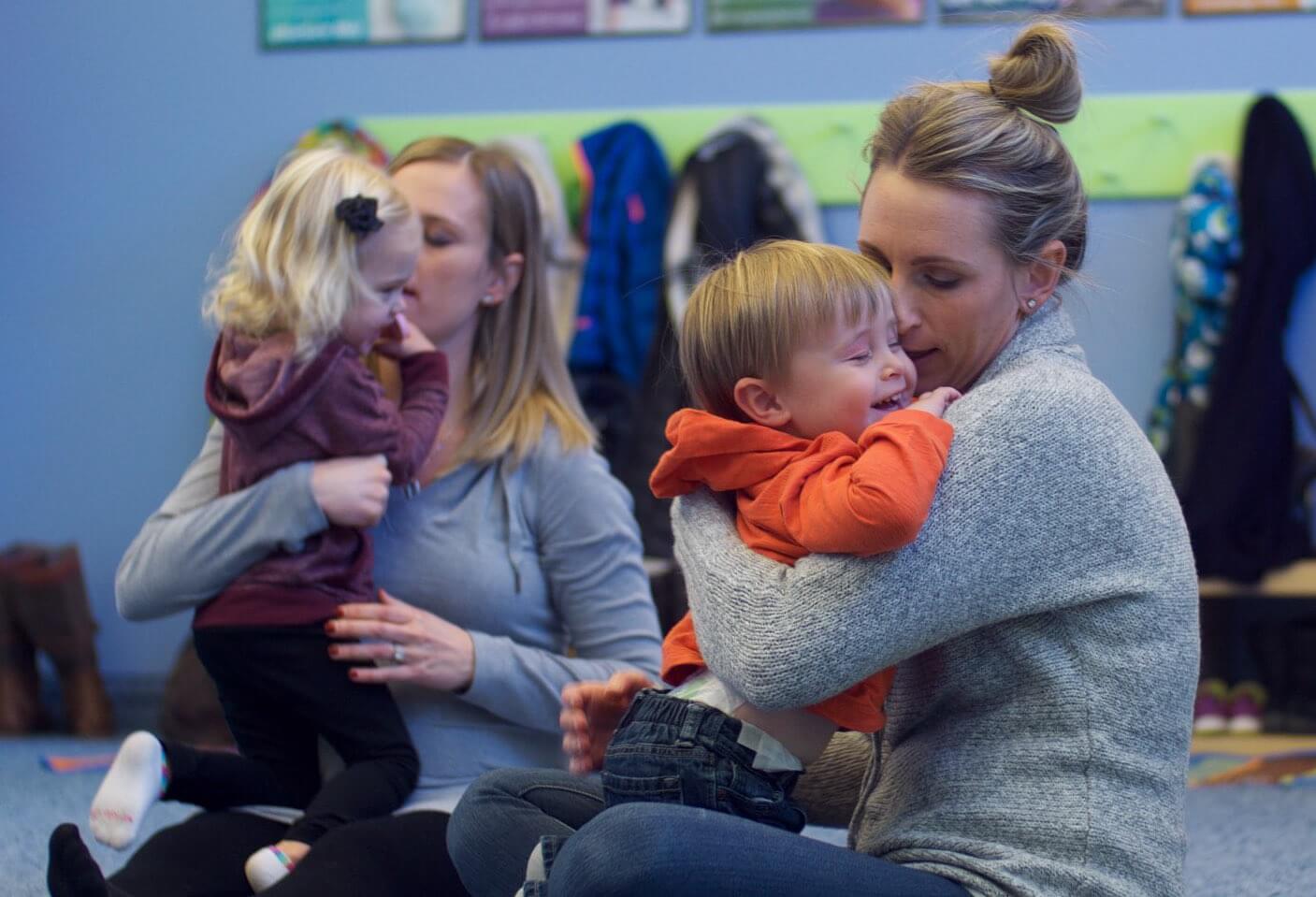
Four on the Fourth: Four Reasons to Sing the Day Away

Singing

[vc_row][vc_column][vc_column_text]How often have you caught yourself singing and you didn’t even realize you were doing it? Humming? Tapping your toe or drumming along on the steering wheel in the car? Music, particularly singing, is hardwired into our lives. Can you imagine going to a movie or watching a television show devoid of music? Every major news outlet has a composer on staff to write music for big stories. Monday Night Football? The Olympics? You can’t separate music from these things. How will we celebrate the Olympic champions this month? By the singing of their national anthems! So…why not mark the moments of your life with song? Here are four reasons why you should.[/vc_column_text][/vc_column][/vc_row][vc_row][vc_column][vc_column_text]

Singing Makes Us Happy

And guess what? It really has nothing to do with how well you sing. It’s the act itself that releases endorphins that just make us feel better. In Ronald Blythe’s book, Akenfield: Portrait of an English Village, the author relates the story of Fred Mitchell, an 85 year-old farm hand who lived through the industrial revolution in England. Mr. Mitchell tells the tale of growing up with few joys – up before the sun, and back home after dark, hands rough and bloodied from the day’s work. He recalls never having any pleasure…but then he remembers…

There was nothing in my childhood, only work. I never had pleasure…but I have forgotten one thing – the singing, There was such a lot of singing in the villages then, and this was my pleasure, too. Boys sang in the fields, and at night we all met at the Forge and sang. The chapels were full of singing. When the first war came, it was singing, singing all the time. So I lie; I have had pleasure. I have had singing.  

Akenfield: Portrait of an English Village/Ronald Blythe

Powerful words, aren’t they? [/vc_column_text][/vc_column][/vc_row][vc_row][vc_column][vc_column_text]

You May Live Longer

I am constantly amazed by the power. Our long term health is a real concern. We try and eat right. We join gyms and buy exercise equipment. But believe it or not, recent research conducted at two institutions you may have heard of – Harvard and Yale – indicates that singing may increase life longevity. So sing a song! It’ll help regulate your breathing, your heart rate, and stimulate your thyroid, which benefits your metabolism. Plus, it’s just plain fun.[/vc_column_text][vc_video link=”https://www.youtube.com/watch?v=7hU2H1csh1w”][/vc_column][/vc_row][vc_row][vc_column][vc_column_text]

Singing Makes your Brain Better

It’s a rather complex act, you know. Singing lights up parts of the brain that are seemingly built for the activity. Tufts University neuroscientist Dr. Aniruddh D. Patel contemplates the ramifications.

“Song combines music and words, and word production is a left hemisphere-biased activity. Perhaps doing lots of singing strengthens the brain networks involved in word production and articulation, in addition to the right hemisphere circuits involved in fine control of pitch and melody.”

Dr. Aniruddh D. Patel

Singing certainly increases overall brain health, and we seem to discover additional mental health on a regular basis. Don’t worry – if you miss it, we’ll keep you updated here![/vc_column_text][/vc_column][/vc_row][vc_row][vc_column][vc_column_text]

Singing – It’s a Free Face Lift!

Did you know that singing utilizes just about every muscle in the face? It’s true! Singing uses the 43 facial muscles in a more sustained, involved way than talking. Think of it like the difference between walking and dancing – which reminds me of that well known proverb from Zimbabwe…

“If you can walk you can dance, and if you can talk you can sing.”

The act of singing gives a workout not only to the facial muscles, but also the muscles of the neck, torso, and abdomen. I’m not telling you to stop going on those daily walks and replace them with opera arias…just maybe sing while you’re out there.[/vc_column_text][/vc_column][/vc_row][vc_row][vc_column][vc_column_text]So sing! When you wake up, when you shower, while you’re cooking breakfast, while you’re commuting to work…sing all the time. You’ll be happier and you’ll live longer. You’ll be more aware of your surroundings and you’ll look younger! And get this…singing might help chronic snorers!

And parents who sing have kids who sing. What could be better than that? [/vc_column_text][vc_separator][/vc_column][/vc_row][vc_row][vc_column][class_finder_form css=”.vc_custom_1470314384552{padding-top: 20px !important;padding-right: 20px !important;padding-bottom: 20px !important;padding-left: 20px !important;}”][/vc_column][/vc_row]
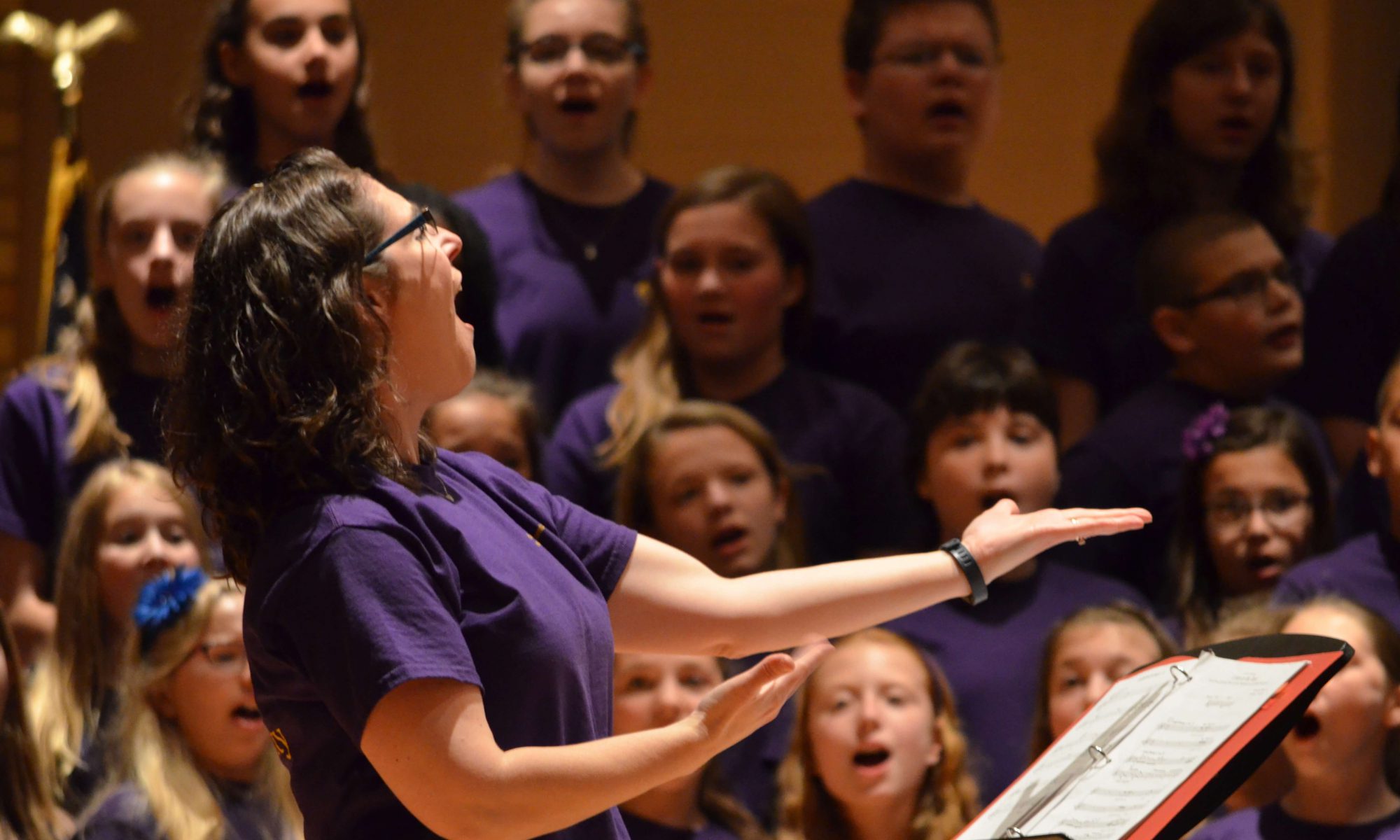
Melody Magic: Music Strengthens Social Bonds

social bonds

[vc_row][vc_column][vc_column_text]What can’t music do? It makes us laugh…makes us cry. It can make us get up and dance…it can make us sit perfectly still. But did you know that it can strengthen social bonds in some very specific ways? Dr. Boyle brings us the details.[/vc_column_text][vc_separator][/vc_column][/vc_row][vc_row][vc_column][vc_column_text]I watch people for a living. Okay – that’s a bit simplistic, but true. I have to gauge when to shift from one section of a piece to the next, or to start working a different piece all together. I have to estimate when an ensemble has had enough of working one specific measure for 10 minutes. A conductor needs to know when to let a group have a moment of levity, sometimes sacrificing momentum. But through all this observation, I see magic. I see strangers become lifelong friends. I see people find their soulmates. I get to go to a lot of weddings of former choir members who met during a rehearsal. Recently, I received an email from my first “choir couple” letting me know they are expecting. “Is this your first choir couple baby?” they asked gleefully. It was.

Seeing these connections grow right in front of my eyes is one of my favorite things about what I do. And it happens at festivals during which singers are only together for a few days. It makes my heart smile and it happens so quickly, these strong, seemingly timeless connections. I’ve long suspected that the magic ingredient was music. Well, it seems that the research backs up my gut feeling.[/vc_column_text][/vc_column][/vc_row][vc_row][vc_column][vc_column_text]University of California, Berkley is home to one of the best music schools in the country. Recently, in an article found over at the institution’s online journal, Greater Good in Action: Science-based Practices for a Meaningful Life, author and psychologist, Jill Suttie told the story of a magic flute.

I kid, I kid. I couldn’t let the Mozart opera joke just pass by, could I? The flute in question, made from animal bone. was found by archeologists and dated back 35,000 years ago. Even then, when we were picking berries off bushes and hunting mastodon, music was there, an important part of society. That bone could have been carved into a tool for cooking or some other purpose – but no – it was carved into a musical instrument. And friends, music just doesn’t exist in a vacuum. I promise you, the music that came from that flute was heard and enjoyed by people other than the player.

But what about now? What does music do to us that strengthens our social bonds?Dr. Suttie gives us four pieces of the magic to consider:

1. Music brings about cooperation

This happens in many ways. Informally, we might start tapping our toes. Then we tap in synch with the person next to us. Then we smile. Then we dance together!

Or consider this – that flute player from 35,000 years ago? Imagine she was playing – and then another member of the tribe picks up a rock and starts banging a hollowed log. Viola! The first “rock” band. You knew I’d go there, right?

Simply put – cooperation, coordination, and contact. These all arise naturally from music. And everyone leaves humming the same tune.

2. Music boosts the production of oxytocin

What’s that? It’s a naturally occurring hormone that impacts trust levels. So…as you make music with others, you naturally  begin to trust them more and more. Pretty nifty, huh?

3. Music increases empathy

That’s right. Music positively affects the areas of the brain that allow us to understand how others feel. Dr. Suttie points to a study conducted at the University of Cambridge. Young students spent an entire academic year taking part in music game activities. Two control groups had no exposure to interactive musical games. Guess what? The group that took part in musical games – those children saw an increase in their empathy levels.[/vc_column_text][/vc_column][/vc_row][vc_row][vc_column][vc_column_text]

4. Music is cultural glue

This magic doesn’t just work horizontally, it works vertically as well. When a child learns a song that her parent sang and falls in love with it, too, the connection is strengthened. It goes beyond this. Dr. Suttie writes:

Music also influences how we think others will get along. In one recent study, participants listened to music or to silence while they watched videotapes in which three people were seen walking either in step or out of step with one another. When asked to rate levels of rapport and sense of unity among the three walkers in both conditions, the participants who listened to music perceived a greater rapport and unity among the walkers than those participants who didn’t listen to music. This suggests that music somehow strengthens our perception of social cohesion among people, perhaps through mistaking our own feelings for those of the people we observe.

– Four Ways Music Strengthens Social Bonds/Jill Suttie

[/vc_column_text][/vc_column][/vc_row][vc_row][vc_column][vc_column_text]So…the magic is real. There’s research and science behind this intrinsically beautiful art form. Music helps us work together…it builds trust…it unlocks empathy for others…and it glues us together as a society. What are you waiting for? Give your child this magical, scientific, life-changing gift. Get them involved. We’re right around the corner singing your song![/vc_column_text][/vc_column][/vc_row][vc_row][vc_column][class_finder_form css=”.vc_custom_1470018674168{padding-top: 20px !important;padding-right: 20px !important;padding-bottom: 20px !important;padding-left: 20px !important;}”][/vc_column][/vc_row]