

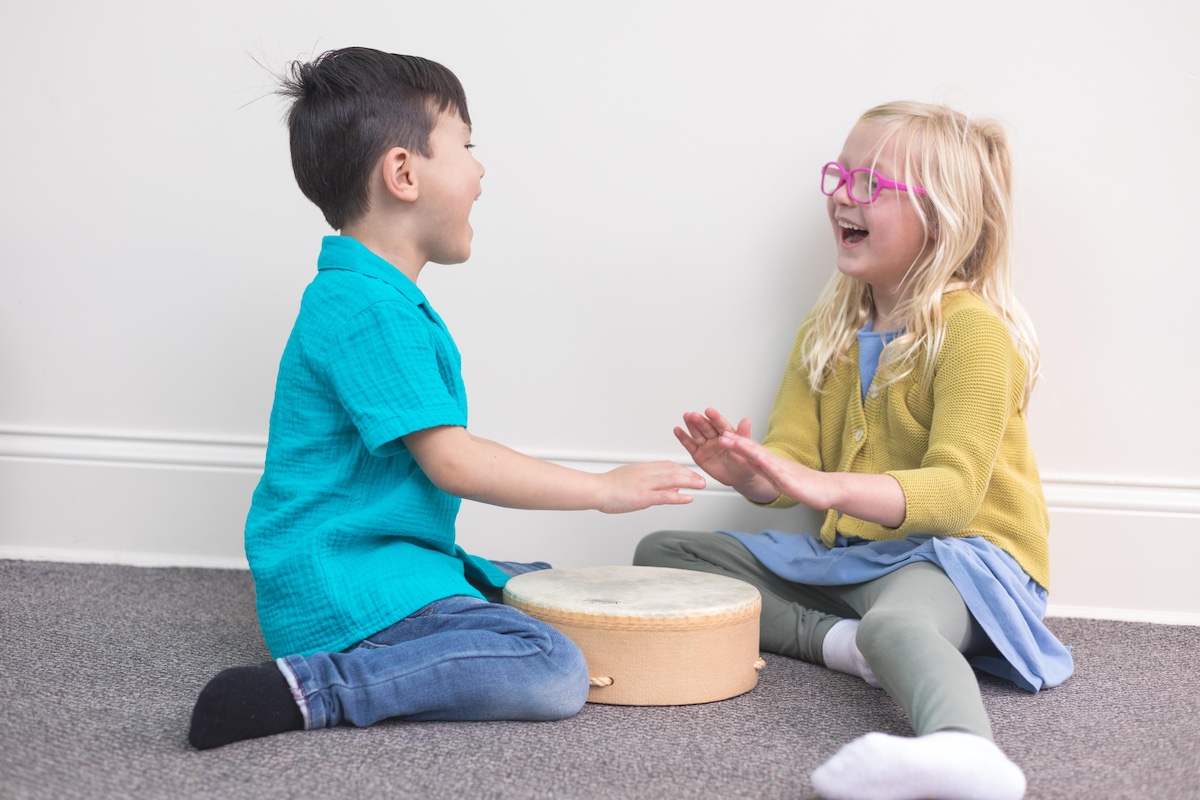
Summer signals a well-deserved break for children and grownups—longer evenings outside, vacation, festivals, summer camps, and more—but the looming threat of summer slide, which extends from babies to early elementary students, rears its ugly head each year. So, how can families ditch the negative pressure of learning loss with joyful tools that foster learning gains?
Here are six easy ways to combat summer slide…
6 Ways to Prevent Summer Slide
1. Read aloud.
This is where language development starts. While you can read to children from birth, they really start getting interested in objects (like books!) at 3 or 4 months of age. For all ages, reading doesn’t just boost vocabulary and comprehension development, it’s also an easy way to incorporate bonding. In fact, according to Scholastic’s latest Kids and Family Reading Report, “more than 80% of both kids and parents love or like read-aloud time because they consider it a special time together.”
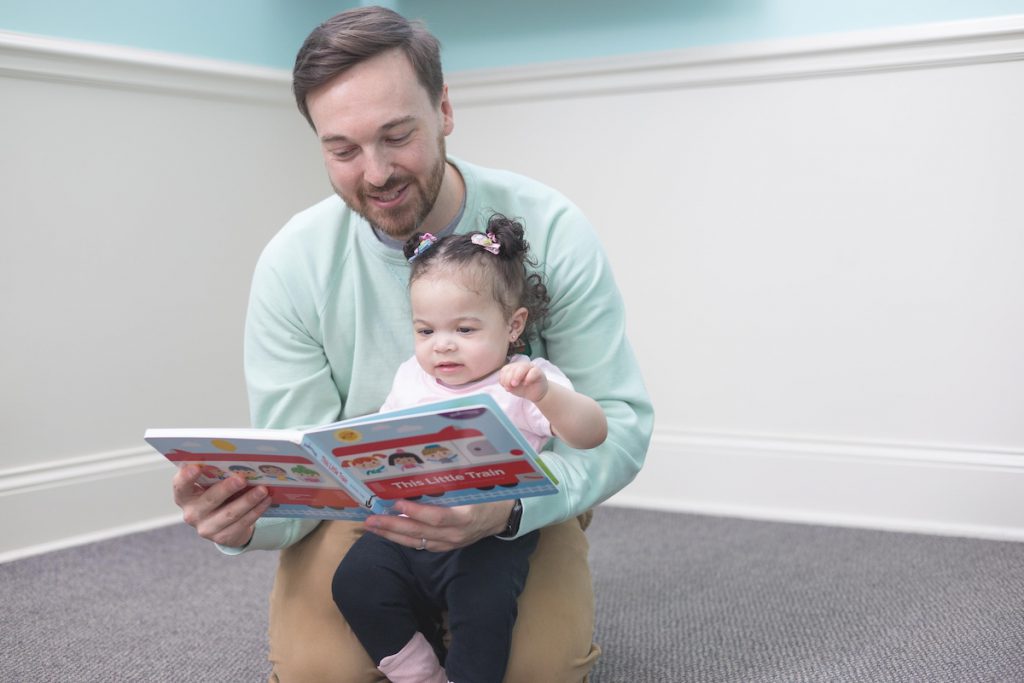
Musical read-aloud tips:
- Read children’s books YOU love. One of the ways children learn to love reading is when the adults in their lives model that love!
- Pick a book that rhymes. Rhyming helps with memorization, pronunciation, comprehension, and so much more.
- Encourage movement by imitating what you read. A child who moves around during story time is still gaining the benefits of reading. Plus, “jumping” when a character jumps or “reaching up high” to pluck an apple from a tree gives children a greater sense of the vocabulary words.
- Use funny voices. Vocal animation holds attention and builds those core memories needed for secure attachment.
2. Sing aloud.
Just like reading aloud, music jumpstarts early language learning, and it also amplifies math skills! Grasping concepts like steady beat, rhythm, and sequencing can really set the tone for reaching important cognitive milestones.
One of our favorite songs, “The Ants Go Marching,” is packed with all three!
For babies and young toddlers:
Start by tapping slowly to the beat and guiding their little hands to do the same as you sing along.
For older kiddos:
Focus on how the ants keep marching in larger groups…1 by 1, 2 by 2, 3 by 3, and so on.
Play it below or stream it on the free Kindermusik app!
3. Schedule learning time.
Generally, children are able to focus around 2-5 minutes per year of age (so, a 3-year-old might be able to focus for 15 minutes on a task). Of course, this is also dependent on lots of factors like time of day, whether the activity is before or after mealtime, whether a parent or caregiver is also participating, etc.
Here’s what we know: children THRIVE on schedules.
Schedule out small chunks of time for them to complete tasks, preferably when there is an adult participating or (if they’re older) in the same room to give feedback and encouragement. And yes, a 5-minute reading block counts!
4. Reduce screen time.
For most families, daily screen time is inevitable. Maybe it’s a few minutes of a favorite cartoon while the grownups are making dinner. Maybe it’s 10 minutes with an early reading app.
A little quality programming, depending on age and supervision, is OK. But keep this in mind…too much sedentary screen time is linked to missing milestones. The World Health Organization recommends 1 hour of screen time or less per day for children 2-4, and little to none for children under 2.

5. Incorporate themes.
Theme-based learning helps build natural interest in a particular subject, but the real secret is that children have an opportunity to work on a variety of skills (like literacy, art, and math) and connect them through one common thread.
For families:
Our free weekly activity kits are not only an easy way to boost learning at home, they’re a great bonding tool and just as much fun for adults.
You can also check out themed albums (like weather, colors, and transportation) on the free Kindermusik app.
For teachers:
To take it up a notch in the classroom: try out our digital activities subscription for free, or for a ready-to-teach solution, check out our audio-led, summer learning kits—both contain themed learning to help facilitate a stress-free, engaging season.
6. Don’t forget to play!
Research shows that play—especially guided play—enhances development across all domains. Here are just a few examples.
- Reaching for a toy during tummy time promotes spatial awareness for babies.
- Searching for mailbox numbers on a walk helps older toddlers with recognition and memorization.
- A game of Red Light/Green Light helps preschoolers master self-regulation.
And then there’s just the need for laughter! We all need to recharge…especially little ones. So, use playtime to pump up learning and fun.
Whether children are headed back to a classroom this fall or continuing the majority of their growth at home, use these simple ideas to help them meet developmental goals and prepare them for whatever lies ahead.
Want more ideas? For families, join a studio class near you. For early childhood professionals, check out our learning solutions for all environments.