An open letter from Kelly Green, President of Kindermusik International
If you ask preschool administrators what they’re doing to incorporate music into their classrooms, the answer usually looks something like a few songs during circle time, a clean-up song, some background music during play, and perhaps some instruments to investigate in a learning center.
What’s missing is intentional, child-participatory music-making during play and choice time—which is where so much learning actually happens.
In “Best Practices for Preschool Music Education: Supporting Music-Making Throughout the Day,” Dr. Jentry Barrett of University of Nebraska-Lincoln goes beyond “music is good.” She and her colleagues spell out what high-quality music-making actually looks like in preschool and which curricula are doing it well.
Even more exciting (and humbling): when the researchers compared several commercially available preschool music programs, Kindermusik was the curriculum that aligned with the greatest number of best practices.
This paper gives us a powerful bridge between what the research says and what policy makers, standards writers, and program leaders can do next.
The Big Shift: From “Music Time” to Music All Day
According to years of research, not weaving in intentional, shared music-making into preschool curricula itself is a huge missed opportunity because music is a cross-domain accelerator. Planned, teacher-directed music instruction:
- Improves language and literacy: Singing supports phonological awareness, rhyming, prosody, and vocabulary—the very pre-reading skills many states are racing to shore up.
- Builds pro-social skills like cooperation and empathy: Shared music-making encourages cooperation, turn-taking, inhibitory control, and empathy.
- Supports gross motor development and coordination: Movement and instrument play support gross and fine motor skills, coordination, and body awareness.
- Enhances cognitive development and executive function: Music games that involve starting, stopping, patterning, and following multi-step directions exercise attention and working memory.
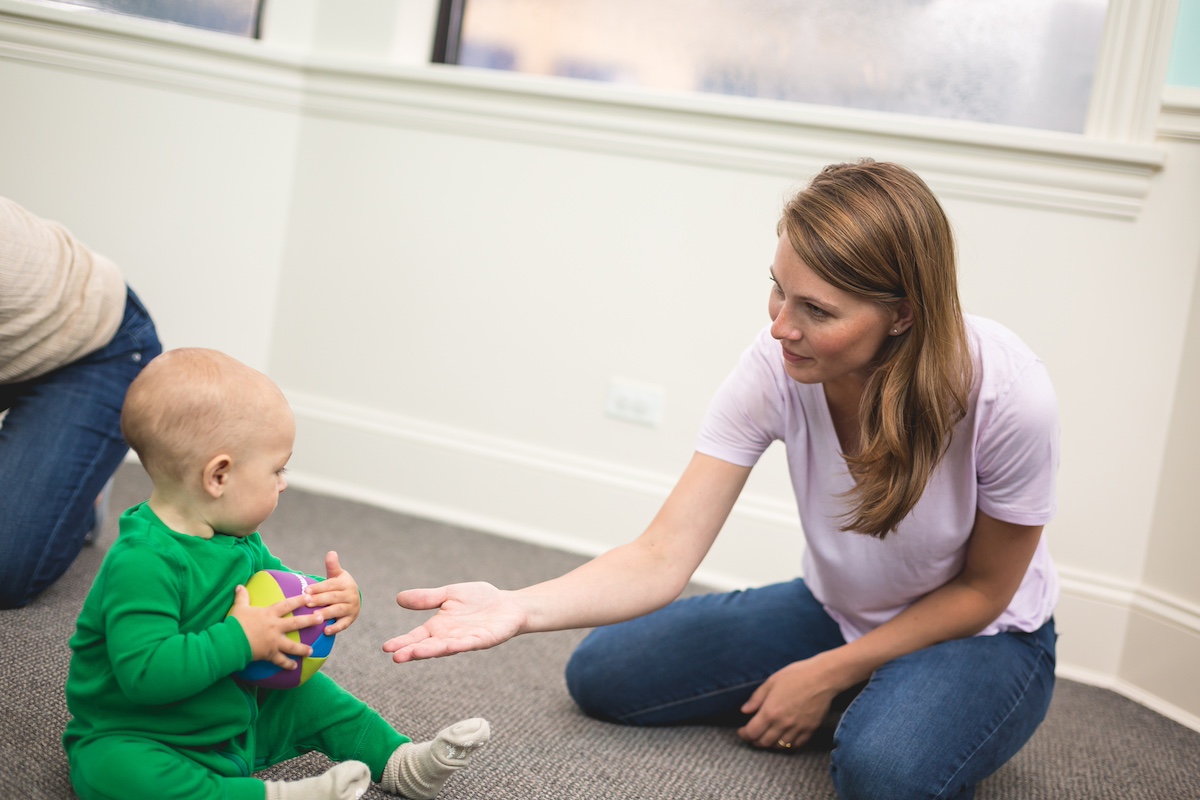
The paper also highlights serve-and-return interactions in musical contexts—those back-and-forth “my turn, your turn” exchanges between teacher and child using song, drums, shakers, or claps. These are not “nice-to-haves;” they are the same kind of reciprocal interactions that Harvard’s Center on the Developing Child identifies as foundational to healthy brain development and language growth.
In other words, when children are actively making music in a group—as opposed to passively listening—it’s not an extra. It’s a strategy that directly supports the very outcomes most early childhood systems are under pressure to improve.
Why Teachers Don’t Feel Ready to Incorporate Shared Music-Making
(And why that’s a policy issue)
Barrett and her co-authors surface an important truth:
- Most preschool music experiences are led by classroom teachers, not music specialists.
- Those teachers often have little or no formal preparation in music or the creative arts.
- They report needing more training, concrete lesson ideas, and access to instruments.
So, the gap isn’t a lack of goodwill. It’s a systems problem: policies and standards expect music, but they rarely fund the training, planning time, and vetted resources needed to do it well.
That’s exactly the space Kindermusik’s audio-led programming was built to inhabit—giving early childhood teachers who are not music specialists everything they need to confidently lead high-quality music-making (but we’ll come back to that).
What Does “Best Practice” in Preschool Music Actually Look Like?
The University of Nebraska-Lincoln researchers did something incredibly helpful: they pulled together state and national early learning standards, major curricula like Creative Curriculum and HighScope, music education texts, and early childhood organizations such as NAEYC and NAfME, and distilled them into nine best-practice standards for preschool music.
Across those nine best practices, three big buckets of music-making emerge, and here’s what they look for 3–5-year-olds:
1. Singing
- Songs are pitched in a child-appropriate range (roughly middle C to A above middle C) so they can sing in tune without strain.
- Repetition is intentional—children may need to sing a song many times before they can reproduce words, rhythm, and pitch confidently.
- Songs reflect cultural diversity and invite children to express preferences and feelings about what they hear.
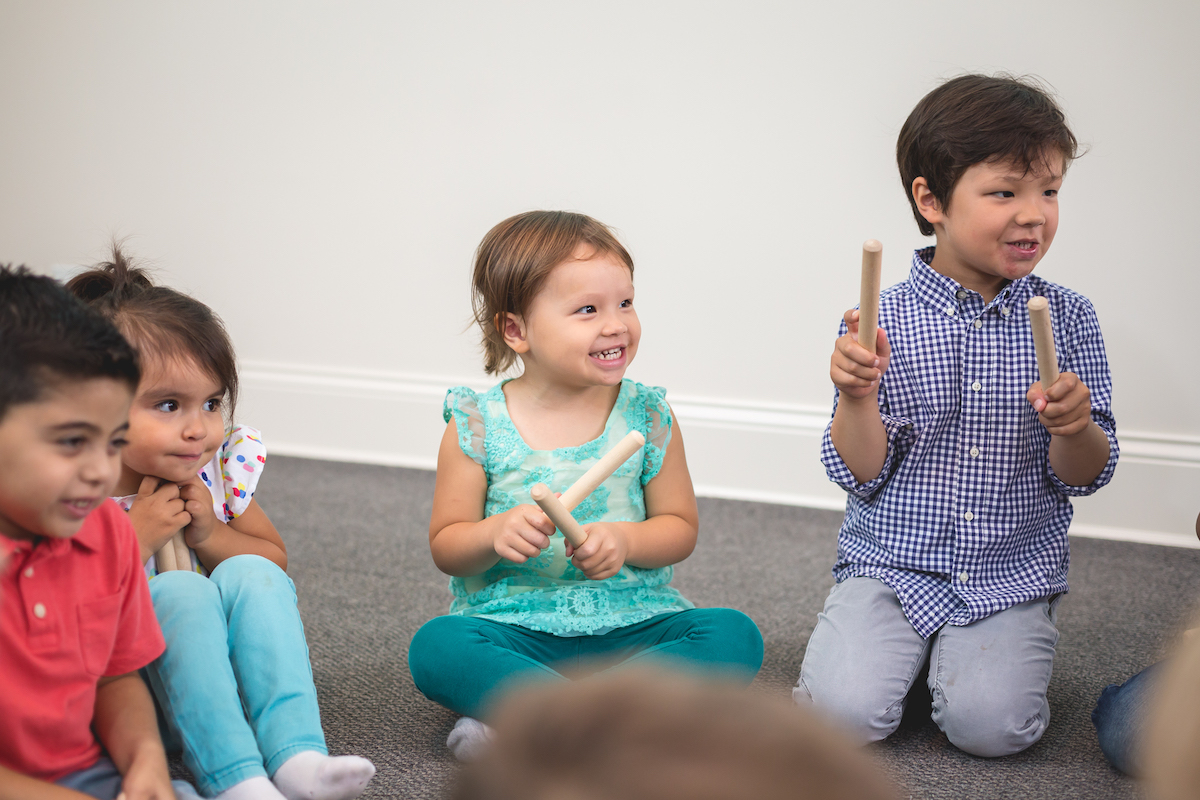
2. Using Instruments
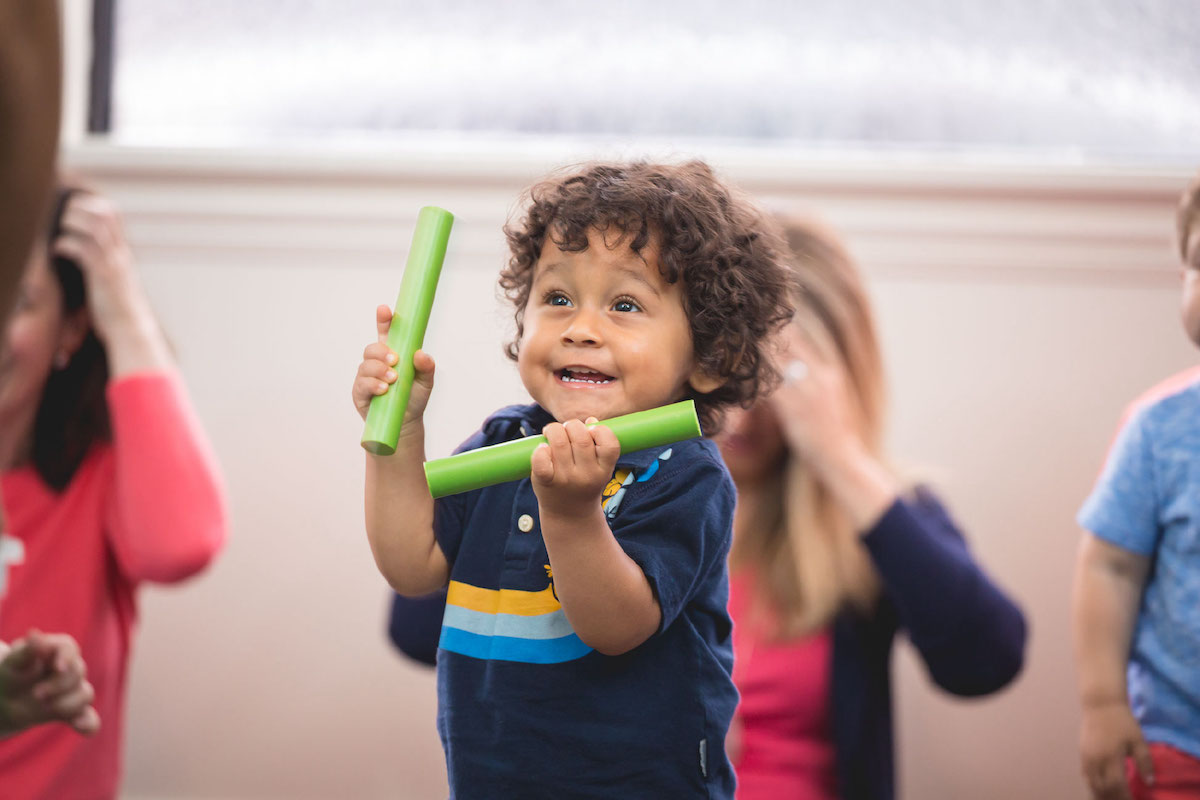
- Children start with body percussion—clapping, patting, stomping—before transitioning to rhythm instruments like sticks, shakers, and drums.
- Instrument play is not randomized; it’s connected to beat, patterns, and listening games.
- As skills grow, children can use more complex percussion (like glockenspiels or xylophones) for melodic exploration.
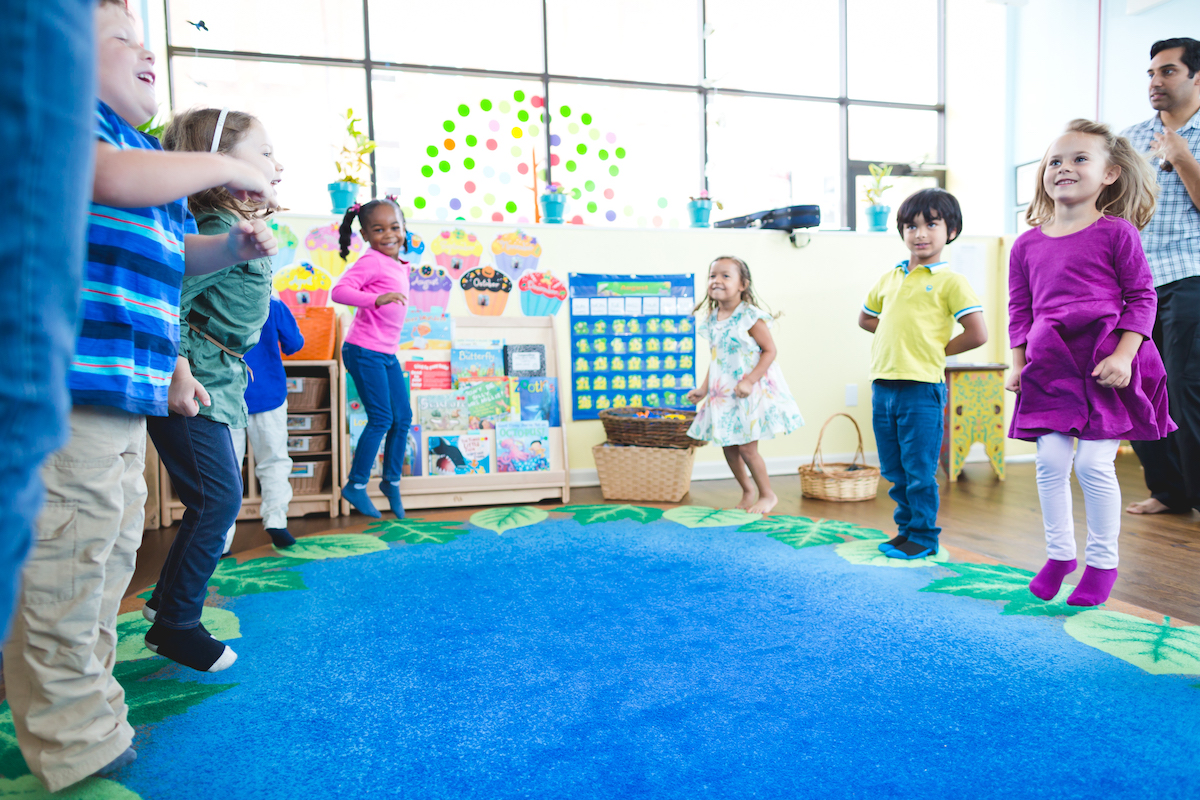
3. Movement & Dance
- Children move freely to music long before we expect perfectly synchronized marching or clapping.
- Movement is used to explore tempo, dynamics, and mood—not just “wiggle time.”
- As they get older, children can participate in simple circle or line dances, matching their bodies to the beat.
Across all three, one core principle is clear:
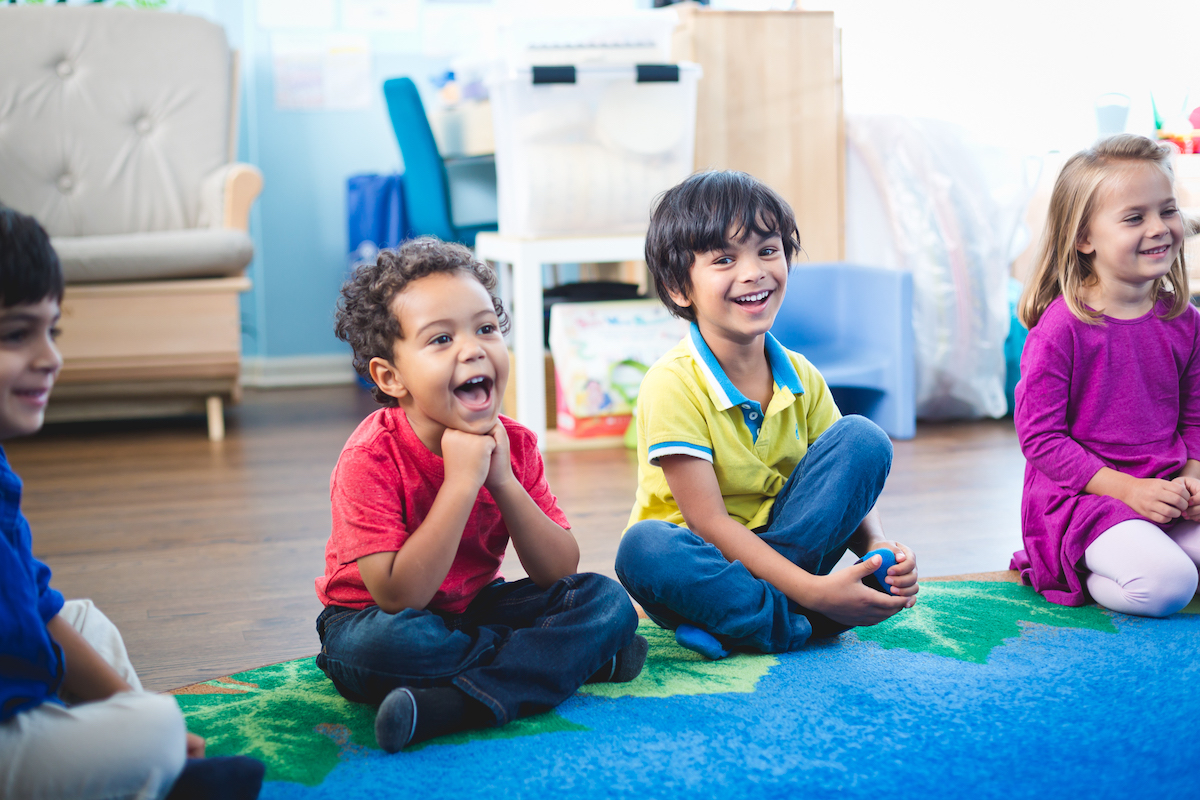
Music in early childhood should be participatory, playful, and integrated, not performance-based.
We’re not rehearsing for a show. We’re wiring the brain for learning and connection.
How You Can Help: Send a Direct Message to Policy Makers
So what do we do with all this? If you’re in a position to influence standards, funding, QRIS criteria, or curriculum adoption, here’s what this research (and decades of practice) suggest:
1. Name active music-making explicitly in standards.
Don’t stop at “exposure to music.” Call out daily, participatory singing, movement, and instrument play as core experiences for 3–5-year-olds.
2. Fund training, not just materials.
Remember, most preschool teachers are not music specialists and say they need more support and ideas.
- Invest in professional learning that builds musical self-efficacy.
- Prioritize programs (like Kindermusik) that go beyond a box of materials, and include strong professional development and training.
3. Screen curricula against research-based best practices.
Ask:
- Does this program integrate singing, instruments, and movement—every week, all year long?
- Is it participatory rather than performance-based?
- Does it respect children’s vocal range and developmental sequence?
- Does it intentionally connect music to language, social-emotional learning (SEL), and physical development goals?
- And does it meet all nine of the best practices outlined in Barrett et al.?
5. Embed music-making into accountability frameworks—not as an afterthought.
Literacy, SEL, and school readiness matter. So, music-making shouldn’t live in the “extras” section of the standards manual. It should be one of the levers you expect programs to pull—and support them to pull well.
How Kindermusik Shows Up and What’s Next
One of the most validating parts of the paper, from my vantage point at Kindermusik, is the section where the authors independently review several preschool music curricula to see how well they align with these nine best practices.
“Notably, although these curricula included many best practices, Kindermusik incorporated the most.”
In their appendix, they map Kindermusik’s program against each best practice and find that it aligns with all nine.
What does that look like in action?
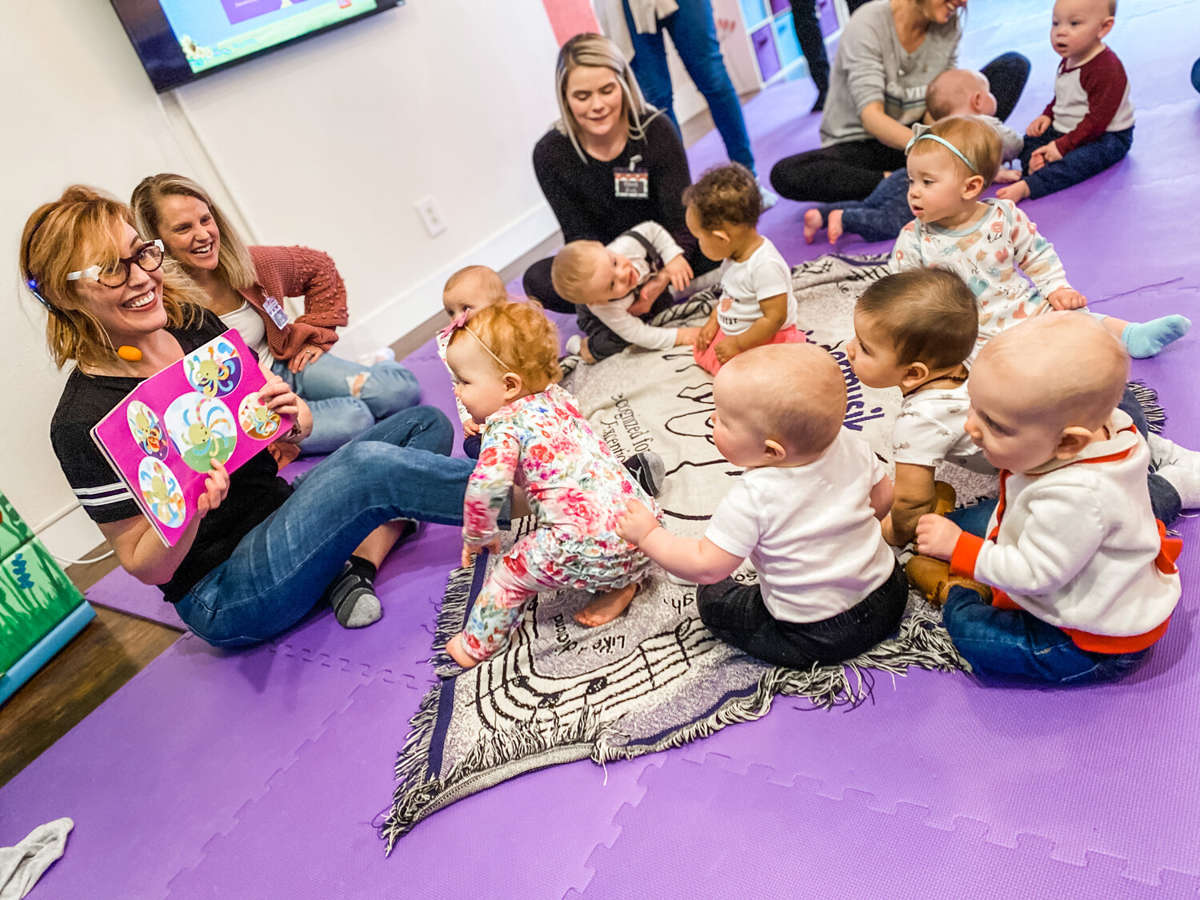
- Singing is woven through every lesson, with clear vocal models and repetition designed around how children actually learn songs.
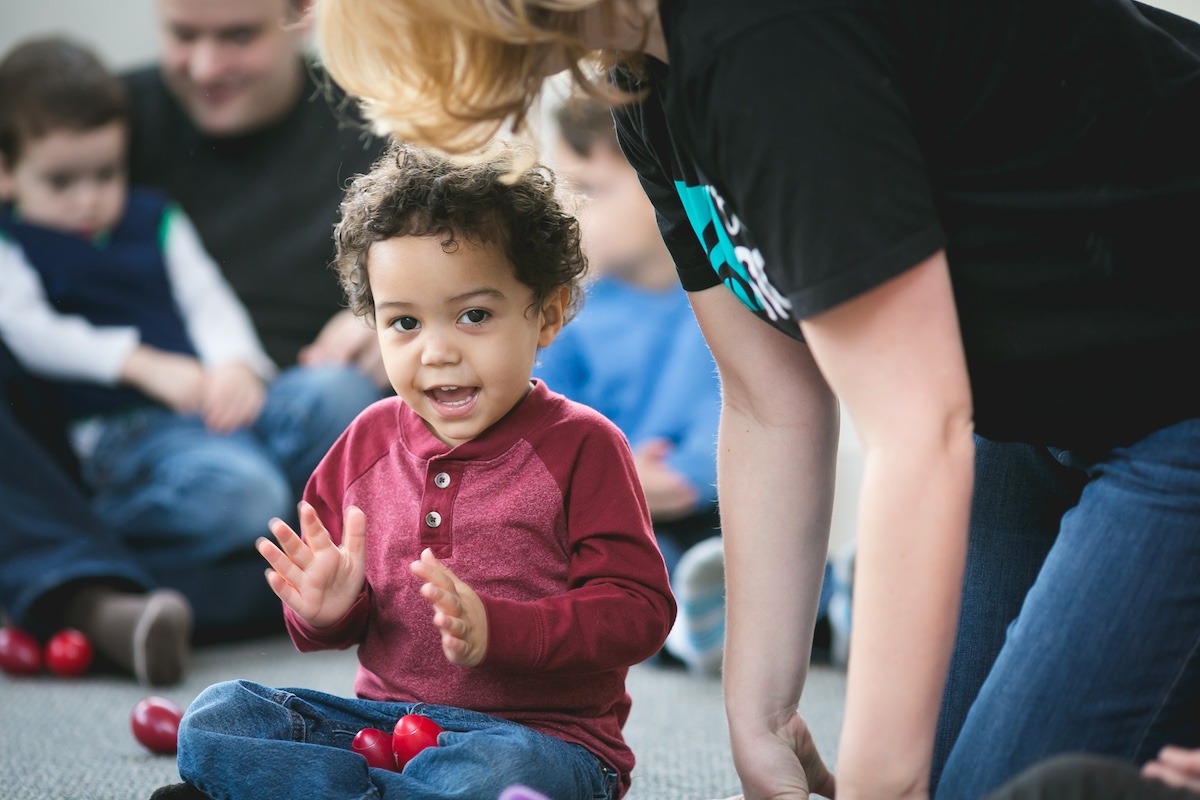
- Instrument play is purposeful and progressive: children explore shakers and drums, tap and rub rhythm sticks, and eventually move into more melodic percussion.
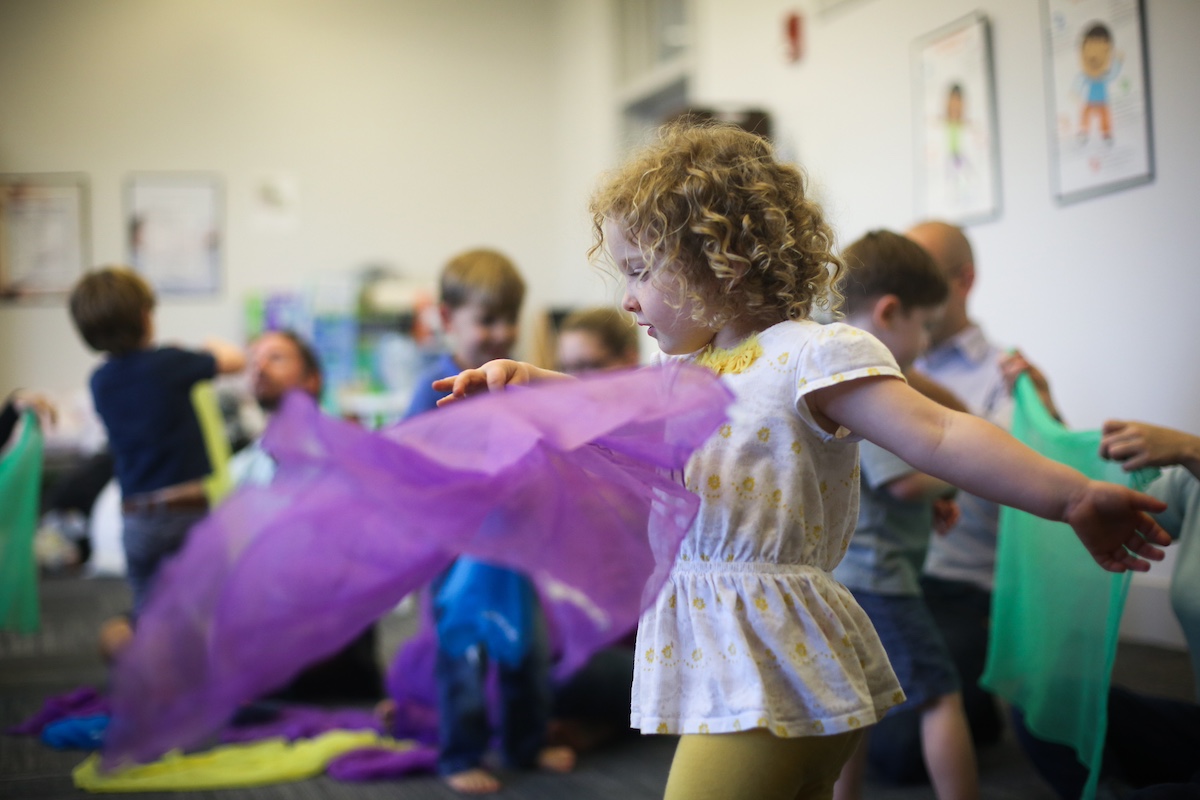
- Movement is built into each unit—free dance, guided actions, circle games, and beat-matched movement.
- Activities are participatory, not recital-driven; success is measured in engagement, not perfection.
Our teach-along curricula is explicitly designed so non-musician early childhood teachers can implement it with confidence, supported by Kindermusik University training and ongoing coaching.
For decades, preschools offering Kindermusik around the world have seen the fruits of what Barret and her colleagues describe—a clear, research-backed blueprint for what preschool music education should look like.
The next step is not more evidence that music matters. We have that.
The next step is policy that treats music-making as essential infrastructure for early learning, and partners with programs that already know how to do it well.
With gratitude,
Kelly Green
Kelly Green is President of Kindermusik International, the global leader in early childhood music-and-movement. For more than 30 years she has championed what’s best for young children’s development. During her tenure at Kindermusik, one thing has become clear: practice and neuroscience show the power of active music-making, but policy still lags behind—a gap she is determined to help close.