
Why Clapping Is the Unsung Hero of Early Development + Activity Ideas

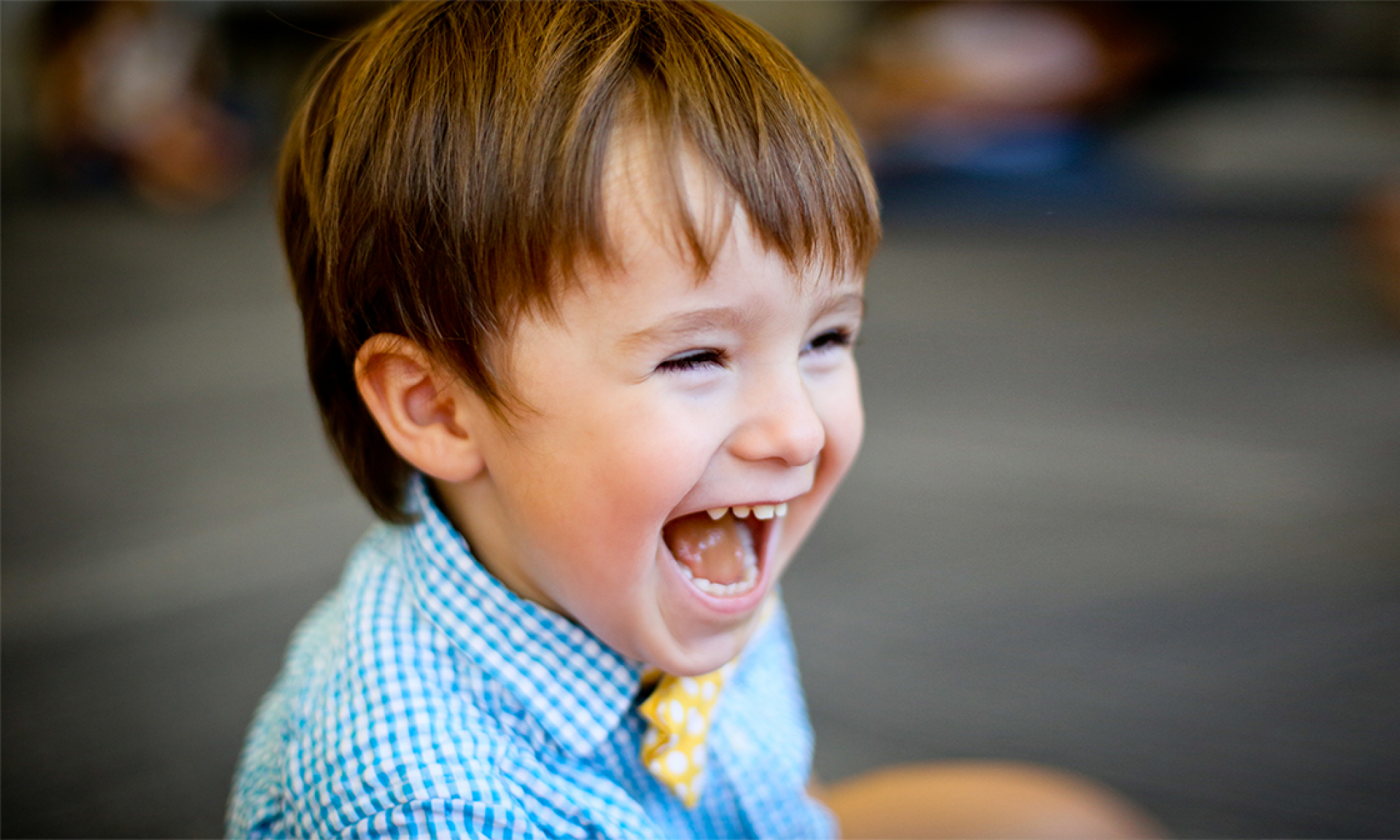
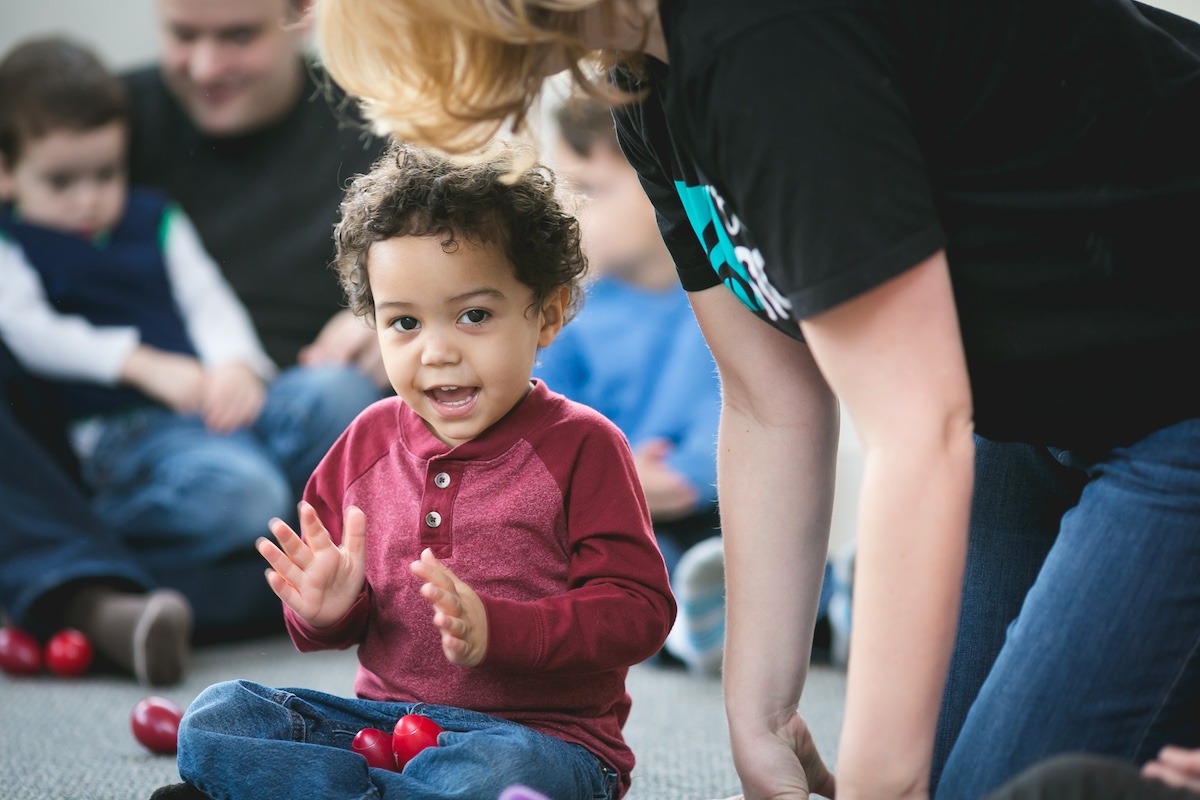
A 3-year-old boy claps to the beat during a Kindermusik class. Clapping is a foundational tool for early development.

Clapping is generally perceived as a tool for keeping time with the music or showing appreciation as applause. However, the biological and neurological effects of this simple motor activity reach far beyond songs and ovations, enhancing self-regulation, reading skills, handwriting proficiency, and speech processing.

Take a look at what’s happening in our brains and bodies when we clap, why it is so intrinsically connected to early childhood development, and initial steps you can take to help children harness the power of their hands.

Continue reading “Why Clapping Is the Unsung Hero of Early Development + Activity Ideas”
Why Rhythmic Repetition Is Key to First-Year Language Development

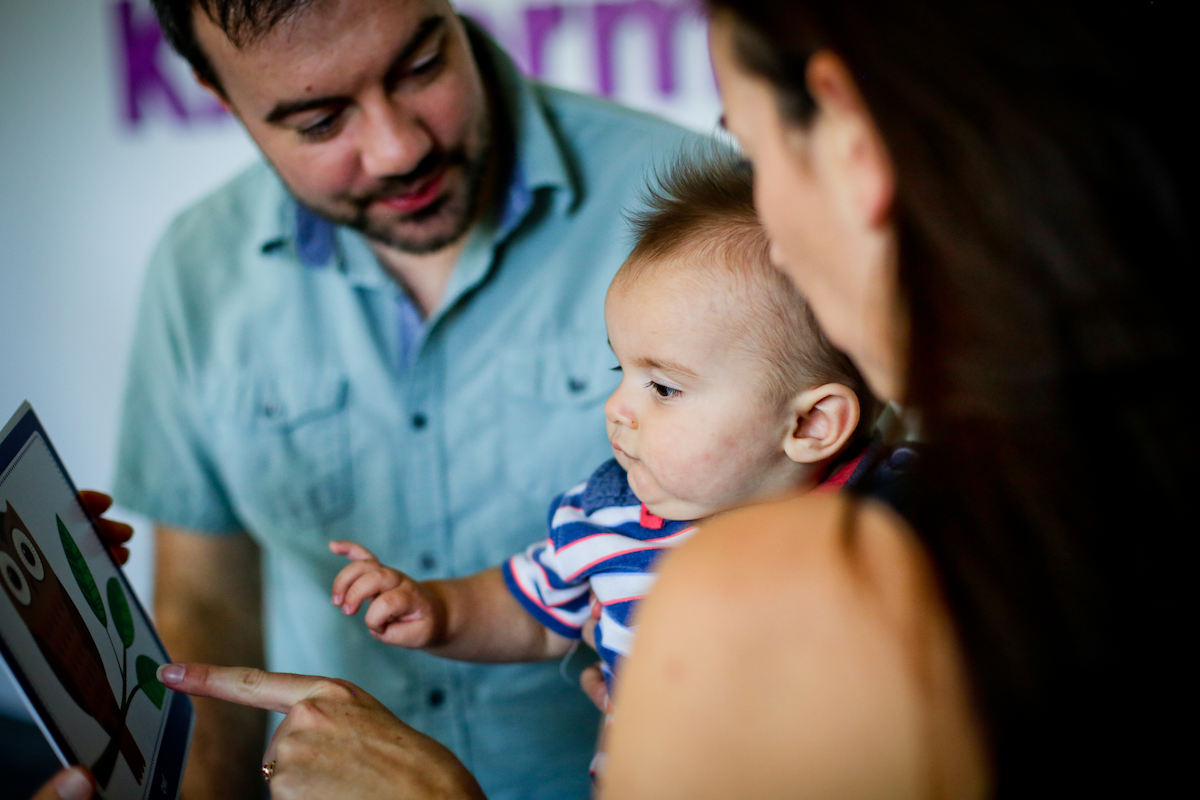
Parents use early repetition by pointing to image and repeating its name with baby.

What can rhythmic repetition do? Encourage that first word, first sentence, first conversation. Repeating yourself through song or chant during the first year makes repetition less of a task and more of a joy, and babies will latch onto those joyful moments.

What science says about repetition and rhythm…

Research gives insight into the kind of caregiver-baby verbal interaction that can best spur early language development, so that by the time babies become toddlers, they have a larger vocabulary, stronger comprehension skills, and sharper speech abilities

Continue reading “Why Rhythmic Repetition Is Key to First-Year Language Development”