
Why the Wiggles Aren’t Bad: Understanding the Vestibular System and Children’s Need for Movement

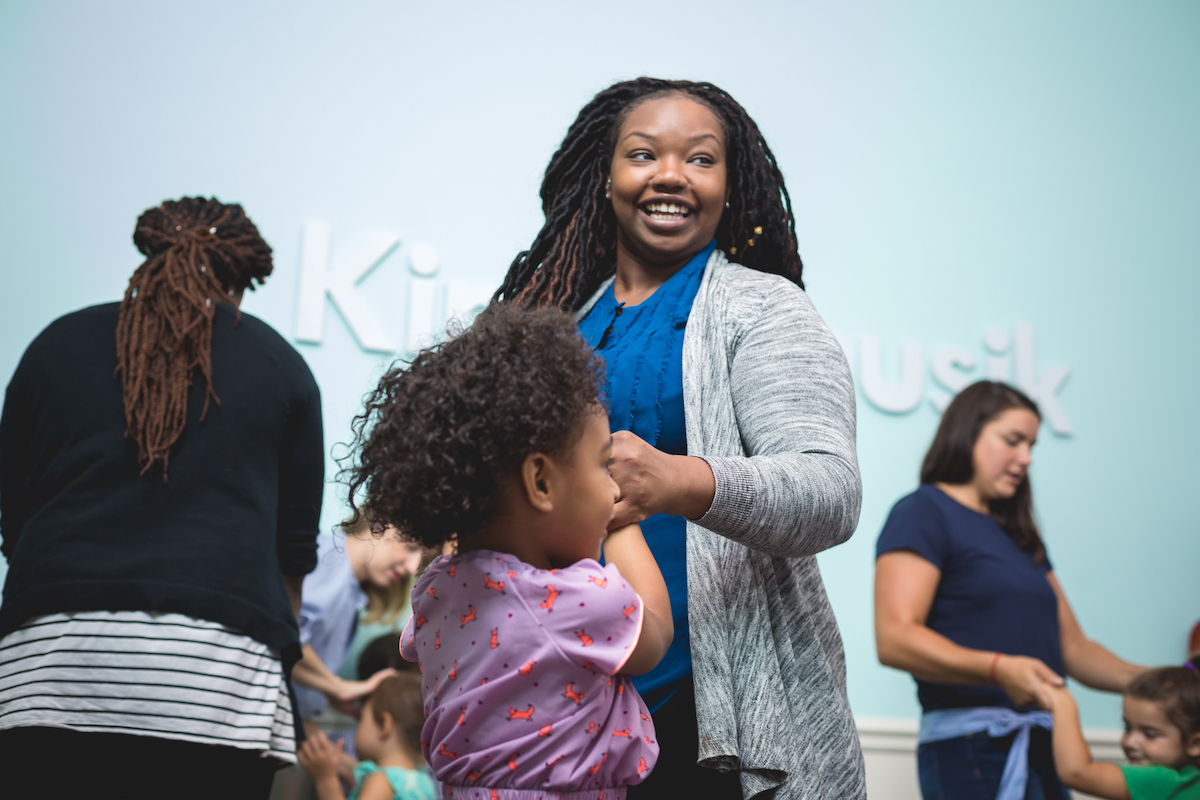
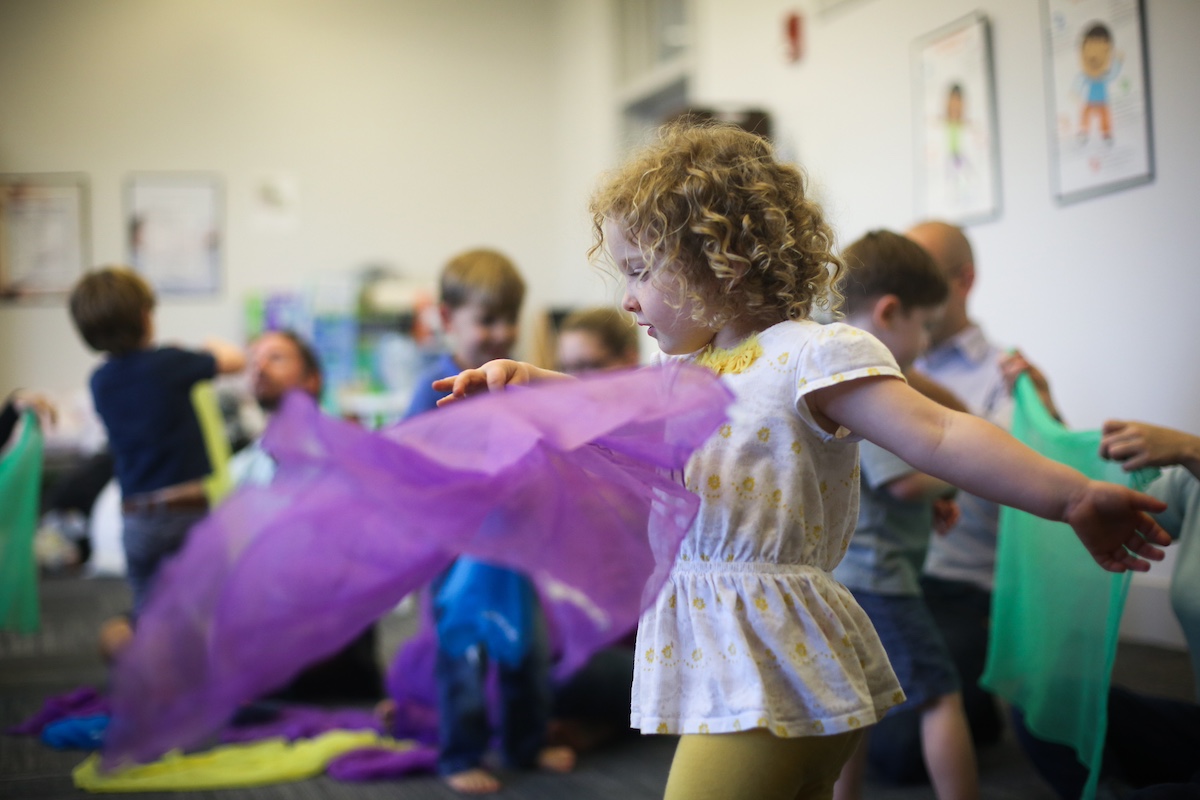
3-year-old girl twirls with scarf during a Kindermusik class to stimulate the vestibular system.

This post was authored by Accredited Kindermusik Educator and Early Education Specialist, Diana Cameron.

Is your child constantly jumping, spinning, or rolling around the floor? Or perhaps they seem the opposite — motion-sensitive, hesitant to swing, or quick to get carsick?

These behaviors aren’t just quirks. They often point to a vital and often overlooked part of your child’s brain development: the vestibular system.

What is the Vestibular System?

The vestibular system is located in the inner ear and is responsible for balance, movement, and spatial orientation. It works like the body’s internal GPS—helping us know where we are in space, whether we’re moving or still, and how to coordinate what we see and hear with how our body moves.

In children, a healthy vestibular system supports everything from emotional regulation to motor planning and even early literacy.

According to Dr. Christopher Zalewski, audiologist and National Institutes of Health research scientist, vestibular input plays a foundational role in developing posture, balance, and cognition. It also helps the brain prioritize sensory messages and stay organized. When functioning well, it frees the brain to focus, attend, and learn.

What Happens When It’s Out of Sync?

When the vestibular system is dysregulated, children may behave in ways that seem puzzling or disruptive, but are actually adaptive.

Some children seek movement. They might:

  • Jump on furniture
  • Spin in circles
  • Rock their bodies
  • Hang upside down

These are not acts of misbehavior. They’re strategies to get the sensory input their brain craves to feel grounded.

Other children may avoid movement. You might notice:

  • Fear of swings or playground equipment
  • Discomfort when their head is tilted
  • Motion sickness in cars
  • Reluctance to climb or spin

In both cases, children are communicating through action. When the vestibular system is out of sync, behavior becomes a form of self-regulation, not rebellion.

And here’s something many people don’t realize—right before children learn a major new movement skill, like jumping or climbing, their brain goes through a kind of “vestibular upgrade.”

You’ll start to see clues: more spinning, rolling, or swinging.

Here’s How You Can Help…

Movement is the answer. That’s why Kindermusik includes intentional, rhythmic movement that stimulates the vestibular system in a safe and supportive way within every level of our curricula.

Before major motor milestones like crawling, walking, or jumping, a child’s brain needs what I call a vestibular upgrade. This often shows up as a spike in spinning, rolling, or bouncing activity 6–8 weeks before the new skill is mastered.

Knowing this, parents and educators can respond with patience and purpose.

And music-based movement activities really pack a punch. A McMaster University study showed that vestibular activity is directly connected to musical rhythm processing—a powerful reason to combine music with movement.

Try these simple vestibular-supportive, music-based activities for each stage of early childhood.

Vestibular System Activities for Babies
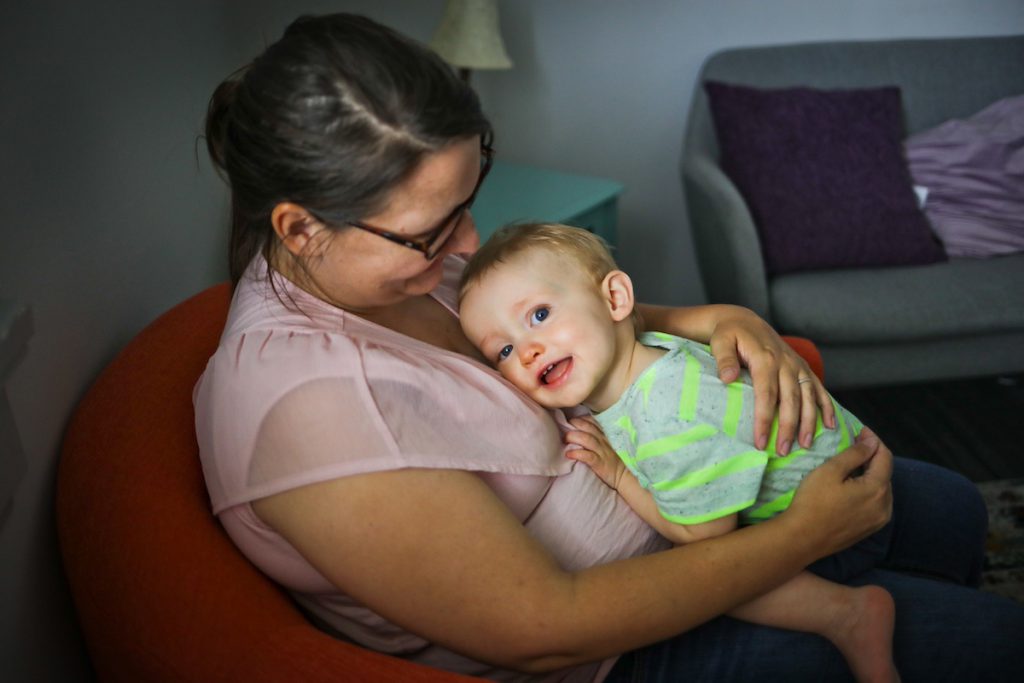
Try 3-way rocking.

Gently rock your baby:

  • Side to side
  • Forward and back
  • In a circular motion

Pair this with humming or soft music for added calming effects.

One of our favorite songs for rocking is “Golden Slumbers.” Play it here or stream it (and many other options) from the Relaxation album in the free Kindermusik app

“Golden Slumbers” from the free Kindermusik app.

Vestibular System Activities for Toddlers

Encourage rolling on the floor, spinning games, or gentle swinging. 

These activities build vestibular pathways needed for jumping, running, and balance.

You can easily incorporate this stimulation through pretend play:

  • For walkers: Using tissues or lightweight scarves, pretend to be birds flying and spinning around the room. 
  • For non-walkers: Pick up the child and gently swing and fly them around the room. Please make sure to safely hold them—to swing them low to the ground, hold their torso under their arms with your hands clasped together across their chest. To swing them up high, place one arm from shoulder to opposite under arm and the other arm through their legs.
“Come Fly with Me” in the free Kindermusik app.

Vestibular System Activities for Preschoolers
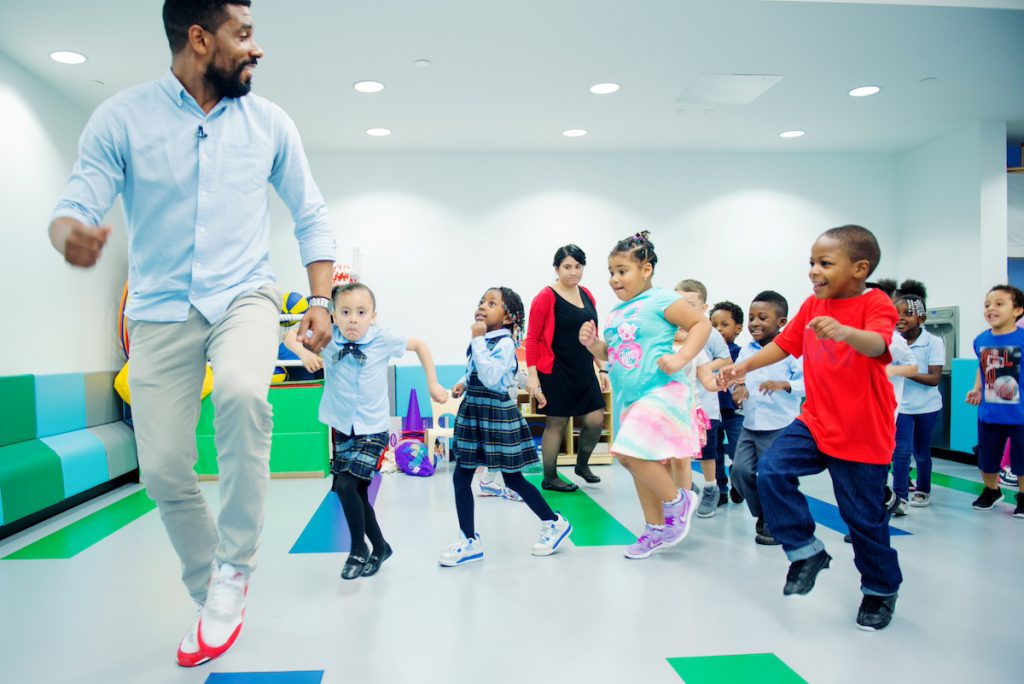
Incorporate direction and rhythmic changes during musical play. 

For 3-5-year-olds, these activities integrate vestibular input with coordination and self-regulation.

Try “Waltz and Jig” from the free Kindermusik app (or play it below). This song goes from a gliding waltz to a bouncy jig within the same track. 

  • Encourage children to twirl and move gently in one direction around the room as the waltz plays. 
  • When the music changes to “Dance a jig…”, instruct them to bounce to the beat in the other direction. 
  • Continue these changes throughout the song.
“Waltz and Jig” from the free Kindermusik app.

Your child’s constant motion (or movement reluctance) isn’t random—it’s a message. And once you understand the role of the vestibular system, that message becomes clear.

Movement isn’t just fun. It’s foundational. It supports balance, focus, behavior, and learning from the inside out.

So the next time your child endlessly jumps, spins, or wiggles, take a breath and ask “What is their brain telling me?”

By supporting vestibular development through intentional and safe musical play, we’re helping answer a developmental need, and giving children the tools they need to thrive.

Diana F. Cameron (MEd) is an Accredited Kindermusik Educator, Kindermusik University coach, and early childhood development specialist in Queensland, Australia. She’s also the owner of Building Brain Connections—find more of her educational videos here.

For more vestibular system activities, find a Kindermusik class near you or check out our teaching solutions for ages 0-6. 
Why Clapping Is the Unsung Hero of Early Development + Activity Ideas

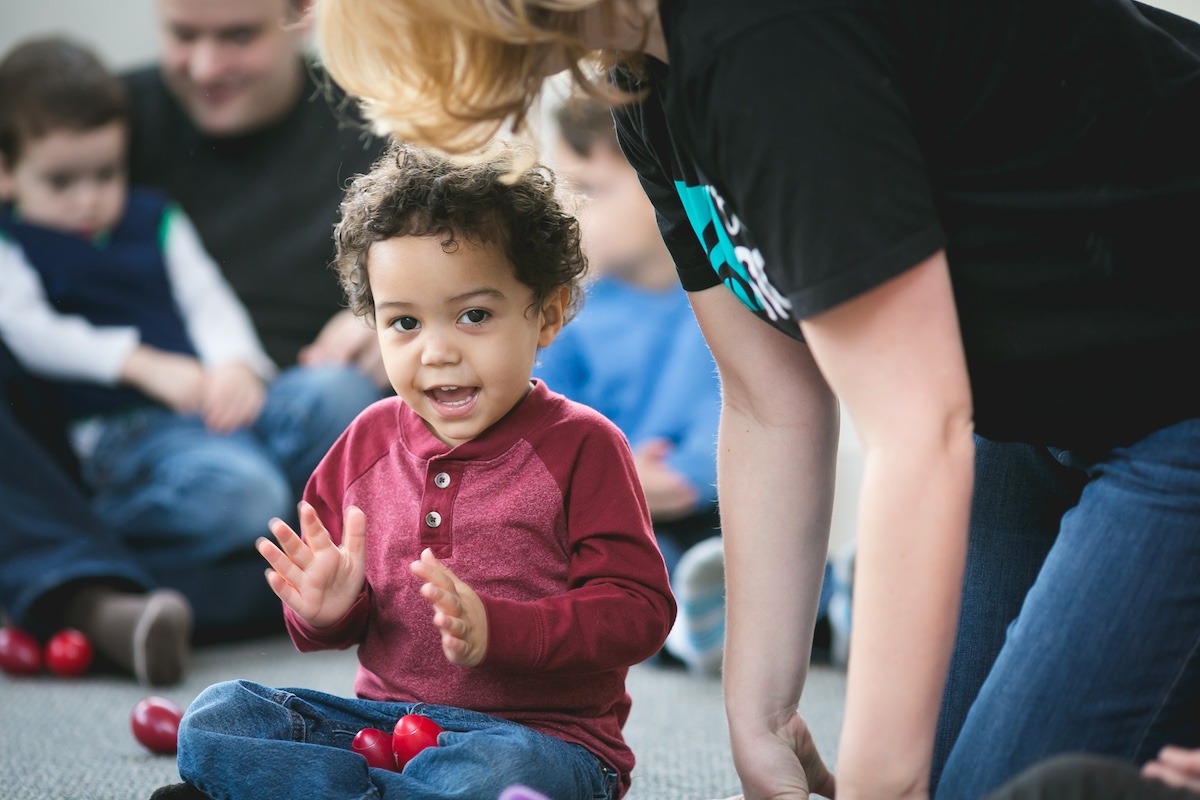
A 3-year-old boy claps to the beat during a Kindermusik class. Clapping is a foundational tool for early development.

Clapping is generally perceived as a tool for keeping time with the music or showing appreciation as applause. However, the biological and neurological effects of this simple motor activity reach far beyond songs and ovations, enhancing self-regulation, reading skills, handwriting proficiency, and speech processing.

Take a look at what’s happening in our brains and bodies when we clap, why it is so intrinsically connected to early childhood development, and initial steps you can take to help children harness the power of their hands.

Continue reading “Why Clapping Is the Unsung Hero of Early Development + Activity Ideas”

3 Ways to Build Grownup Social-Emotional Growth

A mom dances and builds social-emotional growth with her daughter in a Kindermusik class.

Social-Emotional Learning (SEL) for children has been a huge focus in early childhood development over the past 10 years, but what about “Grownup Social-Emotional Growth?” It turns out, it’s just as critical for parents and caregivers to fill this specific brain bucket on a daily basis.

Not to be confused with a fancy face mask or a day at the beach, The Collaborative for Academic, Social, and Emotional Learning (CASEL) defines SEL as “the process through which children and adults understand and manage emotions, set and achieve positive goals, feel and show empathy for others, establish and maintain positive relationships, and make responsible decisions.”  

And while it can be hard to focus with little ones around, it’s important to recognize that parents and caregivers shouldn’t put social-emotional growth on hold for alone time.

Continue reading “3 Ways to Build Grownup Social-Emotional Growth”

How Music Teaches Kids to Self-Regulate

Kindermusik | How to Calm an Upset Child with Music

He’s so whiny. She’s a hitter. He cries non-stop. She can’t stop talking…if this sounds like your child(ren), they’re not wild—they need help learning how to self-regulate.

When grownups are overstimulated or don’t get their way, we (usually) use tools like taking a deep breath or a walk to make sure we don’t lose it. When we self-regulate, we balance our nervous systems. That helps us access our prefrontal cortex, where logic lives.

When it comes to self-regulation in children, they’ve got two things working against them:

1) They aren’t born with the tools to regulate their nervous systems, and

2) Their prefrontal cortex isn’t fully formed, so they need extra help to reach and dissect that logic.

Enter music!

Continue reading “How Music Teaches Kids to Self-Regulate”

New Research: Teaching self-regulation increases school readiness

“To researchers’ awe, music and movement experiences help children better self-regulate behavior and enjoy a safe, creative outlet for self-expression. Studies point to a specific cluster of social-emotional skills—called self-regulation skills—as particularly important for a variety of school successes.”  (Dr. Debby Pool, Vice President at Kindermusik International)

According to a new study from Oregon State University co-authored by child development expert Megan McClelland, children with strong self-regulation skills – skills that “help children pay attention, follow directions, stay on task and persist through difficulty” – transition more successfully into Kindergarten.

At-risk children participated in an intervention program that utilized movement and music-based games to help children develop and learn self-regulation skills. These music games were designed to help children learn to stop, think, and then act, three steps that are part of the self-regulation process.

“Most children do just fine in the transition to kindergarten, but 20 to 25 percent of them experience difficulties – those difficulties have a lot to do with self-regulation,” McClelland said. “Any intervention you can develop to make that transition easier can be beneficial.”

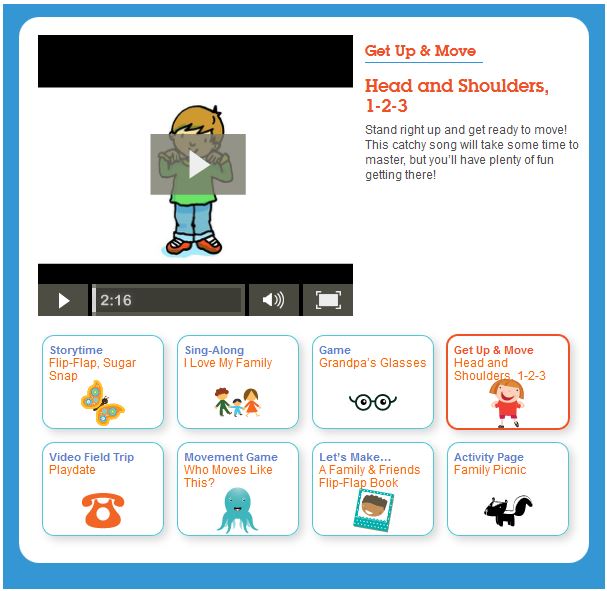
Here’s a music and movement game from Kindermusik@Home that gives kids fun practice with those all-important self-regulation skills:

Head and Shoulders 1-2-3Want to learn more about using music in your school to reach children from underserved populations? Visit www.Kindermusik.com/schools.

Contributed by Kindermusik educator Theresa Case, whose award-winning Kindermusik program at Piano Central Studios is located in beautiful upstate South Carolina.


Cultural factors that may impact the self-regulation skills of ELL preschoolers

Source: She Knows Activity Center

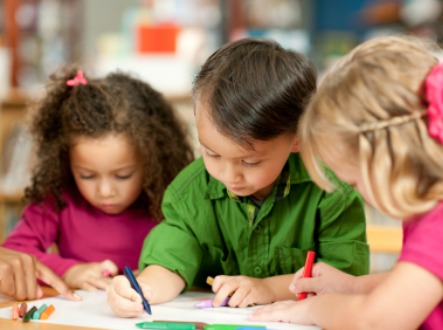
Watch a classroom of preschoolers writing letters from that day’s preschool lesson plan and you will see children wiggling in their seats, looking longingly over at the art table, poking classmates with fingers, or talking to each other. Preschoolers are still learning how to self-regulate or how to control and direct their own actions, thoughts, and feelings. More and more research shows the importance of teaching self-regulation as part of a preschool or toddler curriculum. Studies indicate that self-regulation may even be a predictor of both early academic success and later adult health and wealth.

Latino English Language Learners and Self-Control

While the body of research on the importance of self-regulation continues to grow, little research exists that targets specific cultural factors that may affect self-control skills in ELL preschoolers. A professor from Loyola University Chicago recently published an article in the Child Development Perspectives journal that took initial steps towards identifying two aspects found specifically in the immigrant Latino culture—familism and acculturation—that may affect the self-regulation of preschooler English Language Learners. Familisim refers to a cultural aspect that puts the needs of the family as a whole above the needs of the individuals in the family. Acculturation is the process of change a person or family encounters when one culture begins to merge with another culture, such as changes in food, clothing, and language. The author stresses the need for additional research that will take into consideration these unique aspects of immigrant Latino English Language Learners.

Preschool curriculum develops self-control using music

Studies show that music can help develop self-control in young children, including English Language Learners. In fact, researchers recommend using music to engage the entire family in learning, including in cultures that place a high regard on the family.

Based on over 30 years of research detailing the ways music instruction boosts self-regulation, listening, early literacy and language, and more, Kindermusik created ABC Music & Me, a preschool and toddler curriculum. ABC Music & Me uses music to teach early literacy and language development to young children and engage families in their children’s education. The research-based curriculum aligns with state standards, including the Common Core, and can be especially beneficial for English Language Learners. In addition to our “English Language Learners Strategies Guide” that provides unit-by-unit, lesson-by-lesson tips, ABC Music & Me includes materials in English and Spanish to increase parent involvement and support the common language spoken in the home.

For more information about using ABC Music & Me as a preschool or toddler curriculum with English Language Learners, email us at info@abcmusicandme.com.