
Every stage, or “season,” of early childhood has its triumphs and its challenges. At Kindermusik, we believe that music and movement should be a huge part of both the celebrations and the everyday moments of each stage of childhood.
That’s why Kindermusik classes are not just filled with happy music and delightful activities for kids, but are also full of practical tips and musical helps for parents. And it all comes packaged in such a way as to also give you invaluable insights into the way your child will grow and develop into the special individual he/she is meant to be.
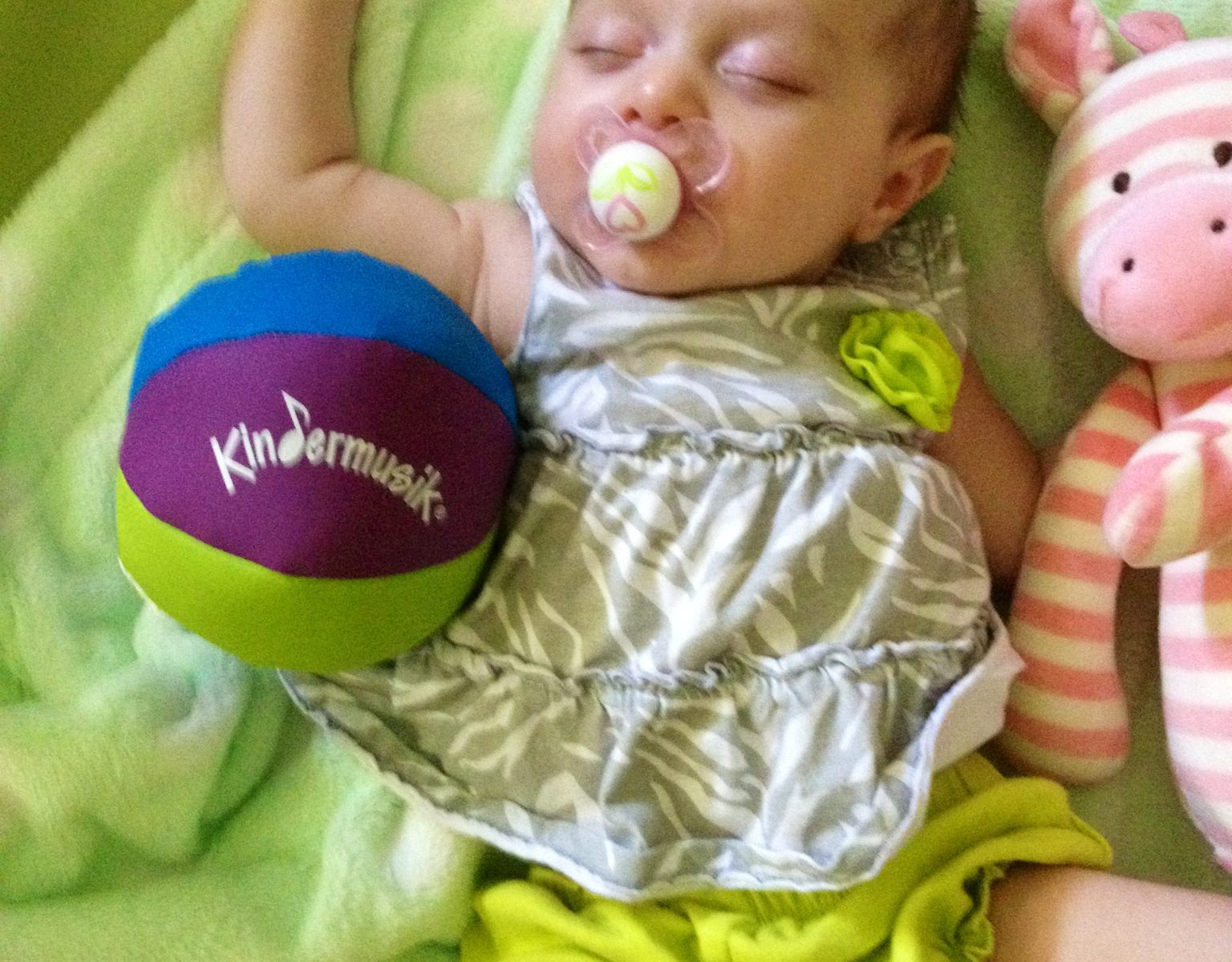
Babies need nurture.
The first years are all about connections and learning. A lullaby will become a beautiful ritual before nap time. A sweet little finger play makes bath time extra fun. A quick dance around the kitchen provides a needed distraction around supper time.
In Kindermusik, we’ll teach you all of the songs, fingerplays, and dances you need, but we’ll also give you the time to settle in and savor these precious early years. The window for learning is open the widest right now, and there’s nothing more powerful than music and movement.
Toddlers need engagement.
Busy brains and busy little bodies need something to keep them active. And yet they thrive on predictability and routine. Despite attempts to be fiercely independent, these busy little people still need you and they still need lots of cuddles. And they do love their music!
We’ll help you add plenty of activity to your week – in class and at home. And we’ll give you the music to dance to, the songs to sing, and the lullabies to hum, along with the insights you need to better understand this beautiful little person that is your child.
Preschoolers need adventure.
More than at any other stage, play is your preschool child’s work. Play is how they’ll learn best. The preschooler enjoys action and adventure, and he/she is eager for the kinds of rich experiences and interactions that will best help get him/her be ready for school, for music lessons, and for life.
Pretend play, big imaginations, socializing, and new musical concepts – all of these and more are how this stage of Kindermusik helps your child thrive and flourish. Best of all, Kindermusik allows you to be part of the grand adventure of preparing for some very exciting transitions.
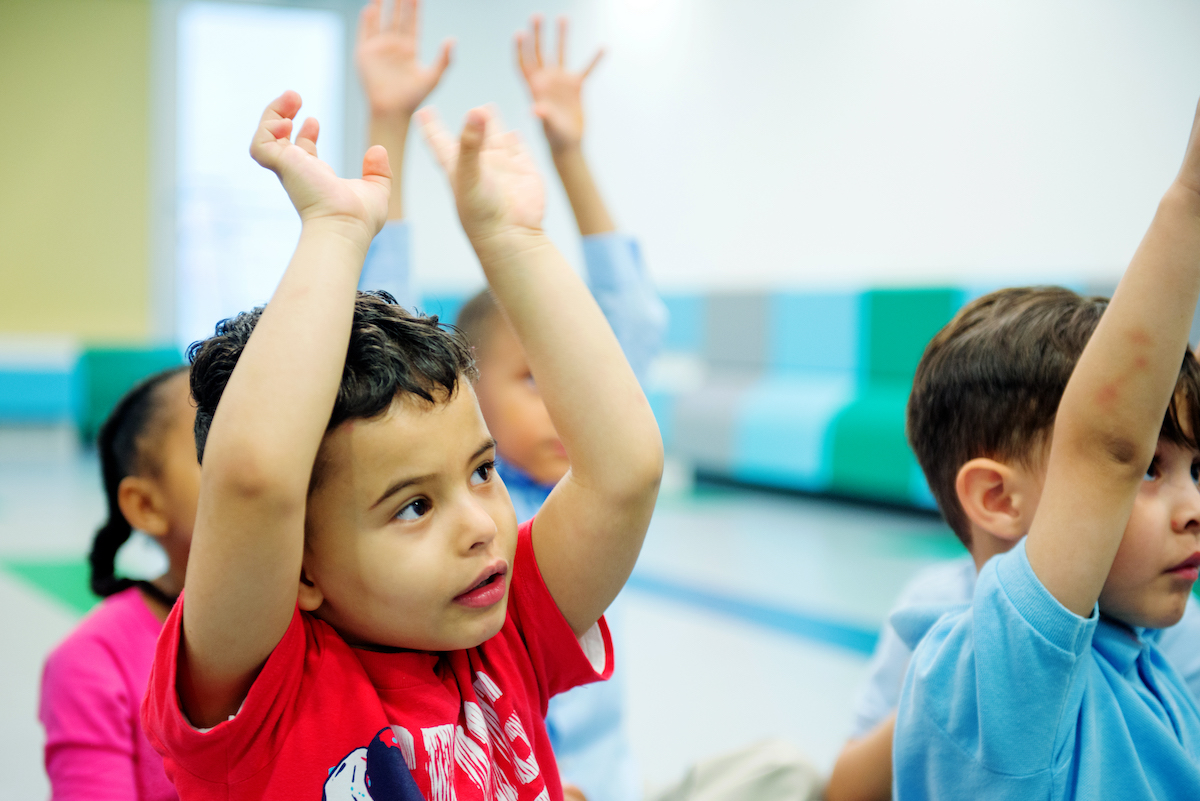
Big Kids need opportunity.
Your child seems so grown up all of the sudden, but he/she is not as grown up as you might think. Now more than ever, your child needs to move, to explore, and to have fun even while being challenged with new ideas and ways to learn. Your child is more than capable of learning the more specific musical concepts that will continue to foster a love for music and prepare him/her for that next step to formal music instruction.
As we capitalize on your child’s love of learning and making music with friends, we’ll also keep you involved through pressure-free music-making and simple activities at home. You’ll learn right along with your child, and you’ll have the resources you need to make time for music and enjoy time with your child.

We’d love for you to come see for yourself how Kindermusik meets your child’s musical and developmental needs at every stage in early childhood, from newborn to age 7. Try a free class today!
Music and Movement Benefits: Routines and Social-Emotional Health
From breakfast to playtime to naptime. That’s one routine. Bath time, story time, then bedtime. That’s another. Cartoons or waffles on Saturday morning – that’s a routine, too!
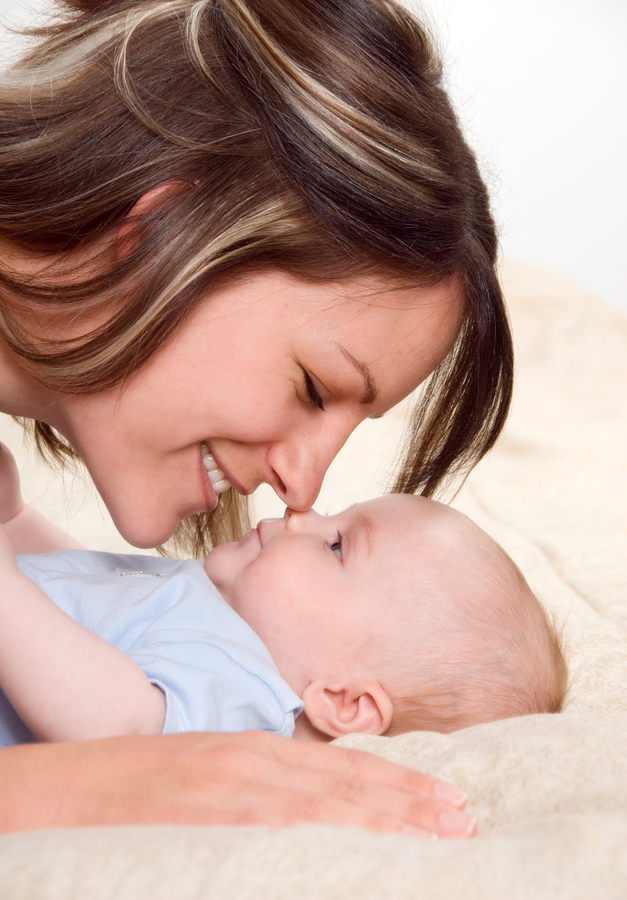
As unpredictable as life with young children can sometimes be, routines and rituals are the secret to creating a calmer, saner life, to helping your children feel secure, and to building loving family relationships. As reported by Reuters Health, a recent study has also found that children with predictable family routines “tend to be emotionally healthier and better socially adjusted.” And there’s a close connection between thriving at home and thriving in school.
Routines provide structure and predictability – they are a child’s time keeper, both internally and externally. Zero to Three lists these ways that love, learning, and routines are all interconnected.
Love, Learning, and Routines (from ZeroToThree.org)
- Routines help babies and toddlers learn self-control.
- Routines can bring you and your child closer together and reduce power struggles.
- Routines guide positive behavior and safety.
- Routines support children’s social skills.
- Routines help children cope with transitions.
- Routines are satisfying for parents, too.
- Routines are an important opportunity for learning.
These are some of the very reasons why a Kindermusik class has many happy routines that give your child a sense of belonging and security in the classroom: after a few weeks, just experiencing the hello song, goodbye song, and all of the beloved activities in-between reassure each child that he/she is in a safe and loving community. Repeating some of these very same activities at home with the help of your @Home Materials helps parents create family routines that will be remembered for a lifetime.
Get started on the Kindermusik routine today! Try a free class and see how music makes every part of the day even better.
Compiled and written by Theresa Case, who has an award-winning Kindermusik program at Piano Central Studios in Greenville, SC.
Talk to me, please!
Recent research sparked this striking headline in an AFP article: “Baby talk is more than just bonding: chatting with your infant spurs important brain development that sets the stage for lifelong learning…”
So, exactly HOW do you go about having these vital conversations with your baby, you ask? Well, you’ve come to the right place. At Kindermusik, we love sharing tips that make great parenting a little bit easier, help your child advance developmentally, and make your lives a whole lot more musical.
- Start the conversation habit at a young age. There’s a window of opportunity in the early years when the brain is undergoing incredible growth.
- Look your baby in the eye when you talk to him or her. Feeding time, bath time, baby massage, or diaper changes are all easy opportunities to engage your baby.
- Speak to your baby using regular vocabulary and full sentences. This helps your child develop a wider vocabulary and process spoken language better.
- Give your child a chance to respond. If you talk and then wait for a response, this will cue your baby to coo or babble back.
- Sing to your child. Young children benefit tremendously from the repetition of words and even from new or different words found in song lyrics.
- Play with rhymes. Whether it’s words you rhyme or simple children’s poems, chants, fingerplays, or toe tickles, rhyming not only enhances language development, but it also paves the way to literacy.
Need some inspiration for talking or singing to your baby? Enroll in a Kindermusik! You’ll receive tips and ideas in class and interactive Home Materials to help the music, learning, and fun last through the week at home. It’s easy to get started with a free preview class, or simply by finding your local licensed Kindermusik educator.
Music & Movement Benefits: Why and How to Sing to Your Child
Most of us have some songs we can recall from our childhood. Start singing and the tune and the words will probably come back to you. And if you’re in a Kindermusik class, you are enjoying a growing repertoire of songs to pull out and sing for almost any occasion!
Why Sing
Singing to a child is a priceless gift. It doesn’t matter if you feel like your voice is not star quality; to your child, the sound of your voice is the best sound in the whole world. According to Scholastic Parent & Child Magazine (Dec/Jan 1999), singing with and to your child can:
- calm when upset, soothe fears, and reduce irritability;
- enhance a child’s grasp of language and sense of beauty;
- remind a child that he/she is cherished and loved;
- improve communication and intimate bonding between parent and child.
How to Sing
- Bounce your child in your lap and sing a song together.
- Pick out individual words or groups of words from the song and let your child echo you. Change your voice, using lots of inflection.
- Accompany yourselves by tapping wooden or plastic spoons together with a beat.
- Dance while you sing.
- Put your own words to a song – whatever fits the occasion or the task at hand.
- Let a song inspire dress-up and pretend play.
Take the song, “The Muffin Man,” for example. The words are:
Do you know the muffin man, the muffin man, the muffin man?
Do you know the muffin man who lives in Drury Lane?
Yes, I know the muffin man, the muffin man, the muffin man.
Yes, I know the muffin man who lives in Drury Lane.
You can have fun singing, adapting, and playing with this song in many ways. Here are just a few ideas to get you started:
- Try inserting another occupation, like “the bakery lady,” “the lawn mower man,” “the fireman,” or “our doctor friend.”
- Substitute your own street name for Drury Lane.
- Accompany yourself by tapping a spoon on a muffin pan.
- Explore the many different kinds of sounds you can make as you tap, rub, or scrape the muffin tin.
- Create a muffin game.
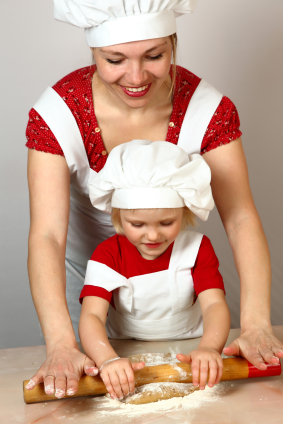
- Put on an apron and/or a chef’s hat and then bake some muffins together – or just pretend to do so!
- Play with the question and answer part of the song.
- Come up with your own muffin song.
Shared by Theresa Case, who has an award-winning Kindermusik program at Piano Central Studios in Greenville, SC.
4 musical learning tips that make parenting a little bit easier
It doesn’t take a parent long to figure it out. No baby or toddler or preschooler—or teenager for that matter!—comes with an owner’s manual. Sure, parents can Google, look to books and blogs, talk with other parents, and even ask Siri but there is no one-size-fits-all answer to parenting.
At Kindermusik, we don’t have all the parenting answers either. We do, however, have one thing that makes parenting just a little bit easier and unlocks a child’s potential: Musical learning! Here are just a few ways to use musical learning throughout the week in your everyday routines and rituals.
4 musical learning tips that make parenting a little bit easier
- Music helps children, even babies, learn how to relax. Relaxing is a learned
behavior. A child’s world can be full of stimulating experiences, from practicing new skills like standing or walking to all the sights, sounds, and smells of a trip to the grocery store. Teaching children how to relax after a period of activity gives them time to recoup and get ready for what’s next. Listening to some quiet music, snuggling together, or gentle rocking can show children how to relax. By the way, children who know how to relax and self-soothe can be better sleepers! - Singing or humming a comforting song can soothe a child or ease anxiety and fears. From 2am feedings to boo-boos to thunderstorms to visits to the doctor, singing a soothing song can calm fears and comfort little ones in many different situations. The world’s most famous and revered nanny, Mary Poppins agrees. After all, she sang, “A spoonful of sugar helps the medicine go down.”
- Music can signal to your child it’s time to transition to something else. In our music classes for babies, toddlers, big kids, and families, we sing “instruments away, instruments away. It’s time to put our instruments away.” That tells every child that the instrument playing time is over and we are moving on to another activity. After a few times, children begin to understand and will put the instruments away (most of the time!). Try using that little song throughout the week to signal the end of bathtime, playtime, or even time to leave the park.
- Make a playlist of your child’s favorite music for your next road trip. Few children enjoy being strapped in their car seats for long periods of time. Music makes it easier. Create a playlist of your child’s favorite Kindermusik songs for the trip. Here are some of our favorites. Mix in your own favorites, too, for a family musical playlist.
New benefits of music on the cognitive development of children continue to be discovered by researchers. However, throughout the years generations upon generations of parents have used musical learning to help make parenting just a little bit easier. We invite you to come visit a Kindermusik class and discover for yourself a loving, welcoming community of families who are discovering the power of musical learning!
Find a local Kindermusik educator in your area today.
The Power of the Lullaby
Once again, research proves what we parents have known instinctively for a long time… that playing music and singing lullabies has the power to soothe, lower stress, strengthen bonds, and improve sleeping patterns.
Kindermusik has long recognized the power of music especially when it comes to child brain development, but we specifically use lullabies because of the emotional and health benefits. In fact, we include a lullaby or rocking song in every one of our baby music classes and toddlers classes. And just in case you’re wondering, some of our favorite Kindermusik lullabies include:
- You Are My Sunshine
- Golden Slumbers
- May There Always Be Sunshine
- Hush, Little Baby
- Tell Me Why
- That’s An Irish Lullaby
By the way, what researchers found most impacting was for these little ones to hear the voices of their loved ones singing – a special reminder that the most important people in a child’s life are his/her parents and close family members and that nothing is sweeter than the sound of your voice in your child’s ears.
Read more about this fascinating study conducted with preemies in the neonatal intensive care unit at Beth Israel Medical Center in New York City.
Find more Kindermusik lullabies and download them from play.kindermusik.com. Simply search on “lullaby.”
Learn more Kindermusik lullabies and songs when you enroll in a Kindermusik class. Try a FREE class on us today!
Shared by Theresa Case, who has an award-winning Kindermusik program at Piano Central Studios in beautiful Upstate South Carolina
The Parent Test
“My child is so unique and special! I want to be the best parent that I can possibly be for my child.” As parents, isn’t this our heart’s desire?
We search to find just the right activities and experiences that will benefit our children and help them grow to their fullest potential, such as baby development classes or toddler music classes. We check reviews, ask friends, and spend countless hours to find and decide on just the right toys, foods, books, music, play, clothes, activities for toddlers, and the list goes on… Everything that touches the lives of our children must pass THE ultimate test – the PARENT TEST!
This unwritten Parent Test is full of many questions and concerns that automatically become an ingrained part of our thought process. Many times these questions are so automatic that they become almost instinctive. If you took the time to write it down, your Parent Test may look a little like this:
- I want my child’s LANGUAGE skills to develop. Does this help my child develop a love for books and reading?
- I know early learning is important for my child’s COGNITIVE development. Is this helping my child learn something new in an age-appropriate and enjoyable way?
- Healthy EMOTIONAL development is key to growing into a confident and secure individual. Does this help strengthen the parent-child bond and help my child feel good about himself?
- My child needs an opportunity to develop PHYSICALLY. How can I help my child actively explore skills like running, jumping, galloping, and skipping?
- My child and I both need a SOCIAL outlet. Is there a place where we both can benefit from a positive group experience that also teaches my child social skills like sharing, playing cooperatively, and making friends?
- I recognize the importance of MUSIC for my child’s total development. Does this teach and inspire my child to be more musical, to be prepared for music lessons in the future, and ultimately, to have instilled a lifelong love for and enjoyment of music?
For over 30 years, Kindermusik has passed the Parent Test with flying colors, time and time again. That’s because the powerful combination of the Kindermusik classroom experience and our Home Materials empower parents to instill a lifelong love of music and learning and capitalize on all of the rich benefits of music for children during that critical window of early learning.
It’s also because our research and experience has shown time and time again that music and movement are the best vehicles for helping a child reach his or her fullest potential in every developmental category – language, cognitive, emotional, physical, social, and music.
Simply stated, there is no better way to enhance your child’s early development and learning or to inspire their natural love of music than Kindermusik.
We invite you to experience the magic of Kindermusik for yourself. Try a free
class today!
Edited and revised by Theresa Case, whose Kindermusik program at Piano Central Studios in Greenville, SC, is proudly among the top 1% of Kindermusik programs worldwide.
6 Ways Music Builds Successful Multilingual Learners
We know that the most successful multilingual learners are exposed to non-native languages in the first years of life, but using music as a teaching tool boosts their ability to achieve fluency faster.
Continue reading “6 Ways Music Builds Successful Multilingual Learners”
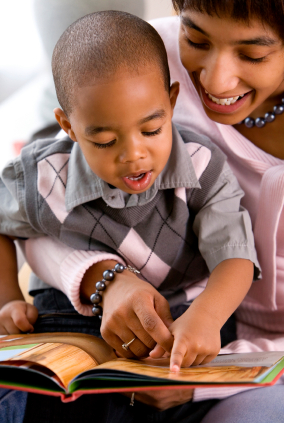
How to Help Your Child Become a Better Reader
We all know that reading to our children is an important part of their intellectual and emotional development. But why is this so? Susan B. Neuman, professor of childhood studies at the University of Michigan, gives some insight.
Dr. Neuman points out that reading is fun, stimulates the imagination, provides knowledge of the world and life, including problems and the solving of problems. Language development is also strengthened by hearing words being read aloud. Children who are read a variety of books on a daily basis also develop a sense of community, an understanding of “what it means to be human,” and to learn empathy as they are introduced to cultures and people that are different than their own.
Most parents are already convinced of the importance of reading, but with so many children’s books on the market, it can be hard to know which books are best. Here are some simple tips for choosing – and reading! – books according to your child’s age.
birth – 1 year
Look for small, brightly colored books with photos of babies and familiar objects like balls and bottles. Draw attention to the objects by saying things like, “Look at the ball,” or point to pictures and ask, “What’s that?”
1 – 2 years
Look for sturdier books that can be handled and carried; few words on teh pages or simple rhyming themes. Talk about the pictures — you don’t necessarily have to read the book to tell the story.
2 – 3 years
Look for silly or funny books with subjects like food, animals, or making friends. SImple word books are good choices. Keep stories short and read them with few interruptions. Then, re-read them.
3 – 4 years
Look for books that tell simple stories with a beginning, a middle, and end; stories that relate to life, like overcoming fear; information books about children’s interests. As you read ask your child questions about the story: “What do you think will happen next? Why?” Keep them engaged.
5 – 6 years
Look for stories and information books that evoke children’s lively imagination and interests; books about space, machines, time, and other cultures. Ask your child to tell you what interests her most about the story. Use open-ended questions to encourage her to relate her ideas. Allow her to ask questions as you read.
Compiled by Theresa Case, whose Kindermusik program at Piano Central Studios in Greenville, SC, is proudly among the top 1% of Kindermusik programs worldwide.
Choosing Great Children's Books
We all know that reading to our children is an important part of their intellectual and emotional development. But why is this so? Parent and Child Magazine explains in an insightful article by Susan B. Neuman, a professor of childhood studies.
Reading is fun, stimulates the imagination, provides knowledge of the world and life, including problems and the solving of problems. Language development is also strengthened by hearing words being read aloud. Children who are read a variety of books on a daily basis also develop a sense of community, an understanding of “what it means to be human,” and to learn empathy as they are introduced to cultures and people that are different than their own.
The rest of the article on reading to kids can be viewed online, but the efficient and helpful “Choosing Books” break-down is not, so here you go!
Choosing Books by Age
birth – 1 year
Look for small, brightly colored books with photos of babies and familiar objects like balls and bottles. Draw attention to the objects by saying things like, “Look at the ball,” or point to pictures and ask, “What’s that?”
1 – 2 years
Look for sturdier books that can be handled and carried; few words on the pages or simple rhyming themes. Talk about the pictures — you don’t necessarily have to read the book to tell the story.
2 – 3 years
Look for silly or funny books with subjects like food, animals, or making friends. Simple word books are good choices. Keep stories short and read them with few interruptions. Then, re-read them.
3 – 4 years
Look for books that tell simple stories with a beginning, a middle, and end; stories that relate to life, like overcoming fear; information books about children’s interests. As you read ask your child questions about the story: “What do you think will happen next? Why?” Keep them engaged to improve their early literacy skills.
5 – 6 years
Look for stories and information books that evoke children’s lively imagination and interests; books about space, machines, time, and other cultures. Ask your child to tell you what interests her most about the story. Use open-ended questions to encourage her to relate her ideas. Allow her to ask questions as you read.
For some book recommendations by a Kindermusik educator, check out these lists from SoundSteps, an award-winning Kindermusik Maestro program in Dallas, TX:
Books to Read with Babies
Must-Read Books for Toddlers
Books for Big Kids
Shared by Theresa Case, whose Kindermusik program at Piano Central Studios in Greenville, SC, is proudly among the top 1% of Kindermusik programs worldwide.