

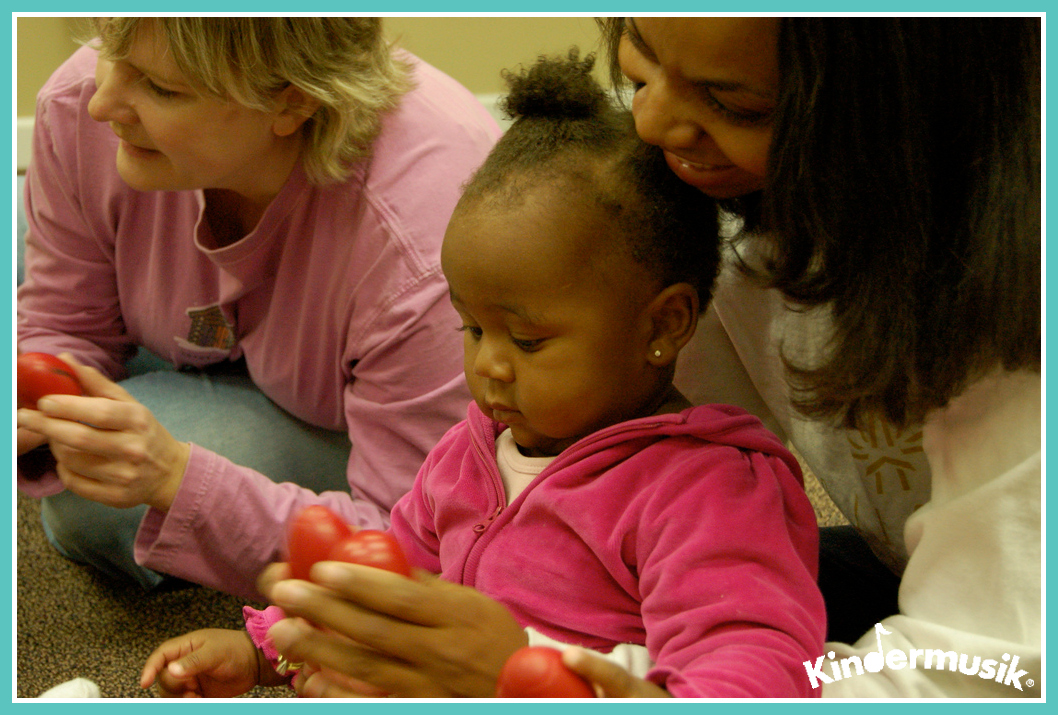
Which came first: the egg shaker or the violin? Well, if you ask us, we’d say the egg shaker of course! It’s a staple instrument in all Kindermusik classes from newborn through age 7. From that first instrument, we begin to teach children skills that can prepare them for formal music lessons when they are ready.

6 Ways Kindermusik Prepares a Child for Formal Music Lessons
#1 – Kindermusik develops the ability to keep a steady beat. Steady beat is fundamental to music and absolutely essential for playing an instrument.
#2 – Kindermusik reinforces music patterning. Learning to recognize patterns in music is vital to playing an instrument with musicality and with understanding.
#3 – Kindermusik teaches musical notation. Without a foundational understanding of music symbols, there can be no music reading.
#4 – Kindermusik develops a musical vocabulary. A rich musical vocabulary begins with an experiential knowledge of the words that help us describe music and express ourselves musically.
#5 – Kindermusik provides ensemble experience. From playing egg shakers together in our Baby Class to playing the violin in an orchestra, making music together in a group is one of the greatest joys of music.
#6 – Kindermusik inspires a lifelong love of music. When you plant the seeds at such a young age, a love of music will bloom and grow throughout a lifetime. A deep love for music is one of the most important contributors to a child’s success in music lessons… and in life.
So when is a child ready for music lessons?
Most music teachers agree that between the ages of 7 and 10 years is the best age for children to start formal music lessons. By then, a child is usually able to read on his/her own, follow directions, sit still and focus for longer periods of time, and feel motivated to practice at home each day.
If you’re unsure about whether or not your child is ready for formal music lessons, long-time Kindermusik educator and Maestro Michelle Jacques recommends asking these questions:
- Do you and your child understand the enormous amount of dedication needed to learn to play an instrument?
- Are you ready to make the purchase or rental investment in an instrument to have in your home for practice?
- Is your child ready to accept the rules, guidelines, and suggestions of the teacher?
- Will your child be able to respond positively when the teacher asks him/her to play a certain way or hold his/her hand in a certain position?
- Does your child have the fine motor control as well as the maturity and attention span necessary for daily home practice?
- Can your concentrate daily for 15 to 30 minutes on a series of directed tasks?
- Will your child thrive in a learning environment where it’s just she and the teacher, or does she learn best in a social, play-like setting?
 Want to learn more about how Kindermusik prepares a young child for success in formal music lessons? Come visit a Kindermusik class! Find your local Kindermusik educator at www.Kindermusik.com and give your child the best gift ever – a love of music that starts with Kindermusik.

 is essential for all problem solving and academic learning. Deductive reasoning, the ability to reason from general premises to more specific premises, is one essential aspect of critical thinking.
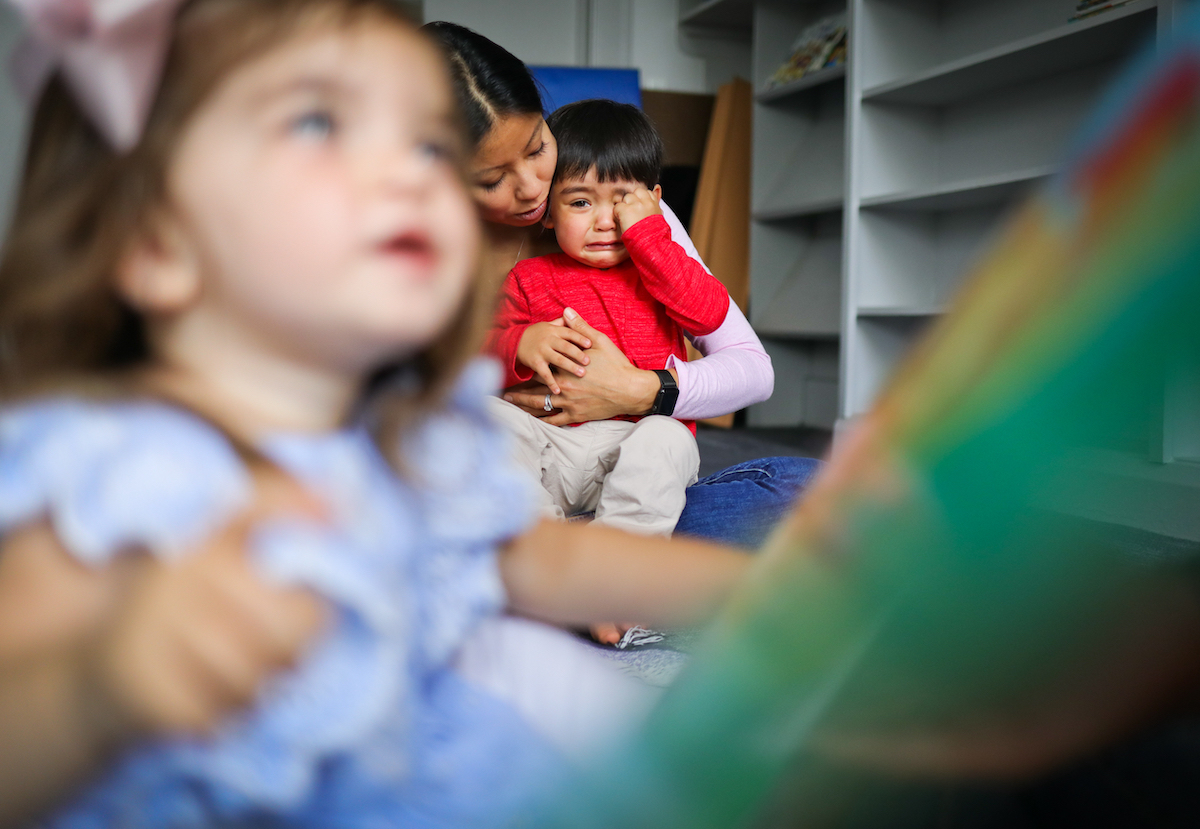
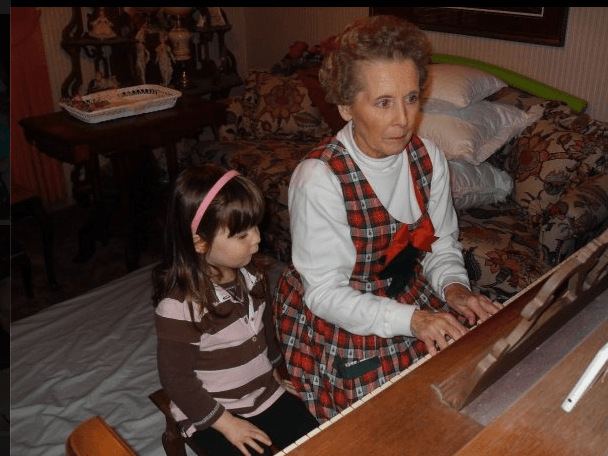
 When thinking back to our own childhoods, holiday memories rarely bring to mind a specific gift we received. (Unless, you happen to be Ralphie and you can narrate a whole movie about that Christmas you received a Red Ryder!) For the rest of us, however, we tend to recall the time spent with loved ones.

 Deanna Hanson-Abromeit, assistant professor of music education and music therapy at the University of Kansas, is doing some significant work in learning how music helps premature infants not just survive, but thrive, according to
 This perfectly summarizes what happens in a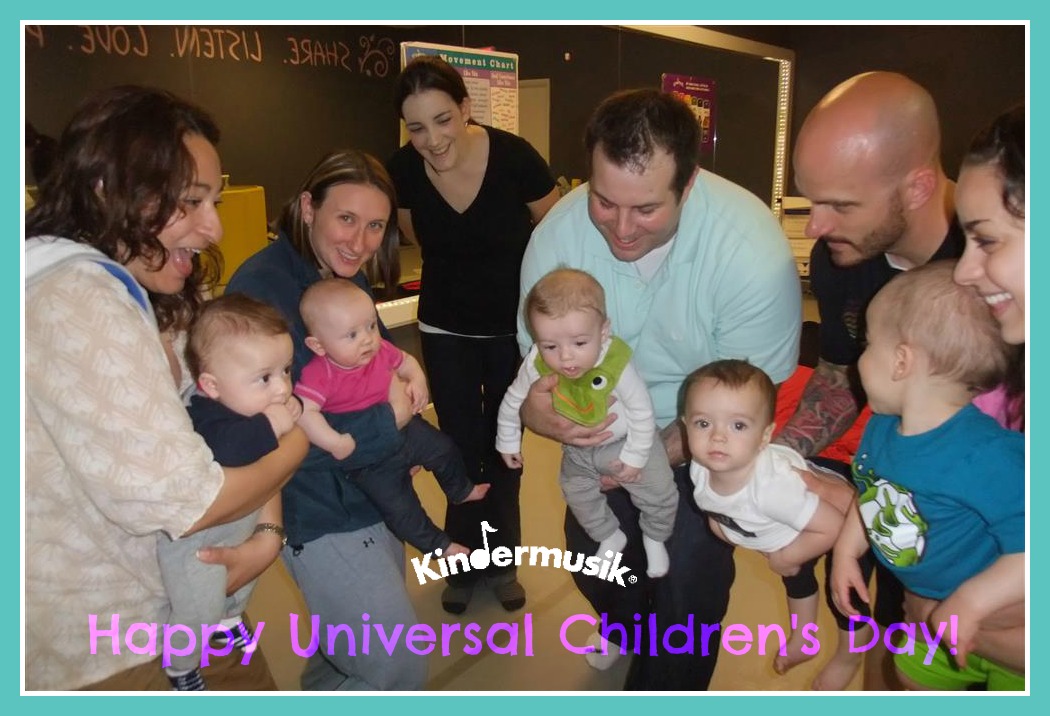


 Ever wonder what happens when a group of teachers gather together for Kindermusik training? Well, we sing, laugh, play instruments, dance with scarves on our heads, and learn through (and about!) music. In fact, it looks a lot like a Kindermusik class without little kids.
 “We would love to give more of these conferences to more schools around the country,” confesses Paula Bassi, International Director Latin America, Central America and Caribbean. “It is wonderful to create a community of Kindermusik schools in Costa Rica and around the world.”

 With music that streams on our phones, Internet radio stations that play our favorites at the click of a mouse, and even still some CD players in our cars, it’s easy to fill your child’s world with music. But it does take some intentionality. Not only will you be able to expose your child to a wide variety of music and begin to shape their musical preferences, but you can also use music to bring out a smile, inspire a cuddle, or chase away the grumpies with an impromptu dance around the kitchen.