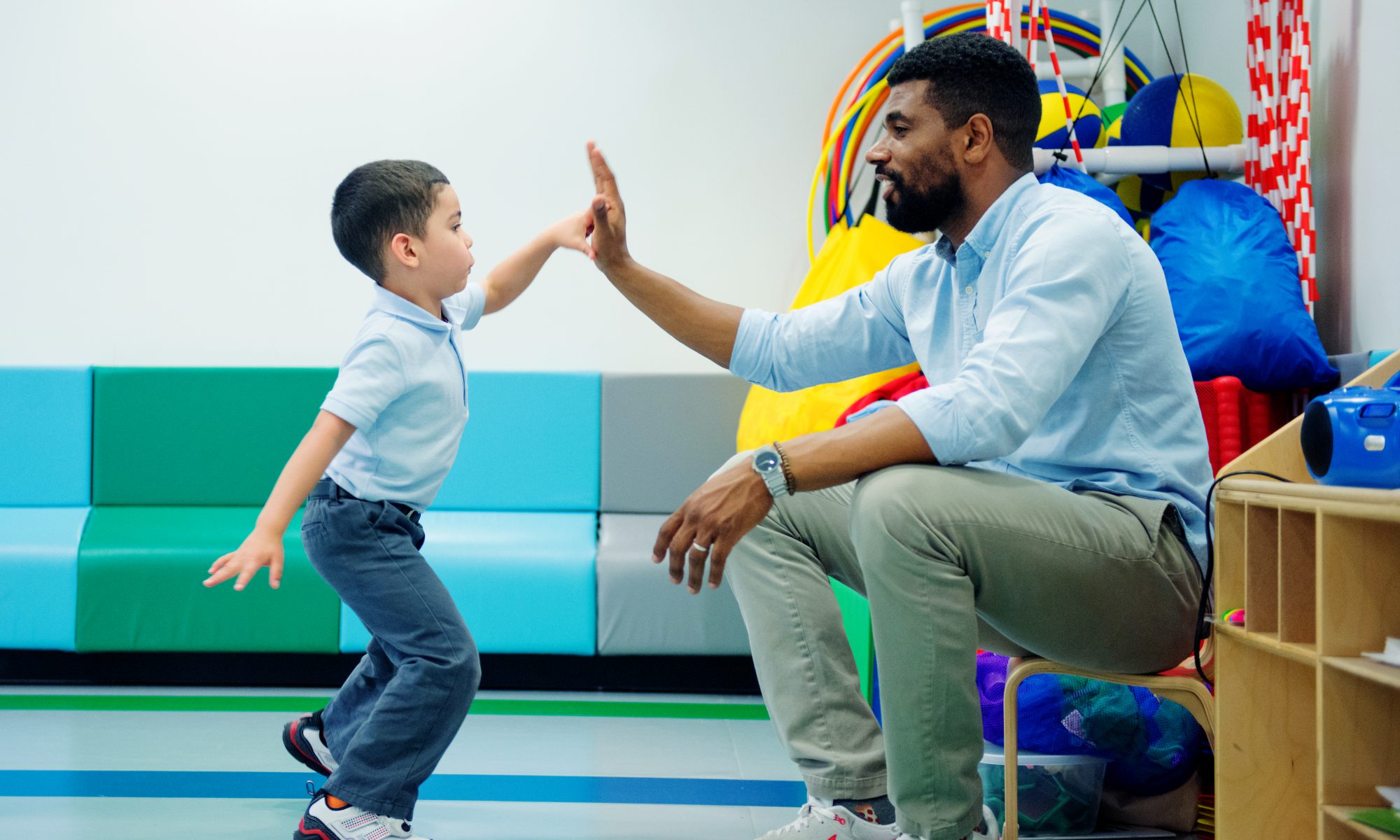
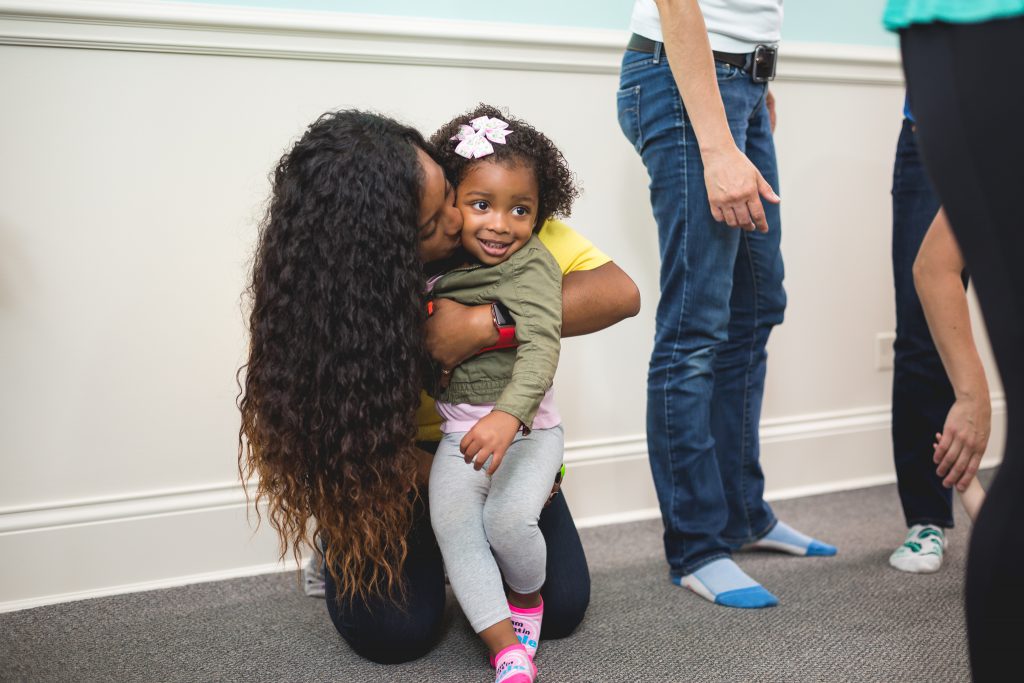
Until recently, “mental health” strides were mostly focused on adults and sometimes older teens, but children were largely excluded from calls to action. The truth is, the need to support positive child mental health begins at birth—a strong social-emotional balance affects everything from language development to motor skills, and music is one of the most cost-effective and easily accessible mental health boosters out there. Let’s explore a few of the many reasons why music is so good for our minds, bodies, and hearts.
Music Increases Dopamine Levels
Dopamine is a chemical in the brain that affects our emotions, behavior, attention, learning, feelings of pleasure and pain, and even our movements. Research studies have demonstrated that listening to music can increase dopamine levels significantly, providing a documented link between the enjoyment of music and our overall well-being.
Music Provides an Outlet for Self-expression
The famous quote by Hans Christian Andersen says it best, “Where words fail, music speaks.” Music helps even the youngest children process new emotions and gives them a way to express those feelings safely. And when it comes to grownups, we often need to re-set how we regulate our own emotions when caring for children—music helps!
Music makes us smile!
Music Can Help us Relax
In our fast-paced, busy lives, we all need to deliberately make time to just relax and do nothing. This is especially true for young children and precisely why our Kindermusik curriculum includes listening and quiet time activities.
Sometimes tired or distracted minds just need a little boost, and the right kind of music can do just that. Classical music and music with no lyrics playing softly in the background does wonders for increasing attention span and improving the brain’s processing efficiency.
Music Connects us with Others
Shared musical experiences, from playing pots and pans in the kitchen to a Kindermusik class, brings people together and creates opportunities for meaningful social interaction. For example, we use “Meet-and-Greet” circle dances and songs to build a strong sense of friendship and belonging.
Music Motivates Us
Have a child(ren) that’s often too tired for morning or bedtime routines? Aside from starting a little earlier, turn on some appropriate music for that little boost of energy they need (check out our free Rituals Album in the Kindermusik app!) and to make those unwanted tasks a little less daunting.
The bottom line? Music is a natural enhancement to positive child mental health!
It has the power to soothe, inspire, energize, and so much more.
[vc_row][vc_column][vc_column_text]Ahoy, mateys! Did ye know? Tomorrah is National Talk Like a Pirate Day! Huzzah! Hoist the main sail! Batten down the hatches! WHERE’S MY PARROT?! It’s fun to talk like a pirate…ye just need an extry big bucket of RRRRRRRRRRRs!
Here in Kindermusik land, we be doin’ a bit more than just talk like a pirate! We sing like pirates! How do we do that? Well…ye came to the right place!
Our first test…know someone with a birthday tomorrow? Why not sing the traditional Happy Birthday song in Pirate instead of boring old land lover language? Let’s give it a go. It’s pretty simple…
Happy Birthday to ye, Happy Birthday to ye, Happy Birthday dear Blue Beard! Happy Birthday to ye!
Easy as an albatross pie! Let’s try another one…[/vc_column_text][/vc_column][/vc_row][vc_row][vc_column][vc_column_text][/vc_column_text][vc_column_text]
Mary Had a Little Lamb? No…She Had a Ship…and a Parrot!
The pirate version of Mary Had a Little Lamb has Mary out on the high seas looking for treasure! Here be a link for some accompaniment music for ye!
Mary had a little ship, Little ship, little ship! Mary had a little ship And sailed the seven seas! And Everywhere that Mary went, Mary went, Mary went! Everywhere that Mary went Her sails would catch the breeze!
She found some treasure on the beach, On the beach, on the beach! She found some treasure on the beach And split it with her crew! Her parrot asked her “Where’s my gold? Where’s my gold?” Her parrot asked her “Where’s my gold? A bird deserves gold, too!”
Did ye ever hear tell of a parrot demanding gold? Well, this be a pirate parrot. Always best to do what a pirate parrot asks of ye!
Try makin’ up yer own verses![/vc_column_text][/vc_column][/vc_row][vc_row][vc_column][vc_column_text]
Traditional Sea Shanties
What be a Sea Shanty, ye ask? Well, I’ll tell ye – but listen up, mateys! Capt’n Dr. Boyle doesn’t like repeatin’ his-self. I’m busy tryin’ to talk a parrot out of his gold.
A Sea Shanty is a work song – used to get a group of people to complete a task that requires cooperation – or in pirate speak, a song to make us move as one, like a school of fish swimmin’ in the sea….ARRRRRRRRRRGH!
Here’s a classic – Haul Away, Joe![/vc_column_text][/vc_column][/vc_row][vc_row][vc_column][vc_video link=”https://www.youtube.com/watch?v=LBigLvMyKzU&index=1&list=PLC161314B67D41FE1″][/vc_column][/vc_row][vc_row][vc_column][vc_column_text]There be some great songs about pirates, and Ward, the Pirate is probably one of the finest ye’ll hear. Take a listen to Ralph Vaughn Williams’ setting of the story of Capt’n Ward. Here be the words of the song! Ye can listen to a recordin’ below…
Come all you gallant seamen bold, All you that march to drum, Let’s go and look for Captain Ward, Far on the sea he roams; He is the biggest robber That ever you did hear, There’s not been such a robber found For above this hundred year.
A ship was sailing from the east And going to the west, Loaded with silks and satins And velvets of the best, But meeting there with Captain Ward, It proved a bad meeting; He robbèd them of all their wealth And bid them tell their king.
O then the king provided a ship of noble fame, She’s call’d the “Royal Rainbow,” If you would know her name; She was as well provided for As any ship could be, Full thirteen hundred men on board To bear her company.
‘Twas eight o’ clock in the morning When they began to fight, And so they did continue there Till nine o’ clock at night. “Fight on, fight on,” says Captain Ward, “This sport well pleases me, For if you fight this month or more, Your master I will be.”
O then the gallant “Rainbow” She fired, she fired in vain, Till six and thirty of her men All on the deck were slain. “Go home, go home,” says Captain Ward, “And tell your king from me, If he reigns king on all the land, Ward will reign king on sea!”[/vc_column_text][/vc_column][/vc_row][vc_row][vc_column][vc_video link=”https://www.youtube.com/watch?v=SeZh_xnwZyo”][/vc_column][/vc_row][vc_row][vc_column][vc_column_text]
Rupert the Wrong Word Pirate
[/vc_column_text][vc_column_text]So there ye be! Enjoy the day and have fun singing like a pirate. If ye want to talk like a pirate, just be sure it’s not like our friend, Rupert. He get’s the words wrong all the time. Ye can learn about his tale in the book, Rupert the Wrong Word Pirate.
Sail on, me hearties! Sail on![/vc_column_text][/vc_column][/vc_row]
[vc_row][vc_column][vc_column_text]This is a big celebration year for Tricia – her 10th year of being a Kindermusik educator. Music has always been a big part of her life, but she found her heart’s calling when she took over an existing studio in 2007. Now known asKindermusik with Tricia, Tricia’s program serves families in Kearney, Nebraska, where her studio is housed at Yandas Music. To know Tricia is to love her, with her gentle spirit, generous heart, and love for children and music.
[/vc_column_text][/vc_column][/vc_row][vc_row][vc_column][vc_video link=”https://vimeo.com/232055011″][/vc_column][/vc_row][vc_row][vc_column][vc_column_text]TC: Your studio has such a fascinating history. Tell us a little about how Kindermusik with Tricia came to be.
TM: Kindermusik in Kearney began in 1998 with Educator Rick Mitchell who is currently our Kearney High School Band Director. In 2002, it passed to then Yandas Music Employee and now local Pastor, Brian Jenkins. I took over the Kindermusik Studio in 2007 as Educator and Business Owner.
TC: What made you decide to become a Kindermusik studio business owner?
TM: Music has always been important in my life. At 5 years old, I remember begging my parents for piano lessons as I sat at my Grandmother’s old upright piano, swinging my feet and “pretending” to play a song. I was able to start private lessons in 2nd grade and began playing regularly in church when I was 16. Band, jazz band and marching band were important throughout Jr. High and High School (I even met my husband at marching band camp!). I graduated from college with a degree in Elementary Education and have served alongside my husband for the last 30 years in full-time youth and children’s ministry first Pastoring, and now serving with Royal Family KIDS, a non-profit camp, club, and mentoring program for children in the foster care system. During that time, music played a vital role in every position I served in – with preschoolers up through adults. When I was presented with the opportunity of taking over the existing Kindermusik studio in Kearney – with my passion for parenting, love of teaching, and involvement in music – it was a perfect fit![/vc_column_text][/vc_column][/vc_row][vc_row][vc_column][vc_column_text]TC: You not only give to your own local community, but you’ve also served in other organizations. Share with us a little about some of the ways you have given back.
TM: I just finished my three-year term as a member of the Kindermusik SOUND board. It has been an honor to serve the Kindermusik community that way, and I know I grew professionally and personally with the friendships and relationships formed during that time. I also lead the National Music Board for Royal Family KIDS.
TC: What’s your favorite Kindermusik song to sing?
TM: My husband says I have a song for everything. My 4 children (Jarrad, Natalie, Noah, and Ethan – now 25, 22, 20, and 14) would often roll their eyes over the years when I started spontaneously singing a related song during an activity of our day. My husband has even been known to play a game to call out a word and then wait for a corresponding song! We have a lot of fun and laughter in our home together. So, back to my favorite Kindermusik song…. it’s Sing Your Way Home from the Sing & Play Zoom! Album. [/vc_column_text][/vc_column][/vc_row][vc_row][vc_column][vc_column_text][/vc_column_text][/vc_column][/vc_row][vc_row][vc_column][vc_column_text]TC: And this is a fun question to ask too. What’s your favorite Kindermusik dance to lead?
TM: I love Turn, Cinnamon, Turn and Mama Paquita.
TC: So I have to ask. What do you love most about being a Kindermusik educator?
TM: There are so many things I love about being a Kindermusik Educator – I love the music, and of course, the children, but I think what I really love most is the natural encouragement and affirmation of parenting that happens in a Kindermusik setting. Parents often share with me how much their child loves me and looks forward to seeing me at Kindermusik. I always try to take that moment to turn it back to the parent, encouraging them with the truth that what their child deeply looks forward to are the moments of love and laughter that happen with THEM at Kindermusik. I am simply the one who gets the credit for those moments of joy because I create the atmosphere and facilitate the magical moments they spend together as parent and child. I am able to give parents “tools” for their parenting “tool belts” that they can use throughout their relationship journey. That’s what I love about my job.
[/vc_column_text][/vc_column][/vc_row][vc_row][vc_column][vc_column_text]TC: If you had to name just one secret to success in the Kindermusik classroom, what would it be?
TM: Early in my Kindermusik years I was challenged to change the way I saw “problems” in my classes. If something doesn’t go the way I think it should with a child’s behavior or response, the first place I need to look at what to change is me. That has shifted so much in my preparation, attitude, and outcome of my classes.
TC: What makes your studio such a special place?
TM: Kindness and respect for every person “where they are” is practiced. There is a treasured gift that hangs in my studio – a sign that says, “Do the kindest thing, in the kindest way.” A mom shared that her son picked it out to give me when he graduated from Young Child to describe his feelings about his Kindermusik experience.
TC: If you could share one tip with a new Kindermusik educator, what would it be?
TM: I believe a large part of my studio success is that I am a “by the book” person. My tip for a new educator? Follow the recipe. On the business side, KI provides us with great training and tools to help us succeed. On the educator side, our curriculum and teacher guides are based on the most current research and best practices. We can add our own distinct flavor and garnish – but it is a successful recipe … so follow it![/vc_column_text][/vc_column][/vc_row][vc_row][vc_column][vc_column_text][/vc_column_text][/vc_column][/vc_row][vc_row][vc_column][vc_column_text]TC: What’s something new and exciting that’s happening with your studio business?
TM: I am excited about expanding my studio reach in two new ways this year. I will be adding Simply Music piano classes for Kindermusik graduates this fall. Also, I will be partnering with Country House for Memory Care here in Kearney. My mother was diagnosed with Alzheimer’s in 2011 and now resides at Country House. I have been longing for a way to combine my deep respect and love for my mother and others with Alzheimer’s with my passion for music and families. I am so excited to begin Kindermusik with Grandfriends! I will be offering a Kindermusik class 4 to 5 times this school year at Country House. My current families will have the opportunity to share the Kindermusik joy with elders with Alzheimer’s and dementia as we sing, explore, learn and grow together on a whole new level.
TC: What is your favorite inspirational quote?
TM: I have always been captured by the picture of a strong life-giving tree. My life verse from the Bible is Jeremiah 17:7-8, “Blessed are those who trust in the Lord… they are like trees planted along a riverbank with roots that reach deep into the water. …They never stop producing fruit.”[/vc_column_text][vc_separator][vc_column_text]Shared by Theresa Case whose award-winning Kindermusik program at Piano Central Studios in Greenville, SC, has been a happy advocate for the benefits of music for over 20 years now.[/vc_column_text][/vc_column][/vc_row]
With over 30 years of observing children and adults in the Kindermusik classroom, we know from experience that music has a huge effect on the emotions. Science and research continue to affirm what we also suspect, and that is that music can significantly impact cognition as well – in the early years and later in life as we age.
And so we find articles likeMusic & the Brain: The Fascinating Ways Music Affects Your Mood and Mind to be very intriguing and incredibly confirming of the wonderful benefits of being enrolled in a music program like Kindermusik. The author of the article, Barry Goldstein, points out four ways that consistent participation in a “…musical program can target and enhance certain brain functions.” Here’s a quick summary of those four benefits that Goldstein identifies.
Emotion
Music actually affects the brain emotionally because of the way specific brain circuits are wired to respond to music. The closeness and bonding times that come through singing and dancing together actually release the feel-good hormone, oxytocin, also known as the “cuddle hormone.” And when listening to music touches us emotionally, it’s because there’s a neurotransmitter produced in the brain, called dopamine, that helps feel the pleasure and connection of music.
This little guy has found joy in music making.
Memory
Even when the mind is debilitated by the effects of Alzheimer’s, it can still be awakened when the patient hears music from his younger years to which he had an emotional connection. One of the most beautiful illustrations of this is an elderly man named Henry who was featured in the movie Alive Inside. Watch this and see if it doesn’t move you to tears! The music we love creates memories that stay with us for all of our lives.
Check out this charming older couple making music together.
Learning and Neuroplasticity
Did you know that the brain can literally reorganize itself by forming new neural connections? And that the formation of new neural connections can be significantly affected by music? We see this documented in extreme cases of brain damage when music is one of the stimuli used to cause the brain to rewire itself. For example, music therapy and singing were instrumental in helping former congresswoman Gabrielle Giffords learn how to speak again. If music has this kind of powerful effect on a brain that’s suffered trauma, just think of what effects music can have on a healthy brain!
Gabrielle Giffords used music therapy as part of her recovery process.
Attention
Unlike any other medium, music has the unique capability o capture our full attention, and as a result, can “activate, sustain, and improve our attention.” In a culture that’s full of distractions, the ability to focus our busy minds and allow our brains and our hearts to connect, we can find true balance and deep-seated joy. This wonderful phenomenon can occur for both adults and children alike.
All of this research and brain “stuff” can be a little dry; we admit it. But it also underscores the amazing and powerful effects of music, no matter what age or what stage of development the mind and emotions are in. Understanding a little of the science behind the powerful effects of music on our minds and emotions makes it all the more meaningful when experience music together in our Kindermusik classes. It reinforces again the immeasurable and lifelong value of early childhood music classes – something the children adore and memories that we as adults can hold in our hearts long after those precious years of childhood are left behind.
Shared by Theresa Case whose Kindermusik program at Piano Central Studios in Greenville, SC, has given her a heart full of songs and musical memories that she knows she’ll enjoy for the rest of her life.
[vc_row][vc_column][vc_column_text]One afternoon, I walked into the living room and my very active 3-year-old daughter was just laying on the couch with a blanket. “What are you doing? Are you OK?” I asked her. “Yes mama, I’m just listening to the music,” she replied. And she stayed there for a good 20 minutes. Mind you, this is the child who barely sat down for more than 30 seconds at a time.[/vc_column_text][/vc_column][/vc_row][vc_row][vc_column][vc_column_text]Listening to music is something of a lost art. Taking the time to just LISTEN with your child can help you to reconnect after a long day and teaches them that listening to music can be the main activity and not just background noise. Babies and young children especially benefit from mindfully listening to music. We forget that they are also exposed to stressors during their day and that relaxation is a LEARNED skill that we need to teach. It doesn’t have to be very long, try listening to 1 or 2 songs, especially if your child is very young and on the move! The idea isn’t to get them to “sit down and listen,” but to create an environment where they are able to enjoy the music.[/vc_column_text][/vc_column][/vc_row][vc_row][vc_column][vc_column_text][/vc_column_text][/vc_column][/vc_row][vc_row][vc_column][vc_column_text]
A Few Tips for Mindful Music Listening
Start the music and then put your phone and all other technology away and out of sight.
Make eye contact with your child and smile.
If your child needs movement, try rocking with them on your legs.
Add some intentional touch such as rubbing their back or ears, or massaging their feet.
[/vc_column_text][/vc_column][/vc_row][vc_row][vc_column][vc_column_text]Quietly talk about the music. What instruments are being used? Is it a man or a woman singing? Is the music fast or slow? Does it sound happy or sad? If there are words, what language are they speaking? Even babies and toddlers benefit from you labeling these sounds for them, and children in preschool and beyond will enjoy having a conversation about the music they are hearing.[/vc_column_text][/vc_column][/vc_row][vc_row][vc_column][vc_column_text]Make music listening a special part of your daily rituals, whether it’s when you come home from work, or before bedtime. Your entire family will benefit from a few minutes of mindful music listening![/vc_column_text][vc_separator][/vc_column][/vc_row][vc_row][vc_column][vc_column_text]
The Solares family at their Chicago studio, Bucktown Music
[/vc_column_text][vc_column_text]Jessica Solares and her husband Luis own Bucktown Music in Chicago, IL, which is recognized by Kindermusik International as one of the top studios in the world. Jessica holds a Bachelor of Music degree from Elmhurst Collegeand has been a licensed Kindermusik educator since 2008. She joined the Kindermusik University teacher training team in 2016 and is proudly sharing her expertise with the newest generation of Kindermusik educators![/vc_column_text][/vc_column][/vc_row]
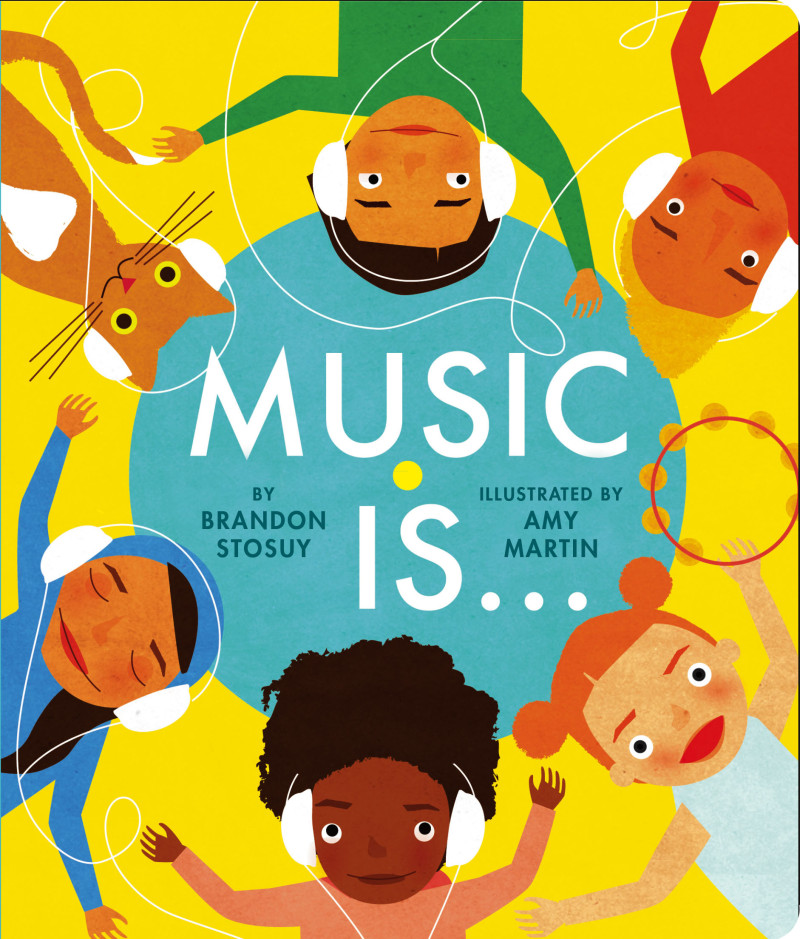
[vc_row][vc_column][vc_column_text]With its bright, colorful cover, Music Is…, wonderful board book, grabs your attention even before you even open it and read it. In many ways, it is a simple book with very few words on each page, but it is a wonderful teaching book – the perfect at-home library complement to the concepts children are learning and the musical styles they are being exposed to in Kindermusik class.
Each two-page spread is a contrast, which is perfect because young children learn best in contrasts. So just like Kindermusik introduces contrasting musical concepts and styles in class, Music Is… introduces contrasting concepts, moods, and styles, one concept per page, making it easy for young children to begin to grasp and for older children and adults to enjoy.[/vc_column_text][/vc_column][/vc_row][vc_row][vc_column][vc_column_text][/vc_column_text][/vc_column][/vc_row][vc_row][vc_column][vc_column_text]It teaches concepts such as…
music is quiet music is LOUD
music is sad music is happy
music is lo-fi music is hi-fi a capella instrumental acoustic electric
[/vc_column_text][/vc_column][/vc_row][vc_row][vc_column][vc_column_text]The really lovely thing is that as the book is teaching music concepts, it is also developing a basic music vocabulary for parents and children alike. As the story unfolds, it is delightful to see children of all ethnic backgrounds making music and also playing with music. There are instruments and music makers on every page.
It’s an entertaining read-aloud for younger children and an engaging conversation starter for older children. For the sake of the non-musical adult, there’s even a basic glossary of musical terms on the very last page.[/vc_column_text][/vc_column][/vc_row][vc_row][vc_column][vc_column_text][/vc_column_text][/vc_column][/vc_row][vc_row][vc_column][vc_column_text]The simple story line is enhanced by whimsical and interesting illustrations that explain what music is and explore how music makes us feel. It’s the kind of fun, feel-good story book you don’t mind reading over and over again…which is a good thing since it’s sure to become a family favorite![/vc_column_text][/vc_column][/vc_row][vc_row][vc_column][vc_column_text]At the end, the author brings it all together in this profoundly beautiful conclusion:
music is old music is new music is for everyone music is for you
[/vc_column_text][/vc_column][/vc_row][vc_row][vc_column][vc_column_text]Music Is… by author Brandon Stosuy and illustrator Amy Martin can be found at your favorite local book seller or online in both physical and digital formats.[/vc_column_text][vc_separator][vc_column_text]Shared by Theresa Case whose award-winning Kindermusik program at Piano Central Studios in Greenville, SC, has been a happy advocate for the benefits of music for over 20 years now.[/vc_column_text][/vc_column][/vc_row]
[vc_row][vc_column][vc_column_text]Whether it’s a first-time experience of going to school or having to say goodbye to an older sibling going to school, that change – as exciting as it may be – can also be unsettling for a child. Once-predictable routines are different. There’s a new schedule. Mom or Dad’s attention has to shift a bit, and maybe they’re feeling a little anxious about all the change too. Things just aren’t quite the same.
Finding something that’s familiar and comforting to keep constant in the midst of all of this change can go a long way towards helping a child successfully transition to a new routine. For many of our Kindermusik families, that “something familiar and comforting” is their Kindermusik classes… and the Kindermusik songs and activities they enjoy together in between classes throughout the week at home.
It may be tempting to let all activities go, even beloved ones like Kindermusik classes, in the face of big life changes like starting school or even welcoming a new little sibling into the family. It’s understandable for adults to feel a certain stress or concern over juggling an increasingly busy schedule, and you may feel concerned that it’s too much for your child too. But young children are actually relieved to have the comfort of a predictable activity with a Kindermusik class or teacher they adore, a setting that’s familiar, and all of their Kindermusik friends they enjoy seeing each week. [/vc_column_text][/vc_column][/vc_row][vc_row][vc_column][vc_column_text]
The routine of Kindermusik class can prepare your littles ones for regular nursery school and kindergarten classes.
[/vc_column_text][vc_column_text]Even if the child is moving to a different Kindermusik class level or changing a class day and time, what they love and look forward to about Kindermusik doesn’t change. And that’s where the comfort is for them.
Here are some of our favorite musical routines guaranteed to help back-to-school routines become much smoother:[/vc_column_text][vc_column_text]
Keep attending Kindermusik classes. You’ll be surprised at how calming this will be for your child… and for you! If you will let her know about the changes your family is facing, your Kindermusik teacher can be aware to give a little extra attention and TLC in the transition as well (an older sibling starting school is also a great time to get a younger child started in Kindermusik!).
Incorporate some Kindermusik songs into your new routines. Perhaps you’ll choose a little song to sing to your child as you wake them up each day, or maybe you turn on the Kindermusik CD or stream your Kindermusik songs as soon as you get in the car.
Create a playlist of your favorite Kindermusik Quiet Time or Cuddle Time songs. Keep that playlist handy when it’s one of “THOSE” mornings, or when your child just needs to calm and refocus after dropping big sister off at school or after a long day at school.
Make a sing-along playlist. How fun would it be to start the morning with a song in your heart and a big smile on your face?! Singing fun, favorite songs can do that for you! And no one will think twice if you’re belting out those songs along with your child…except that you might want to remember to change the playlist once your child gets out of the car!
Utilize the information for parents in your Kindermusik Home Materials to understand better where your child’s developmental stages and needs. There’s some really insightful information you can glean that will support you in easing your child through transition times, developmentally and scholastically.
Check out Sing Music Studio’s King Kong Kitchie sin-along below. These kids are having a blast![/vc_column_text][vc_video link=”https://www.youtube.com/watch?v=yZvTtQPMn-o”][/vc_column][/vc_row][vc_row][vc_column][vc_column_text]The things you love most about Kindermusik can continue to be the things you love most about Kindermusik, even through those times of transition and change. That’s the really wonderful thing about Kindermusik. It’s truly a beautiful beginning – and continuation – for you and your child.
[/vc_column_text][/vc_column][/vc_row][vc_row][vc_column][vc_column_text]Shared by Kindermusik educator Theresa Case, who has been sharing the delightful routines of Kindermusik with kids and families at Piano Central Studios for almost 25 years now.[/vc_column_text][/vc_column][/vc_row][vc_row][vc_column][class_finder_form css=”.vc_custom_1500661347758{padding-top: 20px !important;padding-right: 20px !important;padding-bottom: 20px !important;padding-left: 20px !important;}”][/vc_column][/vc_row]
[vc_row][vc_column][vc_column_text]At Kindermusik, we love finding and sharing ways to help make great parenting a little easier and a whole lot more musical! And we’re not shy about our claim to be creative musical experts when it comes to knowing just which activities are classroom favorites as well as at-home favorites for kids and parents. You don’t have to use all of these all of the time, but it’s great to keep a few of these ideas tucked into your back pocket to pull out throughout the day as needed.
This could be your Kindermusik hello song from class, or simply a song that you piggy-back (add your own words to a familiar tune), or a song that’s completely original. Sing this song often enough, and your child will come to adore their Good Morning song routine almost as much as you crave your morning coffee routine.[/vc_column_text][/vc_column][/vc_row][vc_row][vc_column][vc_column_text]
Music for Play Time
Inspire your child’s play or just keep their heart humming along. Simply stream your favorite Kindermusik songs from your phone, play your Music CD, or put that “favorites” playlist on a loop. The kind of music you choose can brighten the energy for the day or provide a little calm as needed.[/vc_column_text][vc_column_text][/vc_column_text][/vc_column][/vc_row][vc_row][vc_column][vc_column_text]
A Lullaby (or two!) at Nap Time
Establish a little routine of a lullaby or two before nap time, and nap time will go much more smoothly. We highly recommend gently rocking together as you sing and then giving a sweet little hug and kiss as you put your child down. If they want more music, turn on your Kindermusik lullaby playlist or even some light Classical music as they fall asleep.[/vc_column_text][vc_video link=”https://www.youtube.com/watch?v=qVDgVe1yGOg&list=RDQMzqKp89HqbKw”][/vc_column][/vc_row][vc_row][vc_column][vc_column_text]
Music for Imagining and Playing
The type of music a child sings or hears can truly capture the imagination. Maybe there’s an art project on the agenda, or maybe the music can inspire the art project. For example, older children can be challenged to “draw what they hear in the music.” Or there can just be the nice happy background music for playing dress up or creating all kinds of things with homemade playdough, for example.[/vc_column_text][vc_column_text][/vc_column_text][/vc_column][/vc_row][vc_row][vc_column][vc_column_text]
A Dance before Supper
It’s been a long day for everyone, and supper time often becomes fussy time. As the pasta is boiling, take a minute to whisk your child around the kitchen for a quick little dance. Or make it a welcome home routine to do a happy little family dance with Dad when he walks in the door from work.[/vc_column_text][vc_column_text][/vc_column_text][/vc_column][/vc_row][vc_row][vc_column][vc_column_text]
Read, Read, Read!
Music literacy and reading literacy go hand-in-hand, and we’re huge advocates of reading to your child any – and every! – chance you get. Keep that basket of favorite books handy (Here’s a list of some of our favorite titles). Reading a story together only takes a few minutes, but it’s amazing what a little cuddly lap time and one-on-one attention can do for you and your child.[/vc_column_text][/vc_column][/vc_row][vc_row][vc_column][vc_column_text]
A Beloved Bedtime Routine
The bedtime routine can be quite musical too! A silly song as you scrub together and wash up in the tub, a sweet song as you get them in their pj’s, a calming bedtime story, and of course, the best end to a musical day – another lullaby.[/vc_column_text][vc_column_text][/vc_column_text][/vc_column][/vc_row][vc_row][vc_column][vc_column_text]That’s a lot of music and musical activities for a day! But not to worry. You’ll find inspiration, new songs, parenting tips, and even more ideas in your weekly Kindermusik classes and Home Materials. And your child will absolutely blossom and thrive because of the music and the routines. You’ll love the memories you create as a result, and how these simple musical activities will help you linger together in the precious moments of childhood just a little bit longer.
[/vc_column_text][/vc_column][/vc_row][vc_row][vc_column][vc_column_text]Shared by Kindermusik educator Theresa Case, who has been sharing the wonders of Kindermusik with kids and families at Piano Central Studios for almost 25 years now.[/vc_column_text][/vc_column][/vc_row][vc_row][vc_column][class_finder_form css=”.vc_custom_1500658279259{padding-top: 20px !important;padding-right: 20px !important;padding-bottom: 20px !important;padding-left: 20px !important;}”][/vc_column][/vc_row]
[vc_row][vc_column][vc_column_text]Lovingly known as Miss Louise by all and adorably called “Miss Moo-eeze” by some, Louise MacDonald has been bringing Kindermusik into the hearts and lives of children and families in Novia Scotia since 2003 when she became a licensed educator. She started her own Kindermusik business in the basement of her home 2005, but quickly outgrew the space. The name Joyful Sounds Music Studio was born in 2011, and her permanent studio location was developed in 2013. We join with Louise in celebrating a large expansion that she is opening in September of 2017![/vc_column_text][vc_separator][/vc_column][/vc_row][vc_row][vc_column][vc_video link=”https://vimeo.com/226475036″][/vc_column][/vc_row][vc_row][vc_column][vc_column_text]TC: Why did you first open your studio business?
LM: I have always been passionate about sharing my love of music with others. I know the positive impact music teachers had on my life as a child and youth, and I knew there was a need in the community and the timing felt right. I left my permanent teaching position as a public school music teacher and took a leap of faith, and I have never looked back.
TC: What’s something new and exciting that’s happening with your business, or a goal you have set for your business?
LM: Our studio is going through a massive growth year. We have just taken on 2000 extra square feet in our current commercial location. We will be offering more classes and lessons than ever before, and growing our incredible team. Everything is slated to be up and running in September, so we’ve got a very busy summer ahead of us!
TC: You are active not only in your own local community, but also in the Kindermusik educator community as well. Tell us a little about your involvement in both.
LM: I am currently sitting on the PKE Board (new name to be announced at conference!), I Lead the Children’s Liturgy program at my church, I volunteer at school when I can.
TC: If you could share one tip with a new Kindermusik educator, what would it be?
LM: Be Yourself! Know from the beginning WHY you are teaching Kindermusik, and then share that passion. Make every class a memorable one. Prep, prep, prep – it makes you the BEST educator!
TC: Without a doubt, you have taken your own advice to heart![/vc_column_text][vc_column_text][/vc_column_text][/vc_column][/vc_row][vc_row][vc_column][vc_column_text]TC: This is always such a fun question to ask since we Kindermusik educators have 1000 (or more!) songs in our heads. What’s your favorite Kindermusik song to sing?
LM: My all-time favorite is Butterfly Wings. Right now at home, it’s the Hello-Lah song since my two-year old is obsessed with it.
TC: So now I have to know this, too. What is your favorite Kindermusik dance to lead?!
LM: Definitely Sail Away and Mama Paquita!
TC: What do you love most about being a Kindermusik educator?
LM: That my cheeks get sore from smiling when I am teaching. There is so much joy in every single class. I am so blessed to do what I do.
TC: If you had to name just one secret to your success in the Kindermusik classroom, what would it be?
LM: I find that when I am the best prepared for teaching the class, when my lesson plan is ready and my props are organized, then the magic can happen because I can be truly present with the children and the families. We can enjoy the time together playing, dancing and singing.[/vc_column_text][/vc_column][/vc_row][vc_row][vc_column][vc_column_text]TC: I learn so much when I ask this question, so I hope you don’t mind. How do your Kindermusik or families describe you?
TC: Describe some of the ways your experiences with your Kindermusik families have impacted you as an individual and a teacher.
LM: There have been many amazing families over the years that have impacted me as a teacher. I have received the most amazing cards and letters reminding me that what we are doing is making a difference in these families. I have seen families go through hard times, beautiful times, and I am blessed to be able to provide a place for them to have a musical outlet and community feeling.
TC: What do you feel has made your studio business such a success?
LM: I think my amazing team of educators and staff, and our dedication to putting the families first has made us a success. We are committed to valuing each student, to nurturing them as musicians and people, and igniting the passion of music in their bodies. We hear time and again that we are personal, caring and providing high quality music education to our community.[/vc_column_text][/vc_column][/vc_row][vc_row][vc_column][vc_column_text][/vc_column_text][vc_column_text]TC: When you’re not at the studio, what are some of your hobbies?
LM: I love to go camping with my family and spend time at the beach. Our summer is short and we try to make the most of it. In the winter, I love playing ice hockey on a local women’s team (yes, typical Canadian!). Right now with three small children, that’s about all the time I get for hobbies, and that’s perfectly okay. My husband V.J. and I are enjoying watching our children Cormac 8, Breton 5 and Flora 2 grow into sweet people. It is a beautiful life.
TC: What is your favorite inspirational quote?
LM: I’m not sure it’s very inspirational, but it certainly has kept me grounded for many years now. “Worries are like bedcrumbs – the more you wiggle, the more they scratch.”
TC: What’s something about being in the Kindermusik classroom that’s especially touching for you as a Kindermusik teacher?
LM: The most touching for me is every time a baby takes their first steps at Kindermusik class. I absolutely LOVE watching the parent experience that moment for the first time, and the celebration from the class that then happens. It never gets old. Being a part of the milestones that occur each week – from a child rolling over to a child learning how to play a tune on the glockenspiel. The learning that goes on fills my soul.[/vc_column_text][vc_separator][vc_column_text]Shared by Theresa Case who has an award-winning Kindermusik program at Piano Central Studios in Greenville, South Carolina.[/vc_column_text][/vc_column][/vc_row]
Recently, psychologists from Harvard’s Making Caring Common Project (MCC) produced a list of seven concepts successful parents tend to consider when raising caring, compassionate, ethical children. The MCC exists to:
..help educators, parents, and communities raise children who are caring, responsible to their communities, and committed to justice.
It’s a pretty wonderful group of folks who truly want to see our kids be the best versions of themselves they can be. Both scientists and parents partner together to foster kindness and a commitment to the greater good. Let’s take a look at their seven research supported “guideposts” for positive parenting.
1. Work to develop caring, loving relationships with your kids
Sounds obvious, but it’s important. If we want to pass on important concepts to our kids, they need to trust us. The more you express love and demonstrate that you care tremendously about them, they will feel closer to us. In turn, they will be more receptive to learning what we have to teach them.
How can we do this? The folks at MCC suggest planned, regular time together that includes meaningful conversation. Ask questions! The can be basic and simple, but in the end, these questions signal to our kids that we are interested in them and care about them. Try these on for size:
What was your favorite part of the day?
What was the hardest part? Why?
What did you learn today?
What is something nice someone did for you today?
Modeling love and care is so important.
2. Be a strong moral role model and mentor
We will be our kid’s first super hero. Before they learn about Wonder Woman and Superman, we will fill those roles. They will look to us, especially as we live into the first guidepost, to discern what is right and wrong, what is moral and amoral. We will be their moral hero. They will copy what we say and what we do. We’ll see them try out the faces we make, our body language, and our manner of speaking. Their eyes will always be on us. We must try to give them something positive to emulate.
How can we do this? Reflect on how we speak, how we treat others, and the model we are building for our kids. MCC advocates the following:
Pay close attention to whether you are practicing honesty, fairness, and caring yourself and modeling skills like solving conflicts peacefully and managing anger and other difficult emotions effectively.
Obviously we aren’t angels 24 hours a day. We make mistakes, but these can occasionally be used as teaching moments, too (depending on the subject at hand). Here are some suggestions from MCC:
Engage in community service and include your little ones when appropriate.
Be honest – Talk with your child when you make a mistake that affects them
about why you think you made it, apologize for the mistake, and explain how you plan to
avoid making the mistake next time.
Talk things through with friends – do you have someone with whom you can talk with when things may prove challenging? It’s great to be able to have a dialogue with a fellow parent who might be able to provide a different perspective.
3. Make caring for others a priority and set high ethical expectations
We live in communities. Life on our planet is really about interacting with others. We are, by and large, social creatures. Learning at an early age how to practice empathy and compassion is very important when trying to raise kids that will care about others. With our first two guideposts in place, we are in a good place to help these little ones develop and understanding of these concepts and and put them into practice in their world.
How can we do this? Help our children live into the commitments they make – even the most simple commitments. Making their bed…practicing kindness with a sibling…sharing toys with others…these are all basic commitments we can help them realize.
We can help them stand up for important principles like fairness and justice, and always encourage them to be respectful. Here’s MCC’s list to help with this guidepost:
Consider the daily messages you send to children about the importance of caring. For example, instead of saying to children “The most important
thing is that you’re happy,” you might say “The most important thing is that you’re kind and that you’re happy.”
Prioritize caring when you talk with other key adults in your children’s lives. For example, ask teachers and coaches whether your children are good community members in addition to asking about their academic skills, grades, or performance.
Encourage kids to “work it out.” Before letting your child quit a sports team, band, or a friendship, ask them to consider their obligations to the group or the friend, and encourage them to work out problems.
Opportunities to interact with others and practice kindness are great – like a Kindermusik class!
4. Provide opportunities for children to practice caring and gratitude
Have you ever gotten proficient at a skill without opportunity to practice? Most likely…no. And friends, putting these concepts into practice is a skill. Ensuring that our kids have ample opportunity to exercise these skills in the real world and not just as ideas in their head is key. When you are at the store, have your child thank the cashier and the bagger. At a restaurant? Let your little one order, complete with please and thank you. Take every chance to express gratitude, to demonstrate compassion. MCC’s list of suggestions includes:
Help with chores around the house. This should become routine. Praise uncommon acts of kindness. Expect routine – these actions will more likely become ingrained.
Make caring and justice a focus. Start conversations with children about the caring and uncaring acts they see in their daily lives or on television and about acts of justice and injustice they might witness or hear about in the news, such as a person who stood up for an important cause or an instance of sexism or racism. Ask children how they see these actions and explain why you think these actions are caring or uncaring, just or unjust.
Expressing thanks. Consider making expressing gratitude a daily ritual at dinnertime, bedtime, in the car, or on the subway. Encourage children to express appreciation for family members, teachers, or others who contribute to their lives.
5. Expand your child’s circle of concern
It’s a simple concept, really. If we’ve been successful with guideposts one through four, our children will already have a great foundation in compassion, caring, and empathy. Normally though, this readily extends to the close circle of trusted adults – immediate family and close friends. The idea here is to help our kids care about those outside the circle, thereby expanding it. We want our kids to be compassionate and empathetic with the new kid in class or someone that might look different than they do, whether that be, for example, race or ability.
How can we do this? MCC states:
It is important that children learn to zoom in, listening closely and attending to those in their immediate circle, and to zoom out, taking in the big picture and considering the range of people they interact with every day. Children also need to consider how their decisions impact a community. Breaking a school rule, for example, can make it easier for others to break rules. Especially in our more global world, it’s important, too, for children to develop concern for people who live in other cultures and communities.
Here are some specifics from MCC:
Encourage children to consider the perspectives and feelings of those who may be vulnerable, such as a new child at school or a child experiencing some family trouble. Give children some simple ideas for taking action, like comforting a classmate who was teased or reaching out to a new student.
Use newspaper or TV stories to start conversations with children about other people’s hardships and challenges, or simply the different experiences of children in another country or community.
Emphasize with your child the importance of really listening to others, especially those people who may seem unfamiliar and who may be harder to immediately understand.
6. Promote children’s ability to be ethical thinkers and positive change-makers in their
communities
Kids care about ethics. They might not know the term, but ethics enters into their lives pretty early one. How often have you heard a young child talk about what is fair and not fair? Have you had a discussion with your own child about how they might have been mistreated by another child? What about telling the truth, even when it’s hard? They know. They want to learn. They have a desire to understand how human interactions work. They quickly understand that their choices have an impact on others. So how can we promote ethical thought in young kids?
We can help them work through the ethical puzzles that occur in their lives. MCC uses this example – talking through a situation in which a child is deciding whether or not to invite a new friend to a party when their best friend might not like the new friend. We can help our kids understand how to handle bullying when it rears its ugly head.
The key here is to use the open channels of communication and moral center we have created by employing the previous guideposts.
7. Help children develop self-control and manage feelings effectively
We’ve talked about this one here at Minds on Music before. Helping our kids develop self-regulation and self-control are key to navigating the journey from toddlerhood all the way to puberty and beyond. If our own challenges can’t be managed successfully, it will be next to impossible to view the world through compassionate eyes. We’ll be overcome by our own ego. If we help our children develop a skill set to manage their own emotions and moderate their interactions with the world, they will more readily understand their place in it. We can aid them as the move through Piaget’s Preoperational Stage, characterized by the struggle to see things from perspectives other than their own.
How can we help them? By teaching our kids to label their feelings, to talk about them. It’s so important that kids learn that feelings, even feelings like anger and sadness are okay. The challenge is in how we express those feelings, how we process them. Some ways are much better than others. From the MCC:
A simple way to help children to manage their feelings is to practice three easy steps together: stop, take a deep breath through the nose and exhale through the mouth, and count to five. Try it when your child is calm. Then, when you see her getting upset, remind her about the steps and do them together.
Practice with your child how to resolve conflicts. Consider a conflict you or your child witnessed or experienced that turned out badly, and role play different ways of responding. Try to achieve mutual understanding—listening to and paraphrasing each other’s feelings until both people feel understood. If your child observes you experiencing a difficult feeling and is concerned, talk to your child about how you are handling it.
Positive Parenting at its Best
This is proactive, positive parenting. It takes time to employ, but the benefits are long-lasting. I have often told our kids that my main goal is to make sure they make it to adulthood alive. My 14 year-old likes to jokingly quip back when i ask him to do simple things (like turning out a light), “Don’t tell me how to live my life!” I return with, “That’s literally have my job.”
“What’s the other half?” he’ll ask.
“Telling your brother how to live his.”
We laugh. We’re lucky to have a positive relationship. But really, whether our sons realize it or not (and I’m pretty sure they do), what we do as parents goes far beyond making sure they make it to adulthood alive or simply telling them how to live. We try our best to be positive models. We have tried to help them develop a sense of right and wrong, of compassion and empathy. We have had and continue to have discussions over dinner about ethical issues and how to treat others. Hypothetical situations are great conversation starters. Sure, the content of the discussions has increased in complexity as they have gotten older, but we did our best to have age appropriate talks at every point in their lives. When we take the time to practice these guideposts, our kids have the potential to develop as caring, compassionate individuals. And that’s the MCC’s goal, to make caring common. It’s a pretty good goal for all of us.




 [/vc_column_text][vc_column_text]
 [/vc_column_text][/vc_column][/vc_row][vc_row][vc_column][vc_column_text]TC: And this is a fun question to ask too. What’s your favorite Kindermusik dance to lead?
  [/vc_column_text][/vc_column][/vc_row][vc_row][vc_column][vc_column_text]TC: What’s something new and exciting that’s happening with your studio business?



 [/vc_column_text][/vc_column][/vc_row][vc_row][vc_column][vc_column_text]
 [/vc_column_text][/vc_column][/vc_row][vc_row][vc_column][vc_column_text]It teaches concepts such as…
 [/vc_column_text][/vc_column][/vc_row][vc_row][vc_column][vc_column_text]The simple story line is enhanced by whimsical and interesting illustrations that explain what music is and explore how music makes us feel. It’s the kind of fun, feel-good story book you don’t mind reading over and over again…which is a good thing since it’s sure to become a family favorite![/vc_column_text][/vc_column][/vc_row][vc_row][vc_column][vc_column_text]At the end, the author brings it all together in this profoundly beautiful conclusion:



 [/vc_column_text][/vc_column][/vc_row][vc_row][vc_column][vc_column_text]
 [/vc_column_text][/vc_column][/vc_row][vc_row][vc_column][vc_column_text]
 [/vc_column_text][/vc_column][/vc_row][vc_row][vc_column][vc_column_text]TC: This is always such a fun question to ask since we Kindermusik educators have 1000 (or more!) songs in our heads. What’s your favorite Kindermusik song to sing?
 [/vc_column_text][vc_column_text]TC: When you’re not at the studio, what are some of your hobbies?