
Music & Movement Benefits: "Scaffolding" Your Child's Learning
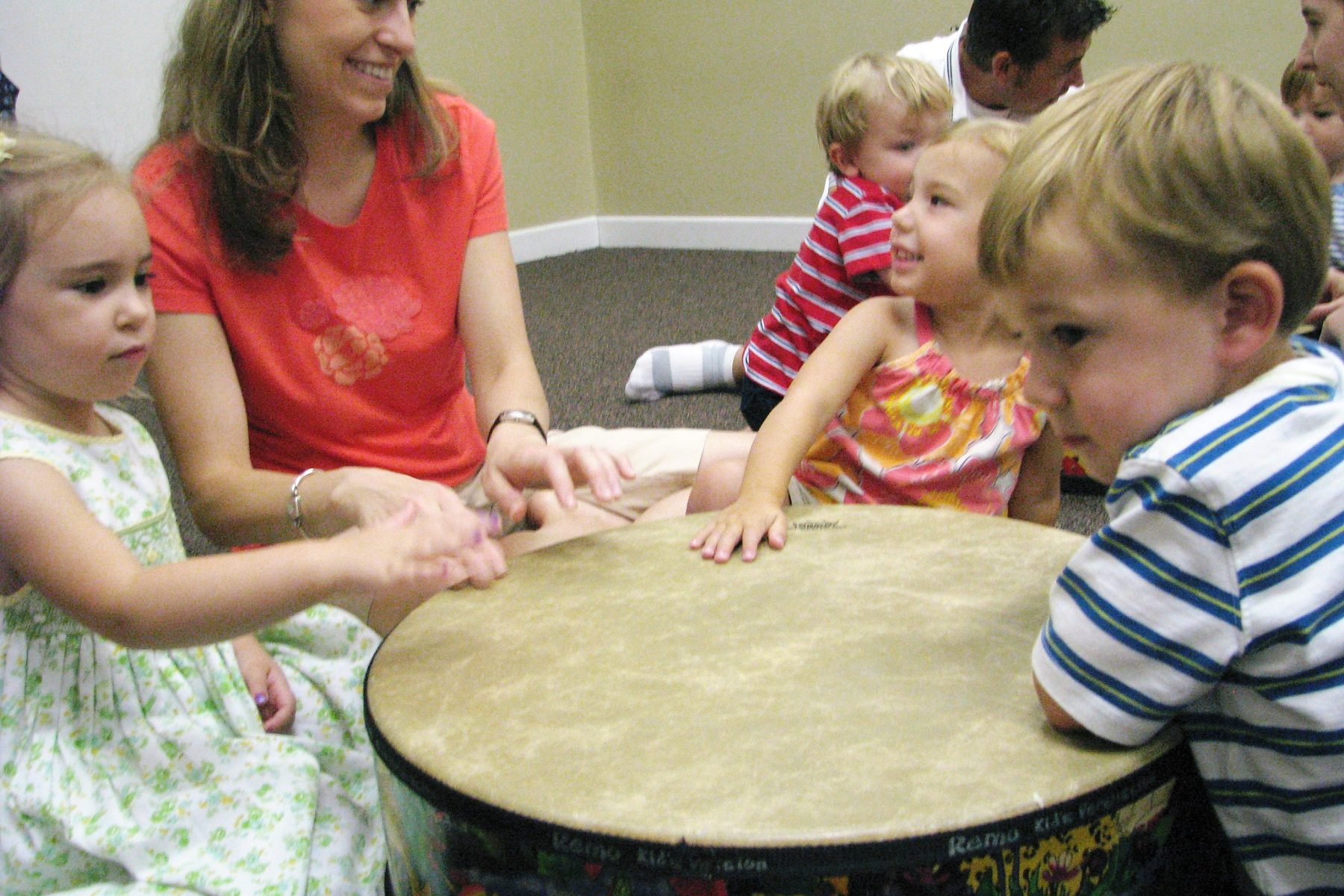
mom and child playing drums in KindermusikThe term scaffolding evokes the image of a temporary support structure in a construction site.  The process of scaffolding in an educational sense is much like the traditional definition of scaffolding as a temporary support system used until a task is complete and a building stands without support. That sounds a lot like our job as parents, doesn’t it?  We provide a temporary support system for our children until they can stand on their own in the world.
Scaffolding occurs all the time in our Kindermusik classes as parents and children play with instruments, props, your voices, and movement and discover ways to adapt activities to their own style and their child’s unique interests and abilities.  Kindermusik combines this educational strategy (scaffolding) with music and learning activities as just another way to enhance the child’s whole development – cognitive development, emotional development, language development, and more!
Helps for Parents:  Be on the lookout for scaffolding opportunities at home, at the park, the grocery store…anywhere at all. Three easy directives to remember (while you’re providing that “temporary platform” for life): Ask questions, make observations (eye-to-eye, imitate & label), and give challenges – and before you know it, that little “building” will be standing with no support.
Learn how to scaffold with us – try a free Kindermusik class today!
Compiled by Theresa Case, whose Kindermusik program at Piano Central Studios in Greenville, SC, is proudly among the top 1% of Kindermusik programs worldwide.

Kindermusik brings smiles to orphans in Kenya

Kindermusik International donated the instruments and Teacher Guides to help support this initiative in Kenya.

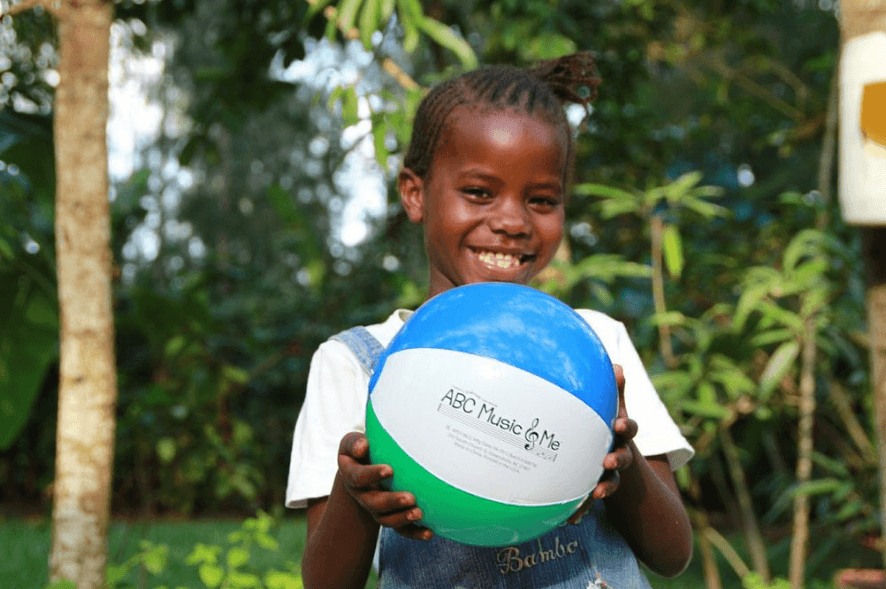
If a smile is worth a thousand words, then the smile on this girl’s face and the other children at her orphanage must certainly be worth an entire library of words. Thanks to a partnership between two organizations—Make A Difference and the British American Pre-school (BAPS) —young children at an orphanage in Kenya will be receiving the benefits of music by participating in ABC English & Me classes.

The project is lead by Debbie Chilver, director of BAPS, and her sister, Mariann Chilver, along with the

support of Debbie’s husband, Luca Paloschi, and the collaboration of many families and children.

“As our association works principally with very young children, the opportunity to introduce the Kindermusik program to them is very exciting and it will be a wonderful opportunity for our Kenyan students,” explains Debbie Chilver.

Kenyan child playing triangleAt BAPS in Milan, children participate in ABC English & Me and experience the powerful impact of musical learning on language and literacy development, social-emotional skills, and more. “I feel that music is one of the greatest vehicles for teaching. Music is a form of communication that is great for teaching English as a second language,” Chilver explained in a previous blog post.

Over 3,000 miles away, young children experience those same benefits of music. While the setting looks different and the backgrounds of the children are different, the smiles are the same.

Take a look at the images and do the impossible: Try not to smile, yourself, when you think about how the music from the Appalachians, played in a Kindermusik class in Kenya, led by the British Director of an Italian school brings music and learning to these children.

Kenyan children playing egg shakers

Baby Talk Helps Your Baby Talk

Even before your baby is born, she responds to the sound of your voice. It’s one of the really precious things that bonds parents with their unborn child. In fact, researchers have

observed that a baby in the womb can respond to the sound of a mother’s voice as early as 5 months along in the pregnancy.

Later, when your little one is born, you’ll naturally talk to her in a sing-song language called “motherese” or “parentese” – also known as "baby talk." Research shows that these are the first sounds that your baby will try to imitate with cooing and babbling – babbling being the first vital step towards saying words.

A recent study funded by The National Science Foundation Science of Learning Program further emphasizes "…that what spurs early language development isn’t so much the quantity of words as the style of speech and social context in which speech occurs." Here are some tips from that study to help get your little one happily babbling back and forth with you:

  • Talk in an animated "baby talk" style. Elongated vowels and a higher pitched voice really stimulate the babbling.
  • Keep the conversation private. Your baby will be more inclined to babble without others around, and you’ll probably be less reserved about your baby talk too!
  • Let it happen naturally. Talk through everyday activities like changing diapers or getting dressed.
  • Emphasize the important words. Speak slowly and with a happy tone of voice.
  • Focus on the interaction. It’s the back-and-forth verbal engagement that’s most important, more so than one-sided conversation.

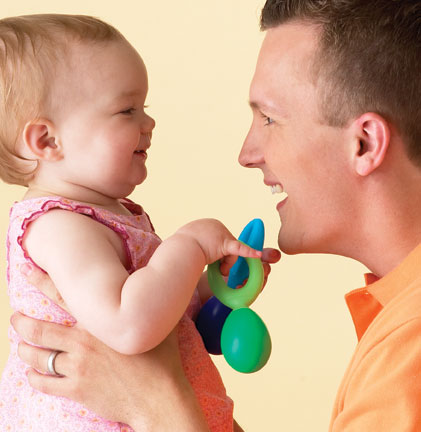
Dad and baby babbling and bonding in KindermusikIn Kindermusik, we give you lots of opportunities to babble, bond, and build connections that prompt early communication and enhance language development through songs, rhymes, vocal play, bounces, and more. We help you mix up your language-building parentese with singing, talking, and rhyming, to expose your baby to a variety of sounds that will aid her singing and language development. Language AND music AND learning – just one of the many benefits of early music learning you’ll enjoy in Kindermusik.
Find inspiration for your baby talk in a free Kindermusik preview class. Go online to schedule your free visit today!


Music is a Super Power

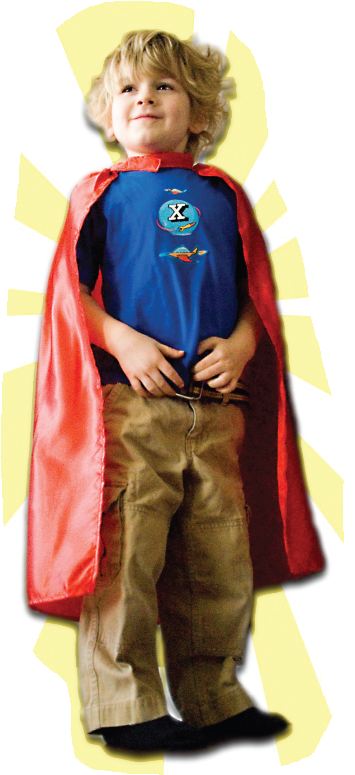
calling all preschoolersEver wonder why there is not a superhero with the Power of Music? Seriously. Sure, super strength and the ability to fly come in handy, but the Power of Music can sooth and calm a fussy baby (well, really a person of any age—adults included!), convince a reluctant toddler to clean up toys, help a preschooler discriminate between letter sounds, and even teach a child self-control.
Let’s face it. The Power of Music is a super power, especially when it comes to the cognitive development in children. But, wait, there’s more! Studies even show that the benefits of music extend well beyond childhood. Who needs to leap tall buildings?

Two long-term cognitive benefits of music

Two recent studies on the benefits of music show that music lessons in childhood can protect an adult’s brain from dementia, positively impact memory recall, and help aging adults maintain sound discrimination that supports speech:

  1. As explained in the Journal of Neuroscience when adults age, many experience challenges in understanding and responding to speech, especially in certain environments, such as restaurants. However, older adults with music training as children do not exhibit neural timing delays. Adult participants with 4 to 14 years of musical training as children had faster response times to speech than those without musical training as children. Most surprisingly, they had not attended music classes in over 40 years! 
  2. Dr. Luis Fornazzari of St. Michael’s Hospital in Toronto has also studied adult musicians’ memory in relation to dementia. He noticed that older adults who could play music as children did not experience the same level of decay in the discrimination of sounds when compared to non-musicians. “The brain becomes absolutely trained in the discrimination of the sounds, the human voice and the different instruments, the different notes and that lasts,” Fornazzari explained in Learning music early build’s up brain’s reserves. “If the disease [dementia] occurs and you have good brain reserve capacity, you can tolerate the effect of the disease for longer not showing the symptoms until later.” 

So, while we may not be able to give our children the Super Power of flight or strength—or even an invisibility cloak for that matter—we can give our children the super power of music! Do you want to bring the power of music to your child and family?

Find a local Kindermusik educator. 

Music & Movement Benefits: Why and How to Sing to Your Child

Most of us have some songs we can recall from our childhood.  Start singing and the tune and the words will probably come back to you.  And if you’re in a Kindermusik class, you are enjoying a growing repertoire of songs to pull out and sing for almost any occasion!
Why Sing
Singing to a child is a priceless gift.  It doesn’t matter if you feel like your voice is not star quality; to your child, the sound of your voice is the best sound in the whole world.  According to Scholastic Parent & Child Magazine (Dec/Jan 1999), singing with and to your child can:

  • calm when upset, soothe fears, and reduce irritability;
  • enhance a child’s grasp of language and sense of beauty;
  • remind a child that he/she is cherished and loved;
  • improve communication and intimate bonding between parent and child.

How to Sing

  • Bounce your child in your lap and sing a song together.
  • Pick out individual words or groups of words from the song and let your child echo you.  Change your voice, using lots of inflection.
  • Accompany yourselves by tapping wooden or plastic spoons together with a beat.
  • Dance while you sing.
  • Put your own words to a song – whatever fits the occasion or the task at hand.
  • Let a song inspire dress-up and pretend play.

Take the song, “The Muffin Man,” for example.  The words are:
Do you know the muffin man, the muffin man, the muffin man?
Do you know the muffin man who lives in Drury Lane?
Yes, I know the muffin man, the muffin man, the muffin man.
Yes, I know the muffin man who lives in Drury Lane.
You can have fun singing, adapting, and playing with this song in many ways.  Here are just a few ideas to get you started:

  • Try inserting another occupation, like “the bakery lady,” “the lawn mower man,” “the fireman,” or “our doctor friend.”
  • Substitute your own street name for Drury Lane.
  • Accompany yourself by tapping a spoon on a muffin pan.
  • Explore the many different kinds of sounds you can make as you tap, rub, or scrape the muffin tin.
  • Create a muffin game.
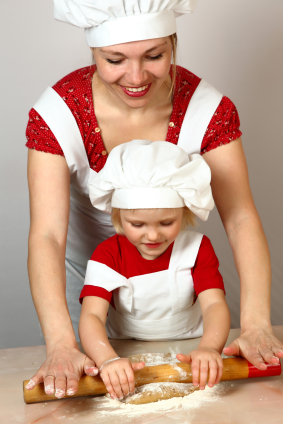
  • Put on an apron and/or a chef’s hat and then bake some muffins together – or just pretend to do so!
  • Play with the question and answer part of the song.
  • Come up with your own muffin song.

Shared by Theresa Case, who has an award-winning Kindermusik program at Piano Central Studios in Greenville, SC.
 

Bringing the benefits of music to the slums of Thailand

Thailand 1The benefits of music can transform a child’s life. Music can also be a lifeline. In early childhood music classes around the world, music brings light and laughter and joy to children surrounded by poverty and crime and exploitation. Kindermusik educator, Nikol Hellebrandova shares ABC English & Me (an English Language Learning program) with young children in one such place.

Early childhood music in the slums of Thailand

Two times each week Nikol Hellebrandova teaches ABC English & Me to a small group of children between the ages of 4 and 6 at a charity daycare in the slums of Pataya, Thailand. The Hand to Hand nursery school is located in an old business building. The former garage and warehouse area now serve as two classrooms for 60 children. A third room is used to store material, clothes, non-perishable food, and various items distributed to families and others living in the slums.
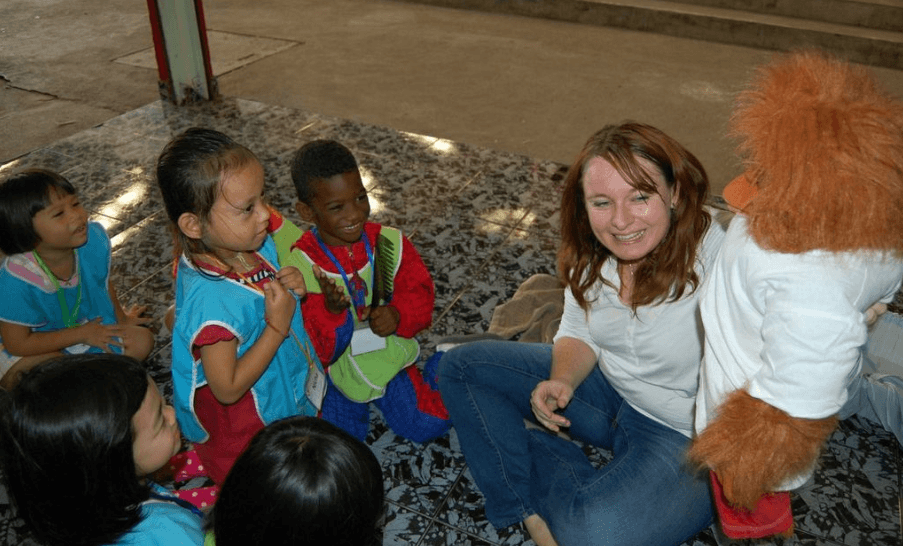
Thailand 2“Despite the hardships these children encounter each day, they love music class! The lessons are very interactive and the children are really getting into it,” explains Nikol. “They especially love interacting with the orangutan puppet and playing the instruments. In the class, children also enjoy taking turns being the ‘activity leader’ and giving instructions in English for the rest of the class—including me—to follow!”
Since beginning the ABC English & Me classes, children can now answer simple questions, name pictures, and sing the English songs for kids. Although the children can only access the home and classroom materials at school, Nikol also integrates the English vocabulary throughout other parts of the day so children’s English language learning happens naturally and through play.
“Sometimes it is difficult to arrange everything to make a nice learning environment,” confesses Nikol. “I really salute the courage and self-sacrifice of the Hand to Hand staff. They do so much more than run a daycare. They visit and take care of people in the hospitals, in jail, and in the neighborhood by supplying food, clothes, and medicine. In spite of everything, they always find the reasons and the way to enjoy life!”
Thailand 3Hand to Hand works everyday, one child at a time to make a difference to the children living in the slums. Hand to Hand provides a safe place where potentially exploited children can come and play and receive food, clothes, and a sense of worth. Hand to Hand is changing the lives of children.

To learn more about the Hand to Hand Foundation, visit their website.

Kindermusik… It's What's Good for You!

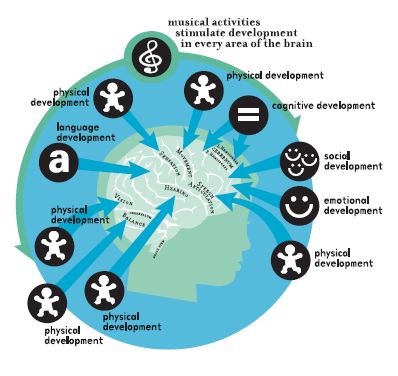
Development of the BrainOne of the best things about Kindermusik is the way the music and movement activities are so carefully and creatively designed to enhance every area of a child’s development.  You might think it’s just about the music, but as we’re often fond of saying, “We’re so much MORE than just music.”  There are many benefits of music, but none more important than those that affect every area of a child’s development – like Kindermusik does.
Chants and Fingerplays help children explore fun sounds and practice new words, providing a rich language environment.
Rhymes and Stories give Kindermusik kids a rich head-start in literacy development.
Singing and Playing Instruments inspire a love for music and lay a foundation for musical learning.
Marching, Jumping, Bouncing, and Twirling allow a child to be more self-expressive and to explore the many different ways a body can move, contributing to his physical development.
Rocking and Quiet Time promote special bonding time between parent and child and make those emotional ties even stronger.
Multi-sensory Activities which engage more than one sense at a time are part of what sparks vital cognitive development.
Circle Dances foster a sense of belonging and community, contributing to a child’s healthy social development.
Come See KindermusikMusic and learning go hand-in-hand.  So come swing, sway, dance, LEARN, and play with us at Kindermusik.  Try a free class today!  You’ll love seeing firsthand all the many ways your child will flourish in Kindermusik – in every area of his development.

4 ways to use early childhood music to help children sleep

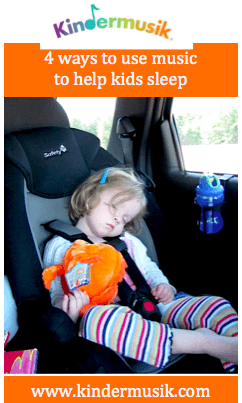
sleeping toddler finalSleep. It’s such a simple word. And, yet, for parents with young children—or early childhood educators with a classroom full of wiggling and giggling little ones at naptime—sleep can seem like a mirage that teases and tricks and lingers just out of reach. Or, it can leave us driving around willing all the lights to stay green so our little ones will stay asleep just a little bit longer.
While this lack of sleep bonds us together, it also isolates us in our individual struggles to lull our little ones to sleep. No need to call a Sleep Nanny just yet. Try these musical solutions to help solve childhood sleep woes.

4 musical ideas that puts children to sleep (literally)

  1. Listen to lullabies. Lullabies can lower the heart rate of children and help grown-ups to relax as well.
  2. Use soft, quiet music the same time each evening to signal that sleep time is near. Routines and rituals help young children make sense of their world and predict what comes next. Listening to the same music at the end of the day tells children that it is time to get ready for bed. This can mean bath time, cozy pajamas, a story, and then a final snuggle before lights out.
  3. Be consistent with musical selections. Familiar tunes work best to signal to a child that bedtime is near.
  4. Teach children their own soothing lullaby. Children learn through repetition. So, by singing a favorite song night after night, children will not only learn the song by heart, but they will learn a musical self-soothing technique. Bonus: That same tune can help calm children under stressful situations, like a skinned knee or a visit to the doctor’s office.

We know there is power in early childhood music. Whether used as part of a toddler curriculum to teach early literacy and language skills, played in the background at toddler play groups, or even used in the middle of the night to lull an infant to sleep, music puts a soundtrack to childhood. And, music and learning go hand in hand!

Looking for musical solutions to other parenting challenges? Visit a Kindermusik class to connect with other families where you can discover more about the benefits of early childhood music. Find a local Kindermusik educator today!


10 Reasons Why Toddlers Thrive in Early Childhood Music Classes

Since Kindermusik International is the world’s leader in early music and movement learning, we could probably probably give you 10,000 reasons why toddlers thrive in our early childhood music classes with Kindermusik educators all around the world using our toddler music curriculum.
But we’ll keep this short, sweet, and to the point and just share 10 of our favorite reasons why early childhood music, and specifically Kindermusik classes, are so important for young children.
Music - happy familiesReason #1: Parents are engaged and involved with their toddler for the entire class and toddlers blossom with this kind of focused attention and quality time together.
Reason #2: Toddlers benefit from the social facet of the class, watching their peers, making friends, and practicing sharing.
Reason #3: Creativity and imagination are ignited through Kindermusik’s rich, multi-sensory learning environment.  Music and learning go hand-in-hand.  Watch this video for more!
Reason #4: In a Kindermusik program, most children will have the opportunity to have the same caring, nurturing Kindermusik teacher for several years, providing a security and familiarity that enriches the learning process.
Reason #5: The Kindermusik curricula deliberately expose toddlers to a wide variety of musical genres and styles, expanding their musical taste and appreciation.
Reason #6: Toddlers absolutely thrive on happy rituals and predictable routines, both of which are an intrinsic part of each and every Kindermusik class.
Reason #7: At a time when vocabularies are exploding, Kindermusik classes inspire toddlers to practice silly sounds and learn new words through songs, chants, and vocal play.
Reason #8: Toddlers love to go, and Kindermusik classes give children a safe place to actively explore all of the different ways little bodies can move.
Reason #9: Kindermusik classrooms are a place of discovery and delight, and nothing is more satisfying to a toddler than to be able to do and explore all by himself – with mom or dad close by, of course!
Reason #10: The Kindermusik curricula are carefully designed to give these active learners exactly what they need when they need it, inspiring a love of music and an appetite for learning that will last a lifetime.
cute girl making a funny faceCome see for yourself how your toddler will thrive in a Kindermusik class!  Try a free Preview Class today.  We promise… Kindermusik is one of the best things you can do for your child.  We’d love to show you why.

Shared by Theresa Case who owns an award-winning Kindermusik program at Piano Central Studios in Greenville, SC.

Let the fun and games (and English Language Learning!) begin

(Source: http://www.inspiredbysavannah.com/)

Ever wonder why toddler play groups are more commonly called, “play dates”? Sure, there is the obvious play involved on a certain date, but to be more accurate, why not call them “work dates”? After all, play is work to a child. Albert Einstein claimed that “play is the highest form of research.”
Even babies use play to research their world. In fact, through play, infants learn about every new sound, sight, taste, movement, and touch. Older children also use play to learn how the world works, better understand their place in it, and to practice important life skills: such as language skills, social-emotional skills, and creativity. Children make work look like fun!

Using fun and games to help English Language Learners

Now, new research from The University of Nottingham shows that playing simple games using words and pictures can help people more easily learn a second language. The study used spoken and written foreign language words along with pictures showing their meaning.
Initially, English speakers with no knowledge of Welsh, looked at English and Welsh words on a computer. They were asked to determine if the two words both contained the same letter. They also heard the word being spoken and saw a picture of what the word meant. They were not asked to learn the words themselves.
Some time later, the same English speakers were asked to specifically learn the correct translation of the Welsh words. Half of the Welsh words were presented previously. The researchers found that the participants did better on the Welsh words that had appeared in the first part of the study.
PhD student Marie-Josée Bisson, who led the study along with Drs Walter van Heuven, Kathy Conklin and Richard Tunney, explained in a press release: “Anyone attempting to learn another language would benefit from activities such as simple games using foreign language words and pictures, or foreign language films with subtitles where they can enjoy the activity without focusing on trying to learn the words. The results of this study suggest that these kinds of informal activities can facilitate language learning, even days afterwards.”

Using fun, games, and music with young English Language Learners

ABC English & Me - Teaching English to Children through MusicWhile the study above focused on adult learners, the results impact English language learners in the early childhood classroom, too.  ABC English & Me, our English Language Learners curriculum, uses ESL activities for kids, words with picture cards, puppets, and English songs for kids to teach young children English. From the first song at the start of each class to the last shake or tap of an instrument, children quickly become engaged in actively learning English through fun, games, and, of course, music!
Plus, we provide materials for families to use together at home. These monthly interactive materials support the classroom learning, while giving parents the tools they need to continue the English language learning at home.

Learn more about bringing ABC English & Me and the power of music to your school!