Music tunes kids in to learning from the very first day of life. After all, even babies in neonatal care experience reduced heart rates and deeper sleep when listening to live music. Research shows that musical activities stimulate development in every area of the brain: vision, balance, speech, behavior, sensation, skill, movement, and emotion. Music also impacts all learning domains (cognition, language and literacy, social and emotional, physical, creative, music). Music celebrates the unique joys of each year and developmental stage and prepares children for a lifetime of learning.
Musical activities to try at home or in the classroom that tune kids in to learning
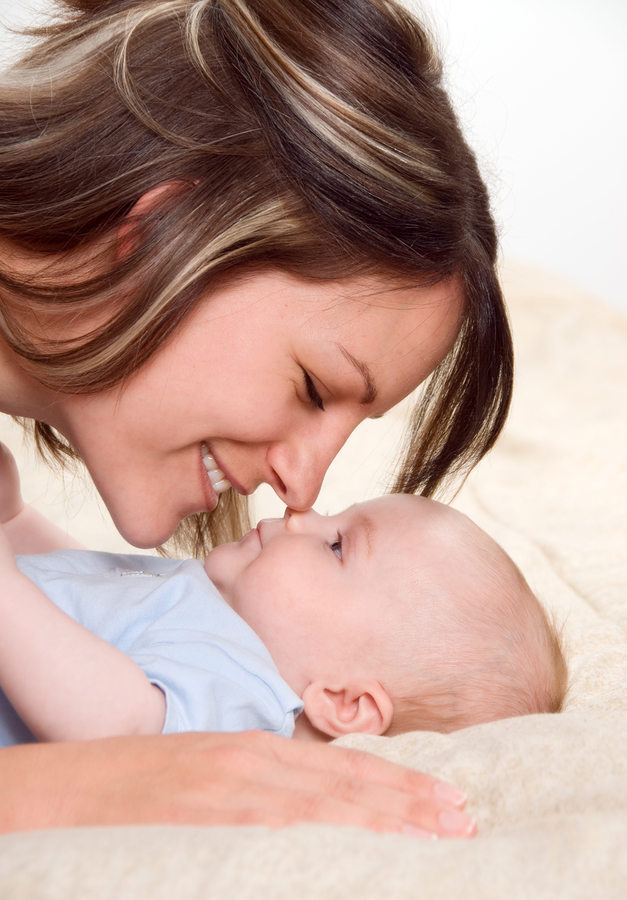
For Babies: A baby cooing and babbling and imitating a lullaby being sung is learning how language works while also bonding with a caregiver. Gently swaying with the baby in time to the music adds vestibular development, pivotal to balance, coordination, eye control, and movement.
 For Toddlers: Toddlers who march, stomp, jump, and tiptoe to a steady beat tapped on rhythm sticks are discovering new ways to move their bodies—and gaining confidence and an understanding of spatial awareness, too. Instructing children to stop when the beat stops (and moving when the beat starts again) includes inhibitory control development as toddlers learn to control their bodies.
For Preschoolers: In a Preschool class when children experience musical rhythm patterns through movement, they also lay an early foundation for reading music and words on a page. When preschoolers play instruments along to the rhythms in a song, they also practice active listening and pattern recognition—with strong correlations to word recognition, speaking, reading, writing, and even math.
For Big Kids: When children intently listen for the sounds of a specific instrument in a song, use wood blocks to produce a staccato sound, or move smoothly with scarves when they hear the music change from staccato to legato, children practice active listening. Considering that school children spend an estimated 50 to 75 percent of classroom time listening to the teacher, to other students, or to media, developing strong active listening skills prepares kids for classroom learning.
Musical learning: The ultimate multi-tasker
According to the National Association for the Education of Young Children (NAEYC), “Any activity that stimulates one area of development automatically influences others. Good curriculum design must recognize and plan for this integration.” Activity by activity, every lesson in Kindermusik is designed to address multiple areas of development—and to tap into a variety of individual learning styles. Kindermusik’s carefully crafted activities and deliberately integrated sequences set the stage for optimal, multi-sensory learning experiences.
For example, children exploring the concepts of fast and slow might hear music that alternates between the two tempos. They may practice moving or playing instruments in time with what they hear. They could hear a story about a slow snail and a fast cheetah. In short, they explore and internalize the new concepts more effectively through multiple senses and activity types. (Not to mention, such an activity cluster also hones listening skills, self-control, expressive movement proprioception, coordination, and other skills!)



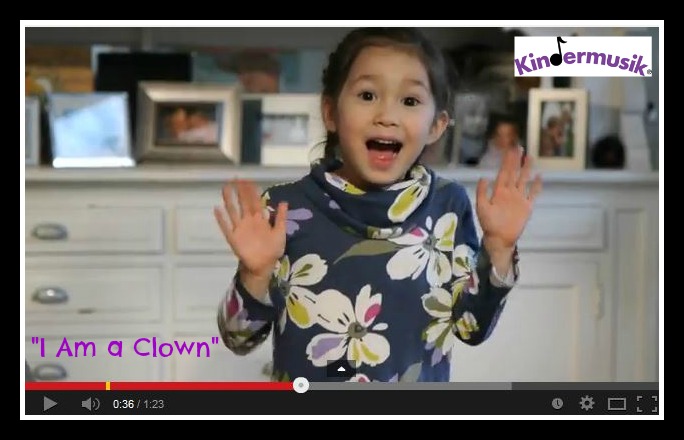

 With all of these great benefits from a simple music and movement activity, enjoy a little “clowning around” with your own child (or with your whole class if you’re a teacher!) for a sneak peek into how the





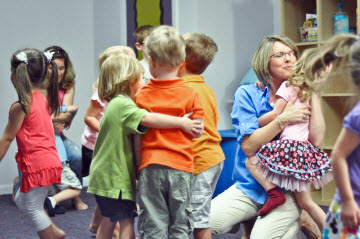

 Ensemble experiences help children to listen closely and work together as they play-along and sing-along together as a group.
 Find out more about Kindermusik at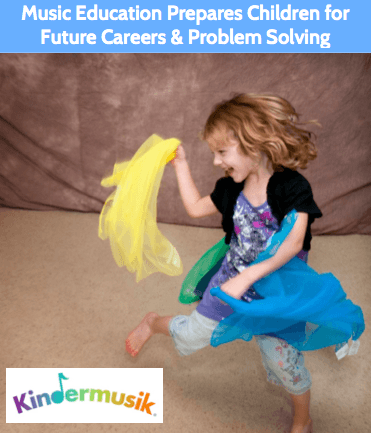
 Apparently, most Americans love music, too, at least when it comes to music preparing them for successful careers. According to a new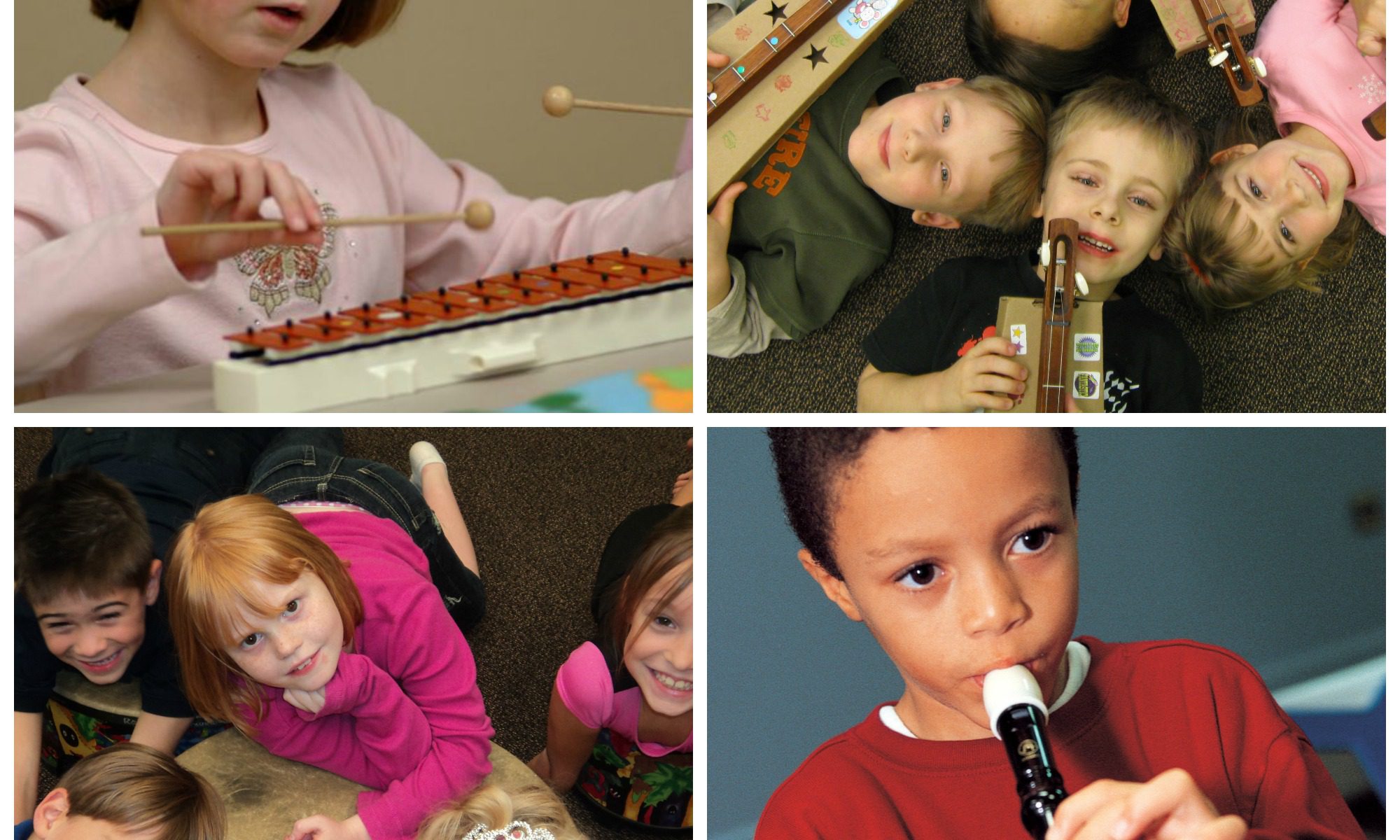
 Ever heard of a
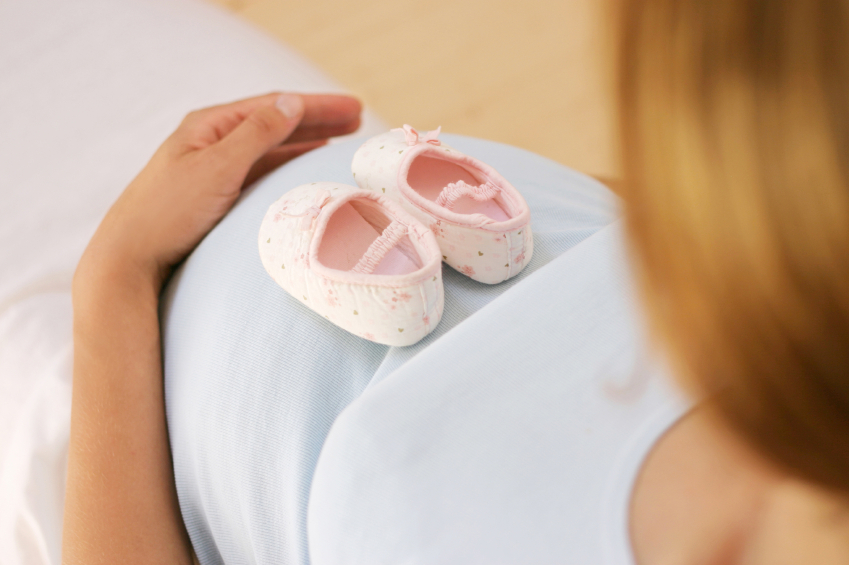
 Expectant parents plan for – and worry about! – a lot of things. Your unborn baby’s musical development may not be on the check list just yet, but don’t worry – you and your baby are more prepared than you might think.
 And so, when things settle down a bit, we’ll look forward to having you and your newborn in Kindermusik. The brain grows and develops at an astounding rate in the early years, and there’s no better window of opportunity for exposing your baby to the rich developmental benefits of music. Plus you’ll love the opportunity to gain precious insights into this new little miracle as you spend special time together in class, make new friends, find a support network, and savor these precious, fleeting moments of babyhood. Parents agree… there’s no better bonding experience than Kindermusik. We’ll look forward to seeing you in class soon!