

The Gift of Love: A Parent’s Perspective of Kindermusik

Gift of Love

[vc_row][vc_column][vc_column_text]As a Kindermusik teacher, I am always observing as I am teaching – mostly observing the children so I can adjust and adapt to them, but also actively working to “see” things through the parents’ eyes too. When I look through the eyes of a Kindermusik parent, there are some of the really precious things that I get to celebrate, acknowledge, and even just hold in my own heart.[/vc_column_text][blockquote cite=”Theresa Case”]”I melt at the pure and absolute delight on a parent’s face in the closeness and sharing that happen in every class.”[/blockquote][/vc_column][/vc_row][vc_row][vc_column][vc_column_text]I share the feeling of pride that glows on a parent’s face when their child starts tap-tap-tapping with his own shaker, gets completely absorbed in Story Time, or quietly starts singing a few words here and there.

I melt at the pure and absolute delight on a parent’s face in the closeness and sharing that happen in every class.[/vc_column_text][/vc_column][/vc_row][vc_row][vc_column][vc_column_text]I smile at the humor on a parent’s face when her child suddenly starts singing very loudly or urgently begins sharing a very important, but very unrelated, story to share with me.

I gently nod my head as a parent and I make eye contact during Quiet Time, acknowledging that the snuggles and cuddles in the little years go by all too quickly.

I hug the parent with happy tears in her eyes who is absolutely overjoyed at how her child who has been in multiple different kinds of therapy is now comfortable in class, engaging in activities, and making friends with the other children in class.[/vc_column_text][vc_column_text]parent's perspective[/vc_column_text][/vc_column][/vc_row][vc_row][vc_column][vc_column_text]I clap and celebrate right alongside my families; with full hearts we share the bittersweet moment of watching our Kindermusik “babies” proudly march across the stage as Kindermusik graduates.

I am a Kindermusik educator, and these are only some of the amazing things I am privileged to glimpse through a parent’s eyes because of the power of Kindermusik and the difference it makes not just in the life of a child, but also in the heart of a parent.[/vc_column_text][vc_separator][/vc_column][/vc_row][vc_row][vc_column][vc_column_text]Shared by Theresa Case, who has been sharing the joy of Kindermusik with children and families at Piano Central Studios in Greenville, South Carolina for over 20 years now[/vc_column_text][/vc_column][/vc_row]

Kindermusik’s Gift Guide

gift drum

[vc_row][vc_column][vc_column_text]What’s on your gift list for the sweet kiddos under the age of 7 years old? (Besides Kindermusik classes, of course!) Maybe you’re actually feeling a little stumped or even overwhelmed. It happens to the best of us this time of year when it comes to gift giving, especially when choosing gifts for kids.

As Kindermusik educators, we happen to know a little something about what makes kids tick and best of all, what makes their faces light up! Here are a few of our favorite recommendations in the “Instruments and Props” categories that are sure to bring a huge smile to that special little someone’s face.[/vc_column_text][vc_separator][/vc_column][/vc_row][vc_row][vc_column][vc_column_text]

Inspiring Instruments

We love the Remo Floor Tom for all ages.  It’s colorful, durable, and not too hard on the ears.

Older kids will love exploring lots of sounds and rhythms on this unique Wood Tone/Slit Drum.

The Baby Band Instrument Set is a fun 4-piece set that will have your little one tapping and jingling away!

This Mini Orchestra set is so adorable, you’ll want to sit on the floor and play-along with your child’s favorite Kindermusik songs too!

For your older creative genius, how about this Saxo-Flute?  They build it then play it… and then take it apart all over again!

Who wouldn’t be impressed with this kid-friendly, eco-friendly Musical Band sized just perfectly for your pint-sized drummer?![/vc_column_text][/vc_column][/vc_row][vc_row][vc_column][vc_column_text]scarves[/vc_column_text][vc_column_text]

Playful Props

Any kid will go crazy over a Bilibo!  (And yes, they can double as a sled in the winter and a beach toy in the summer.)

Kids of all ages love the sound and endless creative possibilities of a classic kids’ toy, pop beads.

Gertie Balls are great for happy, squishy indoor play too that usually doesn’t do too much damage if it gets hurled in the living room.

Sensory Balls are perfect for rolling, bouncing, exploring, and yes, slobbering on especially if you’re under the age of 1 and still working on cutting those teeth.

Kindermusik’s light and floaty scarves make great gift wrap and once unwrapped, also foster a delightful game of peek-a-boo or magical scarf dancing.

parachute

Fun for the whole family!  This colorful, 6-foot parachute brings everyone in on the movement, play, circle dancing, oversized peek-a-boo, and more.  (A smaller version of what your Kindermusik educator might use in her classes!)

Happy shopping, gifting, and enjoying the smiles![/vc_column_text][vc_separator][/vc_column][/vc_row][vc_row][vc_column][vc_column_text]Shared by Theresa Case who has an award-winning Kindermusik program at Piano Central Studios in Greenville, South Carolina.[/vc_column_text][/vc_column][/vc_row]
Educator Spotlight: Jessica Hanson

Educator Spotlight

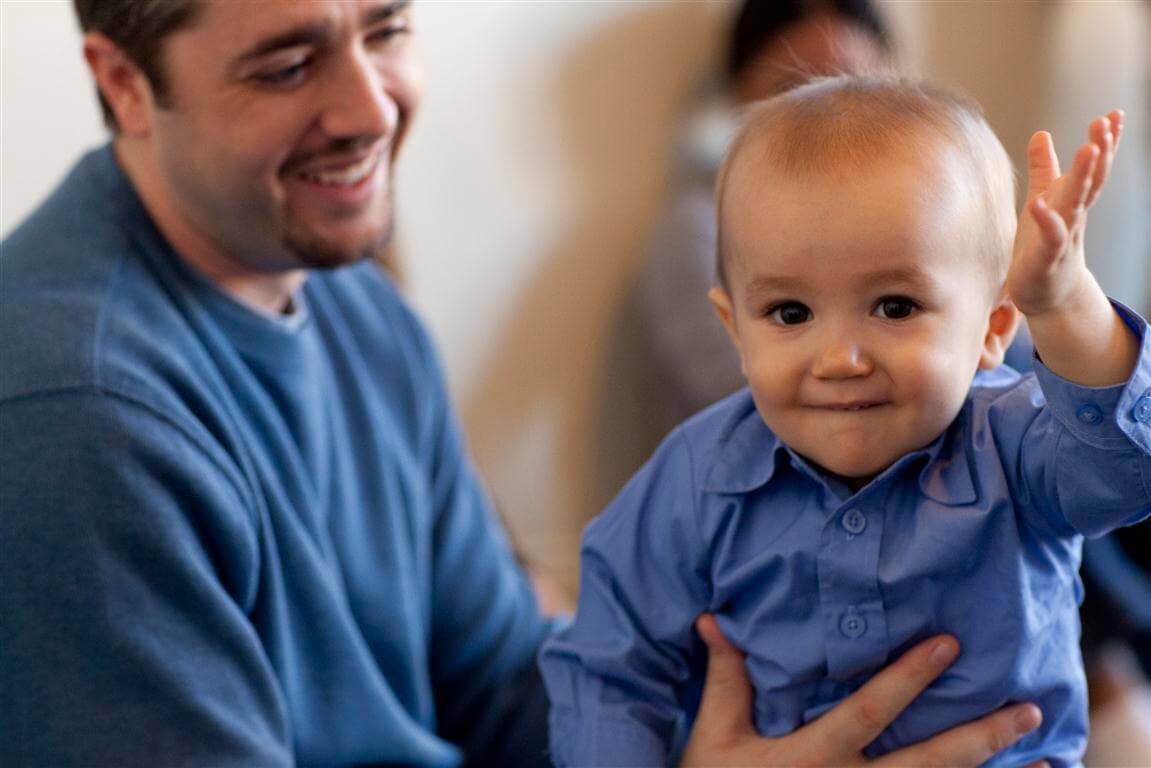
[vc_row][vc_column][vc_column_text]Jessica Hanson opened Take Note Studio in 2006, the same year that she became a licensed Kindermusik educator.  Since 2006, Jessica’s studio has grown to include offering Kindermusik, music theatre, and private music instruction.  A busy mom of five, Jessica’s heart for children, families, and the difference that music can make in their lives shines through in everything she does.


[/vc_column_text][/vc_column][/vc_row][vc_row][vc_column][vc_column_text]TC: What do you feel has made your studio business a success?

JH: Building relationships with students’ families and creating systems to provide great communication.

TC: What makes your studio such a special place?

JH: I was taking a video of my Young Child 3 class acting out “Little Feather” the other day, and was standing by the door.  I didn’t notice until I watched the video later all the background noise of all the parents talking and laughing in our waiting room.  It was so affirming to hear relationships being formed not only with the kids but with the parents.  We are definitely a place where friendships and connections happen, and we highly value the support and kindness we give each other.

TC: What do your Kindermusik kids call you?

JH: Ms. Jessica[/vc_column_text][vc_video link=”https://vimeo.com/194815177″][/vc_column][/vc_row][vc_row][vc_column][vc_column_text]TC: How do your Kindermusik kids (or families) describe you?

JH: I think families would describe me as a confident and calming presence in the classroom.  One mom said the other night, “You are so patient yet prepared and equipped!”  That is what I want for all my parents – to be enabled to handle any situation in a loving and effective way.

TC: What’s your favorite part of teaching Kindermusik?

JH:  So hard to choose!  I love fostering parent/child connections and providing an environment for parents to be completely present in our fast paced, busy world.  It’s so satisfying to empower parents with tools to be the best parents they can be – teaching them to love their children authentically and feel successful in this challenging and so important job of parenting.

TC: What’s your favorite Kindermusik song to sing?

JH: I especially love the ones I can change the words to for use in any context.  I use “Rise, Sugar, Rise” a lot, especially when we’re working on patience… “waiting here together two by two”.  But we change the verb up a lot!  I also love the silliness of “Hey, Lolly”.  I ALWAYS have a Kindermusik song running through my head, day and night! 

TC: What’s your favorite Kindermusik dance to lead?

JH: Hands down, Tants Tants.  We call it the “Tuba song”.  Both parents and kids love it and it is so fun to see 2 year olds doing deep knee bends and saying “Tuba” in their low voices during the Tuba section!

TC: If you had to name just one secret to success in the Kindermusik classroom, what would it be?

JH: Becoming a better observer and learning how to be more “present” myself.  Learning how to relax and gauge the dynamic of the classroom at the moment.[/vc_column_text][vc_column_text]

Jessica Hanson
Ms. Jessica gets her kids moving!

[/vc_column_text][/vc_column][/vc_row][vc_row][vc_column][blockquote cite=”Cheryl Lavender”]“The fact that children can make beautiful music is less significant than the fact that music makes beautiful children.”[/blockquote][vc_column_text]TC: Describe a teaching experience that has impacted you as a teacher.

JH: It’s too hard for me to pick just one.  I am weekly impacted by the power of music and its effect on the whole child.  First words, first steps, first songs, and new skills happen in the classroom a lot.  But I am even more impacted by the stories of parents who come in and report how music has helped their daily life and family connectedness throughout the week.

TC: If you could share one tip with a new Kindermusik educator, what would it be?

JH: The Kindermusik curricula is AMAZING – utilize and learn every bit of it and then as time goes on learn how to adapt, lengthen, and customize each lesson plan as you learn each child and family.

TC: What are some of the goals you have for your studio business?

JH: I am increasingly learning about what energizes me most. The top three are training excellent teachers; providing parenting workshops to support and empower parents; and mobilizing our outreach initiatives both locally and globally.

TC: What’s something new and exciting that’s happening with your business?

JH: We are very excited about our growing teaching staff!  We are training two more Kindermusik teachers now to add to our team of four already.  We are also looking forward to offering classes at a nursing home this winter, and are preparing for our annual fundraiser for scholarships and outreach.

TC: What is your favorite inspirational quote?

JH: From Cheryl Lavender, “The fact that children can make beautiful music is less significant than the fact that music makes beautiful children.”[/vc_column_text][vc_separator][/vc_column][/vc_row][vc_row][vc_column][vc_column_text]Take Note Studio in Wisconsin has studio locations in Manitowoc, Kohler, and Sheboygan Falls. Regular Blogger and Kindermusik Educator Theresa Case brings us our monthly Educator Spotlight feature. [/vc_column_text][/vc_column][/vc_row][vc_row][vc_column][/vc_column][/vc_row]

The Gift of Health: Music Boosts the Immune System

Immune System

[vc_row][vc_column][vc_column_text]It’s science! While those of us “in the know” – musicians of all types – have always understood that music has positive health benefits for us, it’s not common knowledge. Dr. Boyle shares research with us that explains how the magical art of music has a scientific effect on our minds and bodies – just in time for one of the busiest months of the year!


[/vc_column_text][/vc_column][/vc_row][vc_row][vc_column][blockquote cite=”Jonathan Weiss, Medical Daily”]”A large scale review covering over 400 scientific papers on the topic of the neurochemistry of music has found that music may be better than prescription medications for some issues and has broad benefits for the body and mind.”[/blockquote][vc_column_text]First, let’s remember that there is an entire field that uses music to impact well being – Music Therapy. Though it’s been around for over 70 years in the United States, many people are surprised to learn that it exists. Music Therapists use a variety of musical methods with clients to benefit physical and mental health. Beyond this formal therapeutic use of music (which, no surprise to Kindermusik Educators, often pairs music with movement), music can significantly influence health in our everyday lives – particularly boosting our immune system!

Holiday…or Cold and Flu Season?

For many of us in the Northern Hemisphere, the winter months mean colder temperatures and a greater increase in the occurrence of everyday colds. The stronger the immune system, the better we are at fending off the sniffles and sneezes of the season. Couple weather shifts with an increase in stress levels (for a variety of reasons), many of us will be susceptible to annoying coughs and stuffy noses. So, what can music do for us?

According to Dr. Daniel J. Levitin, a neuroscientist (and in interest of full disclosure – a musician), science is able to explain how music shapes actual neurochemical events in the body that may lead to a stronger immune system. It’s fairly common knowledge that stress impacts our ability to fight off germs. Music reduces negative stress in the body, thereby increasing our own body’s natural defenses. This magical art actually lowers the presence of stress hormones.[/vc_column_text][/vc_column][/vc_row][vc_row][vc_column][vc_column_text]

Photographed by Thomas | © 2016 TK Photography
© 2016 TK Photography

[/vc_column_text][vc_column_text]

Cortisal Down…Immunoglobin A Up

Music is intangible – you can’t touch it. It floats through the air and arrives at our ears…and simply changes us. As far as the immune system is concerned, and according to the work of neurocognition expert, Dr. Ronny Enk, music specifically lowers levels of cortisal, the stress hormone, and increases levels of immunoglobin A, an antibody that supports positive immune function. Dr. Enk and his team played joyful, dance music for one group, and random tones for his control group. The folks that listened to music experienced the benefit described above. This is a real, physical response to music. This is measurable…quantifiable.[/vc_column_text][/vc_column][/vc_row][vc_row][vc_column][vc_column_text]

More Music = More Health

So…what does this mean for us? During this holiday season, there are so many opportunities to experience music. Church, concerts, even listening to music around the house – think of these contacts with music as “aural vitamins” for your immune system. Reducing our levels of stress by taking part in music making is even more beneficial. Singing can regulate your heart rate and breathing. Making music with others increases social bonding, which is one of the things we need as human beings.

These benefits are for all of us – young and old alike. In fact, the benefits are incredibly important for those at the extreme ends of life’s journey – infants and our seniors. Sing to your kids! Invite the grandparents to a concert – or visit them and make music together. It will have an impact on the quality of their well being.[/vc_column_text][vc_separator][/vc_column][/vc_row][vc_row][vc_column][vc_column_text]Want to experience the health benefits of music first hand for both you and your little one? Find a Kindermusik class near you and try a class on us![/vc_column_text][/vc_column][/vc_row]

The Gift of Time: Holiday Activities for the Whole Family

time together

There is no better gift than the gift of time, but with our busy lives and constant demands, it can also be one of the hardest gifts to give – especially during the holidays.

It’s during the holiday season that we long for the gift of time the most – time together, time to make memories, time to slow down a bit. Here are some ideas for making that holiday wish come true!


Make a simple craft together

These crafts could even turn into Christmas gifts for grandparents and neighbors. Here are some simple hand craft ideas from Kindermusik – crafts using your kids own hands. Or enjoy letting your little drummer make his or her own Coffee Can Drum. We also highly recommend The Artful Parent website as another fabulous kid-friendly resource for crafts.

Hand Crafts
Check out our craft activities!

Get in the kitchen together

How about breakfast for dinner? Or a “make-your-own-pizza” night? Or a make-it, bake-it, gift-it night? Even young children can enjoy contributing as you prepare an easy meal together or make some brownies for an elderly neighbor down the street. Making and sharing a meal together is a relationship builder!

Commit to a “device free” evening together

Pop some popcorn. Play charades. Tell jokes. Put a puzzle or two together. Talk and share some childhood memories. Listen to music as you create some holiday cards to mail out. Set aside time to engage with each other rather than screens. Those glowing wonders will still be there when your done!

Schedule a family game night

Put it on the calendar, circle it in red, and make it non-negotiable. Teach your children your favorite game from when you were a kid (Uno or Candy Land, anyone?!), and then let them teach you one of their favorite games.

Attend a carol sing or concert together

Nothing creates a memorable shared experience like attending a concert. This time of year especially there are often many free and kid-friendly concerts that the whole family can enjoy.

Drive around and look at holiday lights

You know those neighborhoods where everyone goes all out. Make this extra fun by getting everyone in their pajamas, loading up in the car, and oohing and ahhing over all of the lights. And don’t forget to go through the drive-through for hot chocolate on the way home.

This display probably took a serious amount of time to produce!

Week in and week out, Kindermusik gives you the gift of time together with your child – singing, dancing, playing, learning, and making music. Consider giving the gift of time by enrolling your child in Kindermusik. You’ll savor the moments, the laughter, the memories, and the music you’ll share!


Shared by Theresa Case, whose award-winning Kindermusik program at Piano Central Studios has been giving families in upstate South Carolina the gift of music and the gift of time together for over 20 years now.

Science Center Stage: Gratitude

Brain

[vc_row][vc_column][vc_column_text]It’s that time of year…families in the United States will gather around tables across the country, eat turkey and stuffing, sweet potatoes and cranberry sauce, and perhaps watch a parade or football game. The Thanksgiving holiday finds its roots in communal meals to celebrate the year’s harvest. Now, we often take time to give thanks for a host of positive things in our lives. But…did you know that practicing gratitude on a regular basis has a positive impact on your health? Take a break from meal planning as Dr. Boyle explores the benefits of gratitude. [/vc_column_text][/vc_column][/vc_row][vc_row][vc_column][vc_column_text]

Practicing Gratitude Changes the Brain

I think we have all experienced that good feeling when we express genuine thanks for something – that warm sensation in the chest. As it turns out, when you take time to practice gratitude, it physically changes the brain in wonderful ways.

In a recent study by scientists at Indiana University, brains scans of research subjects who regularly practiced gratitude, in this case writing letters to important people in their lives, showed increased activity in the brain when asked to consider donating money to a charity group. The control group showed similar brain activity, but not as much as the group that had regularly been practicing gratitude. So what does all this mean? Well, good things for us…and good things for those around us. Dr. Christian Jarrett, a psychology writer for NYMag explains:

This result suggests that the more practice you give your brain at feeling and expressing gratitude, the more it adapts to this mind-set — you could even think of your brain as having a sort of gratitude “muscle” that can be exercised and strengthened (not so different from various other qualities that can be cultivated through practice, of course). If this is right, the more of an effort you make to feel gratitude one day, the more the feeling will come to you spontaneously in the future. It also potentially helps explain another established finding, that gratitude can spiral: The more thankful we feel, the more likely we are to act pro-socially toward others, causing them to feel grateful and setting up a beautiful virtuous cascade.

Just think, you can go to the gym, work out, and see a physical result. This study shows us that we can exercise the part of our brain that responds to gratitude, we can see a mental result, and that mental result impacts us in real ways.

Positive Effects of Practicing Gratitude

  • Feeling more refreshed after sleep
  • Lower stress levels – up to a 25% reduction of stress hormones according to a 1985 study!
  • Increased happiness

[/vc_column_text][vc_column_text]

A hug is gratitude in physical form!

[/vc_column_text][/vc_column][/vc_row][vc_row][vc_column][vc_column_text]
What Does Practicing Gratitude Look Like?

It can take many forms. You can keep a journal and each day, take time to write down something for which you are thankful – and why you are thankful. You can tell those around you why you are grateful for them. You could even, like the subjects in the Indiana University study,  write a letter every week to someone important to you, letting them know how thankful you are that they have been part of your life.

I started a Facebook project earlier this year – each day, I went to a friend’s wall and let them know why I was lucky to know them, sharing how they have positively impacted my life. I tried my best to do this first thing in the morning. I found that when I was able to do this, it set a much more positive tone for the day.

You can also start right at home. Take time to tell your spouse or partner, you children and even your furry family members how thankful you are for their positive impact on your life’s journey.[/vc_column_text][/vc_column][/vc_row][vc_row][vc_column][vc_column_text]

Tend the Garden of Gratitude

This takes time, but the benefits are worth it. As you increase your gratitude practices, both outward and inward, you’ll find that happiness is a more present companion in your life. If you start the day with gratitude, why not end the day this way as well? Before hitting the pillow, take a brief moment and think about one or two things that happened during the day for which you are grateful. They don’t have to be huge things – small things work just as well. Did someone hold a door for you? Did a fellow driver let you go first? The power of positive thought is pretty amazing. Psychologists are not suggesting that you ignore the challenges in your life, rather that we do our best to not forget the joys. Did your daughter put her PJs in the hamper without being asked? Hooray! Did your son say thank you to the delivery guy? Huzzah!

Take a moment and watch this TED Talk by Br. David Steindl-Rast, a Benedictine monk who works to encourage interfaith dialogue and author of Gratefulness, the Heart of Prayer.[/vc_column_text][vc_video link=”https://www.youtube.com/watch?v=UtBsl3j0YRQ”][/vc_column][/vc_row][vc_row][vc_column][vc_column_text]Don’t hold it in. Tell those around you how much they mean to you. When you do this, you change two lives – that person’s life…and your own. The more you practice gratitude, the greater the impact on you and your circle. An act of gratitude causes inward and outward ripples of positivity. Start with a gratitude journal or writing a letter or two and grow from there. Practicing gratitude is a powerful mechanism to increase the quality of our interpersonal relationships.

In case you didn’t know, friends, Kindermusik is grateful for you![/vc_column_text][/vc_column][/vc_row]

Big Brains! Music Feeds Brain Development

brain on music

[vc_row][vc_column][vc_column_text]Science tells us what we, as music educators, already know: music is good for brain development. We constantly see study after study that verifies what we see on a daily basis in the young musicians with whom we interact. Recently, a study at the University of Southern California’s Brain and Creativity Institute indicated that early exposure to musical instruction increases the development of the brain in children below the age of seven. The study reenforced the connection of music and stronger math, language, and reading skills. And we also know that when you make music with another person, you are more likely to empathize with them.

[/vc_column_text][/vc_column][/vc_row][vc_row][vc_column][vc_column_text]This study began in 2012 and over the course of the past 5 years, the researchers followed the progress of  3 groups of students, all six to seven years of age at the study’s outset. Dr. Assal Habibi explains:

We started the study when one group of children were about to begin music training through the Youth Orchestra Los Angeles program. This free community-based music program was inspired by El Sistema, a music program that was started in Venezuela and proved to be “tranformative” in changing the lives of underprivileged children.

The second group of children were about to begin a sports training program with a community-based soccer program. They were not engaged in music training.

A third group of children were from public schools and community centers in the same areas of Los Angeles. All three groups of children were from equally underprivileged and ethnic minority communities of Los Angeles. 

[/vc_column_text][vc_column_text]Brain[/vc_column_text][/vc_column][/vc_row][vc_row][vc_column][vc_column_text]

So What Happened?

The researchers constantly checked in with all students in the study, measuring different points of brain development. The findings have been promising, and indicate that musical instruction during early childhood can have a positive impact on how quickly the young mind develops and acquires new skills. Sound processing, as you might imagine, is a big part of music, but also language acquisition. Dr. Habibi expands…

Children in the music group…had stronger brain response to differences in pitch compared to the children in the other groups. We also observed that musically trained children had faster development of the brain pathway responsible for encoding and processing sound.

This finding supports previous findings and highlights music’s important benefits particularly in the development of language and reading.

Check out this TEDxYouth Talk at Caltech on music and the brain by Dr. Beatriz Ilari. Dr. Ilari is a music education professor at USC.[/vc_column_text][vc_video link=”https://www.youtube.com/watch?v=eLQbqXJF-2M”][/vc_column][/vc_row][vc_row][vc_column][vc_column_text]

Life Long Benefits

As it turns out – these benefits can last a lifetime. Musical experiences like Kindermusik, can increase brain capacity and the level of active connection between different areas of the brain. So much of brain development occurs in the first seven years of life; these are the years that music can have an incredibly positive impact on the process and well beyond.[/vc_column_text][/vc_column][/vc_row][vc_row][vc_column][vc_column_text]So get involved! Check out a class near you and see how our award-winning curriculum can enrich the life of your child…and you. Our classes involve music, movement, and lots of fun. We help your kids develop big brains![/vc_column_text][/vc_column][/vc_row][vc_row][vc_column][class_finder_form css=”.vc_custom_1479179928634{padding-top: 20px !important;padding-right: 20px !important;padding-bottom: 20px !important;padding-left: 20px !important;}”][/vc_column][/vc_row]

Educator Spotlight: Kathy Morrison

Kathy Morrison

Kathy first caught the “Kindermusik bug” when she brought her oldest daughter to Kindermusik at Piano Central Studios a little over 20 years ago now. That was the beginning of a beautiful friendship with Theresa Case, Owner of Piano Central Studios, but it was also where Kathy fell in love with all that Kindermusik is and can do for a child. Kathy became a Kindermusik educator in the summer of 2000, teaching for Theresa at Piano Central Studios. When her family moved to Pittsburgh in 2004, Kathy established her own Kindermusik studio and has been making an incredible impact in her local community and within the Kindermusik educator community ever since.


TC: What do your Kindermusik kids call you?

KM: Miss Kathy

TC: What are some of your favorite Kindermusik activities?

My favorite Kindermusik chant is also a favorite Kindermusik memory. I love Here’s the Bee Hive because my oldest daughter LOVED LOVED this chant and walked around saying it all the time at 2 years old. We still talk about it!

My favorite Kindermusik song is When I was one (I ate a bun…). My girls used to sing that together at age 1 and 6, and it had my husband and I rolling on the floor! There’s even this adorable video of them singing it…I will have to find that video one day soon.

TC: What’s your favorite Kindermusik dance to lead in class?

KM: That’s tough! But I would have to say that these are my 3 favorites: Tants Tants Yidelekh, Kerry’s Ten-Penny Wash from Do-Si-Do, and Mama Paquita – because it is the all-time favorite Kindermusik line dance.

TC: What’s your favorite part of teaching Kindermusik?

KM: My favorite part of teaching Kindermusik is the time on the floor with children and parents where we are creating bonds through music. I am passionate about encouraging parents and helping them learn new things about their child while developing self-confidence in children while developing a passion for music

Kathy Morrison from Mark A. Boyle on Vimeo.

TC: If you had to name just one secret to success in the Kindermusik classroom, what would it be?

I spend a lot of time analyzing the lesson to understand how to create a seamless experience that highlights the music. I look at the melody lines and rhythms to see how we might incorporate those into transitions. I’m committed to bringing out the music education component (as well as the child development focus) and speak to it in value statements multiple times. That’s what makes Kindermusik unique and differentiates our program from the competition. I’m also looking for ways to connect parents and children together, keeping in mind that I’m the facilitator not the main attraction.

TC: What’s the most touching thing that’s ever happened to you as a Kindermusik teacher?

KM: There’s really no one thing that stands out. Instead, multiple special moments have turned into a slide reel of precious moments over the years. There’s no “MOST touching” thing – it’s just a story that’s woven together of moments that affirm that this is my life’s best work. I am a Kindermusik teacher because I believe that I can make a difference doing that very thing and mentoring/coaching others to do the same.

TC: Describe a teaching experience or favorite Kindermusik family that has impacted you as a teacher.

KM: I have a hard time coming up with just one experience, but I do know this. When I finally figured out how to let go of trying to control what was happening in class and started focusing on engaging the children in a way that helped them begin to take responsibility for their own learning, then amazing things started happening. Children started engaging in new ways and I started really listening and facilitating differently. The whole experience went to a new level because I let go…It’s not about my plan, it’s about understanding where children are IN THAT MOMENT and creating the experience they need. That means being super prepared so you can flex and create and turn on a dime. It’s the very best kind of teaching we can possibly do. It’s something that we have to practice every time we walk in the room.

Miss Kathy of Kathy’s Music in Pittsburgh

TC: What do you feel has made your studio business a success?

KM: A commitment to providing a great experience in the classroom with customer service that feels personal. We work hard to stay organized and consistent and we measure, measure, measure.

TC: If you could share some tips with a new Kindermusik educator, what would those be?

KM: Preparation is the key. Be prepared – know the songs and the intent of each activity. Arrive early for class and take time to breathe. When families start walking in the door, stay in the moment. Focus on the music and enjoy the families. The rest will come. Remember it’s a journey that lasts years, not a weekend road trip. J You’ll get there, just take time to enjoy the sights and sounds along the way.

TC: What are some of your hobbies?

KM: I love to read, eat amazing food, and shop with my best friend!

TC: What is your favorite inspirational quote?

KM: “The goal is not to perform or to conform, but to engage.“ That’s true for everything we do, whether it’s teaching a class, working with parents, or creating a culture for our business. Engagement is the key. When we engage with our students, with our parents, with our customers, with our staff, with our community, then real dialogue and change is possible. The result? We learn from each other!

TC: What makes Kathy’s Music such a special place?

KM: We LOVE making music with children and parents! It shows…and we nurture that love of music making with creativity and caring for each and every child/parent. We follow the progress of each child, plan for their progression and transition, and partner with parents along the way. I think when you show people you really care about their child and you take time to get to know them that it makes all the difference. In return families are loyal, translating into enjoying the experience and listening when we share information/value.


Are you interested in learning more? Check out a class with Miss Kathy in Pittsburgh…or find one of our other outstanding Educators across the globe! We’ll partner with you to help you child grow in countless ways!

Let’s Play: Is it an Instrument?

Music. It’s all around you! You hear it in obvious places like the radio and TV, but music is also happening in nature and on the streets. It’s found in the rhythmic drive of jack hammers (albeit a bit annoying) and in the songs of birds. I’m going to give you the answer to the question I’ve posed in the title of this post: YES, IT’S AN INSTRUMENT! Anything and everything can become an instrument if you stretch the imagination. Let’s explore the possibilities…

Let’s Start with Percussion

This is the easiest place to start. Just about anything can become a drum – a bucket, a pot, a tennis ball can. If you collect a bunch of differently sized items, you can create a drum set! The folks over at Wikihow bring us three different methods of turning a coffee can into a drum.

drum

But don’t stop there! How about creating some shakers, made from various household items. The folks over at Howcast show us how.

What About Pitched Instruments?

Homemade percussion instruments are pretty easy – you can bang on just about anything. But what about something that can make different tones or pitches? The crafting geniuses over at Mess for Less designed a homemade harmonica out of craft sticks and rubber bands! It’s a nifty little project that can be made rather quickly, providing lots of musical fun! This site has countless other ideas for activities and crafts – definitely worth bookmarking.

Harmonica

Strummies!

Okay – I’ll admit it…the name made me smile. Strummies are homemade “string” instruments that are super easy to make and very versatile in the sounds they can produce. What do you need? Teach Preschool provides instructions. Have fun! Decorate your instrument – make them personal. What do you need?

  • Empty boxes of various sizes
  • An assortment of rubber bands
  • A musical imagination
Strummie
Teach Preschool’s example of a Strummie.


Box Guitar

Making homemade string instruments is lots of fun. Don’t limit yourself to boxes as your sound chamber. Try empty tubs of margarine or those plastic containers that pre-sliced deli meats come in. Each will provide a slightly different sound quality. If you want to get really crazy, you can even make a homemade guitar out of a shoe box. Once again, Wikihow gives us detailed instructions.

Box Guitar

The Landfill Harmonic

Speaking of instruments created from repurposed items, if you haven’t heard of the Landfill Harmonic – or the Recycled Orchestra of Cateura, you need to! In this Paraguayan where the primary money making activity is separating recyclable materials from trash, Favio Chavez has created something magical. This is an entire youth orchestra making music on instruments created from refuse. The groups story is told in the documentary film, The Landfill Harmonic. Take a look at the trailer here.

The Sky’s the Limit

Pretty amazing, huh? So look around your house…what might make an interesting sound? Have an old tennis racquet? Cut out those strings and add some rubber bands! Some extra PVC pipe taking up space? Cut some different lengths, paint them some flashy colors, and viola! – you have a pipe xylophone! There really is no limit to what you can use to make music. Remember, it’s all around us! So carve out some time to try one of these little projects with your young one. The journey is just as fun as the destination.