
Amber Galloway Gallego – Sign Language Rock Star

Interpreters

[vc_row][vc_column][vc_column_text]Have you ever been to an event that had an interpreter for the hearing impaired? You can find them in a wide variety of places: commencements, lectures, even broadway plays. These folks are specially trained in programs all across the country. For quite a long time, one could attend the Juilliard Interpreter Training program, specifically to be trained to interpret live theatre events. This program was founded by a friend of mine, Alan Champion. Alan, a child of deaf adults (CODA) passed away in 2011, but during his time as a Broadway interpreter he served audience members of Next to Normal, Wicked, Shrek: The Musical, the Lion King, Jersey Boys, The Producers, and countless others. It is a special skill and Alan was one of the best. Here’s a short video in which Alan shares a bit about his work:[/vc_column_text][vc_video link=”https://www.youtube.com/watch?v=MkFAM0zYJ8o”][/vc_column][/vc_row][vc_row][vc_column][vc_column_text]

What About Music Performances?

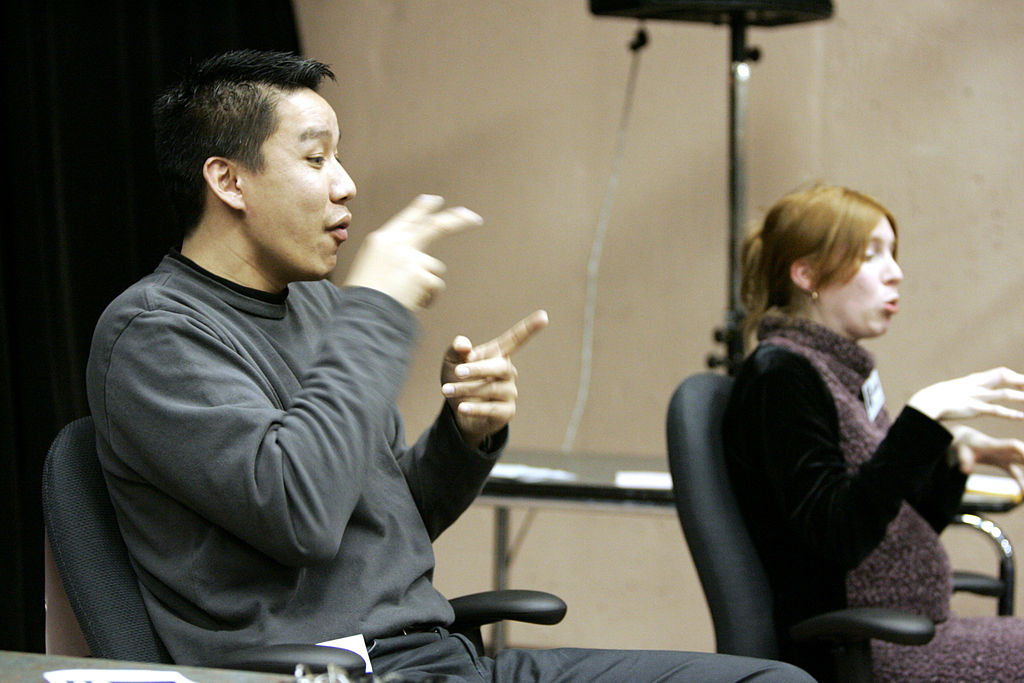
Interpretation for sung music events has been around for quite a while, but there is a growing group of ASL interpreters taking the art to a new level. Meet Amber Galloway Gallego. Here she is interpreting How Far I’ll Go” from Moana.[/vc_column_text][vc_video link=”https://www.youtube.com/watch?v=vy4qFFrATmw”][/vc_column][/vc_row][vc_row][vc_column][vc_column_text]Take note of a few things. Amber isn’t just conveying the meaning of the words…she’s conveying musical phrases, changes in pitch level, and dynamics. The energy in her gestures matches the energy in the music. It isn’t just about the words…it’s about the words and the music together and how those two things exceed the their individual values when combined.

Song is an incredible art form. It is more than just music and more than just words. The rise of the line in a song can make us experience feelings in ways just hearing the words spoken can’t. It makes sense that signing songs in real time as they are performed must take traditional ASL out of the box and let it lose. Here, Amber explains a bit about what she does and demonstrates the differences between her style of interpreting and traditional interpreting.[/vc_column_text][vc_video link=”https://www.youtube.com/watch?v=EuD2iNVMS_4″][/vc_column][/vc_row][vc_row][vc_column][vc_column_text]Amazing, isn’t it? This type of interpreting gives a greater level of nuance to the observer. It…kicks it up a notch.

How many of you have seen Mr Holland’s Opus? Do you remember that scene in which Richard Dreyfuss brings his high school band to his son’s school – a school for kids who are hearing impaired? He shares music with them in lights…in feeling the beats of subwoofers. He reaches beyond the “norm” to share an experience with a group that is often left out. That is what Amber and her colleagues are doing – bringing music to a part of the population in a way that allows them to encounter singing in a more vibrant way. We think that’s simply fantastic.

After all…music is for everybody.[/vc_column_text][vc_separator][/vc_column][/vc_row][vc_row][vc_column][vc_column_text]Want to learn more about Amber’s work? Check out her website here[/vc_column_text][/vc_column][/vc_row]

Book Review: Triangle

Book Review: Triangle

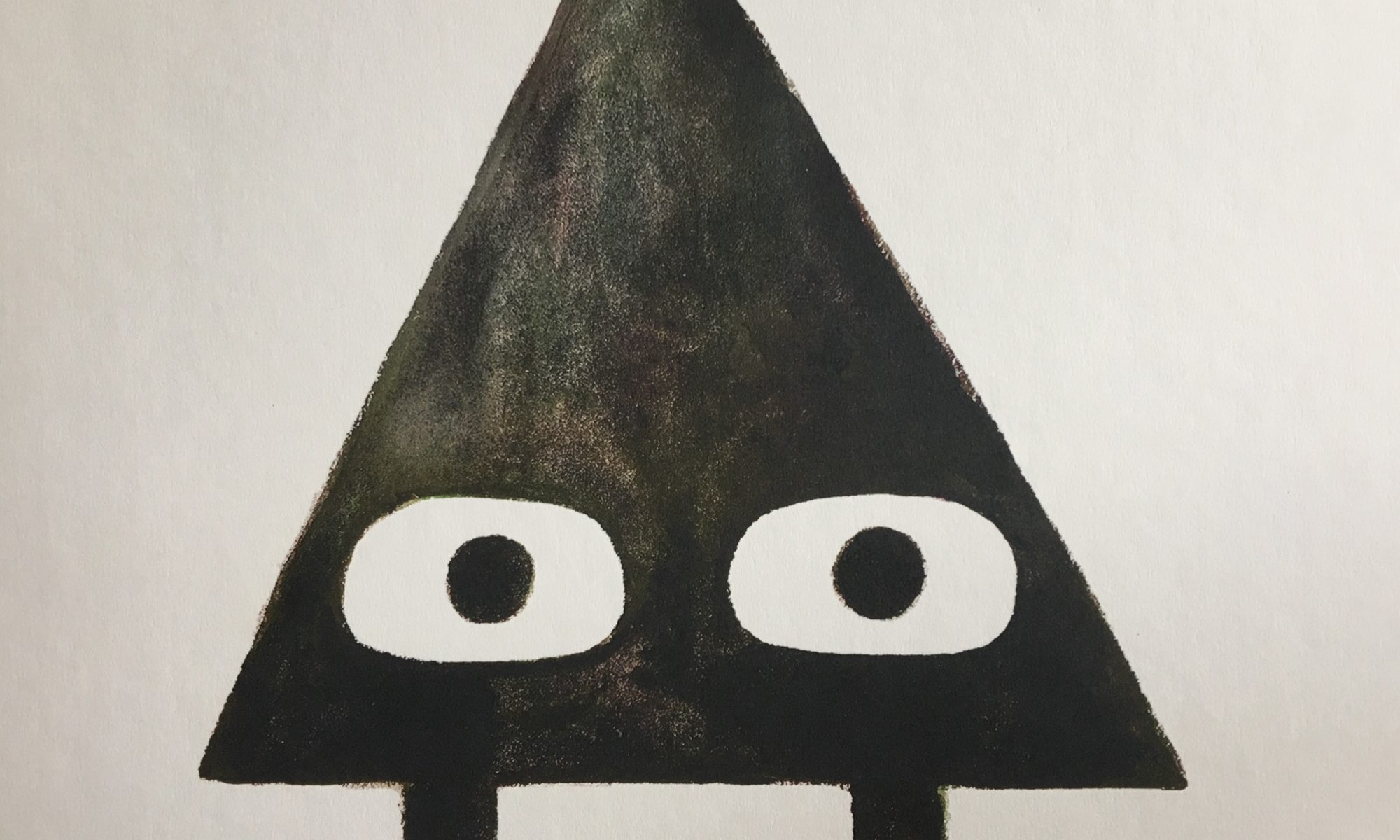
[vc_row][vc_column][vc_column_text]If you had a chance to watch The Beginning of Life, or if you spend any time at all with young kids, you know that children have a tendency to anthropomorphize everything and anything. There’s an adorable scene in The Beginning of Life in which a little girl has a sweet conversation with a plant. This is why books involving inanimate objects possessing human qualities work so well with children. Mac Barnett and Jon Klassen’s charming picture book, Triangle is no exception. Their clever tale of a prankster triangle will have your little ones smiling, and perhaps even asking questions about how we should treat each other.[/vc_column_text][/vc_column][/vc_row][vc_row][vc_column][vc_column_text]

Out to Play a Prank

Mac Barnett’s story is simple and direct. At the outset of the book, we meet Triangle. Jon Klassen’s beautiful watercolor illustrations fill each page. It is clear why these two are Caldecott Medal winners. Triangle, who appropriately lives in a triangle-shaped house with a triangle-shaped door, among triangle-shaped hills and mountains, decides to play a trick on his friend, Square. This isn’t just any trick, Barnett tells us, it’s a sneaky trick.

He crosses through an area in which shapes have no names to get to the part of this world where Square lives…and you guessed it…everything is square-shaped.[/vc_column_text][/vc_column][/vc_row][vc_row][vc_column][vc_column_text]

Scared of Snakes!

We learn, as Triangle makes hissing noises outside of Square’s square-shaped door, that Square is scared of snakes. This is Triangle’s plan, to play on his friend’s fear. Square becomes worried that there might be “ten million” snakes outside his door. Eventually, Triangle can’t keep up the hissing because he’s laughing too hard.

Square begins to chase Triangle back to his triangle-shaped house. He tries to follow Triangle into his house, but gets stuck in the triangle-shaped doorway. And this is where Triangle’s plan takes an unexpected turn.[/vc_column_text][/vc_column][/vc_row][vc_row][vc_column][vc_column_text]

We All Have Fears…Even Talking Triangles

Square becomes stuck in Triangle’s doorway. At first, Triangle laughs some more at his friend. But then, he realizes that with Square stuck in his doorway, all the light is blocked out Triangle’s house. As it turns out, that’s what Triangle fears…the dark.[/vc_column_text][vc_column_text]

Triangle
Square blocks Triangle’s door!

[/vc_column_text][/vc_column][/vc_row][vc_row][vc_column][vc_column_text]

It Ends with a Question

Barnett ends his story with a simple question. Square insists it was his plan all along to scare Triangle. The reader is asked, “But do you believe him?” This is a great opportunity to engage your little one about the story. It can lead to other questions, such as “How did Triangle’s trick make his friend feel?” or “What are you afraid of?”. It’s an opportunity to talk about how we treat each other, and how, sometimes, tricking or teasing someone isn’t the best choice.

We like this book because of it’s simple, crisp artwork that will appeal to young eyes. It’s easy for most kids to relate to one or both of the two characters. And finally, that closing question that gets everybody thinking is a wonderful feature that extends the reach of the book past the final page.

Barnett and Klassen’s Triangle can be found at your local book seller, or online. It will become a favorite very quickly.[/vc_column_text][vc_separator][/vc_column][/vc_row][vc_row][vc_column][vc_column_text]Author Mac Barnett shares his thoughts on why a good book is a secret door at 2014 Ted Talk.[/vc_column_text][vc_video link=”https://www.youtube.com/watch?v=LPrS7-kx9Y0″][/vc_column][/vc_row]

Music Therapy: Music as Medicine

Brain

[vc_row][vc_column][vc_column_text]Music Therapy – it’s been around for some time…let’s say as long as we’ve had music. As a credentialed profession, it’s still relatively new. The first program to award a degree in music therapy began at Michigan State University in 1944. The American Music Therapy Association came into being in 1998. To many, the profession is still a mystery. It isn’t simply singing someone to sleep or teaching a person how to play a few chords on an ukulele. From the AMTA’s website:

Music therapists assess emotional well-being, physical health, social functioning, communication abilities, and cognitive skills through musical responses; design music sessions for individuals and groups based on client needs using music improvisation, receptive music listening, song writing, lyric discussion, music and imagery, music performance, and learning through music; participate in interdisciplinary treatment planning, ongoing evaluation, and follow up.

In a recent article over at Science Times, writer Jezreel Smith detailed the use of music therapy’s use in reducing pain.


[/vc_column_text][/vc_column][/vc_row][vc_row][vc_column][vc_column_text]

A Natural Analgesic

“Music therapy should be added to postoperative pain treatment as it been found to decrease pain in patients recovering from spine surgery.”

– Jezreel Smith

The Louis Armstrong Center for Music and Medicine conducted a study which explored the effects of music therapy on pain levels in 30 post-operative spine surgery patients. In addition to standard post-operative care, 30 minute music therapy sessions were included.

You’ve probably seen a version of the Visual Analog Scale (VAS) for pain in your doctor’s office or at a hospital. The subjects of the study were asked to rate their pain using the VAS before and after music therapy was introduced. Members of the group which received music therapy had a reduction of more than a point on the pain scale, while the control group, 30 subjects who only received regular post-operative care without music therapy, saw a rise of just over a half point.

Pain Scale
The Visual Analog Scale used in many medical settings.

[/vc_column_text][/vc_column][/vc_row][vc_row][vc_column][vc_column_text]

The Power of Music

What does this study tell us? It confirms the power of music, its impact on the brain and how it processes pain, and and music therapy’s value in helping patients comfortably recover from surgery. This is only one area in which music therapy has been successful applied. You’ll find music therapists in a wide range of settings: in schools working with differently abled students, such as kids on the autism spectrum; in nursing homes, helping residents maintain or even increase mental, physical and emotional functioning; in mental health facilities, aiding patients as they process emotions and work to resolve conflict.[/vc_column_text][vc_video link=”https://www.youtube.com/watch?v=ZE6JbAAIbJQ”][/vc_column][/vc_row][vc_row][vc_column][vc_column_text]

For More Information on Music Therapy…

Interested in learning more about what music therapy is or what music therapists do? Check out the American Music Therapy Association’s website. It is full of wonderful information regarding the profession. There’s a great FAQ page than answers many questions and an entire section on research.

We have been using music as medicine as long as music has been around, and like many ancient practices, it continues to be refined as we learn more. Music Therapists are becoming more common in a host of settings. We are a musical people, and the greater connection we have to the art form, the larger the positive impact it can have on our lives.

I’ve said it before friends, music is magic.[/vc_column_text][/vc_column][/vc_row]
Mother’s Day Music Activities

[vc_row][vc_column][vc_column_text]It’s nearly here! The day we set aside to celebrate mothers and all they do for us. Whether you celebrate by serving up breakfast in bed or making a coupon book for “free hugs,” we all know she’ll love whatever it is you do as long as it’s overflowing with love.Speaking of hugs…

One Mother’s Day, my boys and I cooked up a special gift. We bought a sweater – a simple sweater in a color we knew their mom would love. We then took a picture of the boys hugging the sweater, wrote a little poem, and boxed everything up. The idea was this – anytime my wife wore the sweater she’d be constantly receiving hugs from our boys. It was a big hit!

Mother's Day hug sweater
Our boys and the “Hug Sweater.”

[/vc_column_text][vc_column_text]That idea is free to the world – but this is a music blog, right? How can we celebrate our mothers in a musical way?[/vc_column_text][/vc_column][/vc_row][vc_row][vc_column][vc_column_text]

Write a Song!

You don’t need to be a professional musician to write song! Music belongs to everyone! The easiest way to start is picking an existing tune and writing new personal lyrics. Hey – if Weird Al can do it, so can you! Remember, the thought behind the action means so much to Mom! And the simpler the tune, the easier it will be for the little ones to sing along? How about this to the tune of Frère Jacques:

Mom we love you!
Mom we love you!
You’re the best!
Your’e the best!
Thank you for your kisses
Now we’ll do the dishes
After lunch!
After lunch!

It’s silly but singable. You can do it, too! Have fun, be creative, and tell her how you feel![/vc_column_text][/vc_column][/vc_row][vc_row][vc_column][vc_column_text]

Make a Mix CD for the Car!

Remember when we were kids? The sweetest thing you could do for someone you liked was to make a mix tape. Well – tapes are pretty much a thing of the past, but we can still make a mix CD…or even a playlist. Find Mom’s most favorite tunes and create a personalized album. You could even create a custom insert for the jewel case with pictures of the little ones. What about adding little recorded messages from the kids between each track – simple things like “Mommy, I love you!” or “Thanks for tucking me in at night!”

A custom CD or playlist complete with little audio notes of love from the kids will be a big hit![/vc_column_text][/vc_column][/vc_row][vc_row][vc_column][vc_column_text]

Music and Movement – a Mother’s Day Dance Off!

After the aforementioned breakfast in bed, how about finding some great music – maybe even some Kindermusik tunes – and have a family dance off! Everybody could take part or perhaps Mom can serve a judge and decide who has the best moves. Here are some crazy ideas:

  1. Who can dance like their favorite animal the best?
  2. Who can dance with only their face?
  3. Can you only dance with your legs and not move your upper body?
  4. Who can dance the longest without smiling?

I bet you can come up with your own fun variations on the dance off theme. Get those bodies moving to music as a family![/vc_column_text][vc_column_text]

dance_off
Dance Off!

[/vc_column_text][/vc_column][/vc_row][vc_row][vc_column][vc_column_text]

Dinner Time Opera

We’ve done this before. While you’re eating, when you’d normally have wonderful family conversation, sing instead of talking! This is easier than it sounds. Think about Will Ferrell in Elf...everyone can sing. If you can speak, you can make up a tune for that sentence. Believe me, it’s a woot. You’ll have a hard time not giggling as your conversation and melodic speaking develops.[/vc_column_text][vc_video link=”https://www.youtube.com/watch?v=3Eto6DU_2oI”][/vc_column][/vc_row][vc_row][vc_column][vc_column_text]However you celebrate Mom, the most important part is time together. She’ll love whatever you do if it’s done from the heart. Have fun infusing music into the day…and if you do Dinner Time Opera, record it. We’d love to include a video or two in a future post!

Happy Mother’s Day to all you moms out there from the Kindermusik family![/vc_column_text][/vc_column][/vc_row]
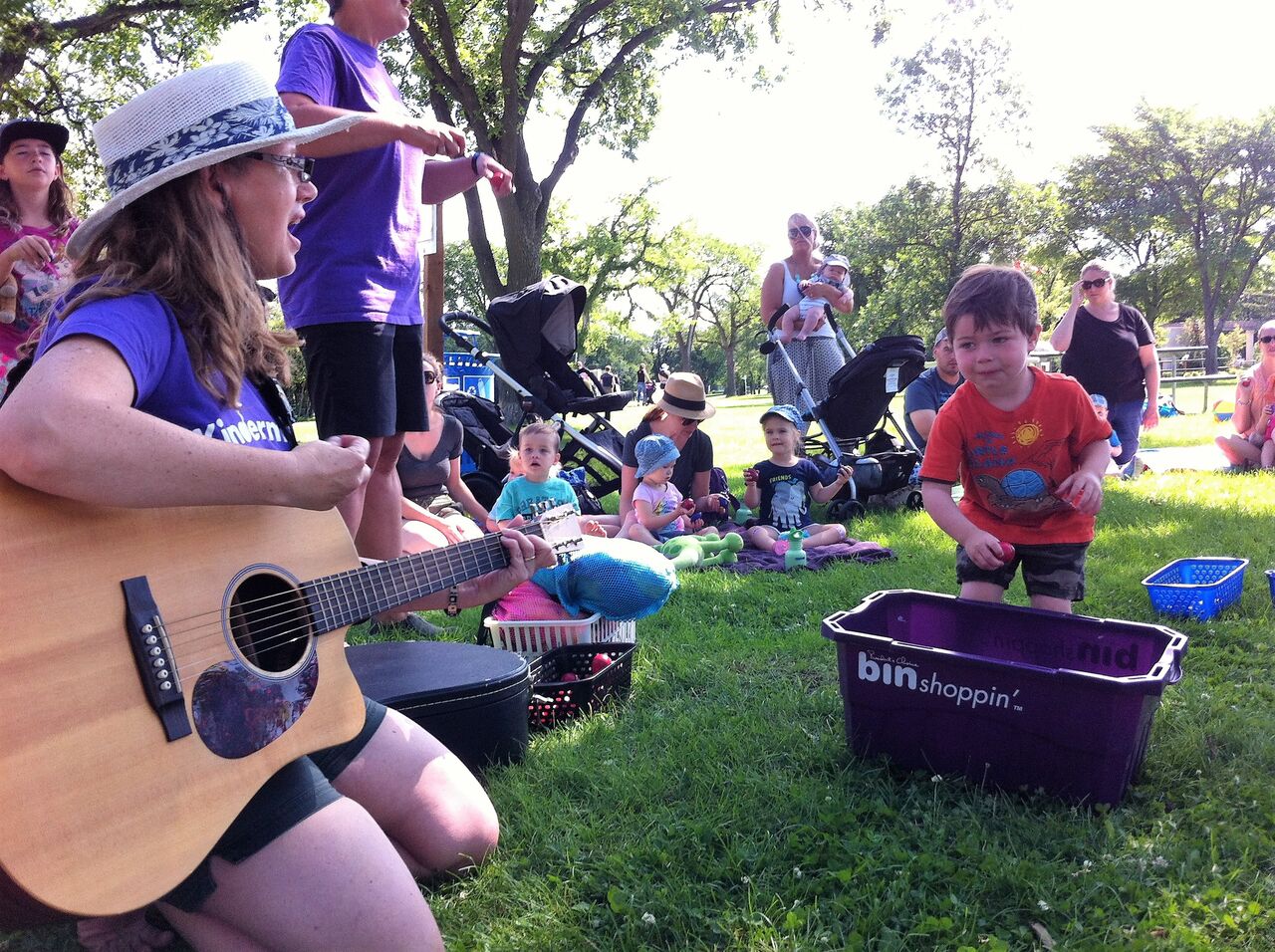
Educator Spotlight: Kylie Clift

[vc_row][vc_column][vc_column_text]A Kindermusik educator for 12 years now, Kylie Clift loves bringing music into the hearts and lives of Sydney-area families. Since the very beginning when she first opened Jim Jam Studios in 2006, Kylie’s #1 focus has been on making every student feel valued and special, accepted and celebrated for who they are. Lovingly known as Miss Kylie, her Kindermusik families describe her as “warm and enthusiastic,” someone whose “love of music education and her genuine belief in the benefits of music for children helps music to become an integral part of the Kindermusik families lives.” It’s no wonder that Jim Jam Studios is recognized by Kindermusik International as a MAESTRO studio.


[/vc_column_text][/vc_column][/vc_row][vc_row][vc_column][vc_video link=”https://vimeo.com/216779995″][/vc_column][/vc_row][vc_row][vc_column][vc_column_text]TC: What do you love most about being a Kindermusik educator?

KC: The connections we make every day and the feeling of achievement when you see a child do something for the first time or connect with their parent during class. And every class is different! I get bored easily, and this is the longest career I have ever had – but it’s because I find new challenges all the time.

kylie_clift_award

TC: Describe a special experience that has impacted you as a teacher.

KC: I had a beautiful mum who travelled over an hour each way to bring her children to my classes.  At one point she came twice a week with her two children in different classes. She caught the train, made it part of their weekly routine. Through house moves, financial stress and a relationship breakdown, Kindermusik was the consistent thing in her children’s lives. She was part of our Jim Jam family and the last day when her daughter finished (had been coming since ‘in utero’) and was heading off to ‘big’ school, we both cried as it was the closing of a chapter and the start of a new one. She also made lifelong friends along the way.

TC: Why did you open Jim Jam Studios?

KC: I was looking for a music class to take my daughter to and there was nothing locally. I had to travel 30 minutes to a class, and it was pretty ordinary (obviously it wasn’t Kindermusik!). I had always been a singer and involved in music but music education was a new challenge for me but something I was really excited about. I originally started working for two other studios to focus on the curriculum and learning with the idea to open my own studio locally after 18 months-2 years.  This turned out to be a great plan for me.

TC: What do you feel has made your studio business a success?

KC: My business went to the next level when I employed a admin assistant to handle phone calls and enrolments and do bits and pieces of other work for me. It was my weak spot and the one area I felt I was letting myself down. I decided to add 3 extra classes to teach each week to cover the cost of my admin as I would prefer to teach than do that and my numbers doubled in six months! So my best advice is to outsource what you cannot do yourself or what is not your strength.

kylie_and_a_child

TC: What makes your studio such a special place?

KC: It’s all about relationships for us. My intention when I started Jim Jam Studios was that no matter how big we got, every student would feel valued and special. I have taken my own children to lots of different activities where we are just a number, and they didn’t make an effort to build that relationship. We work hard to build strong connections right from the start.  When families walk in our studio they see a friendly face.  It is safe and warm, and children and adults are accepted and celebrated for who they are.

TC: If you had to name just one secret to success in the Kindermusik classroom, what would it be?

KC: Greet every child as they walk in the door, acknowledge them and make eye contact with them – it is gold and totally makes a difference to the way a class will go and how they will feel.

TC: What’s the funniest thing that’s ever happened to you as a Kindermusik teacher?

KC: We had a class about to start in one of our venues that was a church hall and a funeral company wheeled a coffin through the room to the church…we have a photo of our Kindermusik blanket with books and cuddly toys ready and then the coffin and pall bearers behind it…wasn’t what you expect to happen! I was teaching a class in a different venue at the time and was sent the photo on my phone.

TC: If you could share one tip with a new Kindermusik educator, what would it be?

KC: The first 12 months is the most challenging! Learning curricula, learning to teach small children and dealing with parents, this is the biggest learning curve – get through that and ask questions of your peers and learn from other educators as much as you can, there is so much knowledge in our Kindermusik Educator community.

TC: What’s something new and exciting that’s happening with your business?

KC: Last year we moved into new premises that are bigger which of course brings higher costs. My goal is to grow our Kindermusik program to 200 students but also offer arts programs after school so I can keep those Kindermusik students coming to the studio to either study music, art, drama or other arts programs through primary school. We are also looking at offering classes for special needs children and adults as there is a need in our community for this.

TC: Just for fun, what are some of your hobbies?

KC: I sing lead vocals in an 80’s tribute band called “Total Recall.”  It’s so much fun singing “grown up” stuff after a week of playing and singing with children! My stage name is Sheena Branagan.

TC: And what are some of your most beloved Kindermusik songs and dances?

KC: “Zum Gali,” “Come All You PlayMates,” and “Mama Paquita.”

TC: What is your favorite inspirational quote?

KC: “I’ve learned that people will forget what you said, people will forget what you did, but people will never forget how you made them feel.” –Maya Angelou

Here is a beautiful tribute to Kylie from Melissa, one of the Kindermusik mums at Jim Jam Studios

Kylie beautifully honours each child’s individuality and identifies their learning style very quickly. She is very kind and patient with her students. Kylie relates so well to the kids that while she works with each child’s personality “quirks” to ensure they get the most they can out of every lesson, they just enjoy themselves. Kylie’s ability to so quickly identify and then honour my son’s personality and learning style was imperative to him maintaining his interest for his 4 years with Kindermusik. She was amazing with both my kids from day one and for the 8 years we attended her Jim Jam studio.  

I now have two kids who are ahead of their peers with, and love both reading and maths. They enjoy listening to music and have dabbled with learning instruments. I have no doubt their Kindermusik years provided an incredible and solid foundation for their primary learning. So successfully, that when I asked my 6 year old about Kylie, she told me “She’s a nice teacher and I like it when we go in the bilibos. We didn’t do any music, we just had lots of fun.” She learnt so very much without even realising it![/vc_column_text][/vc_column][/vc_row]

Best Music Apps for Kids

Kindermusik App - Music App for Kids is used in every Head Start Program Kit

There are A LOT of music apps out there! A simple search in either the Google Play Store or the Apple Store returns a host of results. Don’t worry…we’ve sifted through the chaff to find the gems.

Remember, screen time can be beneficial when monitored, and it’s even more worthwhile when you spend time with your little ones as they explore these apps. After all, quality time with you is what they really want.

Continue reading “Best Music Apps for Kids”

Kindermusik – A Family Affair

family

[vc_row][vc_column][vc_column_text]A class for kids that’s really an experience for the whole family? Actually, yes! That’s the perfect description of Kindermusik, and one of the happy discoveries for so many families who enroll in Kindermusik.

But how exactly does a music class for kids become something that includes, engages, and supports the whole family? We love how this happens, beautifully and organically, but also inclusively and mindfully.


Beautifully

From rocking with baby in your arms to cuddles with your toddler or a circle dance with your big kid, Kindermusik invites families to bond together through happy exploration, creative interaction, and shared musical experiences. And because Home Materials are a part of every Kindermusik enrollment, families have the resources and the music to repeat and revel in these same precious, musical moments together at home all through the week as well.

Organically

Kindermusik simply and naturally supports and nurtures each individual child and family through shared activities in class as well as musical learning and engagement at home. The connection through music and learning happens so spontaneously, because the curriculum and the experience have been so carefully planned in advance. Kindermusik Home Materials foster the exploration and joy of music at home, with activities and scaffolding for both adult and child.

Inclusively

At the heart of Kindermusik is the family interaction – bringing families together through music both in and out of class. Class activities, communication, and tools and resources for home have all been intentionally designed to include children and their adults, from the adult-child classes in the earliest years to Sharing Time in the preschool classes to “Music at Home” activities for the older kids. Children learn best when they feel emotionally secure and supported, surrounded by adults who love and take interest in them.

Mindfully

We probably should have said “heartfully” instead of mindfully. It is both minds and hearts that become engaged and intertwined in the incredible experience that is the essence of Kindermusik. Over and over and over again, we have seen how being in Kindermusik helps make parenting a little easier and a whole lot more musical, helping you cherish these fleeting early years of childhood and store away treasured memories of smiles, cuddles, dances, and songs.

Connecting families is at the heart of what makes Kindermusik so special and so life-altering. In Kindermusik classes, the careful observer will see happy children gently supported by their loving adults in a musical environment designed to nourish little hearts, stimulate growing minds, and support strong family ties. There’s nothing quite like the way that music bonds us as humans, and nothing quite like the way that Kindermusik brings children and families together.

Check out a class near you!


Shared by Theresa Case who has loved bringing children and families together for over 20 years now in her award-winning Kindermusik program at Piano Central Studios in beautiful upstate South Carolina[/vc_column_text][/vc_column][/vc_row]
Kindermusik Reviews: The Beginning of Life

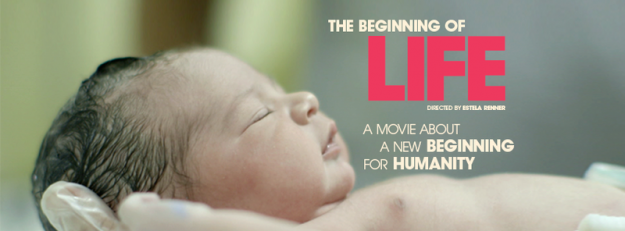
[vc_row][vc_column][vc_column_text]The Beginning of Life is beautifully composed, feature-length documentary written and directed by Brazilian film maker Estela Renner. Traveling across the globe, from her native Brazil, Kenya, China, and a host of other locales, Renner takes the viewer on a rich journey into the world of the developing child. [/vc_column_text][vc_separator][/vc_column][/vc_row][vc_row][vc_column][vc_column_text]

The Official Trailer for The Beginning of Life

[/vc_column_text][vc_video link=”https://www.youtube.com/watch?v=LHqUMqvL1RQ”][/vc_column][/vc_row][vc_row][vc_column][vc_column_text]Renner and her crew interview researchers, educators, parents, grandparents, and children from a diverse background, culturally and economically. Most challenge the long standing idea that children are born as a blank slate – the tabula rosa. Dr. Alison Gopnik of the University of California turns the table on this notion:

One of the things that we know is that babies are the best learning machines in the universe. Even philosophers and psychologists and psychiatrists thought that babies were irrational; they were egocentric; they were amoral; they didn’t understand cause and effect; they couldn’t take the perspective of another person. And in the past 30 years our science has taught us that everything is exactly the opposite. Instead of thinking of them as blank slates, really their the best scientists and the best learners that we know of…

– Alison Gonik, PhD

Current work in the field of child development tells us children are born with a natural proclivity for research. They form what are best described as experiments to test the world around them. How will physical objects respond when dropped? If I do it again will the same result occur? How will my parent respond? They build understanding of their surroundings through constant collection and processing of data.

Renner stitches together images of children exploring their world through every sense. Sights, sounds, textures all become fodder for “guesses or hypotheses” about how everything around them works.[/vc_column_text][blockquote cite=”Alison Gopnik, PhD”]We often say toddlers have trouble paying attention. What we really mean is they have trouble not paying attention. [/blockquote][/vc_column][/vc_row][vc_row][vc_column][vc_column_text]

A child enjoys playing with a piece of cloth in the wind.

[/vc_column_text][/vc_column][/vc_row][vc_row][vc_column][vc_column_text]As you watch this documentary, one can’t help but notice the diversity of the subjects of all types. Renner certainly spent a good deal of time in her home country, but she also made a very successful effort to include underrepresented populations and viewpoints from several cultures. The world somehow seems smaller after watching this film and we learn that the desire to compassionately care for children knows no borders.

One of the most touching segments involves a set of grandparents in China who help raise their granddaughter while her parents work. The grandfather sings to the little one in Mandarin as she leans against her grandmother. Pedro Lima’s score artfully accompanies his song. The grandfather states:

The happiest moment of my day is when my granddaughter calls me grandpa when she wakes up. And when we eat together and she asks me to hold her and to eat on my lap.

This plays into the expressed notion that it does indeed take a village to raise a child. One researcher tells us that children are raised by individuals, not institutions. It is the interactions children have with the people around them that help shape who they are and how they, in turn, interact with their world. The things that have the greatest impact cost nothing. Words…talking to babies, to toddlers…literally help the brain develop and helps them increase their understanding of life, and words are free.

beginning of life
Grandpa sings to his granddaughter.

[/vc_column_text][/vc_column][/vc_row][vc_row][vc_column][vc_column_text]The Beginning of Life delivers its message – the importance of investing time in nurturing a child in the all-important initial years – with solid science and skillful direction, resulting in an elegant film, abundant in scientific information easily understood. As you bounce from English to French to Portuguese to Italian to Hindi to Spanish, it’s difficult to not draw a comparison to what it must be like for that infant taking in unknown sounds and working to understand what they mean. Is it possible this was intentional? Perhaps. Perhaps not. Regardless, it does remind us that no one country, no one culture has a monopoly on honest interest in seeing our most important resource cherished, loved, and provided for. We are truly in this together, and the opportunity this film affords all who watch it is a tremendous one. The opportunity to hear from Chinese grandparents and Kenyan orphanage workers and Indian children is invaluable.[/vc_column_text][/vc_column][/vc_row][vc_row][vc_column][vc_column_text]Renner deftly weaves interviews with respected researchers, scientists, and even Raffi Cavoukian, the beloved Egyptian-born, Canadian children’s entertainer, with parents, grandparents, and the children themselves. The film holds the viewer’s attention with beautiful visuals and wonderful information that may change the way society looks at the importance of these early years. When we spend time with our children as they enter our world, when we make it easier for families to take time off from work to be part of the initial acts of the play of life, everybody wins. Raffi said it best:[/vc_column_text][/vc_column][/vc_row][vc_row][vc_column][blockquote cite=”Raffi”]”When you pay attention to the beginning of a story, you can change the whole story.”[/blockquote][/vc_column][/vc_row][vc_row][vc_column][vc_column_text]The Beginning of Life is currently streaming on Netflix and can also be watched on Youtube for $1.99. Do yourself a favor: grab some popcorn and your favorite beverage, set aside an hour and a half, and watch this documentary. You’ll be glad you did.[/vc_column_text][/vc_column][/vc_row]

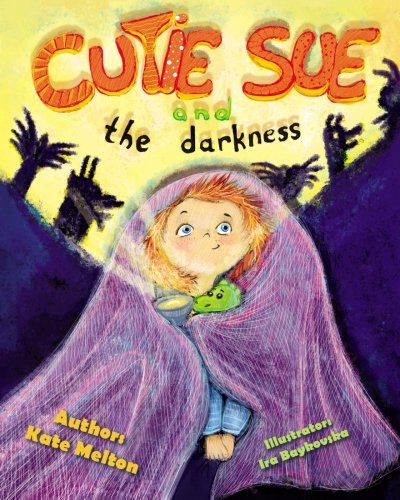
Kindermusik Reviews: Cutie Sue and the Darkness

[vc_row][vc_column][blockquote cite=”Cutie Sue and the Darkness”]“She feared almost nothing except for one thing:
She hated the nights and the darkness they’d bring.”[/blockquote][/vc_column][/vc_row][vc_row][vc_column][vc_column_text]You know you have a winning combination in a bedtime story that’s as adorable as it is relatable.  Kids and parents alike understand what it’s like to be afraid of the dark.  And this book gives parents a wonderful tool in helping kids face that fear and deal with it, just like Cutie Sue, the heroine of the story.

We have to give this book two thumbs up because it checks off so many things on our “great read for kids” list.  From the cover to the first opening pages, two things immediately capture your attention – the gorgeous, vivid colors in the illustrations and the delightful introduction to the main character, Cutie Sue.[/vc_column_text][/vc_column][/vc_row][vc_row][vc_column][vc_column_text]Cutie_Sue-1[/vc_column_text][/vc_column][/vc_row][vc_row][vc_column][vc_column_text]Author Kate Melton has created a short, yet well-developed story line that rhymes in such a way to be fun, but not so predictable in the way it rhymes to enjoy reading aloud. And since we’re pretty sure this book will become a fan favorite in your home, readability and repeatability were two of our most important criteria for giving this sweet children’s story one of our highest recommendations.

But why would you want to read a book to kids about being afraid of the dark? Couldn’t that actually plant the fear in their minds or make them more afraid? Quite the contrary! Kids deal with all kinds of fears throughout childhood, but especially when they are younger, they don’t always know how to express or deal with those fears. So a book like Cutie Sue and the Darkness not only gives children a kid-friendly tool for dealing with their fear, but it also inspires them with a context for facing that one universal childhood fear – being afraid of the dark.

What’s really appealing to adults about Cutie Sue and the Darkness is how Cutie Sue’s parents help her deal with her fears. There are some very helpful ideas for parents in the story!

We especially love the great ending. Not only does Cutie Sue bravely conquer her fear of the dark, but she then teaches her little brother, Charlie, about how to be brave.[/vc_column_text][/vc_column][/vc_row][vc_row][vc_column][vc_column_text]Cutie_Sue-2[/vc_column_text][/vc_column][/vc_row][vc_row][vc_column][vc_column_text]If you become a fan of Cutie Sue like we have, you’ll be delighted to know that the book is part of a series the author is writing.  Looks like we will have many more Cutie Sue books to look forward to in the future!

Cutie Sue and the Darkness by Kate Melton and illustrated by Ira Baykovska is a great read for kids ages three to six and can be purchased in paperback and e-book formats.


Review shared by Theresa Case, who loves a good children’s book find any day, especially one she can share with the families in her award-winning Kindermusik program at Piano Central Studios in the beautiful upstate of South Carolina[/vc_column_text][/vc_column][/vc_row]
Music of the Earth

Happy Earth Day! Well…it will be Earth Day in a couple days. First observed in 1970, Earth Day is intended to bring awareness to environmental issues and our interconnectedness to the only home we’ve ever known. Carl Sagan Said it best:

“…That’s here. That’s home. That’s us. On it everyone you love, everyone you know, everyone you ever heard of, every human being who ever was, lived out their lives. ”

– Carl Sagan, Pale Blue Dot: A Vision of the Human Future in Space

Dr. Sagan was referring to a photo of the Earth taken on Valentines Day, 1990, by the Voyager 1 spacecraft from a distance of about 6 billion miles. Here’s that iconic image:

Pale_Blue_DotThat’s the Earth – Sagan’s Pale Blue Dot – the tiny speck in the yellowish beam of light. Puts things into a different perspective, doesn’t it?

Well, our perspective is music, and believe it or not, the Earth makes its own music; we just have to listen for it. Let’s explore Mother Nature’s symphony.

Singing Stones and Ringing Rocks

Yep. Stones can sing – and I’m not referring to Mick Jagger and Keith Richards (although, those guys can sing!).These amazing, natural rock formations can be found all over the globe, from Bucks County, Pennsylvania to Omaruru, Namibia. The rocks ring like a bell when struck, producing different tones depending on physical make up and size. Here’s the interesting thing: scientists still can’t come to a consensus on what causes the rocks to ring. Regardless, they still sound beautiful. Take a listen! Interested in checking out ringing rocks for yourself? Here’s a list of locations over at Wikipedia.

The Sea Organ

Ok…this one is a bit of a stretch. In Zadar, Croatia, a human-made structure is played constantly by the waves of the sea. From the website, Odd Music:

The Sea Organ (morske orgulje) is is a natural musical instrument, seventy meters long with thirty-five organ pipes built under the concrete. The musical pipes are located so that the sea water and wind movements produce musical sounds that are heard by passers by so that it achieves a communication with nature and promotes a unity of architecture and environment. As sea forces and energies are unpredictable in terms of tides and winds, this organ offers [a] never-ending concert of numerous musical variations in which the performer is nature itself.

That’s the key here, friends – nature itself is the player of this instrument. If there ever was an example of humanity and the earth coming together to make music, this is it. Have a listen – it’s mesmerizing.

Aeolus – The Wind Sculpture

The Aeolus Acoustic Wind Pavilion - photo: newatlas.com
The Aeolus Acoustic Wind Pavilion – photo: newatlas.com

This piece of art, created by Luke Jerram, falls into the same category as the Sea Organ; this is on a smaller scale but no less beautiful. Here is a human-made instrument designed to be played by one of the earth’s forces – the wind. In Greek Mythology, Aeolus was the ruler of the winds, so the sculpture is aptly named. Consisting of 310 stainless steel pipes with some containing suspended harp strings, Aeolus is always being played whenever the wind is blowing.

For some time, the sculpture was traveling around England but now has a permanent home in Canary Wharf, London. If you’re there, check it out! We certainly have done much with music as a civilization, but remember, the oldest musician around is the Earth itself. Beyond sounds of the planet, other inhabitants make music from bird songs and whale songs to the buzzing bees and howling wolves. Music is all around us. Take some time this week to go outside, maybe to a park, and listen to the music of nature. You might just find some inspiration for your own music!