Posted October 27, 2009
 Recently, Miss Analiisa blogged about the healing power of music. She cited an article, “Better Minds Through Music,” written by Michael Shasberger, Adams Professor of Music and Worship. Because this is such great information, I’d like to build on her blog with further research I conducted, and tell you more about the fascinating, life-impacting research being done on music and the brain. Your children and mine can benefit immeasurably from putting into practice what researchers are discovering about the relationship between early exposure to music training and cognitive development.
Michael Shasberger’s excellent article was written primarily to fight the elimination of music programs from budget-strained elementary schools. He writes that study after study has demonstrated the profoundly significant impact music makes on children’s intellectual and social development. Academic performance and social behavior are positively impacted:
“Students involved in arts in the curriculum are four times more likely to be recognized for academic achievement, three times more likely to be elected to class office, four time more likely to participate in math and science fair, three times more likely to win an award for school attendance and four times more likely to win and award for writing an essay or poems. Young artists, as compared with their peers, are likely to attend music, art and dance classes nearly three times as frequently; participate in youth groups nearly four times as frequently; read for pleasure nearly twice as often; and perform community service more than four times as often. The benefits of exposing children to music and the arts are indisputable.”
Music’s power to heal is also well-documented. Neuroscientist Daniel Levitin has written books and produced an award-winning documentary, “The Music Instinct: Science and Song.” His research explores music’s power to touch our emotions, which has impact on our psychological and physiological systems. Findings show that music can alter and heal parts of the brain. For example people with Parkinson’s disease have been able to walk better because of listening to a rhythm soundtrack. And some stroke patients with aphasia (lack of speech) have been able to regain speech by beginning with singing what they were trying to say.
We know of music’s restorative properties, but how does music impact the brain development of our children? Researcher Sheila Woodward of USC discovered that fetuses in the womb respond to music at 17-19 weeks gestation. Michael Shasberger’s research suggests that music integrates both sides of the developing brain. Playing notes is a very sequential left-brain process. Seeing overall patterns, integrating the expression of the whole piece and dealing with rhythmic patterns are right brain skills. Math skills are required in timing and counting and fine motor skills must put it all together in the playing of the instrument. Music provides a total brain workout, Strasberg concludes.
The College Board that runs SAT testing backs this up. Music students post a consistent 10 % advantage in math and verbal scores. Dr. Frances Rauscher, a psychologist at the University of Wisconsin at Oshkosh states that musical training enhances abstract thinking and spatial-temporal ability even more than computer training. He concludes; “Music has an obvious impact on the brain and should be supported and encouraged in early childhood education.”
In conclusion, providing a music-rich environment early on can have a very positive impact on our children. Here are a few practical suggestions to integrate music into your kids’ daily lives:
Expose your kids to high quality music. Borrow CDs from the library. Listen to your Kindermusik CDs. Find the classical radio stations in your area. Purchase an inexpensive CD player for your child to enjoy his or her “own” music. Pair special occasions with special songs.
Enroll your kids in Kindermusik classes. Take them to concerts. There are many free ones in the summer and at libraries. Check the schedule for kids’ concerts at Benaroya Hall. Check the regular concert schedule too. Kids enjoy more kinds of music than you might think!
Make music at home. Invest in a musical instrument set to play rhythms, march and sing along to. Sign your children up for music lessons. My kids loved piano lessons.
-by Donna Detweiler who has a new appreciation for her husband’s habit of turning classical music on every night at dinner time.
Special thanks to Donna Detweiler and Analiisa Reichlin for allowing us to share such an informative post from the Studio 3 Music Blog. Analiisa is Director of Studio 3 Music in Seattle, Washington, the world’s largest Kindermusik program.
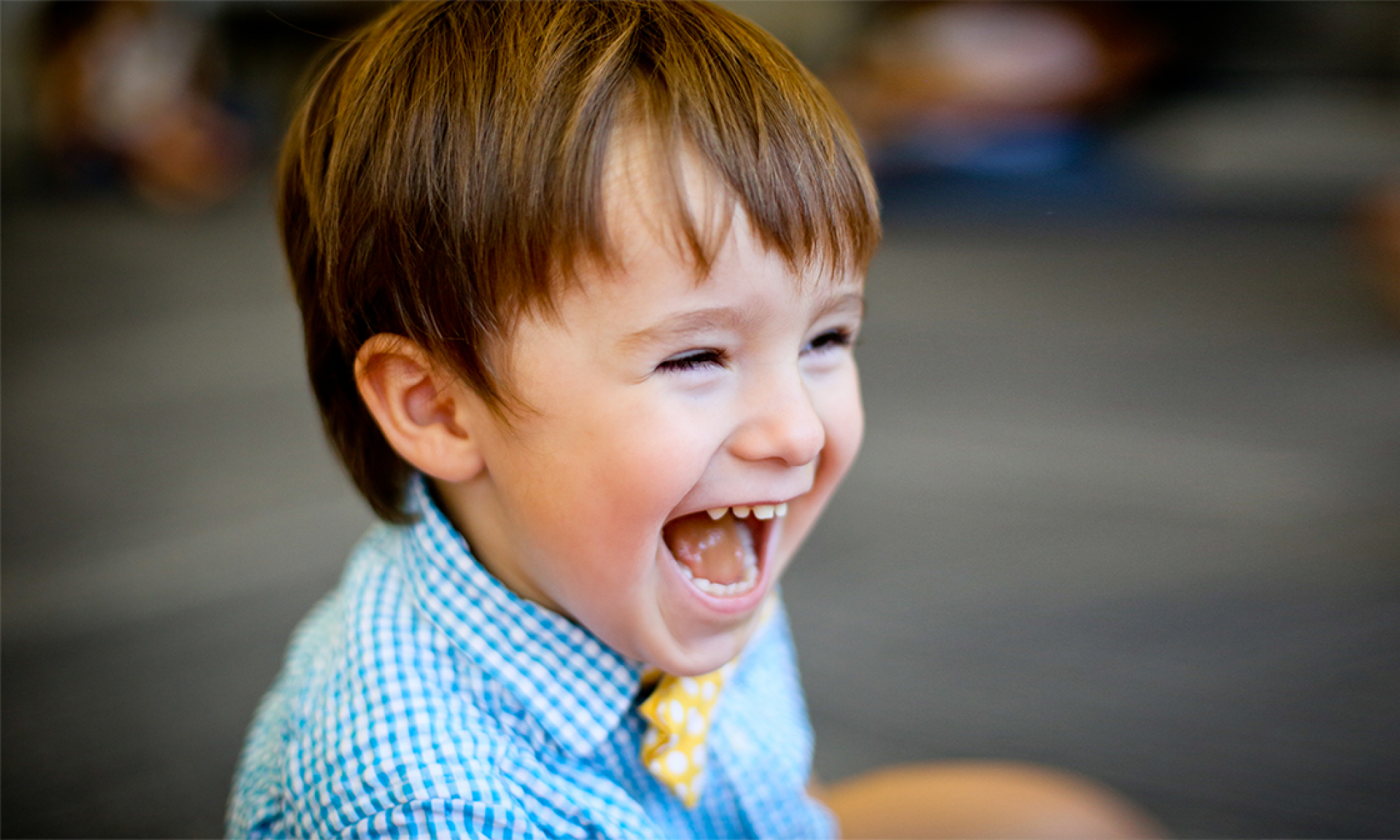

 For many years, I've been looking for the words to describe why music is such an important presence in a child's early development. There's the brain research, yes. Compelling and interesting, however it's kind of gross to talk about a child's mind in terms of neural networks and neuron firing.
 To laugh often and much;
  What better way to celebrate “Book Lovers Day” on November 7 than to read a book? We all know that reading to our children is an important part of their intellectual and emotional development. But why is that? Parent and Child Magazine addresses the issue with a terrific article by Susan B. Neuman, professor of childhood studies at the University of Michigan. The article can be found here: http://content.scholastic.com/browse/article.jsp?id=8056
 I love being around children. And it's not because I teach them wonderful Kindermusik songs and show them how to dance gleefully around the room, all the while helping their brain neurons begin to make those vitally important connections.
 Want to win a free semester of Kindermusik, including tuition and home materials?
  We called our maternal grandmother Goppy. She grew up in San Francisco and lived through the great earthquake of 1906. She credited her longevity of 101 years to her favorite breakfast: vanilla ice cream and brandy! She was a lover of music all her life and was so proud of the work Kindermusik educators do. She would frequently remind me, usually a bit sternly, "Take care of those ladies, Michael." When your 98 year-old grandmother tells you that, you listen!
 Sweetest Day is Saturday, October 17.
 Since seven-month-old Louie shined so brightly in puppy class, we figured he was ready for an advanced degree, and we signed him up for a novice-level obedience class at our local high school. So on Tuesday evenings my husband and I take him to learn good canine manners: sitting, coming, and lying down when asked; walking nicely on a leash; and the skill Louie finds most challenging, a canine skill that’s all about not doing something you really want to do: “leaving it.” Louie is learning to “leave it” by sitting back when there’s a doggie treat beckoning right in front of him. Eventually he’ll be able to “leave it” when he spies a tempting piece of garbage on the sidewalk or a smelly sneaker just waiting to be chewed.