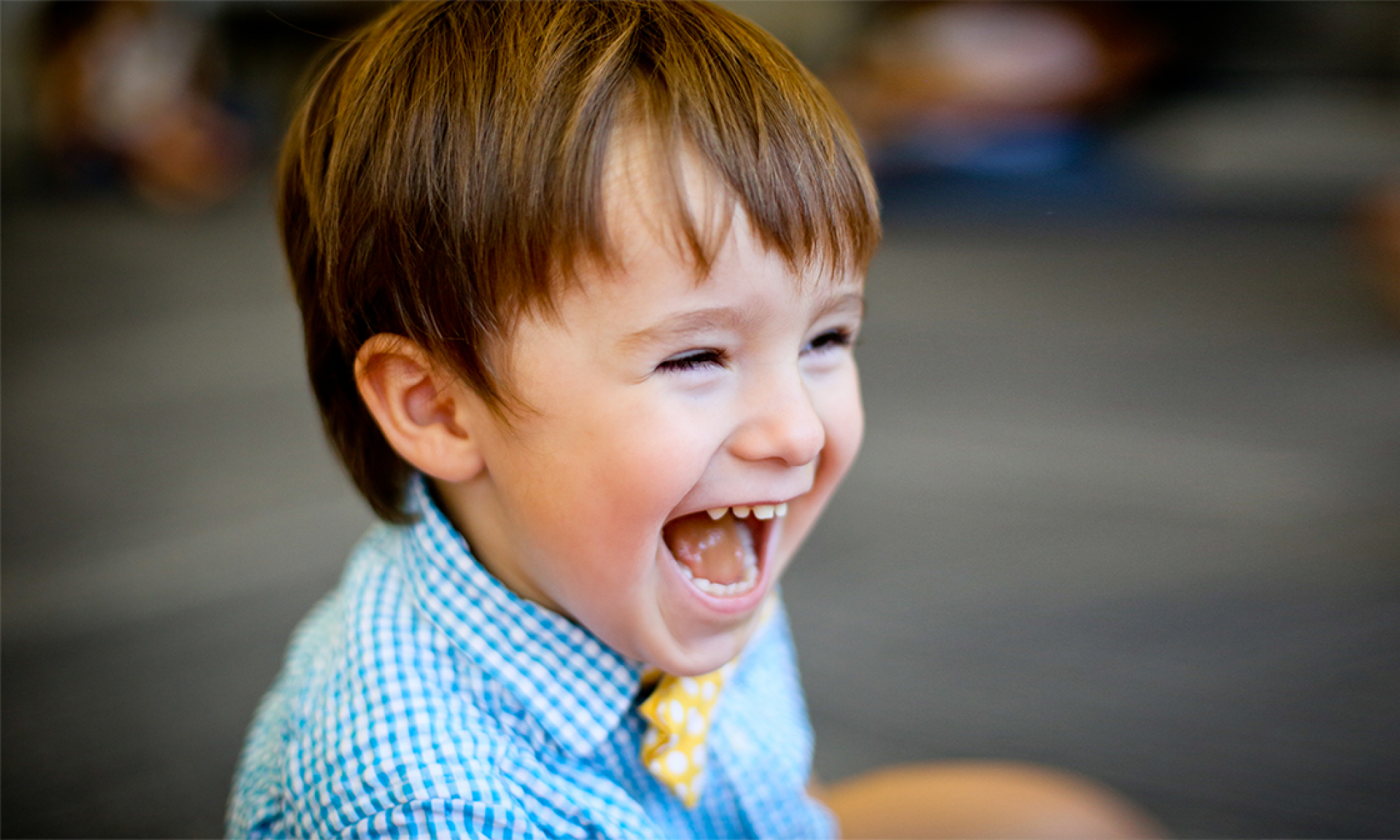

Kindermusik educator (and board certified music therapist), Whitney Ostercamp, posted the below after attending the American Therapy Music Association’s (AMTA) annual conference:
Whew! What a conference! It was an amazing weekend of learning, sharing, and networking with other music therapists. It’s an exciting time for music therapy as more research on music and cognition is becoming readily available. I couldn’t help but notice how much information from this conference is applicable to any Kindermusik studio. Here are my top ten tips from the AMTA conference that will easily transfer to your Kindermusik studio:
10. Be sure to know what skills your typically developing kiddos should be able to do. If they aren’t there, you know what skills they need to develop.
9. Go from simple movements to more complex movements when working with preschoolers.
8. Remember to follow the child’s interest. Are they loving a particular song? How can you expand what they’re doing to further meet their needs?
7. Implement “heavy work” when you can. For more ideas, visit http://www.sensory-processing-disorder.com/heavy-work-activities.html
6. Be sure to consider how parents support a child’s development.
5. Really make your transitions good, especially when working with kids with special needs.
4. Repetition, repetition, repetition!
3. Develop proficiency in technology, as it is becoming so vital to any musical career.
2. Don’t forget how important routine is to child development.
1. Love your job!
Georgia On My Mind
Kindermusik educator (and board certified music therapist), Whitney Ostercamp, sends the below greetings from the American Therapy Music Association’s (AMTA) annual conference:
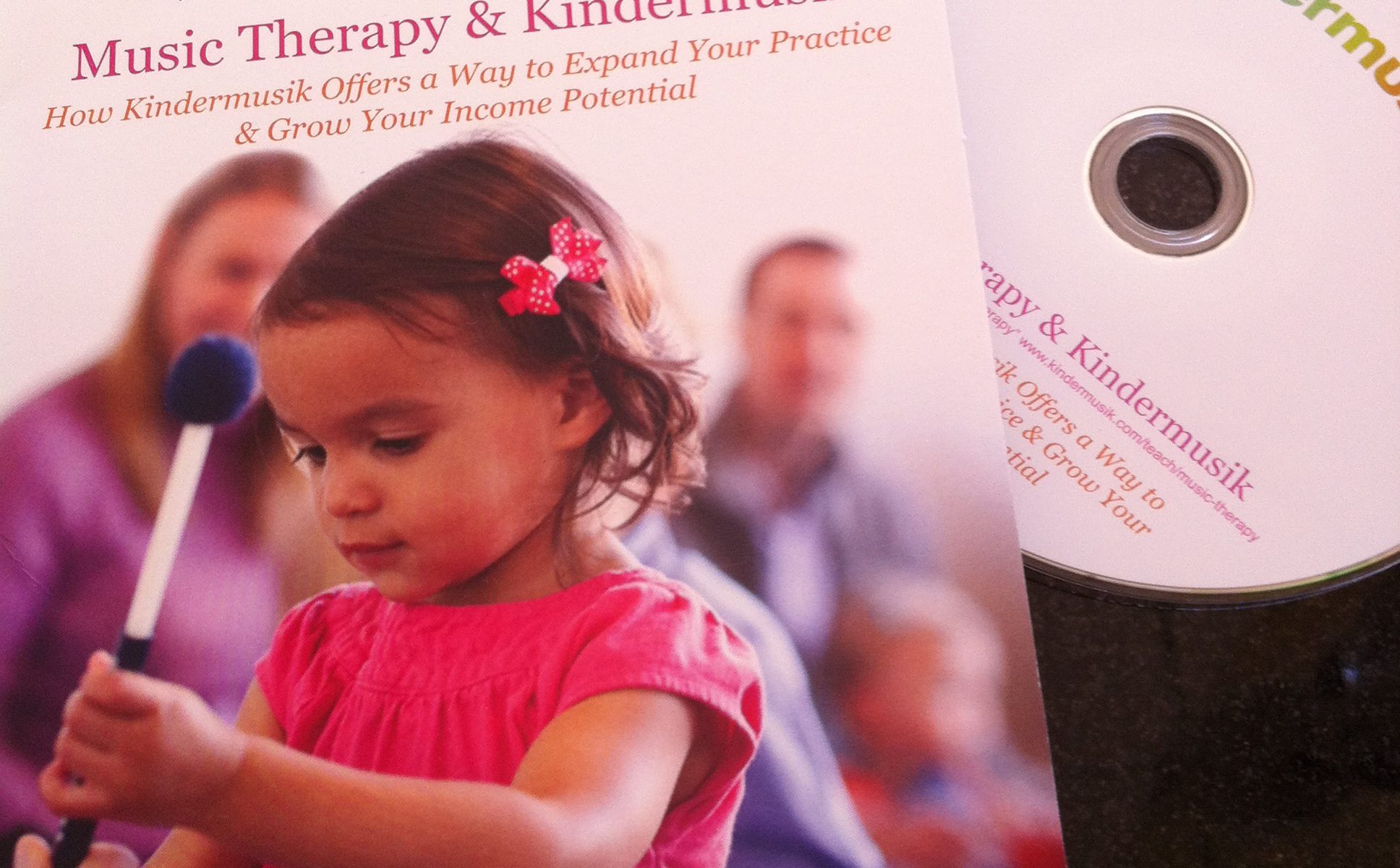
Hello from the American Music Therapy Association’s annual conference in Atlanta, Georgia! I’ve been here less than 24 hours, and the weekend is already off to an exciting start. Upon my arrival, the first order of business was to check in at the registration booth. The event staff handed me my name tag and a welcome bag. I peeked inside the bag expecting to discover local coupons, but to my delightful surprise, look what greeted me:

What a wonderful opportunity for music therapists to learn about Kindermusik! Offering Kindermusik classes in addition to music therapy services can help grow a private practice and increase income potential. During the opening session of the conference, as “Kindermusik International” was recognized as one of the conference sponsors, I heard a few joyful whistles from the attendees. It’s wonderful that the two worlds of Kindermusik and music therapy function so harmoniously together. I’ll be updating a few more times from the conference as I attend sessions and pick up bits of information that are practical to the Kindermusik Educator.
To all the music therapists out there, Kindermusik is currently offering a discount on the training to become a Kindermusik Educator. Only $150 + s/h & sales tax; regular $396 value! Visit http://www.kindermusik.com/teach/music-therapy/ for more information.
Musically Yours,
Whitney Ostercamp, MA, MT-BC
[youtube=http://www.youtube.com/watch?v=XWOtcF5pNA4&feature=channel_video_title&w=480&h=360]
FOL Fridays: Singing
A baby’s first singing experience is really one of rapt listening. A baby’s vocal chords may be limited by lack of muscular development, but interestingly enough, her ears can differentiate one pitch from another. Joyfully nurturing a child’s developing ability to produce sound, combined with keeping her world full of a wide range of sounds, gives the foundation that assures the development of speaking, singing, and the ability to engage in conversation.
Tips for parents: The more exposure to music that you can give your child, the better. And it can be as simple as turning the music on so that your child can be listening to music throughout the day. Try out some fun new music from play.kindermusik.com or buy the Kindermusik radio mobile app so that music is only a touch away.
– Contributed by Theresa Case, whose Greenville, SC program, Kindermusik at Piano Central Studios, is proudly among the top 1% of Kindermusik programs worldwide.
It's Not the Grant that Makes a Difference, It's the Recipient

Earlier this year Kindermusik International gave out five $1,000 grants as part of the Good Beginnings Grant Program. The grants could be used by the recipients in any way they saw fit as long as the purpose was to help children. Over the past 8-10 months, we’ve had the honor and pleasure of keeping in touch with the grant recipients to find out how things are progressing at their different organizations.
One such update came into our inboxes the other day and we wanted to share some of highlights from it. The grant recipient was Kim Stadler and her organization is A.R.T.S., Arts Refreshing the Soul. A.R.T.S. employs various creative art programs to promote emotional and spiritual healing for women and children who are recovering from domestic abuse, drug addiction, poverty, and homelessness. One of the programs Kim uses is our ABC Music & Me curriculum. While we didn’t require that any of the Good Beginnings grant money be spent with Kindermusik, we were excited and honored when Kim told us she would be using her grant to purchase ABC Music & Me for A.R.T.S.

Kim came to establish A.R.T.S. several years after her children were born. She’d left an assistant principal position to stay home with her kids and as they grew she saw how important art was to their development—they got music exposure in a local Kindermusik program and art exposure at preschool. Having previously been a music teacher, Kim knew the important role art can play in a child’s development, but seeing this first-hand with her own kids brought her understanding to a new level.
She was later exposed to a music program on the south side of Chicago which used music as a tool for helping the underserved in that community. She was instantly hooked and couldn’t get the kids out of her mind. She said, “I couldn’t pretend not to see how much they loved it, needed it, and wanted it, and yet it just wasn’t available to most kids in their situations.” With that, her traditional education career was over and she began the process of setting up a non-profit. The goal was to build a comprehensive arts program for the underserved children in her area.
Those of us at Kindermusik International were overjoyed when we learned that the first money Kim received for starting her non-profit was from the Good Beginnings grant. Last week she checked in and here are a few excerpts from her wonderful email: Continue reading “It's Not the Grant that Makes a Difference, It's the Recipient”
Good Read: Healing at the Speed of Sound
 Don Campbell has been a long-standing friend of Kindermusik International and has a widespread fan base among Kindermusik educators. After The Mozart Effect was published in 1997, Don shared his passion and discoveries with Kindermusik educators at the 1999 Kindermusik Convention in Minneapolis. To say his message resonated with our educators is an understatement!
His new book, co-authored with Alex Doman, Healing at the Speed of Sound, boldly underlines what forms the basis of Kindermusik’s passion for incorporating music and movement more fully into the lives of children and their families. Music is powerful. The abundance of research that now supports the hypotheses of the 90’s lends credence to the long-lasting and far-reaching benefits of music – for children AND adults. This book helps you understand how sound affects health and healing, reduces stress, and stimulates cognitive process and memory. Add the fun, joy, and social benefits of a Kindermusik class and you know it’s true… A good beginning with Kindermusik never ends. Continue reading “Good Read: Healing at the Speed of Sound”
FOL Friday: Hearing Patterns
When children drum along to the rhythms in a song or to their own name, they practice careful listening and pattern recognition. This is one way children hear sounds in words – a skill necessary for word recognition, speaking, reading, and writing. Each time a child is exposed to a new object or experience, new neural connections are made in his brain. So, even babies can learn from banging against a homemade drum.
Ideas for parents: Turn a plastic bowl or empty oatmeal container into a simple homemade drum. Let babies learn the cause and effect by just banging on the drum. Allow your toddler to drum away – to a favorite recording or just to the song in his heart. You can also play an easy “Echo Me” game where you chant a short, simple rhythm and they tap it back to you on their drum. You can up the challenge for your preschooler or big kid by asking them to tap back the rhythms in a favorite song or the rhythms of some fun words.
– Contributed by Theresa Case, whose Greenville, SC program, Kindermusik at Piano Central Studios, is proudly among the top 1% of Kindermusik programs worldwide.
[youtube=http://www.youtube.com/watch?v=8qpTJcUj5YI&feature=channel_video_title&w=480&h=360]
Ben. Autism. Kindermusik. Dancing. Miss Allison. They’re all connected.
The below article is from Miss Allison, of Studio3Music, the largest Kindermusik studio in the greater Seattle area. You can visit Studio3’s Web site here.
 The big question of what I would be when I grew up was not such a big question. I’d known since before I went to school that I wanted to be a teacher. Occasionally I get an AFFIRMED stamp on that decision, and on those days my heart just sings. Last week, on Tuesday morning, October 4th at about 10:55, I had one of those moments.
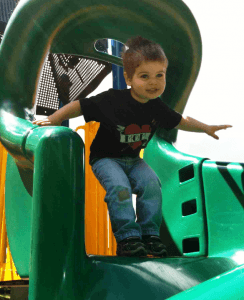
I have this little guy in that Our Time music class. His name is Ben, and he’s been in class with me since before he was born. I actually think he was in class before his mother even knew she was pregnant. After he arrived on the outside of mom, he came as a tag along in a car-seat with his older brother, and when he could sit up, he came to Village (you don’t have to wait that long… come before they sit up!) and now he is coming to his second year of Our Time. So he’s less than three years old and has been in class longer than that.
Ben and I have a connection that I can’t quite explain… so when his mom came to me last fall and said Ben had been diagnosed somewhere on the Autism spectrum I was literally shocked. Not this child, who is so lively and connected, who smiles at me and hugs me and makes eye contact and snuggles into my shoulder so tight that you couldn’t slide a piece of paper between us. Nope. I couldn’t see it… ‘cause Ben and I are connected.
But I started watching him with other folks and I did notice that he only makes eye contact with his mom and me in class. He doesn’t touch anyone but the two of us, and he doesn’t really interact with the other children, and the other moms are treated like shadows on the wall. He is very interested in the activities, but on his terms. So after the shock wore off, I began to understand. It didn’t change anything, ‘cause Ben and I are, well… we’re connected. Continue reading “Ben. Autism. Kindermusik. Dancing. Miss Allison. They’re all connected.”
Minds on Music Quote

“Music is the hardest kind of art. It doesn’t hang up on a wall and wait to be stared at and enjoyed by passersby. It’s communication. It’s hours and hours being put into a work of art that may only last, in reality, for a few moments…but if done well, and truly appreciated, it lasts in our hearts forever. That’s art. Speaking with your heart to the hearts of others.”
– Dan Romano

What Real Riches Mean to Us
“Real riches are the riches possessed inside.” – B.C. Forbes
That’s why we cherish those impromptu, heartfelt hugs our children give us. Those hugs are the stuff memories are made of, the kind of memories we hold in our hearts forever. And nothing prompts a hug faster than when you are truly present with your child, engaged together in an activity that brings a smile to his face.
Kindermusik educators all around the world are privileged to observe these smiles and spontaneous hugs nearly every week in class, and we regularly hear from parents about the joy that overflows at home too, all as a result of one amazingly magical experience… Kindermusik.
But the benefits of Kindermusik – especially the giggles and the hugs – aren’t just reserved for a select few. As licensed educators in partnership with Kindermusik International, our shared mission is to change the world through music, one child and one family at a time.
We’d like to invite you to see what it’s like to be a part of the Kindermusik community. Just sign up try a free preview class at the Kindermusik studio nearest you. We know you’ll love the class. And we promise, you and your child won’t be short on hugs, music, laughter, or learning either!
– Shared by Theresa Case whose Kindermusik program at Piano Central Studios in Greenville, South Carolina, is proudly among the top 1% of Kindermusik programs worldwide
Free Music Download: "Wild Geese Are Flying"
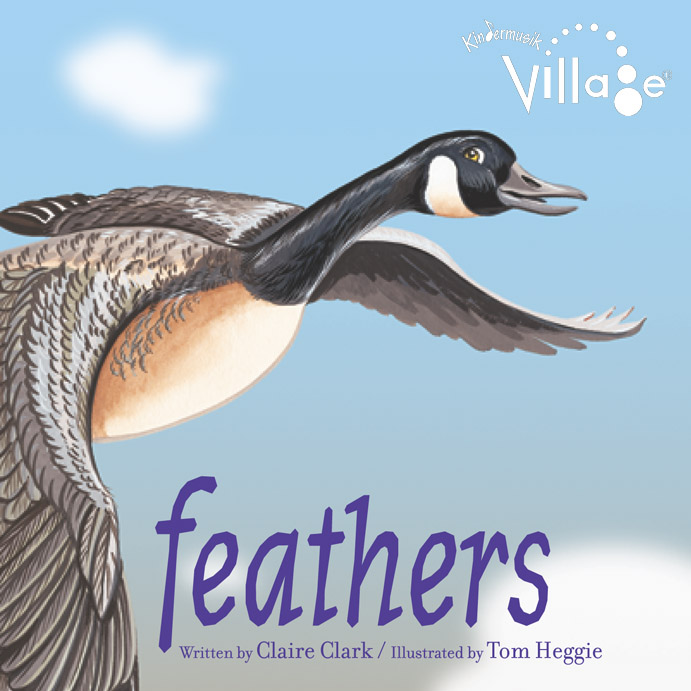

Kindermusik celebrates the changing of the seasons with a free music download. Go to play.kindermusik.com to download the free kids song “Wild Geese Are Flying”. You will need to login (if you’re already a Kindermusik parent) or register to receive the free song. Just search for “Wild Geese Are Flying.”
Parent & Child Bonding Activity:
Read aloud the below poem on wild geese, after you listen to your new song and talk about the birds’ yearly migration South!
SOMETHING TOLD THE WILD GEESE
By Rachel Field
Something told the wild geese
It was time to go,
Though the fields lay golden
Something whispered, “snow.”
Leaves were green and stirring,
Berries, luster-glossed,
But beneath warm feathers
Something cautioned, “frost.”
All the sagging orchards
Steamed with amber spice,
But each wild breast stiffened
At remembered ice.
Something told the wild geese
It was time to fly,
Summer sun was on their wings,
Winter in their cry.