

Singing “Hello” to Build Language Skills

Our friends at Kindermusik by Sound Steps in Dallas, TX tweeted this adorable video of a super cute Kindermusik toddler singing “Hello!” This video is a great example of how babies and toddlers build language skills through music. Plus, listening and practicing the cues in the song (waving, bouncing, etc) also begins the early building blocks for self-control. So, sing Hello with us and don’t forget to reinforce the learning with the take home activities provided for each Kindermusik music class!

[youtube=http://www.youtube.com/watch?v=eWQtTkVlLSU&feature=youtu.be&w=480&h=360]

A Happy New Year’s Minds on Music Quote

Minds on Music Quote

Minds on Music Quote“May your coming year be filled with magic and dreams and good madness. I hope you read some fine books and kiss someone who thinks you’re wonderful, and don’t forget to make some art — write or draw or build or sing or live as only you can. And I hope, somewhere in the next year, you

surprise yourself.” -Neil Gaiman

Happy 2012 from your friends at Kindermusik!

So-long 2011, Hello 2012

Musical New Year

The below blog post comes from our friends at Kindermusik by Sound Steps in Dallas, TX. The Kindermusik community wishes you and yours a Happy & Musical New Year!

It seems so cliche, and I hate to be a cliche, but there’s no getting around the facts that the Musical New Yearend of something demands reflection and the beginning of something offers hope. For this post’s purposes, I’m talking about “so-long 2011″ and “hello 2012.”

I don’t doubt that you have a list of happy things and sad things that you have experienced this past year. There have been years in the past that I couldn’t wait to kick down the road and other years that had so many beautiful experiences, that I thought would never compare to any year to come. But usually, it has been a combination. Being the prevailing optimist that I am, I can usually see the reason or the resulting growth for the painful times and can eagerly embrace the blessings for what they are.

Now, let me wave my “Being a Mom is Complicated, etc!” banner and encourage anyone out there who has moments of confusion, identity crisis, questions of worth, longing for an old life or a more exciting life. I really don’t think there’s enough talk about these years with little ones and how intense it can be with no end in sight. How vulnerable or insecure you can feel, comparing yourself to other moms and so on. I can hardly put it into words what it feels like to love the job of being a mom and loving those precious babies so much and yet having moments of feeling like wondering who you are separate from those babies and that role and trying to remember what you like to do without feelings of guilt or selfishness.

I’m sure you have your own version and I’m sure, like my version, it’s more complex than 3-4 sentences and it is tied to experiences about your own mom, your hopes for being the best mom you can be and p.s., all of the other roles you have in you life as a human. And guess what? There’s not really a pause button on life where you can take your time and analyze it, strategize it and then press play and put it into action. But, I will say that it’s a worthy quest with no wrong answers and no dumb questions. Continue reading “So-long 2011, Hello 2012”

Getting Your Child Ready for School

Getting Your Child Ready for School

Music and Social-Emotional Skills

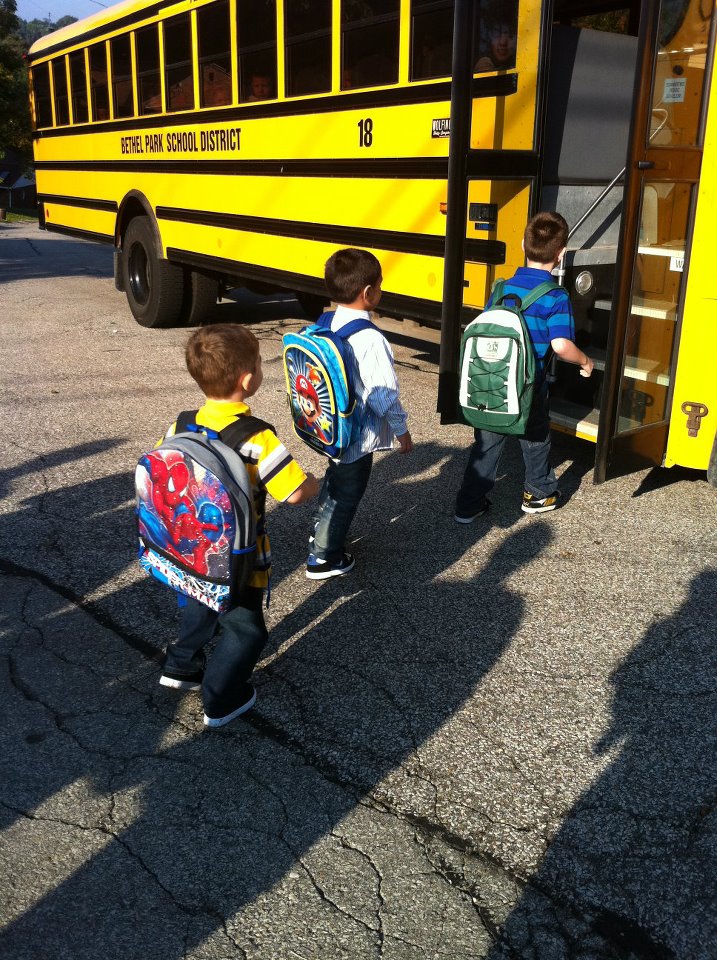
Getting Your Child Ready for SchoolEvery elementary school teacher knows (and child development experts confirm) that “school-readiness” involves more than just knowing your ABCs. Just as essential to academic success is a set of skills that enables children to recognize and manage their emotions, build positive relationships, and control their impulses and behavior sufficiently to get along in a group of children and take advantage of group instruction. These skills, collectively, are called social-emotional skills.

Studies point to a specific cluster of social-emotional skills—called self-regulation skills—as particularly important for a variety of school successes. Children who display strong self-regulation are better able to control their impulses, pay attention, work flexibly toward goals, and show an ability to plan and organize their actions. A self-regulated child, for example, will be able to wait his or her turn in line without frustration, will resist blurting out answers when other children have been asked a question, and might
even be observed suggesting fair solutions to a playground problem.

But . . . won’t children just learn these skills when they get older? Or do we actually need to devote time specifically to developing children’s social-emotional skills? Well, actually . . . no and no.

Early childhood is the time to infuse social-emotional skills into a child’s learning, instead of waiting until school begins. Children who begin school able to interact positively with others are statistically already at a great advantage.

But, social-emotional skills don’t need their own “class time”. This kind of learning can and should be woven organically into the other experiences and content-learning children are engaging in.

So . . . wanna know something neat? Continue reading “Getting Your Child Ready for School”

The Magic of the Memorable

Kindermusik Music Classes

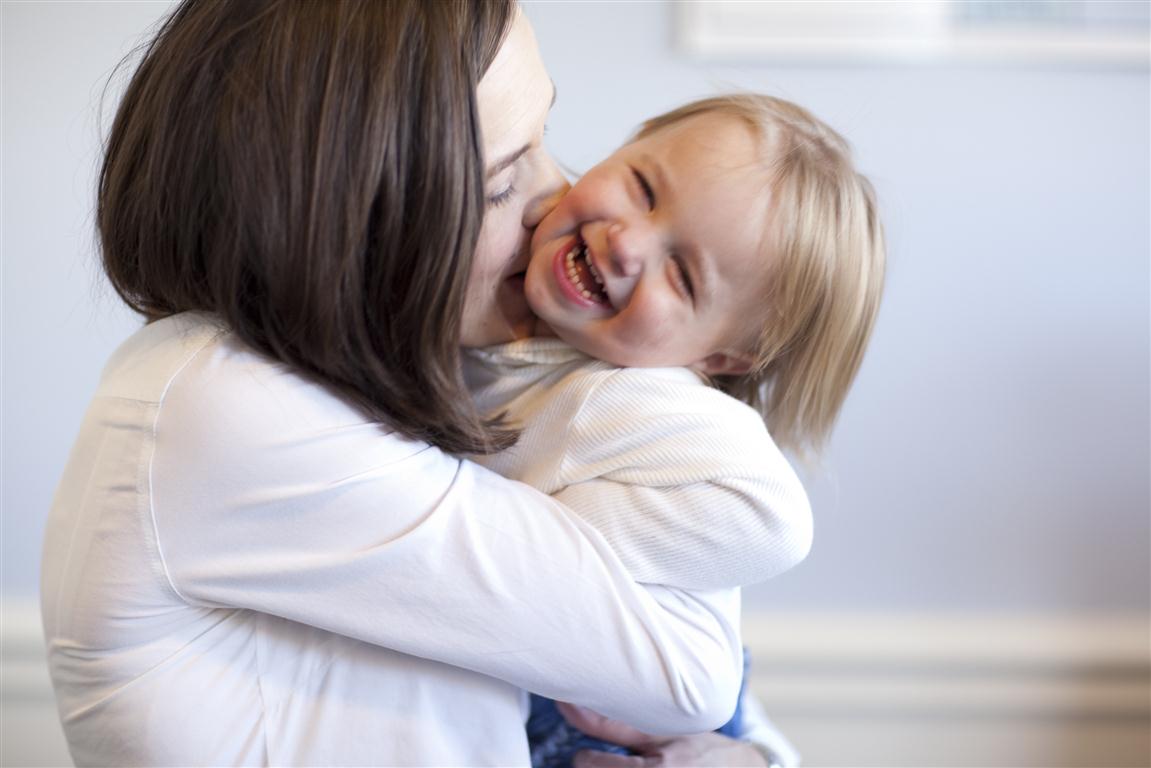
Kindermusik Music ClassesIn a world where so much of the focus for our children is on what’s measurable, I want to talk about what’s memorable because every week in our Kindermusik classes, I am privileged to experience and celebrate what’s memorable.

The experts and specialists can all point to various research studies and case studies that support the notion that early childhood music classes can have significant impact on a child’s cognitive, physical, and musical development. There’s no disputing those cold, hard facts. But what keeps me going back to the classroom, what inspires me to continue forging ahead as a program owner through some of the worst economic times we’ve ever seen is not the research or the facts, but rather in the magic I see unfolding every week in every class – the magic that creates the memories.

For the children attending Kindermusik classes, the magic is in the gift of time, time together in class with their special adult that is focused on enjoying one another, freely and without distraction or requirements. For still others who have developmental delays or special needs, Kindermusik music classes are that final key to unlocking that final gate for communication, through learning to sign, beginning to speak, or connecting through the joy of a shared experience.

Sometimes the magic comes through the non-verbal – that first hesitant smile, those first little dance steps, or those first notes on their instrument. For others, the magic happens when they jingle along to the steady beat, find their singing voice for the first time, share their ideas with the rest of the class, or contribute their part to a musical ensemble. Continue reading “The Magic of the Memorable”

Minds on Music Quote

Minds on Music Quote

Minds on Music Quote“Take a music bath once or twice a week for a few seasons. You will find it is to the soul what a water bath is to the body.” ~ Oliver Wendell Holmes

Community Caring: Help a Kindermusik Educator & Her Family

Alexander

Kindermusik is a community and, when a community member is in need, we’d like to do everything we can to help. Alex, the 14 year old son of Michelle Smith, a Kindermusik educator, recently underwent a liver transplant. The family is fundraising to cover the cost of the operation and medications. And, ’tis the season for giving!

To donate, write a check payable to COTA with ‘in honor of Alex F.’ on the memo line and send it directly to:

Lyndsi Bennett
c/o Children’s Organ Transplant Association
2501 W. COTA Drive
Bloomington, Indiana 47403

Or, you can go online and donate at http://cota.donorpages.com/PatientOnlineDonation/COTAforAlexF/.

A Minds on Music Quote

Minds on Music Quote

Minds on Music Quote
“To me…music exists to elevate us as far as

possible above everyday life.”

– Gabriel Faure

FOL Fridays: Pretend Play

Imitation is the first stage of pretend play. As imitation evolves, it becomes more imaginative. The complexity of pretend play can be seen when a

child re-examines life experiences by adding or changing the happening. Benefits of pretend play include:

  • vocabulary development
  • social skill development
  • differentiation between reality and fantasy
  • emotional support

Ideas for parents: Play is a child’s work, and one of the best things you can do for your child is to let him just play. Have a dress-up box with costumes and props. Save empty boxes or cardboard containers that can become forts, binoculars, or doll houses. And when you can, play WITH your child and enter into their world of imagination. There’s nothing quite being like a kid again – even if it’s just for a little while!

Contributed by Theresa Case, whose Greenville, SC program, Kindermusik at Piano Central Studios, is proudly among the top 1% of Kindermusik programs worldwide.