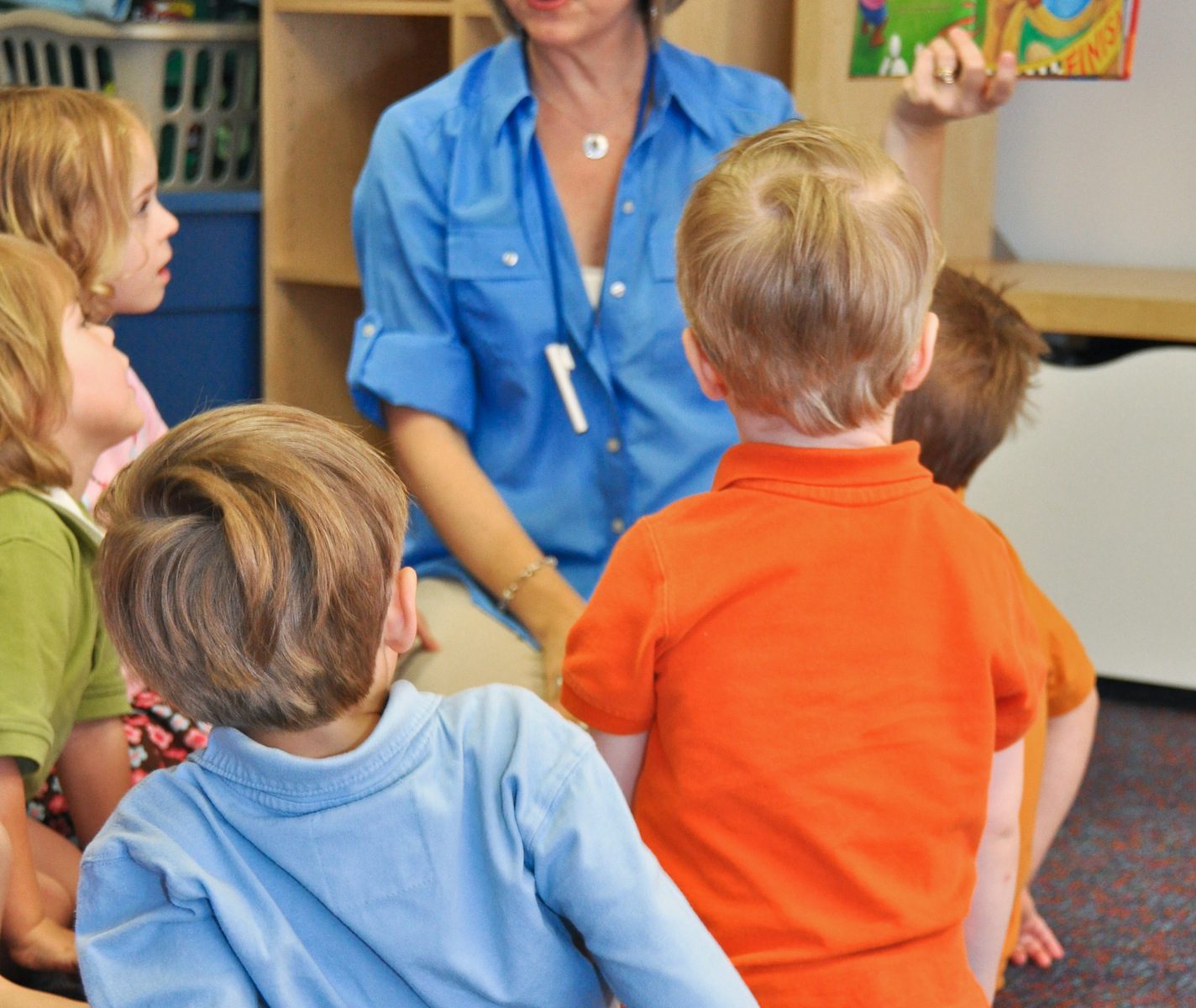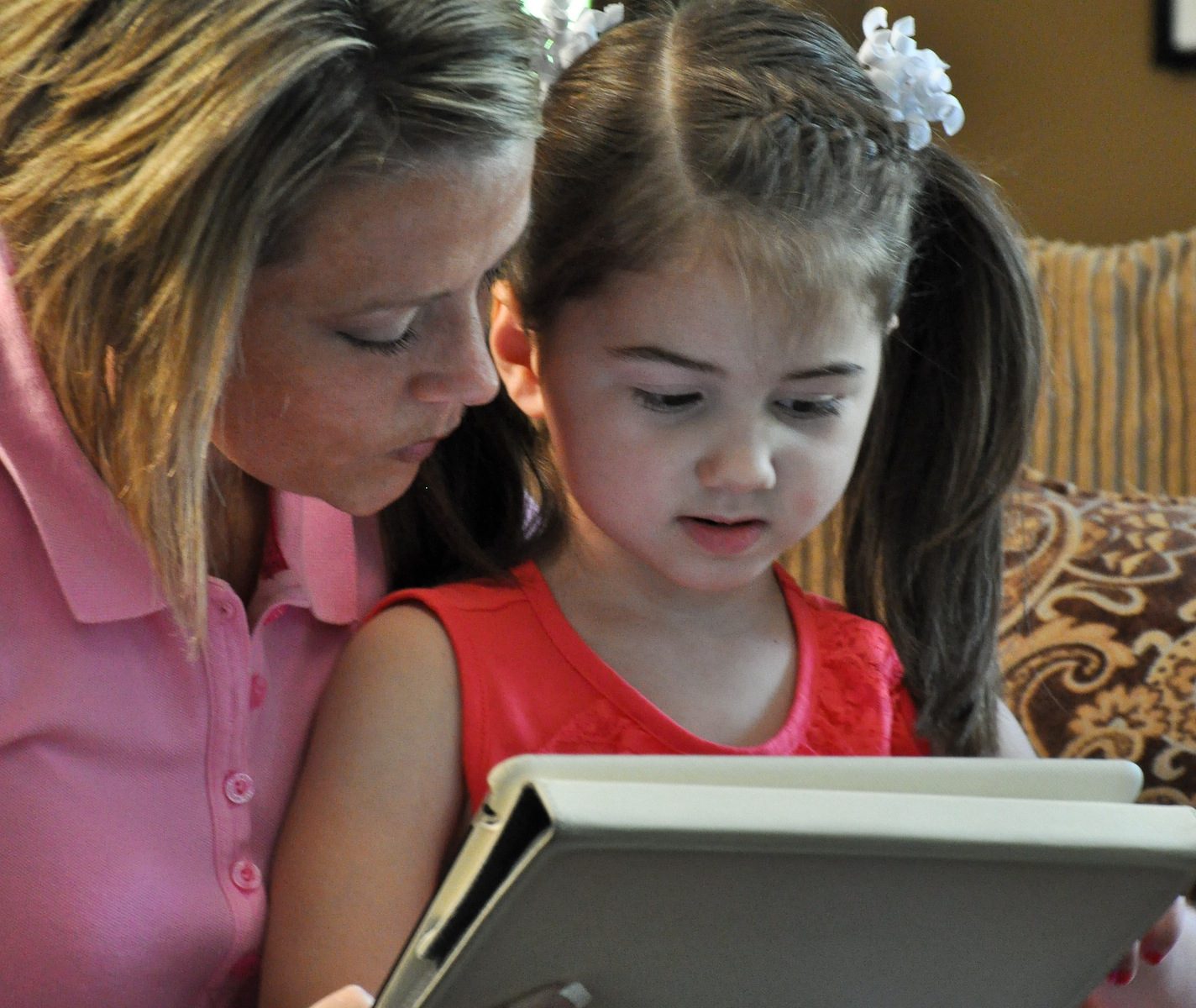

This video demonstrates the Total Physical Response approach to second language learning and shows a parent and child at home using one of the recorded activities from ABC English & Me.
It all started with movement. When James Asher, a professor of psychology at San Jose State University in California, started asking why young children were dropping out of school, he found a link to second language acquisition:
“The most difficult learning task for both children and adults may be the attempt to acquire a second language in school. A number of studies have shown that few students – often less than 5% who start in a second language – continue to proficiency. This lack of success is striking when compared to the language achievement of most six-year-olds, who without schooling have mastered all the essential parts of the individual’s native language.”
Searching for a solution, Asher started looking at why some young learners developed a second language skill and why others didn’t. The link was movement. What he found is that children who could hear a movement word, and demonstrate comprehension of that movement word by doing it – such as jump, dance, or run – were better able to learn and retain the new information over a period of time.
He developed a method for second language learning centered on movement and wrote a book about it,Learning Another Language Through Actions: The Complete Teacher’s Guidebook.
Asher called this physical approach to teaching a second language: total physical response or TPR.
In study after study for 25 years, laboratory experiments and classroom observations have demonstrated results that were extremely positive. When the instructor skillfully uses the target language to direct the student’s behavior, understanding of the utterance is transparent, often in only one exposure. Also, the understanding is achieved without stress and then retained for weeks, months, and even years. Language-body communications is a fascinating and powerful principle of learning. It seems to be a universal principle that holds true for language including sign language for the deaf. It seems to hold true for an age group that has been studied from children to senior citizens.
This approach is an essential part of the ABC English & Me program. And we were so delighted to watch a parent and child share the joy of learning – and moving – at home.
It’s the kind of learning that makes you jump for joy.
Would you like to know more about the research-based approach of ABC English & Me? Click here for more information. We’d love to show you how it works.
Announcing the first ever
“We Love Kindermusik Contest” for Kindermusik kids and their parents!
We are excited to give voice to that light in a child’s eye, that song in her heart, that little person just waiting to blossom – to acknowledge all those precious, miraculous moments we in the Kindermusik community are privileged to nurture and celebrate each and every week.
We Love Kindermusik Contest: February 3 – February 16, 2013
All Kindermusik kids and their parents have to do to enter is visit our We Love Kindermusik Contest Page and share why they love their Kindermusik educator and experience! Contest is open from February 3 to February 16, 2013 (midnight EST). Winner will be selected at random.
When the Kindermusik kids and parents win, their Kindermusik Educator also wins!
We encourage everyone to share their love for Kindermusik, spread the joy, and enter the 2013 We Love Kindermusik Contest for an awesome grand prize.
As an addendum to Thursday’s pointers for engaging your preschooler readers, we’re thrilled to have stumbled upon the Nature Generation’s list of “Green Earth Award” winning books for children and young adult’s literature. Recognized by the Audubon Society, these books were chosen (according to Next Generation’s founder) for their ability to “inspire a child to grow a deeper appreciation, respect, and responsibility for his or her natural environment.” Below are our personal favorites from the list of 48 selected titles. How many of these books has your family or classroom read?
10 Things I Can Do to Help My World, written and illustrated by Melanie Walsh A Place for Birds, written by Melissa Stewart and illustrated by Higgins Bond A Summer of Silk Moths, written by Margaret Willey Abigale the Happy Whale written by Peter Farrelly and illustrated by Jamie Rama All the Way to the Ocean written by Joel Harper and illustrated by Marq Spusta Ancient, Strange and Lovely, written by Susan Fletcher Extraordinary Endangered Animals, written by Sandrine Silhol and Gaëlle Guérive and illustrated by Marie Doucedame Garbage Helps Our Garden Grow: A Compost Story, written by Linda Glaser and photography by Shelley Rotner Garden of the Spirit Bear written by Dorothy Hinshaw Patent and illustrated by Deborah Milton Generation Green: The Ultimate Teen Guide to Living an Eco-Friendly Life, written by Linda Siversten and Tosh Siversten Get Real: What Kind of World Are You Buying, written by Mara Rockliff Let the River Run Silver Again! written by Sandy Burk Let’s Save the Animals, written and illustrated by Frances Barry Luz Sees The Light, written and illustrated by Claudia Davila Quest for the Tree Kangaroo written by Sy Montgomery and illustrated by Nic Bishop Redwoods, written and illustrated by Jason Chin Riparia’s River, written by Michael J. Caduto and illustrated by Olga Pastuchiv Saving the Buffalo written by Albert Marrin Secrets of the Sirens, written by Julia Golding Ship Breaker, written by Paolo Bacigalupi The Curious Garden, written and illustrated by Peter Brown The Last Wild Place, written by Rosa Jordan The Sorta Sisters, written by Adrian Fogelin Whirlwind, written by David Klass
A big thanks again to the Nature Generation for sharing this inspiring list!
“Music class is the best part of being a kid.” ~ Marcus
“I love to play my glockenspiel.” ~ Olivia
“I love Ms. Karen and to play all the instruments.” ~ Jake
“It makes my brain bigger.” ~John
“All my friends are there :)” ~ Alicia
“I like all the things we do. I like everything at Kindermusik” ~ Morgan
PARENTS SAY:
“We love Kindermusik because it gives us a chance to bond together while learning. It helps expose my little one to all styles of music and gives him the chance to learn, play and participate in a group setting that is safe and comfortable.” ~ Charity and Schroeder Campbell
“We love Kindermusik because it helps our budding musician to bloom.” ~ Erica V.
There are many ways preschool teachers can support the early literacy and language development of their students. Whether reading the 2013 Caldecott Medal Winner, This Is Not My Hat by Jon Klassen, making snowmen out of socks after reading about snow, or even celebrating Dr. Seuss’ birthday each March, the list of literacy activities and early childhood books seems endless. But what does the research say?
At ABC Music & Me, we keep tabs on the latest early literacy research and incorporate it into our preschool curriculum. We put together a list of 10 things a teacher can do to instill a love of reading in students while also supporting phonemic awareness and early literacy and language development.
10 ways teachers can support early literacy development (and a love of reading!)
During storytime, include a mixture of books that you choose as well as books that your students choose. Along with the “Line Leader” for the day, why not also pick one child to be the “Story Student” to help you pick one of the books you will read.
Throughout the week, provide opportunities for students to “act out” the stories read in the class.
Add eBooks to your (virtual) bookshelf. Research shows eBooks can be especially motivating to boys and reluctant readers.
Involve parents. Early literacy development begins at home so why not invite parents to be mystery readers in the classroom each week. Be sure all parents know about the importance of not only reading to their children 20 minutes each day but also the value of letting children see them reading for pleasure.
If a new vocabulary word is introduced in a story, tell preschoolers what it means and then re-read the page substituting the new vocabulary word with the definition. This increases comprehension and vocabulary acquisition.
Incorporate sight words into your reading. Ask children to listen for the sight word of the day (or week). Invite children to raise their hands when they hear the word and select a child to find the word on the page.
Listen to audio stories. After preschool, children will spend up to 75 percent of classroom time listening. Listening to favorite audio stories supports emerging literacy and active listening—vital skills needed for early academic success. Kindermusik International offers audio stories available for download here.
Clap or tap to the beat of favorite nursery rhymes. This helps preschoolers tune into the rhythm of spoken words.
Ask open-ended questions during storytime, such as “what will happen next?” or “how do you think the character felt when that happened?”
Participate in a music class. Phonological awareness, vocabulary acquisition, listening skills, and verbal memory can all benefit when children become actively engaged in a music class. Plus, research even shows that children who participate in music classes are more likely to score higher on reading comprehension tests.
Supplemental preschool curriculum uses music to support early literacy
Created by Kindermusik International, ABC Music & Me is a standards-based supplemental daycare curriculum. All three levels of our toddler curriculum and preschool curriculum boost early literacy and language development while also cultivating turn-taking and sharing, improving coordination, enhancing creativity, and more. Plus, ABC Music & Me involves parents by providing materials for families to use together at home where a child learns best.
For more information about ABC Music & Me as a supplemental daycare or preschool curriculum, email us at info@abcmusicandme.com.
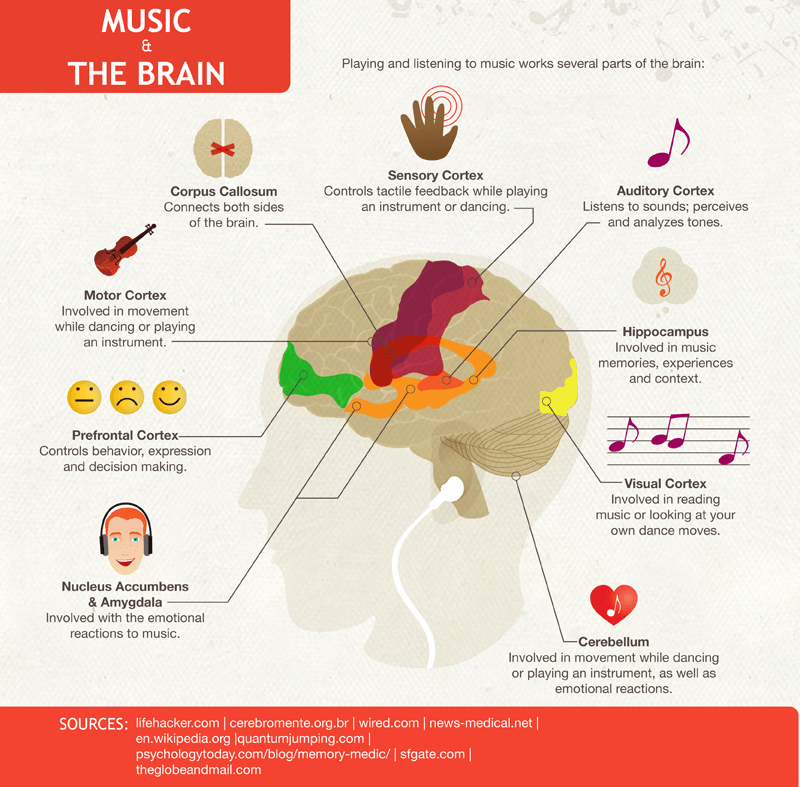
“Evidence suggests that long-term musical involvement reaps cognitive rewards–in language skills, reasoning and creativity–and boosts social adjustment.
Music exercises the brain. Playing an instrument, for instance, involves vision, hearing, touch, motor planning, emotion, symbol interpretation–all of which activate different brain systems.”
According to Norman M. Weinberger, Ph.D., professor of neurobiology and behavior at the University of California at Irvine, musical experiences help to shape the brain, and “[depriving] children of [music’s] intellectual, personal and social benefits . . . by failing to foster musicality, our society is wasting its potential.”
It’s an oldie goldie, but you can read the rest of the original interview from September 2000.
We’ve all done it—cleaned out our closets; let big bags of old clothes sit by the door for weeks at a time, waiting for the fabled “perfect Saturday morning” to take the bag to Goodwill, shirking our instinct to effortlessly toss the unseemly bags into the backyard
Photo Credit: goodwill.org
barrels. Then you decide to host a dinner party, and the company comes and you’re left with no choice but to quickly toss the bulging bags before anyone can see. There’s always next season, right?
Donating clothes seems like such an easy way to recycle – yet Americans throw away 12 million tons of textiles each year. Only 25% of that is recycled as second-hand clothing. This in mind, we challenge you to stick to your guns as spring cleaning (not too far off in the distance!) begins. When you donate clothes, unusable material is often converted into industrial rags or sound-dampening material. Not only are you providing usable clothes for families in need—you’re upcycling ratty material for industrial use. And, in the even bigger picture, you’re fostering a more sustainable economy. Goodwill hires a new employee (at their company and at partner companies) every 38 seconds of every business day.
Call your local Goodwill and make this Saturday the perfect Saturday for a field trip. The whole family can help, and get breakfast afterwards.
What will YOU donate this weekend? Comment below or tell us on Facebook!
(Source: Gloucester County Times. Photo by Lori M. Nichols)
Imitation may be the greatest form of flattery but to a child with autism it might be so much more. Early childhood special education research indicates that teaching young children with autism to imitate others might help develop other social skills, too.
“It’s pretty exciting,” said Brooke Ingersoll, PhD in a press release. “I think we, as a field, are getting a much better idea of what autism looks like in infants and toddlers than we did even five years ago.”
Research highlights importance of early childhood special education
Ingersoll analyzed children with autism between the ages of 27 months and 47 months. As published in the Journal of Autism and Developmental Disorders, Ingersoll found that young children with autism who were taught imitation skills made more attempts to draw the teacher’s attention to an object through gestures and eye contact, both social skills in which children with autism often struggle.
Special education curriculum uses music’s proven methods
ABC Music & Me, our early childhood special education curriculum, uses music to teach children of all abilities, including autism, early literacy and language, social and emotional skills, and to strengthen fine and gross motor skills, and more. Special education teachers who use ABC Music & Me see firsthand how music can help non-verbal children make noises for the first time or help children interact together in the classroom. Plus, activities in class often include opportunities for children to imitate the teacher.
Our special education curriculum includes a supplemental strategies guide, Meeting Special Needs, which suggests activity adaptations for children with particular needs or impairments. Plus, we include IEP objective descriptors for easy cut-and-paste and IEP skills booster index.
For more information about using ABC Music & Me as an early childhood special education curriculum, email us at info@abcmusicandme.com.
Imaginative play in childhood prepares the child to think creatively in later adult settings.
Using the imagination helps a child develop the ability to think abstractly, to use language to describe things others cannot see, and to empathize with other people.
Comment below on ways your child loves to experience imaginative play!
Tips for parents:
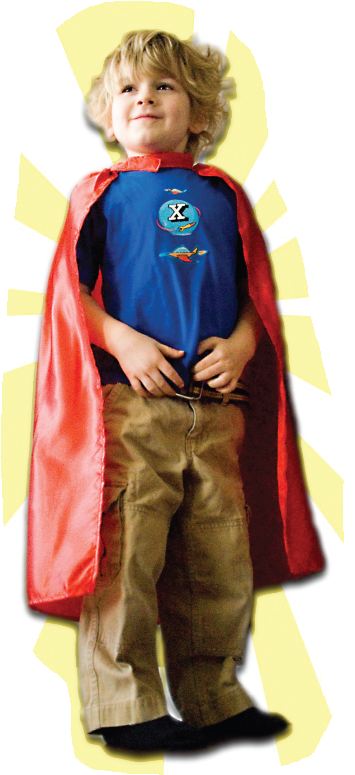
Give your child plenty of time for unstructured, undistracted play every day. You can fuel your child’s imagination with music, good books, simple toys, or box for dressing up like a favorite princess or storybook hero. For fun, you might enjoy making one of these simple no-sew capes to inspire a little more imaginative play.
Have we mentioned that kids environmental resources are often way more fun (and comprehensive) than those made for adults? Crazy cold temperatures have, as usual, piqued our interest in global climate change… hence the refresher:
Today we find ourselves especially impressed by Energy Star Kids — Energy Star Appliances’ interactive resource for children’s environmental learning, and EPA Kids, the Environmental Protection Agency’s site for global climate change. With a special emphasis on green technology, you may want to consider giving kids ages eight and up a 20 minute “play time” on these sites before dinner. Catchy visuals and easy-to-read descriptions make understanding leading green technologies easier, and the interactive bedroom map shows the quick fixes to energy saving. And we like their ways to get involved for extracurricular school or KI class activities!