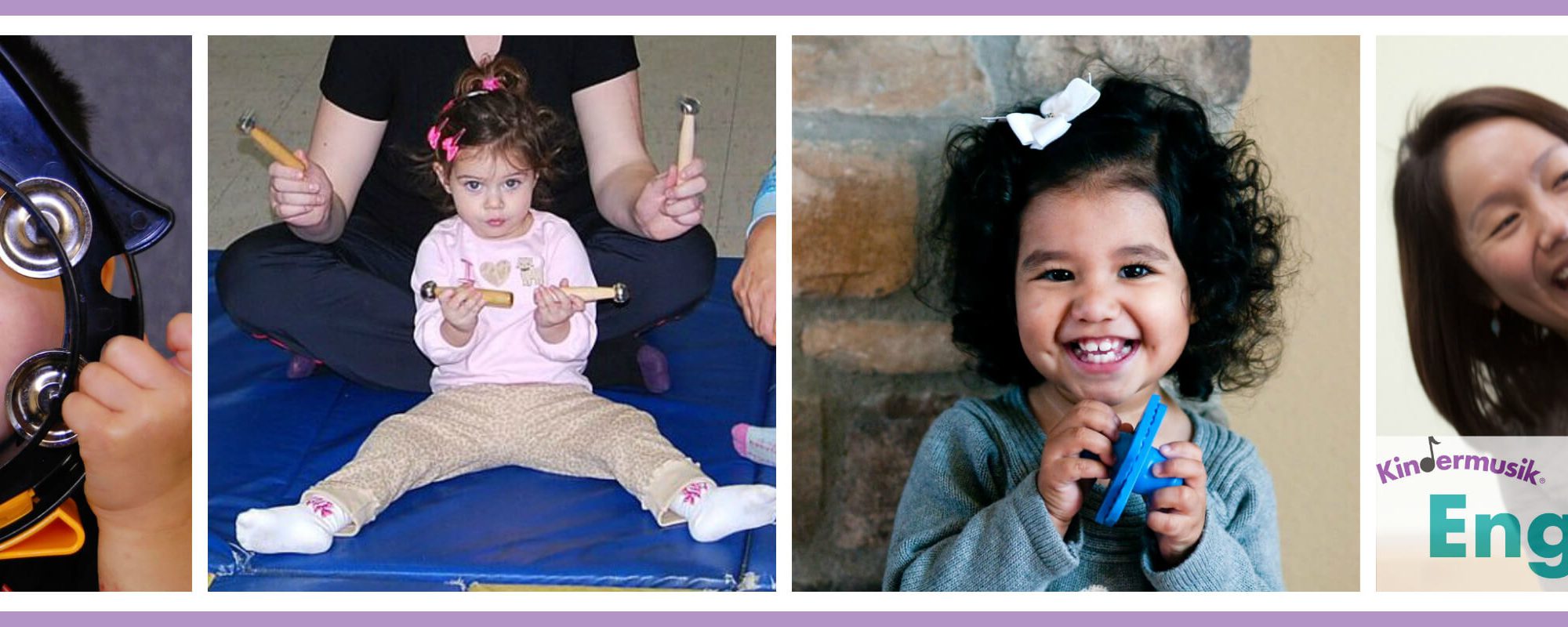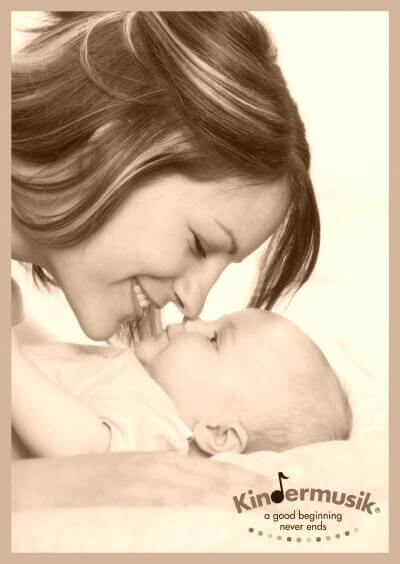


Music from Birth: In It for the Long Haul

from Birth

[vc_row][vc_column][vc_column_text]Today is the longest day of the year! To mark this in a musical way, Theresa Case brings us a post about keeping music in our lives from the very beginning so we might enjoy its benefits for as long as possible! – Dr. B[/vc_column_text][vc_separator][/vc_column][/vc_row][vc_row][vc_column][vc_column_text]“What if there was one activity that could improve our cognitive function, help our memory systems to work, help us to learn language, help us to moderate our emotions, help us to solve complex problems, and help our brains to be healthier later in life?”

This is the question famously posed by Anita Collins in her TEDTalk given in October of 2014. Her answer? Music.

There’s no disputing the power of music. The research findings are powerfully conclusive and the evidence is overwhelmingly affirmative. Music is THE one activity that improves and enriches every area of a child’s development and indeed, every area of a child’s life – for now and for later. And the earlier and more consistently a child is involved in the experience and process of learning music, the better.[/vc_column_text][vc_column_text]With Kindermusik, the musical journey actually begins with infants – and grown-ups get to sing, dance, and play along, too – no prior musical skill required, by the way! As your child’s first and best teacher, cheerleader, and most enthusiastic supporter, you play an active and very vital role in your child’s musical development right from the very beginning.

Some of our favorite benefits of consistent group music instruction in the early years include:

  • Fostering a love of music before a young child can even speak or sing
  • Instilling a love of learning that will later increase academic performance and success
  • Layering a consistent foundation of musical concepts upon which later formal music instruction will build
  • Focusing on every area of a child’s development
  • Contributing to the development of character traits such as patience, perseverance, empathy, cooperation, independence, commitment, and self-control
  • Improving the brain’s ability to process sound and identify patterns
  • Increasing self-confidence, social skills, imagination, and creative thinking
  • Enhancing the executive function skills that are so necessary for success in school, in work, and in life
  • Deepening the enjoyment all humans are pre-wired to experience only through music

[/vc_column_text][vc_column_text]The early years are the most formative; on that we can all agree. There is also increasing consensus that choosing to make music a part of those early years (and beyond) can help put your child on a path toward being a happier, well-rounded, and successful adult.

By the way, have we mentioned how much you’ll enjoy and benefit from being a part of these music classes with your child? We hear from parents that Kindermusik classes are one of best parts of THEIR week – try it and you’ll see what we’re talking about![/vc_column_text][vc_separator][vc_column_text]Contributed by Theresa Case whose award-winning Kindermusik program at Piano Central Studios in upstate South Carolina has been making a difference for children and families for over 20 years.[/vc_column_text][/vc_column][/vc_row]
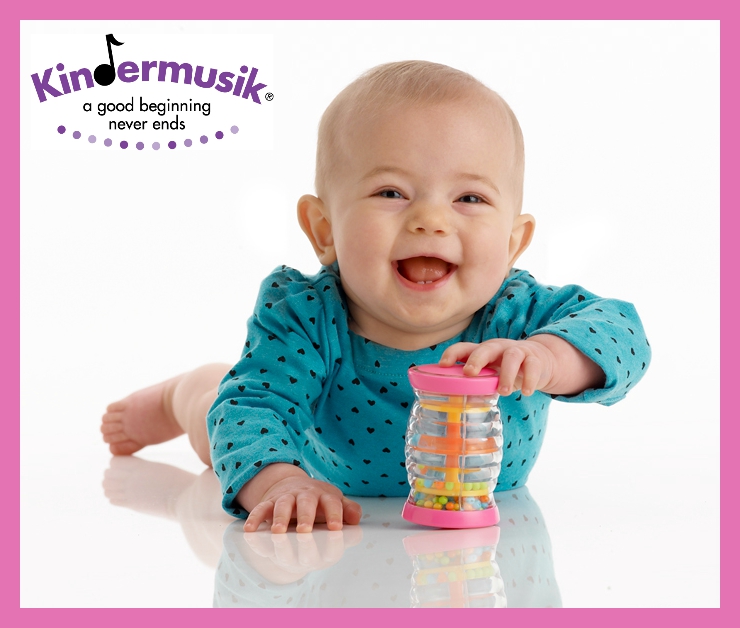

The Surprising Connections Between Social-Emotional Skills and Cognitive Development

Brain

We all want our children to be smarter, to excel academically to the best of their abilities, and to have every possible advantage.  Thus, researchers continue to probe what it is that improves cognitive development, especially in young children.  Most recently, a study at the OECD’s Centre for Educational Research and Innovation found a direct link between socio-emotional skills and cognitive skills. This study demonstrated that children who have opportunity to improve their abilities to stay focused and on task, work cooperatively with others, and manage their emotions. They gain greater benefits in learning situations which enhances and drives their cognitive development.


Cognitive development


Knowing that social and emotional skills can be influenced and shaped, especially during early childhood and the teen years, parents and educators should deliberately seek to develop the socio-emotional skills that so effectively and permanently impact cognitive development (and by the way, it is interesting to note that while socio-emotional skills do drive cognitive development, cognitive skills do not drive social and emotional learning).

For infants to children age 7, music experiences like those in our Kindermusik classes can be a big part of providing those rich socio-emotional experiences that impact cognitive development, in addition to laying a vital foundation for musical development.  A lifetime of success starts in the early years with developing not just cognitive skills, but also strong social-emotional skills.

Here are just a few of the many ways in which music classes can foster the connections between social-emotional skills and cognitive development:

  • Cooperation: Taking turns sharing instruments and sharing ideas
  • Social interaction: Participating in circle songs and dances
  • Perseverance: Exploring a variety ways to play with one instrument
  • Focus and concentration: Listening during Story Time and short musical excerpts or sounds
  • Adaptability: Contributing to a musical ensemble
  • Self-confidence: Finding success in age and developmentally appropriate musical experiences
  • Inhibitory control: Learning to stop on cue in stop-and-go games and activities
  • Self-esteem: Enjoying group activities that provide bonding experiences with loved ones, teachers, and/or peers

Want more tips on using music to support social-emotional development in young children? Here’s a free e-book!


Shared by Theresa Case whose award-winning Kindermusik program is located at Piano Central Studios in the beautiful upstate of South Carolina.


Baby Brains: Music and Speech

Baby Brains

[vc_row][vc_column][vc_column_text]Music is full of patterns. It’s why educators and researchers have pointed out for a long time now that music helps kids with math. And now, thanks to technological advances that help us “see” inside the brain, we’re starting to understand more and more of how music shapes and impacts cognitive development, therefore significantly impacting other areas of development such as language acquisition.

In the earliest years, a child’s ongoing cognitive development and experiences are a big part of his or her language development. The cognitive aspects of learning to speak and communicate have a great deal to do with memory, focus, and understanding patterns.

This is where early childhood music classes come in. Recent research has found that music and movement classes literally changed how the brain processed “both music and new speech sounds.”[/vc_column_text][/vc_column][/vc_row][vc_row][vc_column][vc_column_text]

NEW RESEARCH

The findings of this study were incredibly exciting to those of us who are so passionate about providing early childhood music enrichment experiences through our weekly Kindermusik classes.

“Our study is the first in young babies to suggest that experiencing a rhythmic pattern in music can also improve the ability to detect and make predictions about rhythmic patterns in speech,” said lead author Christina Zhao, a post-doctoral researcher at University of Washington’s Institute for Learning & Brain Sciences.

“This means that early, engaging musical experiences can have a more global effect on cognitive skills.”

“In both the music and control groups, we gave babies experiences that were social, required their active involvement and included body movements – these are all characteristics that we know help people learn. The key difference between the play groups was whether the babies were moving to learn a musical rhythm.”

Music and movement classes like Kindermusik baby and toddler classes check all of these boxes and more – a rich social experience, delightfully engaging parent-child play and interaction, rhythmic experiences through instrument play and movement activities, an immersive language environment, and a beautiful, sequential curriculum. These curricula are thoughtfully and carefully designed, not only to be joyful and playful, but also meaningful and impactful on a child’s long term learning and development.

“This research reminds us that the effects of engaging in music go beyond music itself. Music experience has the potential to boost broader cognitive skills that enhance children’s abilities to detect, expect and react quickly to patterns in the world, which is highly relevant in today’s complex world.”[/vc_column_text][/vc_column][/vc_row][vc_row][vc_column][/vc_column][/vc_row][vc_row][vc_column][vc_column_text]Now more than ever, we’re proud to confidently assure parents that one of the very best learning experiences you can give your little one are the delightful and developmentally rich experiences you will both have in a weekly music and movement class like Kindermusik.

And we promise, you’ll get the extra bonus of being a part of putting that adorable smile on her little face and that sweet song in his little heart…to stay.[/vc_column_text][vc_separator][vc_column_text]Contributed by Theresa Case whose award-winning Kindermusik program at Piano Central Studios in upstate South Carolina has been making a difference for children and families for over 20 years now.[/vc_column_text][/vc_column][/vc_row]

Why Songs Stick in our Heads

Ear-worm

[vc_row][vc_column][vc_column_text]Ever wake up with a song running around in your head? Or how about the song that you sing or hear one time…then stays in your head the rest of the day? (Disclaimer: Yes, this can happen after attending a Kindermusik class with your child, but it’s probably because he’s singing the same song out loud!)[/vc_column_text][vc_column_text]Why is it that songs stick in our heads? Well, as annoying as it can be when it happens, there are actually some very positive reasons why those songs stick and you might be happy – in some ways! – that they stay stuck.[/vc_column_text][vc_column_text]

A Foundational Skill

For those who claim not to have a musical bone in your body, you should feel musically accomplished when such a thing occurs. On a very basic level, the ability to hear a song in your head is called audiation (the aural equivalent of imagination), a foundational musical skill. One author refers to the songs that get stuck as “ear-worms.” An apt description, but somehow thinking of it as audiating sounds more musically sophisticated.[/vc_column_text][vc_column_text]We as humans come hard-wired to enjoy and respond to music.

We see it in Kindermusik class all the time – a little baby’s eyes widen with delight when she hears her mama singing her a lullaby, or that toddler immediately stops wandering around the room and starts bouncing when the music comes on. Or your preschooler asks for his favorite song every time you get in the car to go somewhere.[/vc_column_text][vc_column_text]

Repetition is a Sign of Enjoyment

We repeat songs multiple times in a single Kindermusik class and again for several weeks in a row because repetition is such an important tool for learning and strengthening the brain. But outside of class, repeating a song over and over – even when it pops into one’s head uninvited or when your child sings the same song for the one-hundredth time – signals that a particular song brings much joy.

Your brain is using those songs.

Researchers continue to uncover the power of music and how it impacts cognitive development in the early years and cognitive retention in our later years. So tucking all of those songs into your memory now could have benefit later on if indeed some of the theories about music and memory prove correct.[/vc_column_text][vc_column_text]So the next time that song in your head won’t go away, maybe you won’t feel quite as annoyed when you remember some of the good reasons why it happens.

And by the way, if you regularly attend Kindermusik classes, we promise to make sure that we’re always teaching you and your child lots of lots of new songs that yes, might get stuck in your head, but will also wind their way into your heart.[/vc_column_text][vc_separator][vc_column_text]Shared by Theresa Case, who as director of Piano Central Studios in Greenville, South Carolina, since 1995, has had a lot of songs get stuck in her head over the years![/vc_column_text][/vc_column][/vc_row]

Anchors Aweigh and Rolling Caissons: Music of the Military

Memorial Day

[vc_row][vc_column][vc_column_text]Here in the United States it’s Memorial Day, a time to remember those that have served and sacrificed for freedom. Music has always been an important part of the military, from herald trumpets announcing an army’s approach, to regimental drummers aiding in keeping soldiers in step. The US has a proud tradition of military music ensembles, stationed all over the world. Each of the five uniformed branches of the US military has an official song, loved and cherished by its members. Let’s learn a bit about each.[/vc_column_text][/vc_column][/vc_row][vc_row][vc_column][vc_column_text]

THE UNITED STATES NAVY

US Navy
Flag of the United States Navy

[/vc_column_text][vc_column_text]As it happens, your editor is a Navy veteran, so that’s where we’ll start! Most of us are familiar with the US Navy’s march, Anchors Aweigh. It was written in 1907 by Charles Zimmerman and dedicated to that year’s Naval Academy class. It speaks of bidding farewell to foreign shores and returning home to American waters. Not a stranger to change, the lyrics have shifted over the years. One notable adjustment was replacing the line “Farewell to college joys” with “Farewell to foreign shores.” This line is, perhaps, a bit more inclusive. “Aweigh” means that the anchor is to be brought on board in preparation for departure. It’s often confused for “away.”[/vc_column_text][vc_video link=”https://www.youtube.com/watch?v=7SucjKAt608″][/vc_column][/vc_row][vc_row][vc_column][vc_column_text]

THE UNITED STATES ARMY

US Army
Flag of the United States Army

[/vc_column_text][vc_column_text]What is a caisson? Well…it must have wheels as it rolls over hill and dale. The Army Goes Rolling Along, which uses John Philip Sousa’s tune, the U.S. Field Artillery March, doesn’t mention caissons (a device designed to carry – you guessed it – field artillery ammunition) as the original lyric was a bit too specific to represent the entire Army. The current official lyrics were approved in 1956. The tune has been used a great deal in popular culture – GI Joe, The Jetsons, and the big purple dinosaur, Barney all used Sousa’s music.

Enjoy the West Point Cadet Glee Club, conducted by Constance Chase, performing The Army Goes Rolling Along.[/vc_column_text][vc_video link=”https://www.youtube.com/watch?v=gtafPMq3lFg&feature=youtu.be&t=57s”][/vc_column][/vc_row][vc_row][vc_column][vc_column_text]

THE UNITED STATES AIR FORCE

USAF
Flag of the United States Air Force

[/vc_column_text][vc_column_text]The youngest of the military services obviously has the newest official song. When the USAF separated from the US Army in 1947, becoming its own branch, the song Army Air Corps was retitled the Air Force Song. I know I said I was a Navy vet, but I’ve always loved the imagery found in this song’s lyrics:

Off we go into the wild blue yonder,
Climbing high into the sun
Here they come zooming to meet our thunder
At ’em boys, Give ‘er the gun!
Down we dive, spouting our flame from under
Off with one helluva roar!
We live in fame or go down in flame. Hey!
Nothing can stop the U.S. Air Force!

These words are a slightly altered version of Robert Crawford’s original 1939 lyrics. The final word of each chorus was “Corps.” When this was changed to “Force,” an attempt was made to change the rhyming words. The changes were never popular and sometime after 1972, the USAF reverted back to Crawford’s initial lyrics, save that all important last word shift. Sometimes change just doesn’t stick!

Here’s a surprise flash performance by the Washington, DC USAF Band and Singing Sergeants.[/vc_column_text][vc_video link=”https://www.youtube.com/watch?v=wYwj7BmJk8I&feature=youtu.be&t=52s”][/vc_column][/vc_row][vc_row][vc_column][vc_column_text]

THE UNITED STATES MARINE CORPS

USMC
Flag of the United States Marine Corps

[/vc_column_text][vc_column_text]The USMC’s official song, the Marine’s Hymn (aka From the Halls of Montezuma) holds a unique place in this collection of American military songs. Jacques Offenbach, a French composer who was born in Germany, composed the tune used for the Marine’s music. It’s also the oldest of the military songs. The text, legend tells us, was penned by a Marine on duty in Mexico after storming Chapultepec Castle.

Good natured, interservice ribbing has occurred consistently over the years. A jab at the Army and Navy is found right in the Marine’s official song:

If the Army and the Navy
Ever look on Heaven’s scenes,
They will find the streets are guarded
By United States Marines.

It’s all in good fun. When it counts, we all stand side by side.

Here’s none other than The President’s Own – United States Marine Band performing this stirring march.[/vc_column_text][vc_column_text]

[/vc_column_text][/vc_column][/vc_row][vc_row][vc_column][vc_column_text]

THE UNITED STATES COAST GUARD

USCG
Flag of the United States Coast Guard

[/vc_column_text][vc_column_text]The Coast Guard has a tremendously important mission – patrolling our shores and performing search and rescue operations are just part of it. Founded by Alexander Hamilton, its official march, Semper Paratus (Latin for always ready) is probably the least known of the five official marches. The music and lyrics, much like the Marine’s Hymn, were written at different times and in different places, but in this case by the same person – Captain Francis Saltus Van Boskerck. As time passed, the words changed slightly, but have retained the idea that the Coast Guard is ever ready to perform its mission.

Here’s a recording of the US Coast Guard Band playing Semper Paratus.[/vc_column_text][vc_column_text]

[/vc_column_text][/vc_column][/vc_row][vc_row][vc_column][vc_column_text]Memorial Day finds its roots in communities gathering to place flowers on the graves of the Civil War fallen. It brought people together when flowers were in full bloom. They spent time together as an extended family, honoring those that paid the ultimate price for freedom. It’s partially why we still come together for cookouts and good springtime fun on this holiday – but don’t forget to remember what the day stands for – this powerful music certainly reminds us.[/vc_column_text][/vc_column][/vc_row]

Science Spotlight: How Music Impacts our Mood

Brain

[vc_row][vc_column][vc_column_text]Music is magic. I bet we can all share stories…coming home after a stressful day, putting on that Bruce Springsteen tune, and immediately feeling better. We sink into that favorite chair and let out a sigh. Music can change our mood or reinforce a current one. But how? What is going on inside the brain? How does something that hits us through the air as invisible sound waves have such a tremendous impact on our mental and emotional states? Let’s check it out…[/vc_column_text][/vc_column][/vc_row][vc_row][vc_column][vc_column_text]

SCIENCE WARNING!

The complexity of what’s going on inside our heads when music hits our ears is staggering. Amazingly, we really didn’t have a fleshed out picture of this intricate process until the early 1990s. Sound waves are converted to electrical impulses in the inner ear and sent to the auditory cortex via the auditory nerve. Basically, our ears are microphones; the function is identical – changing sound waves to electrical impulses – a nerve and the auditory cortex – a wire and an amplifier. That’s just the initial doings. The interesting stuff happens in the amygdalae – partially responsible for emotional learning and response, as well as aspects of memory formation.

I love science-types and how they name things. This part of the brain consists of two almond-shaped groupings of tightly packed cells – so naturally scientists chose the Greek word for almond as the name. These little almonds connect to many other parts of the brain; no wonder we are so often moved by music! It can cause the pulse to speed up, the face to flush, and the pupils to dilate. If the amygdalae are damaged, our ability to read emotional cues in the faces of others becomes compromised. But why does music make us feel?[/vc_column_text][/vc_column][/vc_row][vc_row][vc_column][vc_column_text]

DOPAMINE

That’s a big part of the answer: dopamine. Basically, dopamine is a chemical messenger that allows nerve cells in the brain to send messages to other nerve cells. Music stimulates the release of this chemical in the striatum, another part of the brain associated with reward, reinforcement, and even motor control. Because of this dopamine release, you may form new and recall old memories, and it’s been known for a while that musicians tend to perform better on standardized tests. This may be due to what’s happening here.

Recently, I attended one of my wife’s elementary school choral concerts. While the chorus sang, the gentleman seated next to me was completely engrossed in his smart phone – but – his foot was tapping to the music. Sometimes music makes us move and we don’t even realize it. This was dopamine in action. His mind responded to the music and he became involved.[/vc_column_text][/vc_column][/vc_row][vc_row][vc_column][vc_column_text]

TENSION AND RELEASE | HOME AND AWAY

There are concepts in music that seem highly complex but are actually rather straightforward that impact how we perceive music, particularly tuneful music. The contrast between crunchy (or dissonant) sounding musical moments and sweet (or consonant) counterparts causes us to feel some degree of tension and then release. Think of Nadia’s Theme, the title music from The Young and the Restless. The lower notes constantly shift from crunchy to sweet and that contrast can cause an emotional response. This contrast, and in most cases the resolution of tension causes our brains to respond physically by releasing chemicals. This, in turn, impacts our emotions. Dissonance can make us feel uneasy; the resolution to consonance can relieve that state.

We have been conditioned to anticipate that resolution of crunchy to sweet sounds. We expect it to occur. The dopamine release can actually happen before that peak moment, heightening the sensation of anticipation and increasing the impact of the resolution.[/vc_column_text][vc_video link=”https://www.youtube.com/watch?v=S1_xDytEB1Q”][/vc_column][/vc_row][vc_row][vc_column][vc_column_text]Here’s another musical concept – home and away. Do you remember Do Re Mi? Do is home. It’s where most music starts and almost all music ends. Contrast also occurs when the music moves away from home (Do), goes somewhere else, and then returns. Home is stable…away is often uneasy in comparison. When the music returns home, one can feel a sense of ease or comfort. It’s rewarding when the music returns home. Here’s a really simple example – Frère Jacques.

Home and Away
The French folk tune, Freré Jacques

[/vc_column_text][vc_column_text]At its most basic, this is a song that goes away from Do (F – the note on the first syllable of the the first word) and then returns. It is this going away and coming back that speaks to us emotionally – we relate to the feeling of coming home.[/vc_column_text][vc_separator][vc_column_text]The arts and emotion – they are intrinsically linked. Composers write with an intent to affect how we feel. It doesn’t matter what the genre is – good music will stir us up inside. So…the next time your little one is feeling a little down, play that favorite song. Better yet, sing it with her. Better still…sing it with the whole family and dance around the den. Remember friends, music is magic![/vc_column_text][/vc_column][/vc_row][vc_row][vc_column][class_finder_form css=”.vc_custom_1464230496234{padding-top: 20px !important;padding-right: 20px !important;padding-bottom: 20px !important;padding-left: 20px !important;}”][/vc_column][/vc_row]

Music Can do THAT? – Learning Languages Through Music

Music enriches our lives in so many ways, but for young children, music is also a very powerful tool for learning. Kindermusik’s English language learning program for young children, Kindermusik English & Me, has been an outstandingly successful and beautifully delightful of teaching children a second language through music, music, stories, rhymes, and more.


Kindermusik English and Me

Here are just a few of the amazing ways that music and a music class help children learn another language:

  • Music and movement literally wake up the brain, making it easy to take in, absorb, and remember even more new information.
  • A music class is an immersive environment like no other. The entire class time is filled with English vocabulary, phrases, and patterns of speaking.
  • Music activates more parts of the brain than just speaking can. In fact, music activates both the left and right sides of the brain and gets those neurons firing!
  • Songs and rhymes “stick” in the memory longer than anything else. Kindermusik classes are filled with repetition in class, and the @Home Materials allow parents to review, reinforce, and enjoy those same songs and rhymes at home throughout the week for an even more powerful learning experience.
  • Music acts like a glue that causes all the pieces of learning another language to not just stick, but also stay, together.
  • A music class like Kindermusik gives rich and varied opportunities for children to listen, listen, listen – which sets them up for greater success when they begin speaking the new language.
  • The combination of listening, speaking, and singing in the Kindermusik classroom increases fluency.
  • The joy and delight of an interactive children’s music class fosters a happy motivation to learn, therefore making learning the English language so much easier and more natural.

So whether your little one is just learning to speak or you have a young child who is an English language learner, one of the very best and most effective tools for learning is music.  And here’s a little secret… YOU as the parent will love your Kindermusik too!

Yes, music – and especially Kindermusik! – can do all that!

Music and Mothers: Songs that Celebrate that Special Someone

[vc_row][vc_column][vc_column_text]It’s coming! That special day when we celebrate our moms is right around the corner. How will you celebrate? The musical legacy of mothers is long and varied; you can find a song about mom in just about every genre. Many of us had moms who would sing a special song just to us. Let’s take a look at musical ways we pay tribute to moms – I promise – we’ll try and hit as many genres as possible…[/vc_column_text][vc_separator][vc_custom_heading text=”The Backstreet Boys” font_container=”tag:h2|text_align:left|color:%23dd3333″][vc_column_text]Ok. We start by going old school – at least for me. This term is pretty relative. But we’re talking 17 years ago when the boy band released Millennium. One of their songs is really a beautiful tribute to moms – The Perfect Fan. Just take a look at the lyrics (for those that might not remember them):[/vc_column_text][vc_column_text]You showed me
When I was young just how to grow
You showed me
Everything that I should know
You showed me
Just how to walk without your hands
‘Cause mom you always were
The perfect fan[/vc_column_text][vc_column_text]Come on, now. Admit it. That pulls at the heart strings and perhaps takes you back to 1999. Let’s take a listen to a “live” performance. We didn’t even care that they were lip-synching…just look at those suits![/vc_column_text][vc_video link=”https://www.youtube.com/watch?v=Od3e3x87y-U”][vc_custom_heading text=”M-O-T-H-E-R: A Word that Means a lot to Me” font_container=”tag:h2|text_align:left|color:%23dd3333″][vc_column_text]Now this is a serious throw back – back all the way to 1915. Howard Johnson (no, not the restaurant/ice-cream guy), was a lyricist, Navy vet, and a native of my home state, Connecticut. I like this guy. His classic, which has been around since dirt was invented, has been the go-to poem for little kids celebrating their moms – or perhaps the inspiration behind their own acrostic poetry. You know…

M is for the million things she gave me,
O means only that she’s growing old.

We get how this works. Each letter stands for a word that represents mom perfectly. Sure, it’s a little outdated, but still, charming with a sweet candy shell of nostalgia. Let’s listen to a recording from 1916…[/vc_column_text][vc_column_text]

[/vc_column_text][vc_custom_heading text=”Somebody’s Hero – Jamie O’Neal” font_container=”tag:h2|text_align:left|color:%23dd3333″][vc_column_text]So far, we’ve hit pop and early 19th century schmaltz. How about Country? This genre is full of sweet songs; it’s hard to pick just one. Jamie O’Neal’s 2005 hit, Somebody’s Hero, fits the bill quite beautifully. This song reminds us that just by being mom, doing all the important mom things like fixing skinned knees and serving up Cheerios, she’s a superhero to us.[/vc_column_text][vc_video link=”https://www.youtube.com/watch?v=1_uMQTw7v2g”][vc_custom_heading text=”The Story Goes on – Baby” font_container=”tag:h2|text_align:left|color:%23dd3333″][vc_column_text]Here’s a gem from a largely unknown 1983 musical, Baby (it was up against some heavy hitters that year – La Cage and Sondheim’s Sunday in the Park with George). While more about being pregnant, it certainly plays to our theme. Lizzie feels her baby kick for the first time, and she finally realizes what her mother had always told her about the beauty of motherhood and the endless connection of mother to child, in both directions in time.[/vc_column_text][vc_video link=”https://www.youtube.com/watch?v=rhi4xNxL-Pk”][vc_custom_heading text=”Lady Madonna – The Beatles” font_container=”tag:h2|text_align:left|color:%23dd3333″][vc_column_text]I think I’d be drummed out of the music world if I ignored The Beatles. A couple of my students would pretend they didn’t know me. Don’t let fancy professors fool you – one of the most important, most influential things to happen in any musical genre during the 60s was the work of the Fab Four. Lady Madonna poses the question – how on earth does she do it all? Jamie O’Neal was right…she’s a superhero, indeed.[/vc_column_text][vc_video link=”https://www.youtube.com/watch?v=r9LJp39-lDE”][/vc_column][/vc_row][vc_row][vc_column][vc_custom_heading text=”What about you?” font_container=”tag:h2|text_align:left|color:%23dd3333″][vc_column_text]What songs do you associate with mom? Did she sing a song to you as a child? Let us know in the comments section below. Share your stories – maybe you have a special song you sing to your kids. Heck…I’m 42 (shhhh…don’t tell anyone) and I can still hear my mom singing I’ve Got a Crush on You (thanks, Mom!). I suppose it helps that she still does it. Happy Mother’s Day everyone![/vc_column_text][/vc_column][/vc_row]

La música del Primero de Mayo!

May Day Music

[vc_row][vc_column][vc_column_text]Kindermusik has Educators across the globe. In recognition of our international presence, we present Monday’s post on the music of May Day in Spanish, translated by a member of our Marketing team, Mariana Dominguez de Bonilla. Muchas gracias, Mariana![/vc_column_text][vc_column_text]Feliz primavera, a los amantes Kindermusik! Ayer fue el primero de mayo, día en que se celebra el festival de primavera en muchos países con cantos, bailes, juegos y mucho más. En algún punto del siglo 19, el Primero de Mayo también se convirtió en una celebración del trabajador, muy similar al “Labor Day” pero a mitad de año. Vamos a explorar algunas de las tradiciones de este día, y la música asociada a ella. Alisten sus postes de mayo![/vc_column_text][vc_column_text]

Flora

Este festival de primavera tiene sus raíces en Floralia, una antigua celebración romana a Flora, la diosa de las flores. Su imagen se asociaba con la renovación y la fertilidad. Hacían juegos en su honor y los coloridos entretenedores incluían, según el poeta romano Ovidio, hasta un elefante que caminaba sobre la cuerda fina!

May Day
La Diosa Romana Flora, por el famoso pintor Botticelli – el mismo artista que pinto El Nacimiento de Venus.

[/vc_column_text][vc_column_text]

El “May Pole”

Una de las tradiciones mas antiguas del Primero de Mayo es el “May Pole” y sus bailes. Si usted está interesado en aprender a bailarlo puede ver este enlace. Aquí está la premisa básica: un poste grande, normalmente ubicado en el centro de la ciudad o parque, en torno al cual la gente baila y canta, y a menudo envuelven cintas de colores. La música asociada a esta tradición es folclórica y representa la cultura de la que surgió. En el Reino Unido, Come Lassies and Lads invita a todos al “Pole” a una danza enérgica que dura todo el día.

En este video pueden ver el baile en Glastonbury, England con todo y tambores y campanas.[/vc_column_text][vc_video link=”https://www.youtube.com/watch?v=FxcIqMmlVOs”][vc_column_text]

España y Los Mayos

Si bien el Día del Trabajador también se celebra el primero de mayo, España y muchos países hispanoamericanos celebran festivales de la primavera en este dia con música, bailes y desfiles. En España, los jóvenes suben a un poste para recuperar una bandera mientras que las niñas bailan abajo.

Diferentes “mayos” se cantan a diferentes personas, desde la Virgen María hasta las niñas de la ciudad o pueblo. La música es siempre festiva y acogedora del tiempo cálido de la primavera. Aquí, vemos los tradicionales Palos de Mayo, y las mujeres vestidas con traje tradicional bailando en las calles durante Los Mayos en Madrid, España.[/vc_column_text][vc_video link=”https://www.youtube.com/watch?v=52bD7UJRb6Y”][vc_column_text]

Hawai y “Lei Day”

En la primera parte del siglo 20, Hawai comenzó una tradición el primero de mayo llamada Lei Day. Cada isla tiene sus propias flores que representan la singularidad de cada una. Lei Day se ha convertido en una celebración de la cultura Hawaiana mezclada con elementos tradicionalmente americanos y europeos. Y como la cultura es tan a menudo definida por la música, la danza y la comida, el festival incluye el canto y el baile del hula, con flores por todas partes! Los romanos podrían llegar a pensar que es Floralia … Y no se olvide del Lei como tal, símbolo de acogida y afecto tácito de Hawai. Aquí está una grabación clásica de King Bennie Nawahi cantando la canción tradicional de este día, el Primero de Mayo es el Lei Day en Hawai.

[/vc_column_text][vc_column_text]Así que salga y huela las flores, cante una canción, y baile al rededor de un árbol! O mejor aun, busque una clase de Kindermusik y cante y baile con sus pequeñines. Celebre el día![/vc_column_text][/vc_column][/vc_row]

The Music of May Day!

May Day Music

[vc_row][vc_column][vc_column_text]To read this post in Spanish, click here![/vc_column_text][vc_column_text]Happy Spring, Kindermusik lovers! Yesterday was May 1st, which is historically celebrated as a springtime festival in many countries, with singing, dancing, games, and much more. Sometime in the 19th century, May Day also became a celebration of the worker, a sort of mid-year version of Labor Day. Today, we’ll explore some of the traditions of this day, and the music associated with it. Get your May Poles ready![/vc_column_text][vc_column_text]

Flora

The springtime festival finds its roots in Floralia, an ancient Roman celebration of Flora, the goddess of flowers. Her image was associated with renewal and fertility. Games occurred in her honor and the various and colorful entertainments even included, according to the Roman poet Ovid, a tightrope walking elephant!

May Day
The Roman goddess Flora, by the famed painter Botticelli – the same artist who painted the Birth of Venus

[/vc_column_text][vc_column_text]

The May Pole

One of the longest standing traditions of May Day is the May Pole and May Pole dancing. If you are interested in learning how to dance around the May Pole, check out this link. Here’s the basic premise: a large pole, usually located in the center of town or in a park, around which people dance and sing, often wrapping colorful ribbons around the pole. The music associated is pure folk and represents the culture from which it arose. In the UK, Come Lassies and Lads calls all to the May Pole for an energetic, day-long dance.[/vc_column_text][vc_column_text]

[/vc_column_text][vc_column_text]Here is a video from Glastonbury, England, showing the May Pole Dance, complete with drumming and jingling bells.[/vc_column_text][vc_video link=”https://www.youtube.com/watch?v=FxcIqMmlVOs”][vc_column_text]

Spain and Los Mayos

While Labor Day is also celebrated at the beginning of May, Spain, and many Hispanic America countries celebrate springtime festivals at this time as well, complete with music, dancing, and parades. In Spain, young boys would climb up the Maypole to retrieve a flag while girls would dance below.

Different “Mays” are sung to different people, from the Virgin Mary to girls of the town or village. The music is always celebratory and welcoming of warm springtime weather. Here, we see the traditional Maypole, and women, dressed in traditional attire, dancing in the streets during Los Mayos in Madrid, Spain.


[/vc_column_text][vc_video link=”https://www.youtube.com/watch?v=52bD7UJRb6Y”][/vc_column][/vc_row][vc_row][vc_column][vc_column_text]

Hawai’i and Lei Day

In the early part of the 20th century, Hawai’i began a tradition on the first of May called Lei Day. The islands have their own representative flowers, displaying the uniqueness of each. Lei Day has become a celebration of Hawa’ian culture mixed with traditionally American/European elements, and culture is so often defined by music, dance and food! The festival includes singing and hula dancing, with flowers everywhere! The Romans might think it was Floralia…

And don’t forget the lei itself, Hawai’i’s unspoken symbol of welcome and affection. Here is a classic recording of King Bennie Nawahi singing the traditional song of the day, May Day is Lei Day in Hawai’i.
[/vc_column_text][vc_column_text]

[/vc_column_text][/vc_column][/vc_row][vc_row][vc_column][vc_column_text]So get out today and smell the flowers, sing a song, and dance around a tree! Better yet, find a Kindermusik class and dance and sing with your young ones. Celebrate the day![/vc_column_text][/vc_column][/vc_row][vc_row][vc_column][class_finder_form css=”.vc_custom_1462192779194{padding-top: 20px !important;padding-right: 20px !important;padding-bottom: 20px !important;padding-left: 20px !important;}”][/vc_column][/vc_row]