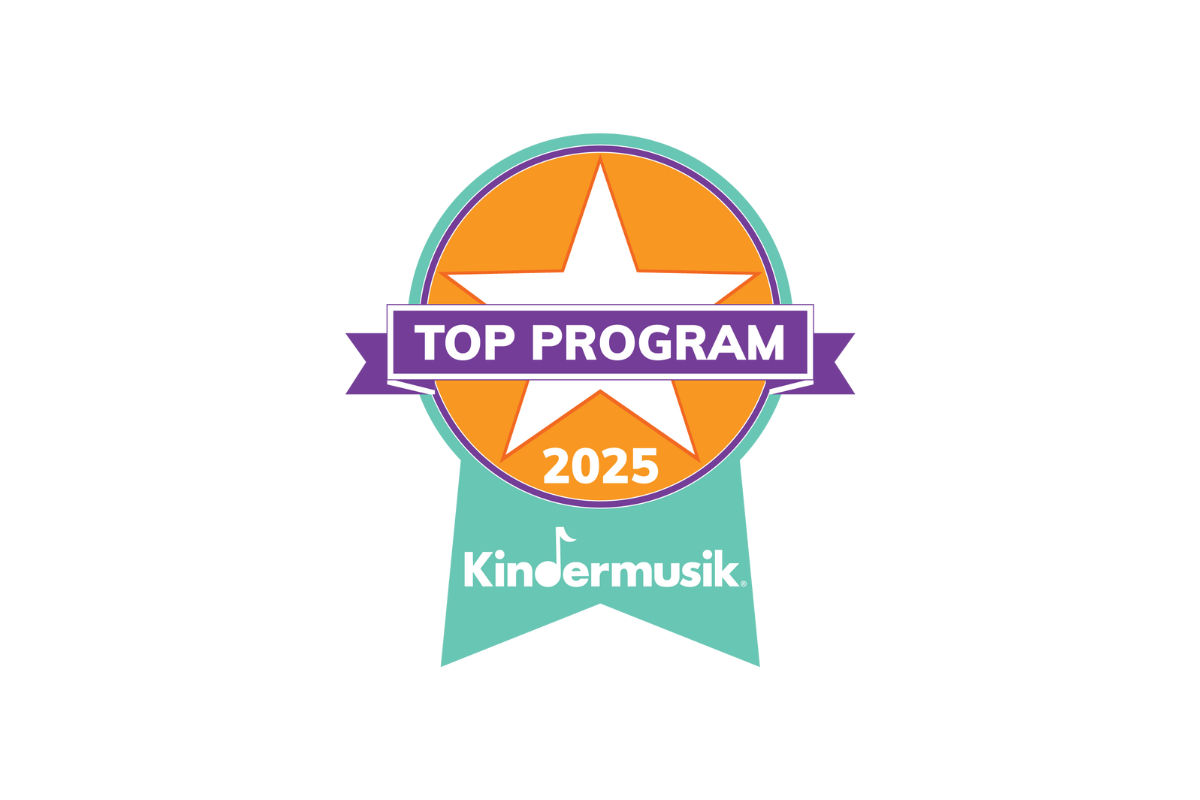

Have you ever searched for a Kindermusik class and wondered what that circular “Top Program” icon really means? Each year, we award Kindermusik Top Program status to studios across the globe with the highest registrations and other factors that contribute to their offerings being the best early childhood music and movement programs around.
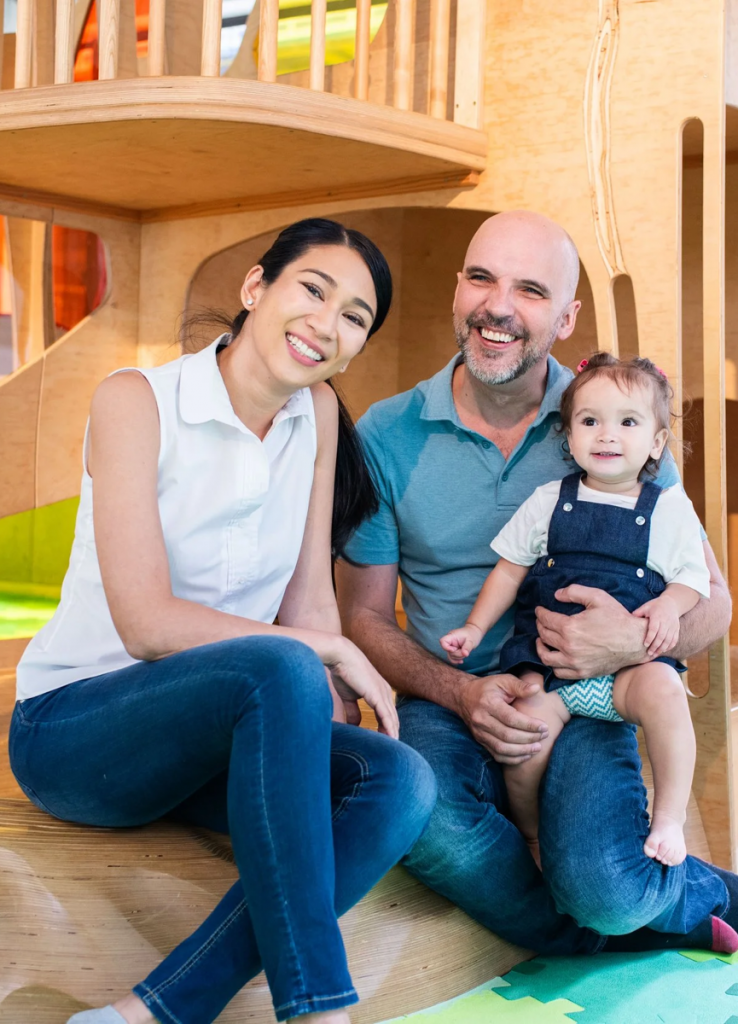
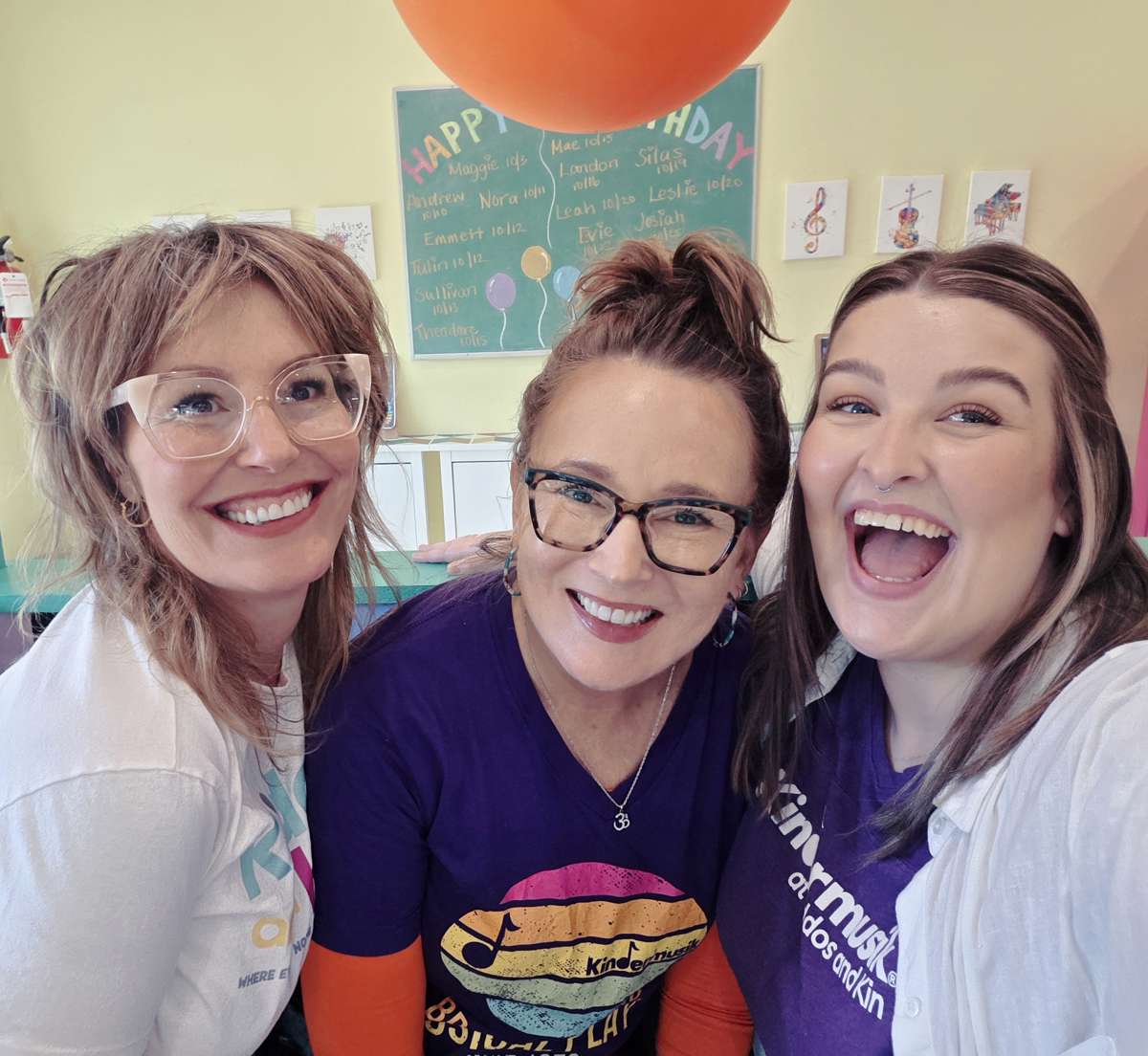
Through focusing on a business that grows with families, and offering an experience grounded in care and authenticity rather than performance, Shay Ryan and her team at Kiddos and Kin had the third highest number of registered families in 2025 for Kindermusik classes in the world.
Shay, where is your location and how many years have you been accredited?
Tacoma, Washington, USA. I’ve been accredited for 14 years.
How did you originally hear about Kindermusik and what was your journey to becoming accredited like?
When I had my first child, I was hoping to meet other new parents while also giving my daughter the best possible musical start, so joining our local Kindermusik class felt like a natural choice. When she was around 2-years-old, our beloved teacher announced her retirement. Wanting my daughter, and our community, to continue experiencing the benefits of Kindermusik, I decided to pursue accreditation myself. That choice became the beginning of this journey.
What steps do you think were critical in helping you achieve a Top Program status initially and how have you built on that to become the #3 Program in the world?
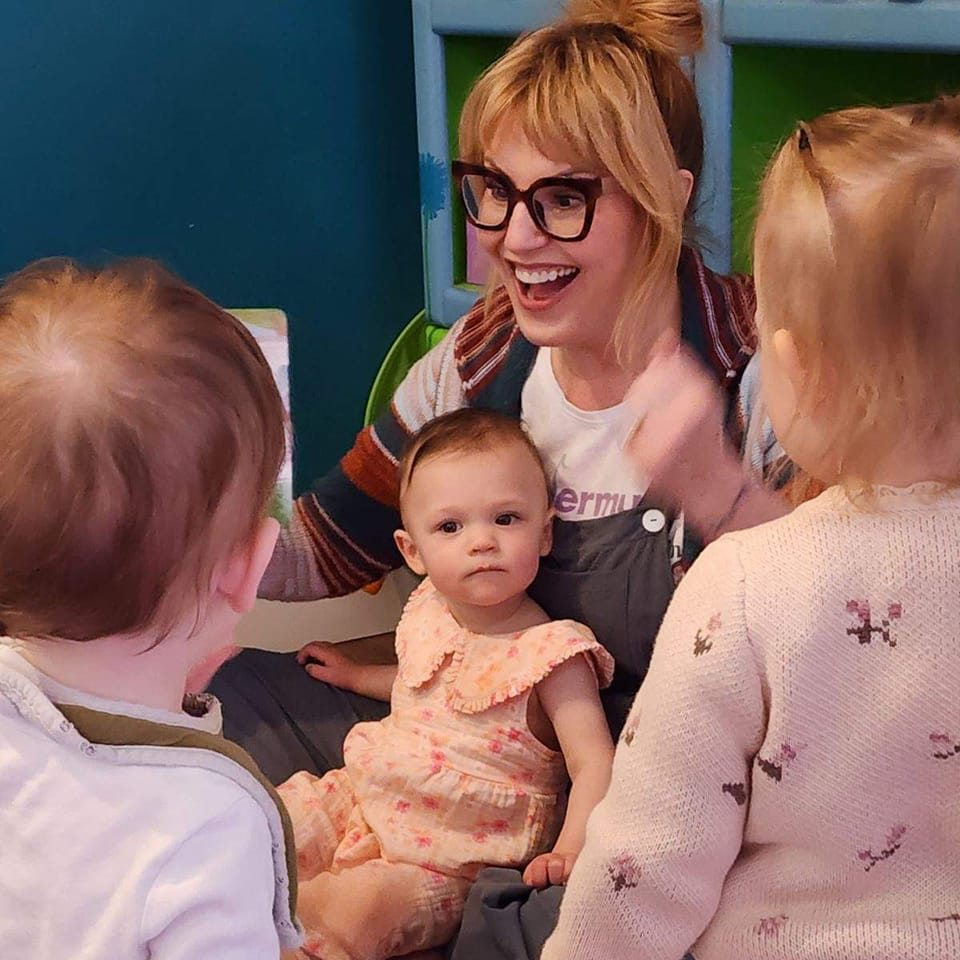
The first few years were a slow build, with classes held in my living room, much like the mentors who inspired me. From the very beginning, I focused less on how many families were in class and more on how they felt. I tried to create a warm, predictable flow, eventually hiring educators who truly understood early childhood and connected easily with both children and caregivers, and built an environment where families felt seen and supported. That experience is what kept families coming back. Behind the scenes, I paired that warmth with clear systems, autonomy for my educators, and a strong, values-driven culture so trust could grow alongside enrollment. I expanded slowly and intentionally, refining and tweaking the experience as we went, staying deeply connected to our community, and aligning everything emotionally, visually, and operationally with who we are. In the end, Top Program status didn’t come from chasing growth, but from slow, thoughtful expansion.
What standards do you hold for yourself and your teachers, and how do you support them in their own professional journeys?
For me, sustainable growth only happens when the educational experience is truly excellent, so the classroom always comes first. I hold myself and our educators to child-centered standards that prioritize safety, joy, and connection over performance or checking off a lesson plan. That means deeply understanding early childhood development, being fully present and attuned to both children and caregivers, and maintaining real musical integrity within a playful, warm environment.
To keep these standards alive, I try to model them myself by staying active in the classroom teaching, demonstrating activities or talking through new ideas, and coaching one-on-one when needed. I also listen thoughtfully to families, look for patterns rather than reacting to one-off feedback, and protect the experience even when it means slower growth or saying no. Keeping quality at the center is what allows trust, retention, and long-term growth to last.
“From this community, I’ve learned that families need permission to slow down, feel included, and simply be…We’re not just teaching music—we’re holding space during a formative chapter of family life, and that responsibility guides every decision I make.”
– Shay Ryan, Kindermusik Educator and owner of Kiddos and Kin
Tell us a little bit about your community. What have you learned from them and what drives you to honor their needs?
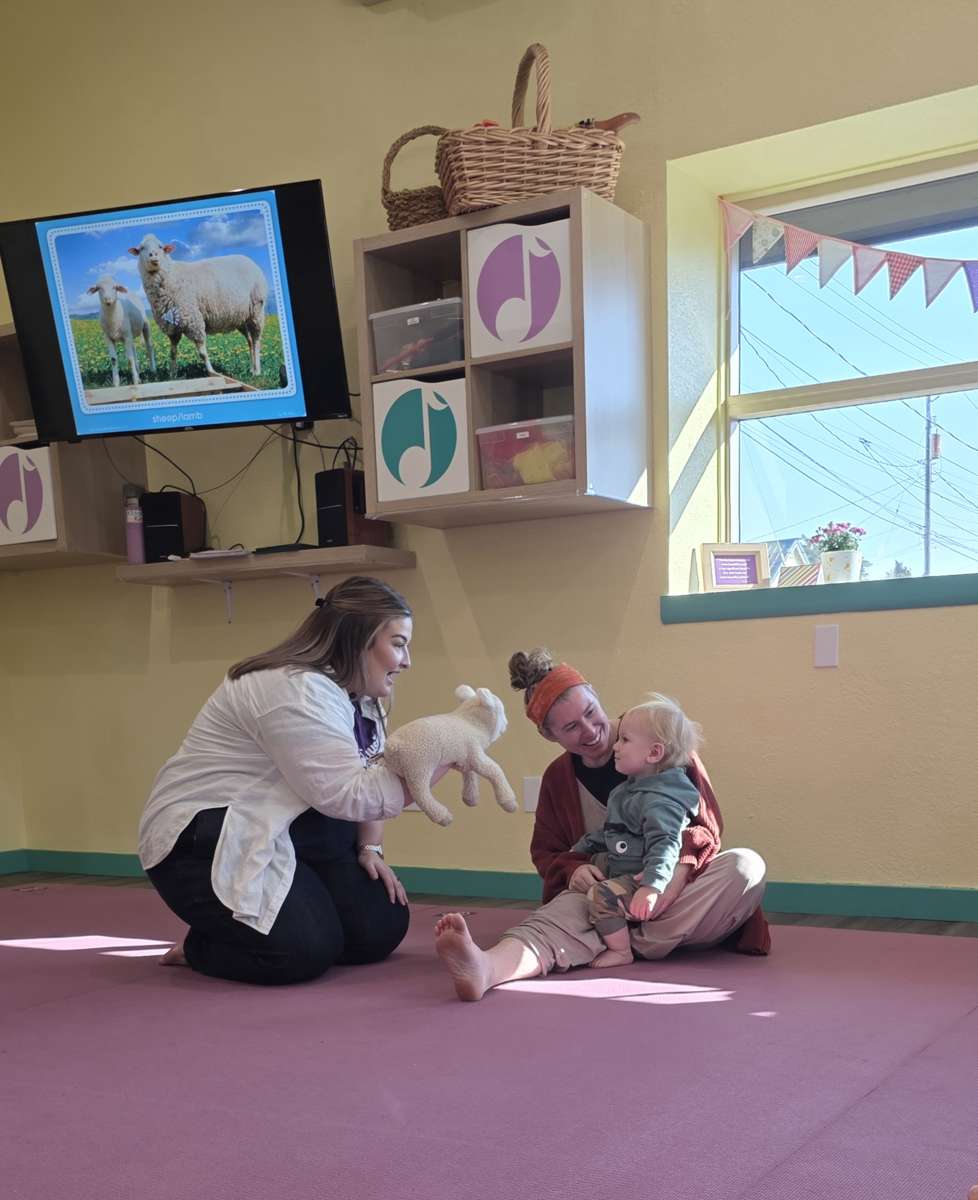
Our community is made up of thoughtful, engaged families who care deeply about their children’s emotional and developmental well-being. We serve first-time parents, seasoned caregivers, military families, neurodivergent children, foster and adoptive families, multigenerational caregivers, and families navigating financial or life stress alongside those simply seeking meaningful connection. What unites them is a shared desire for something intentional, gentle, and real—an experience grounded in care and authenticity rather than performance.
From this community, I’ve learned that families need permission to slow down, feel included, and simply be. Caregivers thrive when they are supported as partners in their child’s growth and children flourish when their individual stories, differences, and nervous systems are respected.
We’re not just teaching music—we’re holding space during a formative chapter of family life, and that responsibility guides every decision I make.
Do you have any memorable “a-ha” moments from teaching a class?
Some of my biggest “a-ha” moments haven’t come from lesson plans or training; they’ve come from very human moments inside the classroom. One that has stayed with me came from a caregiver who shared after class, “This is the only place all week where I feel like I’m doing something right.” That stopped me. It reminded me that Kindermusik isn’t just for children—we’re supporting caregivers, too. When adults feel calm, capable, and included, children feel it immediately.
I’ve also seen children labeled as “too much” elsewhere (too loud, too sensitive, too wiggly) be completely at ease in class. We all have that one child that spends weeks moving along the edges, spinning or running instead of joining the group. Then one day, without fanfare, they step into the circle and sing every word. Kindermusik works because it honors readiness, not compliance. What makes the experience so special is that it looks simple, but it’s deeply intentional; music, movement, connection, and trust woven together.
What’s Kindermusik really about, in your opinion, and what should families really expect to get out of classes?
Kindermusik isn’t about memorizing songs or filling an hour; it’s about a shared experience where your child feels safe, seen, and capable, and where you gain tools to connect, soothe, and support their development every day. In class, children build early language and listening skills, practice emotional regulation through rhythm and routine, and grow confidence, coordination, and social awareness.
At the same time, caregivers learn how to use music at home, discover what their child responds to best, and gain confidence in their role. Those benefits don’t stop when class ends; they ripple into bedtime, car rides, and hard moments. These early years are fleeting, and Kindermusik protects a space in your week to slow down, be fully present, and connect without distractions. Many families later share that this hour became an anchor and one of their most treasured early memories.
What continues to drive you as a Kindermusik educator?
What continues to drive me hasn’t really changed over the years; it’s simply become clearer and more grounded.
As an educator, I’m motivated by the quiet transformations that happen in the room: the child who enters unsure and leaves a little more confident, the caregiver who realizes they feel capable and supported, the child who finds their voice through movement, rhythm, or simply being seen.
As a business owner, I’m driven by protecting that experience. I see my role as building a container that allows educators to teach well, families to feel safe, and children to thrive.
What connects both roles is my belief that care and professionalism don’t have to be opposites. We can hold high standards while leading with compassion, build a successful business while centering human connection, and grow without sacrificing our values. That balance is what keeps me showing up, still teaching, still refining, and still believing in the power of shared musical learning to shape not just children, but communities too.
What vision do you have for your studio in the years to come?
My vision for Kiddos and Kin is to be a studio that grows with families, not one they age out of. That means continuing to refine a thoughtful continuum of programs so children can remain within the same philosophy from infancy through the early elementary years. Central to this vision is the full integration of neurodivergent children in every class, with environments, teaching practices, and educator support designed to honor diverse needs and support families without requiring them to explain or advocate alone. The goal is long-term relationship, trust, and belonging for EVERY family we serve.
Equally important is expanding access and equity in music education. In the coming years, that includes bringing outreach classes into socioeconomically underserved communities, growing our scholarship program through philanthropic and community partnerships, and actively removing financial, logistical, and social barriers to participation. Music should be a shared community resource, not a privilege. This vision also includes deepening partnerships with Symphony Tacoma and Greentrike (a non-profit that supports equitable access to play-based learning), along with other organizations that support families during vulnerable seasons (such as prison nursery programs, early intervention services, libraries, schools, and community-centered nonprofits), allowing shared musical learning to extend far beyond our studio walls.
Find out more about Top Program studios like Kiddos and Kin, and locate one near you. If you’re interested in becoming an Accredited Educator like Shay, check out our training options. You can also connect with Kiddos and Kin on Instagram and Facebook.