

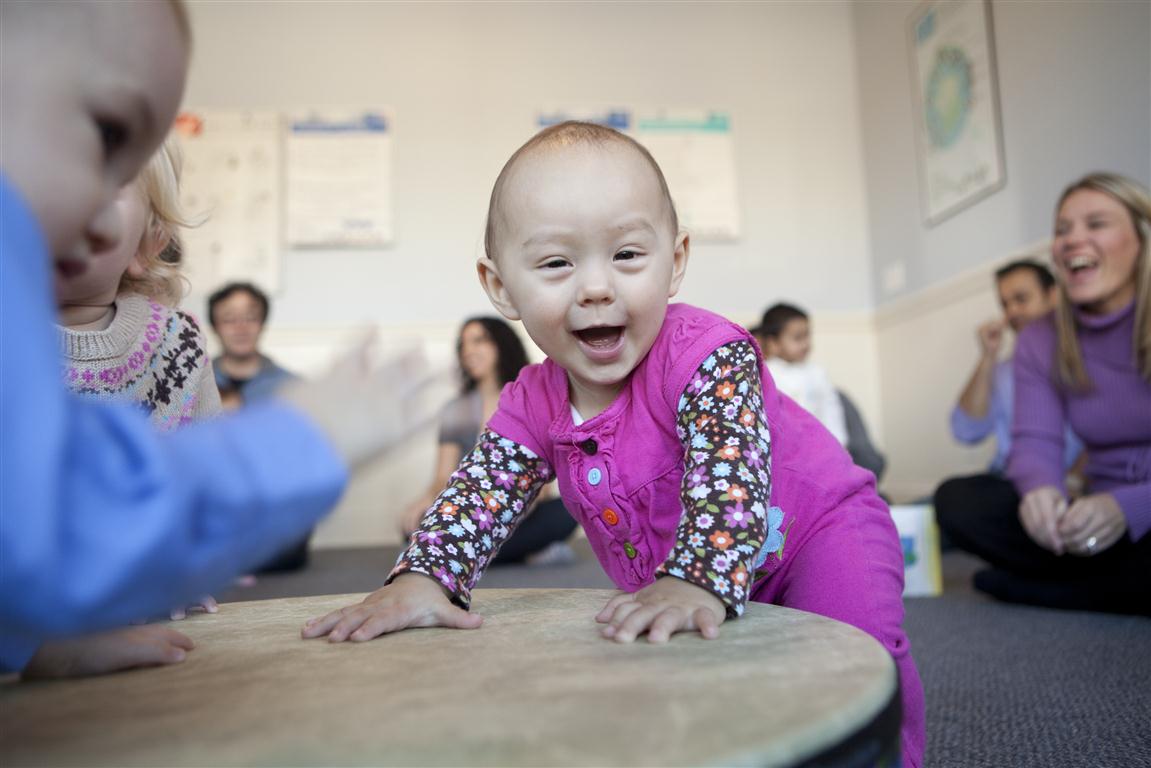
Until recently, “mental health” strides were mostly focused on adults and sometimes older teens, but children were largely excluded from calls to action. The truth is, the need to support positive child mental health begins at birth—a strong social-emotional balance affects everything from language development to motor skills, and music is one of the most cost-effective and easily accessible mental health boosters out there. Let’s explore a few of the many reasons why music is so good for our minds, bodies, and hearts.
Music Increases Dopamine Levels
Dopamine is a chemical in the brain that affects our emotions, behavior, attention, learning, feelings of pleasure and pain, and even our movements. Research studies have demonstrated that listening to music can increase dopamine levels significantly, providing a documented link between the enjoyment of music and our overall well-being.
Music Provides an Outlet for Self-expression
The famous quote by Hans Christian Andersen says it best, “Where words fail, music speaks.” Music helps even the youngest children process new emotions and gives them a way to express those feelings safely. And when it comes to grownups, we often need to re-set how we regulate our own emotions when caring for children—music helps!

Music Can Help us Relax
In our fast-paced, busy lives, we all need to deliberately make time to just relax and do nothing. This is especially true for young children and precisely why our Kindermusik curriculum includes listening and quiet time activities.
Check out Kindermusik’s Relaxation playlist on the free app for some ideal quiet time music!
Music Can Enhance our Ability to Focus
Sometimes tired or distracted minds just need a little boost, and the right kind of music can do just that. Classical music and music with no lyrics playing softly in the background does wonders for increasing attention span and improving the brain’s processing efficiency.
Music Connects us with Others
Shared musical experiences, from playing pots and pans in the kitchen to a Kindermusik class, brings people together and creates opportunities for meaningful social interaction. For example, we use “Meet-and-Greet” circle dances and songs to build a strong sense of friendship and belonging.
Music Motivates Us
Have a child(ren) that’s often too tired for morning or bedtime routines? Aside from starting a little earlier, turn on some appropriate music for that little boost of energy they need (check out our free Rituals Album in the Kindermusik app!) and to make those unwanted tasks a little less daunting.
The bottom line? Music is a natural enhancement to positive child mental health!
It has the power to soothe, inspire, energize, and so much more.
For more musical mental health tips, join a class near you or check out our audio-led kits for early childhood professionals.
This post was originally authored by Theresa Case, Accredited Kindermusik Educator and owner of Piano Central Studios in Greenville, SC.